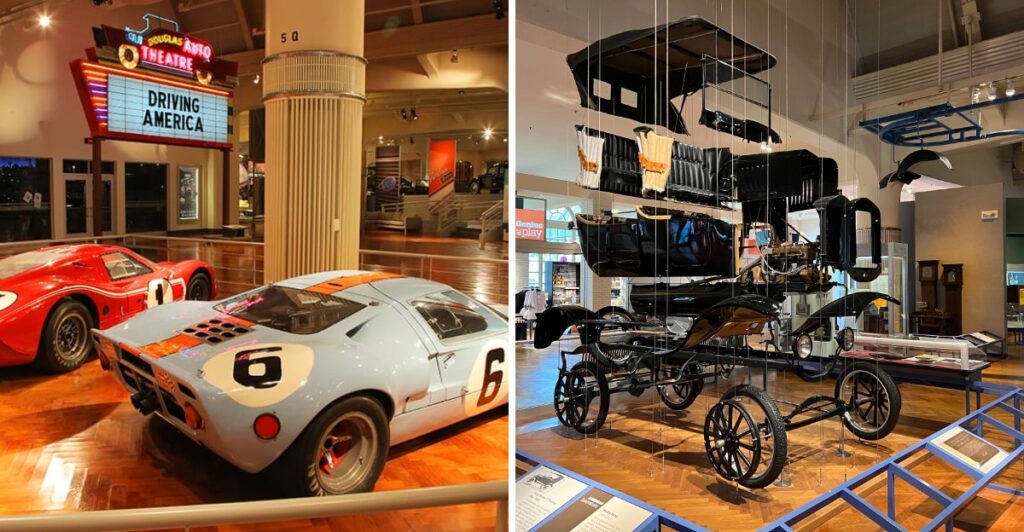
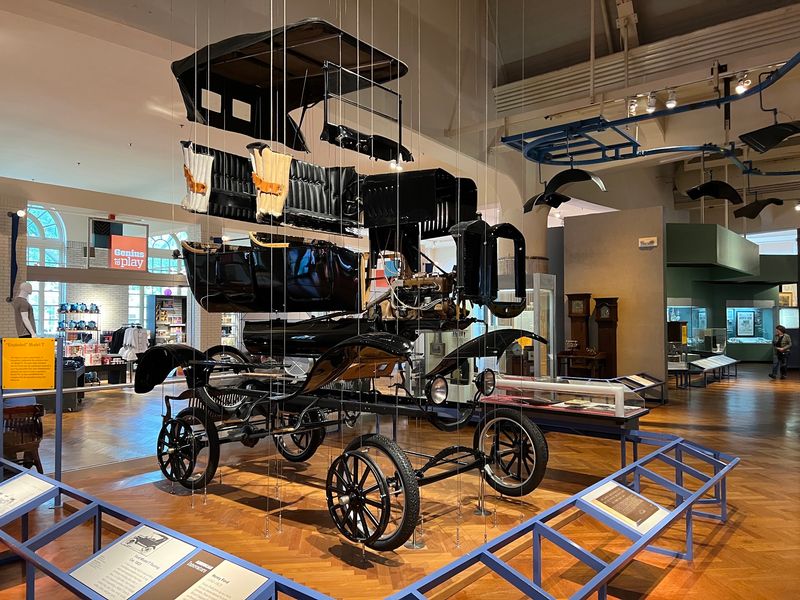
A Model T hangs from the ceiling in pieces, like someone hit pause on a car exploding. On purpose. I respect a museum that turns a parts diagram into ceiling art.
The same building holds the actual bus where Rosa Parks took her stand. You can step inside it, too.
A few galleries away sit presidential cars, a round aluminum house, and a steam engine built to haul serious weight.
The whole place covers 523,000 square feet in Michigan. That’s more floor space than my sense of direction can handle.
There’s even a 1946 diner serving frappes inside the museum. Honestly, a snack break near a floating Model T feels like the most American lunch possible.
Your First Stop Should Be A Bus That Changed History
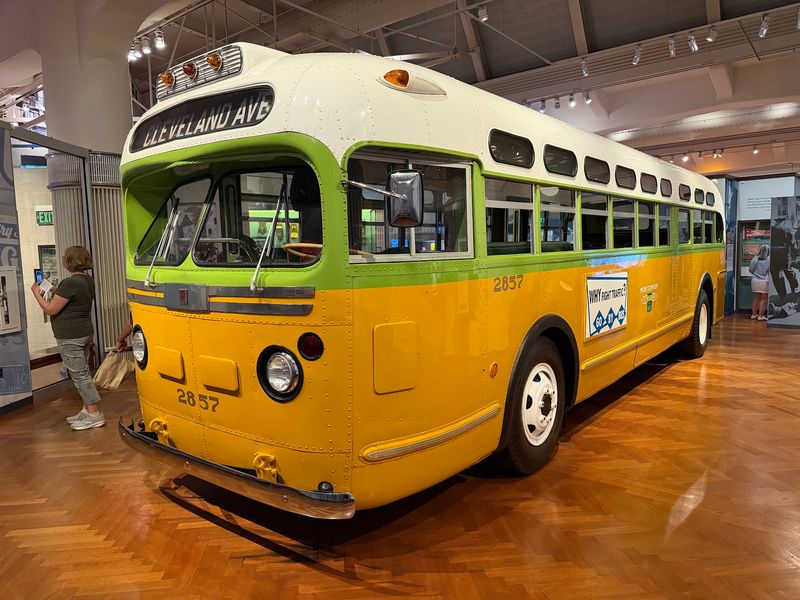
Some artifacts sit behind glass. At the Henry Ford Museum of American Innovation, one of the most important ones lets you climb aboard.
The actual bus where Rosa Parks took her stand is parked inside the museum. You can step inside and see the seats for yourself. That’s a powerful moment, and it lands differently than any textbook page.
The bus is part of the With Liberty and Justice for All exhibit. That gallery follows America’s long pursuit of freedom. It runs from the Revolutionary War through the Civil Rights Movement.
Give yourself a little extra time here. The bus is small, so you can take in every detail without rushing. It’s a great spot to pause, talk with your family, and think about how one brave choice can shape a whole country.
Kids often understand history better when they can stand where it happened. Adults do too, honestly. This is a stop many people remember long after they leave Michigan.
Bring questions with you. The exhibit gives you plenty of context, and it’s one of the best conversation starters in the entire building. Quiet reflection works perfectly here as well.
Road Trip Fans, Driving America Was Built For You
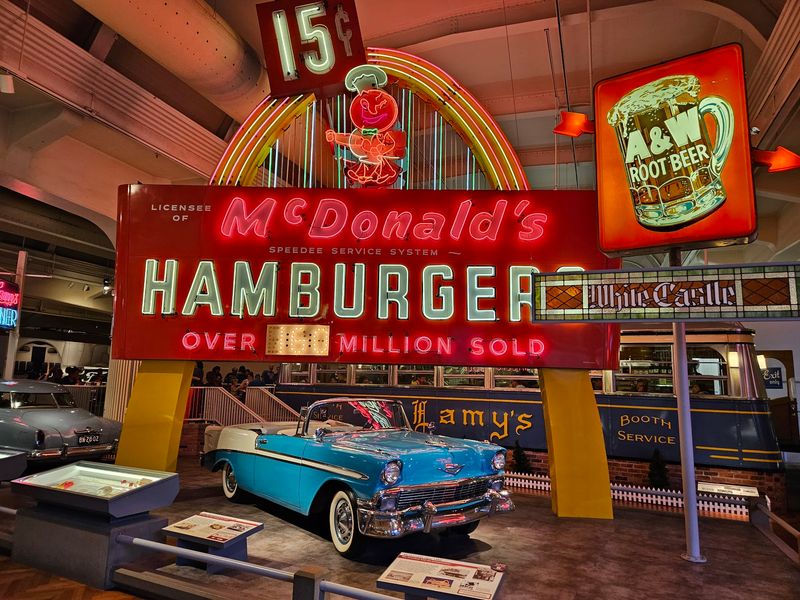
A 1956 Chevrolet Bel Air convertible parked under a classic McDonald’s sign. That pairing tells you exactly what the Driving America exhibit is about.
This gallery explores how cars changed daily life across the nation. Roads, food, travel, and even where people lived all shifted because of the automobile. It’s a fun way to see how one invention reshaped everything around it.
Elsewhere in the museum, the famous exploded 1924 Ford Model T is a showstopper in the Made in America: Manufacturing exhibit.
Its parts hang in pieces from the ceiling. You can see how the whole machine fits together, which is weirdly satisfying.
Henry Ford’s early Quadricycle prototype is here too. It looks tiny and simple next to later cars. Still, it marks an early step on the road to the Model T.
Families with young drivers-in-training will find plenty to point at. Older visitors may spot cars they remember from their own childhood. Everyone gets something.
Pace yourself in this section. It’s packed, and every corner seems to hold another shiny bumper. Grab the THF Connect app for maps and curator-led audio tours to help you decide what to see first in this Michigan favorite.
Prepare To Feel Very Small Next To This Steam Giant
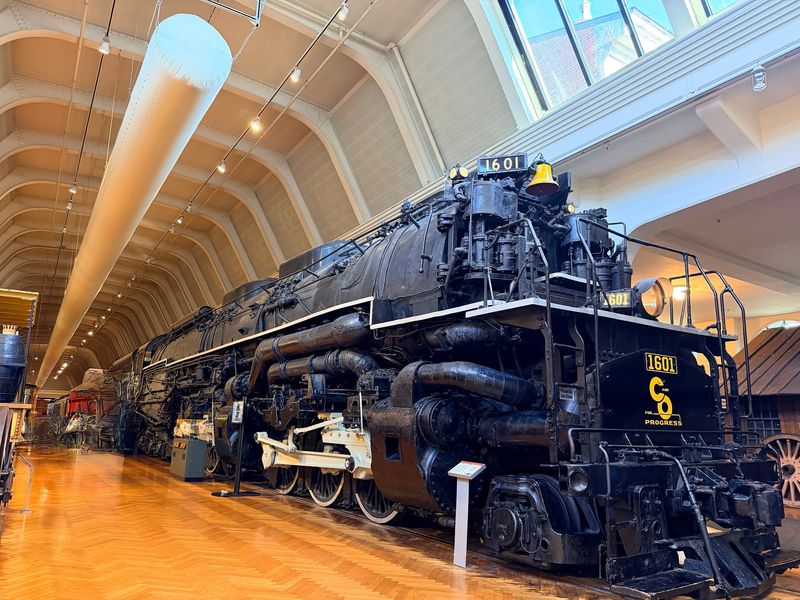
Big doesn’t quite cover it. The Chesapeake and Ohio Railway’s Allegheny-class steam engine is recognized as one of the most powerful locomotives ever produced.
Its wheel arrangement is 2-6-6-6. That’s a lot of wheels, and they were built for serious hauling. Standing beside it, most people instantly feel like a garden gnome.
Trains fit naturally into a museum about American innovation. Railroads moved goods, people, and ideas across the country. This engine shows just how far that power could go.
Kids who love trains may refuse to leave. Plan for that. A quick photo next to the wheels gives a great sense of scale for anyone back home.
Take a slow lap around the engine if you can. Look at the size of the parts and how they connect. Engineering doesn’t always sound exciting, but seeing it at full size changes the conversation.
Pair this stop with the other railroad pieces nearby. Together, they tell a bigger story about travel and industry. It’s one of those exhibits that makes even non-train people suddenly curious about steam, coal, and how anything this heavy ever moved at all.
Look Up, Because The Story Of Flight Takes Off Here
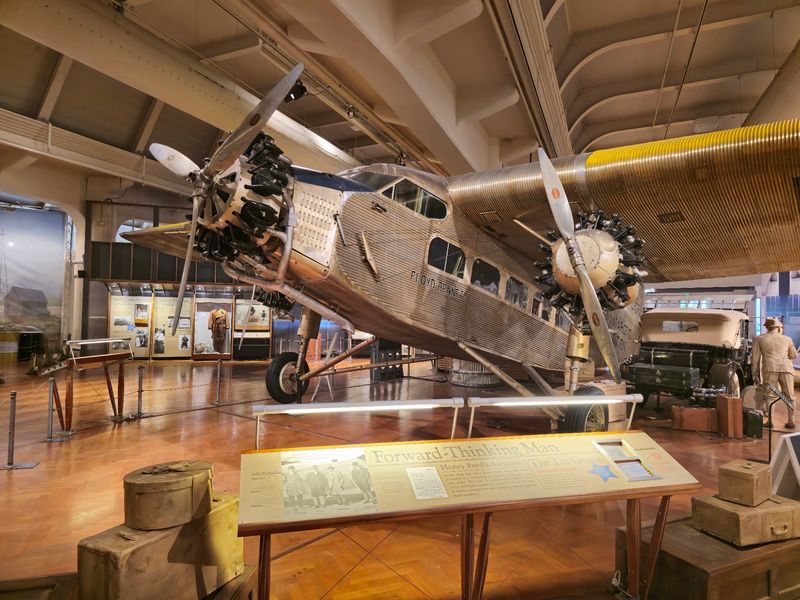
Planes dangling overhead are a pretty great reason to stop staring at your phone. The Heroes of the Sky exhibit covers 50 years of flight innovations.
The story includes the achievements of the Wright brothers. Their early work helped launch a whole new way to travel. From there, the exhibit follows how flying grew bolder, faster, and more daring.
Early aircraft can look surprisingly fragile. Wood, fabric, and wire played a big role. Seeing them in person makes those first pilots seem even braver.
This section works well for curious kids. Ask them which plane they would trust for a first flight. The answers can get hilarious.
Aviation also connects nicely to the rest of the Henry Ford Museum of American Innovation. Cars, trains, and planes together show how Americans kept chasing new ways to move. It’s a theme you’ll notice all over the building.
Bring a little patience for photos. Many aircraft hang high, so step back to fit them in the frame. A wider view also helps you see how different the designs really are, from boxy early models to sleeker machines built for longer, bolder journeys.
Speed Lovers Get Their Own Zone In Driven To Win
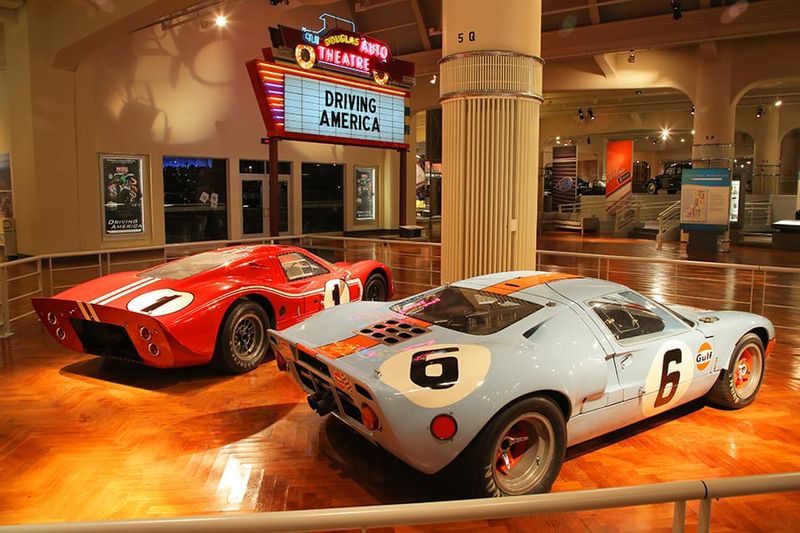
Engines roar a little louder in your imagination here. Driven to Win: Racing in America celebrates the country’s long love affair with auto racing.
Racing pushed carmakers to build faster and smarter machines. Many of those lessons later showed up in everyday vehicles. That makes this exhibit more than just a shiny car show.
Even if you don’t follow racing, the designs grab attention. Sleek bodies and bold paint jobs feel built for speed while standing still. Pretty impressive for parked cars.
Families can turn this stop into a friendly game. Have everyone pick a favorite car and explain why. Expect strong opinions and maybe some trash talk.
Racing fits perfectly inside a Michigan museum. The state’s deep ties to the auto world give these machines a natural home. You’ll see how competition and creativity often traveled side by side.
Leave some energy for this section. It tends to come later in a long day, and it deserves fresh eyes. The mix of history, engineering, and pure excitement makes it a strong finish for anyone who loves horsepower, design, or simply going really, really fast.
Lunch Comes With A Side Of 1946 Nostalgia
Frappes, pie, and Toll House cookies inside an actual 1946 New England diner. Lamy’s Diner makes lunch feel like a time machine with napkins.
The menu leans into the era with period choices and paper straws. Chicken salad sandwiches and classic desserts fit right in. It’s a playful break between big exhibits.
Want more options? Plum Market Kitchen serves fresh, chef-crafted food. Think all-natural meats, sustainable seafood, and kid-friendly picks.
Coffee lovers can head to the Zingerman’s coffee counter there. It serves coffee and baked goods for a quick boost. Museum admission isn’t required to eat at Plum Market Kitchen.
Timing matters here. Both spots serve lunch daily from 11 a.m. to 3 p.m., so don’t wait too long. A late lunch plan could leave you snack-hunting instead.
Guests with dietary needs have some choices. The culinary teams aim to offer vegan, gluten-free, and allergen-sensitive options. The kitchens aren’t allergen-free, though, so cross-contamination can happen.
Plan accordingly, then enjoy a well-earned meal before tackling the next gallery.
Smart Planning Makes This Giant Museum Way Easier
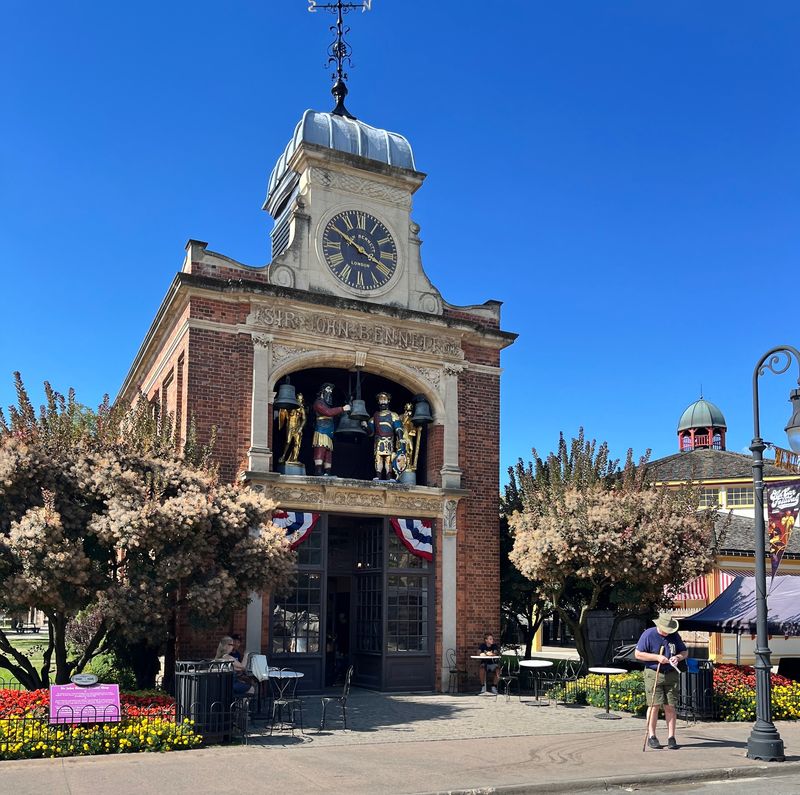
Size is the first thing to plan around. The Henry Ford Museum of American Innovation covers 523,000 square feet, so a quick peek won’t cut it.
You’ll find it at 20900 Oakwood Blvd, Dearborn, MI 48124. The museum opens daily from 9:30 a.m. to 5 p.m. Arriving early gives you more breathing room for the big galleries.
Henry Ford founded the museum on October 21, 1929, as part of the Edison Institute. It opened to the public on June 22, 1933. The larger institution, The Henry Ford, is a National Historic Landmark.
Download the THF Connect app before you go. It offers interactive maps, curator-led audio tours, and daily activity listings. Members can also use it for a digital membership card.
The collections across The Henry Ford include more than 26 million artifacts. Not all are on display at once, of course. Still, that number explains why many people plan return trips.
Wear comfortable shoes and pick a few must-see exhibits first. Then wander. Stop by the gift shop at the end for a Michigan souvenir that’s slightly smaller than a steam locomotive.