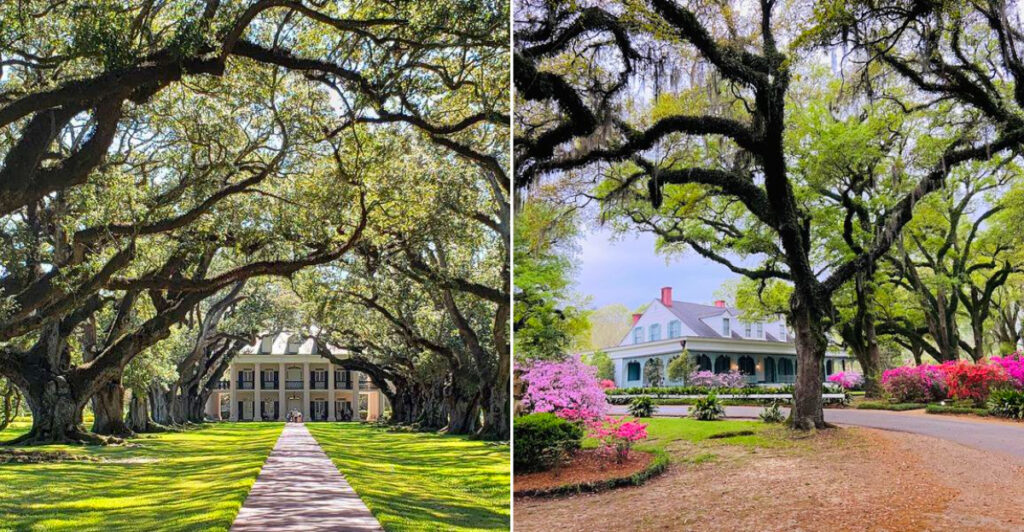
Some houses hold their history behind glass cases and velvet ropes where you walk through on a scripted path and leave feeling like you just toured a museum that happened to be shaped like a house.
But the places on this list are different because the front door opens and the floorboards creak and the light falls through the same windows it fell through two hundred years ago and you can feel the difference between reading about a place and standing in the room where it actually happened.
Louisiana has more surviving antebellum and Creole architecture than nearly any other state and the range is staggering.
From pillar-lined plantation mansions along the Mississippi to modest raised cottages in the French Quarter that have withstood hurricanes and occupation and two centuries of heat.
Stepping inside these Louisiana homes is like walking into a conversation between centuries and every room has something different to say.
12. Oak Alley Plantation
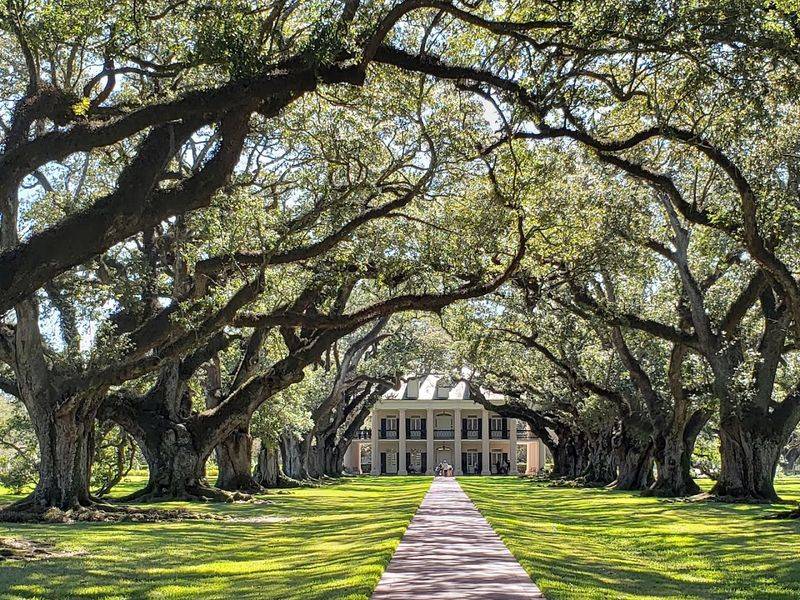
Few approaches feel as carefully composed as the avenue leading toward Oak Alley Plantation at 3645 Highway 18, Vacherie, LA 70090.
Twenty-eight live oaks create a long canopy before the Greek Revival mansion, framing its columns and galleries so precisely that the first view can seem designed for a film rather than developed across generations.
Inside the main house, guided tours examine architecture, changing ownership, domestic routines, and the sugar economy that produced extraordinary wealth.
The restored rooms show how the building was organized for display and comfort, but they represent only one section of a much larger working landscape sustained by enslaved labor.
Beyond the mansion, exhibits and reconstructed slave quarters provide essential context about the people whose names and experiences were often left outside older versions of the plantation story.
Taking time with these sections changes the meaning of the famous oak avenue, because the beauty and the exploitation can no longer be treated as separate histories.
A visit works best when you allow at least a couple of hours rather than rushing through the house and leaving. Walk the grounds slowly, read the personal histories, and notice how architecture, agriculture, labor, and memory remain connected across the property.
11. The Myrtles Plantation
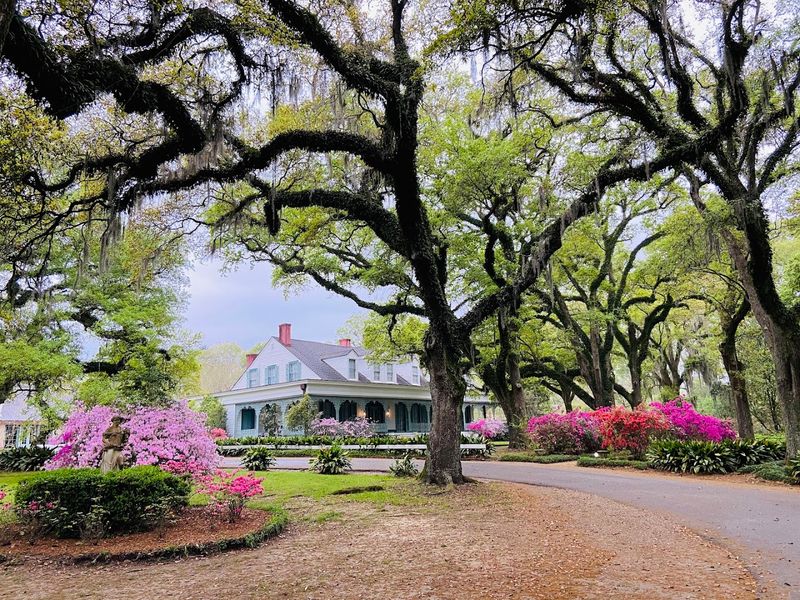
Folklore begins competing with documented history almost immediately at The Myrtles Plantation, located at 7747 US Highway 61, St. Francisville, LA 70775.
The late-18th-century house combines an older Creole form with later architectural additions, period rooms, broad galleries, and gardens that make the property feel layered rather than frozen in one carefully selected year.
Daytime tours concentrate on the building, its residents, and the changes made across generations, while evening experiences lean more heavily into the ghost stories that made the property famous. That division is useful, because it allows visitors to decide whether they are more interested in architectural history, local folklore, or the complicated space where the two have become intertwined.
The most familiar legends should not be mistaken automatically for proven history. Some stories have been repeated so often that they now function as part of the site’s identity, even when surviving documents do not fully support every dramatic detail.
Look closely at the house itself while the stories unfold around it. The changing floor plans, furnishings, decorative choices, and relationship between the building and its grounds provide a quieter but often more revealing account of how the property evolved over more than two centuries.
10. Hermann-Grima House
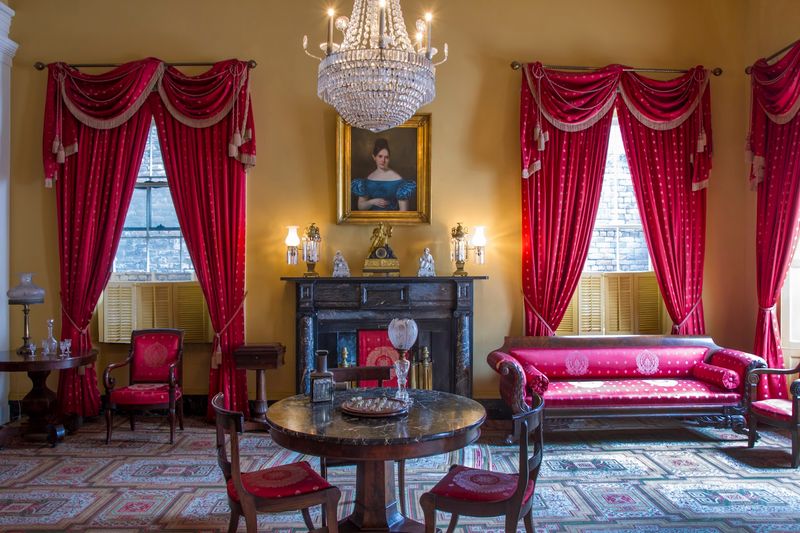
In the middle of the French Quarter, the Hermann-Grima House at 820 St. Louis Street, New Orleans, LA 70112 offers a different perspective from Louisiana’s rural plantation estates.
Its courtyard, service spaces, main residence, and surviving outbuildings reveal how wealth, domestic labor, and enslavement operated inside a crowded 19th-century city. The handsome Federal-style residence was designed to provide privacy and refinement only a short distance from some of New Orleans’ busiest commercial streets.
Carefully furnished rooms demonstrate the expectations of an affluent household, while the courtyard arrangement shows how cooking, washing, storage, and other daily work were organized behind the more polished public interiors.
Guided interpretation gives necessary attention to urban enslavement and to the people whose labor maintained the household. Their experiences differed in important ways from life on rural plantations, but they remained shaped by coercion, surveillance, family separation, and the legal violence of slavery.
What makes the visit particularly effective is the closeness of everything. A parlor, courtyard, kitchen, and work area can be only a few steps apart, yet they represent dramatically different social realities within the same property.
9. Houmas House
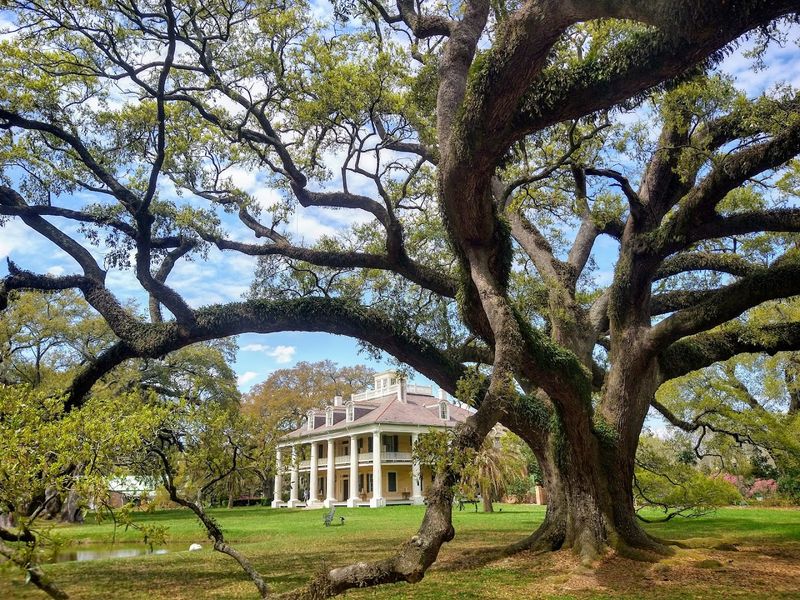
Near the Mississippi River, the grounds surrounding Houmas House at 40136 Highway 942, Darrow, LA 70725 unfold with enough gardens, paths, ponds, and old trees to make the estate feel almost self-contained.
The mansion developed over time rather than appearing in one completed gesture, and its architectural evolution reflects the growing power of the sugar operation once connected to the property.
Guided tours move through rooms filled with artwork, antiques, decorative objects, and furnishings selected to illustrate different periods in the estate’s long history.
The galleries and interiors communicate wealth clearly, but the building’s scale becomes more meaningful when connected to the river, plantation agriculture, and the labor system that supported such expansion.
Outside, the gardens are carefully theatrical without feeling completely rigid. Paths reveal new views of the house, bridges cross quiet water, and planted areas create small moments of enclosure before opening into broad lawns and formal perspectives.
The property rewards a slow visit because the house is only one part of the experience. Leave time for the grounds and museum exhibits, and approach the estate as a changing landscape shaped by commerce, preservation, storytelling, and selective decisions about what survives.
8. Destrehan Plantation
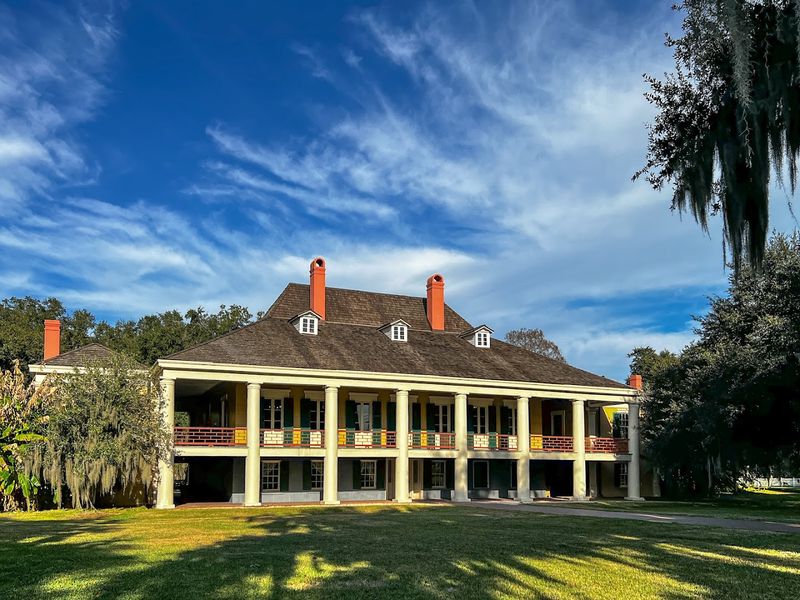
A short drive from New Orleans leads to Destrehan Plantation at 13034 River Road, Destrehan, LA 70047, one of the oldest documented plantation homes in the Lower Mississippi Valley.
The house began in the late 18th century and was altered over time, so its galleries, construction methods, and floor plan show several architectural periods within a single structure.
Historical interpreters guide visitors through the residence and surrounding exhibits while connecting the property to French, Spanish, and American rule. Original documents and preserved objects help ground the tour in records rather than relying entirely on generalized stories about plantation life.
Particular attention is given to the 1811 German Coast uprising, the largest revolt of enslaved people in United States history. Learning about that resistance close to the landscape where the events unfolded gives the site a significance that extends well beyond the architecture of the main house.
Craft demonstrations and furnished rooms add texture, but the archival material is what gives the visit its strongest foundation. Move slowly through the exhibits, ask questions about changes to the house, and notice how one property reflects colonial government, slavery, revolt, war, agriculture, and later preservation.
7. Laura Plantation
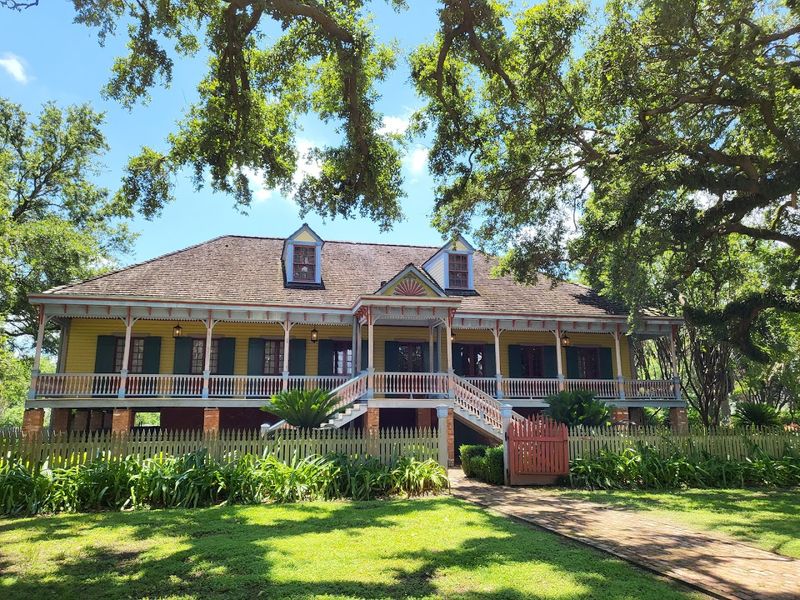
Color immediately distinguishes Laura Plantation at 2247 Highway 18, Vacherie, LA 70090 from the white-columned image many visitors associate with Louisiana plantation homes.
The raised Creole house uses red, ochre, green, and other tones that reflect regional building traditions, climate-conscious design, and a cultural world shaped by French language and Creole identity.
Tours rely heavily on family memoirs, archival records from Louisiana and France, plantation documents, and oral histories.
That documentary base allows the guides to trace several generations of free and enslaved residents while examining inheritance, family conflict, business, language, gender, and the management of a sugar plantation.
The surviving slave cabins are essential to the experience rather than treated as a quick addition behind the main house. They help connect the property to the lives of enslaved families and to the West African stories later recorded there and transformed into the Br’er Rabbit tradition.
Compared with tours centered mainly on furniture and grandeur, the interpretation here feels more narrative and personal. Listen closely to the names, relationships, and contradictions, because the strongest impression comes from understanding the plantation as a community shaped by unequal power rather than simply admiring an unusual house.
6. Magnolia Mound
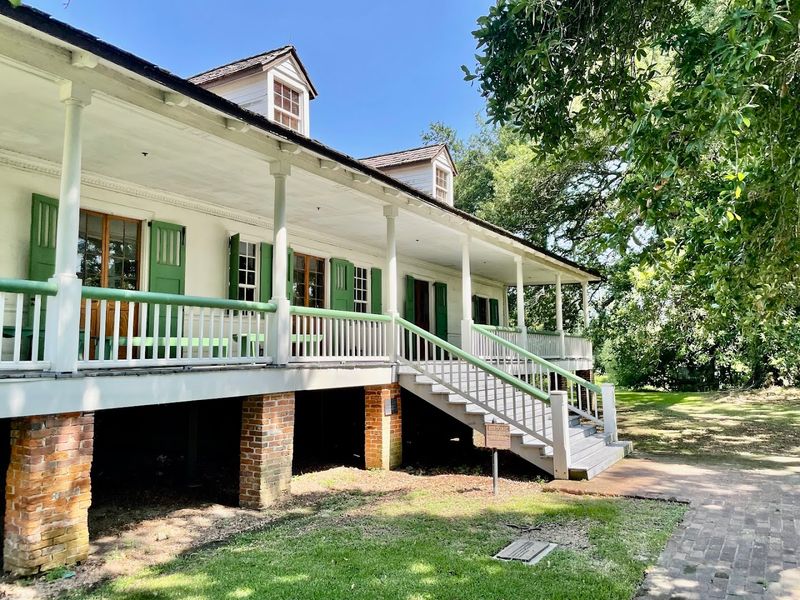
In Baton Rouge, Magnolia Mound at 2161 Nicholson Drive, Baton Rouge, LA 70802 preserves a form of domestic architecture that feels markedly different from the monumental mansions farther down River Road.
The raised wooden house, galleries, airy rooms, and Creole floor plan reveal how early Louisiana builders responded to heat, humidity, local materials, and cultural influences from France, the Caribbean, Africa, and the Gulf region.
Construction began in the late 18th century, and later additions expanded the property without erasing its original vernacular character.
Rather than emphasizing one grand façade, the complex directs attention toward interconnected rooms, practical outbuildings, workspaces, gardens, and the everyday systems required to sustain a household.
Period objects and demonstrations help make domestic history more tangible. Open-hearth cooking programs are particularly useful because they turn fireplaces, tools, ingredients, and food preparation into evidence about labor rather than leaving them as decorative scenery.
The scale makes it easier to study individual details without being overwhelmed by spectacle. Look at the joinery, ventilation, raised foundation, kitchen arrangement, and locally made furnishings, because these quieter features explain how the house functioned in Louisiana’s climate and colonial society.
5. Gallier House
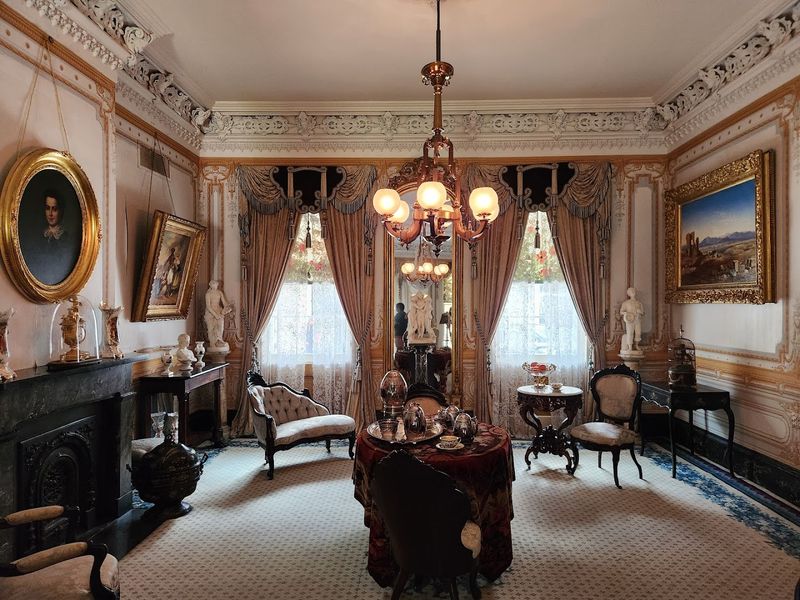
Along one of the French Quarter’s most recognizable residential streets, Gallier House at 1132 Royal Street, New Orleans, LA 70116 demonstrates how technical innovation and social display came together in a prosperous 19th-century home.
Architect James Gallier Jr. designed the residence for his own family, using the building as both a private home and a showcase for his ideas.
The interiors reveal a sophisticated approach to ventilation, plumbing, decorative finishes, and spatial organization. Carefully planned doors, windows, courtyards, and service areas show how architecture attempted to manage the difficult New Orleans climate before modern air conditioning became available.
Guided tours also examine the people who performed domestic labor within the house, including enslaved individuals and later servants whose work made the family’s comfort possible. That interpretation prevents the advanced technology and elegant decoration from becoming an uncomplicated celebration of wealth.
Look beyond the formal rooms toward the systems hidden behind them. Water, waste, airflow, food, laundry, and service circulation were all part of the design, and understanding those practical details makes the residence feel less like a decorative period set and more like a carefully engineered urban machine.
4. Rosedown State Historic Site
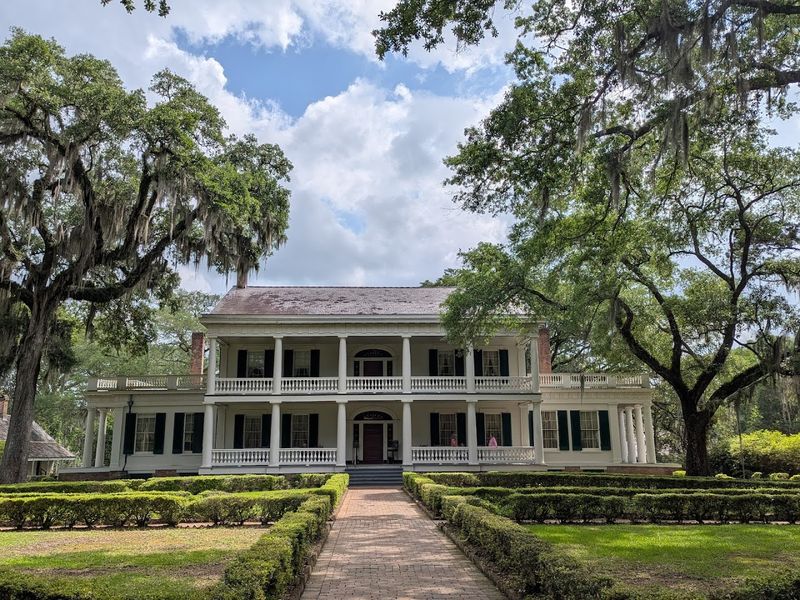
North of Baton Rouge, Rosedown Plantation State Historic Site at 12501 Highway 10, St. Francisville, LA 70775 is as much a preserved landscape as it is a historic house.
A long oak avenue leads toward the main residence, while formal gardens spread outward in patterns inspired by European estates visited by Daniel and Martha Turnbull.
The mansion was completed in the 1830s and still contains a notable collection of original furnishings associated with the Turnbull family. Those interiors offer unusual continuity, allowing visitors to examine how rooms were arranged, decorated, and used by one wealthy planter household across generations.
That wealth depended on an enormous cotton operation and the forced labor of hundreds of enslaved people. Any meaningful visit must hold the beauty of the house and gardens beside the violence and exploitation that financed their creation and maintenance.
The grounds are large enough to reward patient wandering, especially when seasonal flowers soften the formal geometry of the paths. Give the house tour its proper time, but do not skip the outer buildings and interpretive material, where the broader agricultural and human history becomes clearer.
3. Kent Plantation House
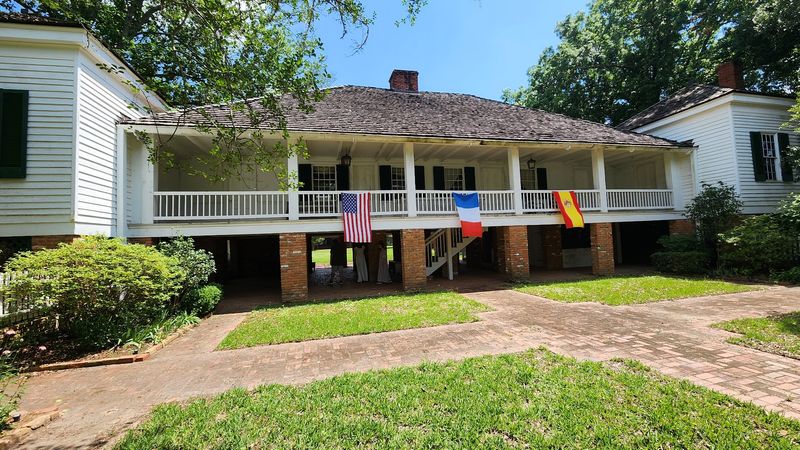
Central Louisiana’s early colonial history becomes unusually tangible at Kent Plantation House, found at 3601 Bayou Rapides Road, Alexandria, LA 71303. Built around 1795, the raised Creole residence predates the Louisiana Purchase and preserves construction traditions connected to French, Spanish, Caribbean, African, and local influences.
Its scale feels modest beside the largest River Road mansions, but that difference is part of the attraction.
Cypress construction, open galleries, practical room arrangements, and surrounding outbuildings reveal how a successful regional household functioned without relying on the monumental presentation associated with later plantation architecture.
Guided tours connect the main residence to kitchens, cabins, agricultural buildings, furnishings, tools, and the labor of enslaved people who sustained the property. These spaces make it easier to understand the plantation as a working complex rather than reducing its history to the lives of the owning family.
The quieter setting encourages close observation. Pay attention to how materials were used, how air moved through the rooms, and how domestic, agricultural, and commercial tasks were distributed across the grounds.
2. Shadows-On-The-Teche
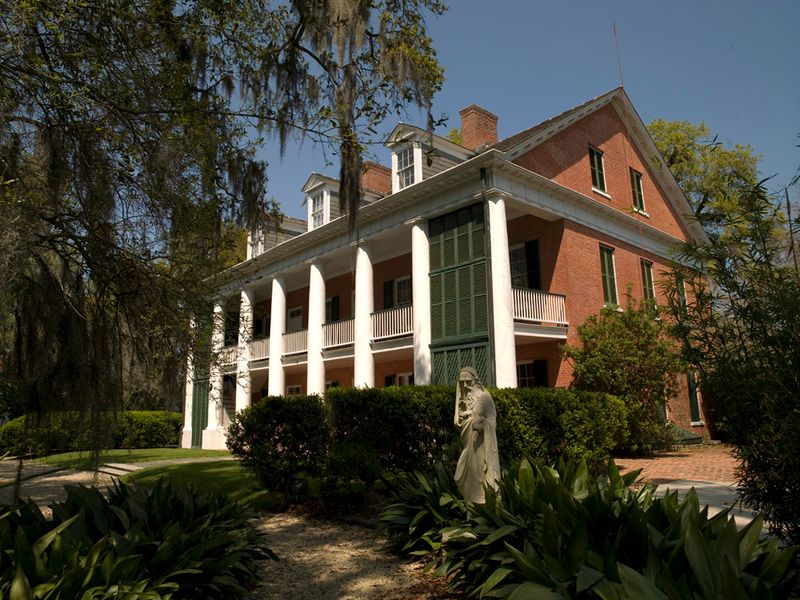
Beside Bayou Teche, Shadows-on-the-Teche at 317 E. Main Street, New Iberia, LA 70560 combines a refined 19th-century residence with a setting that still feels connected to the waterway shaping the town around it.
Live oaks frame the brick house, while galleries and gardens soften the boundary between the domestic interior and the humid landscape outside.
Family letters, furnishings, records, and preserved objects allow tours to follow the Weeks family across the antebellum period, the Civil War, Reconstruction, and the 20th century.
The interpretation also examines enslaved labor, freedom, memory, and the preservation movement that eventually transformed the private residence into a historic site.
Rather than presenting the home as a sealed time capsule, the tour shows how successive generations altered its rooms, meanings, and public image. That changing perspective makes the property feel alive with conflict and reinterpretation rather than simply old.
The downtown location adds another dimension to the visit. After the tour, walking along Main Street and Bayou Teche helps place the house within a continuing community instead of isolating it as a relic outside ordinary life.
1. Pitot House
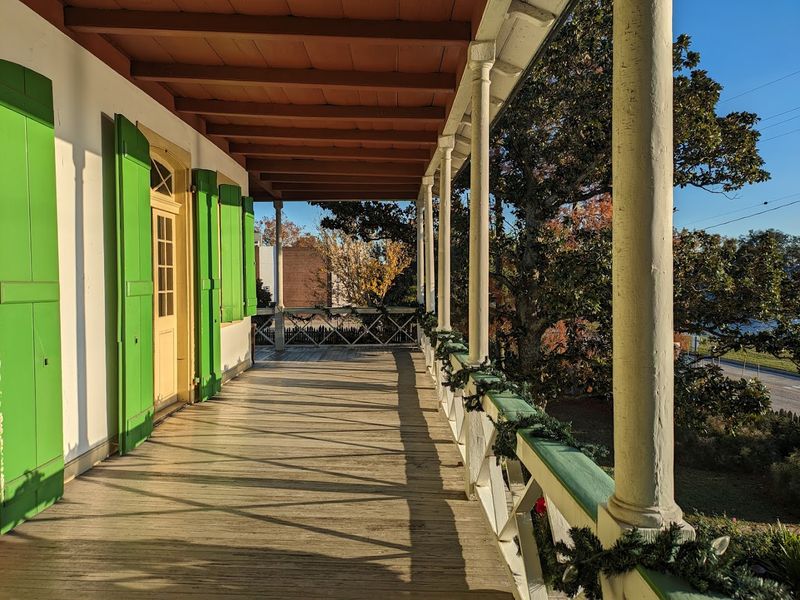
On the bank of Bayou St. John, the Pitot House at 1440 Moss Street, New Orleans, LA 70119 preserves a quieter side of the city’s architectural history.
Built near the end of the 18th century, the raised Creole colonial residence looks toward the bayou rather than the dense streets of the French Quarter, recalling a period when waterways functioned as essential transportation routes.
Wide galleries, a raised foundation, flexible interior spaces, and carefully placed openings show how the design responded to heat, flooding, and seasonal air movement.
The house’s proportions are elegant, but its strongest appeal lies in how clearly the architecture explains the practical logic of early Louisiana building.
Several families occupied the property, and later chapters included its use by the Cabrini Sisters before preservationists saved and relocated it. That layered history prevents the house from being tied to only one owner or moment.
Guided tours are intimate enough for visitors to study details that might disappear inside a larger mansion. Notice the relationship between the house, garden, gallery, and bayou, because together they preserve a version of New Orleans life that existed beyond the city’s crowded commercial center.