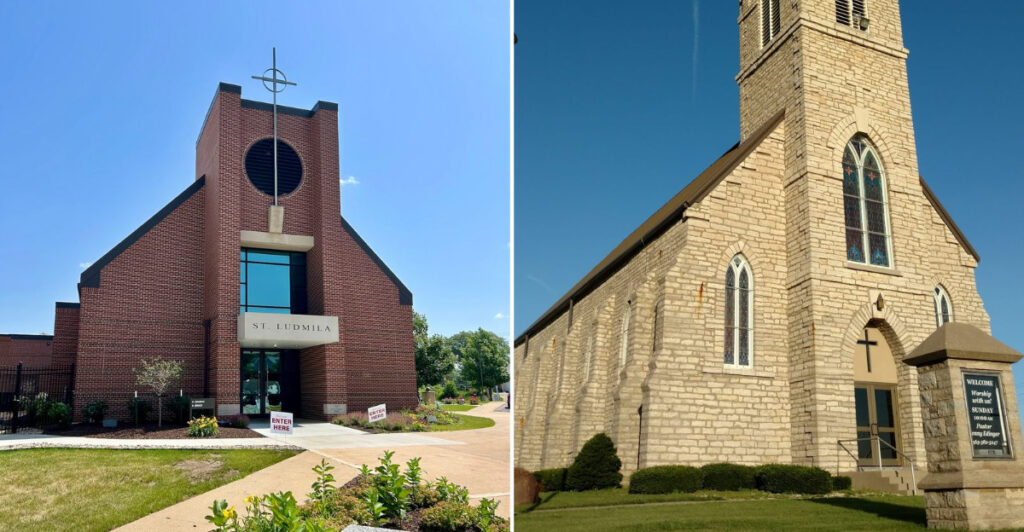
A church bell ringing over an Iowa cornfield can carry more history than you might expect. Each stop revealed another piece of the state’s immigrant story.
Czech and Norwegian settlers built churches that preserved familiar traditions, while Irish and German communities created gathering places rooted in faith and belonging. Inside, painted ceilings and carved altars reflect the pride poured into these buildings.
Weathered cemeteries add another layer, with family names that still connect local communities to their earliest generations. I visited twelve churches tied to those settlers, and every one felt different.
Some impressed me with grand architecture, while others stood out for their quiet simplicity and the stories still held inside their walls.
1. St. Wenceslaus Catholic Church, Spillville
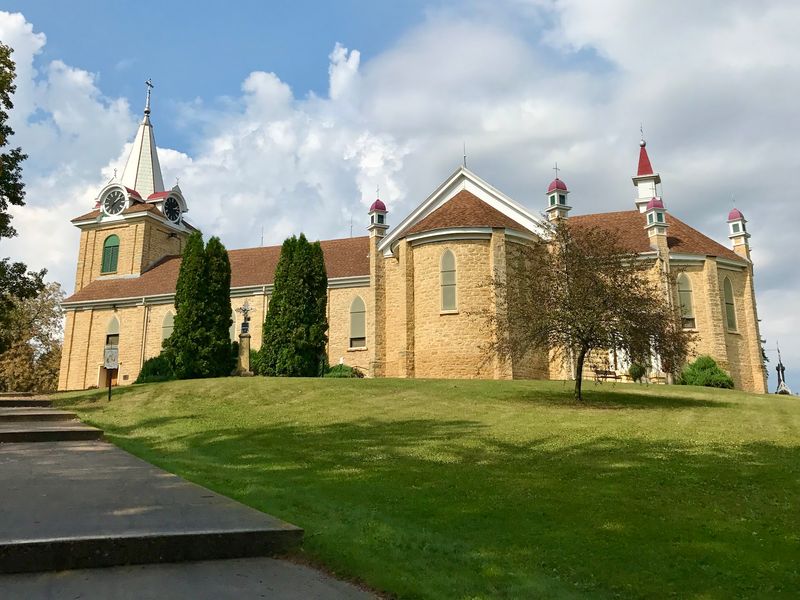
Few places in Iowa carry as much cultural weight as this small Czech village church tucked along the Turkey River in Spillville, a tiny community in Winneshiek County.
St. Wenceslaus Catholic Church was established by Czech Bohemian immigrants who settled this corner of northeast Iowa in the 1850s.
The congregation built a strong community identity around their Bohemian traditions, and the church became the beating heart of that effort.
The current stone structure, completed in 1860, is a beautifully preserved example of European Catholic architecture transplanted to the American frontier.
Spillville is also famously connected to composer Antonin Dvorak, who spent the summer of 1893 here among fellow Czech immigrants, attending Mass at this very church.
Imagine sitting in the same pews where one of the greatest composers in history once worshipped. The interior features original wooden furnishings and hand-painted details that feel remarkably intimate.
If you visit in summer, the church grounds are peaceful and photogenic, and the nearby Bily Clocks Museum makes for a perfect companion stop in this charming village.
2. St. Wenceslaus Catholic Church, Cedar Rapids
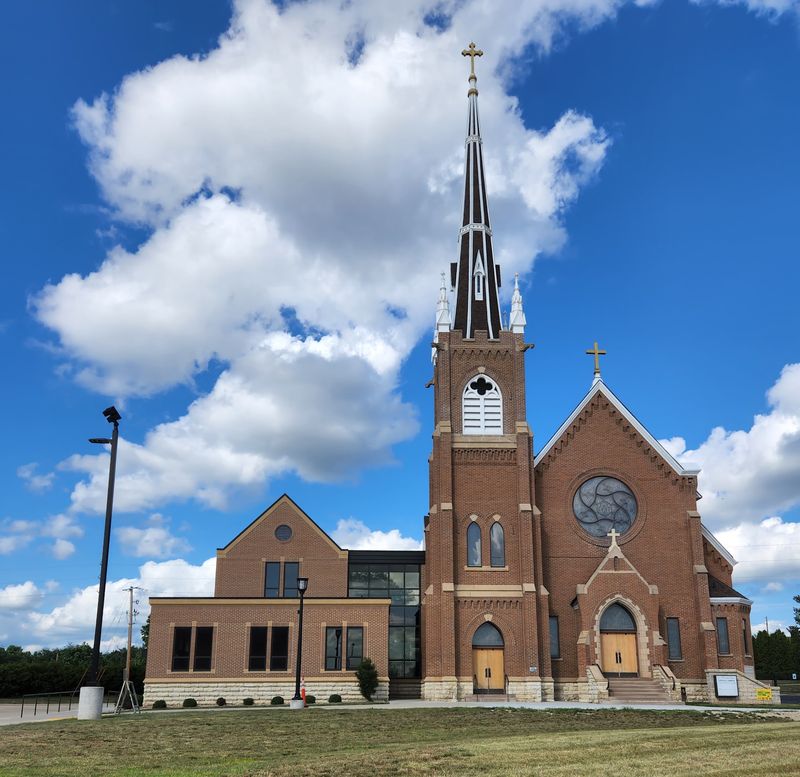
Cedar Rapids holds the proud distinction of once having the largest Czech population of any city in the United States outside of Chicago, and St. Wenceslaus Catholic Church stands as a living monument to that heritage.
Founded in 1874 by Czech immigrants who flooded into Linn County seeking economic opportunity and community connection, the parish grew rapidly alongside the city itself.
The neighborhood surrounding the church, historically known as Czech Village, became one of the most culturally vibrant immigrant enclaves in the entire Midwest.
The church building reflects the ambition and pride of its founders, featuring soaring Gothic Revival architecture that would not look out of place in Prague.
Czech Village in Cedar Rapids still celebrates its roots with festivals, traditional bakeries, and cultural organizations that trace their lineage directly back to these early immigrant settlers.
Visiting St. Wenceslaus today means stepping into a story of resilience, because the parish survived floods, fires, and the passage of time with its community spirit fully intact.
The stained glass windows alone are worth the visit, casting warm colored light across pews that have welcomed worshippers for over 150 years.
3. St. Ludmila Catholic Church, Cedar Rapids
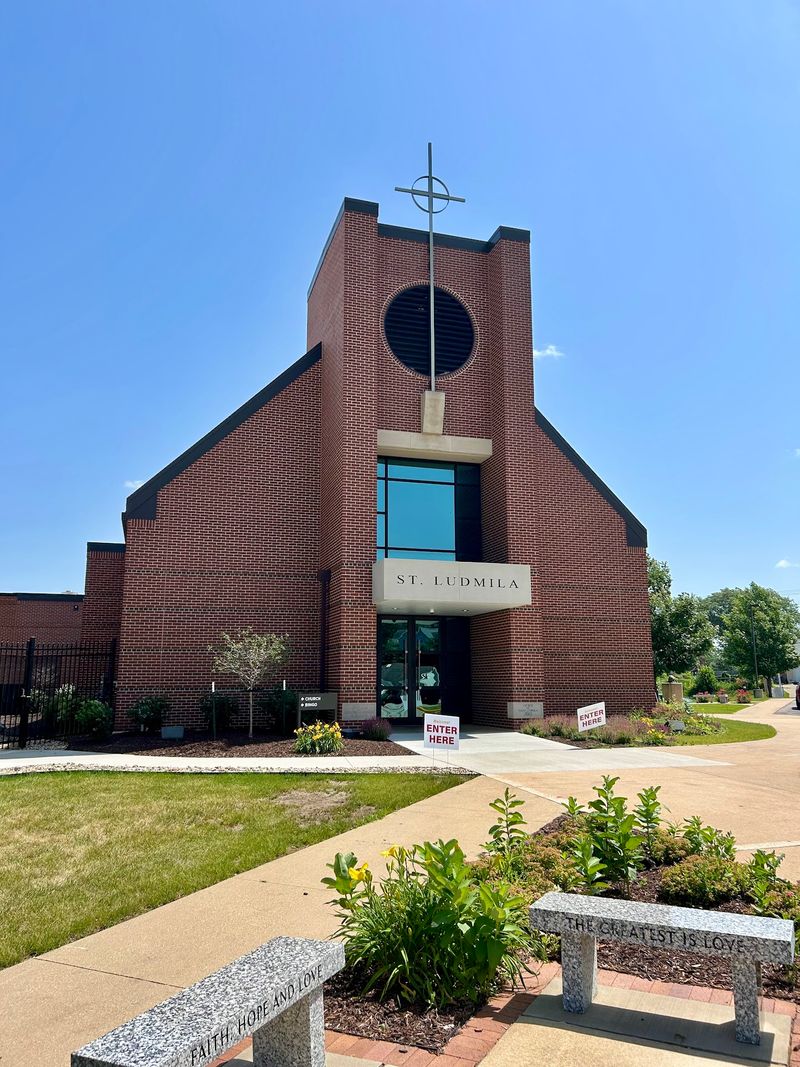
Right in the heart of Cedar Rapids, St. Ludmila Catholic Church tells a story of a community that had grown so large it needed a second parish to hold everyone.
Founded in 1914 to serve Czech Catholics living west of the Cedar River, St. Ludmila was named for the patron saint of Bohemia, a deliberate nod to the homeland its founders had left behind.
The parish served the expanding Czech immigrant population on the west side of Cedar Rapids, offering Mass, sacraments, and community gatherings entirely in the Czech language for many decades.
The church building itself is a bold, brick Romanesque structure that anchors its block with quiet authority.
What makes St. Ludmila particularly fascinating is how it illustrates the layered nature of immigrant community building. First came one church, then another, then a school, then a community hall, each institution reinforcing the last.
The parish school educated generations of Czech-American children who grew up to become doctors, teachers, and civic leaders across Iowa.
Today the church remains active, and its architecture and history make it a rewarding stop for anyone exploring Cedar Rapids’ remarkable Czech heritage trail.
4. Holy Trinity Catholic Church, Protivin
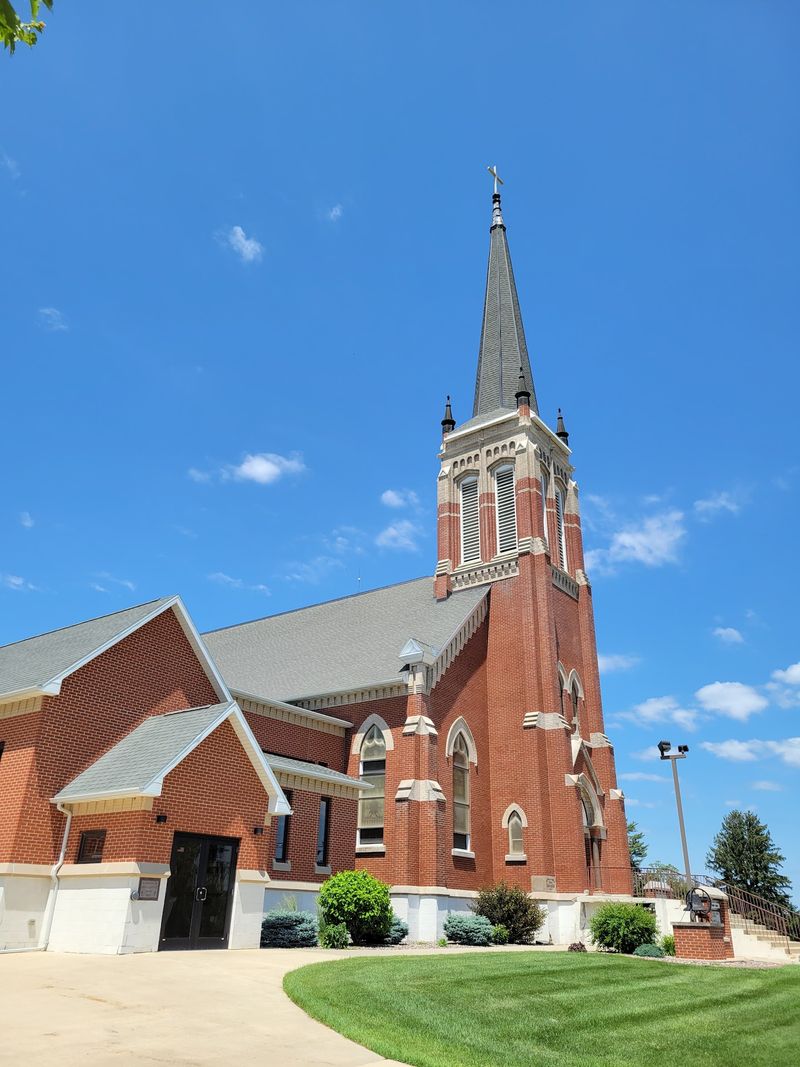
Protivin is one of those places that makes you do a double take on the map, a tiny town in Howard County named directly after a town in Bohemia, which tells you everything you need to know about who built it.
Holy Trinity Catholic Church was founded by Czech immigrants who arrived in this part of northeast Iowa during the mid-19th century, carrying their faith as carefully as they carried their tools.
The parish became the spiritual center of the Protivin community, and the church building reflects the modest but determined character of its founders.
Unlike the grand urban parishes of Cedar Rapids, Holy Trinity has a rural intimacy that feels deeply personal, as if the congregation built it with their own hands on a Sunday afternoon.
Czech traditions, including special feast days, folk music, and communal meals, were kept alive here long after they had faded in larger cities.
The surrounding Howard County landscape, with its gently rolling hills and small farms, looks remarkably similar to the Bohemian countryside these settlers left behind, which may be exactly why they chose it.
Protivin is a short, scenic drive from Spillville, making it easy to combine both on a single Czech heritage road trip through Iowa.
5. St. Patrick Catholic Church at Irish Settlement, Cumming
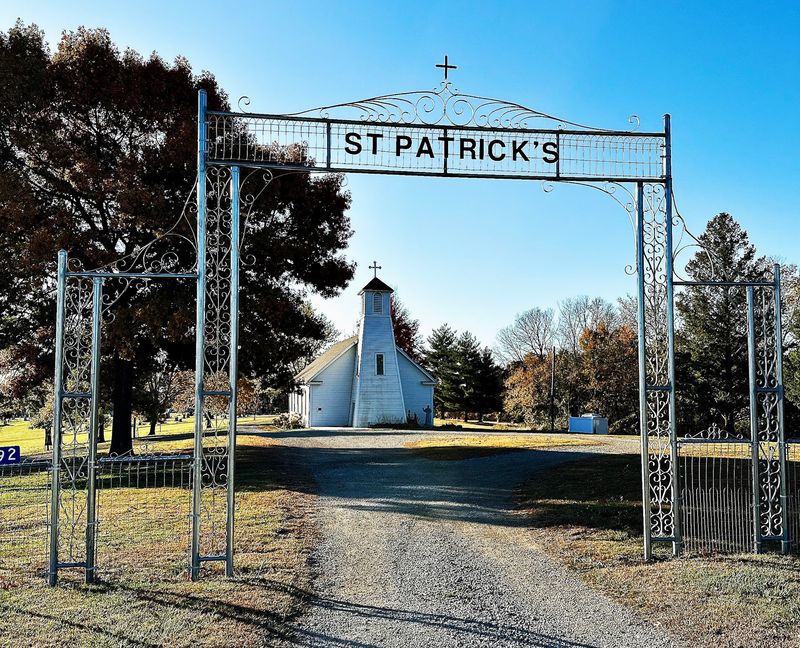
A few years after Iowa became a state, Irish immigrants established the Madison County community known as Irish Settlement and built one of the area’s most significant historic churches.
St. Patrick Catholic Church at Irish Settlement near Cumming was founded in 1852, making it one of the older Catholic congregations in Iowa.
The Irish settlers who built this parish had fled poverty and hardship back home, and they brought with them a fierce devotion to their faith that shaped everything about this community.
An early log church was replaced by the surviving church building, which was completed in 1868.
St. Patrick’s Day here was historically a major community event, drawing Irish families from across the surrounding townships for Mass, music, and fellowship.
The cemetery adjacent to the church is particularly moving, with headstones bearing unmistakably Irish names and dates stretching back to the earliest days of American settlement in this region.
Madison County is already known for its covered bridges, but this little church adds a layer of human history that gives the landscape a completely different kind of depth.
6. St. Joseph Catholic Church, Preston
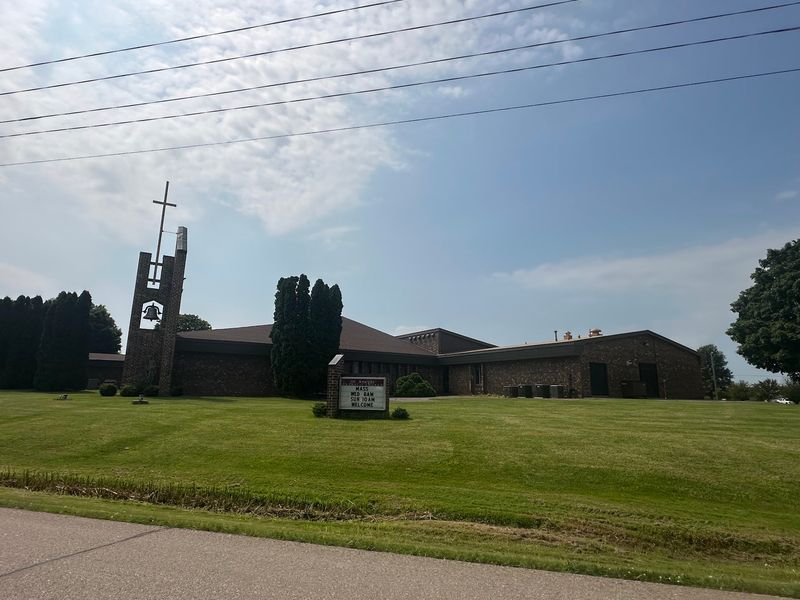
Nestled in the rolling hills of Jackson County, Preston is a small town with a surprisingly deep immigrant history, and St. Joseph Catholic Church is the place where much of that history was written.
German and Irish Catholic immigrants were among the earliest settlers in this part of eastern Iowa, arriving in the 1840s and 1850s with strong family bonds and an equally strong desire to build a proper Catholic parish.
St. Joseph was founded to serve this German-speaking community, and for many years the parish conducted its liturgies in German, maintaining a direct cultural and linguistic link to the old country.
The church building is a handsome brick structure that has anchored the Preston community for generations, its steeple visible from the surrounding farmland as a quiet landmark of enduring faith.
German immigrant communities across Iowa were known for their discipline, their craftsmanship, and their commitment to building institutions that would outlast their own lifetimes, and St. Joseph reflects all of those values.
The parish cemetery preserves the names of generations of local Catholic families and offers a valuable record of the community’s history.
Preston itself is a peaceful, unhurried town that rewards slow exploration, and the church is its most historically significant landmark.
7. Holy Spirit Catholic Church, Carroll
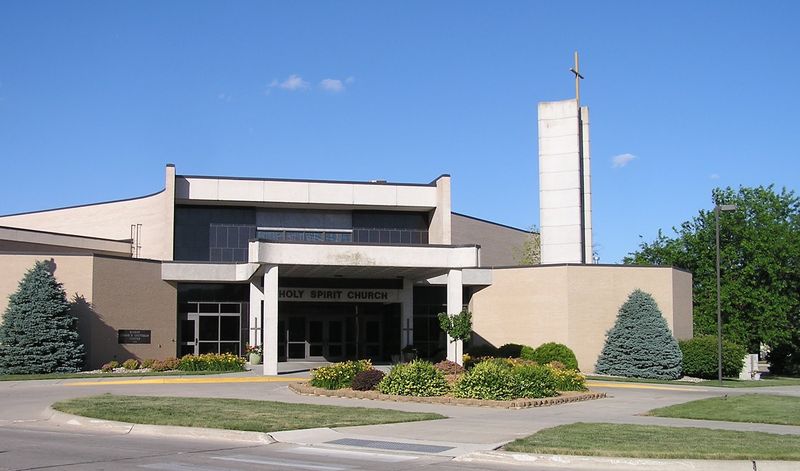
Carroll County in west-central Iowa was settled heavily by German Catholic immigrants during the second half of the 19th century, and Holy Spirit Catholic Church stands as one of the most enduring testaments to that heritage.
Founded by German-speaking settlers who transformed the Carroll County prairies into productive farmland, the parish grew steadily as more immigrant families arrived and put down roots.
The church building reflects the prosperity and ambition of its founders, a substantial structure built to signal permanence and community pride in a landscape that was still very much being tamed.
German Catholic parishes in Iowa were not just religious institutions. They were community anchors that organized schools, mutual aid societies, and cultural events that helped immigrants navigate life in a new country.
Holy Spirit Church played that exact role in Carroll, and the community it helped shape is still visible today in the town’s strong Catholic identity and its many German-heritage family names.
Carroll itself is a lively small city with good restaurants, a charming downtown, and a genuine sense of community pride that feels rooted in exactly this kind of institutional history.
The church’s interior features beautiful appointments that speak to the craftsmanship and devotion of the immigrant families who funded and built it over the decades.
8. Cathedral of the Epiphany, Sioux City
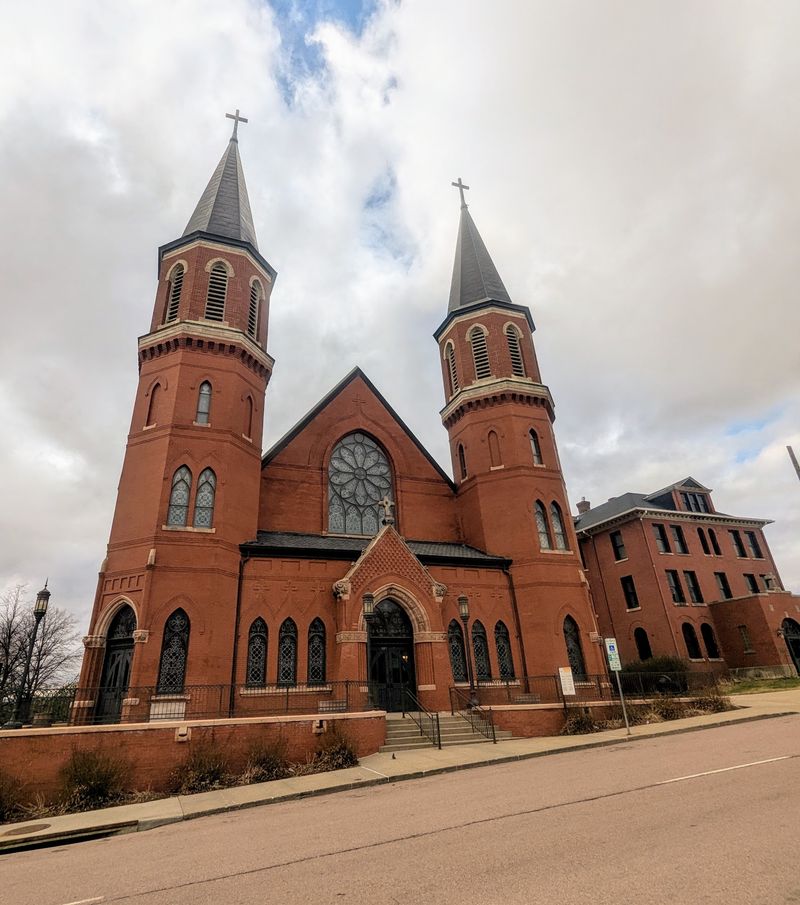
Sioux City sits at the convergence of three states, and its Cathedral of the Epiphany reflects the ambition and diversity of a city that was once one of the fastest-growing urban centers in the American West.
The cathedral serves as the mother church of the Diocese of Sioux City and was built to serve a Catholic population drawn from waves of immigrant communities, including Germans, Poles, Irish, and Bohemians, who flooded into this Missouri River city during the late 19th century.
The building itself is a commanding Gothic Revival structure, its twin towers rising above the Sioux City skyline with an authority that has defined the city’s spiritual landscape for well over a century.
What makes the cathedral particularly compelling is how it represents the collective aspiration of multiple immigrant groups rather than a single ethnic community.
Each wave of newcomers contributed to its construction, its decoration, and its traditions, making it a genuinely multicultural monument to immigrant faith in Iowa.
The interior is breathtaking, with soaring vaulted ceilings, richly detailed altars, and stained glass windows that tell the story of Catholic faith in the region.
If you find yourself in Sioux City, the cathedral is absolutely worth a visit, ideally paired with a walk along the Missouri River waterfront just a short distance away.
9. Saude Evangelical Lutheran Church, Near Lawler
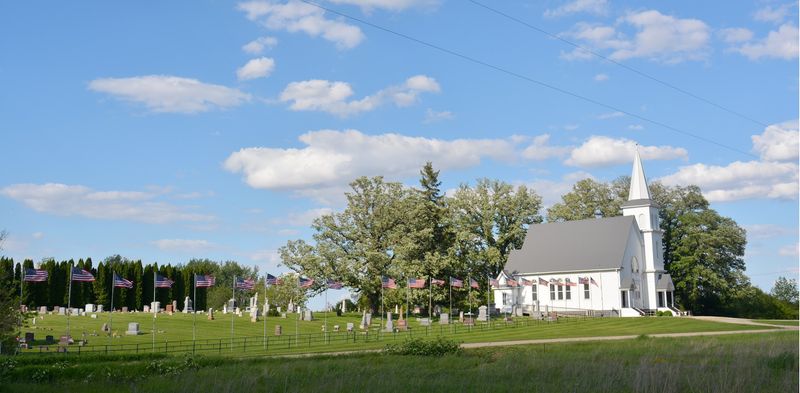
About as far off the beaten path as you can get in Chickasaw County, the Saude Evangelical Lutheran Church near Lawler is the kind of discovery that makes road tripping through rural Iowa so rewarding.
Founded by Norwegian immigrants in the 1860s, the congregation took its name from Saude, a parish in Telemark, Norway, a deliberate act of cultural memory by people who wanted to carry their homeland with them even as they built a new life on the prairie.
The white wooden church building is a classic example of the simple, elegant Scandinavian Lutheran aesthetic, unadorned but deeply dignified.
Norwegian immigrants brought with them a strong tradition of communal worship, and the Saude congregation quickly became a gathering point for the surrounding Norwegian farming community.
Services were conducted in Norwegian for decades, and the church maintained Norwegian-language traditions long after English had become dominant in the broader region.
The cemetery surrounding the church is one of the most evocative in northeast Iowa, its headstones bearing Norwegian names and inscriptions that connect directly back to specific fjords and valleys across the Atlantic.
Getting here requires a bit of navigating on gravel roads, but that sense of discovery makes the arrival all the more satisfying.
10. Washington Prairie Lutheran Church, Decorah
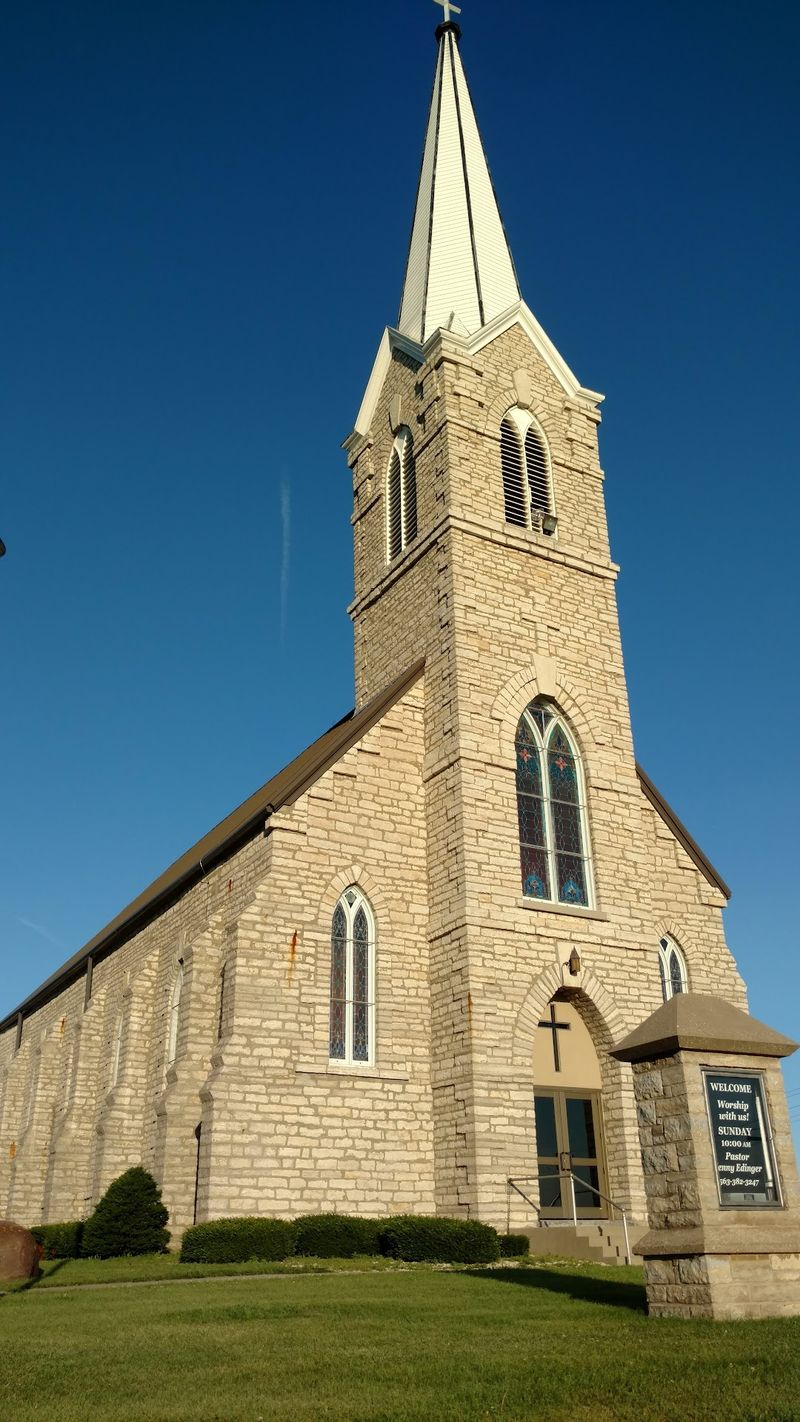
Decorah is widely regarded as the Norwegian capital of America, so it should come as no surprise that the surrounding countryside is dotted with historic Norwegian Lutheran churches, and Washington Prairie Lutheran Church is among the finest of them.
Washington Prairie traces its roots to the earliest Norwegian Lutheran congregations in the Decorah area and became closely associated with pioneer pastor Ulrik Vilhelm Koren after his arrival in 1853.
The church holds a particularly special place in Norwegian-American history because it was once the parish of Ulrik Vilhelm Koren, one of the most influential Norwegian Lutheran ministers in 19th-century America.
Koren and his wife Elisabeth left behind detailed journals and letters describing life on the Iowa frontier among Norwegian immigrants, and those accounts have become invaluable historical documents.
The current church building, a graceful white wooden structure, sits in a landscape of rolling hills that genuinely resembles the Norwegian countryside, which may explain why so many Norwegians chose to settle here.
The Decorah area is also home to the Vesterheim Norwegian-American Museum, the largest Norwegian-American museum in the world, making this entire region an outstanding destination for Scandinavian heritage travel.
Washington Prairie is a short, beautiful drive from Decorah and pairs perfectly with a visit to the museum and the charming downtown.
11. Fjeldberg Lutheran Church, Huxley
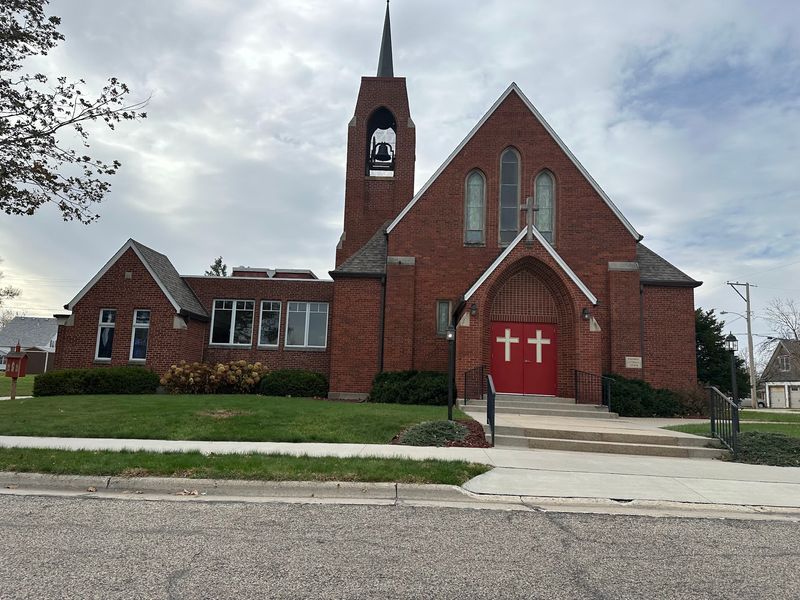
Story County might be best known for Iowa State University and the city of Ames, but the small town of Huxley carries its own remarkable piece of Scandinavian heritage in the form of Fjeldberg Lutheran Church.
Founded by Norwegian immigrants in the 1870s, the congregation drew settlers from the Fjeldberg area of Hordaland, Norway, and the name of the church was chosen to honor that specific regional identity.
That kind of geographic specificity is a hallmark of Norwegian immigrant church-naming, reflecting a cultural attachment to exact places rather than general national identity.
The church served as a community anchor for Norwegian farming families across Story County, providing not just worship but education, social gatherings, and a sense of belonging in an unfamiliar land.
The building itself is a well-maintained example of rural Norwegian Lutheran architecture, modest in scale but immaculately kept, reflecting the practical pride of its congregation.
Huxley today is a growing community in the Des Moines metro area, but Fjeldberg Lutheran Church offers a direct window into a much earlier chapter of its history, one written by Norwegian pioneers who broke this prairie soil by hand.
The historic cemetery south of Huxley marks the location of the congregation’s original rural church site.
12. First Lutheran Church, St. Ansgar
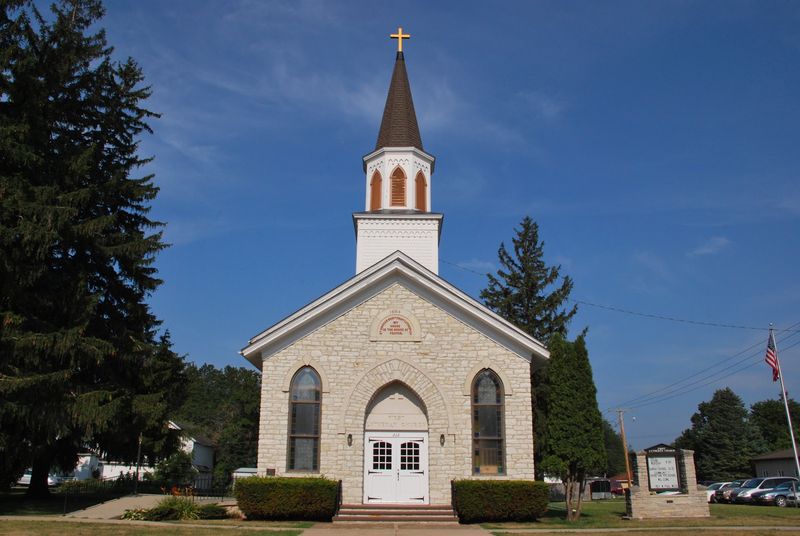
St. Ansgar in Mitchell County carries the name of the 9th-century missionary who brought Christianity to Scandinavia, which makes it a fitting home for one of Iowa’s most historically significant Norwegian Lutheran congregations.
First Lutheran Church in St. Ansgar was founded by Norwegian immigrants in the 1850s, making it among the earliest Norwegian Lutheran parishes established anywhere in the state.
The town itself was settled almost entirely by Norwegians, and First Lutheran served as the institutional heart of that community from the very beginning of organized settlement in this part of north-central Iowa.
Norwegian immigrants to Mitchell County came primarily from Telemark and other inland regions of Norway, bringing with them a rugged, self-reliant character that shaped the culture of the entire county.
The church building has evolved over the decades, but its congregation has maintained a continuous presence in St. Ansgar for well over 160 years, a remarkable record of community endurance.
St. Ansgar today is a tidy, welcoming small town with a strong sense of local pride, and First Lutheran remains its most historically resonant landmark.
If you are tracing Norwegian immigrant heritage across northern Iowa, St. Ansgar and First Lutheran Church make for an essential final stop on a deeply rewarding journey through the state’s Scandinavian past.