Iowa taught me a lesson I never expected: never judge a town by the size of its main street. I set out expecting a few pleasant photo stops, then found myself standing beneath soaring ceilings and intricate stained glass that completely stole the show.
My camera filled up long before my gas tank did, and my neck got an unexpected workout from looking up at all those towering spires. These remarkable churches blend history, artistry, and generations of craftsmanship into places that feel both inspiring and welcoming.
Every visit added another surprise, and each stop had its own story waiting to be discovered. A road trip through Iowa with these historic landmarks on the itinerary turns an ordinary drive into an unforgettable adventure packed with beautiful architecture and fascinating local history.
Basilica Of St. Francis Xavier, Dyersville
Right in the heart of Dyersville, a small town best known for a famous baseball movie, stands one of the most jaw-dropping Catholic churches in the entire Midwest.
The Basilica of St. Francis Xavier earned its rare basilica designation in 1956, making it one of only a handful of minor basilicas in Iowa.
The church was built between 1887 and 1889, and its twin spires soar nearly 212 feet into the sky, visible from miles around.
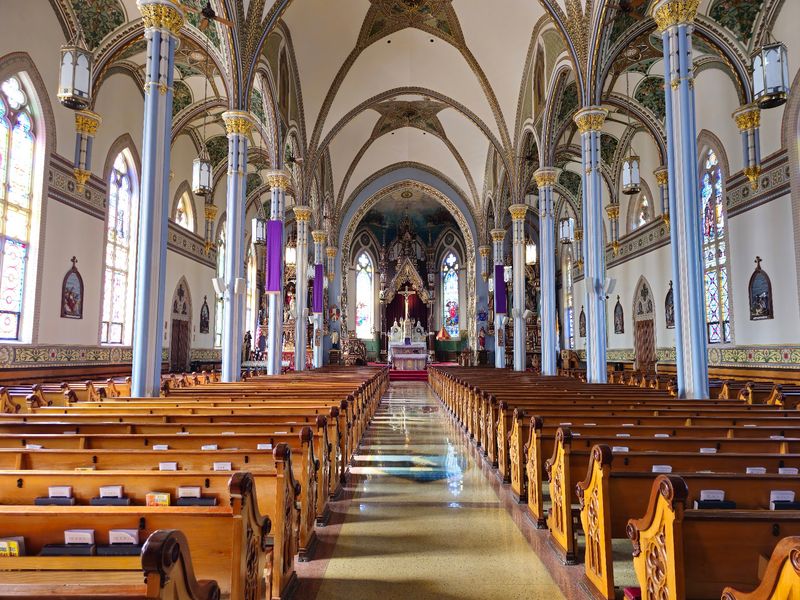
Step inside and you will find stunning stained glass windows, intricately carved woodwork, and a soaring vaulted ceiling that makes the space feel almost impossibly grand for a town this size.
The parish has a deep connection to the German immigrant community that settled this part of Iowa, and that heritage shows in every detail of the building’s craftsmanship.
Guided tours are available, and the church welcomes visitors warmly throughout the year.
If you are starting your road trip in northeast Iowa, this is the perfect first stop to set the tone for everything that follows. The basilica will leave you genuinely speechless.
St. Wenceslaus Catholic Church, Spillville
Music history and sacred architecture collide beautifully in the tiny Czech village of Spillville, where St. Wenceslaus Catholic Church has stood since 1860.
This is the church where the famous composer Antonin Dvorak worshipped during his summer stay in 1893, and he even played the organ here during Sunday Mass.
That connection alone makes Spillville one of the most culturally rich stops on any Iowa road trip, but the church itself is worth the detour on its own terms.
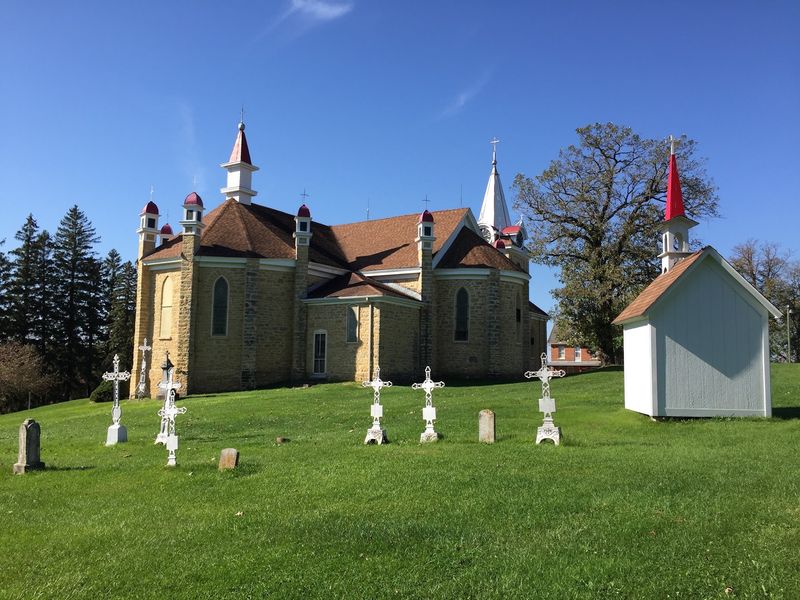
Built from local limestone, the structure has a sturdy, honest beauty that reflects the hard work of Czech settlers who wanted a proper place of worship in their new home.
The interior is modest compared to some of the grander churches on this list, but that simplicity gives it a deeply personal atmosphere that is genuinely moving.
The Bily Clocks Museum is just steps away, so you can easily spend a full afternoon in this little town.
Spillville rewards slow travelers who take the time to listen carefully. There is a quiet music in the stones of this church that no concert hall could replicate.
Cathedral Of St. Raphael, Dubuque
Dubuque is one of the oldest cities in Iowa, and the Cathedral of St. Raphael fits right into that long, layered history with confidence and grace.
The current cathedral building was completed in 1861, though the parish itself dates back to 1833, making it one of the oldest Catholic communities in the entire state.
Its neoclassical design features a striking facade, a broad dome, and an interior filled with beautiful marble altars and rich decorative details that have been carefully preserved over the generations.
The cathedral serves as the mother church of the Archdiocese of Dubuque, which gives it a special significance among Iowa Catholics and history enthusiasts alike.
Dubuque sits along the Mississippi River, so a visit to St. Raphael pairs naturally with a walk along the riverfront or a trip up the famous Fenelon Place Elevator.
The cathedral is open to visitors on most days, and the peaceful interior offers a welcome break from sightseeing.
Few churches in Iowa carry this much institutional weight and architectural beauty in one place. A stop here feels less like tourism and more like a genuine encounter with the past.
Sacred Heart Cathedral, Davenport
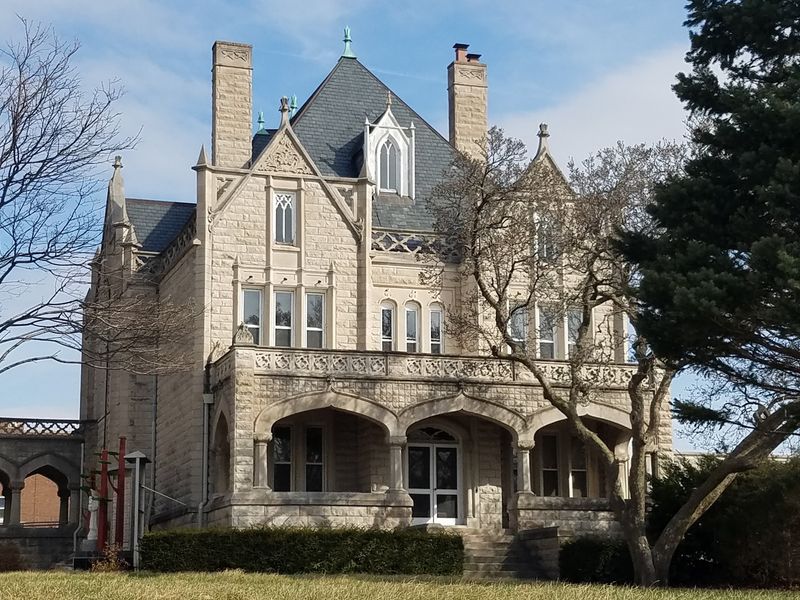
Anchoring the religious landscape of the Quad Cities, Sacred Heart Cathedral in Davenport is a landmark that commands attention from the moment you see it.
The cathedral was established as the mother church of the Diocese of Davenport, and its history stretches back to the mid-1800s when the Catholic community in this river city was just beginning to take shape.
The current building features a warm red brick exterior, Gothic-inspired architecture, and a tall bell tower that has become a recognizable part of the Davenport skyline.
Inside, the cathedral is equally impressive, with beautiful stained glass, a grand pipe organ, and an altar that draws the eye immediately upon entering.
Davenport itself is a lively city with great riverfront parks, so you can build a full day around a cathedral visit and still have plenty to explore nearby.
The cathedral hosts regular Masses and welcomes visitors outside of service times, making it easy to include on your itinerary.
Sacred Heart is the kind of place that reminds you how much care and community spirit went into building Iowa’s great religious institutions. It is a must-see on any Quad Cities visit.
St. Ambrose Cathedral, Des Moines
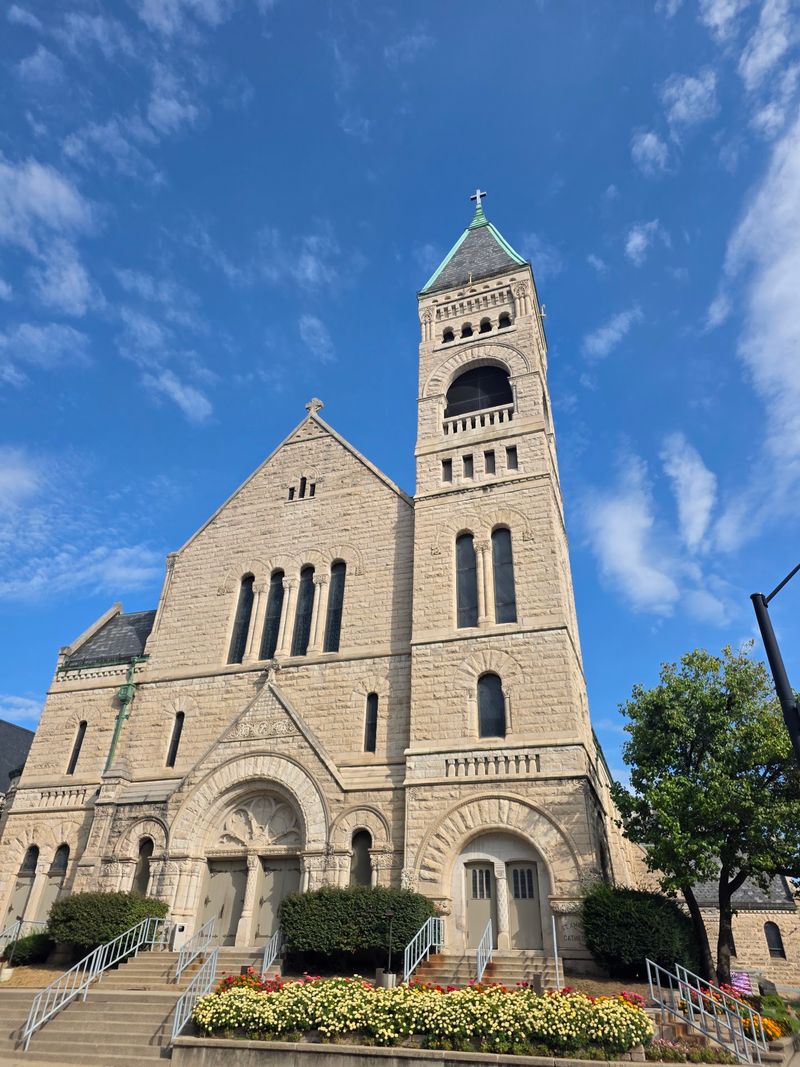
Des Moines may be Iowa’s capital city, but St. Ambrose Cathedral earns its place on this list not because of politics, but because of pure architectural and spiritual presence.
The parish was founded in 1856, and the present church was dedicated in 1891 before becoming the cathedral of the Diocese of Des Moines in 1911.
Its Romanesque Revival design sets it apart from the Gothic cathedrals found elsewhere on this road trip, with rounded arches, solid brick construction, and a warm, grounded aesthetic that feels both powerful and welcoming.
The interior features handsome woodwork, elegant stained glass windows, and an overall atmosphere of dignified reverence that invites quiet reflection.
Being in the state capital means there is no shortage of things to do nearby, from the Iowa State Capitol building to the Des Moines Art Center.
The cathedral is centrally located and easy to find, making it a convenient stop whether you are passing through or spending a full day in the city.
St. Ambrose has a grounded, community-centered spirit that feels distinctly Iowan. It is a place where history and everyday faith have always walked hand in hand.
Cathedral Church Of St. Paul, Des Moines
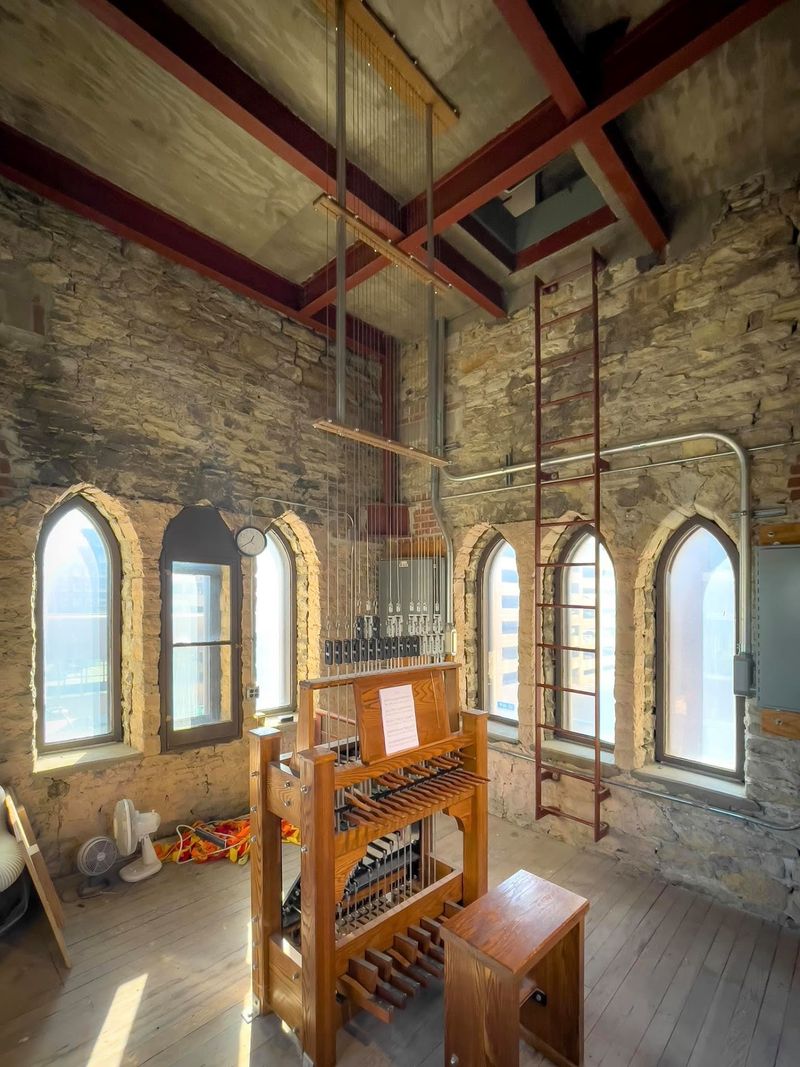
Not every historic church in Iowa is Catholic, and the Cathedral Church of St. Paul in Des Moines is a wonderful reminder of the state’s diverse religious heritage.
Serving as the cathedral of the Episcopal Diocese of Iowa, St. Paul’s has been a spiritual and architectural landmark in Des Moines for well over a century.
The building’s Gothic stone exterior gives it a distinctly European feel, which makes it stand out beautifully against the surrounding urban landscape of central Iowa’s capital.
Inside, visitors will find a serene, light-filled nave, elegant wood pews, and stained glass windows that cast colorful patterns across the stone floors on sunny afternoons.
The cathedral has a strong tradition of community engagement, hosting concerts, lectures, and public events that make it a living institution rather than just a historic relic.
Because St. Paul’s sits close to St. Ambrose Cathedral, you can visit both Des Moines cathedrals in a single morning, which makes for a rich and rewarding few hours.
The contrast between the two buildings tells a fascinating story about the different faith communities that helped shape Iowa’s capital city over the decades.
Basilica Of St. John, Des Moines
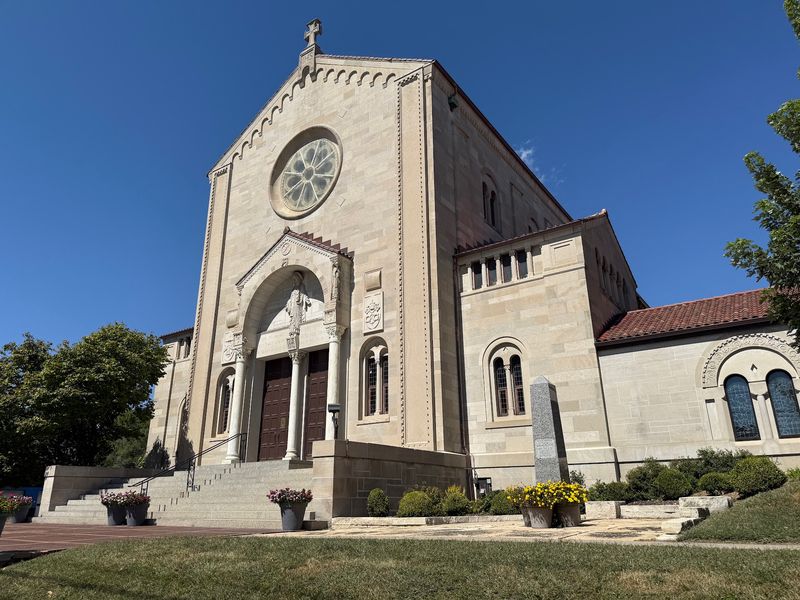
Des Moines is home to the Basilica of St. John, one of Iowa’s two minor basilicas, with the other located in Dyersville.
The Basilica of St. John received its papal designation in 1989, recognizing its architectural significance and long history of service to the Catholic community in central Iowa.
Construction of the present church began in 1913 and continued during the 1920s, creating a Romanesque Revival building with rounded arches, paired towers, and an ornate interior.
The interior is richly decorated with marble, mosaics, and golden details that create an atmosphere of warmth and ceremony in equal measure.
The parish has historically served a diverse urban community, and that spirit of inclusivity and service remains central to the basilica’s identity today.
A visit to St. John’s pairs perfectly with the nearby St. Ambrose Cathedral and Cathedral Church of St. Paul, giving you three major sacred landmarks in a single Des Moines afternoon.
If you only have time for one stop in the capital, make it this one. The Basilica of St. John is simply stunning from every angle.
First Congregational Church, Burlington
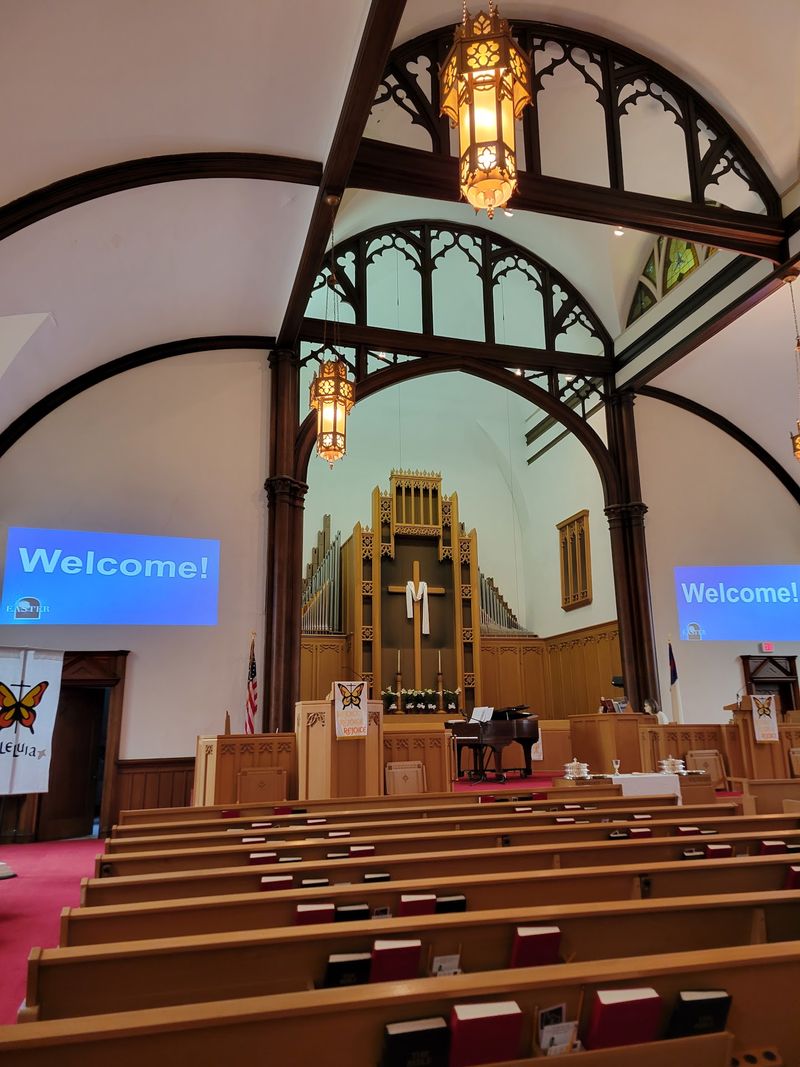
Burlington is one of Iowa’s oldest river towns, and the First Congregational Church fits right into that storied landscape with a history that stretches back to the earliest days of the city’s founding.
Organized in 1838, the congregation is among Iowa’s oldest Protestant communities and predates statehood, which arrived in 1846.
The current church building is a beautiful example of 19th-century Protestant architecture, featuring a tall steeple, clean lines, and a dignified facade that has anchored this Burlington neighborhood for generations.
The interior reflects the congregation’s long tradition of thoughtful, community-centered worship, with warm wood finishes and windows that fill the space with natural light.
Burlington itself is worth exploring beyond the church, with Snake Alley (one of the crookedest streets in America) just a short walk away.
The combination of river views, quirky local landmarks, and historic sacred architecture makes Burlington a surprisingly rewarding stop on any Iowa road trip.
The First Congregational Church stands as quiet proof that Iowa’s religious history runs just as deep as its famous rivers. It is a place where the past feels genuinely close at hand.
St. Mary Of The Visitation Catholic Church, Ottumwa
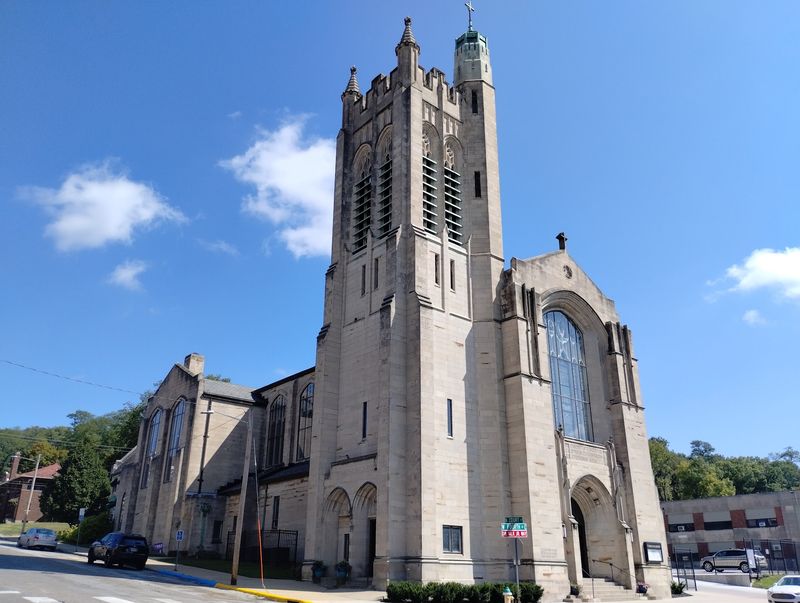
Ottumwa is a south-central Iowa city with a proud industrial history, and St. Mary of the Visitation Catholic Church has been part of the community’s identity for well over a century.
The church’s Gothic brick architecture gives it a bold, vertical presence that rises confidently above the surrounding neighborhood, making it easy to spot from several blocks away.
The parish was founded to serve the growing Catholic population that came to Ottumwa with the development of the railroad and meatpacking industries in the late 19th century.
Inside, the church features lovely stained glass windows, carved wooden details, and a reverent atmosphere that reflects the working-class faith community that built and sustained it over the generations.
Ottumwa is also known as the birthplace of John Wayne, so a visit to St. Mary’s can be part of a broader exploration of this city’s surprisingly rich cultural heritage.
The church is active and welcoming to visitors, and the surrounding neighborhood has a genuine, unpretentious character that is refreshing on a long road trip.
St. Mary’s is the kind of church that carries real community pride in every stone. Ottumwa built something beautiful here, and it shows.
St. Patrick Catholic Church At Irish Settlement, Cumming
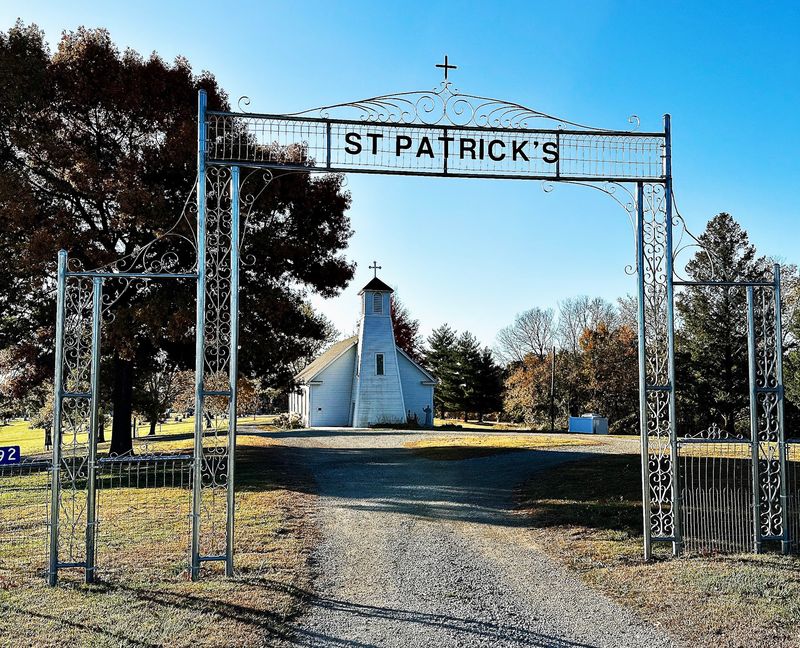
For a church that sits in a community so small you might blink and miss it, St. Patrick Catholic Church at Irish Settlement in Cumming packs an extraordinary amount of history into its modest frame.
The parish was established by Irish immigrants who settled this part of central Iowa in the 1840s, making it one of the earliest Catholic communities in the state.
The original settlers came largely from County Wexford in Ireland, and that tight-knit heritage has been carefully preserved through parish records, cemetery inscriptions, and community traditions that continue to this day.
The church building itself is a simple, whitewashed structure that sits peacefully in the rural landscape, surrounded by farmland that looks much as it did when those first Irish families arrived.
The adjacent cemetery is particularly moving, with headstones bearing Irish surnames and dates stretching back to the pioneer era of Iowa settlement.
Visiting St. Patrick’s feels less like a tourist activity and more like stepping into a living memory. The quietness of the place is part of its power.
This small rural church is one of the most emotionally resonant stops on the entire road trip. Come ready to slow down and take it all in.
St. Donatus Catholic Church, St. Donatus
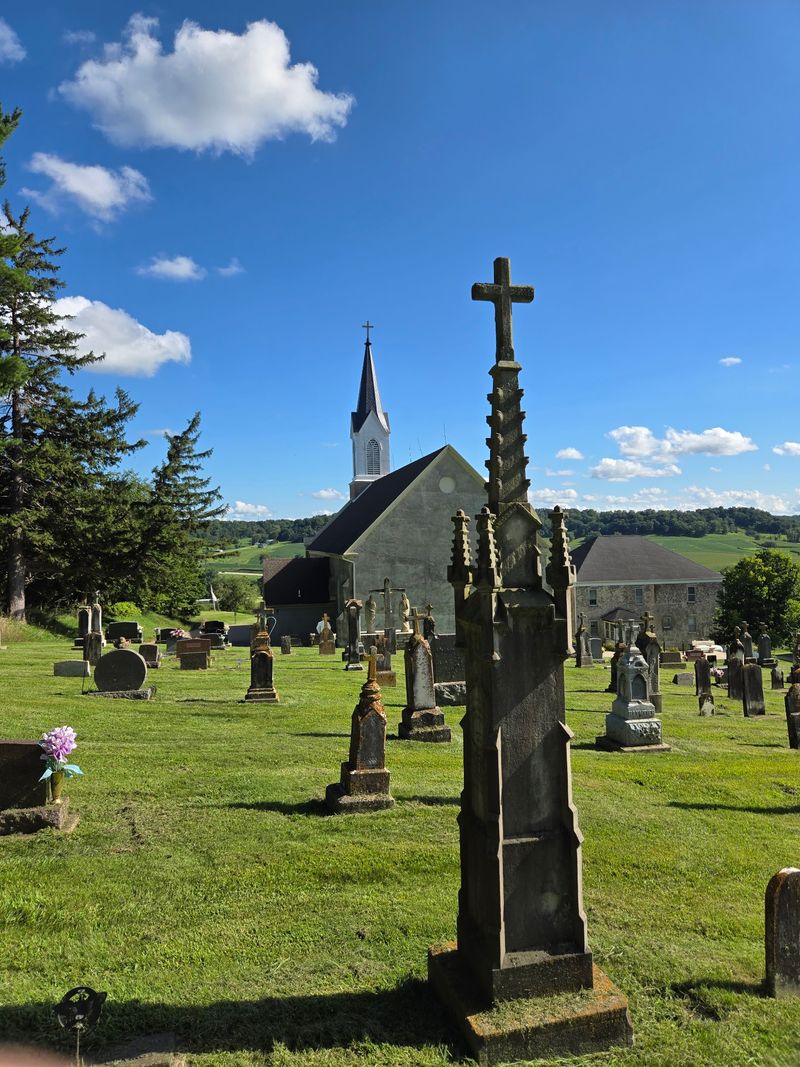
The village of St. Donatus in eastern Iowa is unlike anywhere else in the state, a place so thoroughly shaped by Luxembourgish immigrant culture that it feels like a tiny piece of Europe tucked into the Mississippi River bluffs.
St. Donatus Catholic Church is the heart of this remarkable community, a handsome limestone structure that has served the descendants of Luxembourg immigrants since the 1850s.
The church sits near a historic outdoor Way of the Cross that climbs to the Pietà Chapel, a small stone chapel modeled after the Chapel du Bildchen near Vianden, Luxembourg.
The Stations of the Cross path leading up the hill behind the church is a pilgrimage route that draws visitors from across the region, especially during the Easter season.
Much of the village is included in the Village of St. Donatus Historic District, which is listed on the National Register of Historic Places.
The rolling hills and wooded bluffs surrounding the village add a scenic beauty that makes the drive in as memorable as the destination itself.
St. Donatus is the kind of place that redefines what you think a small Iowa town can be. It is quietly extraordinary in the best possible way.
St. Mary Of The Visitation Catholic Church, Iowa City
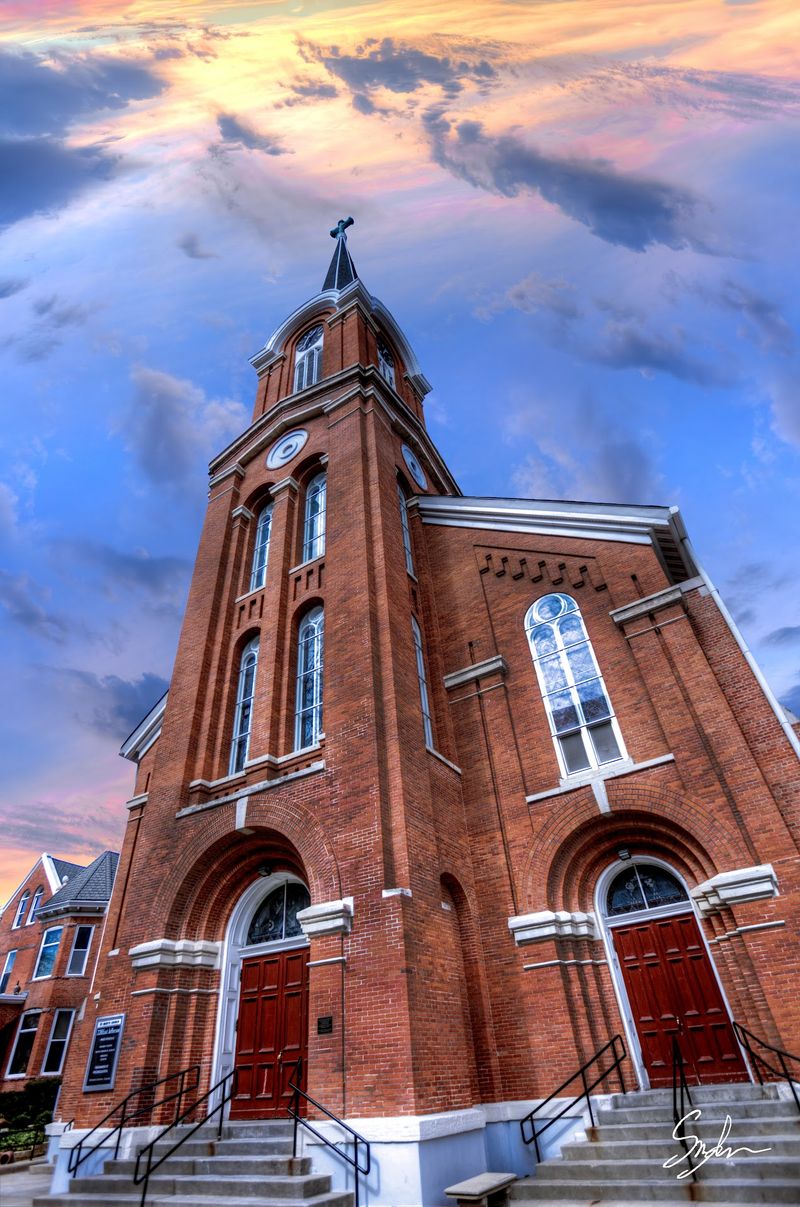
Iowa City is a university town full of energy, ideas, and a surprisingly rich collection of historic architecture, and St. Mary of the Visitation Catholic Church is one of its finest examples.
The parish has deep roots in Iowa City’s history, serving the Catholic community in this college town since the 19th century, long before the University of Iowa became the cultural powerhouse it is today.
The church’s brick Gothic exterior is handsome and well-proportioned, sitting comfortably in the historic fabric of the neighborhood without trying to compete with the grand university buildings nearby.
Inside, the church features lovely stained glass, a warm and intimate nave, and an atmosphere that balances academic-town energy with genuine spiritual depth.
Iowa City is a UNESCO City of Literature, so a visit to St. Mary’s fits naturally into a broader day of exploring the city’s bookshops, historic buildings, and riverfront spaces.
The church is active and welcoming, and its location near campus means the surrounding streets are always lively and interesting to walk.
Ending your Iowa road trip in Iowa City feels right. St. Mary’s gives you a moment of stillness in a city that never really stops moving, and that contrast is wonderful.