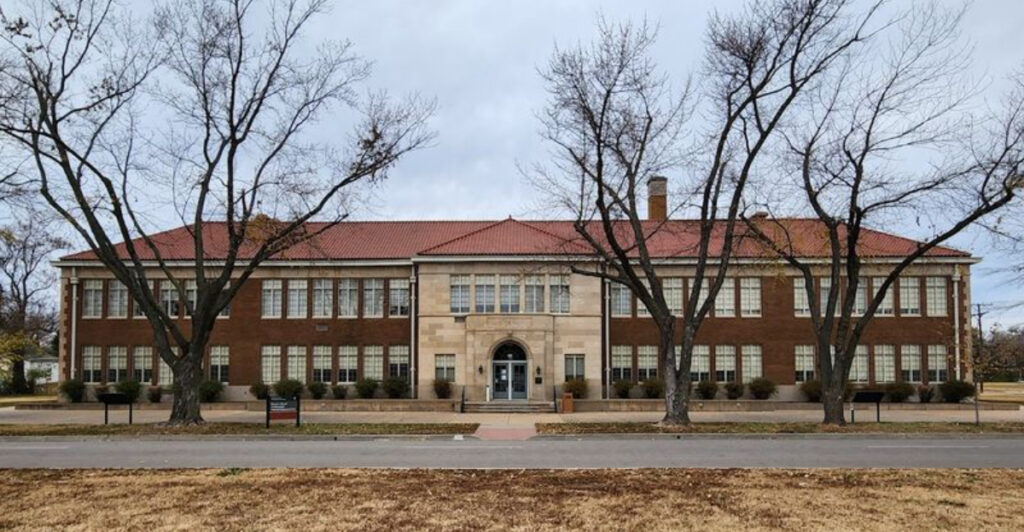
Some of the biggest turning points in America do not begin in grand halls or famous monuments.
Sometimes they begin in a Kansas school, in ordinary classrooms where the fight for fairness becomes impossible to ignore. That is what gives this historic site its quiet power.
It reminds visitors that change can start in places that look familiar, with people asking for something as basic and as brave as equal treatment. The story here is not distant or decorative.
It still feels urgent, personal, and deeply human. A visit like this makes history land differently because it shows how one place can hold the weight of an entire nation’s progress.
I am always moved by sites that do not need to be loud to matter, because the quiet ones often leave me thinking the longest.
The School That Started It All
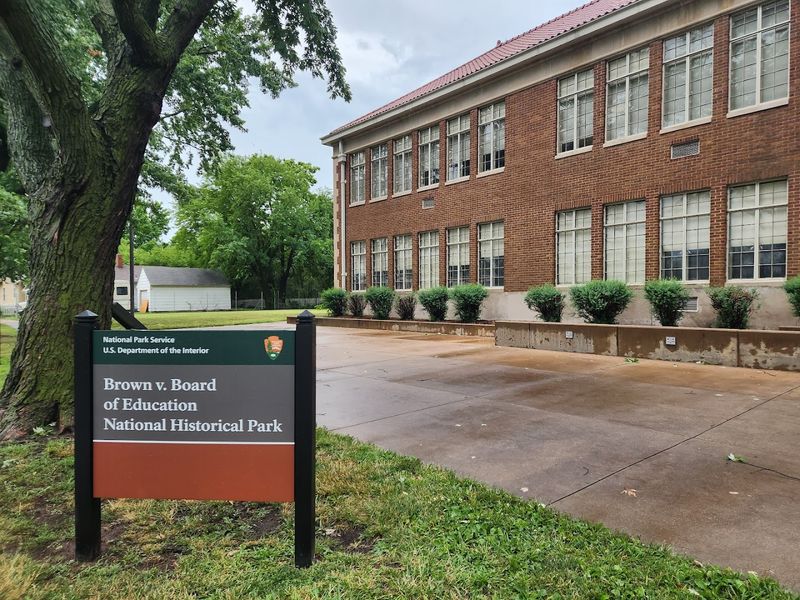
Before it became a national landmark, Monroe Elementary was simply a segregated school for Black children in Topeka, Kansas.
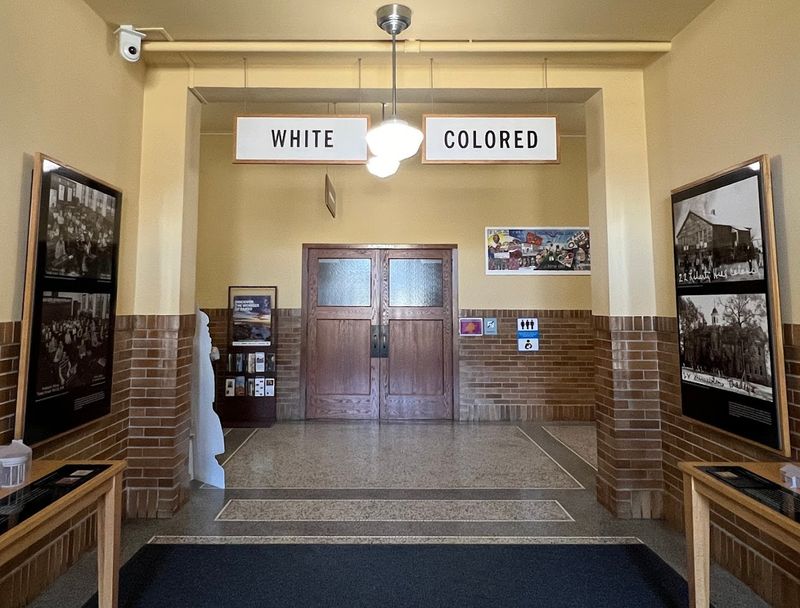
Black students were legally required to attend separate schools from white students, and Monroe was one of those designated schools.
The school itself was not run-down or neglected. In fact, it was considered a well-maintained facility, which made the injustice of forced separation even harder to justify in court.
The quality of the building was almost beside the point because the principle of forced separation was the real problem.
When Linda Brown, a young student, was denied enrollment at a closer white school, her father Oliver Brown joined a legal challenge that would carry the school’s name all the way to the U.S. Supreme Court.
A single school enrollment decision sparked a constitutional earthquake.
The 1954 Supreme Court Decision That Rewrote Education Law
On May 17, 1954, the U.S. Supreme Court handed down one of the most consequential rulings in American legal history.
In a unanimous 9-0 decision, the Court declared that racial segregation in public schools was unconstitutional.
Chief Justice Earl Warren wrote the opinion, famously stating that separate educational facilities are inherently unequal.
That single sentence dismantled the legal foundation that had supported segregated schooling since the 1896 Plessy v. Ferguson ruling.
What made the decision so powerful was its unanimity.
A divided Court might have left room for states to argue around the edges, but nine justices speaking with one voice sent an unmistakable message across the country.
The ruling did not just affect Kansas schools; it set a new standard for every public school in every state, reshaping American childhood in ways that rippled forward for generations.
Five Cases Merged Into One Historic Name
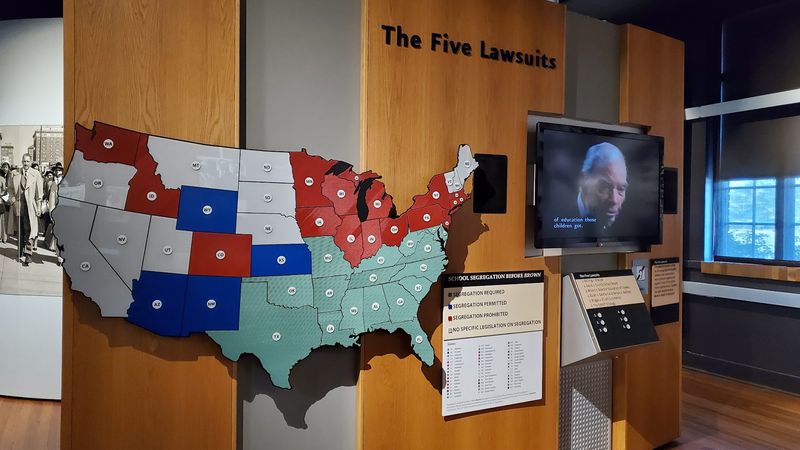
Most people assume the Brown case was one lawsuit from one family in one city, but the landmark ruling actually combined five separate legal cases from four states and Washington D.C. Kansas, South Carolina, Virginia, Delaware, and Washington D.C. each had their own plaintiffs fighting school segregation at the same time.
The NAACP Legal Defense Fund, led by attorney Thurgood Marshall, strategically consolidated these cases to show the Supreme Court that segregation was not a regional quirk but a national problem.
Choosing Oliver Brown’s name to lead the combined case was partly tactical, since a male plaintiff from a border state like Kansas felt less inflammatory to a cautious Court.
Behind that single famous name stood dozens of courageous families who risked social pressure and worse to challenge an unjust system.
The Kansas connection gave the broader movement a quieter, Midwestern face that proved surprisingly persuasive.
Thurgood Marshall’s Brilliant Legal Strategy
Few lawyers in American history have argued a case with higher stakes than Thurgood Marshall did before the Supreme Court in 1952 and 1953.
Marshall, who would later become the first African American Supreme Court Justice, built his argument around social science research rather than purely legal precedent.
He introduced the famous doll studies conducted by psychologists Kenneth and Mamie Clark, which showed that Black children preferred white dolls over Black ones, suggesting that segregation caused measurable psychological harm.
That evidence shifted the conversation from abstract legal theory to real human damage.
Marshall’s approach was methodical and patient. He had spent years chipping away at segregation in graduate schools and law schools before targeting elementary education.
By the time the Brown case reached the Supreme Court, his legal groundwork was so thorough that the justices had few solid arguments left to stand on. Strategy, patience, and research won the day.
The Hall Of Courage Inside The Park
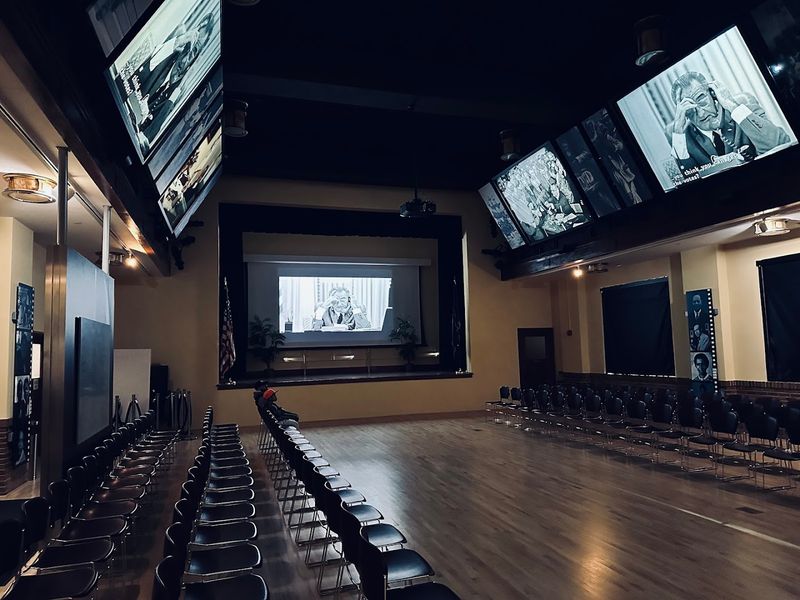
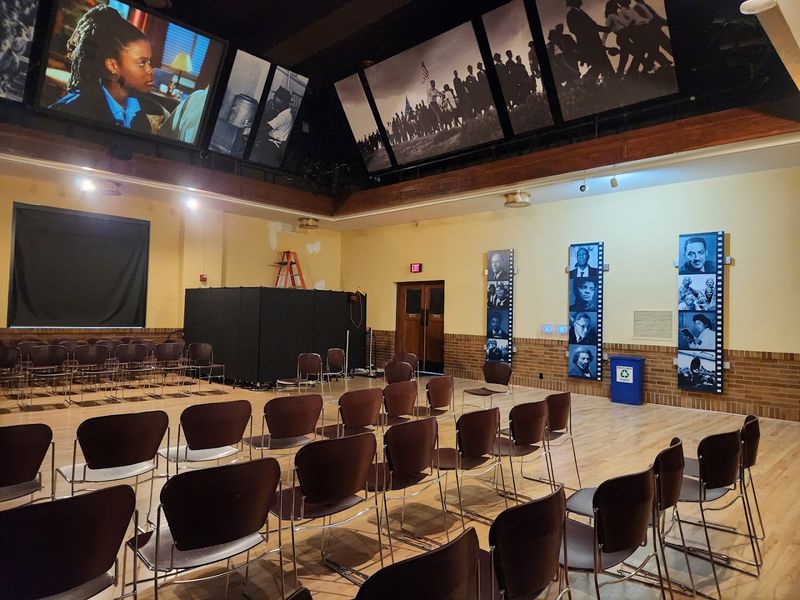
One of the most talked-about features inside Brown v. Board of Education National Historical Park is the Hall of Courage, part of the Road to Brown gallery where visitors encounter historic film footage and powerful civil rights imagery.
The effect is immersive in a way that a simple wall display never could be.
Faces, voices, and stories surround you as you move through the space, making it feel less like reading history and more like stepping into it.
It is the kind of exhibit that stays with you long after you leave the building.
The Hall of Courage is designed to place visitors closer to the risks, hostility, and bravery surrounding the fight against segregation. Parents, students, teachers, and communities are part of the larger story.
The Kansas prairie may be flat, but the courage celebrated in this hall stands very tall indeed.
The Restored Classroom Frozen In The 1950s
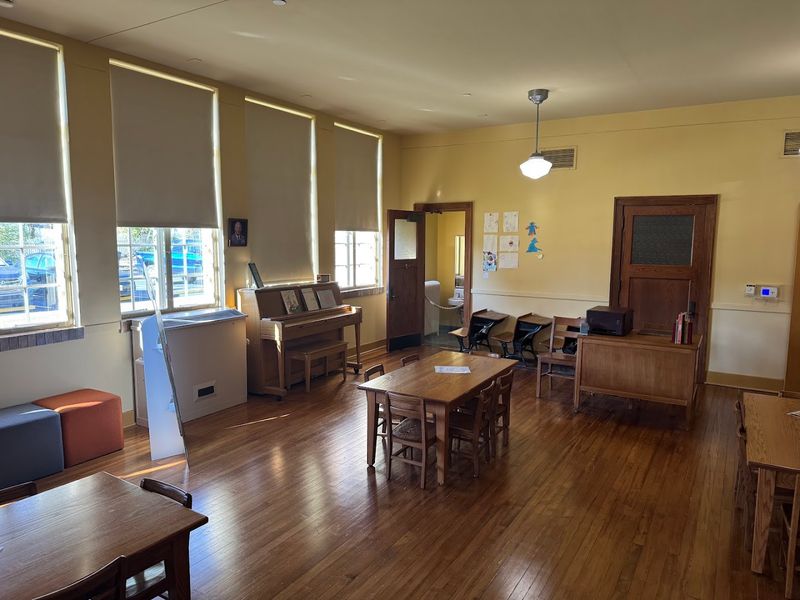
Walking into the restored Kindergarten Room at Monroe Elementary is like stepping through a time portal.
The small desks, classroom details, and educational materials on display reflect what a segregated Kansas school space looked like around 1954.
Park rangers and exhibits use this space to help visitors understand what daily school life felt like for Black children who were legally separated from their white peers simply because of the color of their skin.
Seeing a physical classroom makes that reality concrete in a way that statistics alone cannot.
Children visiting the park often go quiet in this room, which says something about how effectively the space communicates its message without needing to shout. Adults tend to linger longer than they planned.
The restored Kindergarten Room is not just a decorative touch; it is one of the most emotionally grounding stops in the entire park, and it earns every moment of your attention.
Free Entry And Interactive Exhibits For All Ages
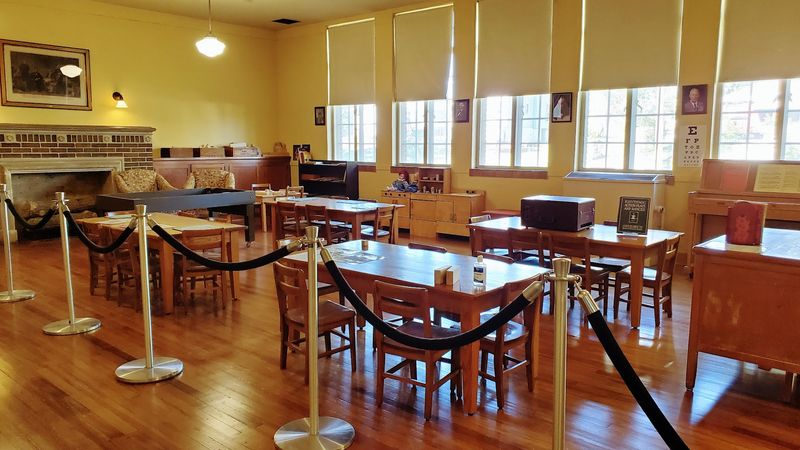
Here is a fact that surprises many first-time visitors: admission to Brown v. Board of Education National Historical Park is completely free.
As a unit of the National Park Service, the site is open to the public at no cost, which means there is no financial barrier to engaging with this chapter of American history.
The exhibits are thoughtfully designed to work for both adults and younger visitors.
Interactive drawers, video stations, audio recordings, and sticky-note response walls invite participation rather than passive observation.
Kids who might tune out a traditional museum display often find themselves genuinely absorbed here.
The park is open Tuesday through Saturday from 9 AM to 5 PM and is closed Sunday and Monday. Free parking is available across the street.
The Mural Across The Street Worth Stopping For
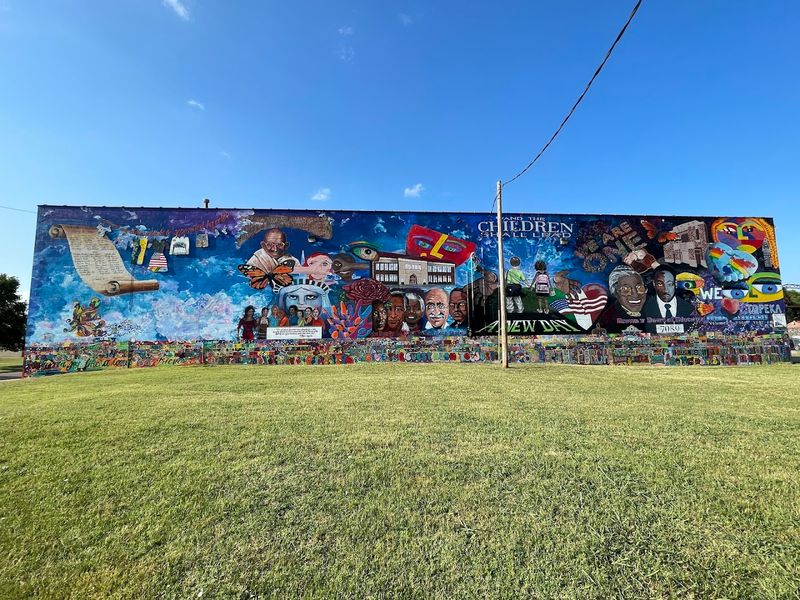
Just steps from the park entrance, directly across the street, a striking mural catches the eye before you even walk through the front door.
The artwork celebrates civil rights themes and the community that surrounded Monroe Elementary School during its years as a segregated institution.
Street murals can sometimes feel like afterthoughts, but this one holds its own as a piece of public art.
The colors are bold, the figures are expressive, and the message connects naturally to everything you encounter inside the park itself.
Many visitors photograph the mural before or after their tour, and it works well as a quiet moment of reflection between the parking area and the building entrance.
Public art has a way of making history feel alive and present rather than sealed behind glass, and this mural does exactly that.
It is a small but meaningful bonus that rounds out the experience of visiting this important Kansas landmark.
How The Ruling Sparked Decades Of Civil Rights Progress
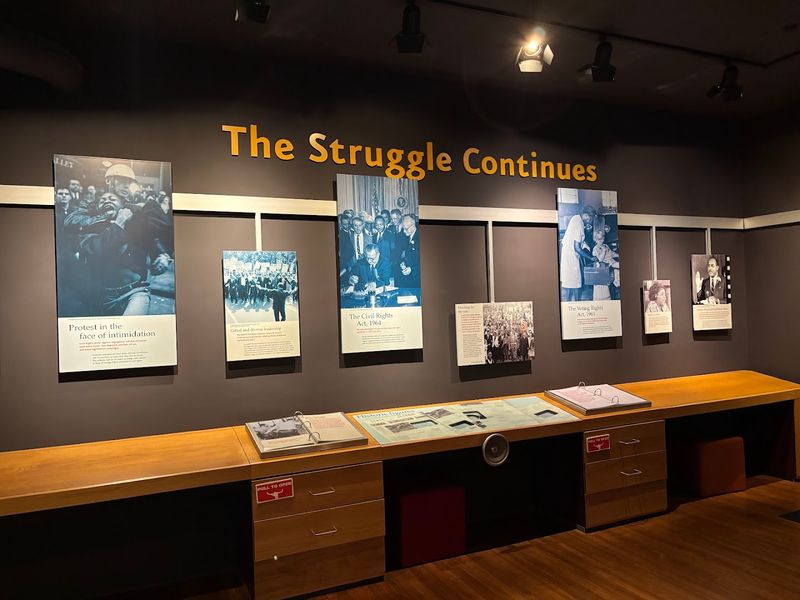
The 1954 ruling did not end segregation overnight, but it cracked open a door that activists, lawyers, and ordinary citizens spent the next decade forcing wide open.
The Brown decision gave the Civil Rights Movement a legal foundation to build on, proving that the Constitution could be used as a tool for equality rather than exclusion.
Roughly a year and a half later, Rosa Parks refused to give up her seat on a Montgomery, Alabama bus.
Within a decade, the Civil Rights Act of 1964 and the Voting Rights Act of 1965 had transformed American law.
Historians consistently trace a direct line from the Brown ruling to those legislative victories. None of that momentum was inevitable, and none of it was fast or painless.
But the Supreme Court’s unanimous voice in 1954 established a moral and legal argument that became increasingly difficult to ignore. A Kansas courtroom battle quietly set the country on a different trajectory.
Why This Kansas Site Belongs On Every American’s Travel List
Some historical sites feel like obligations, places you visit because you feel you should rather than because you genuinely want to.
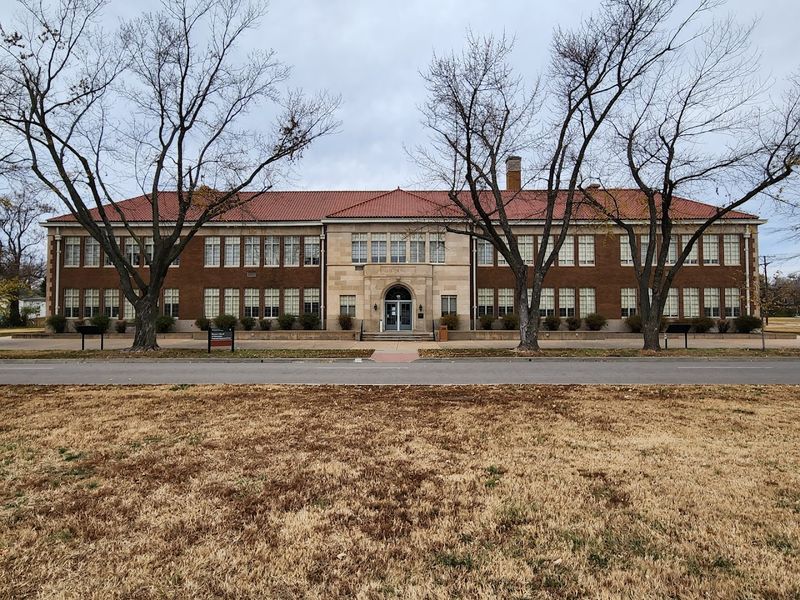
Brown v. Board of Education National Historical Park at 1515 SE Monroe Street, Topeka, Kansas 66612 is not one of those places.
The exhibits are engaging, the park rangers are knowledgeable and passionate, and the building itself carries a weight that no replica or documentary can replicate.
Spending an hour or two here feels less like a history lesson and more like a conversation with the past that actually changes how you see the present.
Kansas is often skipped on cross-country road trips in favor of flashier destinations, but this site makes a compelling case for stopping.
The National Park Service has created something rare here: a free, accessible, emotionally honest space where history is not sanitized but genuinely understood.
That is worth a detour from any highway in the country.