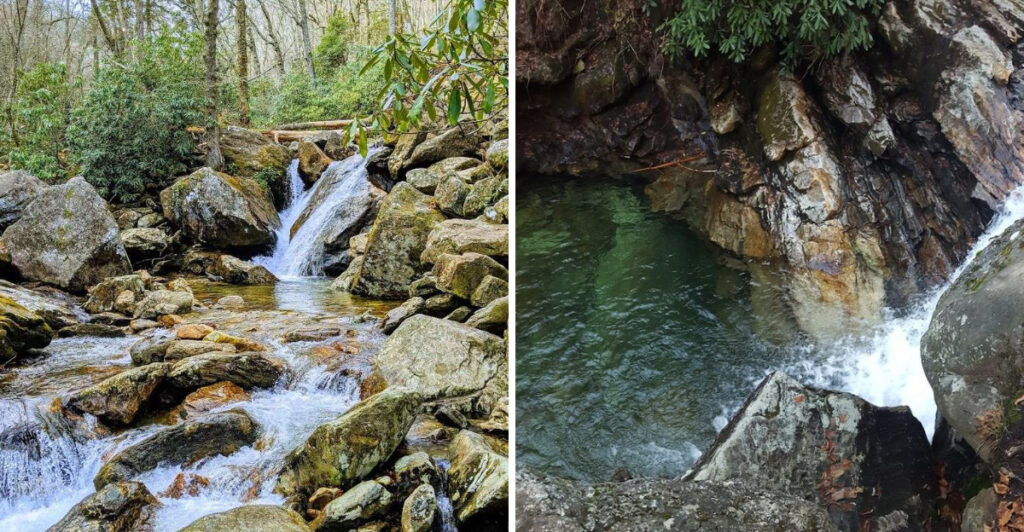
The locals in North Carolina tried their best to keep this one quiet. For years, it stayed off the radar of anyone who had not grown up nearby, a mountain swimming hole so beautiful that sharing it felt like giving something away.
You reach it off one of the most scenic drives in the state, pull into an overlook with jaw-dropping views, cross the road, and follow a shaded trail into a forest that gets quieter and cooler with every step.
What waits at the end is a cascading waterfall carved through ancient rock, fed by a creek so cold it takes your breath away.
North Carolina does dramatic landscapes better than almost anywhere, and this corner is proof. Worth the drive and absolutely worth planning around.
The Secret That Refused To Stay Hidden
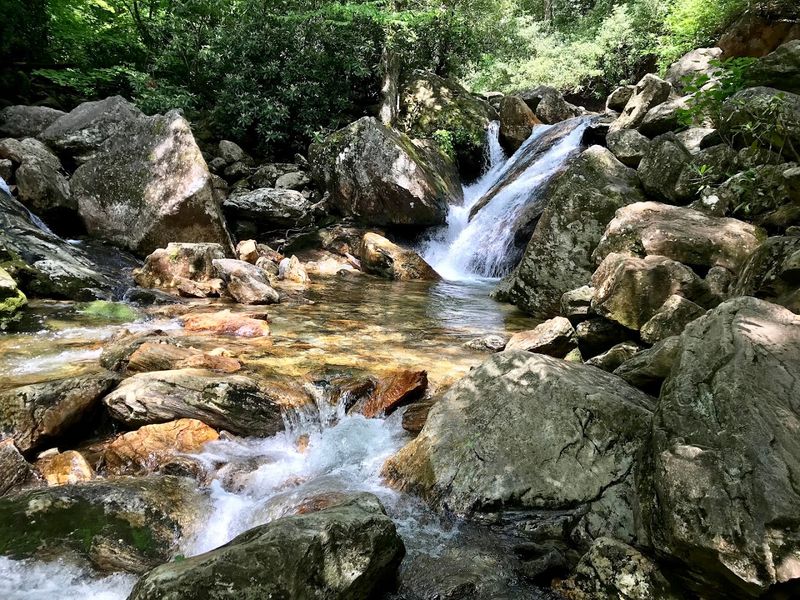
Word travels fast, even about the places people swear they will never share. Skinny Dip Falls spent years as a quiet local treasure tucked into the mountains of western North Carolina, whispered about among friends and guarded like a family recipe.
The name itself sparks curiosity. The name is believed to come from the way water takes what locals have described as a skinny dip through the rocks, a narrow channel carved through the formation below the upper pools.
That quirky origin only added to the lore surrounding this mountain retreat.
Located off the Blue Ridge Parkway at Milepost 417 near the Looking Glass Rock Overlook, the falls sit just a short hike from the road. Its accessibility made it both beloved and, eventually, widely discovered.
Locals who once had the pools to themselves began sharing the parking lot with visitors from across the country. The secret, it turned out, was too good to keep.
What The Trail Looks Like Before You Even Get There
The journey to the trailhead is half the experience. Driving along the Blue Ridge Parkway through western North Carolina rewards visitors with sweeping mountain views and tight, winding curves that feel almost theatrical.
The Looking Glass Rock Overlook near Milepost 417 serves as the staging area. Parking fills up fast on warm weekends, and the trail entrance sits directly across the parkway from the lot.
Blink and you might miss it, which is exactly how locals prefer it.
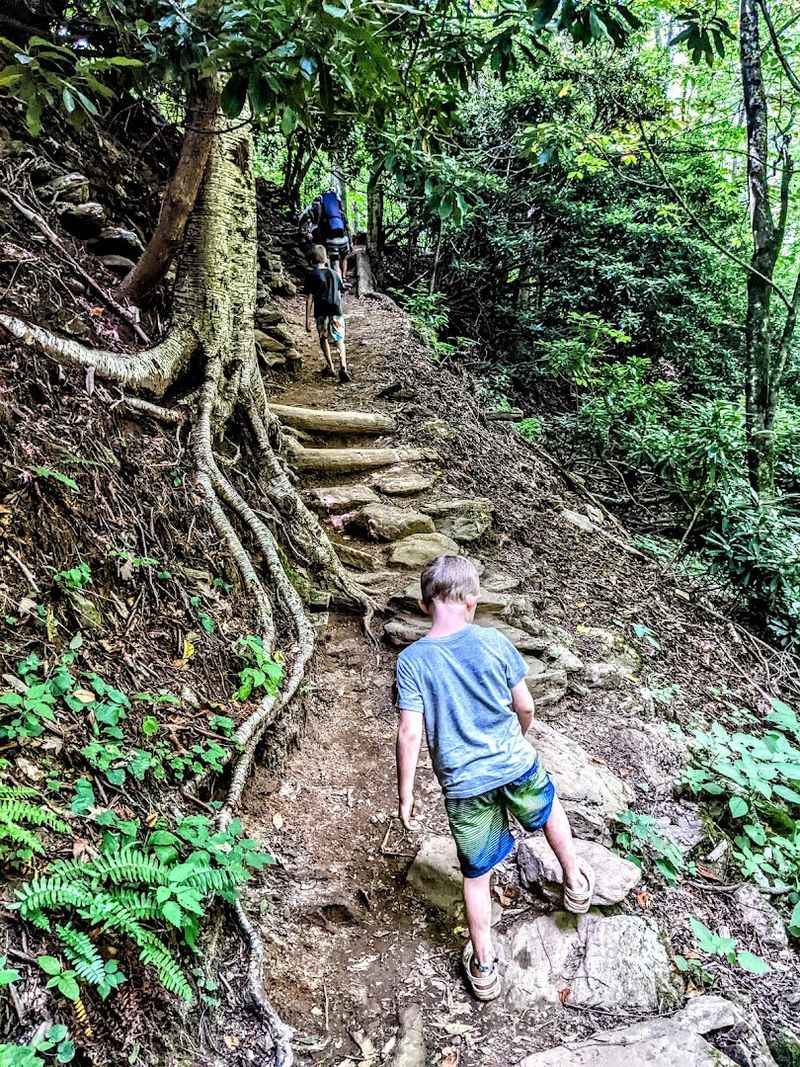
Once on the trail, hikers move through a beautifully shaded forest canopy. Roots and rocks create an uneven but manageable path, with some natural and man-made stairs woven in along the way.
The trail climbs and dips with personality, rewarding each step with deeper quiet and cooler air. Even on the way in, before the water comes into view, the forest itself feels like a destination.
The full address is Blue Ridge Pkwy, Canton, NC 28716.
Cold Water, Clear Pools, And The Jump Rock That Made It Famous
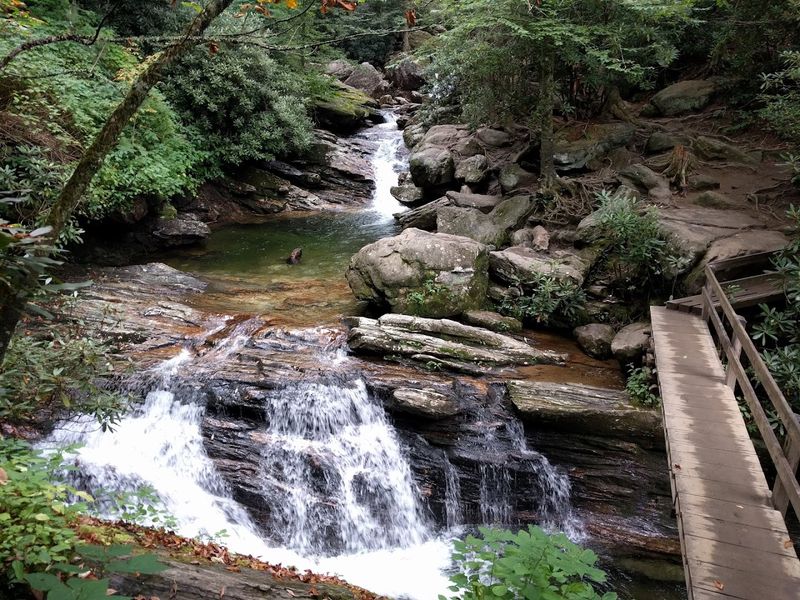
Before Tropical Storm Fred reshaped the landscape in August 2021, this spot had a feature that visitors talked about for years. A jump rock perched above a deep pool in the middle of the falls gave brave swimmers a thrill that was hard to forget.
The water here is fed by the Yellowstone Prong, keeping temperatures consistently cold even on the hottest summer days. That chill is part of the charm.
Sunshine filters through the trees on clear days, warming the surrounding rocks just enough to make the cold plunge feel earned.
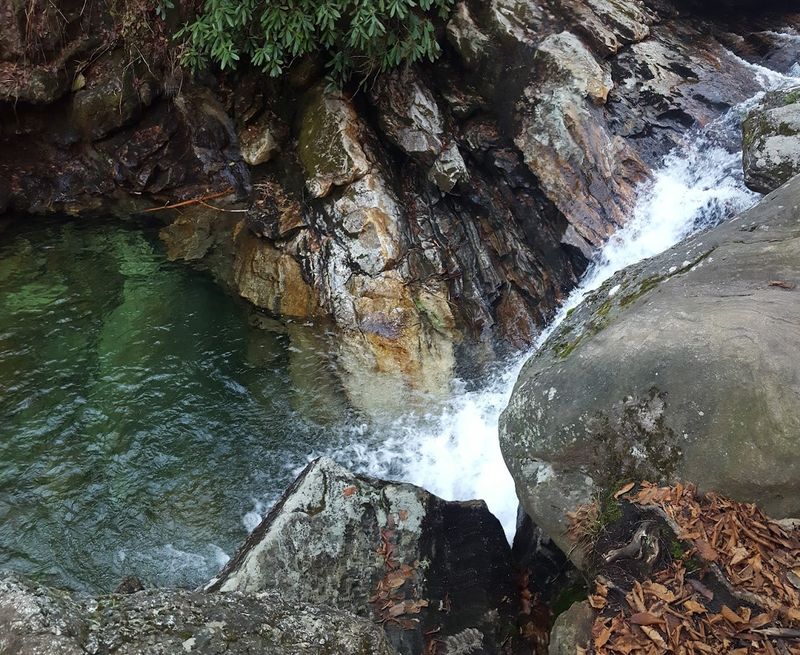
Multiple cascading sections created a series of pools at different levels. Some were wide enough to float in, others narrow and fast-moving.
The variety meant there was something for every comfort level, from cautious waders to daredevils launching off boulders. Visitors described the water as blue-green and remarkably clean, the kind of clarity that makes you want to stay longer than planned.
How Tropical Storm Fred Changed Everything
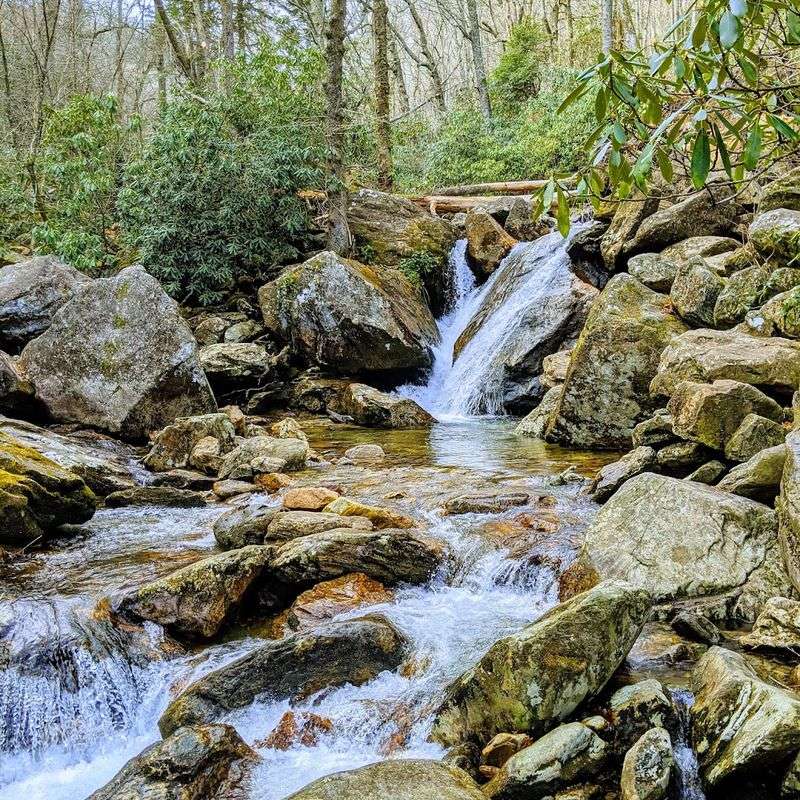
August 2021 brought Tropical Storm Fred crashing through the mountains of western North Carolina with devastating force. The impact on Skinny Dip Falls was severe and lasting, fundamentally altering the experience that so many had come to love.
The deep jump pool that once measured around six feet or more was filled almost entirely with gravel and debris. What remained was a shallow stream barely two feet deep in most spots.
The larger waterfall formations were destroyed, the stream changed course, and both the wooden bridge and the stairs leading to the falls were washed away completely.
Following the storm, the Forest Service closed the area due to safety concerns and significant trail damage. Parts of the trail have since been restored and the site is accessible again, though the swimming hole as it once existed is gone.
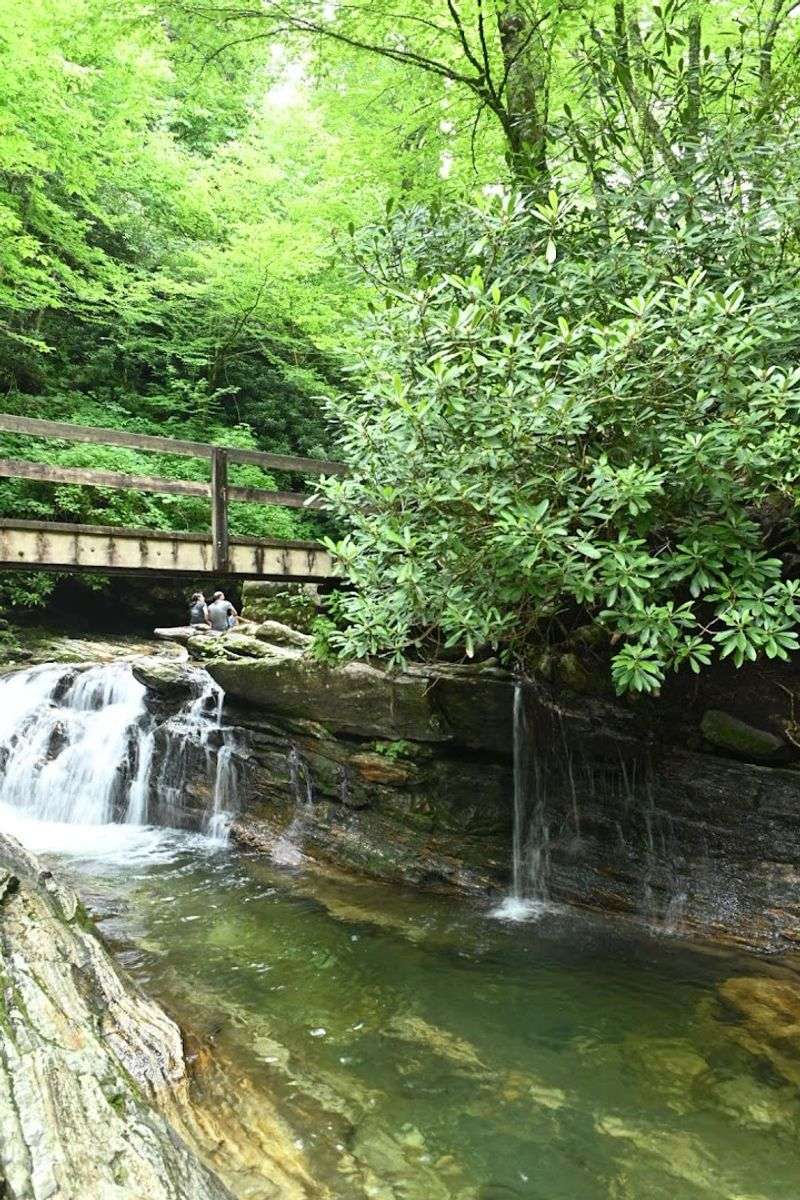
What remains is a boulder garden, cold clear water, and a landscape that tells a dramatic story of nature doing exactly as it pleases, on its own schedule.
What Visitors Are Actually Finding Right Now
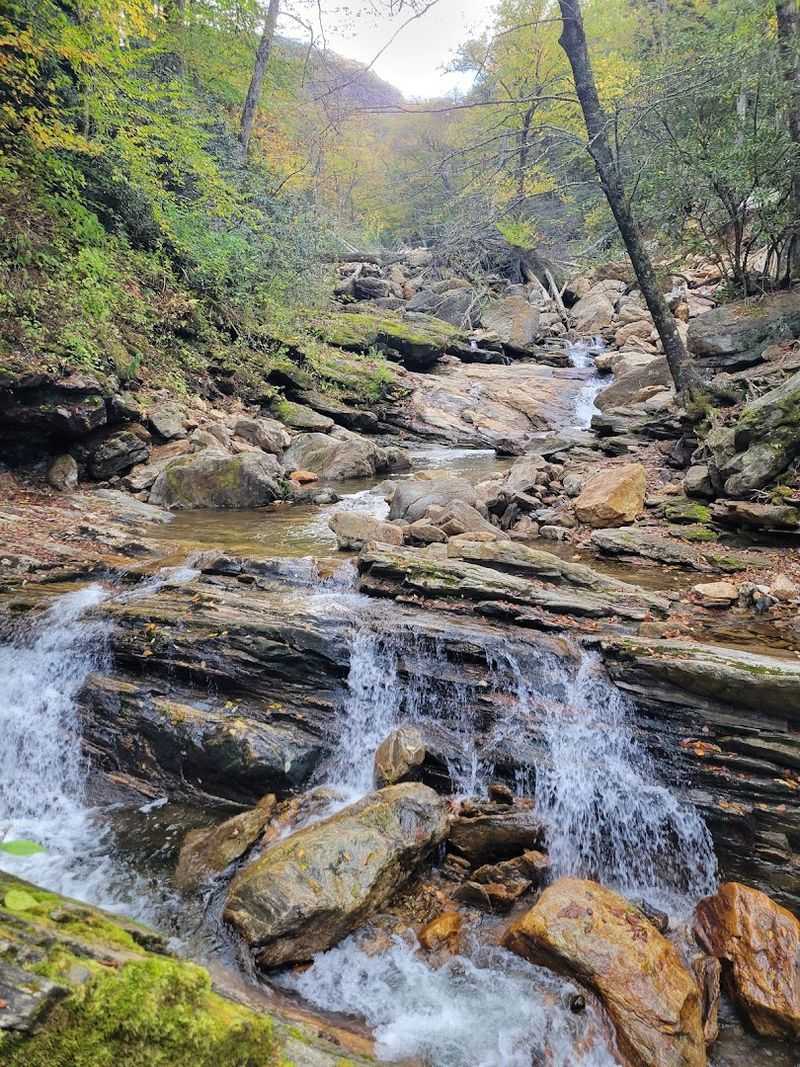
Curiosity keeps people coming, even after the warnings. Recent visitors to the trailhead describe a trail that still functions, with well-defined paths, some muddy stretches after rain, and plenty of roots and rocks underfoot to keep attention sharp.
The falls themselves now present as a smaller cascade with shallow pools scattered around a boulder-heavy stream bed. The deep swimming areas are gone, but some hikers have ventured further upstream to find cooler, cleaner spots worth a quick dip.
The water remains cold and clear, which is more than most places can claim.
Reviews note that the trail is dog-friendly and manageable for most fitness levels, though calling it an easy hike undersells its uneven terrain. There are no restrooms, no picnic areas, and signage at the trailhead can be minimal.
One bench overlooks what remains of the falls. It is a quieter, more contemplative version of the place it used to be, still worth the walk for those who know what to expect.
The Crowd Problem Nobody Talks About
Popularity has a cost, and Skinny Dip Falls paid it long before the storm ever arrived. The Looking Glass Rock Overlook is one of the most visited pullouts along this stretch of the Blue Ridge Parkway, which means the parking lot fills up at a speed that surprises first-time visitors.
On warm summer weekends, cars spill out onto the roadside well before mid-morning. The short hike in, which takes most people under twenty minutes, means foot traffic at the falls can feel relentless during peak hours.
What was once a secluded mountain escape became, on busy days, more of a social event than a wilderness experience.
The best strategy for those still wanting to visit is to arrive early on a weekday. Mid-week mornings offer a version of the place closer to what longtime locals remember.
A handful of visitors rather than a crowd, birdsong instead of chatter, and the kind of stillness that makes a cold mountain stream feel genuinely restorative. Timing is everything here.
Gear Up Right Before You Hit The Trail
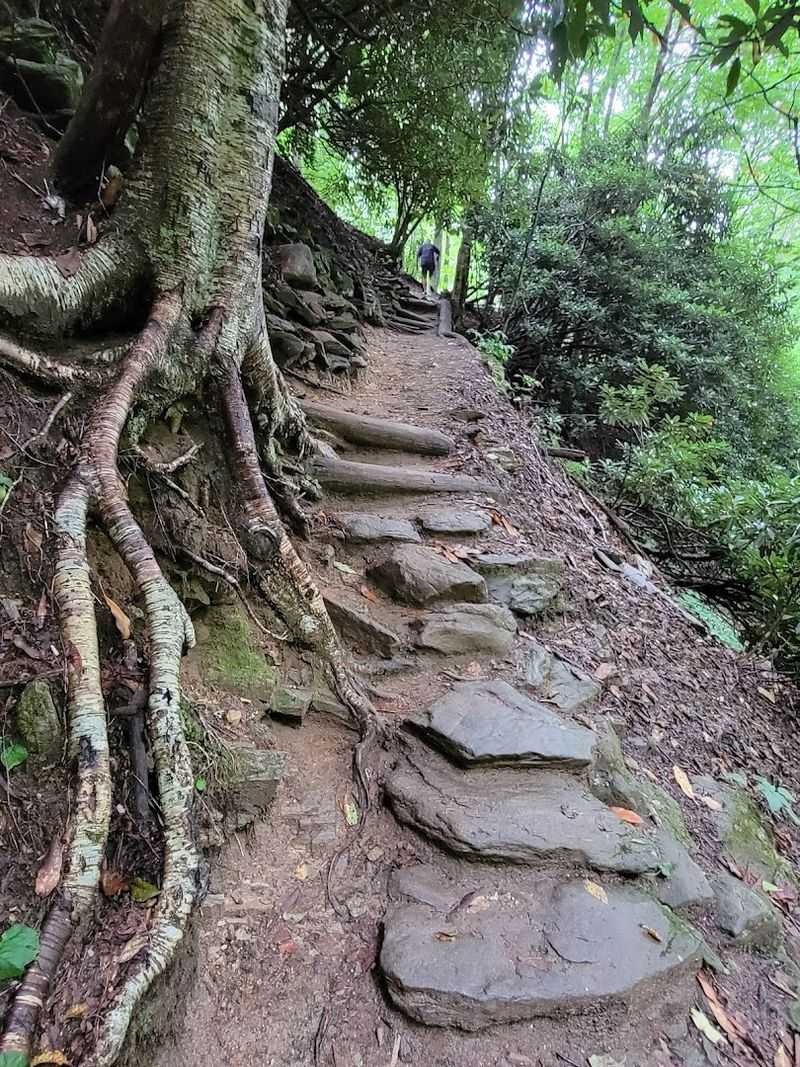
Going unprepared to a trail like this is a fast way to have a bad time. The path to the falls involves rocks, roots, and elevation changes that punish flip-flops and reward proper footwear.
Trail shoes or sturdy sneakers with grip are strongly recommended, especially after rain when surfaces get slippery fast.
Water is essential. The hike itself is short, but mountain air and physical exertion add up quickly.
Packing snacks, a towel, and water shoes for stream-side exploration covers most scenarios. Those planning to wade or explore the stream bed will appreciate footwear that can get wet without becoming a hazard on the walk back.
Trekking poles or walking sticks earn their weight on the uneven terrain, particularly for those with knee concerns or younger children in tow. The trail offers no facilities, so everything needed must come in with the hiker and leave the same way.
Respecting the trail’s condition is part of respecting the place itself, and the mountain rewards that kind of preparation.
Why This Place Still Deserves A Spot On Your Radar
Some places earn their reputation through spectacle. Others earn it through feeling.
Even in its current, storm-altered state, the trail to this waterfall delivers something that polished tourist destinations rarely manage: a genuine sense of being somewhere real.
The forest surrounding the path is beautifully shaded and alive with the kind of layered green that only mountain environments produce.
The drive along the Blue Ridge Parkway to reach the trailhead is breathtaking on its own, with views of Looking Glass Rock adding drama to an already scenic approach through western North Carolina.
Connecting to the Mountains to Sea Trail is possible for those wanting more mileage, with longer routes linking toward Graveyard Fields and Black Balsam. The area rewards exploration beyond the falls themselves.
Even without the famous deep pool, this corner of North Carolina holds enough natural beauty to justify the trip. The locals who kept it quiet for so long understood something simple: some places are worth protecting, even when the secret is already out.