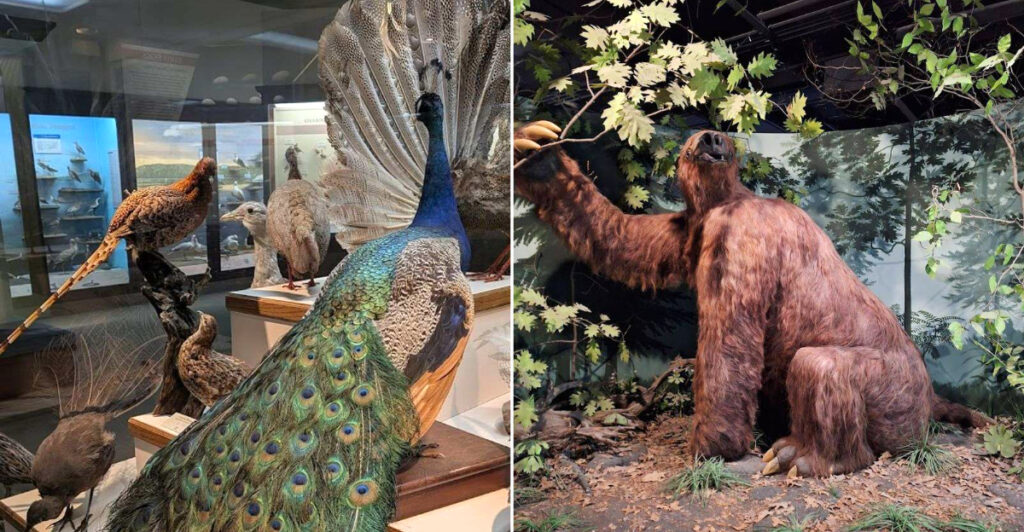
Some museums feel quiet in a dusty way. This Iowa stop feels quiet in the “wait, is that a giant sloth?” way.
Inside a historic campus building, natural history gets wonderfully strange fast. Birds line the halls.
Fossils pull you into ancient Iowa. A massive ice age creature steals the room before you have fully decided where to look first.
The charm comes from the mix. One corner feels scholarly and old-school.
Another feels perfect for curious kids, casual wanderers, and anyone who likes a good surprise behind a glass case.
Free admission makes the whole thing even better. Give it an hour, and it may take two.
That is usually the sign that a museum is doing something right.
A Historic Home Worth Finding

Macbride Hall keeps things quiet. This historic campus building does not need a flashy entrance to make the museum inside feel worth finding.
Set near the Old Capitol area in the heart of the University of Iowa campus, it gives the whole visit a scholarly, old-school atmosphere before you even reach the exhibits.
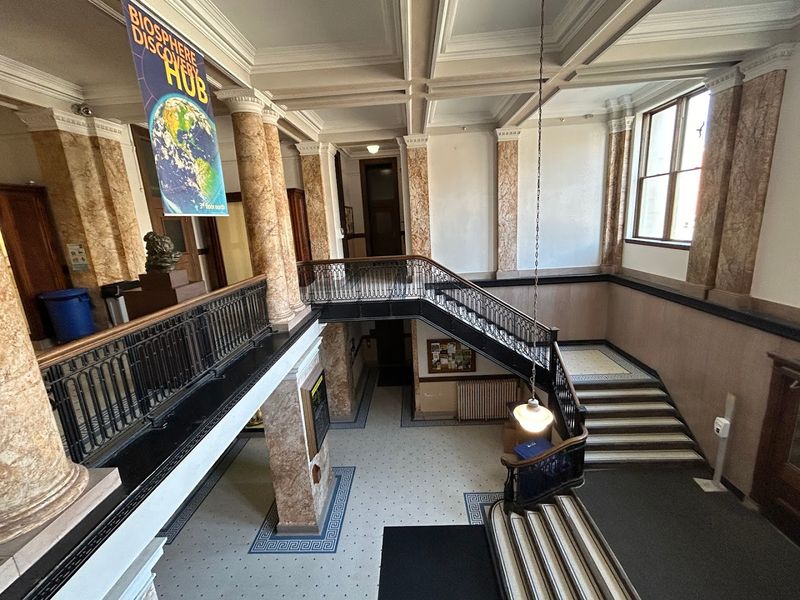
The building itself feels like part of the experience, with classic architecture and a sense of history that fits the museum perfectly.
Inside, the space feels warm, lived-in, and genuinely cared for rather than overly polished or sterile.
That makes the museum especially inviting, whether you are stopping in with kids, wandering through Iowa City, or looking for a quieter campus attraction with real character.
The location is central and easy to work into a downtown visit, though parking takes a little planning since the museum does not have its own lot.
For a free Iowa City stop filled with fossils, birds, historic displays, and one unforgettable giant sloth, this campus museum is absolutely worth seeking out.
You will find the University of Iowa Museum of Natural History in Macbride Hall at 17 N Clinton St, Iowa City, IA 52242.
160 Years Of Curiosity On Display
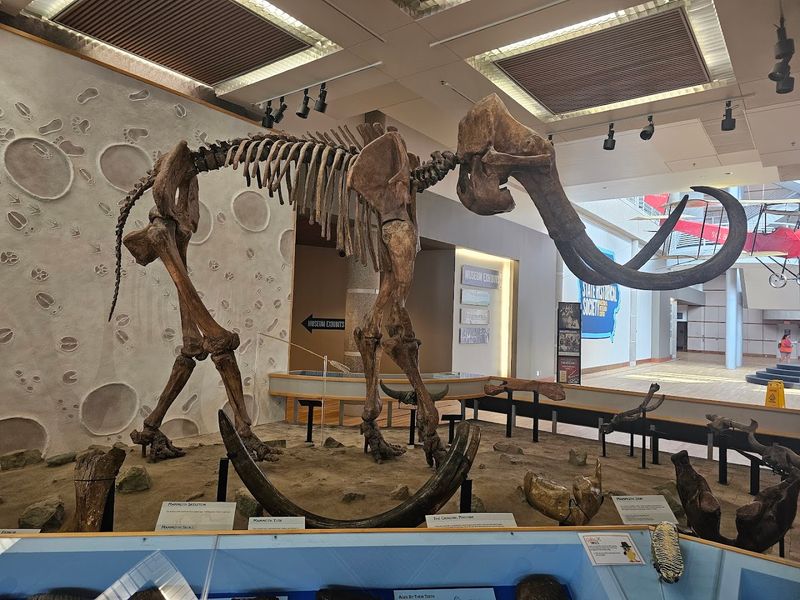
Few museums in the country can claim more than 160 years of continuous public service, but this one can.
The University of Iowa Museum of Natural History has been welcoming visitors since the 1850s, making it one of the oldest natural history museums in the entire Midwest.
That kind of history adds a layer of meaning to every exhibit you walk past. Some of the displays are genuinely old, and rather than feeling dated, they carry a sense of authenticity that modern reproductions just cannot replicate.
I found myself reading the small information cards more carefully than I usually do, partly because the context felt so rich. You are not just looking at a mounted animal or a fossil fragment.
You are looking at something that generations of curious people before you have also studied and admired.
The museum has evolved over the decades while preserving what makes it special.
That balance between honoring its past and staying relevant to today’s visitors is something the staff clearly takes seriously, and it shows in every corner of the building.
The Giant Sloth That Steals The Show
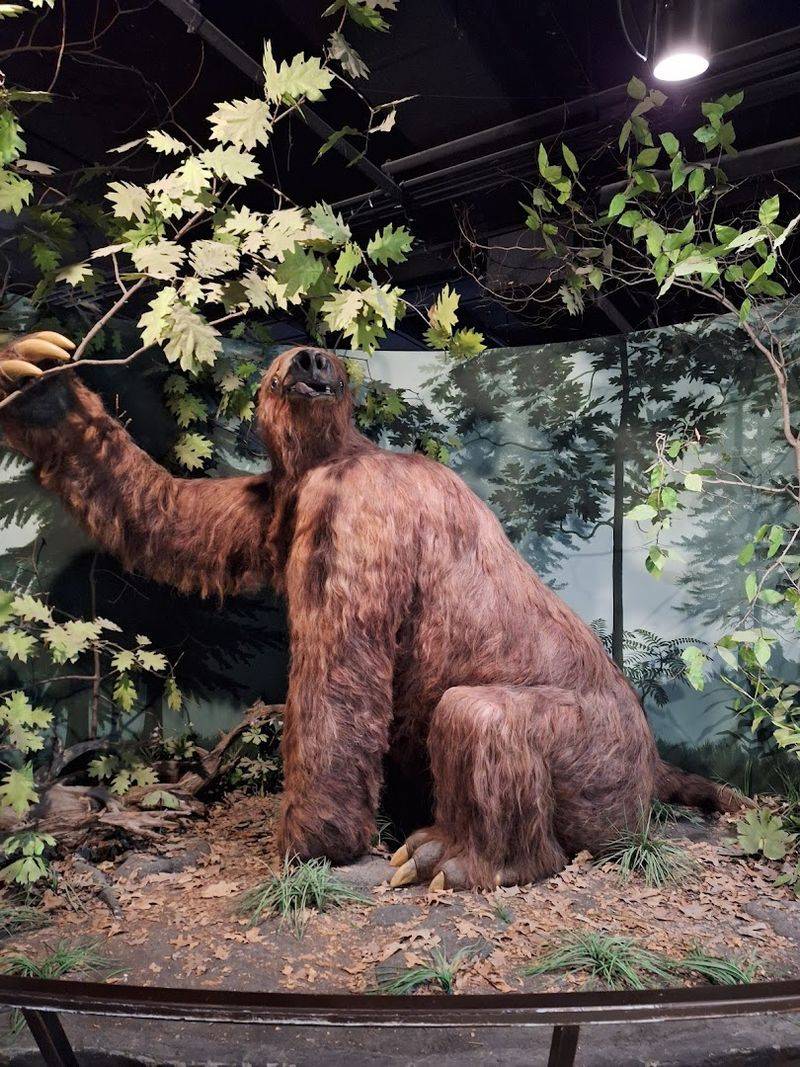
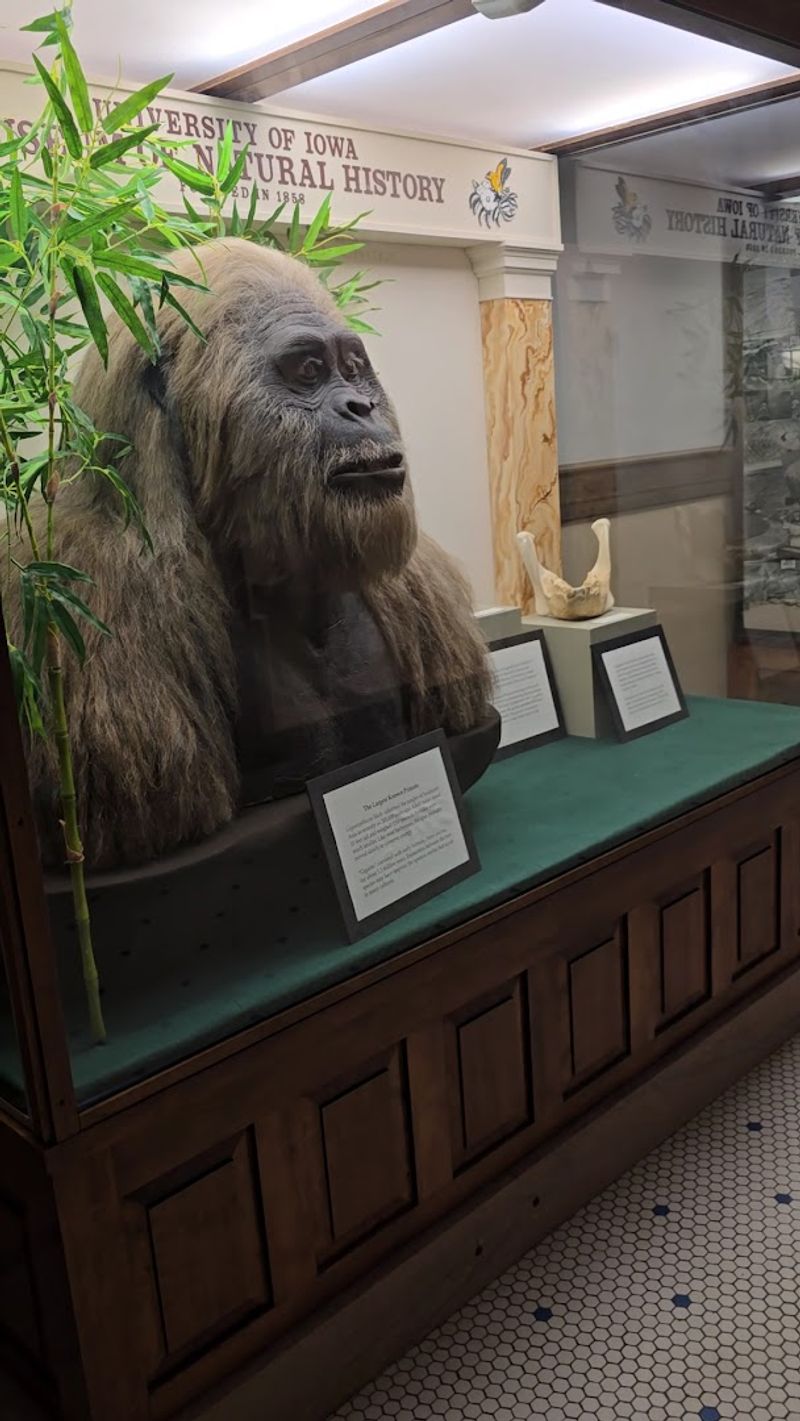
There is a moment when you round a corner and suddenly there it is: the ice age giant ground sloth, towering in a way that makes you instinctively take a step back.
It is enormous, and photos genuinely do not prepare you for the scale of it.
Standing near it for a few minutes makes it easier to wrap your head around the fact that creatures this size once roamed North America.
The museum does a great job providing context, so you leave understanding not just what the sloth looked like, but when it lived and why it matters.
Families with kids will find this particular exhibit to be an instant crowd-pleaser. Children who have zero interest in reading about geology will suddenly want to know everything about prehistoric megafauna, and that is the magic of a well-presented museum centerpiece.
The sloth is the kind of exhibit that earns a museum its reputation. It is dramatic, educational, and genuinely awe-inspiring in person, and it alone is reason enough to make the trip to this museum.
Bird Hall: A Room Full Of Feathered Wonders
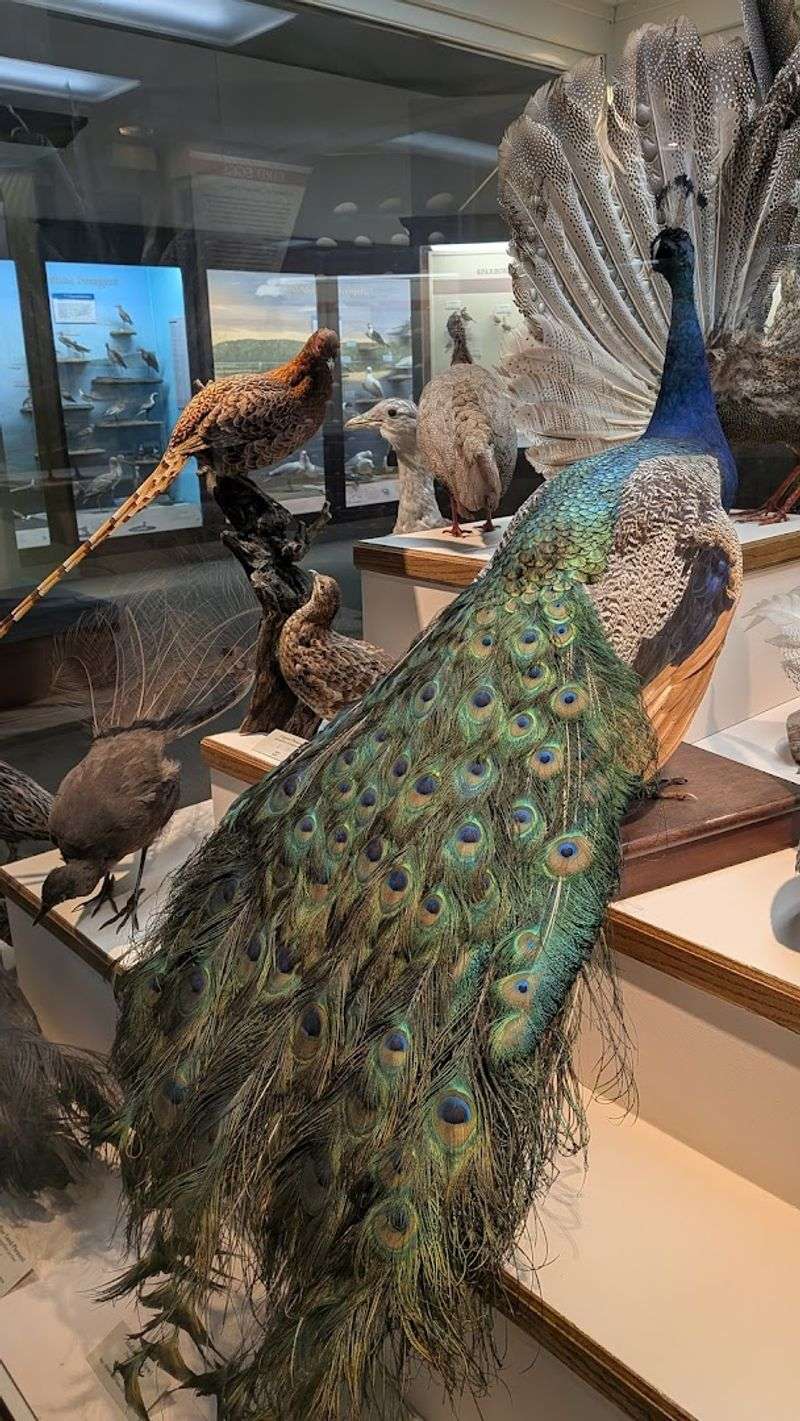
Bird Hall is the kind of room that sneaks up on you. You think you will spend five minutes in there, and then forty minutes later you are still squinting at a label trying to figure out the difference between two nearly identical warblers.
The collection is genuinely impressive in its breadth and detail. Species from across North America and beyond are represented, and the quality of the taxidermy means you can study the plumage, posture, and size of each bird in a way that field guides simply cannot match.
I went in as someone who considers myself only mildly interested in birds, and I came out with a renewed appreciation for how wildly diverse avian life actually is.
The displays are organized thoughtfully, so even without a background in ornithology, you can follow the logic of the exhibit and build real knowledge as you move through the room.
Multiple visitors have noted that Bird Hall alone is worth the trip, and after spending time there myself, I completely understand why that sentiment keeps coming up in conversation after conversation.
Mammals, Dioramas, And The Art Of Taxidermy
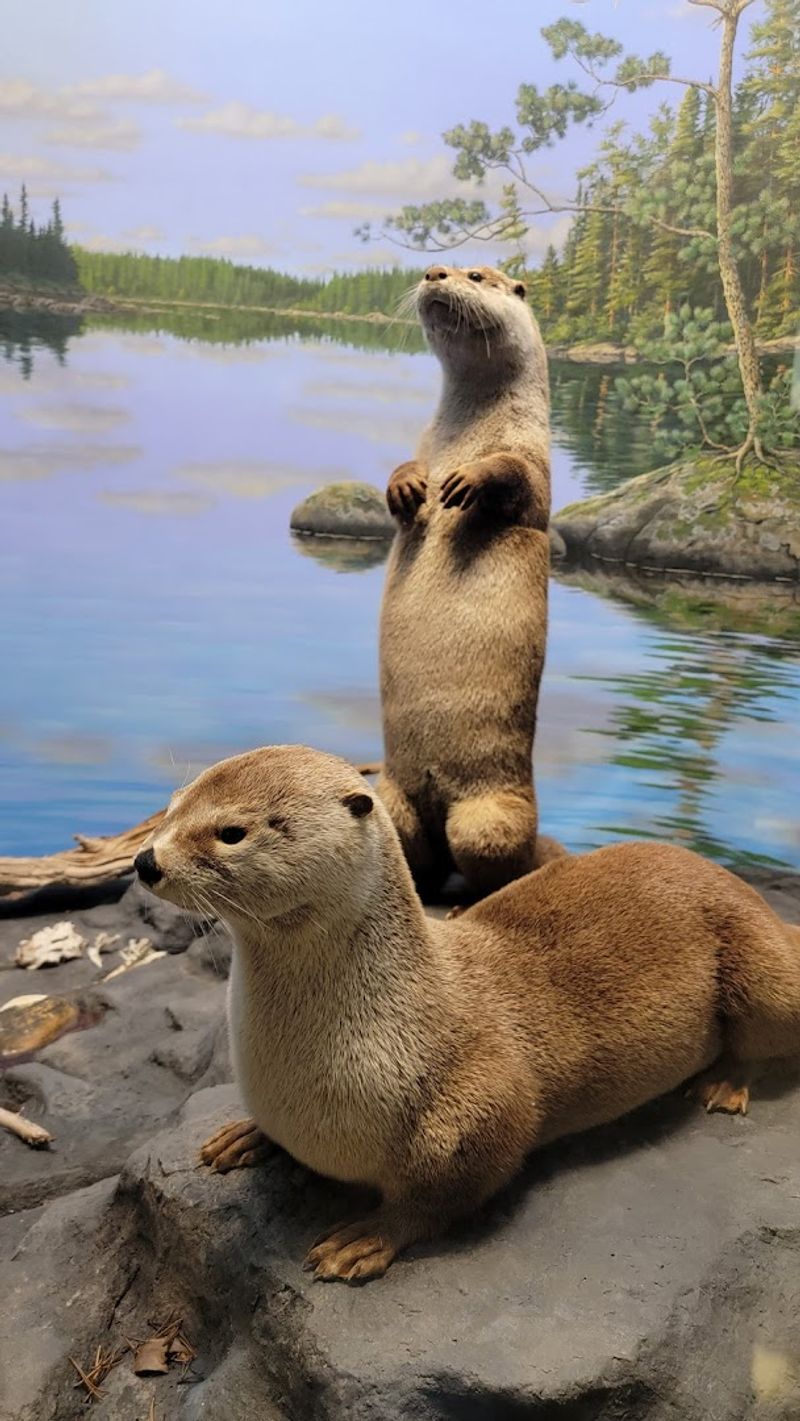
The mammal exhibits here carry a different kind of energy than the bird collection.
Where Bird Hall feels precise and catalogued, the mammal displays lean into storytelling, with displays that place animals in memorable museum scenes complete with detailed habitat backgrounds.
The taxidermy quality is something several visitors have specifically praised, and it is easy to understand why once you start paying closer attention. These are not rough approximations of animals.
They are carefully crafted representations that capture posture, muscle tone, and expression in ways that feel genuinely lifelike.
Some of the displays are old, which you can tell from the slightly weathered backgrounds and aged materials. But rather than being a drawback, that age gives the exhibits character.
You are looking at craftsmanship from an earlier era of museum-making, and that is interesting in its own right.
The range of species covered is broad enough to keep you moving from case to case with genuine curiosity.
From small mammals to major specimens from around the world, the mammal section builds a surprisingly wide picture of wildlife across different ecosystems and regions.
Iowa’s Natural And Geological Past
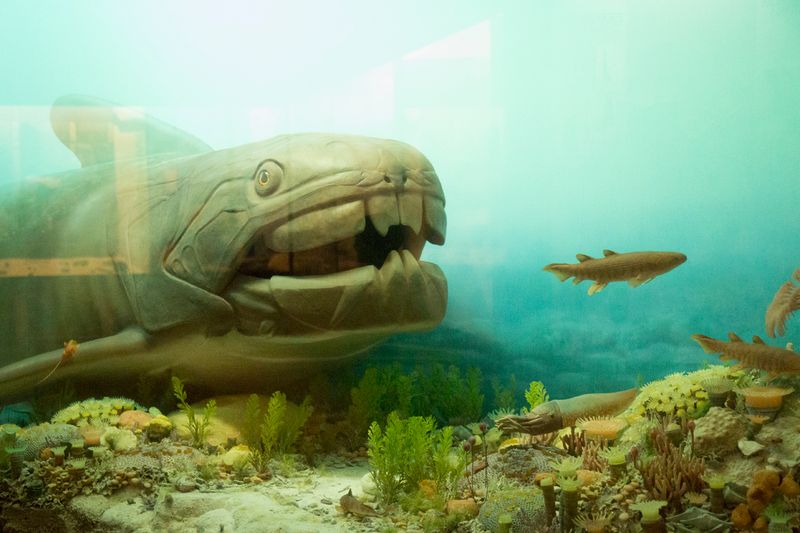
Long before Iowa was farmland and river towns, it was an inland sea, a glacial landscape, and home to creatures that would seem impossible today.
The geology and Iowa history exhibits in this museum do a remarkable job of pulling back the curtain on those earlier chapters.
Rock samples, fossil specimens, and detailed informational panels walk you through the deep timeline of this region in a way that feels accessible rather than overwhelming.
Even visitors without a geology background can leave this section with a clearer picture of how the land under Iowa City came to be.
The exhibits about past cultures add another dimension to the experience. Understanding the human history of a place alongside its natural history creates a fuller, richer narrative that a single-focus museum rarely achieves.
What stands out most is how the displays connect ancient events to the landscape you can still see today.
Glacial features, river formations, and soil compositions all have roots in processes that unfolded across thousands to millions of years, and this museum helps you see those connections clearly and memorably.
Free To Enter, Generous In Every Way
Free admission to a museum of this quality is not something you encounter every day.
The University of Iowa Museum of Natural History charges nothing to walk through its doors, though there is a donation box near the entrance for those who want to contribute.
What I appreciated was that nobody made me feel awkward about not donating on the spot. The staff at the front desk were welcoming, informative, and completely relaxed about the whole thing.
They answered my questions cheerfully and pointed me toward exhibits I might have otherwise missed.
The no-cost entry makes this an ideal stop for families on a budget, solo travelers stretching a road trip, or university students looking for something meaningful to do on a free afternoon. There are no timed tickets, no reservations required, and no pressure of any kind.
That generosity of spirit extends beyond just the price tag. The museum feels like a place that genuinely wants you there, wants you to learn something, and wants you to come back.
That is rarer than it should be, and it makes the whole visit feel a little more special from the moment you walk in.
A Calm And Uncrowded Experience

One of the most underrated things about this museum is how unhurried the whole experience can feel.
Compared with louder, flashier attractions, this is the kind of place where you can linger in front of displays without feeling pushed along.
Visitors who give themselves time can move at their own pace, double back to exhibits they want to revisit, and read more of the informational text than they might expect. That kind of relaxed exploration is genuinely hard to find at more crowded attractions.
The museum is open Wednesday through Saturday, from 10 AM to 5 PM, so planning your visit is straightforward. Arriving during quieter weekday hours can make the experience feel even more personal.
There is something restorative about spending time in a space that does not demand your constant attention or rush you toward an exit.
The museum’s calm atmosphere invites genuine curiosity rather than the quick-scan approach that crowded venues tend to encourage, and that makes every section feel more rewarding to explore.
Tips For Making The Most Of Your Visit
A little planning goes a long way when visiting this museum.
The hours run Wednesday through Saturday, 10 AM to 5 PM, so Sunday, Monday, and Tuesday visits are not available for regular public hours, though special arrangements may be possible through the museum’s Visitor Services Coordinator.
Double-checking the schedule before you head out saves you a wasted trip.
Parking near Macbride Hall can be a mixed bag depending on when you arrive. Nearby parking ramps and metered street parking are the main options, so arriving a bit early gives you a better shot at something convenient.
The central location also means the museum is walkable from many spots in downtown Iowa City.
Plan for at least two hours if you want to do the exhibits justice, though some visitors may spend longer, particularly in Bird Hall and the mammal section. Bringing curious kids means building in extra time for questions and the inevitable return visits to the giant sloth.
You can reach the museum by phone at 319-335-0480 or check out their website at mnh.uiowa.edu for any updates.
The staff are genuinely helpful and happy to answer questions, so do not hesitate to ask when you arrive, because a friendly tip from them might lead you to your favorite exhibit of the day.