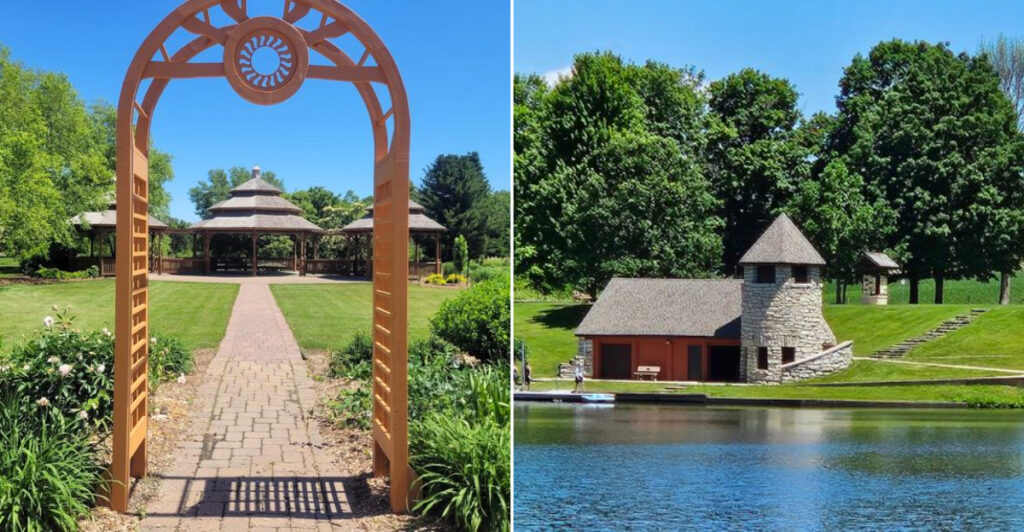
Summer in Iowa hits different when you realize the whole state is basically a playground waiting to be explored.
Cornfields and small towns hide some seriously cool spots, from ancient Native American earthworks to towering sandstone cliffs that make you forget you’re in the Midwest.
The best part? Most of these adventures cost little to nothing, meaning your wallet stays as full as your schedule.
I’ve road-tripped across this state more times than I can count, and I’m sharing 12 day trips that deliver maximum fun, scenery, and stories without draining your bank account.
1. Effigy Mounds National Monument, Harpers Ferry
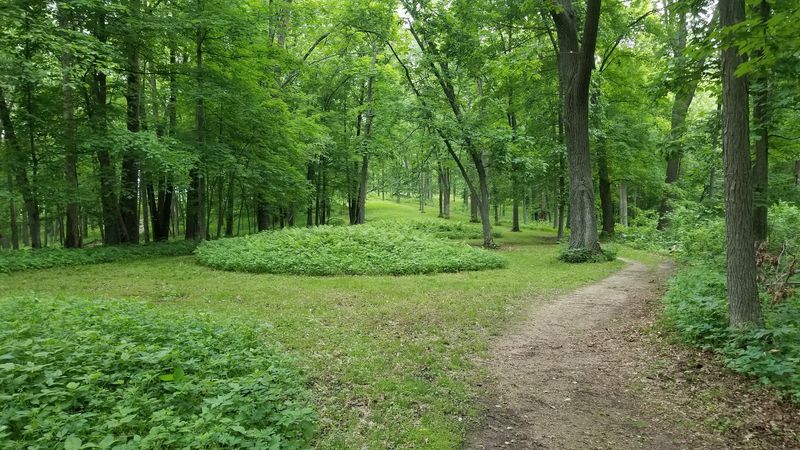
Perched high above the Mississippi River, Effigy Mounds National Monument holds some of the most fascinating ancient earthworks in North America.
American Indian peoples built these sacred mounds during different periods, with the animal-shaped effigy moundbuilding tradition tied especially to the Late Woodland Period, roughly 1,400 to 750 years before present.
The monument sits near Harpers Ferry in northeastern Iowa, and access to the visitor center, museum, trails, and ranger-guided programs is free, making it a smart pick for budget-minded adventurers.
There are over 200 mounds preserved here, and you can walk right alongside them on well-maintained trails that wind through dense woodland.
The Fire Point Trail is a crowd favorite, rewarding hikers with a sweeping panoramic view of the Mississippi River valley that genuinely stops people in their tracks.
Bring sturdy shoes because some trails involve a decent climb, but the payoff at the top is absolutely worth the effort.
Early morning visits are especially peaceful, with birdsong filling the canopy and mist drifting over the river below.
Pack a picnic, arrive early, and give yourself at least three hours to soak in the history and scenery at this remarkable Iowa treasure.
2. Maquoketa Caves State Park, Maquoketa
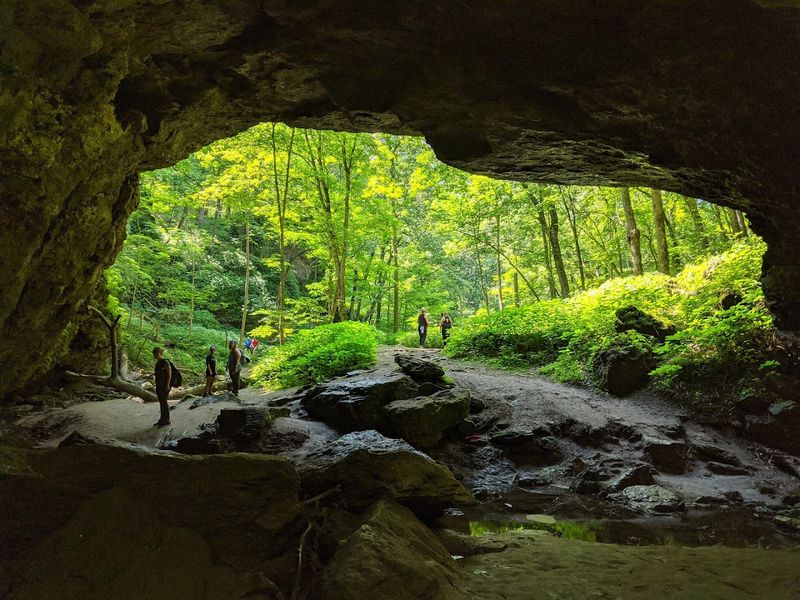
Nothing beats the thrill of crawling through a real cave on a hot summer afternoon, and Maquoketa Caves State Park delivers exactly that kind of adventure.
Located northwest of the city of Maquoketa in eastern Iowa, this park features more caves than any state park in Iowa.
There are about 13 caves ranging from walk-through tunnels to tight crawl spaces, so every visit feels a little different depending on how bold you’re feeling that day.
Day exploration is budget-friendly, and the caves, trails, and scenic formations make it one of the best low-cost summer day trips Iowa has to offer.
Dancehall Cave is the best-known cave here, stretching about 1,100 feet, while other caves around the park are better suited for visitors comfortable with crawling through tighter spaces.
The surrounding forest trails are equally impressive, with towering limestone formations and cool, shaded pathways that offer a welcome break from summer heat.
Wear clothes you don’t mind getting dirty, bring a flashlight, and consider arriving on a weekday to avoid the weekend crowds that gather here throughout July and August.
3. Pikes Peak State Park, McGregor
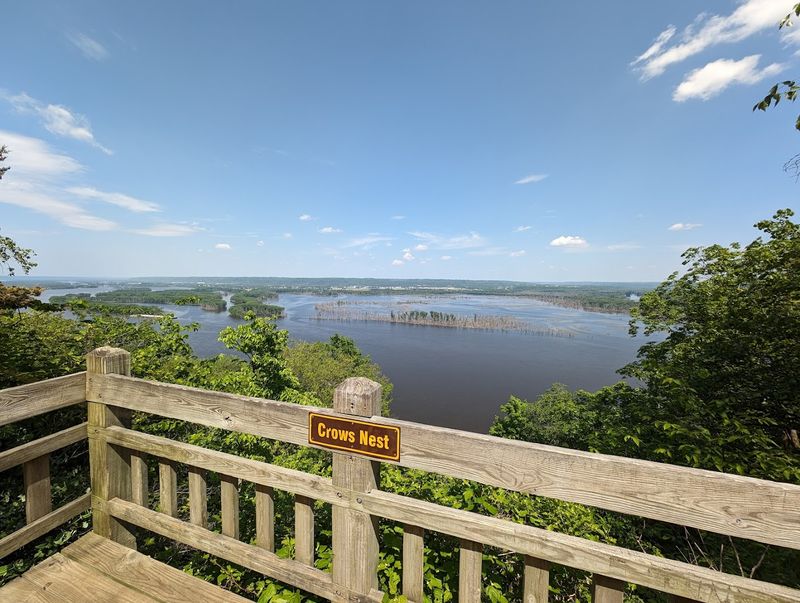
Forget Colorado for a moment, because Iowa has its own Pikes Peak, and the view from the top is genuinely jaw-dropping.
Pikes Peak State Park sits just outside McGregor in northeastern Iowa and offers one of the highest bluff overlooks above the Mississippi River in the entire region.
Standing at the main overlook, you can see the point where the Wisconsin River meets the Mississippi, a sight that feels surprisingly grand for a state park with no admission fee.
The park covers nearly 1,000 acres and includes a network of hiking trails that range from easy strolls to more rugged woodland paths with roots and rocky terrain.
Bridal Veil Falls is a hidden highlight tucked into the park, a small but lovely waterfall that surprises first-time visitors who wander off the main trail.
The forested bluffs are rich with wildflowers and wildlife throughout summer, making this a rewarding spot for birdwatchers and nature photographers alike.
Sunset visits reward patient travelers with golden light washing over the river valley in a way that practically begs to be photographed.
4. Ledges State Park, Boone
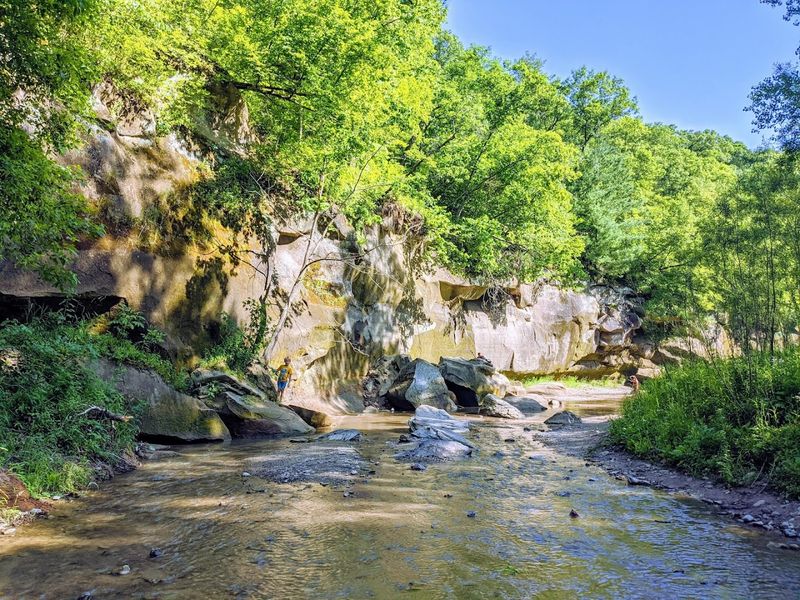
Sandstone canyons in Iowa sound like a myth until you set foot inside Ledges State Park and realize the Midwest has been hiding something spectacular all along.
Located near Boone in central Iowa, Ledges is one of the oldest and most beloved state parks in the state, drawing visitors with its dramatic canyon walls, winding creek, and lush forest canopy.
Pease Creek carves through the lower ledges, creating a rocky streambed that families love to wade through during the summer months when water levels are low.
The upper ledges offer a completely different experience, with open prairie views and exposed sandstone formations that glow warm orange in afternoon sunlight.
Trail difficulty ranges from relaxed riverside walks to steeper climbs that reward hikers with elevated views across the Des Moines River valley.
Entry to the park is free, which makes it an easy yes for any budget-conscious traveler planning a summer outing in central Iowa.
Weekends fill up fast in summer, so arriving before 9 a.m. gives you the best chance of securing a good parking spot and enjoying a quieter experience on the trails.
5. Iowa Arboretum, Madrid
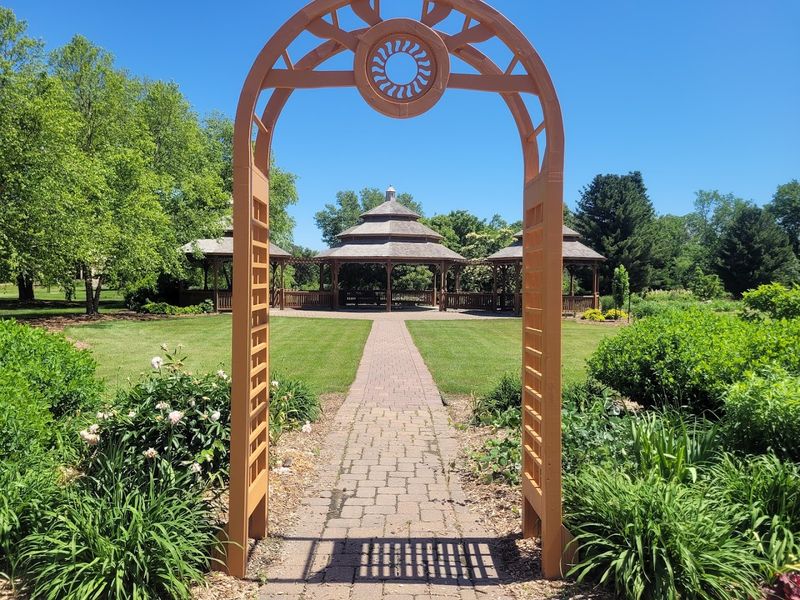
Quiet, colorful, and refreshingly unhurried, the Iowa Arboretum outside Madrid is the kind of place that slows your pace the moment you step through the gate.
Located at 1875 Peach Avenue in Boone County, this public community garden is home to over 6,000 accessioned plants, including trees, shrubs, and flowers spread across landscaped paths, gardens, woodland areas, and prairie trails.
Summer is peak season here, with roses, native wildflowers, and ornamental grasses creating a rotating gallery of color that changes week by week throughout June, July, and August.
Admission is reasonable, and the gardens and grounds are open year-round, with daily hours from April through October and weekday hours during the colder months.
The network of walking trails winds through both manicured garden sections and more naturalistic woodland zones, offering variety without demanding athletic effort from visitors.
Birders will find plenty to get excited about here, as the diverse plantings attract a wide range of songbirds and pollinators throughout the warmer months.
Packing a blanket and spending an hour in the shade of the arboretum’s oldest trees is a simple summer pleasure that costs almost nothing and delivers lasting calm.
6. Backbone State Park, Dundee
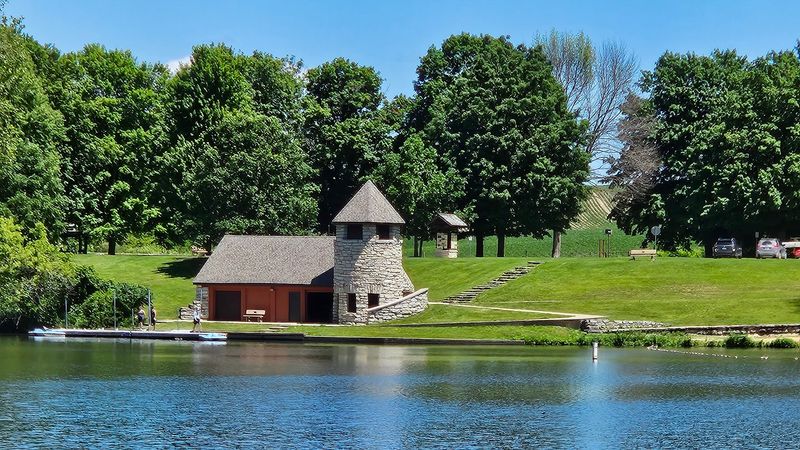
Iowa’s oldest state park has a name that dares you to take it seriously, and Backbone State Park absolutely lives up to the challenge.
Situated near Dundee in Delaware County in northeastern Iowa, the park takes its name from a narrow, rocky ridge of bedrock that rises from the Maquoketa River valley like the spine of some ancient creature.
Hiking the Backbone Trail requires real balance and a little nerve as you navigate the exposed ridge, but the sense of accomplishment at the other end is hard to beat.
Beyond the famous ridge, the park offers Backbone Lake for fishing and boating, several campgrounds, and miles of additional trails through shaded river valleys.
Kayak, canoe, and paddle boat rentals are available on-site, giving visitors an affordable way to explore the lake without hauling their own gear from home.
The park offers a highly cost-effective full-day adventure in the region, with paid costs mainly tied to optional rentals, camping, cabins, or reserved facilities.
Photographers love the late afternoon light on the rocky formations, and the reflections on the lake at dusk make for genuinely striking images worth the extra hour of lingering.
7. Hayden Prairie State Preserve, Howard County
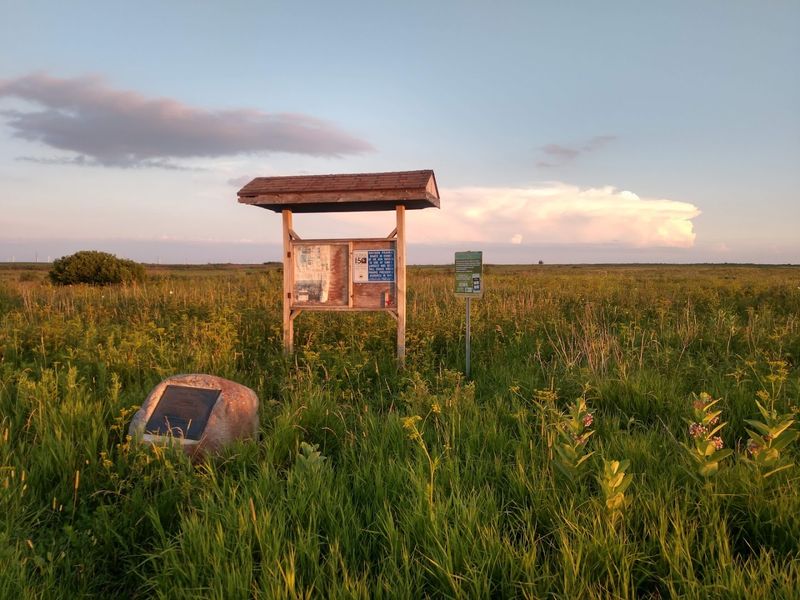
Standing in the middle of Hayden Prairie feels like stepping into a painting of the landscape Iowa looked like before European settlement, wild, open, and endlessly alive.
Located in northern Howard County in northeastern Iowa, Hayden Prairie is the largest prairie in Iowa outside of the Loess Hills, covering 240 acres of native grassland.
Summer is the absolute best time to visit, when compass plants, purple coneflowers, prairie blazing star, and big bluestem grass reach their full height and color.
The preserve is free to visit and managed by the Iowa Department of Natural Resources, which keeps it in remarkably strong condition for a public natural area.
Walking the informal trails through waist-high grasses and wildflowers is a meditative experience that feels worlds away from the noise of everyday life.
Bobolinks, meadowlarks, and dickcissels are among the bird species found here, making it a paradise for anyone who enjoys birdwatching with binoculars in hand.
The preserve is intentionally undeveloped, so bring water, sunscreen, and a sense of wonder, and leave with a new appreciation for the raw beauty of Iowa’s natural heritage.
8. Starved Rock of Iowa: Pictured Rocks, Jones County
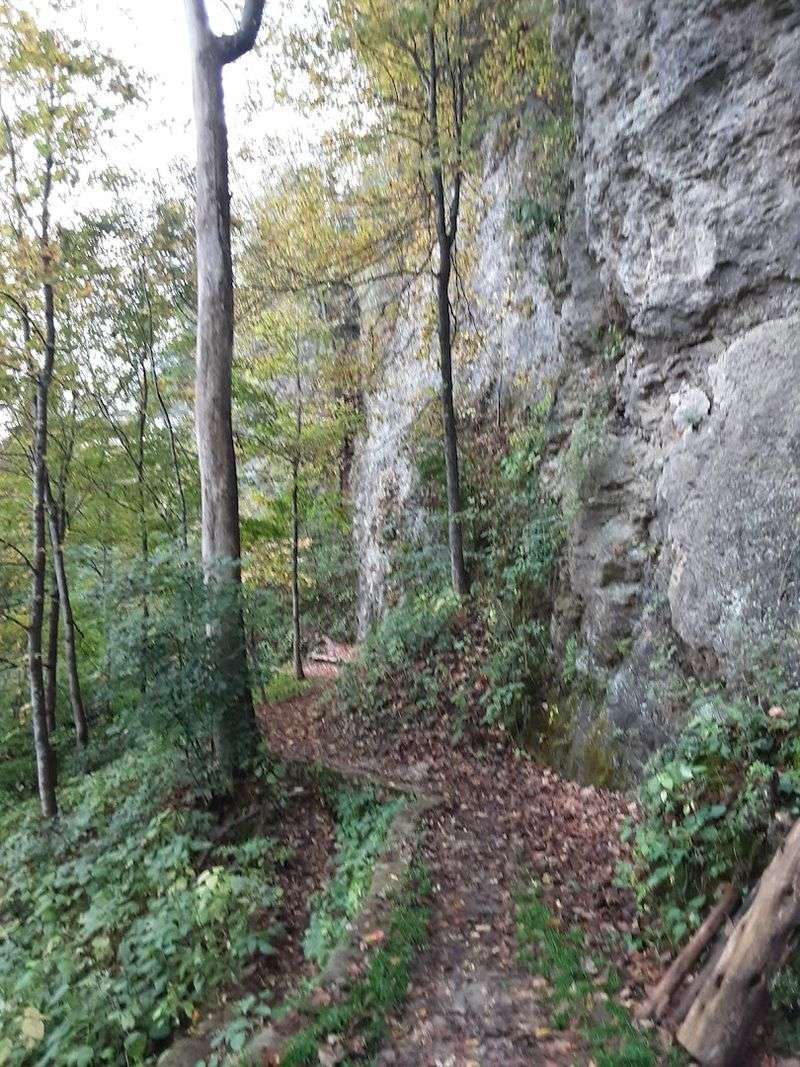
Set along the Maquoketa River in Jones County, Pictured Rocks is one of eastern Iowa’s most underrated natural surprises.
This 726-acre wildlife management area sits about 5 miles south of Monticello and is known for steep limestone bluffs that enclose a narrow river valley.
The area is not part of Wapsipinicon State Park, but it offers its own rugged, low-key outdoor experience with hiking, paddling, fishing, climbing, and scenic river views.
Fishing along the Maquoketa River is a popular activity here, with smallmouth bass drawing anglers to the rocky banks on warm summer mornings.
The wildlife area also features hard-surface river access, hiking trails through undeveloped hardwood forest, and several small caves along the bluff face.
Trail distances are manageable for most fitness levels, and the shaded woodland paths stay noticeably cooler than open fields even on the hottest Iowa summer days.
Bring a camera, wear sturdy footwear, and plan to spend at least two hours wandering the riverbanks and rock formations at this quietly spectacular Iowa destination.
9. High Trestle Trail Bridge, Madrid
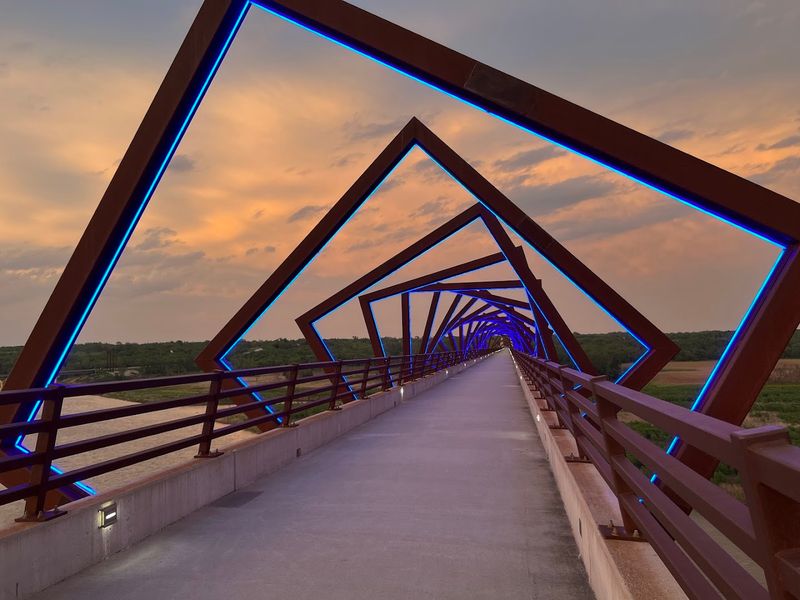
Few structures in the Midwest inspire as much awe per dollar spent as the High Trestle Trail Bridge, a soaring steel landmark that spans the Des Moines River valley near Madrid, Iowa.
The bridge stretches 13 stories above the river and runs for nearly half a mile, making it one of the longest trail bridges in the United States.
Its most distinctive feature is a series of repeating steel frames that tilt and twist as you walk through them, creating a dizzying optical illusion that makes the crossing feel genuinely cinematic.
After dark, the bridge lights up with blue LED lighting that turns a simple evening walk into something that feels almost otherworldly.
The trail is completely free to access and connects to the High Trestle Trail, a paved multi-use path that stretches 25 miles across Boone and Dallas Counties.
Cyclists, walkers, and joggers all share the trail, and the flat terrain makes it accessible for nearly every fitness level without requiring special gear or training.
Arriving at dusk and watching the sky shift from orange to deep blue while standing on the bridge is one of those summer experiences that stays with you long after the drive home.
10. Loess Hills Scenic Byway, Western Iowa
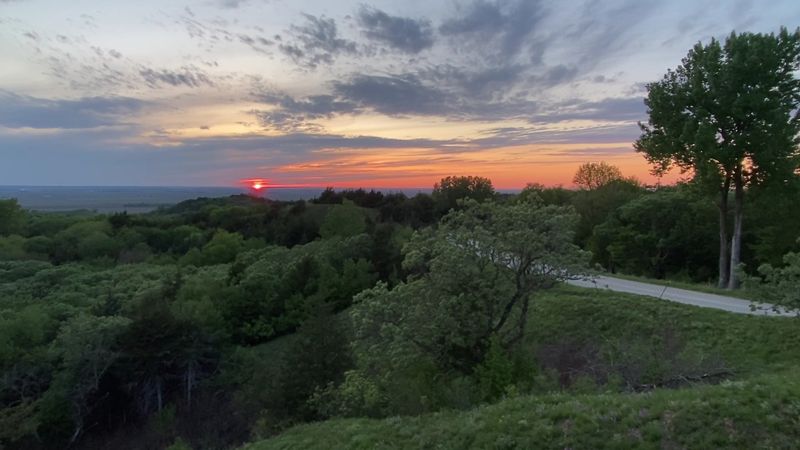
The Loess Hills of western Iowa are one of only two places on Earth where wind-deposited silt formations of this scale and height exist, the other being in China.
Stretching roughly 200 miles along the Missouri River bluffs from Sioux City down to the Missouri border, the Loess Hills Scenic Byway is a free, self-guided drive through some of Iowa’s most dramatic and unusual terrain.
The hills rise steeply from the river valley floor, creating sharp ridgelines and deep ravines covered in native prairie grasses, oak savannas, and wildflowers throughout summer.
Turin, Moorhead, and Pisgah are small towns along the route that offer glimpses into rural Iowa life and make good stopping points for stretching your legs or grabbing a snack.
The Preparation Canyon State Park and Loess Hills State Forest both provide free hiking access to the ridgelines, where the views across the Missouri River floodplain stretch for miles.
Summer sunsets from the hilltops are extraordinary, painting the layered landscape in deep purples and warm golds that make the drive feel like a reward in itself.
Download the official Loess Hills Scenic Byway map before leaving home so you don’t miss any of the unmarked pullouts and overlooks scattered along the route.
11. Lake Macbride State Park, Solon
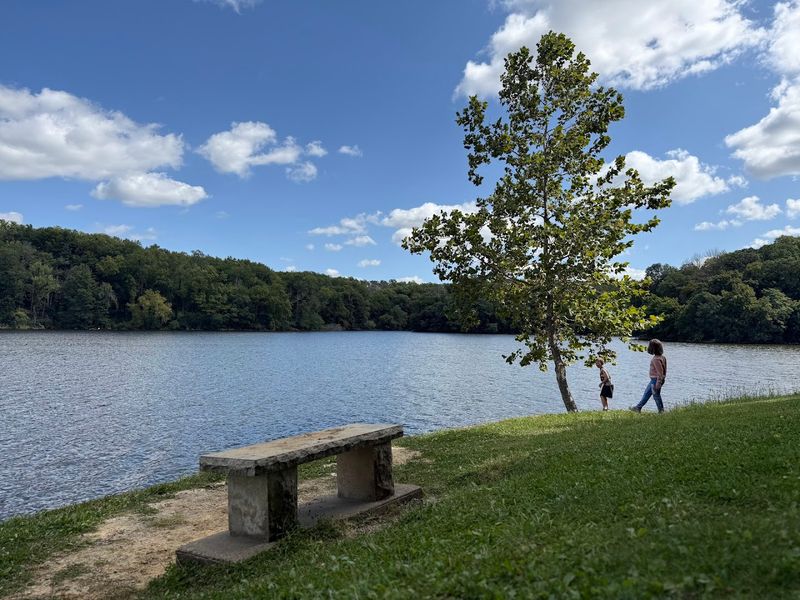
Water, woods, and wide-open sky come together beautifully at Lake Macbride State Park, one of the most accessible and enjoyable outdoor destinations in eastern Iowa.
Situated near Solon in Johnson County, the park wraps around a 812-acre reservoir that invites swimming, fishing, kayaking, and paddleboarding throughout the summer season.
The park’s beach area draws families on hot days, offering a free swimming spot with sandy shores and shallow water that is well-suited for younger visitors.
Boat rentals are available on-site for reasonable hourly rates, so there’s no need to own your own kayak or canoe to enjoy a morning out on the water.
The surrounding trail system covers diverse terrain, including lakeside paths, wooded ridges, and open meadows that support a wide variety of birds and butterflies.
Lake Macbride also sits adjacent to Coralville Lake, a U.S. Army Corps of Engineers project that offers additional free recreational areas, trails, and shoreline access nearby.
Packing a cooler, claiming a shaded picnic table near the water, and spending the whole day alternating between swimming and hiking is the unofficial and thoroughly recommended Lake Macbride summer strategy.
12. Salisbury House and Gardens, Des Moines
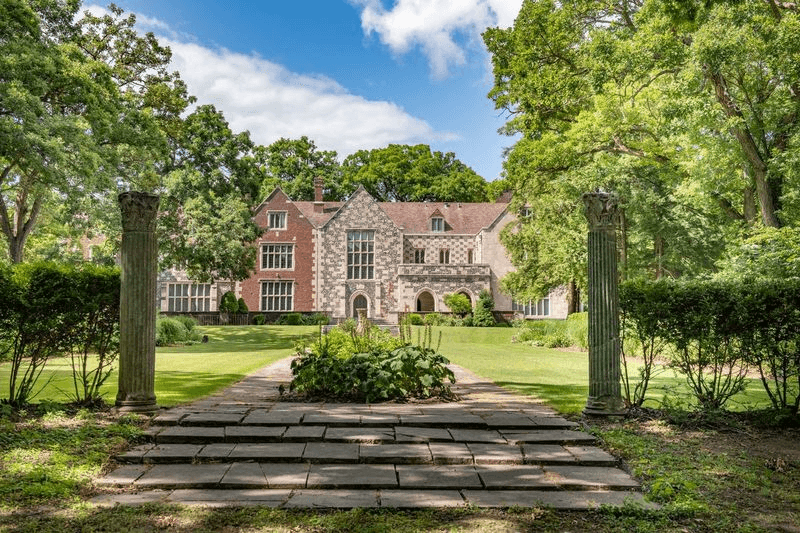
History buffs and architecture lovers will find Salisbury House in Des Moines to be one of the most unexpectedly impressive destinations on any Iowa summer itinerary.
Built in the 1920s by cosmetics magnate Carl Weeks and his wife Edith, this 42-room Tudor-style mansion was modeled after the King’s House in Salisbury, England, and features authentic 16th-century English oak woodwork, English flintwork, and rafters dating back to Shakespeare’s time.
Guided tours take visitors through rooms filled with European antiques, hand-carved woodwork, original artwork, tapestries, and historic furnishings.
The surrounding gardens are free to walk through whenever the office or museum is open, offering a lovely outdoor experience among sculpted hedges, mature trees, and seasonal flowers throughout summer.
Tour admission is reasonably priced and supports the ongoing preservation of the property, making it a feel-good way to spend a few hours on a summer afternoon.
The mansion’s Great Hall features an enormous fireplace and historic architectural details that make first-time visitors stop and stare in genuine disbelief.
Combining a Salisbury House tour with a stroll through nearby Greenwood Park turns the outing into a full and satisfying Des Moines summer day without spending much at all.