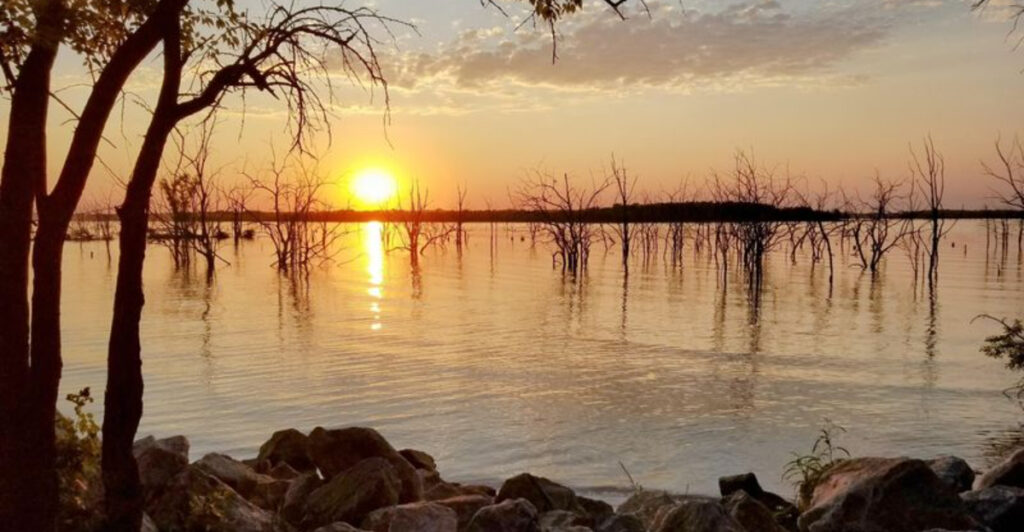
The map looks harmless until you realize those little county lines can change how you plan a wooded getaway. Kansas tick activity is not evenly spread, which makes location worth checking before you lace up and head for the trees.
Some counties deserve a little extra awareness, especially during warmer months when wooded trails and brushy areas can bring more unwanted company than expected.
That does not mean skipping the outdoors. It means knowing where you are going, dressing smart, and treating a quick tick check as part of the routine rather than an afterthought.
A little preparation can keep a great day from becoming an annoying memory.
I learned that lesson after one hike where I came home feeling very pleased with the day, only to spend the next ten minutes checking every seam, sock, and shoelace.
Nothing ruins the relaxed post-hike mood faster than realizing you may have brought home a passenger. Since then, I check the map before I check the trail.
1. Cross Timbers State Park, Woodson County
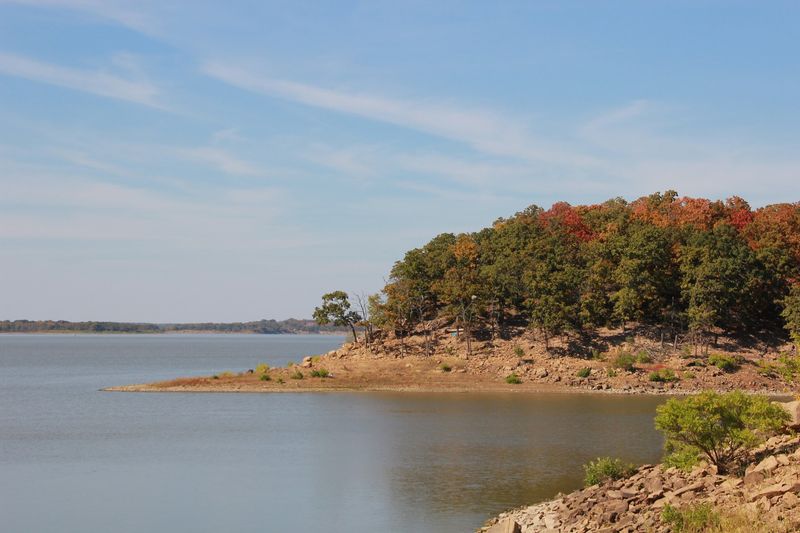
Old oaks with twisted trunks make this corner of southeast Kansas feel far older than most prairie land.
Cross Timbers State Park protects a stretch of ancient forest where blackjack and post oaks have stood for centuries.
The Chautauqua Hills Trail runs for miles along Toronto Lake, weaving through leaf litter and rocky outcrops.
That same leaf litter is exactly where ticks like to wait, so tuck pant legs into socks before setting off.
Woodson County lies in eastern Kansas, where lone star ticks are widespread. KDHE says this species is most active from early spring through late fall, not just from April through July.
Fishing, paddling, and camping all work well here, and the campground loops stay quiet outside of holiday weekends.
Rangers keep trail maps at the office, which helps since some paths braid together near the water.
Cross Timbers State Park is located at 144 Highway 105, Toronto, Kansas. Bring a light-colored towel for a quick thorough clothing check before you climb back in the car, and the drive home stays comfortable.
2. Elk City State Park, Montgomery County
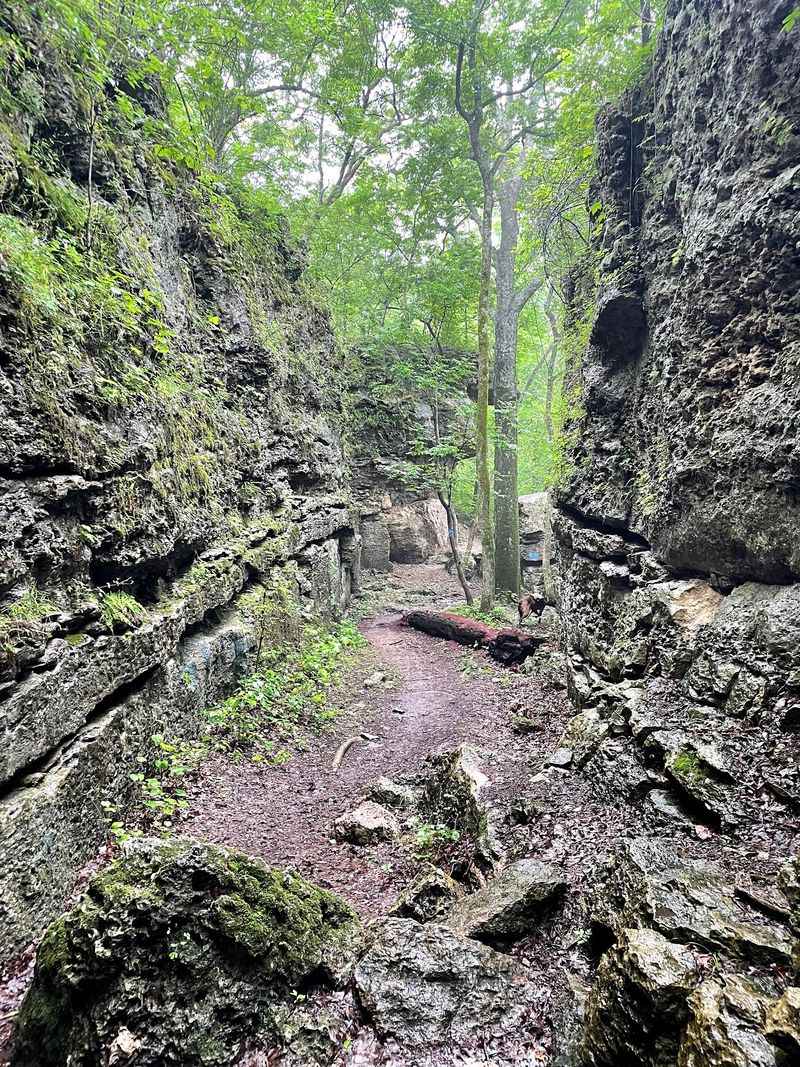
Boulder squeezes and sandstone shelves turn a simple walk into a small adventure here.
Elk City State Park sits on the east shore of Elk City Lake, and its trail system has a reputation for being tougher than the flat-Kansas stereotype suggests.
The Table Mound Trail climbs through thick timber and rock formations inside the park. The fifteen-mile Elk River Hiking Trail is nearby on U.S.
Army Corps of Engineers land.
Montgomery County lies within eastern Kansas, where medically important tick species occur. Ticks can reach clothing from overhanging vegetation, so a hat and long sleeves earn their keep.
Spring wildflowers and fall color are the two big draws, though the lake keeps anglers busy all year. Campsites near the water fill fast when the weather turns pleasant.
Elk City State Park sits at 4825 Squaw Creek Road, Independence, Kansas.
Pack more water than feels necessary, since the rock scrambles heat up quickly under summer sun and shade disappears the moment you reach the ridge line.
3. Crawford State Park, Crawford County
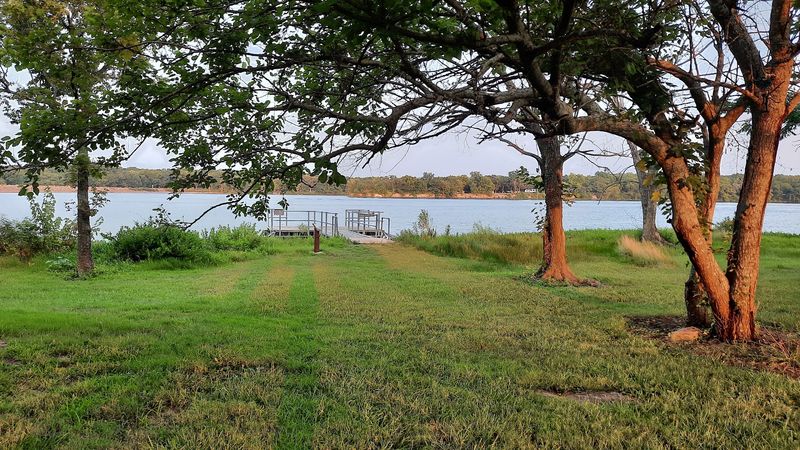
Southeast Kansas turns surprisingly green once you cross into mining country, and the woods thicken fast.
Crawford State Park wraps around Crawford State Fishing Lake, a CCC-built lake on Drywood Creek framed by hardwoods.
Shoreline paths, shaded picnic tables, and a swimming beach keep families busy without demanding a long hike.
Crawford County ranks among the leafiest in the state, which explains its regular appearance on tick distribution maps.
Grass edges beside the campground loops deserve the same caution as the deeper trails.
Bird watchers do well in the mornings when warblers move through the canopy. Anglers chase channel cat and bass from the docks, and rental cabins mean you can stay overnight without hauling a tent.
The park is found at 1 Lake Road, Farlington, Kansas, just north of Girard.
Crawford State Park works nicely as a weekend base for exploring the region’s old mining towns, and a quick shower after your hike remains the simplest way to send any stowaways down the drain before bedtime.
4. Fall River State Park, Greenwood County
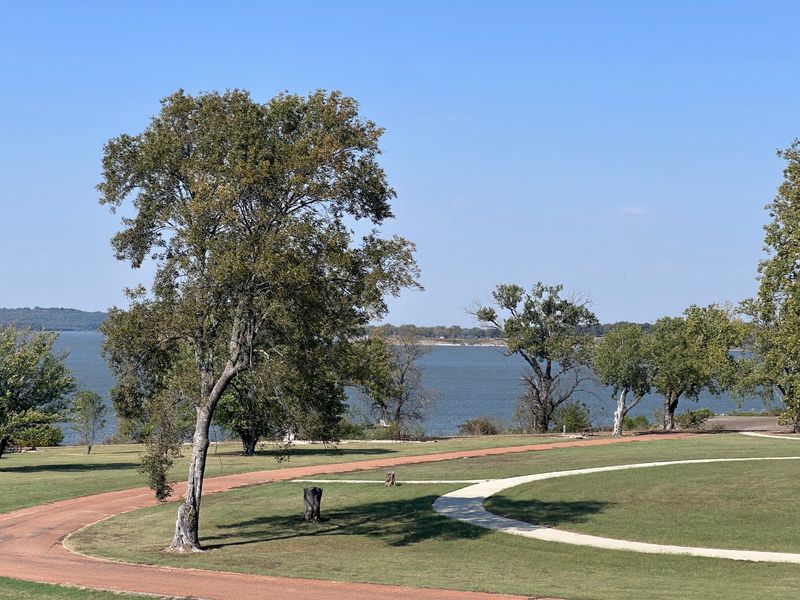
Forest, prairie, and reservoir views define Fall River State Park.
The park spreads across Fredonia Bay and Quarry Bay areas beside Fall River Reservoir, mixing tallgrass prairie with forested flood plains and blackjack savanna.
The Casner Creek Trail runs for one and a half miles, while several additional trails explore the Quarry Bay side of the park.
Greenwood County sits at the edge of the Flint Hills, where prairie meets woodland and ticks can be active through much of the warmer season. Tall grass along trail shoulders deserves extra attention.
Sunsets over the reservoir are the reason people linger, and the campgrounds stay peaceful even on busy weekends. Boating and fishing round out the day for anyone who prefers water to walking.
Fall River State Park is located at 2381 Casner Creek Road, Fall River, Kansas 67047, with the gatehouse two miles north of US-400 on Z50 Road.
Toss a lint roller in the daypack for a quick clothing check before leaving.
5. Hillsdale State Park, Miami County
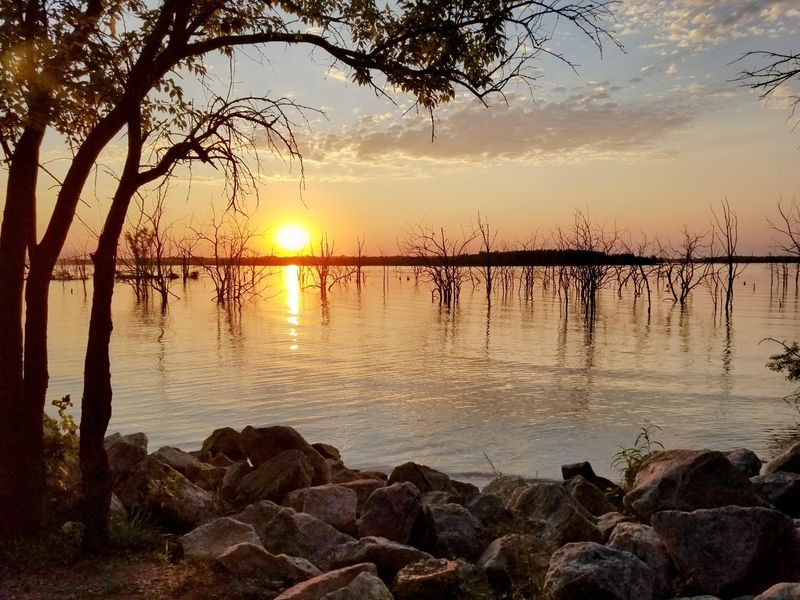
Horse hooves and hiking boots share more than forty miles of trail across this eastern Kansas park.
Hillsdale State Park surrounds a big reservoir just south of the Kansas City metro, and its woods run deep and shaggy.
Mountain bikers share Saddle Ridge with hikers and equestrians, and a five-mile trail welcomes bikes.
Miami County lands squarely in prime lone star tick territory, a fact riders learn quickly during humid June afternoons. Treating boots and pant cuffs before leaving home makes a real difference on brushy sections.
The lake supports strong bass fishing, and boat ramps stay busy through summer.
Campgrounds include electric sites plus quieter primitive areas near the tree line for those who want the sound of owls instead of generators.
You will find Hillsdale State Park at 26001 West 255th Street, Paola, Kansas. Late October is my favorite window here, when the canopy glows, the bugs fade, and the trail feels like it belongs entirely to whoever showed up first.
6. Clinton State Park, Douglas County
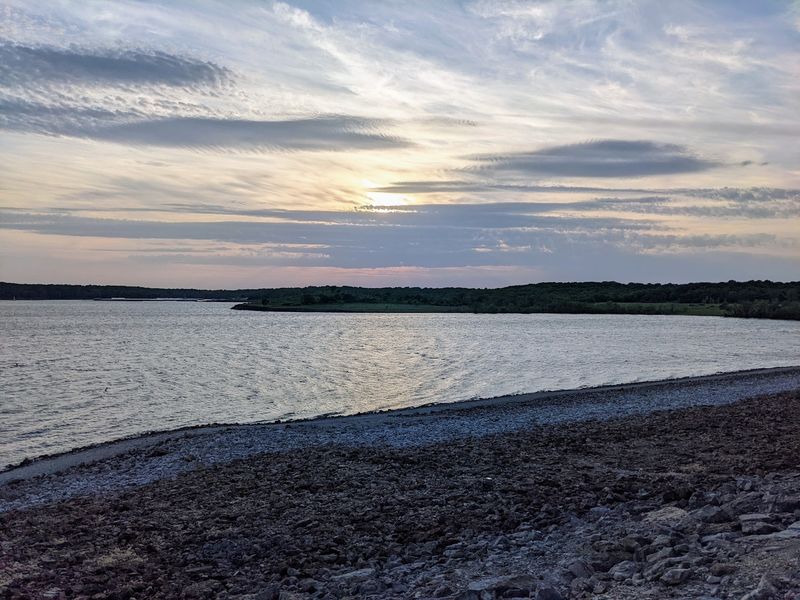
Mountain bikers from three states show up for the singletrack that laces these hills.
Clinton State Park hugs the north shore of Clinton Lake outside Lawrence, and the trail network runs through oak and hickory woods with roots and ravines aplenty.
Runners use it too, especially during the trail race season.
Douglas County is heavily wooded by Kansas standards, and the tick map reflects that green cover. Fast-moving riders still pick up passengers, so a check at the trailhead parking lot is smart practice.
Beyond the bikes, there are swimming beaches, marina access, and campsites with lake views. Spring brings redbuds blooming along the shoreline, which turns the whole park pink for a couple of weeks.
Clinton State Park sits at 798 North 1415 Road, Lawrence, Kansas. Add a stop in town afterward for coffee and a bookstore browse, and a fairly ordinary Saturday suddenly feels like a proper little escape from the everyday grind.
7. Perry State Park, Jefferson County
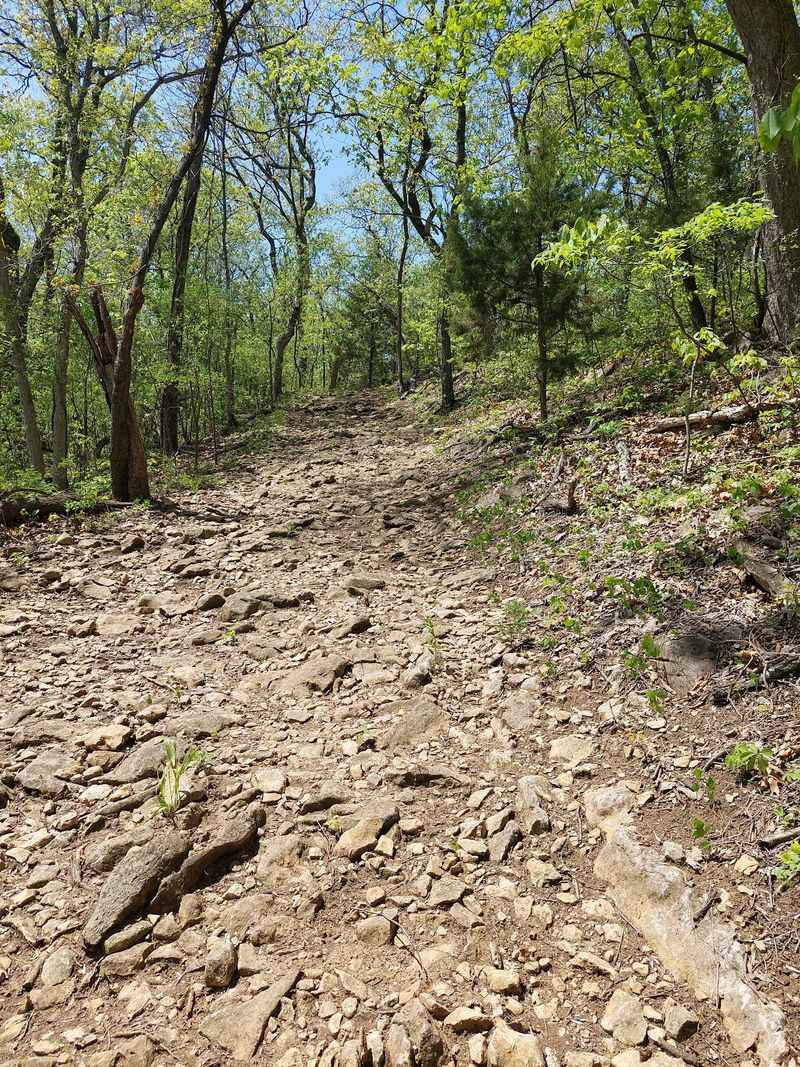
Steep ravines and stubborn climbs have earned this park a nickname among trail runners.
Perry State Park occupies wooded country on the southwest side of Perry Lake, where the terrain rolls harder than most visitors expect.
The park’s biking and hiking trails run twenty-two miles through upland forest; separate equestrian trails total twenty-five miles.
Jefferson County carries plenty of forest cover, and tick numbers climb once the ground warms.
Narrow trail corridors mean shoulders and arms brush vegetation constantly, so long sleeves are worth the extra warmth.
Equestrians have dedicated routes, and hunters use surrounding wildlife areas in season, so bright colors help during fall. Camping includes primitive, electric, and water-and-electric sites, but not full-hookup sites.
Perry State Park is located at 5441 West Lake Road, Ozawkie, Kansas.
Morning fog rising off the lake while you lace up boots ranks among the pleasures of northeast Kansas, and it costs nothing beyond an early alarm and a thermos.
8. Pomona State Park, Osage County
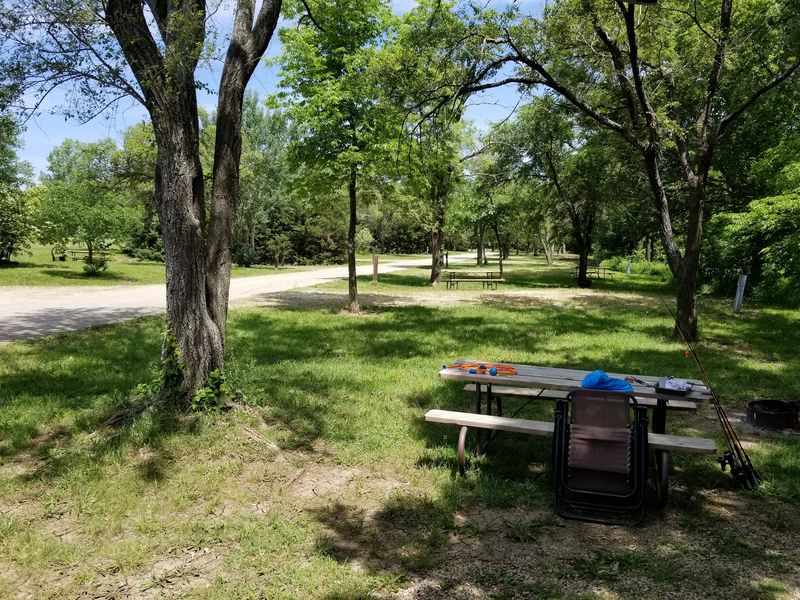
Shade is the headline attraction at this lakeside park, and campers notice it immediately.
Pomona State Park lines the south shore of Pomona Reservoir with hardwoods leaning over the campsites and picnic areas.
Short nature trails loop through the timber, easy enough for kids and grandparents alike.
Osage County appears on tick maps because of that generous canopy and the brushy edges where lawn meets forest.
Keeping a chair on mowed ground rather than in the leaf litter cuts down on unwanted company.
Boaters like the lake for its size and quiet coves, while anglers target crappie in spring. A swimming beach and a nine-hole disc golf course fill the gaps between meals.
Pomona State Park can be found at 22900 South Highway 368, Vassar, Kansas.
Evenings here move slowly, with cicadas taking over the soundtrack and the water going glassy, which is exactly the sort of nothing-much that makes a weekend feel longer than two days.
9. Kaw River State Park, Shawnee County
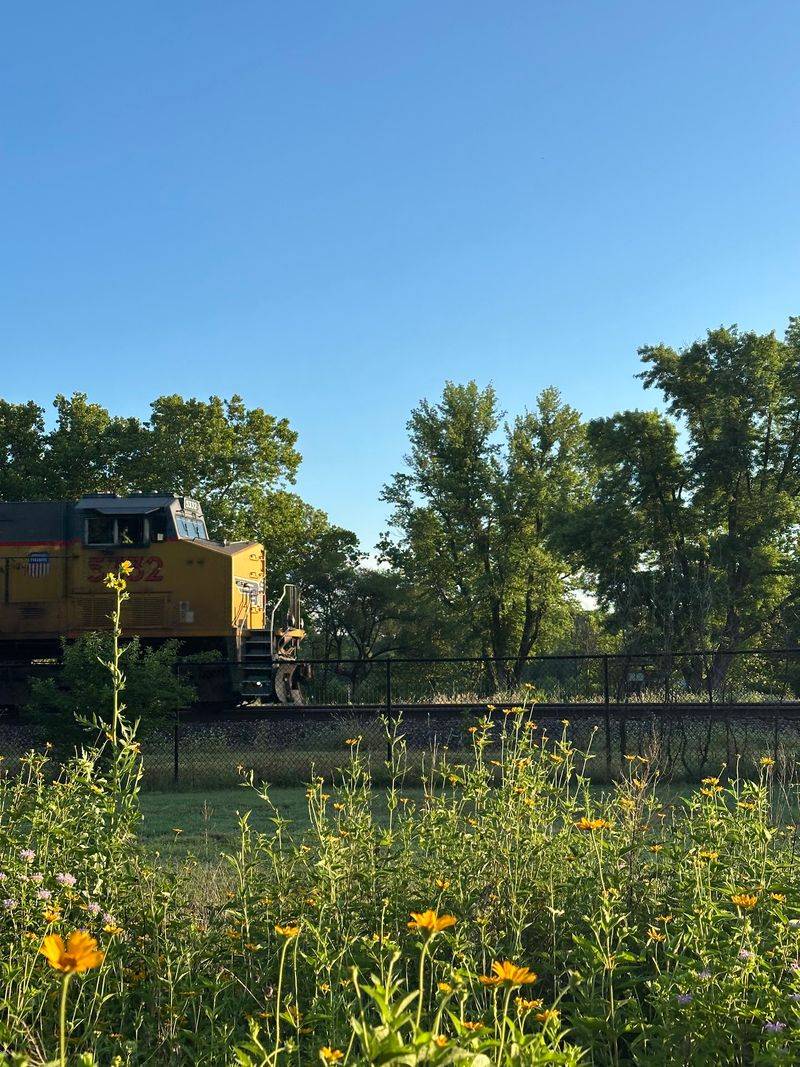
City limits and river bottom forest meet in a place that feels far from any highway.
Kaw River State Park covers a compact stretch of woods along the Kansas River right inside Topeka, making it the rare urban escape with genuine wilderness texture.
Trails run through oak-hickory forest on steep, wooded slopes nearby.
Shawnee County registers on tick maps largely because of river corridor habitat like this. Damp, shaded ground holds moisture, and that is precisely the environment ticks favor during warm months.
Access is easy off Interstate 70, and park trails connect with neighboring MacLennan Park and Cedar Crest trails, not the Landon Nature Trail. Wildlife sightings can include deer, turkey, eagles, and waterfowl.
Kaw River State Park is at 300 Southwest Wanamaker Road, Topeka, Kansas.
Squeezing a real forest walk into a lunch break sounds unlikely until you try it here, then wonder why you ever settled for pacing the same office parking lot.
10. Wyandotte County Lake Park, Wyandotte County
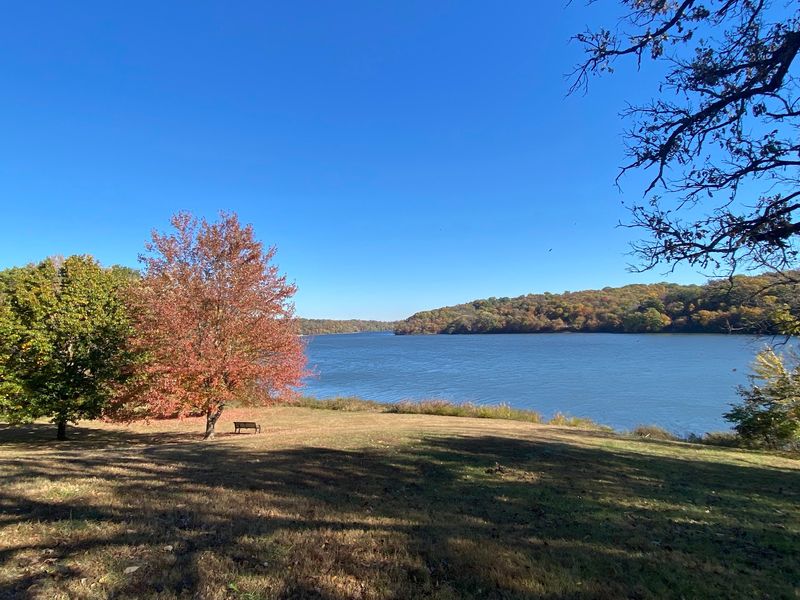
Fifteen hundred acres of hills and hardwoods sit surprisingly close to Kansas City’s busiest streets.
Wyandotte County Lake Park circles a large lake with winding roads, shelter houses, and trails that climb through mature timber.
Locals have been picnicking here for generations, and the stone shelters show their age gracefully.
Wyandotte County holds dense woodland along the ridges, which is why it shows up in tick surveillance. Trail edges and picnic areas both deserve a scan before settling in with lunch.
Mountain biking, horseback riding, and shoreline fishing all have their followings. Autumn is spectacular when the entire hillside turns gold and rust, and the drive around the lake becomes an attraction by itself.
Wyandotte County Lake Park is located at 91st Street and Leavenworth Road, Kansas City, Kansas.
Arriving early on a Saturday gets you the good parking, first crack at the trails, and a stretch of shoreline where nobody else has cast a line yet.
11. Shawnee Mission Park, Johnson County
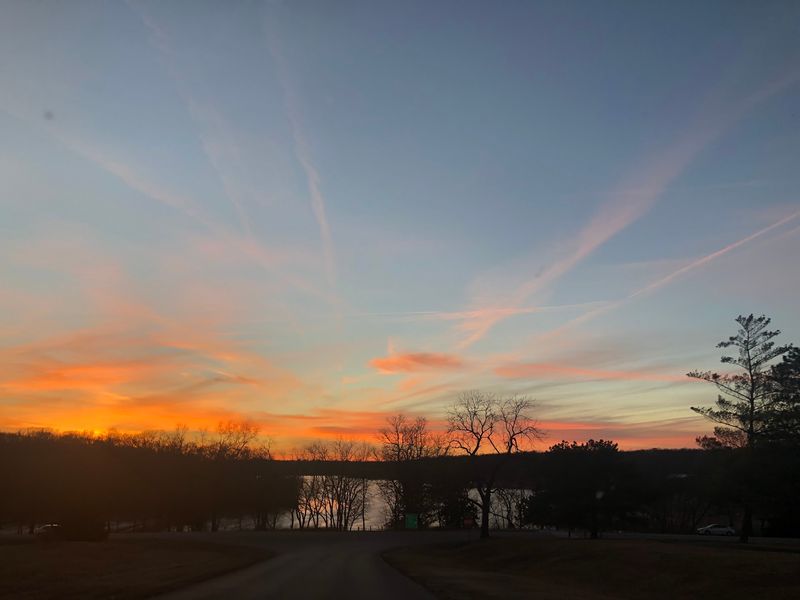
Official park information calls this the most visited park in Kansas, and for good reason too.
Shawnee Mission Park spreads across 1,756 acres of woods and water in the Kansas City suburbs, with a 44-acre off-leash dog area that draws crowds daily.
Paved paths suit strollers while dirt singletrack keeps mountain bikers grinning.
Johnson County stays leafy despite the development, and tick reports follow the tree line. Dogs need protection as much as people do, so a vet-approved preventive is standard equipment around here.
Sailboats and paddleboards share the 120-acre lake, and the beach area opens in summer. An outdoor theater hosts performances under the trees when the weather cooperates.
Shawnee Mission Park is at 7900 Renner Road, Shawnee, Kansas.
Popular does not have to mean crowded, since the far trail loops empty out fast once you walk past the first ridge and leave the parking lot chatter behind you.
12. Konza Prairie Nature Trail, Riley County
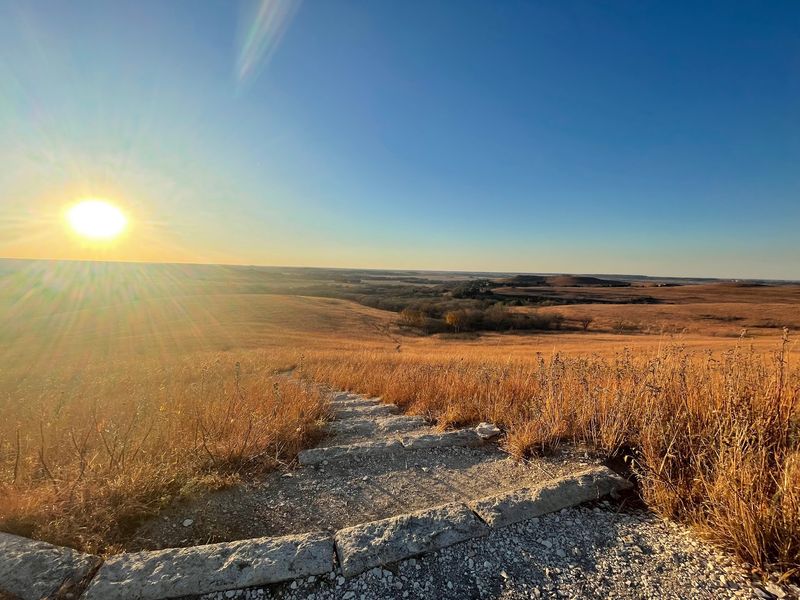
Tallgrass ridges roll toward the horizon while wooded creek bottoms hide in the folds below.
Konza Prairie Nature Trail climbs into the Flint Hills south of Manhattan, part of a research area protecting one of the last big pieces of native tallgrass prairie.
Loop options run 2.6, 4.6, or 6.2 miles, all from one trailhead. Riley County combines prairie and gallery forest, a mix that keeps ticks active through much of the warmer season.
Grass brushing your knees on the climb is a main contact point, so treated socks are a wise call.
Interpretive signs explain the fire and grazing cycles that keep the ecosystem healthy. Sunrise hikes are possible because the public trails are open from dawn to dusk daily.
The Konza Prairie Nature Trail trailhead is off McDowell Creek Road southwest of Manhattan, Kansas.
Standing on that first ridge with grass moving in every direction is the closest most of us will get to seeing Kansas exactly as it once looked.