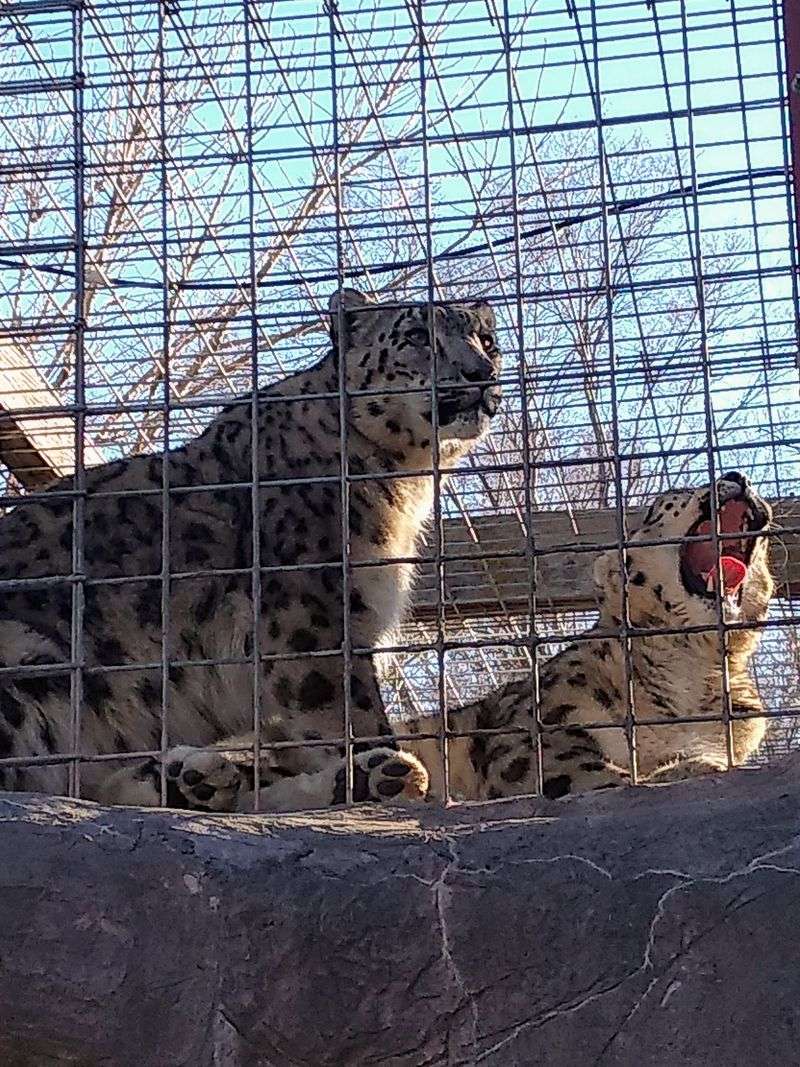
A fluffy wild cat named Collins wears a frown that never seems to clock out.
He’s a Pallas’s cat, also called a manul, and his face looks permanently unimpressed with everyone.
Manuls come from the cold, rocky high steppes of central Asia. Their thick fur and flat, scowling faces make them look like tiny grumpy grandpas.
I like how a creature built for harsh mountain winds ends up looking mildly annoyed about breakfast.
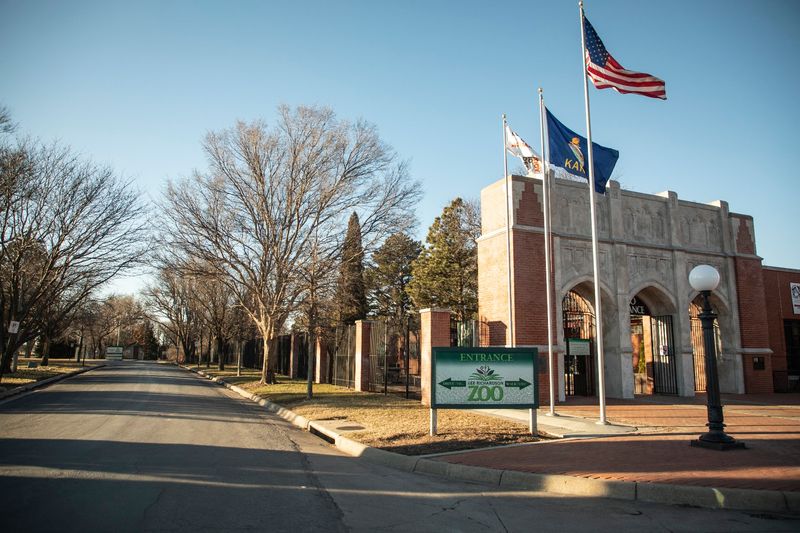
This particular grump lives at a zoo in western Kansas where walking in costs nothing at all.
That alone feels a little unbelievable in a world of pricey tickets. I can’t imagine a cheaper way to meet a cat this dramatic.
So who else shares his neighborhood? Lions, rhinos, giraffes, and a surprising crew of other wild cats are just down the path.
Collins The Manul Has Mastered The Art Of The Side-Eye
Grumpy has never looked this cuddly. Collins is the Pallas’s cat living in the Wild Asia area at Lee Richardson Zoo, and his face does all the talking.
Manuls carry the scientific name Otocolobus manul. They usually measure about 20 to 24 inches long, plus an 8 to 10-inch tail.
They weigh only 4 to 11 pounds, which puts them close to house cat size. Their dense fur makes them look much bigger and far more serious.
That frown actually comes from their wide, flat heads and low-set ears. Those features help them peek over rocks without being spotted.
In the wild, manuls hunt by stalking and ambushing. They hide behind rocks, wait patiently, then pounce on small prey.
So if Collins seems to be glaring at you, give him some credit. He’s practicing a skill his relatives have used for ages.
The species is listed as Least Concern, which is good news. Still, manuls stay rare sights for most people in the United States.
Take your time at his habitat. Patience pays off with a cat this good at blending in.
His Ancestors Picked Some Seriously Rough Real Estate
High, cold, windy, and rocky. That’s the kind of home Pallas’s cats have chosen in central Asia.
Manuls live in steppe and semi-desert areas full of rock outcrops. These places are high in altitude and tough on any animal without serious insulation.
Enter the fur. Manuls have some of the thickest coats in the cat world, and it shows.
Their fluffy build is not a fashion choice. It’s survival gear, much like a puffy winter coat you never take off.
Lee Richardson Zoo places Collins in its Wild Asia section. That grouping helps visitors connect each animal to the region it comes from.
Kids especially might enjoy comparing his habitat to the Kansas plains. Both places get windy, but central Asia’s mountains take things to another level.
The zoo’s signs help explain these details as you walk. Reading them turns a quick look into a mini geography lesson.
Here’s a fun challenge for your group. Try to guess which features keep him warm before checking the sign.
Bet the fluffy tail gets the most votes. It works like a built-in scarf for chilly days.
A Police Chief And Two Skunks Started All Of This
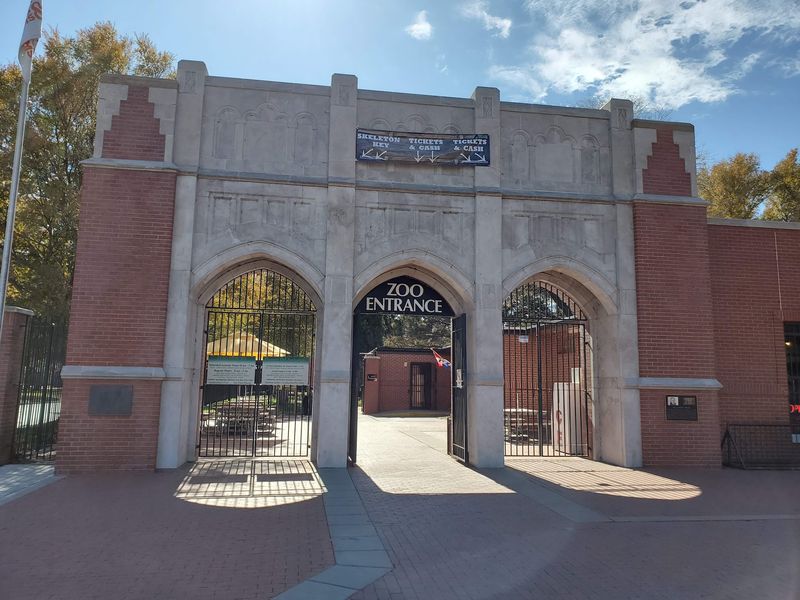
Two skunks. That’s how one of western Kansas’s favorite attractions got its start back in 1927.
Lee Richardson brought those first animals in. He served as Chief of Police and as the park and zoo superintendent, which sounds like a busy schedule.
The zoo was formally named in his honor in 1950. Today, Lee Richardson Zoo shows off more than 80 species and hundreds of animals.
That’s quite a glow-up from a pair of striped critters. Somewhere, those skunks deserve a tiny plaque.
The zoo is also accredited by the Association of Zoos and Aquariums. That group sets high standards for animal care, education, and conservation.
I believe that history makes a visit feel more meaningful. You’re seeing nearly a century of community effort in one walk.
Garden City kept growing the place instead of letting it fade. That kind of steady care is easy to admire.
Next time Collins gives you his famous scowl, remember the skunks. Every grumpy cat here owes them a small thank you.
Your Wallet Gets The Day Off Here
Free admission sounds like a typo, but it’s real. Pedestrians can walk into Lee Richardson Zoo without buying a ticket.
That makes it one of the friendliest family outings around. You can come for an hour or stay for most of the day.
Prefer wheels over walking? The zoo offers a drive-through option for a per-vehicle fee.
The drive route is marked on the zoo map. It’s handy on hot days or for anyone who has trouble walking long distances.
Even better, driving is free on Wild Wednesdays. That’s every Wednesday from November through March.
From April through October, the deal moves to the first Wednesday of each month. Mark your calendar if you want the car option for free.
The zoo sits on roughly 50 landscaped acres. That’s plenty of ground to cover, so comfortable shoes are smart.
From April 1 through Labor Day, the zoo is generally open from 8 AM to 7 PM. For the rest of the year, hours are 8 AM to 5 PM.
Special events, holidays, and severe weather can affect the schedule.
Donation stations appear around the grounds too. Dropping in some change helps keep the free gate open.
Cat Canyon Brings Even More Whiskers To The Party
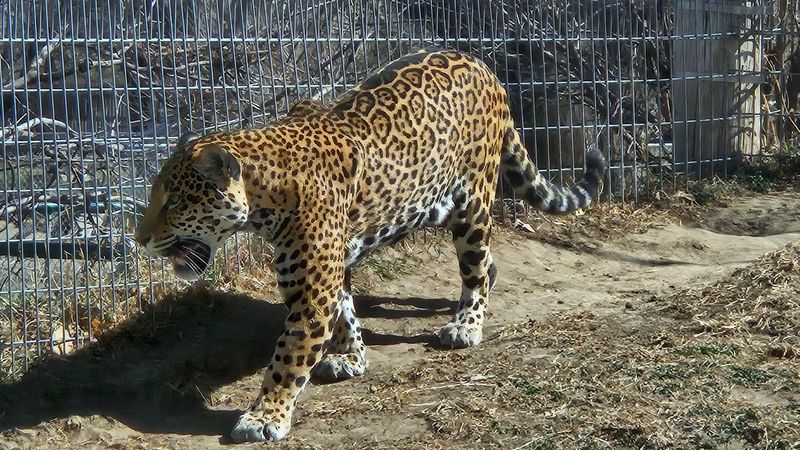
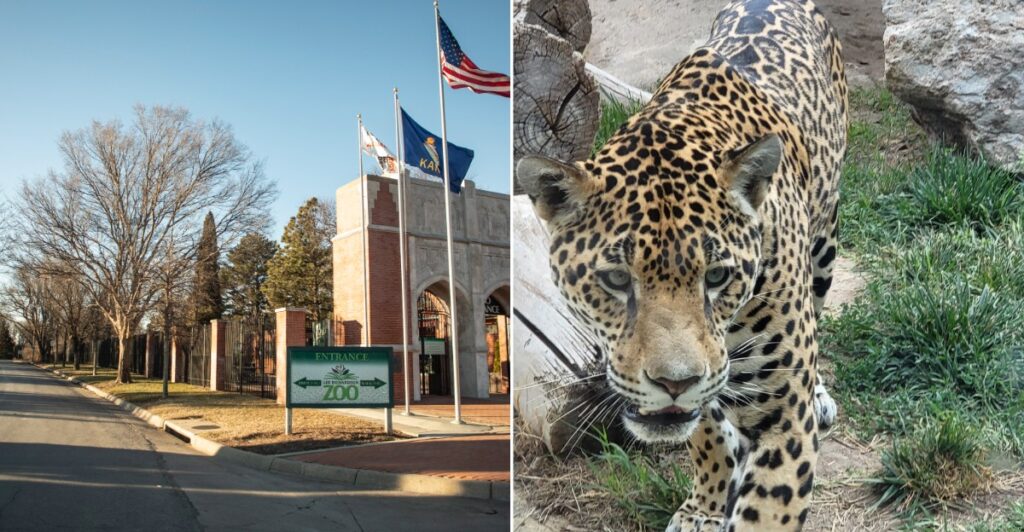
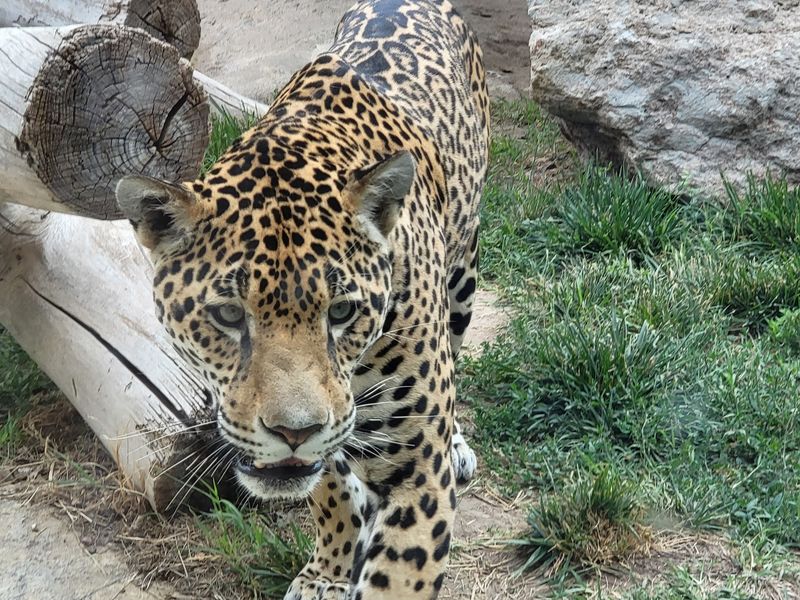
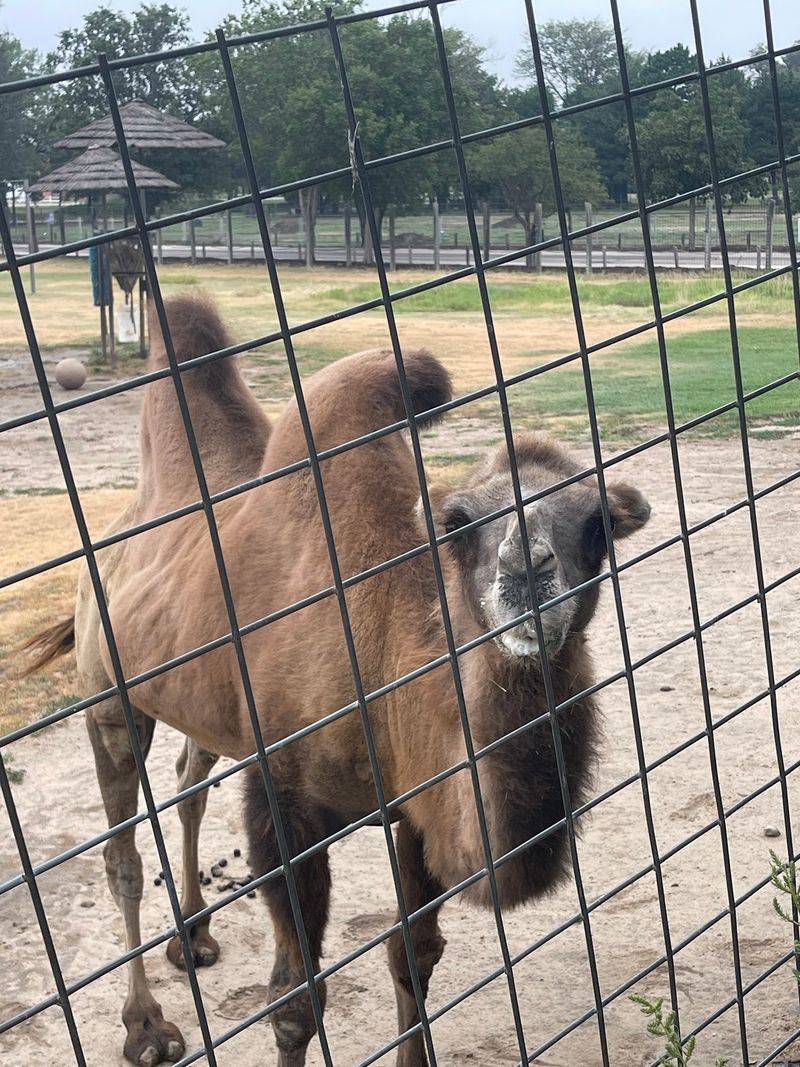
Collins isn’t the only cat with attitude at this zoo. Cat Canyon is home to cougars, jaguars, and bobcats.
Each one brings a totally different vibe. Cougars look sleek and calm, while jaguars carry heavy muscle and bold spots.
Bobcats might be the most relatable for Kansans. They’re native wild cats found across much of North America.
Comparing them with Collins is half the fun. Bobcats and manuls are both smaller cats, yet they look completely different.
Cat Canyon also has a conservation carousel. Kids can ride while learning that animals matter beyond the zoo walls.
Spinning past wild animal figures beats a regular merry-go-round any day. Parents get a short break, and kids get a happy memory.
The big cats tour doesn’t end there. Lions live over in the African Plains area, adding one more famous feline to your list.
Try making a cat checklist before you arrive. Manul, cougar, jaguar, bobcat, and lion make a solid lineup.
Spotting all five feels like a small victory. Collins would probably still look unimpressed, though.
Giraffes And Rhinos Steal The Spotlight On The African Plains
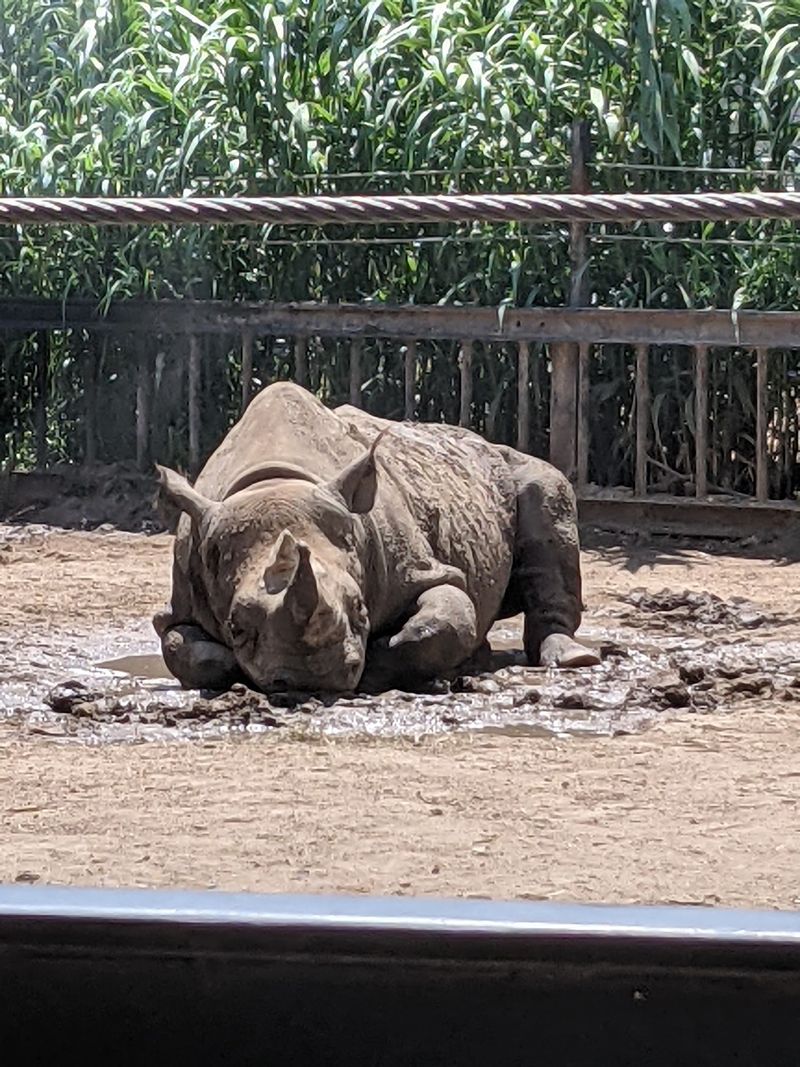
Tall necks and heavy horns rule this part of the zoo. The African Plains exhibit holds giraffes, lions, black rhinos, and addax.
Black rhinos are a big deal for any zoo. They’re powerful animals with a serious conservation story.
Addax may be the name you don’t recognize. These desert antelope have long, twisting horns that look almost sculpted.
Giraffes, of course, need no introduction. Watching them reach for leaves never gets old, no matter your age.
Want to get even closer? The zoo offers seasonal giraffe encounters that give visitors a chance to meet, feed, and learn about these towering animals.
These experiences depend on weather and animal participation, and they aren’t available throughout the year. Check the zoo’s official schedule before planning around an encounter.
Meeting a giraffe up close could easily become the highlight of your trip. Sorry, Collins.
The plains also show how the zoo groups animals by region. It feels a bit like hopping between continents during a single stroll.
One minute you’re in central Asia with a grumpy manul. The next, you’re facing a rhino on the African grasslands.
South America And Kansas Waters Add Surprising Neighbors
Long legs, big ears, and a fox-like face. That’s the maned wolf, one of the stars of the South American Pampas area.
Anteaters, alpacas, and rheas share that region too. A flamingo habitat adds a splash of bright pink nearby.
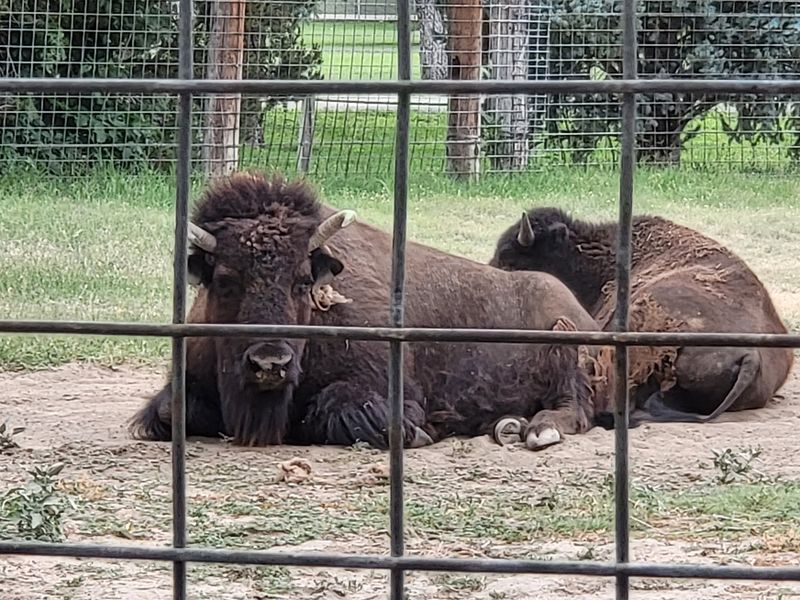
Back closer to home, the North American Plains celebrate local wildlife. Elk, bison, and burrowing owls all make appearances.
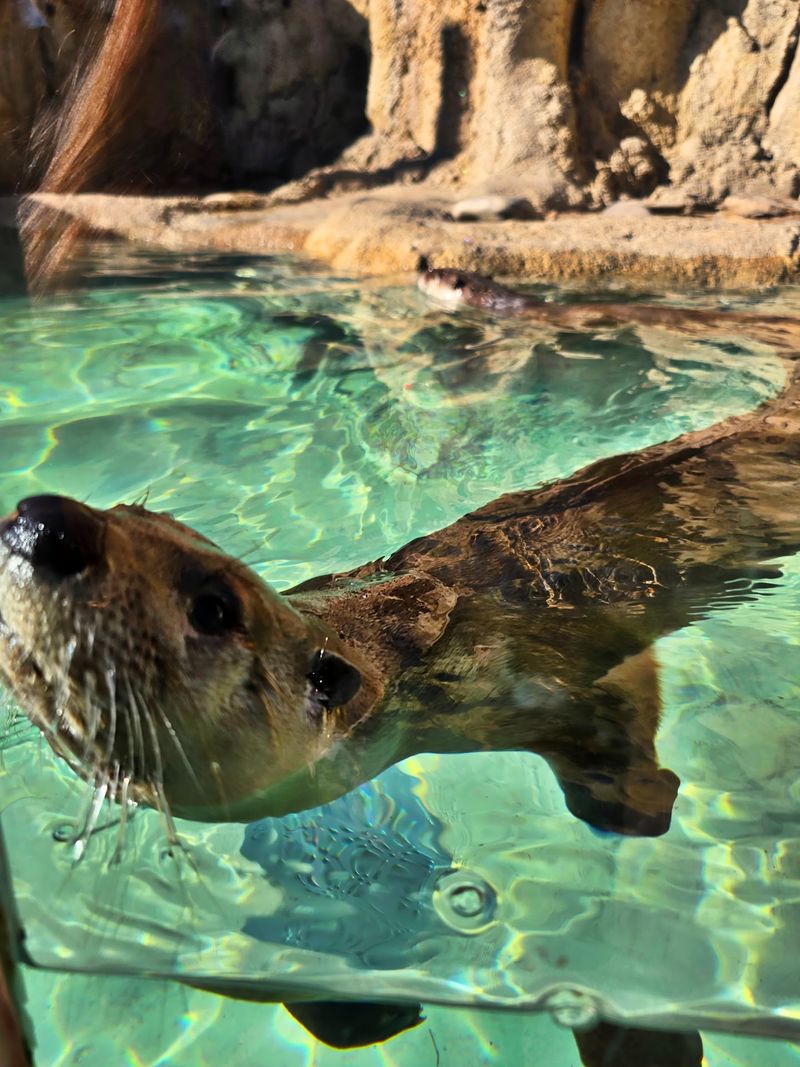
Kansas Waters is where the river otters live. Otters bring nonstop energy, which makes a funny contrast with a sulky manul.
Burrowing owls deserve a slow look as well. They nest underground, which is unusual for an owl.
Seeing bison and elk here feels right for a Kansas zoo. These animals connect visitors to the prairie history around them.
Families with curious kids will find plenty of questions here. Why do anteaters have such long snouts?
The signs throughout the zoo help answer many of them. Reading together turns the walk into an easy science lesson.
Keep an eye out for a new primate and flamingo exhibit, too. It’s planned to offer year-round viewing of lemurs and spider monkeys.
Trains, Gems, And Birds Keep Little Explorers Busy
Kids who love trains get two of them here. The zoo displays a full-size static steam locomotive.
A miniature train also travels around part of the zoo grounds during its operating season. It’s a fun way to rest tired legs while still seeing the sights.
Treasure hunters may notice the Richardson Riverbed Mining Sluice near Cat Canyon. This hands-on gemstone and mining attraction is currently closed, so check for updates before planning a visit around it.
Bird fans should head to the Marie Osterbuhr Aviary. It features an open-air flight cage and indoor displays.
Goeldi’s monkeys live there too. These small, dark primates are lively and easy to miss if you rush.
The Finnup Center for Conservation Education offers interactive tools and educational programs, including free activities. It’s a great stop for kids who ask endless questions.
Each of these extras breaks up the walking nicely. Younger visitors often need variety to stay happy all day.
Plan a loop that mixes animals with activities. A seasonal train ride after Cat Canyon could be a welcome break when the train is operating.
Grown-ups might enjoy these features just as much. A little change of pace can make a big zoo day even better.
A Giant Pool Next Door Turns One Stop Into A Full Day
Few zoos can claim such a fascinating neighbor. Finnup Park sits beside Garden Rapids at the Big Pool, a modern water park built on the site of what was once the world’s largest hand-dug swimming pool.
The original Big Pool opened in 1922, after Garden City residents helped dig and construct it. Nearly a century later, the aging landmark was transformed into a modern aquatic complex.
Today, Garden Rapids features waterslides, a lazy river, splash areas, and swimming pools. It’s a fun way to cool down after exploring the zoo on a hot Kansas afternoon.
Lee Richardson Zoo sits nearby at 312 E Finnup Dr, Garden City, KS 67846. That location makes it easy to stack a full day of fun.
Finnup Park offers picnic shelters, barbecue grills, and playgrounds. Packing lunch here feels like a classic Kansas summer plan.
Picture the lineup in order. Visit Collins, grab a picnic, then cool off at Garden Rapids during swim season.
The water park operates seasonally, with separate admission fees and hours. Check its schedule before packing towels, since the zoo itself stays open year-round.
Garden City sits in southwest Kansas, making it a handy road trip break. Stretching your legs beside a rhino beats a gas station stop.
Benches and shade along the paths help on warm afternoons. Bring water and sunscreen anyway, since the grounds are large.
By day’s end, everyone might be a little tired and ready for a rest. Collins, meanwhile, will still be wearing that same grumpy look.