A house can be someone’s dream getaway and someone else’s lost chance to live near work. That uncomfortable reality is raising serious questions in communities where vacation properties and everyday housing compete for the same limited space.
In resort towns and national park gateways across Utah, the housing conversation is becoming increasingly difficult to ignore. Picture working in a community that welcomes thousands of visitors, yet struggling to find somewhere affordable to call home.
It is a complicated situation, not a simple story about wealthy outsiders taking over. Second homes, vacation rentals, and new developments all play different roles, and the available evidence does not establish that investors are purchasing entire towns.
The challenge facing Utah reaches beyond property ownership to questions about affordability, local employment, and community stability. Who gets to stay when a destination becomes desirable?
For residents, that question is about something far more personal than real estate: belonging.
Park City: Resort Homes, Everyday Housing Worries
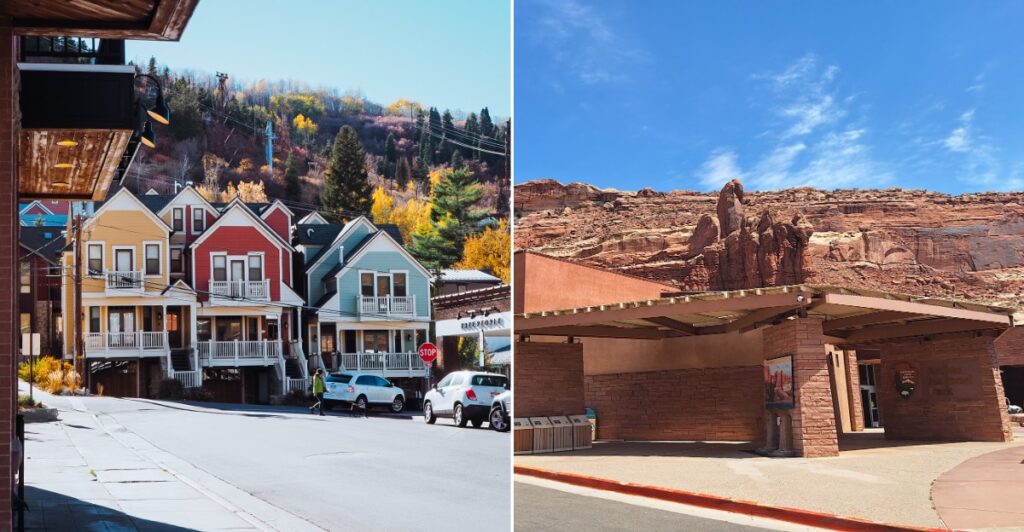
A ski town needs more than ski houses. Park City, in Summit County, offers one of the clearest examples of how a vacation market can sit beside a difficult search for everyday housing.
A 2021 housing study counted 3,922 short term rentals, equivalent to 42.9% of the city’s housing units. That historical figure describes rental concentration, not the percentage of homes currently owned by investors.
More recent reporting has described continuing workforce housing shortages alongside high end development. For people staffing hotels, maintaining buildings, or working in shops, the question is less about mountain views and more about finding a place within reach of a paycheck.
Vacation rentals, luxury second homes, and resort development all belong in the discussion, but they are not interchangeable. A family using a second home occasionally is different from a business buying properties mainly for rental income.
Before repeating a claim that Park City is being bought up, check the date and definition behind the numbers. Buyers should review rental rules, while residents can follow housing meetings and proposed workforce projects.
The useful story here is not a secret takeover. It is the visible tension between a valuable visitor market and the homes needed to keep that market running.
Moab: Park Tourism Meets a Housing Squeeze
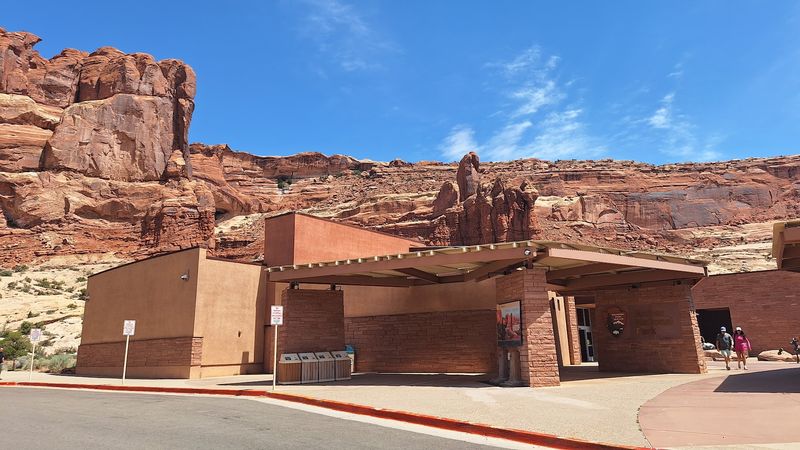
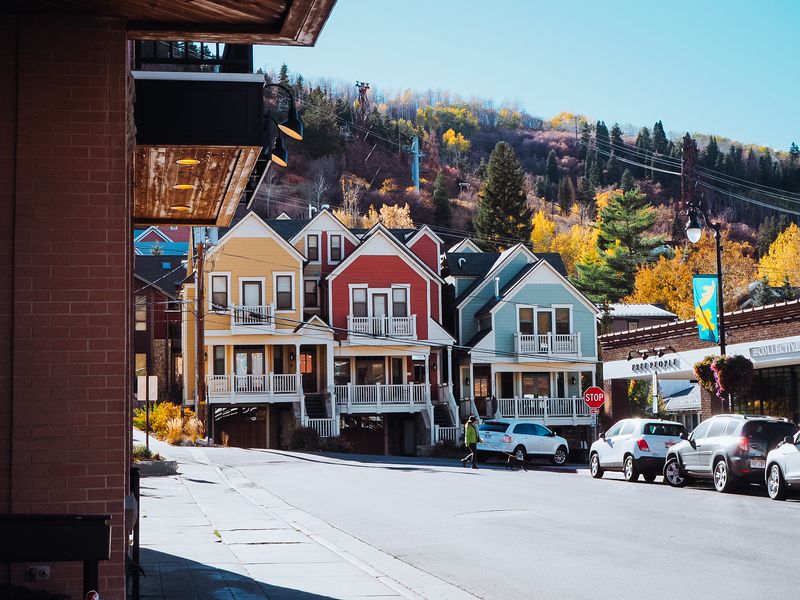
Red rock scenery brings visitors, but it does not build apartments for the people serving them. In Moab, the pull of nearby national parks helps explain why vacation properties attract buyers.
The city’s 2025–26 strategic plan identifies second home ownership and rising prices as contributors to housing shortages. It specifically connects those shortages with challenges facing teachers, public safety workers, and hospitality employees.
That municipal document gives the housing concern a firmer footing than neighborhood rumor. Still, it does not establish what share of recent purchases came from investors or show that every second home operates as a vacation rental.
Moab’s situation matters because housing affects basic services, not just the price of a weekend stay. When workers cannot find suitable homes nearby, employers face a problem that a busy tourism season alone cannot solve.
Anyone considering a purchase should examine current city rules before assuming a property can produce nightly rental income. People comparing housing costs should also separate year round leases from furnished stays aimed at visitors.
For Utah communities built around outdoor tourism, Moab is a useful case study. Its own planning documents recognize the strain, making the practical question how to support visitors without squeezing out the people who keep town functioning.
Springdale: Worker Homes Near Zion
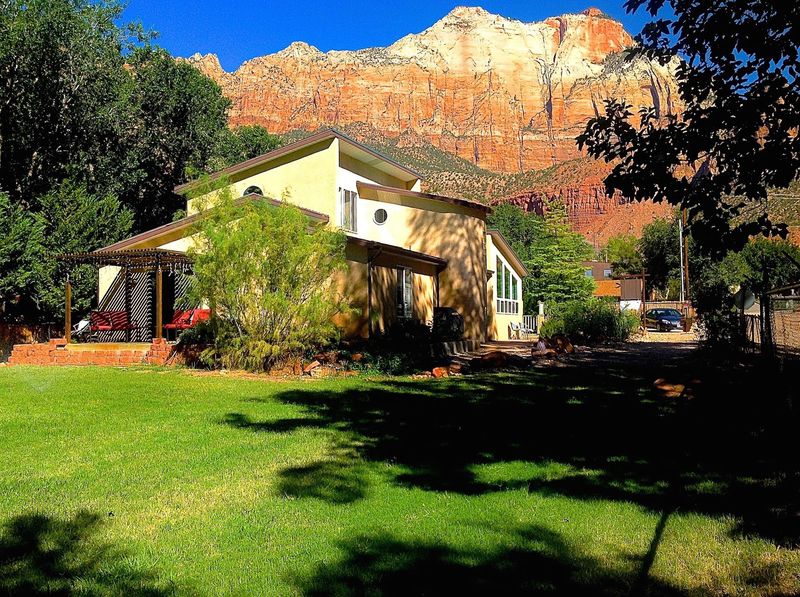
Living near a national park sounds wonderful until finding a lease becomes the hardest part. Springdale, the Washington County gateway to Zion National Park, shows how visitor lodging and worker housing can compete for limited space.
Local reporting in 2022 documented landlords selling worker housing to developers or converting residential properties into nightly rentals. Those accounts offer direct examples of housing changes rather than simply pointing to rising property prices.
The same reporting described businesses struggling to accommodate employees who could not afford homes near their jobs. That is a concrete concern, although older accounts should not be treated as a complete picture of today’s market.
Springdale’s position at Zion’s entrance distinguishes it from a general suburban growth story. Housing decisions here are closely tied to demand for places to stay near a major visitor destination.
Renters should ask whether a lease is intended for stable residential use and what renewal terms apply. Prospective buyers need to check permitted uses rather than assume a house can become tourist lodging.
For readers following the issue, watch both housing proposals and lodging approvals. A property changing hands does not automatically mean displacement, but losing an existing worker home can have consequences that reach well beyond its front door.
Kanab: A Large Proposal Raises Local Questions
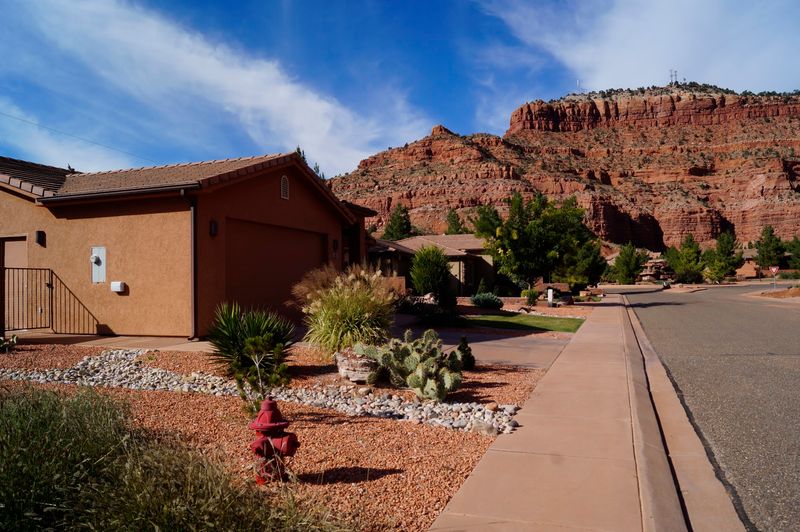
Sometimes the clearest warning sign is a proposal, not a finished neighborhood. In Kanab, a reported development plan from 2022 included 200 vacation rentals, 139 single family homes, and a hotel on roughly 101 acres.
Those numbers describe what was proposed. They do not prove that every unit was approved, built, sold, or placed into rental service.
Kanab’s role as a southern Utah tourism gateway helps explain interest in visitor housing and real estate development. Residents have also described difficulty competing for homes as tourism expands, bringing the issue down from planning maps to household budgets.
The mix of vacation rentals and conventional homes matters. A project can add buildings while leaving unanswered how many will serve people who live and work locally throughout the year.
Readers checking a development story should follow its path through planning records, approvals, changes, and construction. A large announcement can remain on paper, shrink, or take a different form before anyone receives a key.
Potential buyers should ask about allowed uses, ownership costs, and nearby proposals. Residents can look for clear explanations of how development will affect local housing supply.
Kanab belongs on this list because the pressure is documented, not because one proposal proves an organized purchase of the town.
Brian Head: Vacation Condos Carry Real Weight
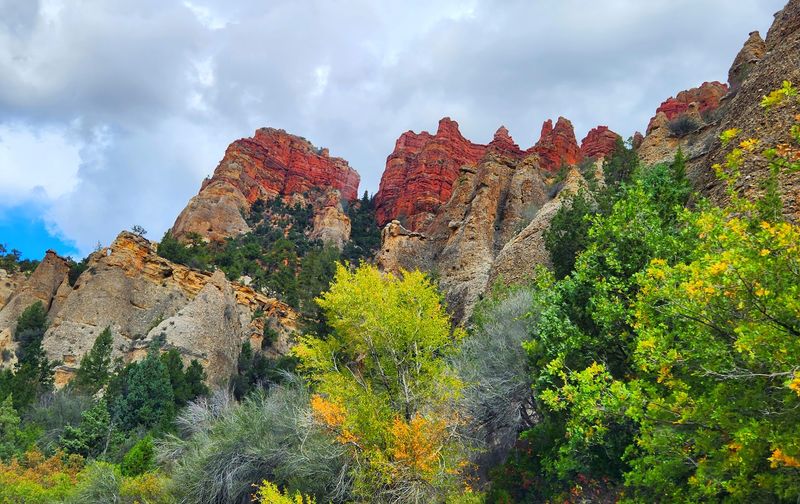
Condo keys tell part of the housing story in Brian Head. The Iron County mountain town has an established market for seasonal condos and vacation cabins, making visitor use an important part of its property landscape.
Researchers counted 491 short term rentals in 2021, equal to 39.7% of local housing units. That is a substantial historical concentration, but it is not a current measure of investor purchases.
A seasonal home may belong to an individual household, serve paying visitors, or combine both uses. Counting rental listings alone cannot tell readers how ownership is divided among families, small operators, and larger businesses.
For someone hoping to live there year round, the distinction between a listed rental and an available residential lease is crucial. A property advertised for weekends does not necessarily offer the stability needed for everyday life.
Buyers considering a condo should read association rules alongside town requirements. Rental permission, maintenance charges, and restrictions can matter as much as the purchase price.
Brian Head’s evidence supports a careful conclusion: vacation use has occupied a large share of its housing market. Whether investors are acquiring a growing share today requires newer sales and ownership data, not a recycled statistic with a fresh headline attached to it.
Garden City: Bear Lake Homes Beyond Summer
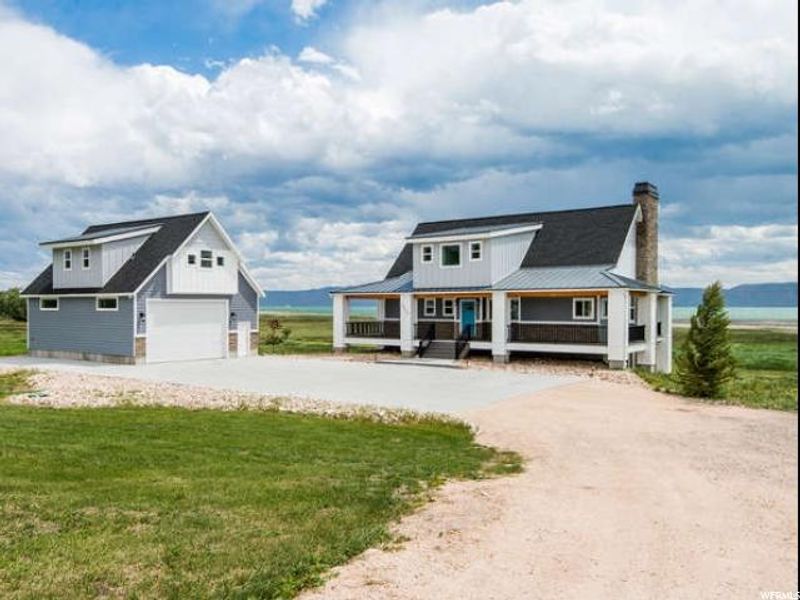
A lake house can look like pure leisure, but a town still needs homes after vacation ends. Garden City, in Rich County, sits within Bear Lake’s vacation market, where seasonal properties are central to the housing discussion.
In 2021, short term rental listings represented 25.7% of local housing units. Census related reporting also highlighted rapid growth in housing stock around Bear Lake, adding another piece to the development picture.
Neither indicator identifies the share of homes purchased by investors. Together, they show why residents might reasonably ask how much new housing serves visitors and how much supports permanent households.
Counting rooftops is only the beginning. A growing supply of vacation homes does not automatically translate into more year round leases or affordable options for people employed nearby.
Families exploring a move should compare actual long term availability rather than rely on the number of properties advertised online. Buyers considering tourist rentals should check current local requirements and any property association restrictions.
Garden City illustrates a wider Utah challenge: housing growth and housing access are not always the same thing. The useful next step is to track occupancy, permitted rental use, and ownership changes, rather than assume every new lakeside home tells the same investment story.
Midway: Second Homes, Shared Ownership
Not every vacation property comes with one household holding all the keys. Midway attracts interest in resort style homes and shared ownership arrangements, adding a different angle to the debate over second homes.
A sponsored article published in March 2026 promoted professionally managed shared vacation home ownership in the area. It documents marketing for that ownership model, but promotional content is not independent proof of widespread displacement.
That distinction deserves room in the conversation. Evidence of a second home market is stronger here than evidence that investors are forcing residents out or buying a measured share of the town.
Shared ownership can involve several buyers using one property under an agreed schedule. Anyone considering that arrangement should examine the actual contract rather than treat it like a standard home purchase.
Questions about fees, maintenance, access, resale, and decision making belong near the top of the checklist. Local rules and property restrictions also need review before money changes hands.
Midway’s place on this list is therefore more cautious than some others. The town shows how vacation property ownership can take several forms, but claims of harmful investor activity need evidence beyond an attractive sales pitch.
A mountain view is appealing; understanding exactly what is being purchased is more useful.
Heber City: New Construction Is Not an Ownership Count
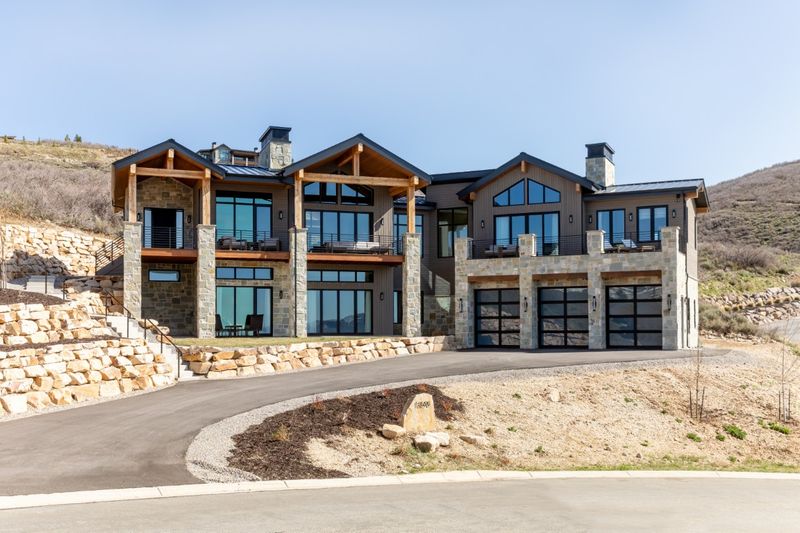
Fresh construction can change a valley quickly, but it cannot tell you who signed the purchase papers. Heber City sits within a growing resort area housing market shaped by broader development across the Wasatch Back.
Park City real estate statistics reported that new construction accounted for 40% of Heber Valley sales in 2025. The geographic label matters: a valleywide figure should not be presented as a statistic for Heber City alone.
The number also describes the type of property sold, not the buyer. Newly built homes may go to permanent residents, relocating families, second home buyers, or investors.
For people following local change, separating those categories prevents a common mistake. Heavy construction is evidence of growth, but it does not establish that outside investors control the market.
House hunters should compare completed homes with advertised projects and ask what is actually included in the price. Future phases, association costs, and construction schedules can affect the decision.
Residents concerned about access can look for information on year round occupancy and housing options across different budgets. Those details explain more than a simple count of new roofs.
Heber City’s story is substantial development near resort demand. The investor share remains an unanswered question, not a fact hidden inside the construction figure.
Hideout: Fast Growth Above Jordanelle
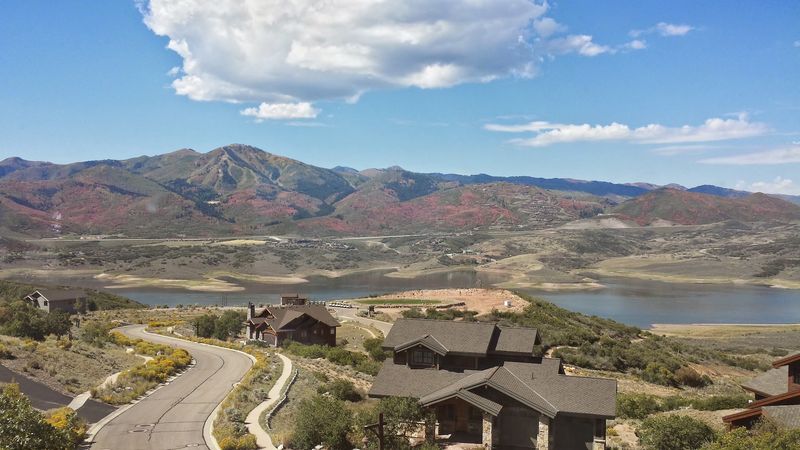
Percentage growth can make a small community look enormous on a chart. Hideout, overlooking Jordanelle Reservoir in Wasatch County, appeared among Utah’s fastest growing municipalities by percentage in reporting on 2023 population estimates.
Its setting near resort areas makes housing development and vacation home interest relevant topics. However, population growth is not the same measure as investor ownership, and the available evidence does not quantify that ownership.
A small starting population can produce a large growth percentage after a relatively modest increase in residents. Readers should check both the percentage and the actual population change before drawing sweeping conclusions.
The same care applies to construction. New houses show that a community is expanding; they do not reveal whether buyers plan to live there, visit occasionally, or rent their properties.
Someone considering a purchase should review current town plans, permitted uses, and the obligations attached to the specific property. A reservoir view should not replace a careful reading of the documents.
For residents, useful questions include how growth affects services and what share of housing supports permanent households. Reliable answers require more than photographs of construction.
Hideout belongs in a discussion about rapid resort area change. Calling it an investor takeover would go further than the documented population evidence allows.
Thompson Springs: Nine Listings, One Large Percentage
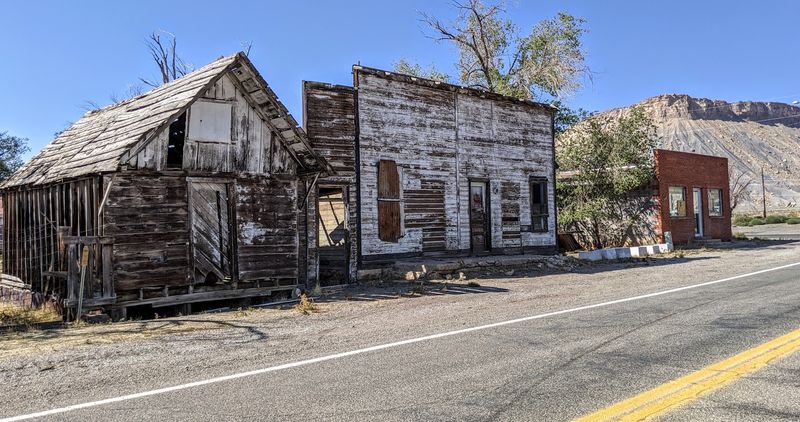
Nine properties can produce a surprisingly large headline when the community is small. Thompson Springs, in Grand County near Moab, offers the clearest reminder to read the count beside the percentage.
A 2021 study counted nine short term rental listings, equivalent to 47.8% of the community’s housing units. That historical comparison is striking, but it does not demonstrate an organized investor takeover.
In a very small housing market, even a few properties can strongly affect a reported share. Listing counts also deserve care because a listing is not automatically a separate home with a distinct owner.
Thompson Springs differs from places where hundreds of vacation properties shape the discussion. Here, the small number is part of the story, not a detail to leave behind after choosing a dramatic percentage.
Readers should ask how the study counted listings and housing units, then look for newer information. Ownership records would be needed to establish whether purchases are concentrated among particular investors.
Anyone exploring housing locally should confirm actual residential availability and permitted rental uses. An online vacation listing cannot answer either question by itself.
The broader lesson for Utah is simple: housing pressure deserves attention, but scale matters. Nine listings warrant a careful look, not a claim that an entire community has changed hands.