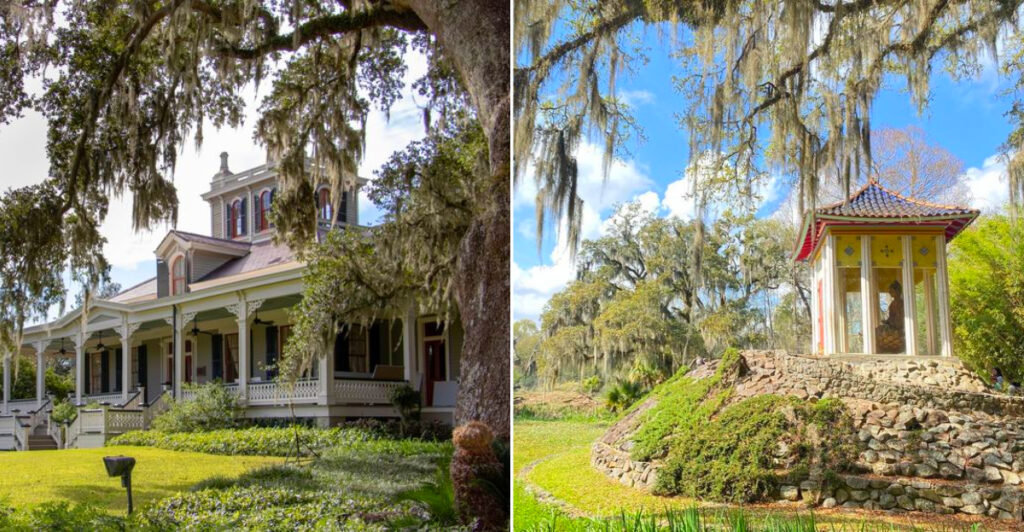
Louisiana day trips work best when they feel slightly overheard: bayou whistles, frying spice, porch laughter, and water moving somewhere just out of sight. These 13 short escapes are little conversations between landscape and habit.
One stop might send you under moss-draped oaks where the air feels ancient and still. Another might land you near a crawfish porch, a neon fishing pier, or an archaeological mound that makes the present feel pleasantly small.
Across Louisiana, these easy day trips blend wildlife, food traditions, small-town history, scenic waterways, and local rituals into short escapes with real texture. Pack curiosity first, then snacks, bug spray, and shoes that can handle mud, shell, or mystery gravel.
The fun is in letting the route shift moods, from quiet groves to lively docks, until a simple free day starts collecting stories faster than your camera can behave.
13. Avery Island’s Jungle Gardens
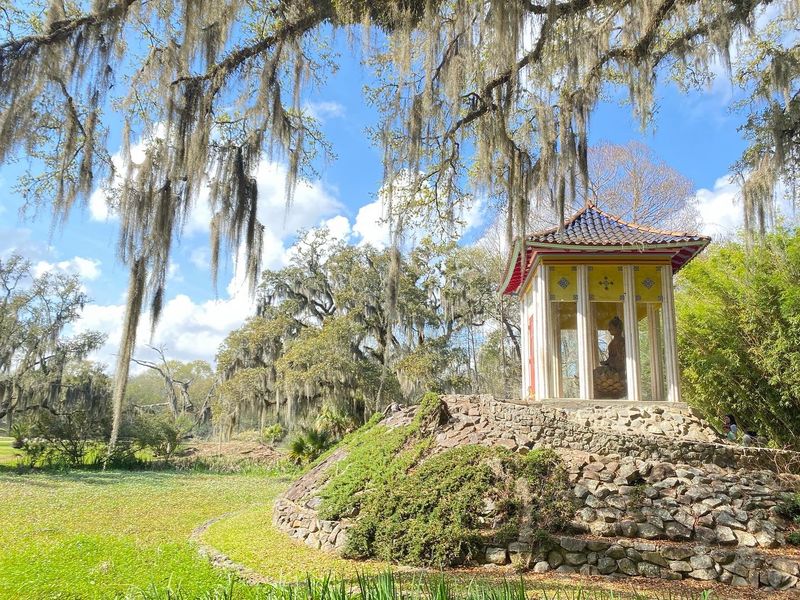
A stop at Avery Island’s Jungle Gardens, Hwy. 329, Avery Island, LA 70513, feels like a secret unlocked by a salty breeze and the faint memory of Tabasco country in the air. Strolling paths reveal koi ponds, Buddha sculptures, camellias, and bird sanctuaries where snowy egrets gather in spring.
The landscape has a rare balance of cultivated serenity and Louisiana oddity. You are moving through a garden, but also through a place shaped by salt domes, family stewardship, and the strange pleasure of finding quiet beauty beside a famous hot sauce world.
Visitors often linger at Bird City and along the garden route, watching turtles, herons, and the still water that makes everything feel slower. The combination of botanical calm and industrial backstory makes the trip more layered than a simple pretty walk.
Plan for light shoes, water, and a camera you can reach quickly. Early morning or late afternoon brings softer light, more active birdlife, and a better chance to let the place feel properly mysterious.
12. Fontainebleau State Park
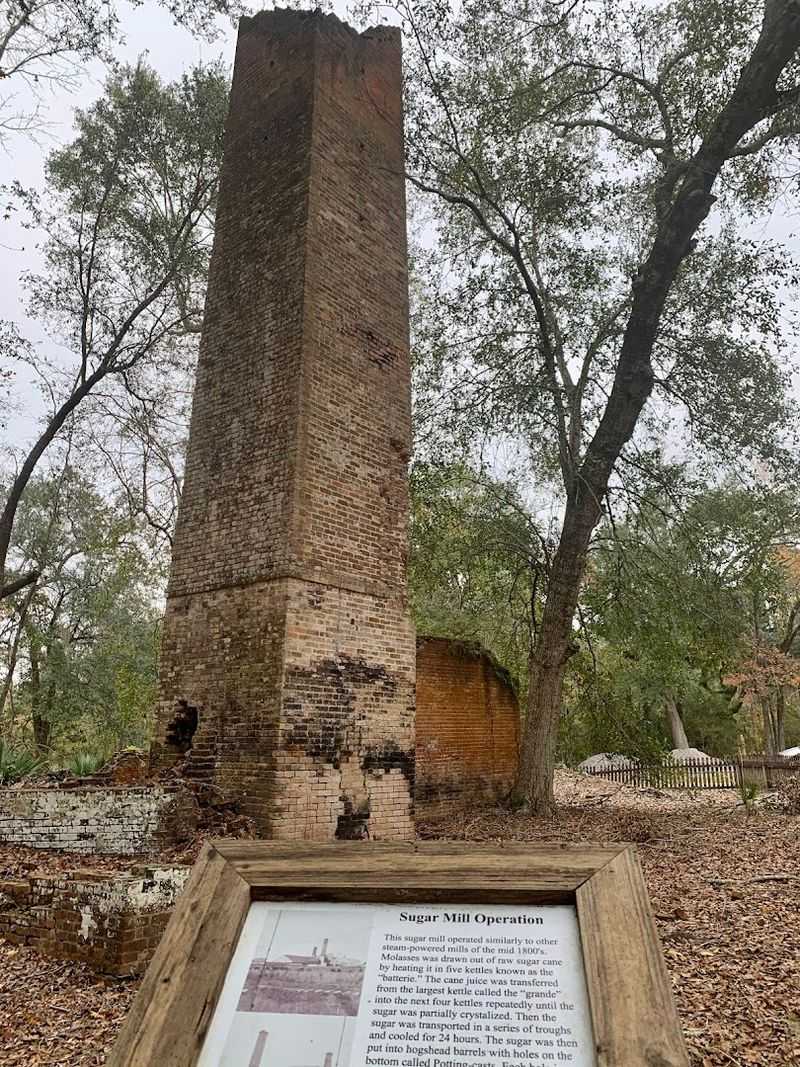
A shoreline retreat at Fontainebleau State Park, 62883 Hwy. 1089, Mandeville, LA 70448, gives you Lake Pontchartrain views without making the day feel complicated. Shaded trails, picnic spots, and the sandy beach make the park feel like an easy coastal escape close to the metro area.
The old sugar mill ruins give the landscape a deeper note. This was former plantation land, and the remaining structures hint at a complicated history beneath the modern rhythm of families, cyclists, birders, and weekend beachgoers.
Multiuse routes connect with the Tammany Trace area, while the lakefront brings space for swimming, relaxing, and watching the water change with the light. Cabins, camping, and interpretive signs add enough structure for visitors who want more than a quick picnic.
Arrive early on weekends if you want a good shaded table and a calmer parking experience. Sunscreen, bug spray, and a cooler will make the day much easier, especially once the lake breeze starts convincing everyone to stay longer.
11. Barataria Preserve
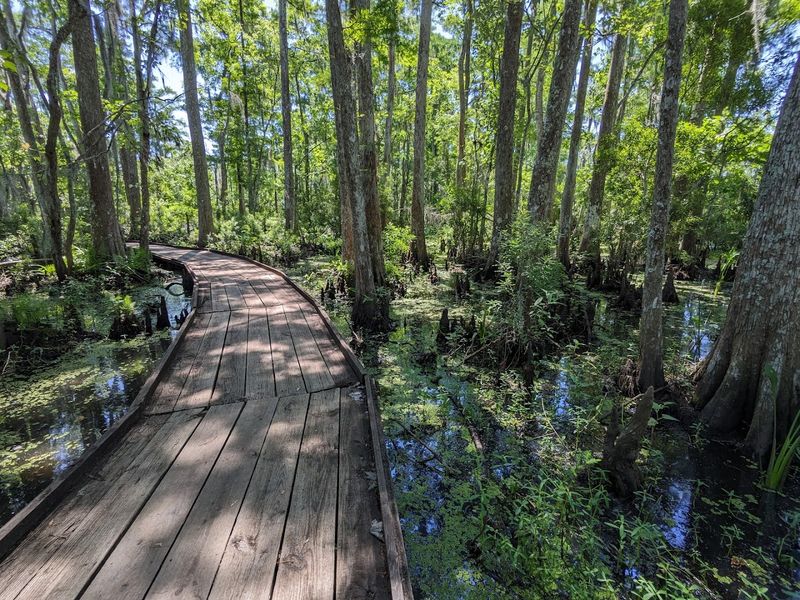
A walk through Barataria Preserve, 6588 Barataria Blvd, Marrero, LA 70072, feels like slipping into a living swamp just outside ordinary city life. Boardwalks thread past cypress knees, wetland plants, and the earthy soundtrack of insects, frogs, and water shifting underfoot.
The preserve is part of Jean Lafitte National Historical Park and protects wetlands that support alligators, wading birds, and distinctive plant communities. Because hurricane damage and repair work can affect access, current trail and visitor center status is especially worth checking before you go.
Ranger programs and interpretive displays help explain coastal processes and human influence on the delta. Even a short walk can feel like both a classroom and a refuge, especially when the wildlife stays still long enough to notice.
Bring water, insect repellent, and a respectful low voice. Early morning visits offer cooler temperatures and a better chance of seeing wildlife before the day gets too loud.
10. St. Francisville
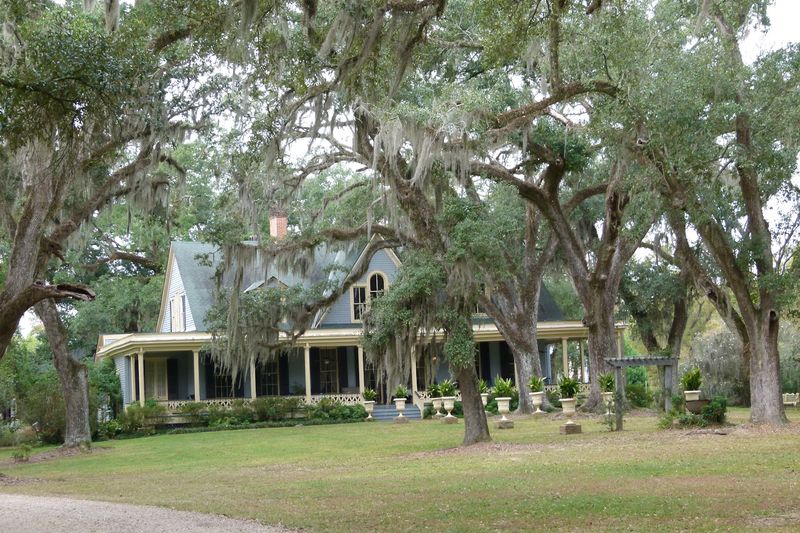
A day in St. Francisville, with visitor information centered at 11757 Ferdinand St., St. Francisville, LA 70775, settles into the landscape with preserved quiet and historic charm. The town feels like a patchwork of live oaks, old houses, small museums, and slower streets that reward wandering.
Historic estates and garden sites help shape the area’s reputation, while nearby plantations and museums add more formal context. Rosedown’s gardens and The Myrtles’ folklore tend to draw attention, but the town itself is also worth a patient walk.
Audubon connections, antiques, coffee stops, and seasonal community events give the place more than one reason to linger. That variety keeps the day from becoming only a history lesson or only a pretty drive.
Parking is usually manageable around the walkable center, and late afternoon light can be especially kind to brick, porches, and wrought-iron details. Give yourself enough time to move slowly, because this is a town that loses some charm when treated like a checklist.
9. Rip Van Winkle Gardens
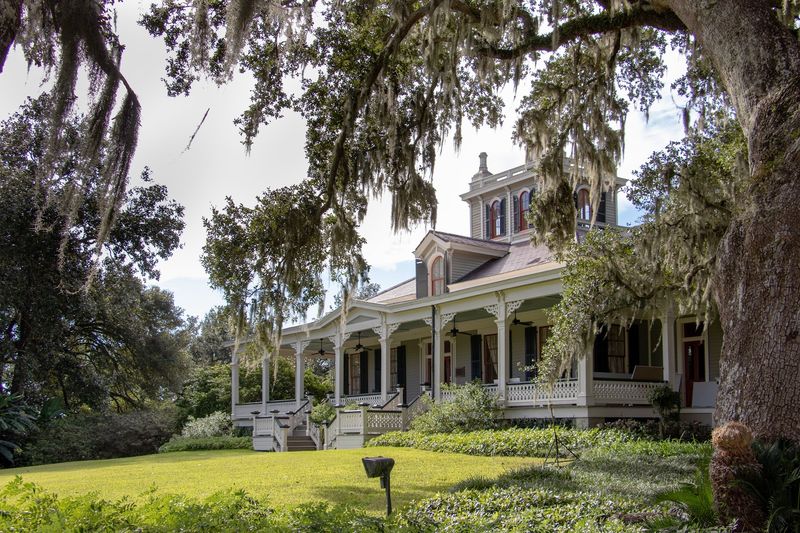
A visit to Rip Van Winkle Gardens, 5505 Rip Van Winkle Road, New Iberia, LA 70560, brings together cultivated beauty, Southern plantings, and a setting that rewards slow exploration. Azaleas, camellias, heritage trees, and shaded paths give the grounds a composed but playful feeling.
The gardens sit on Jefferson Island and pair formal landscaping with Louisiana lushness. That mixture lets the visit feel polished without becoming stiff, especially when the paths open toward water or architectural details.
Visitors can wander the grounds, notice restoration efforts, and use the site as part of a broader New Iberia loop. It pairs naturally with local food stops, Avery Island, or a slower afternoon built around gardens and bayou-adjacent scenery.
Wear comfortable shoes and leave time for photographs that include both plants and structures. Weekdays are usually better if you want the contemplative version rather than the busier weekend pace.
8. Poverty Point World Heritage Site
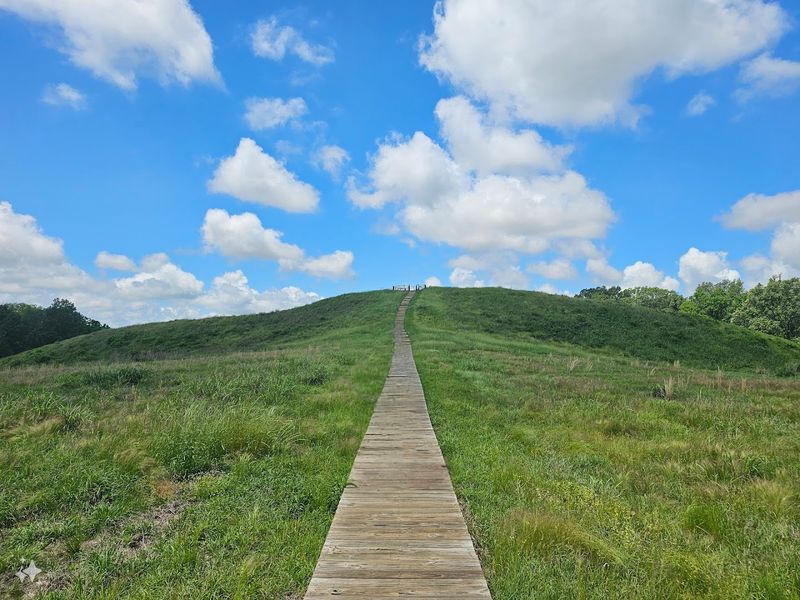
A trip to Poverty Point World Heritage Site, 6859 Hwy. 577, Pioneer, LA 71266, makes the present feel pleasantly small. The ancient earthworks rise across flat prairie, shaped by a sophisticated society long before modern Louisiana existed.
The ridges and mounds date to roughly 1700 to 1100 B.C., and the interpretive center helps explain the labor, trade, and ceremony behind the landscape. Once you understand the scale, the site becomes much more than a field with shapes in it.
Guided tram tours and walking routes help visitors grasp the layout without disturbing fragile features. Evidence of far-reaching trade in stone and shell gives the place a continental importance that is easy to underestimate before arriving.
Prepare for sun, heat, and open space. The museum provides shade and context, while a tram tour can make the engineering and scale far easier to understand.
7. Grand Isle State Park
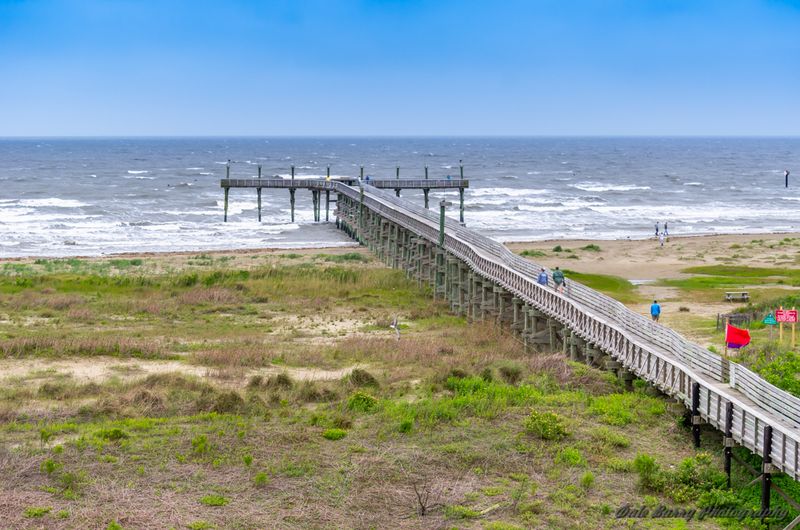
A day at Grand Isle State Park, Admiral Craik Drive off LA Hwy. 1, Grand Isle, LA 70358, takes you to the edge where the Gulf presses into Louisiana. Sand, dunes, birding, fishing, and salt air make the park feel like a true coastal reset.
Migratory shorebirds move through in seasonal waves, and anglers test conditions from the beach or pier. The island’s shifting sands and salt-spray vegetation tell a constant story of coastal change.
Camping and picnic facilities make longer visits possible, but day-trippers can still get plenty from the shoreline. Weather matters here, and storms can reshape access, mood, and beach conditions faster than visitors expect.
Check local advisories before you go, especially after rough weather. Bring binoculars for migration seasons, sunscreen for open exposure, and a flexible attitude toward wind, tide, and Gulf light.
6. Natchitoches National Historic Landmark District
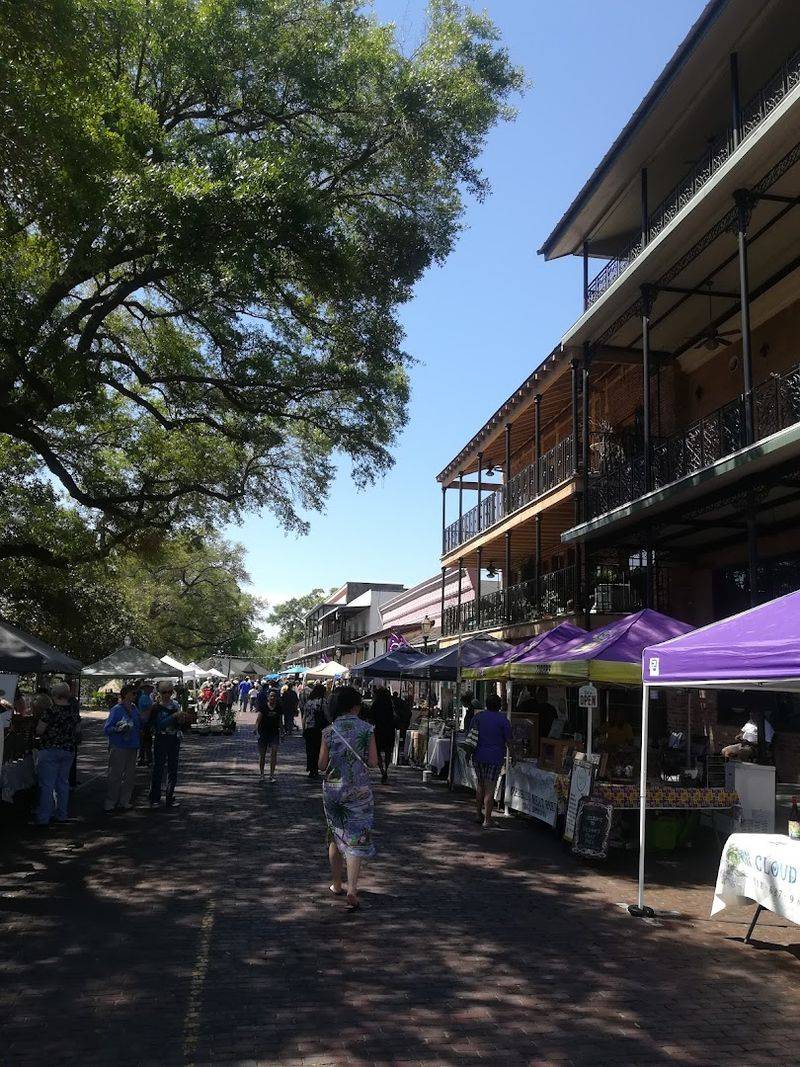
A walk through Natchitoches National Historic Landmark District, with visitor walking tours beginning at 780 Front Street, Natchitoches, LA 71457, unfolds along the Cane River with brick, balconies, and layered history. Founded in 1714, Natchitoches is often described as Louisiana’s oldest permanent settlement.
Front Street gives the day an easy rhythm, with river views, shops, historic buildings, and local food traditions close together. The town balances film-location fame with a living culture that still feels active rather than staged.
The district connects naturally with Fort St. Jean Baptiste, the Cane River National Heritage Trail, and local stops tied to colonial-era settlement and plantation history. Meat pies, museums, and guided walks make the experience richer if you leave time for more than a quick photo.
Mild seasons are best for long riverfront strolling and window shopping. Weekday mornings can be especially pleasant, letting the historic streets breathe before the day gets crowded.
5. Chicot State Park
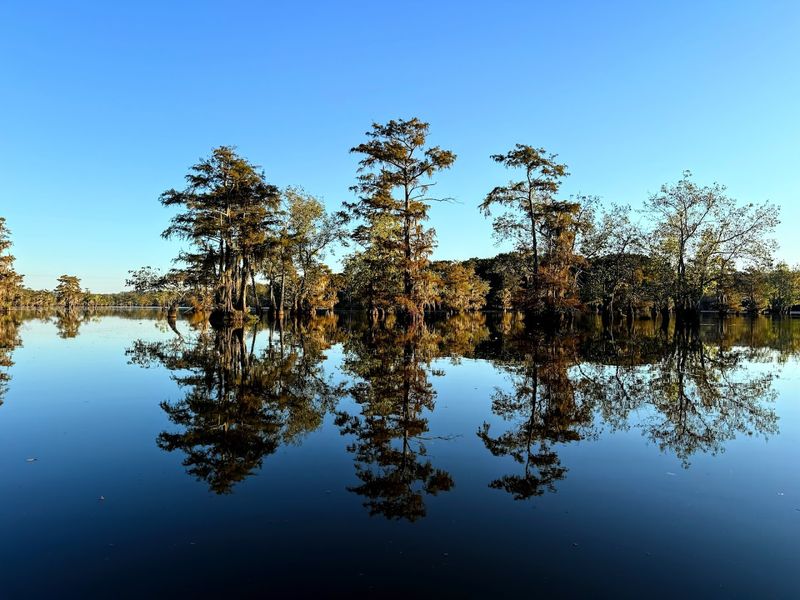
A calm outdoor escape waits at Chicot State Park, 3469 Chicot Park Rd., Ville Platte, LA 70586. The park centers on a large lake ringed by cypress, hardwoods, and trails that feel quietly removed from urban noise.
Fishing, paddling, cabins, camping, and shaded routes give the park several possible moods. You can treat it as a full outdoor day or as a slower stop built around water, trees, and lunch under shade.
Interpretive signs and trail loops help visitors understand the local ecology without turning the day into homework. The scale encourages relaxed itineraries focused on wildlife observation, paddling, and outdoor meals.
Bring watercraft or check whether rentals are available before you go. Early arrival is best for fishing, birding, and the soft lake reflections that make morning feel like the park’s natural hour.
4. Cypress Island Preserve At Lake Martin
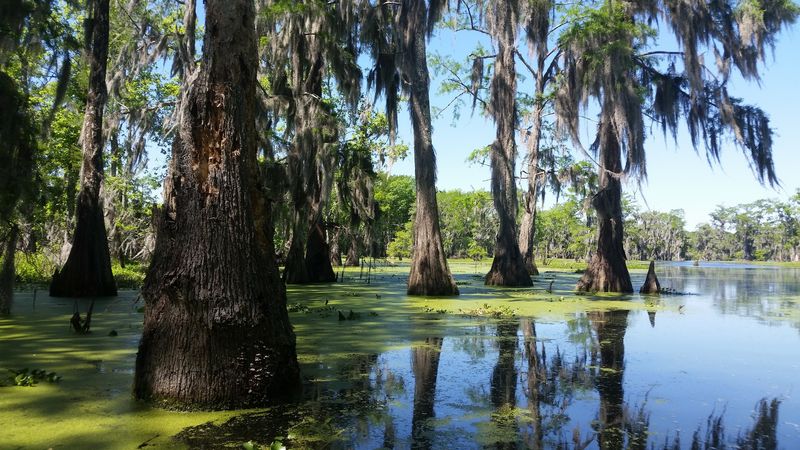
A boardwalk into Cypress Island Preserve at Lake Martin, closest to 1264 Prairie Hwy., St. Martinville, LA 70582, leads into a cathedral of cypress and water. Reflections, marsh grasses, and tree trunks create a quiet maze that feels made for slow looking.
The preserve supports nesting herons, wetland life, and seasonal bird activity that can be remarkable during migration and nesting periods. It is the kind of place where silence becomes useful, not awkward.
Guides, signage, and controlled access help protect fragile habitat while teaching visitors how the wetland works. Kayak access can bring paddlers into quieter waterways where turtles, birds, and other wildlife are easier to notice.
Wear insect protection and bring binoculars. Early mornings and late afternoons usually offer the best wildlife viewing, softer light, and a better chance of experiencing the preserve without rushing.
3. Abita Mystery House
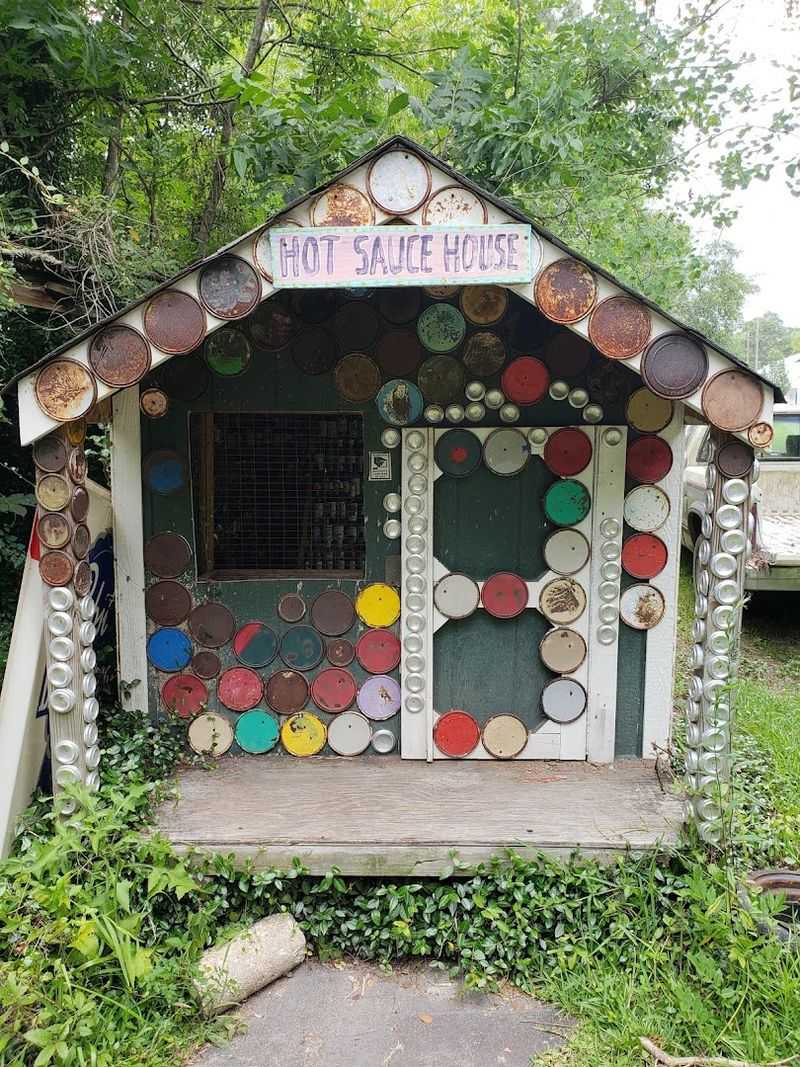
A stop at Abita Mystery House, 22275 Hwy. 36, Abita Springs, LA 70420, turns the day into a joyful collision of folk art, roadside oddities, and local imagination. The place feels like a cabinet of curiosities assembled by someone with a very serious sense of play.
Found objects, homemade sculptures, strange memorabilia, and playful installations fill the rooms with oddball charm. It rewards curiosity more than solemn museum behavior, which is exactly why it works.
This is a perfect stop for families, road-trip wanderers, or anyone who likes small-town culture with a little strangeness in it. The humor feels affectionate rather than slick, giving the whole place a handmade personality.
Plan a short exploratory visit and keep your camera ready. Nearby Abita Springs can round out the day with trails, local stops, and a slower Northshore mood.
2. Whitney Plantation
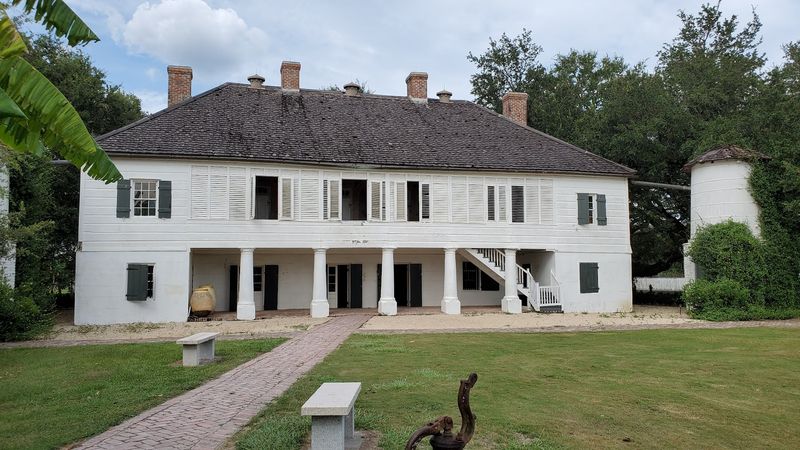
A visit to Whitney Plantation, 5099 Louisiana Hwy. 18, Wallace, LA 70049, asks for attention and respect. The museum centers the stories of enslaved people through first-person narratives, memorial art, preserved structures, and a mission rooted in historical truth.
The experience is intentionally different from romanticized plantation tourism. Exhibits and grounds foreground individual lives, forced labor, memory, and the human realities that shaped the region.
Guided tours provide historical context, while outdoor memorials and restored buildings invite quiet reflection. The site is powerful because it refuses to let architecture become prettier than the history it contains.
Expect emotionally resonant material and give yourself time afterward to process it. If you are building a full day trip, pairing this stop with something lighter later can help balance the emotional weight without diminishing it.
1. Louisiana’s Old State Capitol
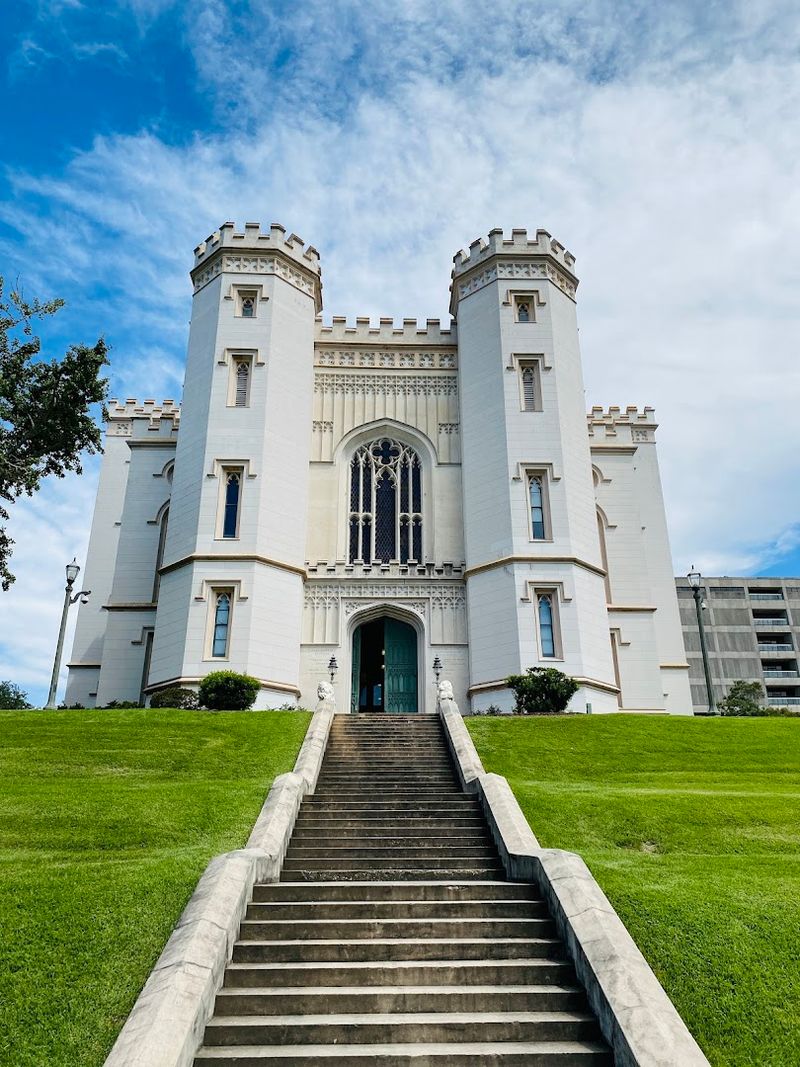
A Gothic surprise in Baton Rouge, Louisiana’s Old State Capitol, 100 North Blvd., Baton Rouge, LA 70801, looks more like a castle than a political museum. Turrets, stained glass, and dramatic interiors give the building a visual punch before the exhibits even begin.
Inside, the museum connects architectural drama with Louisiana’s political history. Exhibits trace elections, civic life, governance, and public stories in a way that feels approachable rather than dry.
Self-guided tours let visitors move through rooms that once hosted lawmakers and now hold displays and rotating exhibitions. The hilltop location also gives the grounds a sense of presence near the Mississippi and downtown Baton Rouge.
Check current hours and special exhibits before you go. Moderate weather makes it easier to enjoy the grounds on foot between museum time, river views, and nearby downtown stops.