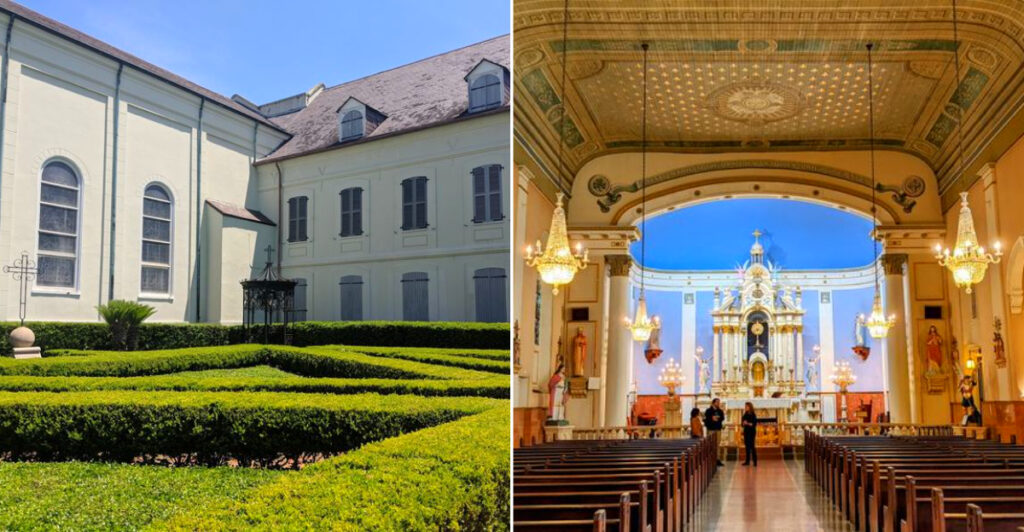
It does not look like the oldest church in the state. Low brick walls. A simple steeple. A plaque near the entrance mentions the year it was built, plus the word fever, which is how I learned why it exists.
During the yellow fever outbreaks that swept through the region in the early 1800s, churches were overwhelmed with funerals. This one was constructed specifically to handle the volume of burials that existing parishes could not accommodate.
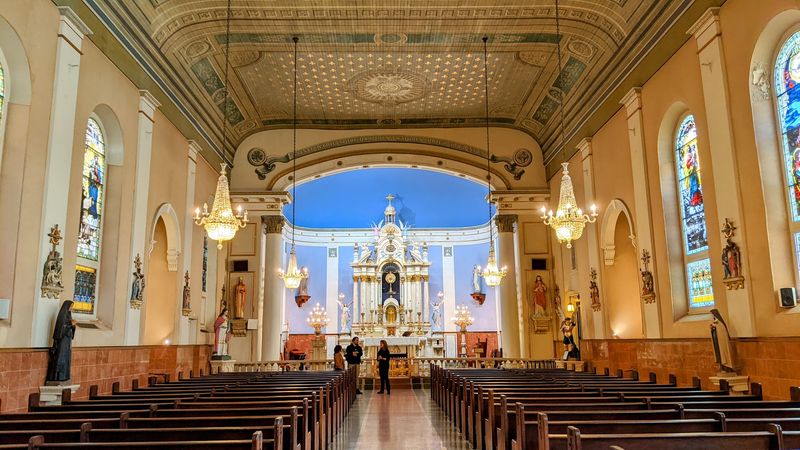
The interior is plain by design. Wooden pews. A small altar. Stained glass that lets in just enough colored light to remind you that beauty survived here too.
I sat in a back pew for twenty minutes. The silence inside is the kind you notice because the street outside is anything but quiet. The oldest surviving church building in Louisiana was built for funerals, and that history is still written into the walls.
Notice The Survivor On Chartres Street
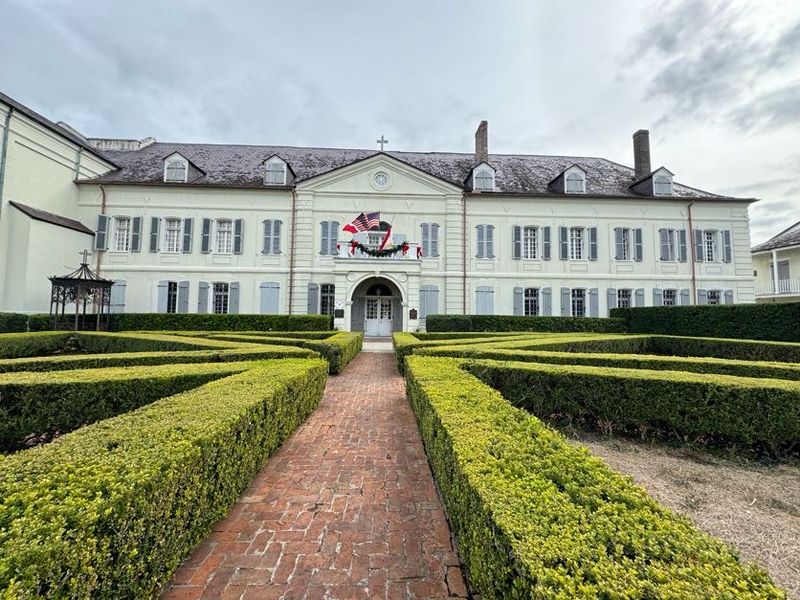
Outside, the convent looks calm, almost reserved, which feels funny once you learn what it has outlasted. Completed in 1752, it is the oldest surviving building in the Mississippi River Valley and the oldest example of French Colonial public architecture in the United States.
That alone makes the stop feel essential. Then comes the survival story. Much of old New Orleans burned in the fires of 1788 and 1794, yet this structure remained.
Standing in the French Quarter, where so many facades are later replacements, you are looking at something that truly crossed colonial eras into modern life. Give yourself a minute on the sidewalk before going in.
Notice how solid the building seems without showing off. Its quiet endurance is part of the experience, and it sets the mood better than any dramatic ghost tale could for visitors today.
Chartres Street Delivers You To The Convent Gates
The Old Ursuline Convent Museum sits at 1112 Chartres Street in the historic French Quarter of New Orleans, Louisiana. Chartres Street is the road to aim for, with the convent standing near Ursulines Avenue on the quieter downriver side of the Quarter.
Once you reach this stretch of Chartres, the pale convent complex and its walled grounds make the destination easier to recognize than the surrounding storefronts. Keep in mind that French Quarter streets are narrow and heavily regulated, so the final blocks are better taken slowly rather than relying on a quick curbside stop.
There is no need to drive through a separate attraction entrance once you reach the block. Use legal metered street parking or a nearby public lot, then finish on foot to the museum entrance at 1112 Chartres Street; French Quarter meters operate Monday through Saturday.
Read The Building Like A Weather Machine
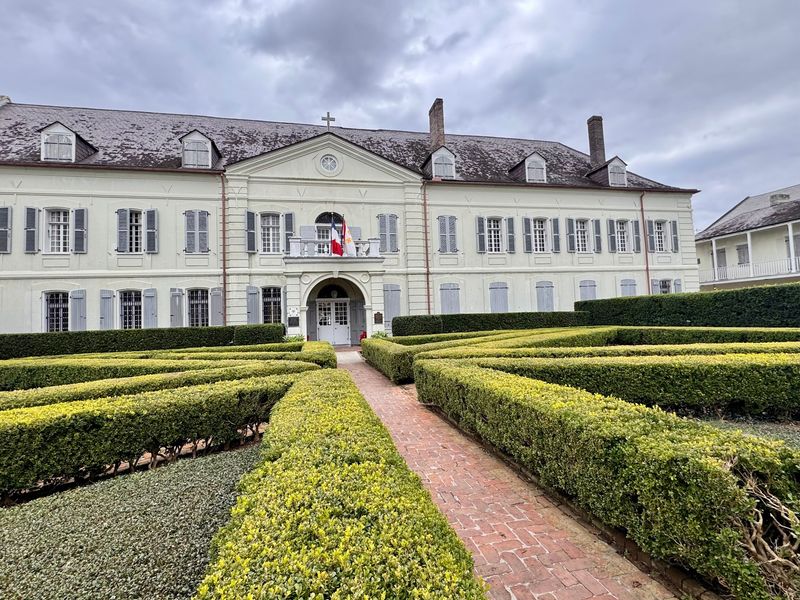
Heat teaches architecture fast in New Orleans. One of the smartest things about the convent is how its French Colonial design works with the climate, not against it.
Deep-set windows, a balanced facade, and the placement of doors and openings encouraged cross-ventilation, helping hot air move out while cooler air drifted through.
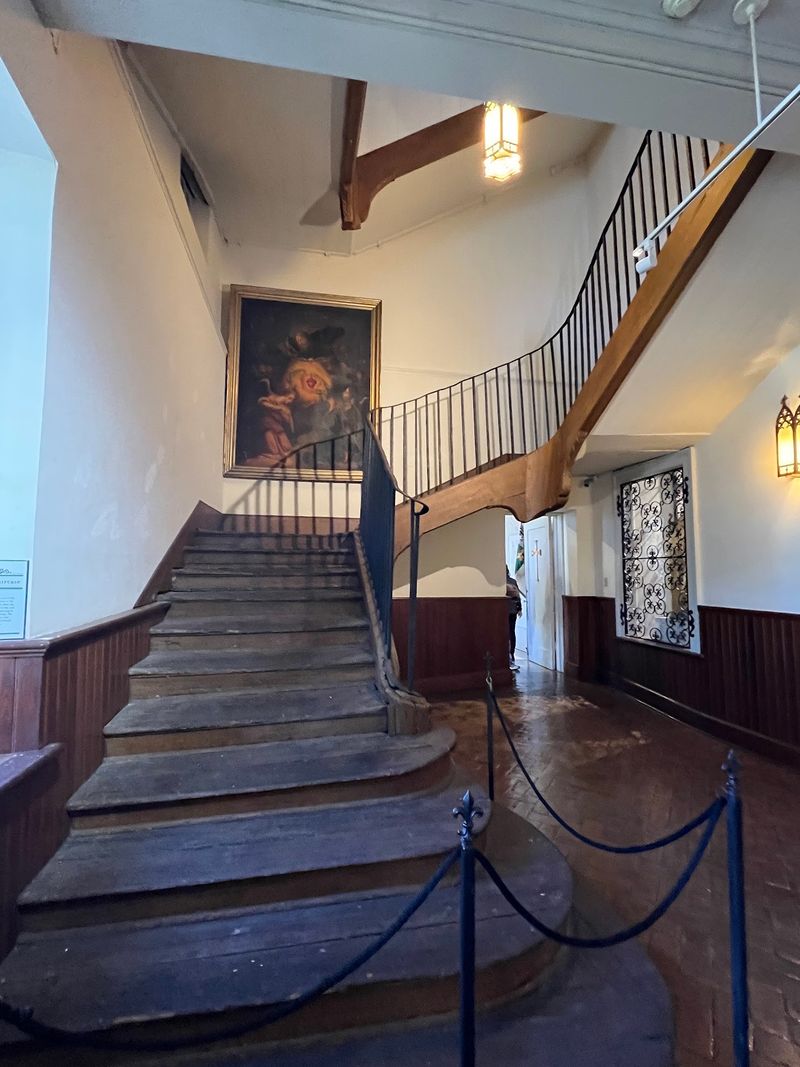
Inside, small details reward slow looking. Exposed cypress beams on the first floor hint at early construction methods, and the cypress staircase is famous for being built without nails.
That kind of craftsmanship feels almost stubborn in the best way. If architecture usually blurs together for you, pause here and study how practical beauty can be.
The building was made to endure weather, humidity, and daily use, not just to impress visitors. That makes it feel alive rather than frozen behind museum glass for modern visitors to notice.
Follow The Sisters’ Real Work
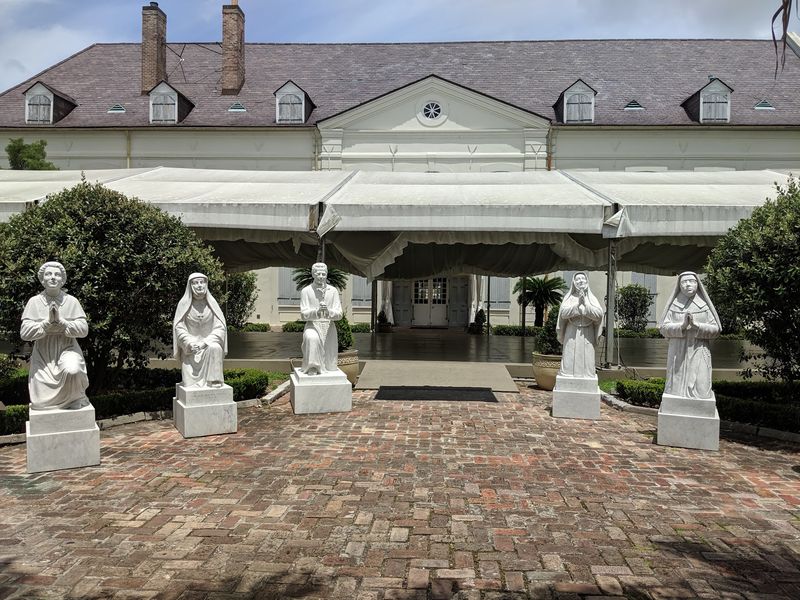
A museum label can only do so much until you picture the colony around it. When the Ursuline nuns arrived in 1727, they were not simply moving into a pretty building.
Their mission included healthcare, education, and care for orphans, all in a young city that badly needed organized help.
That medical work is the strongest link to yellow fever. The sisters ran an infirmary and hospital and ministered to people suffering during epidemics, including yellow fever and malaria.
I found that part of the story more affecting than any legend, because it turns history into choices made under pressure. While you walk the exhibits, look for evidence of daily service rather than grand ceremony.
The convent mattered because people inside it worked, taught, prayed, and nursed others when fear would have been the easier response for many people nearby.
Sit Quietly In St. Mary’s Church
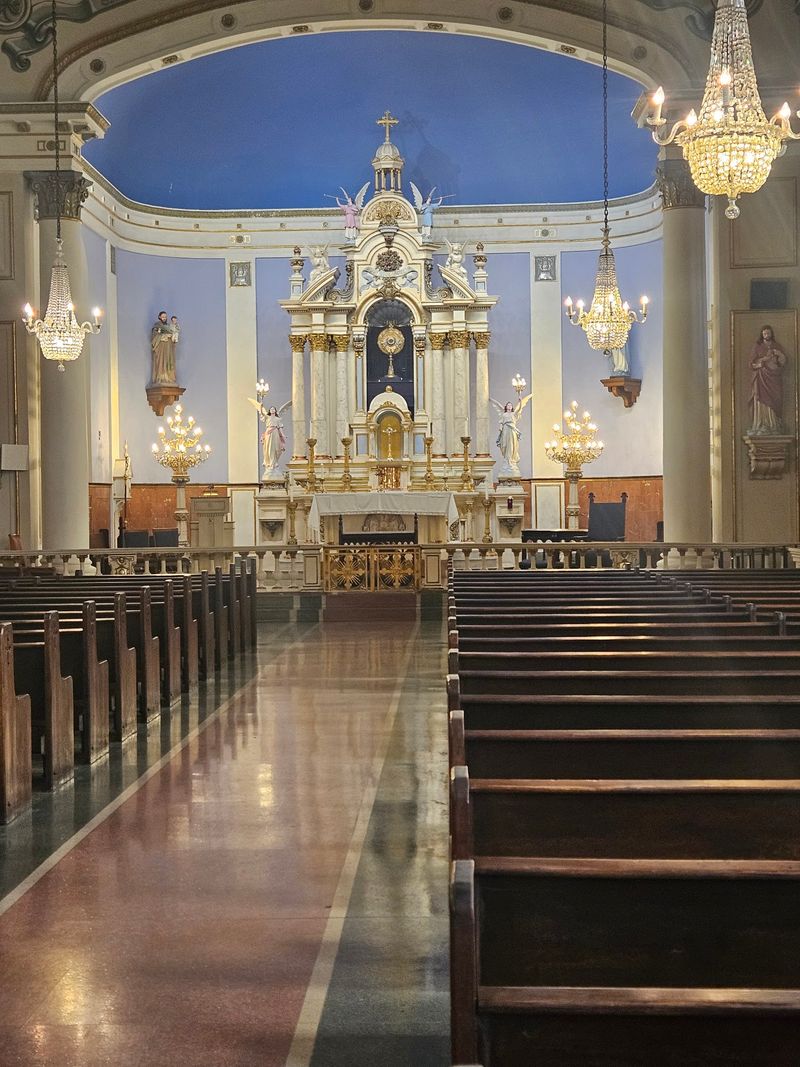
The chapel catches the eye differently from the museum rooms. Light, silence, and polished surfaces create a pause that feels almost separate from the busy street outside.
On these grounds, St. Mary’s Church was built in 1845 and later welcomed Italian immigrants, which gives the site another layer beyond the eighteenth-century convent itself.
Here is the useful correction to keep in your pocket. The church on the grounds was not originally built for yellow fever funerals, even though the wider Ursuline story is bound up with epidemic care and mourning in New Orleans.
That distinction matters, especially in a city where legends grow quickly. Spend a few minutes sitting still before moving on.
The chapel rewards attention better than speed, and its calm atmosphere helps you understand why generations came here seeking comfort, order, and a sense of shelter there.
Use The Gardens As A Reset Button
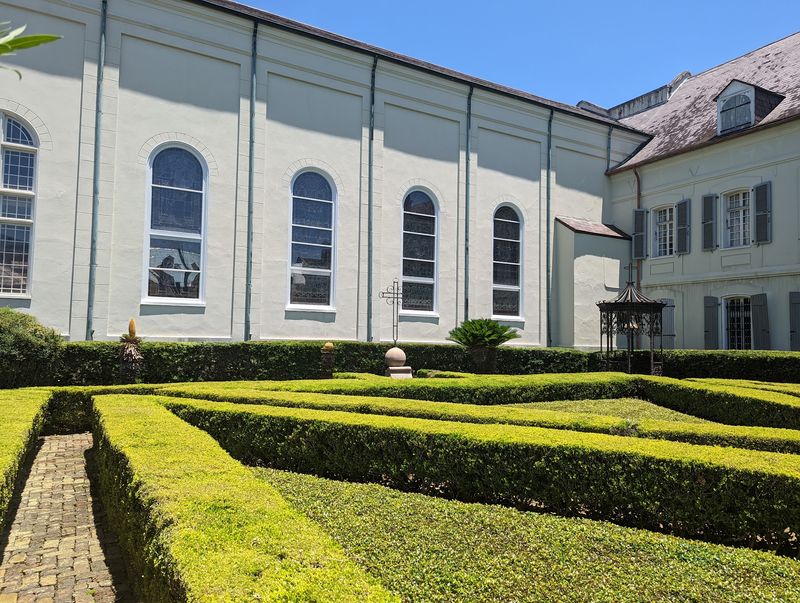
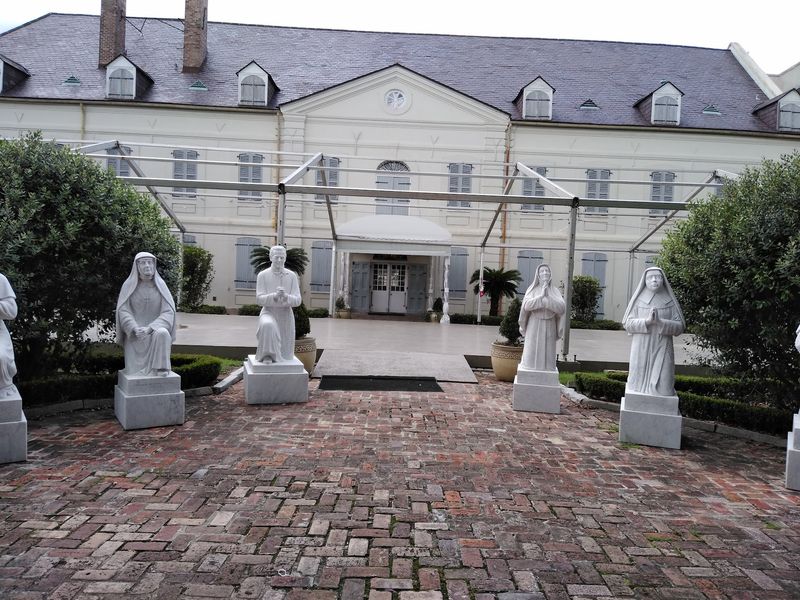
The gardens are a relief after the denser indoor history. Boxwood lines, statues, citrus, antique roses, and open sky soften the heavy themes without erasing them.
One garden is the formal Bishop’s Garden, designed in 1955 as a parterre with geometric patterns that quietly echo French traditions.
A later garden, designed in 1995, honors the Ursuline women whose work shaped the property and the city. I liked how the outdoor spaces change the pace of the visit.
Instead of reading labels, you start noticing memory through layout, planting, and stillness. If you arrive feeling overloaded by dates and names, step outside and reset here.
The grounds make room for reflection without turning sentimental. They also show that preservation is not only about walls and artifacts.
Landscape can carry history too, especially in a place built around service, prayer, and endurance.
Plan Around The Short Museum Hours
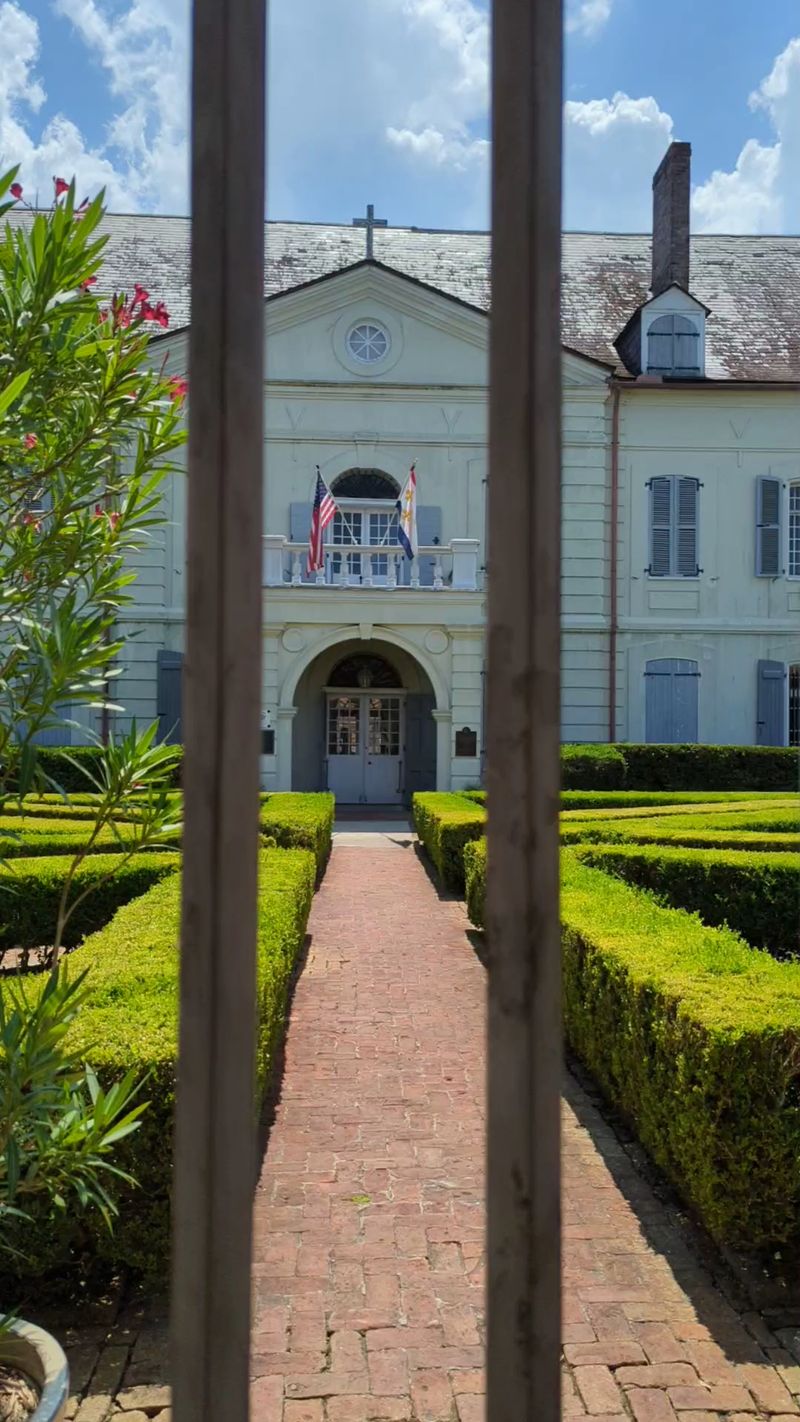
Timing matters more here than at flashier attractions. The museum keeps limited hours, generally opening from 10 AM to 2 PM on Tuesday through Saturday, so a little planning saves disappointment.
Because occasional unexpected closures can happen, checking the official website or calling ahead is a smart move before you cross the Quarter.
Once inside, do not rush straight past the chance for a guided tour. The building is rich in context, and details about the nuns, the city, and Catholic life land better when someone threads them together.
On my visit, the storytelling turned rooms of artifacts into a much fuller picture of colonial New Orleans. If you prefer moving at your own pace, the self-guided option still works well, especially with the printed map and interpretive signs.
Either way, aim for about an hour, longer if details linger.
Let The Quiet Do Some Of The Teaching
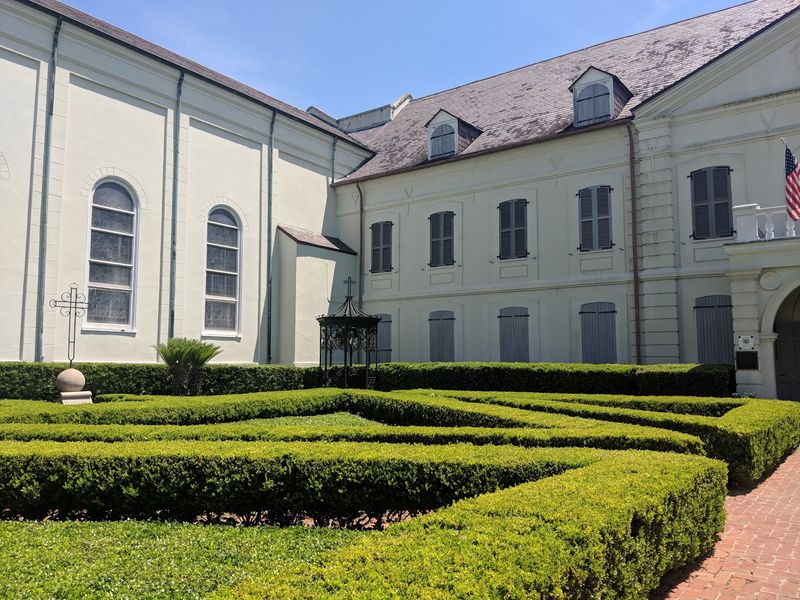
A strange trick of the place is how quickly the street noise falls away. Just beyond the French Quarter’s bustle, the convent grounds feel hushed, almost tucked inside their own weather.
That contrast is one reason the visit sticks with people. New Orleans can be loud, theatrical, and gloriously busy, but this address offers a quieter kind of drama.
The mood is not gloomy. Instead, it feels measured and steady, which suits a site shaped by prayer, schooling, nursing, and long memory.
I kept noticing how the calm sharpened my attention rather than relaxing it. Small objects, worn floors, and filtered light seemed clearer because nothing was competing for notice.
If you have been bouncing from crowded attractions all day, come here when you need your brain to slow down without switching off completely. The hush is restorative, not sleepy.
Use It To Understand New Orleans Mourning Traditions
One of the most unexpectedly useful parts of the visit is what it teaches about death customs in New Orleans. The exhibits and tours often connect the convent’s religious history to wider funeral and cemetery traditions in the city.
That means the stop can sharpen everything you notice later, from carved symbols to the way sacred spaces are arranged.
Rather than treating mourning as a curiosity, the museum places it inside everyday belief and community life. That approach feels respectful, and it also makes the yellow fever connection easier to understand.
Epidemics were not abstract events here. They shaped care, prayer, burial, and memory.
If you plan to visit cemeteries afterward, come to the convent first. The historical context will help you read those places with more sensitivity, and you will leave with fewer myths and better questions about the city.
Pack For A Small But Rich Stop
Practical comforts are easy to overlook in a historic building, but they matter on a travel day. The convent museum is fairly small, which makes it manageable even if your schedule is packed.
You can see it in about an hour at a relaxed pace, and there are restrooms and a small gift shop on site, helpful details that make the stop smoother.
Photography is generally allowed, so bring a phone or camera if you like catching textures and architectural details. Just remember that the place works best when the lens does not take over.
I found the strongest moments happened after I lowered the camera and simply looked. Because parking nearby can be inconvenient, walking over from another French Quarter stop is often the least fussy plan.
Wear sturdy shoes and arrive early so the mood can settle nicely.
Leave With Perspective, Not Just Photos
Some historic sites impress you with size. The Old Ursuline Convent works differently.
It earns attention through survival, restraint, and the layered record of women who taught children, cared for the sick, and helped shape New Orleans long before modern systems existed. That combination gives the place unusual moral weight.
By the end of the visit, the title’s yellow fever pull has usually faded into something richer. What stays with you is not sensationalism, but the sense of a city held together by unglamorous labor during hard times.
Few places in the French Quarter explain that better. Save this stop for when you have enough energy to look closely and think a little.
The reward is not spectacle. It is perspective, and in a neighborhood famous for distraction, perspective may be the rarest thing on offer for patient visitors like you.