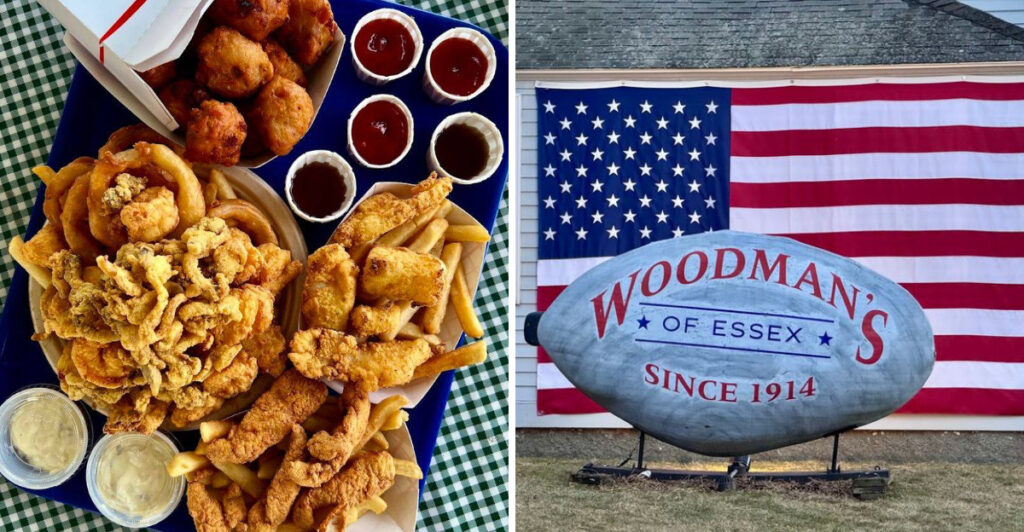
Clam chowder so good it rewires your expectations. Massachusetts has a seafood institution on the North Shore that has been doing things perfectly for well over a century.
The chowder is thin, clean, and built on real clam juice with no thickeners and no shortcuts. The fried clams are the original, invented right here by the founders more than a hundred years ago.
The lobster roll holds its own alongside both. Counter service, outdoor river views, and generous portions make the whole setup feel honest and unhurried.
No reservations, no dress code, and no pretension anywhere in sight. Zagat called it a cult classic on par with baseball and apple pie.
Massachusetts delivered something rare here, and it has never stopped delivering it.
Over A Century Of Seafood Done Right
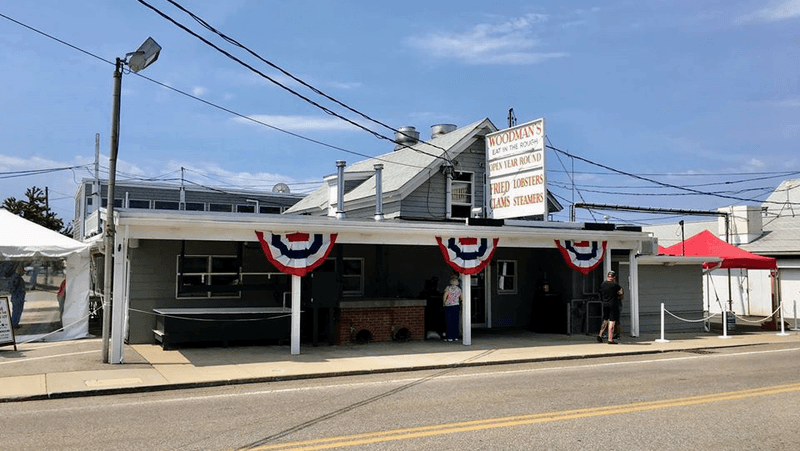
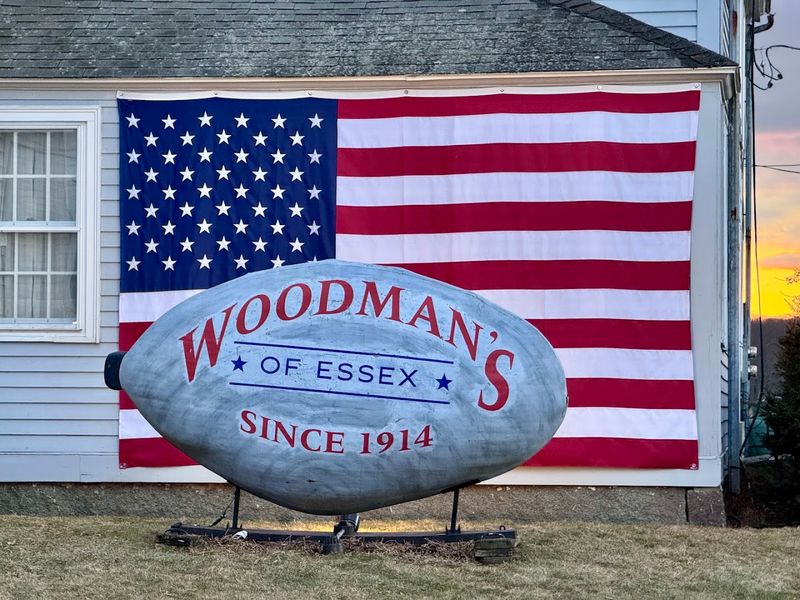
Over a hundred years of doing one thing extremely well is not an accident. Woodman’s of Essex opened in 1914 and has stayed in the same family ever since, now running through five generations.
That kind of continuity is rare in the restaurant world. Most places change hands, change recipes, and slowly lose what made them special.
Woodman’s has held on to its original approach with quiet confidence.
The setup is counter-service, no-frills, and completely unpretentious. You order, you wait, and food arrives in generous portions that make the experience feel honest rather than curated.
The restaurant sits right along Main Street in Essex, a small coastal town on Massachusetts’ North Shore. The building itself carries the feel of something lived-in and well-loved rather than polished for tourists.
Woodman’s of Essex is located at 119 Main St, Essex, MA 01929, and it continues to operate as one of the most enduring seafood institutions in New England.
The Chowder That Changes Everything
What makes a bowl of chowder unforgettable? At Woodman’s, the answer starts with what they leave out.
No flour. No thickeners.
No shortcuts.
The base is thin, clean, and deeply flavored with real clam juice. Freshly shucked clams go in along with cream, butter, minced onion, salt, and pepper.
That is the entire recipe, and it is enough.
Because there are no thickeners, the natural clam flavor has nowhere to hide. Every spoonful tastes like the ocean in the best possible way.
The potatoes are soft, the clams are tender, and the broth is quietly rich without being heavy.
This chowder is also gluten-free, which matters to a lot of diners today. It is not a modified version or a workaround.
The recipe has always been made this way, going back more than a century.
Forbes FYI Magazine recognized Woodman’s with a “Best Seafood in America” award, and the chowder is a big reason why critics and regulars keep coming back to that same conclusion.
Where The Fried Clam Was Born
Here is a fact worth knowing before the next bite. On July 3, 1916, Lawrence ‘Chubby’ Woodman and Bessie Woodman are widely credited with inventing the fried clam right here at this Essex roadside stand.
That single moment changed seafood culture across New England and eventually the entire country. Fried clams went from an idea to a staple on menus everywhere, and Woodman’s has been doing it longer than anyone else.
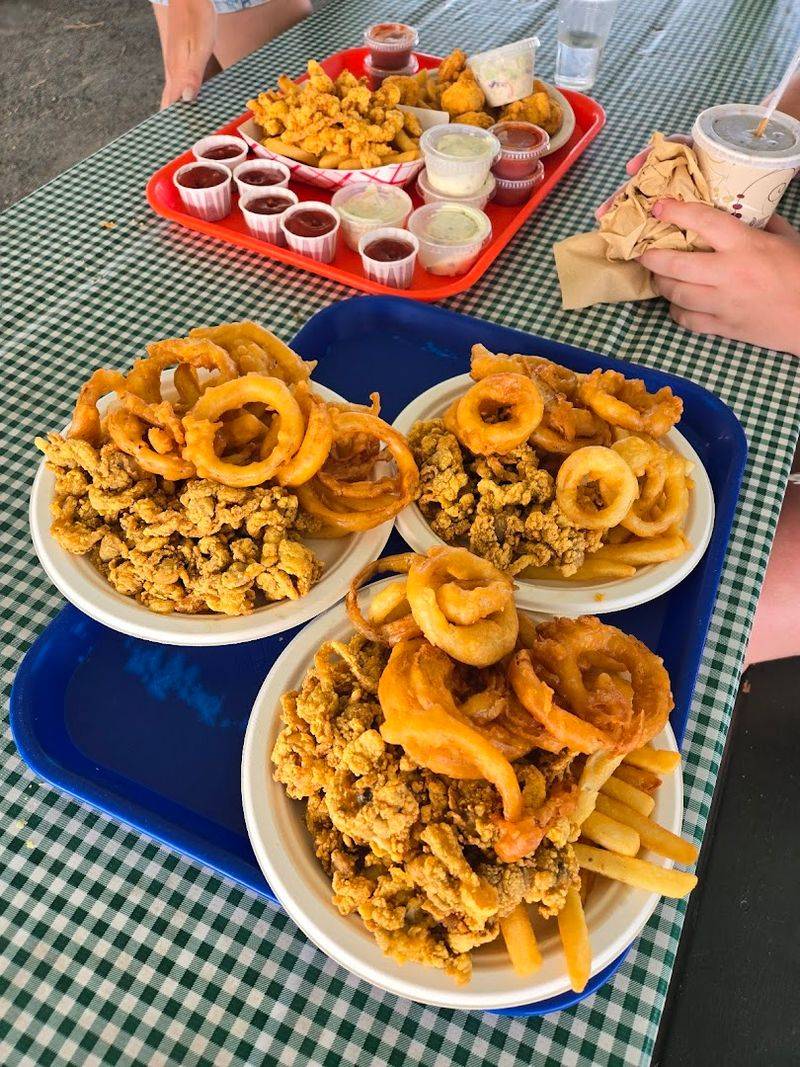
The fried clams on the menu today use whole belly clams, which are softer and more flavorful than strips. They are breaded in corn flour with no added seasonings, letting the natural taste of the clam carry the dish.
Multiple “Best of North Shore” Reader’s Choice awards have recognized these fried clams, including wins across several consecutive years. That kind of repeat recognition from local readers says something real about consistency.
Ordering fried clams here is not just eating a meal. It is participating in a piece of American food history that started over a century ago on this exact stretch of Massachusetts coastline.
The Counter-Service Setup That Works
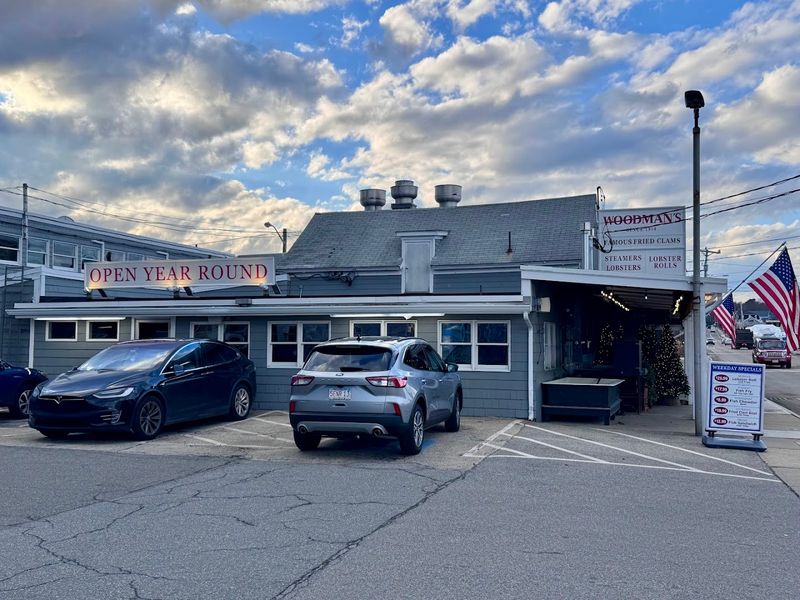
Counter service gets a bad reputation sometimes, but at Woodman’s it actually adds to the charm. Walk up, read the menu board, place the order, and find a seat while it is being prepared.
The pace is efficient without feeling rushed. Staff move quickly, and the system handles large volumes of customers without things falling apart.
That rhythm has been refined over decades of busy summer seasons and steady year-round traffic.
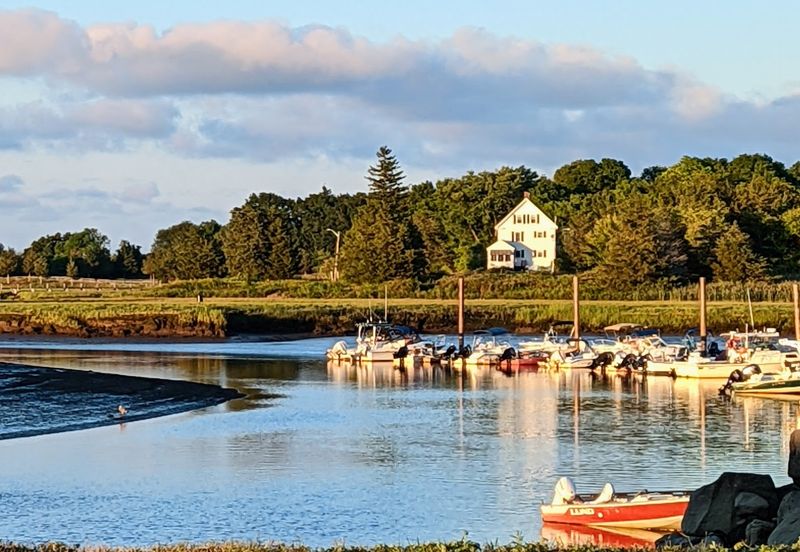
Seating options include both indoor and outdoor areas. The outdoor space offers views of the Essex River, which gives the meal a relaxed, coastal feel that is hard to manufacture in a conventional dining room.
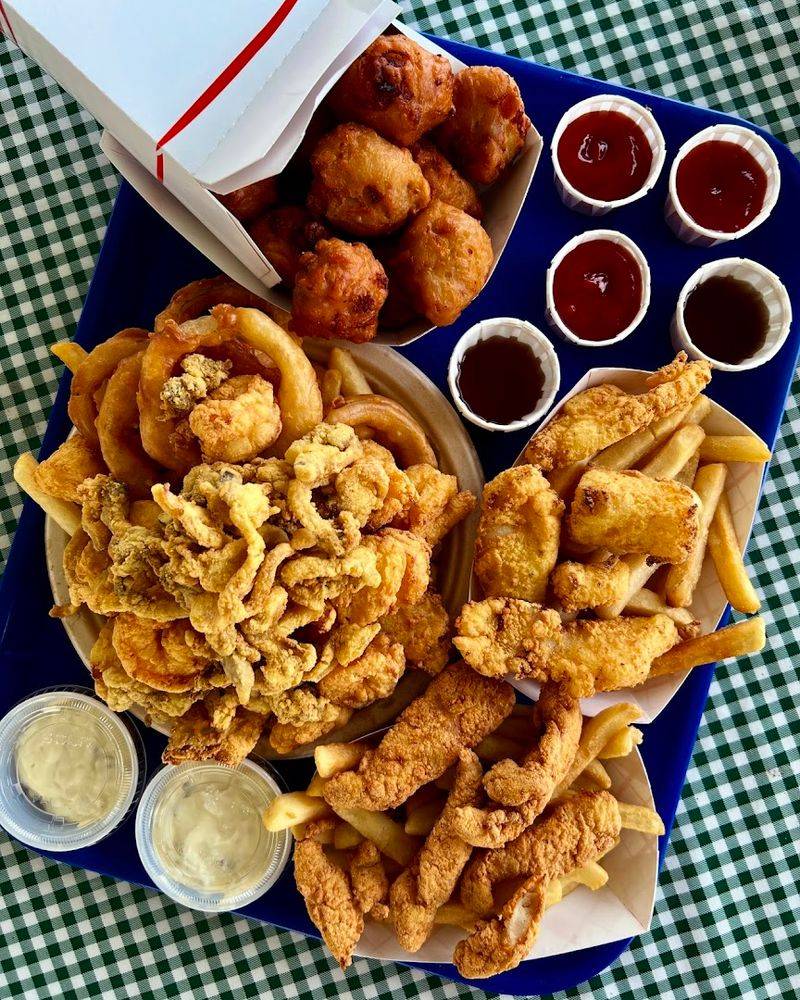
The portions are large and straightforward. Plates come with fries and onion rings, and the servings tend to be generous enough that finishing everything in one sitting can be a real challenge.
There is no dress code, no reservation system, and no pressure to perform. The whole setup encourages people to relax, eat well, and enjoy the kind of casual coastal meal that Massachusetts does better than almost anywhere else.
Gluten-Free Seafood Without The Compromise
Finding a seafood spot where gluten-free diners can eat freely and without worry is harder than it sounds. Woodman’s makes it simpler than most without trying to market it as a special feature.
Most of the menu is naturally gluten-free because the cooking approach relies on corn flour rather than wheat-based breading. The chowder skips thickeners entirely, which keeps it clean and accessible for people managing dietary restrictions.
This is not a recent adjustment made to keep up with trends. The recipes have been this way since the beginning.
The corn flour breading was chosen because it does not overpower the seafood, not because it happens to be gluten-free.
That distinction matters. When a recipe works on its own terms and also happens to accommodate dietary needs, the food tastes better and more genuine.
There is no sense of substitution or compromise on the plate.
For anyone who has navigated menus carefully at seafood restaurants only to find limited or modified options, Woodman’s offers a refreshing change of pace that feels natural rather than forced.
Awards That Actually Mean Something
Not every restaurant award reflects quality. Some are based on marketing budgets, and others come from obscure lists that nobody reads twice.
The recognition Woodman’s has received tells a different story.
Forbes FYI Magazine named Woodman’s among the best seafood destinations in America. The Massachusetts Restaurant Association inducted the restaurant into its Hall of Fame.
Zagat described it as a cult classic on par with baseball and apple pie.
Those are not local participation trophies. They reflect a sustained standard of quality that has held up across decades and through changing food culture.
The “Best of North Shore” Reader’s Choice awards add another layer. These come from the people who actually live in the region and eat at these restaurants regularly.
Winning those awards across multiple consecutive years is a sign of genuine community trust.
Recognition at this level does not happen by accident or through a single good season. It builds slowly, plate by plate, bowl by bowl, over years of consistent effort.
That is exactly what over a century of family ownership tends to produce.
The Lobster Roll Holds Its Own
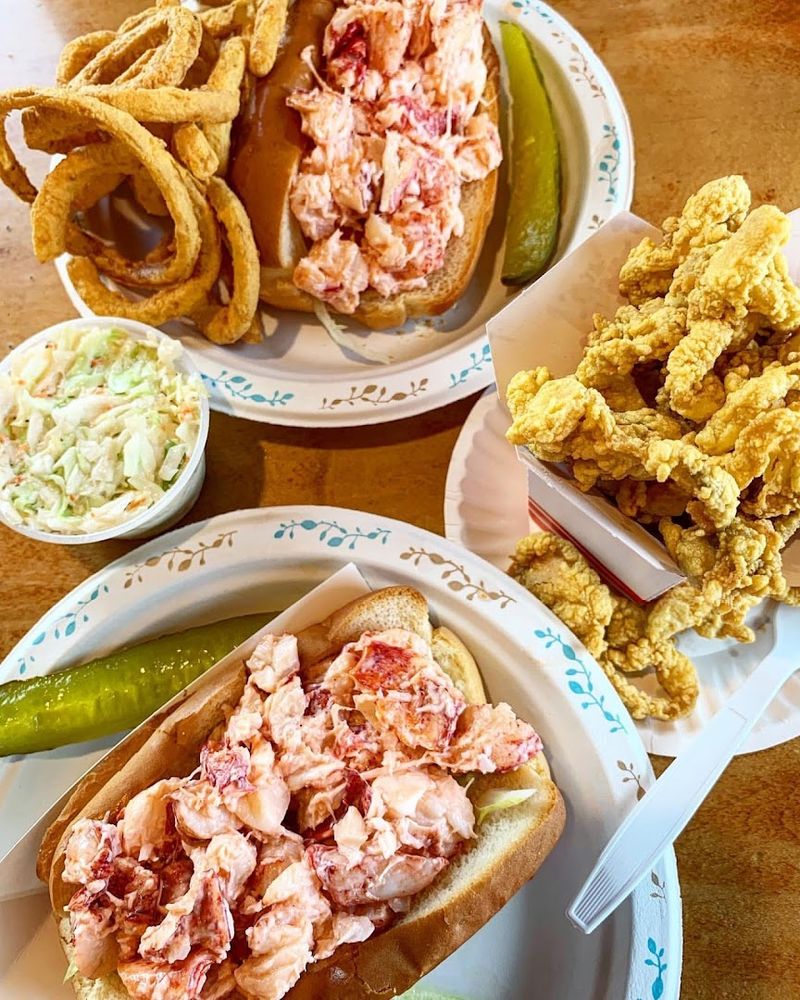
Chowder might be the headliner, but the lobster roll earns its place on the menu without any help from its famous neighbor. The serving is generous, and the lobster itself is the main event.
Woodman’s keeps the preparation simple. The meat is not buried under heavy sauces or mixed with too many additions.
The natural flavor of fresh lobster is the point, and the preparation respects that.
Visitors who prefer plain lobster without a lot of additional flavoring tend to respond well to this approach. Others who want more seasoning can adjust to their preference.
The roll itself is soft and toasted in a way that complements the filling without competing with it.
Portions are substantial. The amount of lobster meat in each roll reflects the restaurant’s general philosophy of giving people real value for what they order rather than padding the plate with filler.
Alongside the chowder, the lobster roll rounds out a meal that feels complete and satisfying. Both dishes together give a clear picture of why this particular stretch of the North Shore has drawn seafood lovers for generations.
Why Off-Season Visits Deserve More Attention
Summer at Woodman’s can draw long lines and busy parking lots. That is a sign of a place doing something right, but it is also worth knowing there is another way to experience it.
Visiting on a rainy weekday or during the off-season tends to mean shorter waits, a quieter atmosphere, and a more relaxed pace overall. The food quality holds steady regardless of season, since the kitchen operates on the same recipes year-round.
The restaurant stays open throughout the year, which is an advantage that not every seafood spot on the North Shore can claim. That consistency makes it easier to plan a visit without worrying about seasonal closures.
Off-season visits also allow more time to take in the surroundings. The Essex River views from the outdoor seating area feel different when the crowds thin out and the pace slows down.
The setting becomes easier to notice and appreciate.
Whether visiting in peak summer or on a quiet autumn afternoon, the experience at Woodman’s stays grounded in the same straightforward approach that has defined this place for over a hundred years.