Some restaurants get old. These ones get busier.
Michigan has dining rooms where grandparents once ordered dinner and their grandchildren now request the same table. The recipes stayed dependable.
The crowds kept showing up.
That kind of loyalty cannot survive on memories alone. Food still has to arrive hot, familiar, and good enough to restart the argument over who gets the last bite.
These restaurants have handled decades of changing tastes without chasing every passing craze. Chicken dinners, square pizza, German comfort food, pasta, seafood, and towering ice cream cones kept doing the heavy lifting.
Michigan diners know when a kitchen has earned its reputation. They return for birthdays, family outings, Sunday meals, and the occasional dinner that needs absolutely no excuse.
Pull up a chair. These longtime favorites have been filling tables for generations, and they clearly have no plans to surrender yours.
1. Zehnder’s Of Frankenmuth
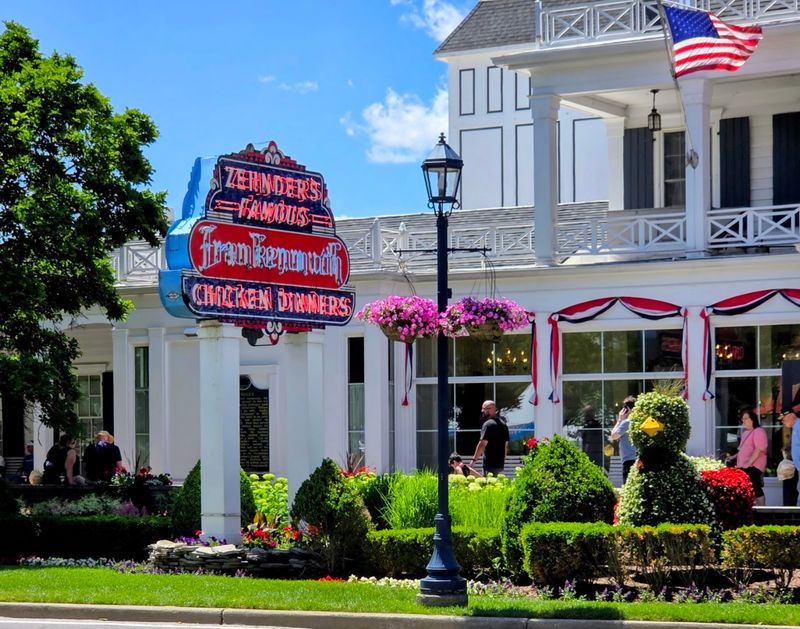
You do not serve chicken dinners for generations without learning something about hungry families. This Frankenmuth site has welcomed diners since 1856, while Zehnder’s began serving guests there in 1929.
People still arrive ready for seconds.
Family-style chicken dinners became the signature attraction over time. Diners receive generous portions alongside mashed potatoes, stuffing, vegetables, and freshly baked bread.
The restaurant can seat big numbers of guests throughout several dining rooms. That scale places it among the largest restaurants operating in the United States.
You can find Zehnder’s at 730 S. Main St. in Frankenmuth.
Its Bavarian-inspired exterior suits the town’s strong connection to German heritage.
The Zehnder family has guided the business through several generations. Longtime ownership helped preserve the recipes and dining traditions regular customers expect.
Frankenmuth attracts travelers throughout the year, and this restaurant plays a major role in many visits. Families often build an entire outing around the famous chicken dinner.
Serving such large crowds requires impressive coordination between the kitchen and dining rooms. Somehow, every plate still carries the comforting character of a family meal.
Michigan has watched trends arrive, disappear, and return wearing new names. Zehnder’s keeps serving chicken with the calm confidence of a restaurant that already won the argument.
2. Sleder’s Family Tavern
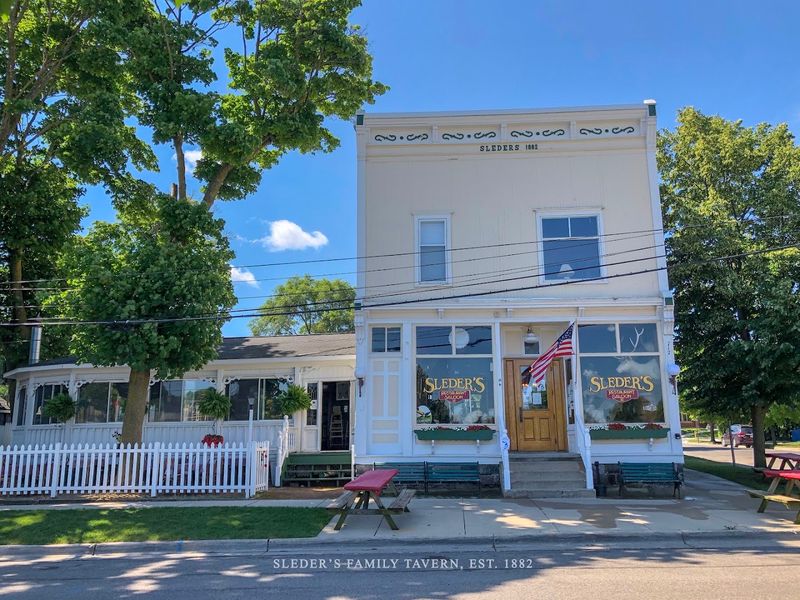
Ordering a burger here comes with more history than you might expect. Traverse City families have gathered around these tables since 1882, often bringing younger generations back with them.
The building has preserved many details from its earlier years. Original character gives the dining room a stronger identity than any modern redesign could imitate.
Classic American comfort food guides the menu through burgers, sandwiches, and homestyle entrées. Familiar choices arrive with the dependable preparation longtime diners expect.
Pasties also connect the restaurant with Michigan’s Upper Peninsula traditions. Meat and vegetables fill the pastry, creating a hearty meal with deep regional roots.
Mounted animal heads throughout the interior add another memorable detail. The collection has become part of the tavern’s identity instead of simple decoration.
You can find Sleder’s at 717 Randolph St. in Traverse City. The location sits near downtown and within easy reach of the waterfront.
Surviving more than a century requires loyal customers and steady cooking. Sleder’s has carried both through changing tastes, growing tourism, and countless lunch rushes.
Michigan has watched this restaurant serve several generations from the same historic building. Any place that survived two world wars can probably handle your burger order.
3. Gandy Dancer
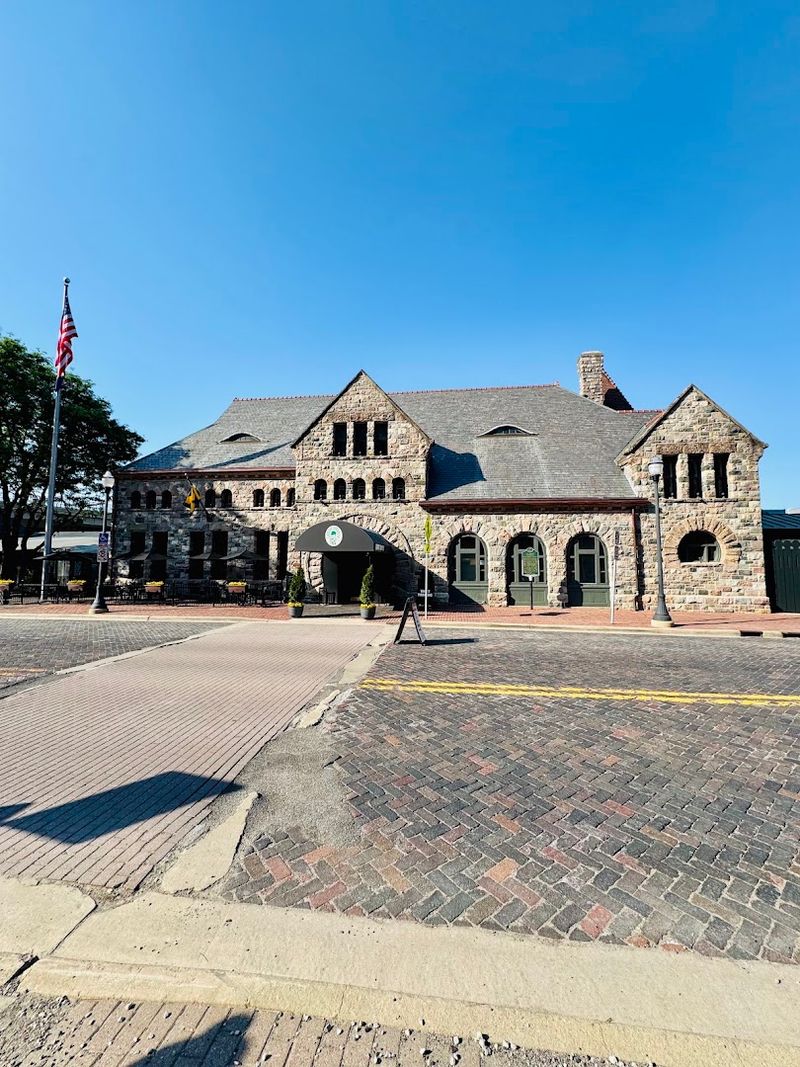
This restaurant occupies Ann Arbor’s former Michigan Central Railroad station.
Built in 1886, the depot retains stained glass, vaulted ceilings, and substantial woodwork. Those architectural details give dinner a setting few modern buildings could reproduce.
The restaurant opened in 1970 and later joined the Landry’s restaurant group. Its unusual name comes from railroad slang for workers who maintained tracks by hand.
Seafood leads the menu through fish, shrimp, and lobster bisque. Steaks provide another familiar choice for diners arriving with different cravings.
You can find Gandy Dancer at 401 Depot St. in Ann Arbor. The historic structure sits close enough to active tracks for trains to occasionally reinforce the theme.
Sunday brunch has also become a popular part of the restaurant’s identity. Guests receive another excuse to admire the building before the day gains momentum.
Michigan has preserved many pieces of railroad history, but few arrive with dinner service. Here, the depot performs a second career without pretending its first one never happened.
More than fifty years after opening, Gandy Dancer still draws diners through those station doors. Apparently, retiring from rail service left plenty of room for seafood.
4. The Whitney
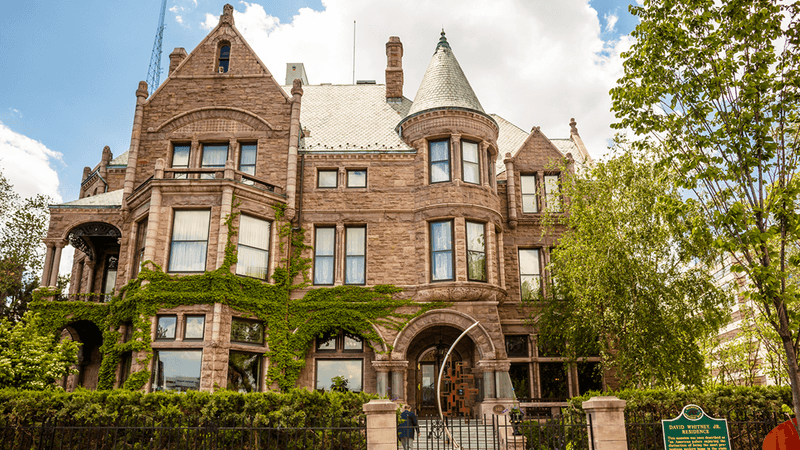
You do not need a mansion to make dinner special, but it certainly helps. This grand Detroit home dates to 1894 and gives an ordinary reservation some extra ceremony.
Built in 1894 for lumber businessman David Whitney Jr., the residence contains 52 rooms. Pink Medina limestone gives the exterior its instantly recognizable appearance.
Construction reportedly cost about $400,000, an extraordinary figure for that era. The expense becomes easier to understand once you see the scale inside.
The restaurant opened in 1986 and built its identity around refined American cooking. French-inspired techniques appear throughout a menu featuring steaks, lamb, and seafood preparations.
You can find The Whitney at 4421 Woodward Ave. in Detroit. Dining rooms occupy several floors, giving different visits their own architectural backdrop.
Original fireplaces, carved woodwork, and stained-glass windows preserve important pieces of the residence. The building also appears on the National Register of Historic Places.
Michigan diners have celebrated birthdays, anniversaries, and other milestones here for decades. The mansion gives those meals enough ceremony without requiring anyone to inherit a lumber fortune.
Many historic homes ask visitors to admire the furniture and keep moving. The Whitney adds dinner, which is a considerably stronger argument for staying awhile.
5. Metzger’s German Restaurant
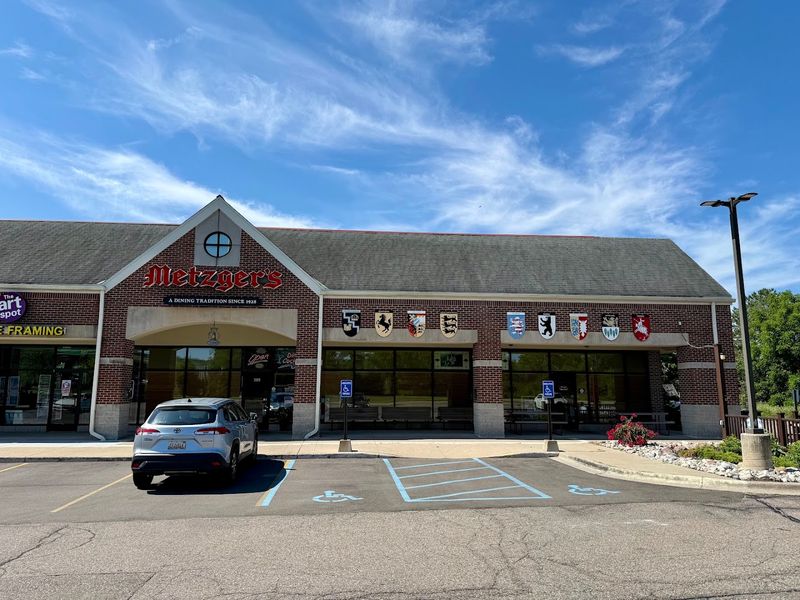
This restaurant has kept Ann Arbor supplied with schnitzel, spaetzle, and serious German comfort since 1928. Nearly a century later, the kitchen still speaks fluent tradition.
The menu draws on recipes associated with Germany and the families who brought them to Michigan. Wiener schnitzel, sauerbraten, German potato salad, and red cabbage lead the familiar lineup.
Those dishes depend on patient preparation instead of flashy presentation. Slow-cooked meats, rich sauces, and sturdy sides deliver the kind of meal that refuses to leave anyone guessing.
You can find Metzger’s at 305 N. Zeeb Road in Ann Arbor.
The restaurant moved from its original downtown location in the 1990s, but its culinary identity traveled with it.
Several generations of the Metzger family operated the business before later ownership changes. The recipes and welcoming character continued through that transition.
House-made soups and baked goods add another layer to the experience. They also make ordering a single sensible plate considerably harder than planned.
Michigan’s German-American history runs through communities, festivals, bakeries, and longtime restaurants. Metzger’s translates part of that heritage into meals you can understand without opening a history book.
Restaurants approaching their hundredth birthday earn the right to ignore passing trends. Metzger’s lets the sauerbraten answer instead, and it has had decades to perfect the reply.
6. Buddy’s Pizza
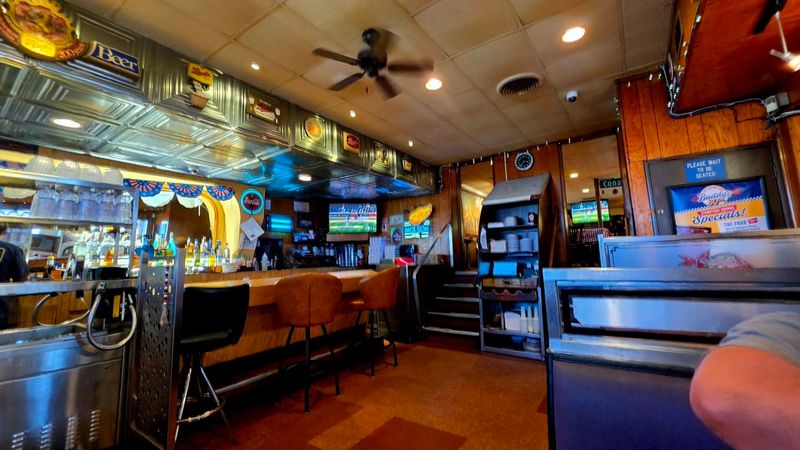
You probably know Detroit-style pizza, even if you have never eaten it in Detroit. This original location has served square pies with crisp, cheesy edges since 1946.
The square pies developed inside blue steel pans associated with Detroit’s automotive industry. Those pans helped create the crisp, caramelized edges diners now recognize instantly.
Cheese reaches every corner before the sauce lands in stripes across the top. That unusual order protects the crust while giving each slice its signature appearance.
Pepperoni often rests beneath the cheese, adding flavor throughout the pie instead of decorating only the surface. Each bite carries plenty of evidence.
You can find the original Buddy’s at 17125 Conant St. in Detroit. The building has welcomed pizza fans since the style was still a neighborhood specialty.
Additional Michigan locations eventually followed, carrying the square pie far beyond its first dining room. The original restaurant, however, keeps the strongest connection to Buddy’s early story.
Detroit-style pizza has since appeared on menus throughout the country. Crispy corners that once belonged to one local kitchen now inspire pizzerias hundreds of miles away.
Trends may argue over thin crust, folded slices, and fashionable toppings. Buddy’s simply brings out another square and lets the edges handle the rebuttal.
7. House Of Flavors
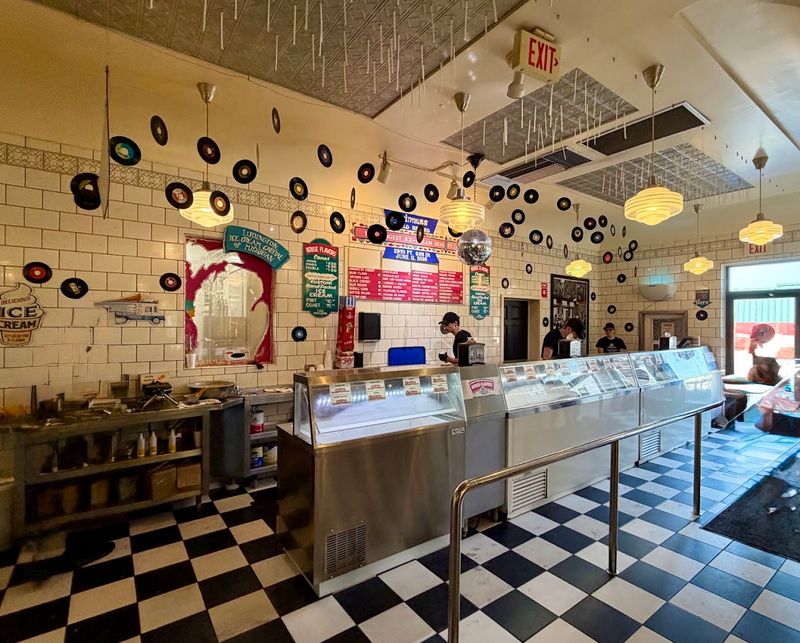
House Of Flavors built a restaurant around ice cream and somehow made the idea even bigger. Ludington has enjoyed the results since 1948.
Its own manufacturing operation produces the frozen treats served inside. That direct connection gives every scoop a stronger claim than anything arriving from a distant supplier.
The company behind the restaurant has developed thousands of ice cream recipes over the decades.
Seasonal changes keep the display interesting, even for regulars who already have a dependable favorite.
Ice cream may lead the conversation, but the menu reaches beyond cones and sundaes. Breakfast plates, burgers, sandwiches, and other diner classics make this a full meal stop.
You can find House Of Flavors at 402 W. Ludington Ave. in Ludington.
Its location places it near the center of a Lake Michigan town popular with summer travelers.
Local families and returning visitors have kept the dining room busy for generations. Plenty arrive for lunch and discover dessert has quietly taken control of the schedule.
Michigan has many classic ice cream shops, but producing the goods under the same roof adds another layer. You can taste the restaurant’s main attraction without wondering where it came from.
House Of Flavors has spent decades proving adulthood does not cancel dessert privileges. Sometimes the most responsible decision is ordering the cone before anyone changes the subject.
8. Sindbad’s Restaurant And Marina
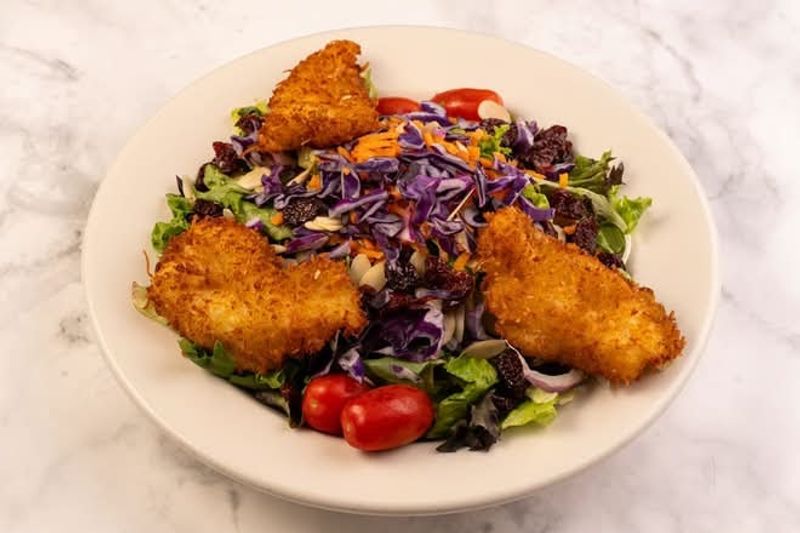
Sindbad’s gives Detroit diners a waterfront seat where freighters provide the moving scenery. The restaurant has occupied this riverfront setting since 1949.
Windows overlook the Detroit River, passing boats, and the Canadian shoreline. Even a quiet meal can gain an unexpectedly dramatic background.
Seafood has guided the menu through decades of service. Great Lakes fish, shrimp, clam chowder, and steaks give different appetites plenty to discuss.
Perch carries an especially strong Michigan connection. Its regular appearance helps the restaurant retain a regional identity beyond its river views.
You can find Sindbad’s at 100 St. Clair St. in Detroit. The location sits east of downtown near Belle Isle and directly beside the restaurant’s marina.
Boaters can secure a slip and walk directly to the dining room. Most restaurants ask where you parked, while Sindbad’s may require a description of your boat.
The Blancke family continues the tradition established by the original founders. Generations of customers have watched the waterfront change while the restaurant kept serving familiar favorites.
Sindbad’s has survived shifting trends and major changes along Detroit’s riverfront. Seventy-plus years later, the kitchen still competes successfully with the freighters for your attention.
9. Roman Village Cucina Italiana
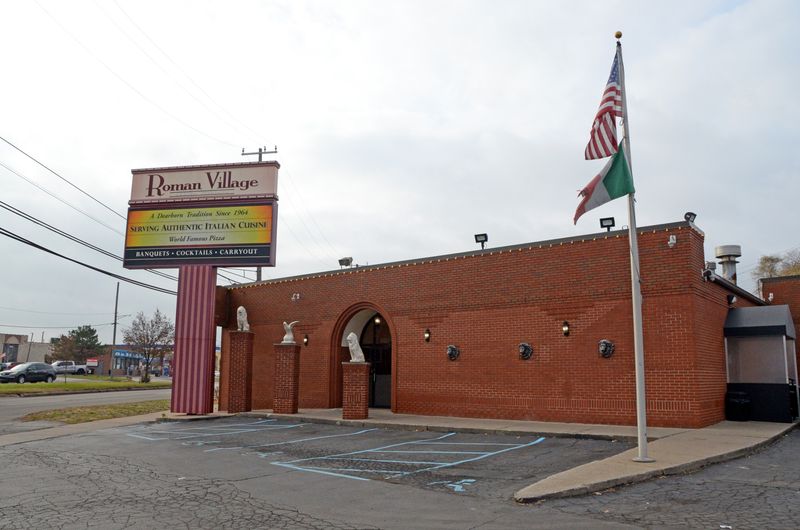
Roman Village has kept Dearborn supplied with red sauce, pasta, and dependable Italian comfort for generations. Trends can wait outside.
The restaurant opened in 1964 and grew into a longtime neighborhood favorite. Its menu still centers on familiar Italian-American recipes served in generous portions.
House-made pasta gives many dishes their foundation. Lasagna, ravioli, chicken Parmesan, and veal specialties provide plenty of reasons to loosen your schedule.
Warm bread also has a devoted following among returning diners. It often reaches the table before anyone has made a responsible menu decision.
You can find Roman Village at 9924 Dix Ave. in Dearborn. The restaurant remains closely connected to the Rugiero family, which built the business over several generations.
That family history shows in the recipes and steady hospitality. Regulars return knowing their favorite plate has not been redesigned for social media.
Dearborn’s dining scene includes cuisines from many parts of the world. Roman Village has kept its position by serving the Italian dishes local families already trust.
Decades of full tables cannot be credited to nostalgia alone. The food still needs to deliver when the Parmesan lands and the forks begin moving.
Roman Village has survived long enough to watch countless dining trends cycle through Michigan. Its lasagna appears perfectly happy ignoring every one of them.
10. Giovanni’s Ristorante
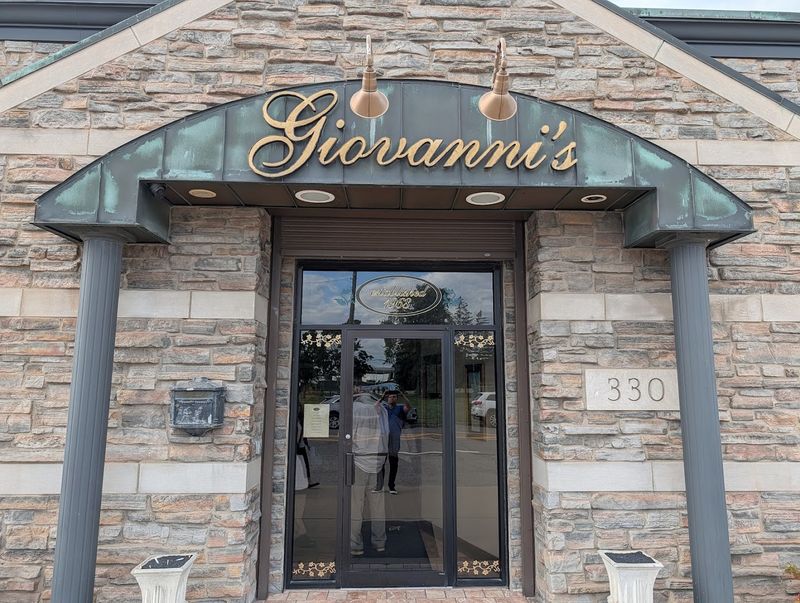
Detroit Italian cooking has enough confidence to ignore every passing menu craze.
This restaurant opened in 1968. Its roots trace to Frances and Antonio Rugiero, whose family recipes shaped the kitchen.
Traditional methods still guide the pasta, sauces, and carefully prepared entrées.
House-made pasta forms the backbone of many meals. Veal dishes, fresh fish, and classic sauces give regulars plenty of familiar reasons to return.
The dining room adds a sense of occasion without distracting from the plates. Birthdays, anniversaries, and family dinners have filled its tables for generations.
You can find Giovanni’s at 330 S. Oakwood Blvd. in Detroit.
The restaurant has stayed at that address while the surrounding neighborhood changed dramatically.
That geographic loyalty gives the business a strong connection to southwest Detroit. Diners often return with relatives who first visited decades earlier.
Consistency has played a major role in its longevity. Recipes are not reshaped every season simply to chase whatever happens to be fashionable.
Michigan has watched countless restaurants open with grand plans and disappear quietly. Giovanni’s kept cooking, serving, and building trust one plate at a time.
More than five decades later, the pasta still carries the argument. Some kitchens chase attention, while Giovanni’s lets dinner do the talking.