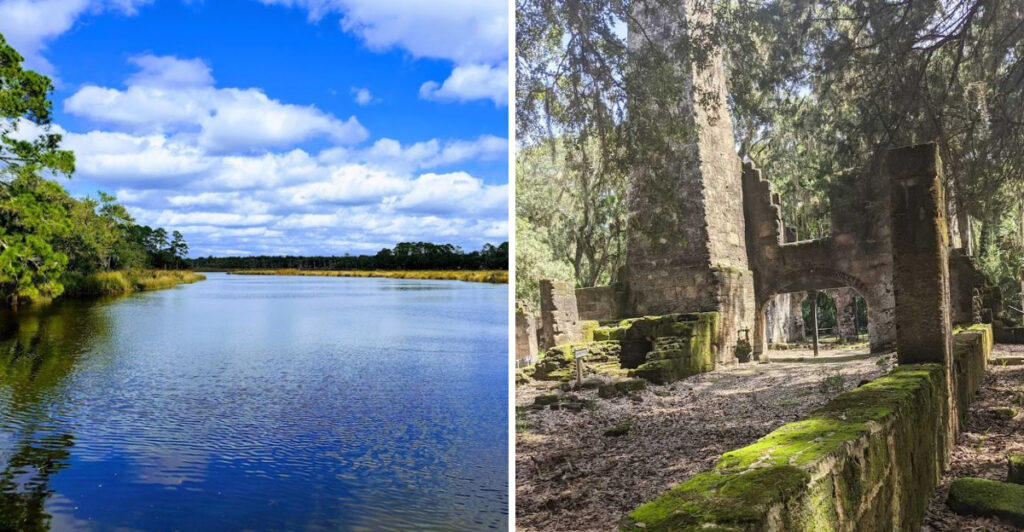
Most people walking this Florida trail are thinking about the trees, the Spanish moss, the sound of the creek running somewhere nearby.
Nobody is thinking about what is waiting at the end, because nothing about the path suggests that 200-year-old coquina walls are about to rise out of the forest floor.
This State Park holds one of Florida’s most layered and haunting stories: a sugarcane empire burned to the ground in 1836, never rebuilt, slowly swallowed by the same land it once dominated.
The ruins stayed. Everything else disappeared.
Florida rewards the visitors who wander off the obvious path, and this one delivers something that beaches and theme parks simply cannot: real history, real wilderness, and a silence that feels earned.
The Plantation That Once Ruled East Florida
Before the ruins, before the silence, this land was one of the most productive agricultural estates in all of territorial Florida. Major Charles Wilhelm Bulow acquired roughly 4,675 acres in 1821, carving an empire out of dense coastal hammock.
At its peak, the plantation grew sugarcane, cotton, rice, and indigo. The operation included a 2.5-story main house, a working sugar mill, a sawmill, cotton gins, and dozens of other structures spread across the sprawling property.
The enslaved workforce that made it all possible numbered somewhere between 150 and 400 individuals, a staggering figure that underscores just how brutal and large-scale this operation truly was.
After the major passed away in 1823, his teenage son inherited the entire estate and continued expanding it.
At the time, Bulowville was a name that carried real weight in Florida. Today, that weight feels different, heavier, and more complicated, which is exactly what makes this place worth understanding.
Coquina Walls That Refused To Disappear
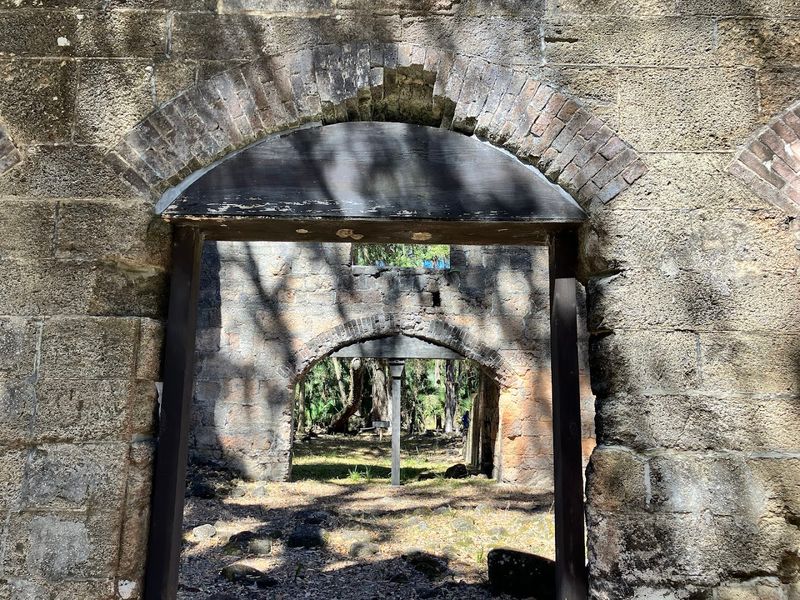
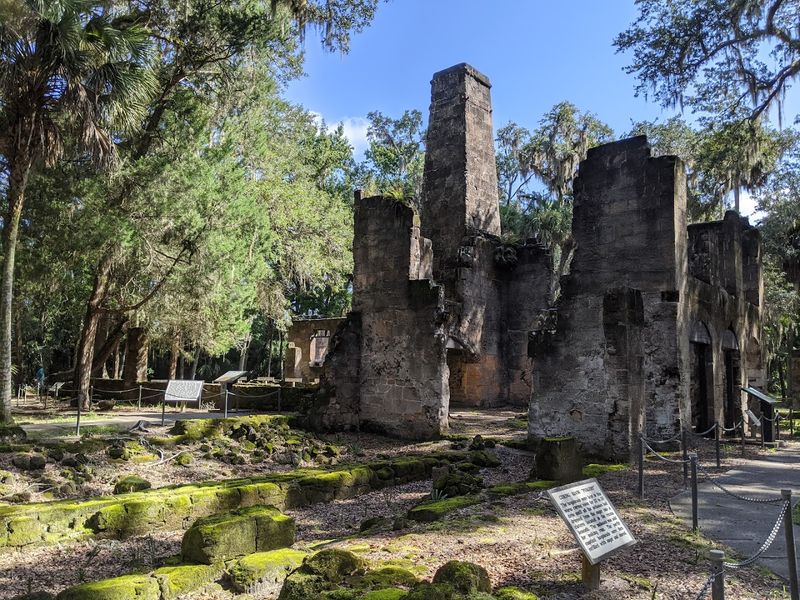
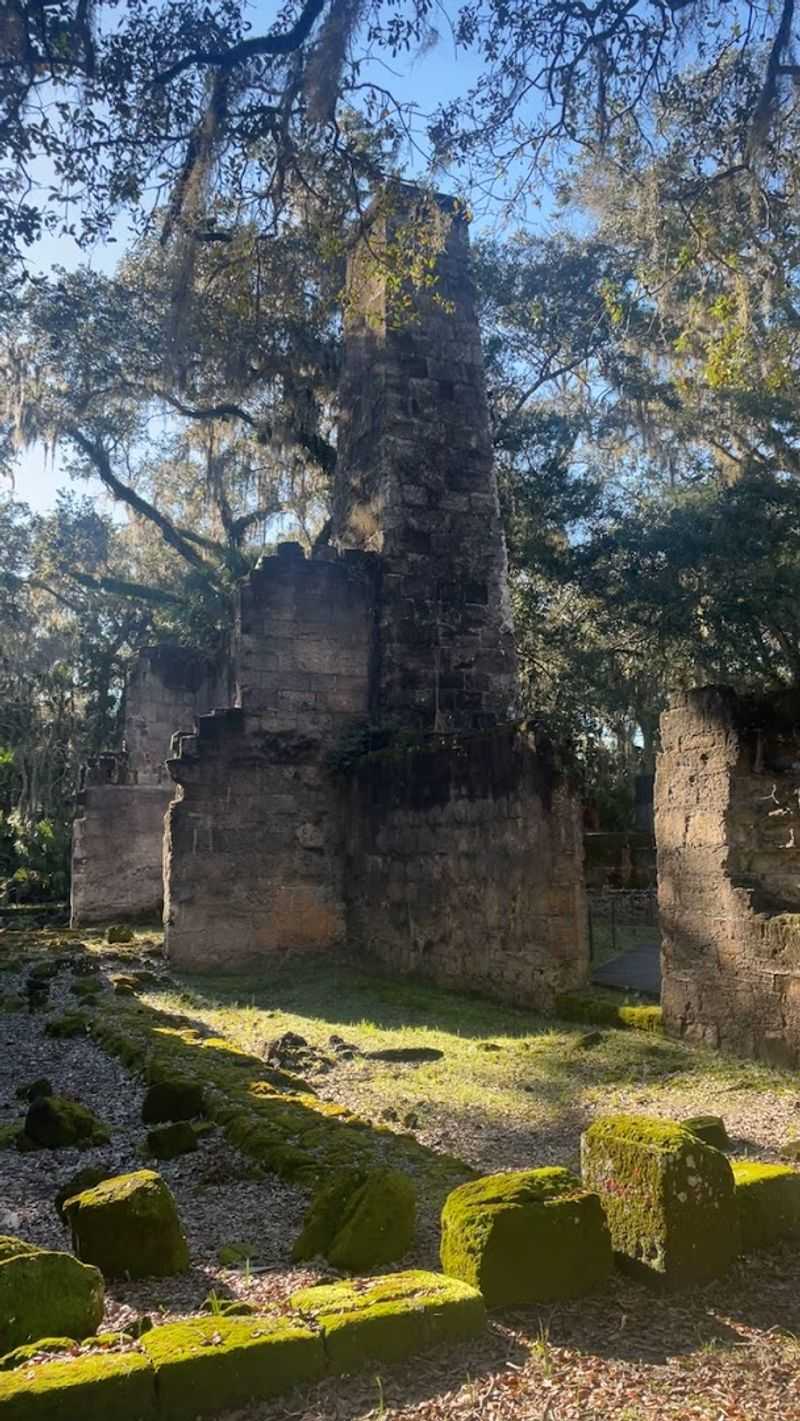
Coquina is a soft, shell-based limestone found along Florida’s coast, and the builders of Bulowville used it to construct the sugar mill that still stands today. That choice turned out to be surprisingly durable.
The walls of the sugar mill are the most dramatic feature at the park. They rise well above a visitor’s head, pocked and weathered, with vegetation creeping through every crack.
Standing beside them, it is easy to picture how massive and industrial this facility must have felt in the 1830s.
The sugar mill ruins are listed on the National Register of Historic Places, which gives them an official layer of recognition beyond the state park designation.
Interpretive signs nearby explain how sugarcane was processed, from cutting in the fields to boiling in the mill, a process made grueling by the Florida heat.
These walls survived fire, time, and Florida humidity. They are not going anywhere, and they seem to know it.
The Second Seminole War Ended It All
January 1836 changed everything. As tensions from the Second Seminole War escalated across the Florida territory, plantation owners in the region began abandoning their properties out of fear.
John Bulow and neighboring settlers fled the area, and Seminole warriors burned Bulowville to the ground shortly after. The main house, the cabins, the outbuildings, nearly everything was reduced to ash and rubble.
What the fire could not destroy were the coquina walls of the sugar mill, which is why those walls still stand today.
The Second Seminole War lasted from 1835 to 1842 and was one of the longest and most costly conflicts between the U.S. government and Indigenous peoples in American history. For Bulowville, the war was the final chapter.
The plantation was never rebuilt. The land grew over it, slowly swallowing the foundations and the wells, turning one of Florida’s grandest estates into something that looks, and feels, like a ghost town.
The Trail That Hides Its Surprise Until The End
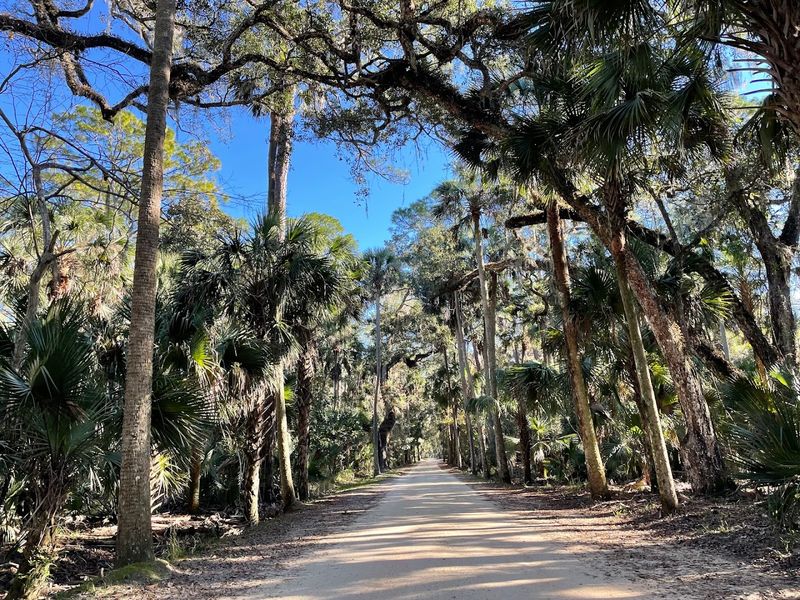
Most visitors who pull into Bulow Plantation Ruins Historic State Park at 3501 Old Kings Rd, Flagler Beach, FL 32136, start with the short walking trail from the picnic area to the sugar mill ruins. It is only about 0.3 miles, but the setting makes it feel like a journey.
The path winds through a coastal hammock, shaded by large live oaks draped with Spanish moss. The air smells like damp earth and pine.
It is quiet in the way that only genuinely remote places can be quiet, even though the park is actually close to Flagler Beach and other popular spots.
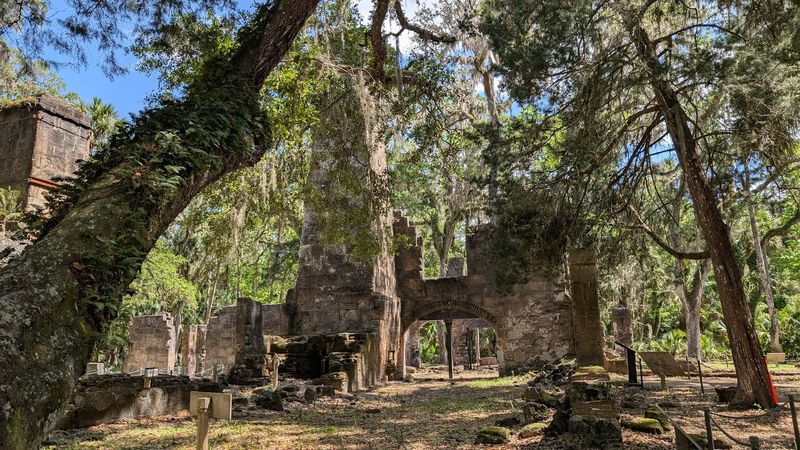
Then the trees open up, and the ruins appear. The effect is genuinely startling for first-time visitors.
One moment there is forest, and the next there are towering stone walls rising out of the ground like something from another century, because they are.
The trail does not just lead to ruins. It leads to a moment of real surprise that most people never saw coming.
The 6.8-Mile Trail To Bulow Creek State Park
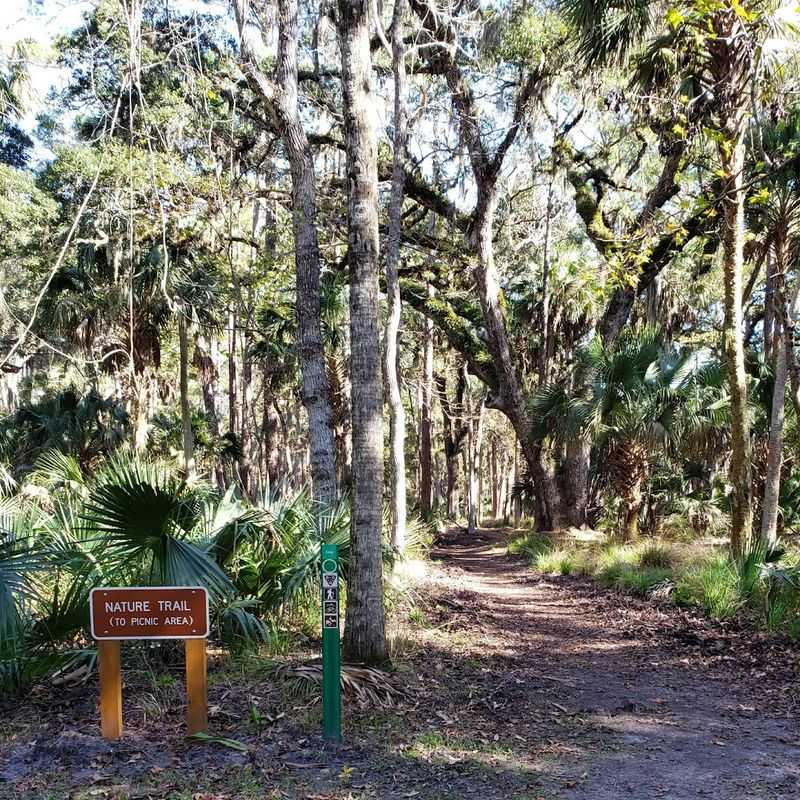
For hikers who want more than a short stroll, the Bulow Woods Trail offers a serious adventure. This 6.8-mile route connects Bulow Plantation Ruins Historic State Park with Bulow Creek State Park, passing through some of the most undisturbed coastal hammock terrain in the region.
The trail starts near the famous Fairchild Oak, a massive ancient tree that has been standing long before any plantation existed on this land. The path follows Bulow Creek for much of the route, offering views of tidal water, wildlife, and dense subtropical forest.
Hikers should come prepared. Florida humidity can be intense, especially once the sun climbs high.
Bringing water, sunscreen, and bug repellent is genuinely important, not just a suggestion.
The trail has been closed at times due to storm damage, so checking conditions before visiting is a smart move.
For those who make the full trek, the reward is a rare feeling: real wilderness, real history, and real Florida all rolled into one long, satisfying walk.
Slave Cabins And The History That Demands Attention
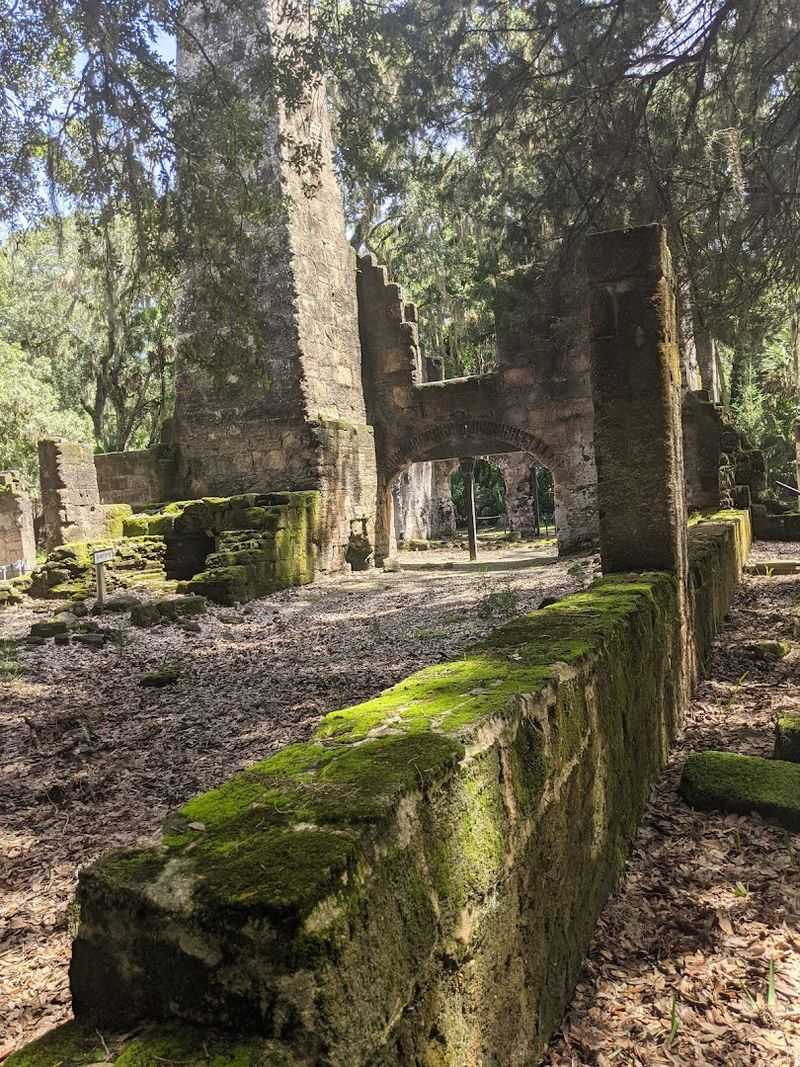
Beyond the sugar mill, a smaller trail leads to the remains of the slave quarters, a tucked-away section of the park that is easy to miss but deeply important to seek out.
The tabby foundations of the cabins are still visible, low against the ground, partially swallowed by vegetation.
At its peak, the plantation housed somewhere between 150 and 400 enslaved people in approximately 46 cabins.
These were the people who actually built Bulowville, who cut the cane, worked the mill, and kept the entire operation running under brutal conditions in the Florida heat.
The park does not shy away from this history. Interpretive signs and an outdoor museum feature artifacts and accounts that place the enslaved workforce at the center of the plantation’s story, where they belong.
It is a sobering section of the visit, and it should be. Skipping this part of the park means missing the most honest and human layer of the entire site.
Kayaking And Canoeing On Bulow Creek
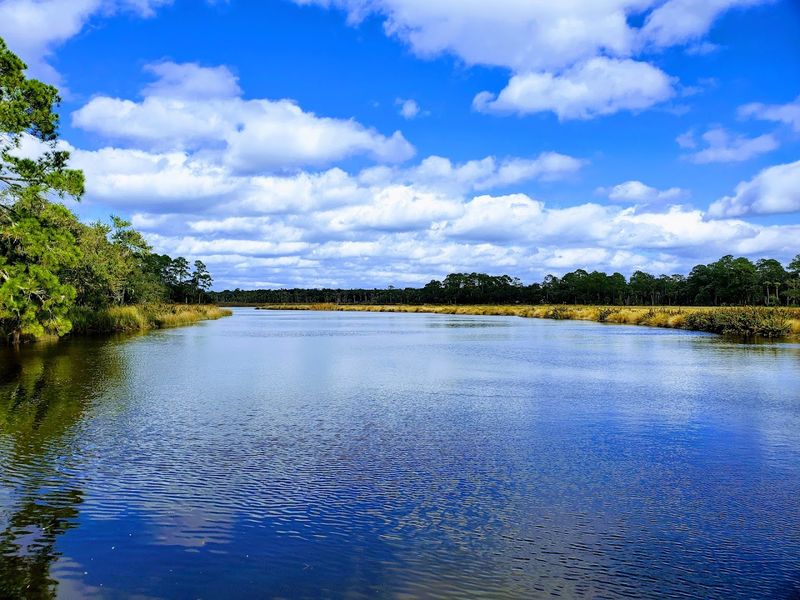
Not every visit to this park has to be about ruins and history. Bulow Creek offers a completely different kind of experience, one that floats quietly through some of Florida’s most beautiful tidal waterway scenery.
The park features a boat ramp and a canoe trail on Bulow Creek, making it a favorite launch point for kayakers and canoeists exploring the area. The creek winds through coastal hammock and tidal marsh, offering a perspective on the landscape that you simply cannot get on foot.
Wildlife sightings along the creek are common. Wading birds, turtles, and the occasional alligator share the water with paddlers, which is both thrilling and a good reminder to keep a respectful distance.
The creek is calm and manageable for most skill levels, though conditions can change with tides.
Paddling out from the same land where a plantation once thrived adds a quiet, reflective quality to the experience that is hard to describe but easy to feel once you are out on the water.
The Outdoor Museum And Artifact Displays
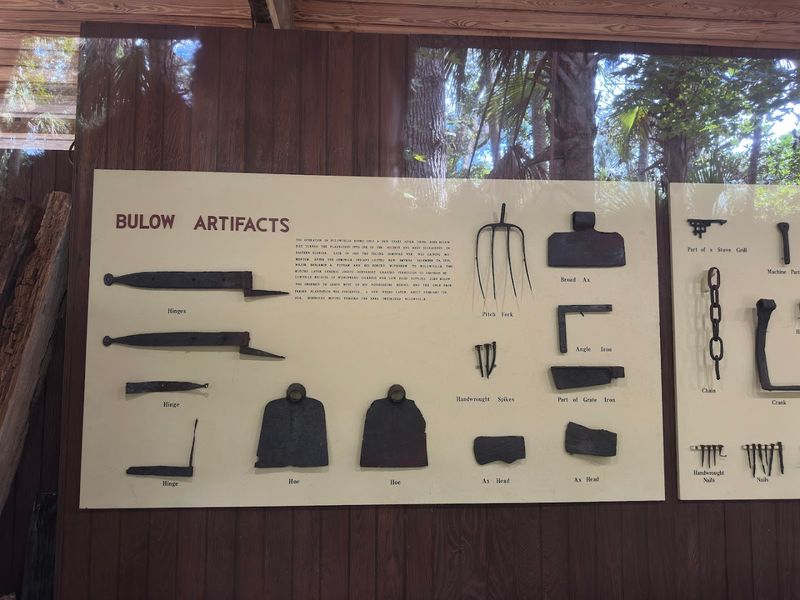
History is easier to absorb when you can see it up close, and the outdoor museum at this park does a solid job of making that happen. The exhibit area features artifacts recovered from the plantation site, including tools, household items, and materials related to sugar production.
Everything is carefully preserved behind glass, which keeps the collection in good condition despite being outdoors in the Florida climate.
Informational plaques accompany the displays, explaining what each item was used for and how it connects to life on the plantation in the early 1800s.
The signage explaining the sugar-making process is particularly interesting. From harvesting the cane to boiling it down in the mill, the steps involved were physically demanding and technically complex, especially given the era and the tools available.
Visitors often spend more time at these displays than they expected to.
For anyone who enjoys hands-on history that goes beyond just looking at old walls, this section of the park adds real educational depth to the visit.
The Spring House And Its Quiet Mystery
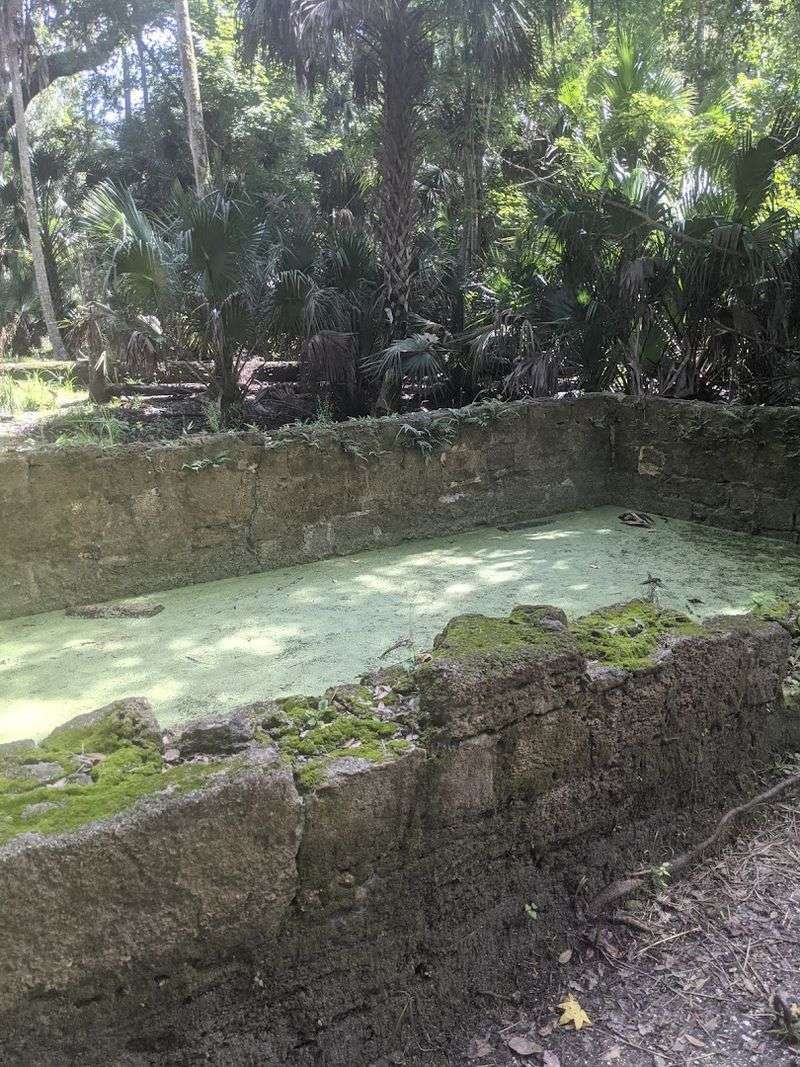
One of the more unusual features of the park is the spring house, a small structure that once served a very practical purpose on the plantation. Before refrigeration existed, spring houses were built over natural springs to keep food and dairy products cool using the naturally cold water.
A short trail leads from the main ruins area to the spring house site, and it is the kind of detour that rewards curiosity. The structure is quiet and partially reclaimed by vegetation, sitting in a shaded corner of the park that most casual visitors never reach.
Finding it feels like discovering something private, a small secret the park keeps for those willing to wander a little further.
The spring house is not the dramatic centerpiece that the sugar mill is, but it adds texture and dimension to the overall story of how daily life on this plantation actually functioned.
Small details like this one are what separate a memorable park visit from a forgettable one.
Ghost Town Rumors And The Atmosphere That Feeds Them
Some places carry a certain weight in the air, and Bulow Plantation Ruins is one of them. The combination of violent history, total destruction, and decades of slow reclamation by nature creates an atmosphere that many visitors describe as genuinely unsettling in a quiet, thoughtful way.
Over the years, stories have circulated about unusual experiences at the site. Visitors have reported things like unexplained cold spots, shadowy shapes at the edges of vision, and orbs appearing in photographs taken near the ruins.
Whether any of that is real or imagined, the stories have taken on a life of their own.
Some accounts reference a supposed Seminole curse connected to the destruction of the plantation, though this is more legend than documented history.
What is real is that the ruins feel heavy with the past in a way that is hard to shake once you have walked through them.
Ghost town is not just a casual label here. It is the most accurate description available.
Picnic Areas, Shade, And The Slower Side Of The Park
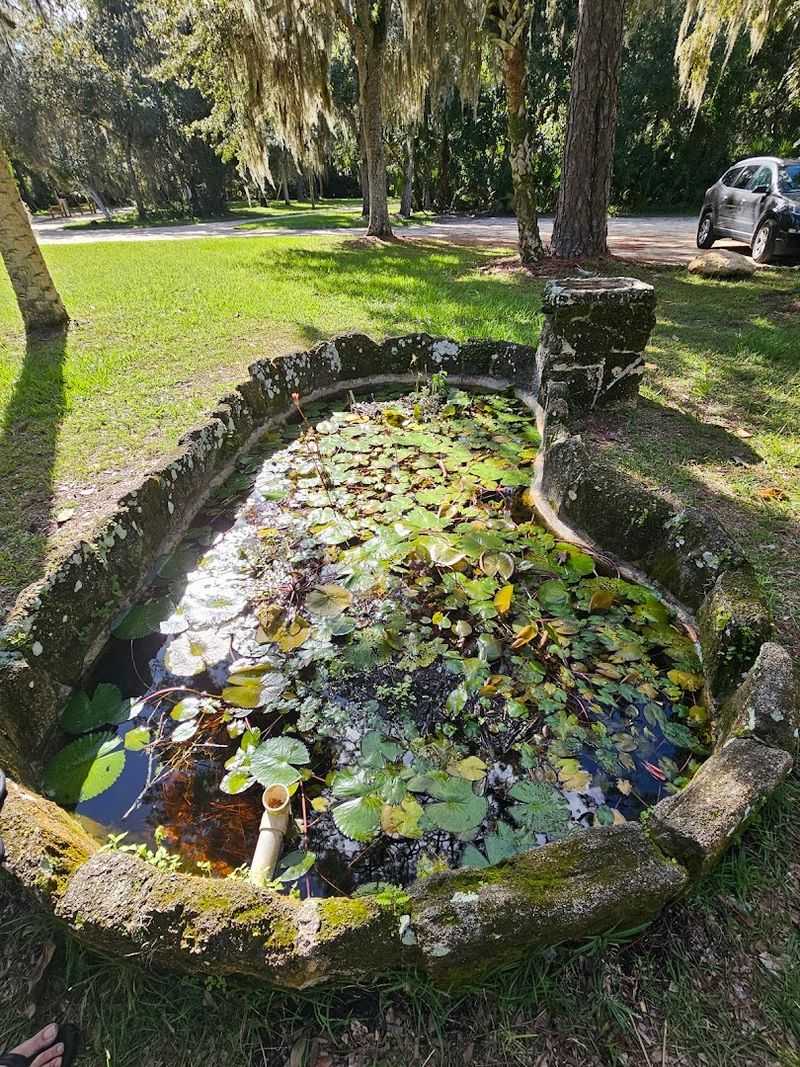
Not every visitor comes to Bulow Plantation Ruins Historic State Park for the history. Some come because it is a genuinely beautiful place to slow down for a few hours, and the park accommodates that perfectly.
Shaded picnic areas are spread through the park, tucked under large live oaks that keep things cool even on warmer Florida days.
The setting feels miles away from the busy beach towns nearby, even though the drive from Flagler Beach is short. Restrooms are available at both the northern and southern sections of the park.
The park also has a fishing dock where visitors have been spotted casting lines into Bulow Creek. It is a low-key activity that fits the park’s unhurried pace.
Dogs are welcome on leash, which makes it a popular choice for visitors traveling with pets.
For families, couples, or solo travelers looking for a place that offers both nature and history without feeling overwhelming, this park lands in a comfortable sweet spot that is hard to beat.
Practical Things To Know Before You Go
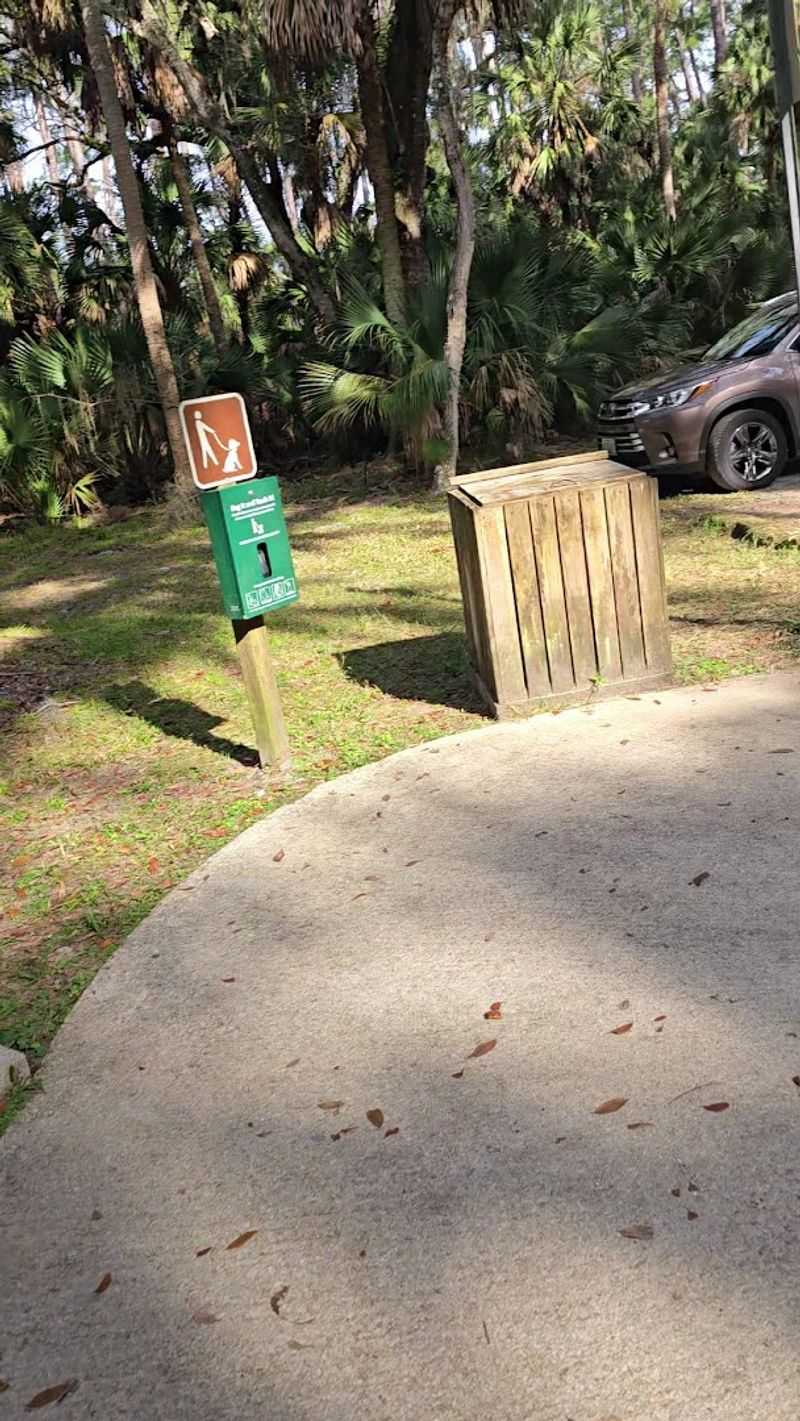
Visiting Bulow Plantation Ruins Historic State Park is straightforward, but a few practical details can make the trip go more smoothly.
The park charges a small entrance fee, collected via an honor system box at the entrance. Bringing exact cash is helpful, though a QR code option for online payment is also available.
The park is open Thursday through Monday and is closed on Tuesdays and Wednesdays, so planning around that schedule matters.
Arriving earlier in the day is generally better, especially during warmer months when the Florida sun makes long walks more demanding by midday.
Comfortable walking shoes are a good call, since the trails are unpaved dirt paths through natural terrain. Bug spray is worth packing, particularly in spring and summer.
The ruins themselves can be reached either by walking the short trail from the picnic area or by driving to the closer parking lot near the sugar mill.
Either way, the destination at the end of the path is well worth whatever effort it takes to get there.