A 190-foot rock that drops straight into a valley most people in the state have never seen. A waterfall that appeared in a Disney film and still somehow stays off most itineraries.
The kind of place that has been hiding in plain sight for decades while the people who know it quietly keep the directions to themselves.
Forests deep enough to lose an afternoon in, a creek wide enough to tube through all summer, and trails that go completely silent the moment you step past the obvious spots.
Every season brings a different version of the same reward, and none of them require a crowd to enjoy.
The locals found this one early and have been perfectly fine with the rest of the world looking elsewhere ever since.
Maryland’s Most Dramatic Overlook
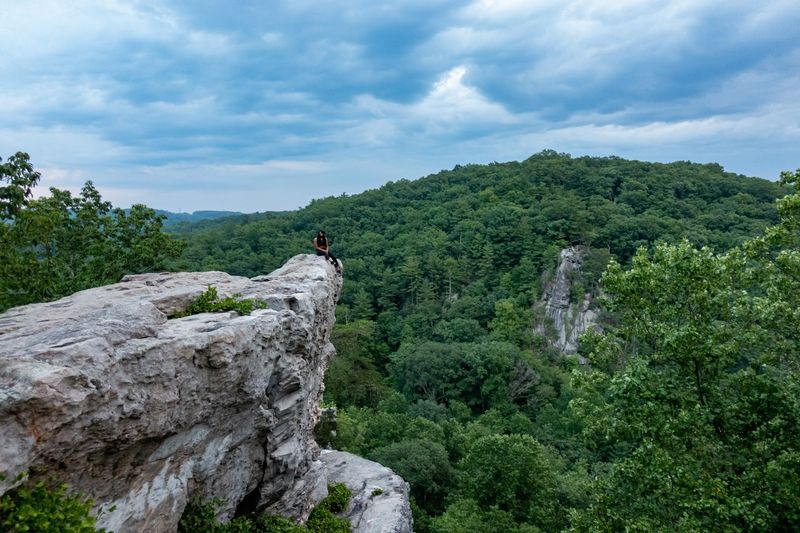
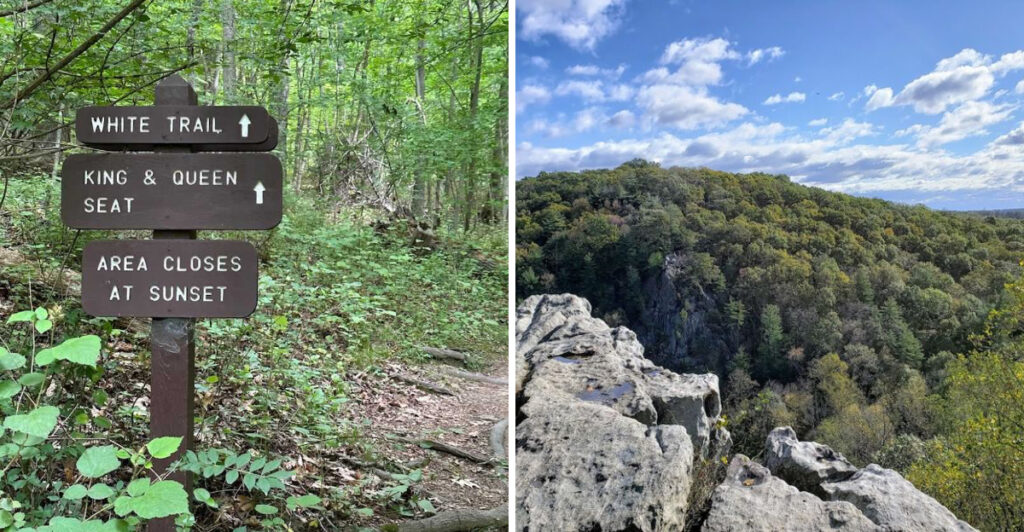
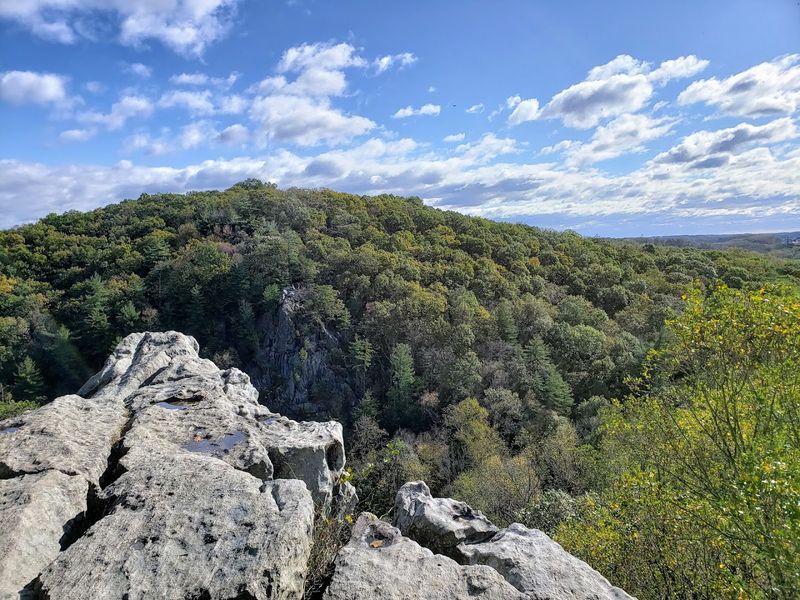
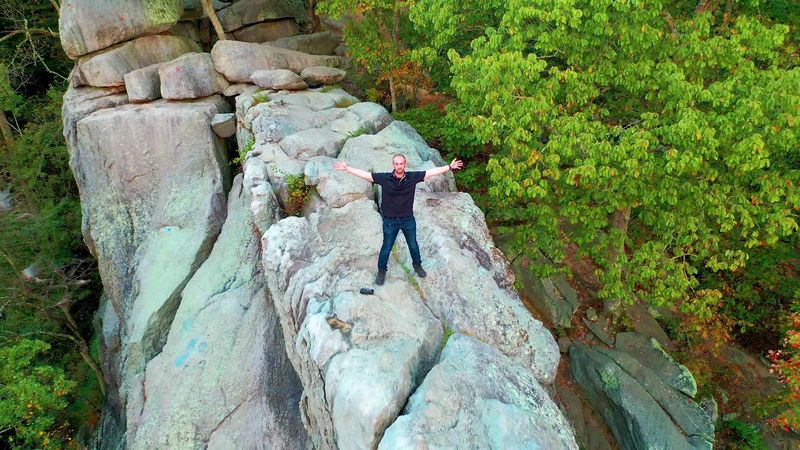
Few natural landmarks in Maryland stop people in their tracks quite like this one. The King and Queen Seat is a massive 190-foot rock outcrop that juts out above the treetops, offering a wide, sweeping panorama of the Deer Creek valley below.
Getting there involves a short but steep hike, and the reward is immediate. The sky opens up completely once you reach the top, and the valley stretches out in every direction with no buildings or roads in sight.
Multiple trail options lead to the summit, ranging from a quick quarter-mile walk from the picnic area to longer, more winding routes through the forest. The white and red trails are both popular choices.
The rocks themselves are worth exploring carefully. Visitors often scramble across the formation, though the cliff edges drop sharply and demand real caution.
Morning visits offer the best light and the fewest crowds, making the experience feel almost entirely personal.
The Waterfall That Starred In A Disney Movie
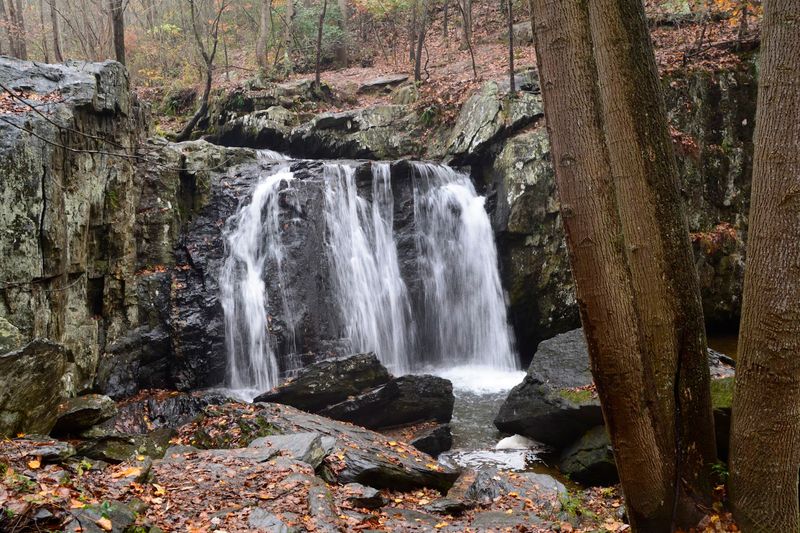
Maryland’s second-highest vertical-drop waterfall has a pretty impressive resume for a spot most people drive right past. Kilgore Falls gained national attention after being featured in the Disney film Tuck Everlasting, and the location looks every bit as magical in person.
The falls are reached via a short forest trail that winds through a canopy of trees before opening up to a stunning view of water plunging into a clear pool below. The lower trail offers the best angle for taking in the full drop.
On weekends and holidays between May and Labor Day, free parking permits are required to visit the Falling Branch area. This reservation system keeps the experience from feeling overcrowded and helps protect the fragile surrounding environment.
Weekday visits tend to be quieter and more relaxed. The mist near the base of the falls keeps the air noticeably cooler, making it a refreshing stop even on the warmest summer afternoons in Maryland.
Where The Crowds Simply Disappear
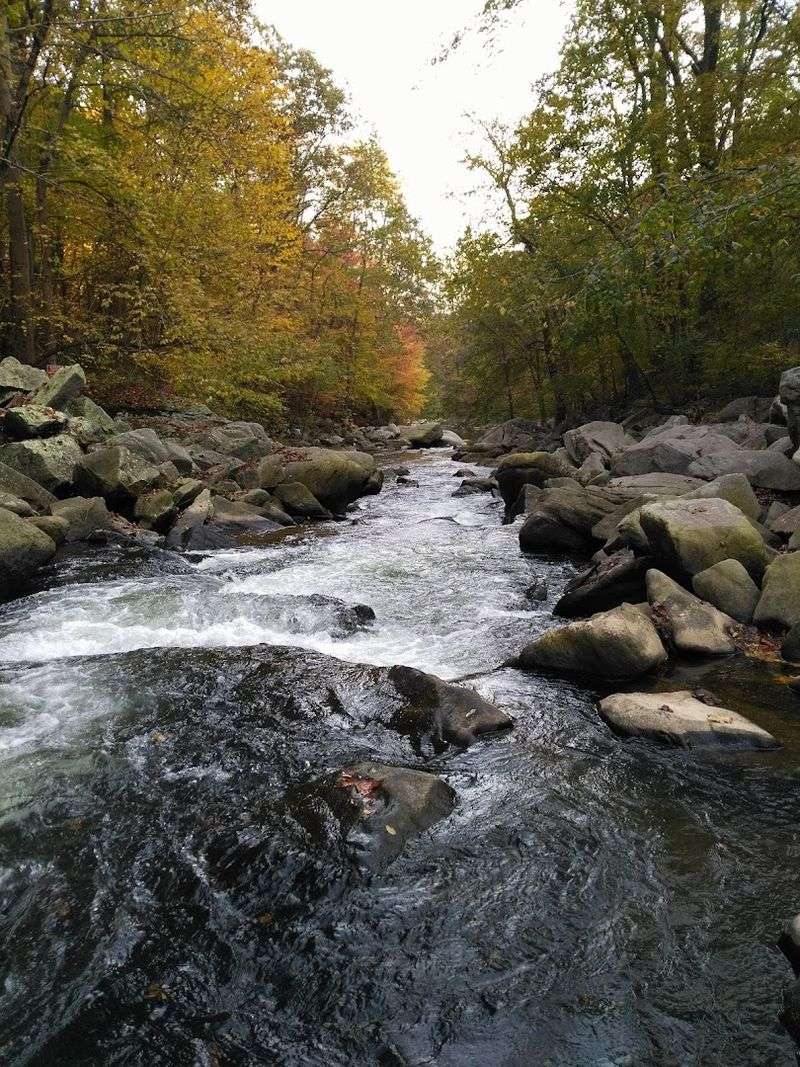
Most people who visit Rocks State Park never even hear about this part of it. The Hidden Valley section sits quietly off the main routes, offering hiking and fishing along Deer Creek without developed facilities or large parking areas to draw in big groups.
That lack of infrastructure is actually the point. No restrooms, no picnic tables, and no signage that screams for attention means the visitors who do show up are genuinely there for the experience rather than the convenience.
The trail follows the creek closely, and the sound of moving water stays with you the entire time. In spring, the wildflowers along the banks add unexpected color to the forest floor.
Fishing here feels unhurried and almost old-fashioned in the best way. Deer Creek supports a healthy population of fish, and the limited foot traffic means the water stays undisturbed for long stretches.
This corner of Maryland deserves far more credit than it typically gets.
The Heart Of The Whole Park
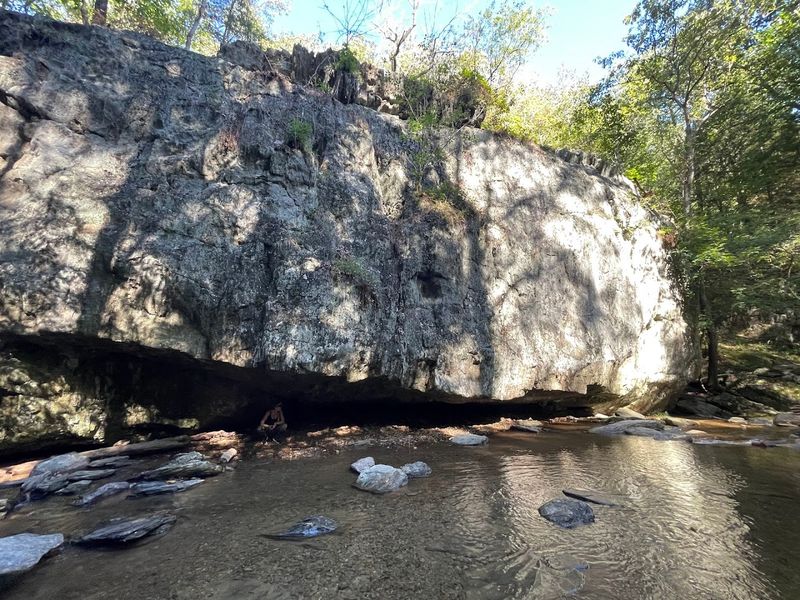
Deer Creek ties the entire park together, running through multiple sections and giving visitors a reason to linger long after a hike is done.
The creek is wide enough for tubing and kayaking in many spots, and shallow enough for wading and splashing around without any special gear.
Tubing is one of the most popular warm-weather activities here, and it has a wonderfully casual feel. Groups float downstream at a lazy pace, with the forested banks providing shade and the rocky bottom keeping things interesting.
Fishing along Deer Creek draws both serious anglers and casual first-timers. The water quality is generally good, and the creek has a reputation for being productive during the right seasons.
Canoes and kayaks are another popular option for exploring the waterway at a slower pace.
The combination of moving water, forest scenery, and the occasional great blue heron standing motionless in the shallows makes Deer Creek one of the most quietly satisfying parts of this Maryland park.
More Options Than Most People Expect
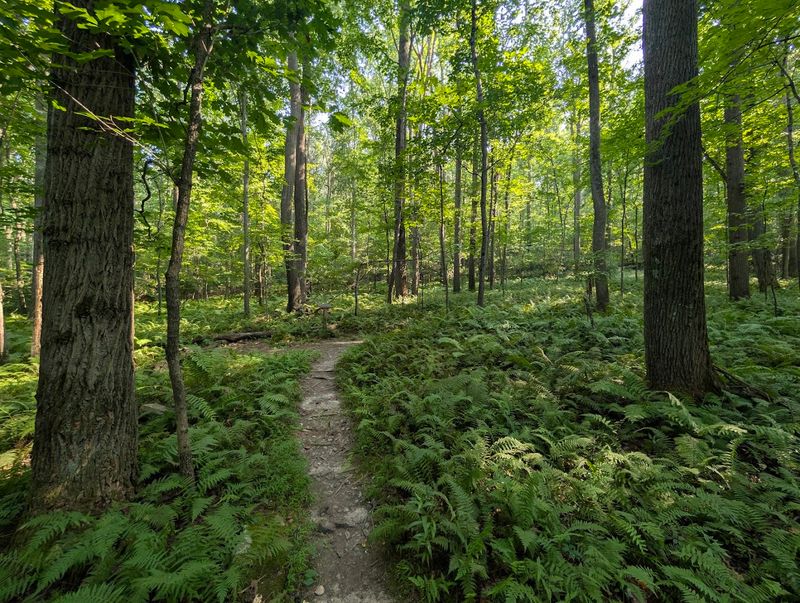
Rocks State Park has a trail system that tends to surprise first-time visitors. The network covers several skill levels, from short and flat creek-side walks to steep climbs up rocky ridgelines that get the heart rate up quickly.
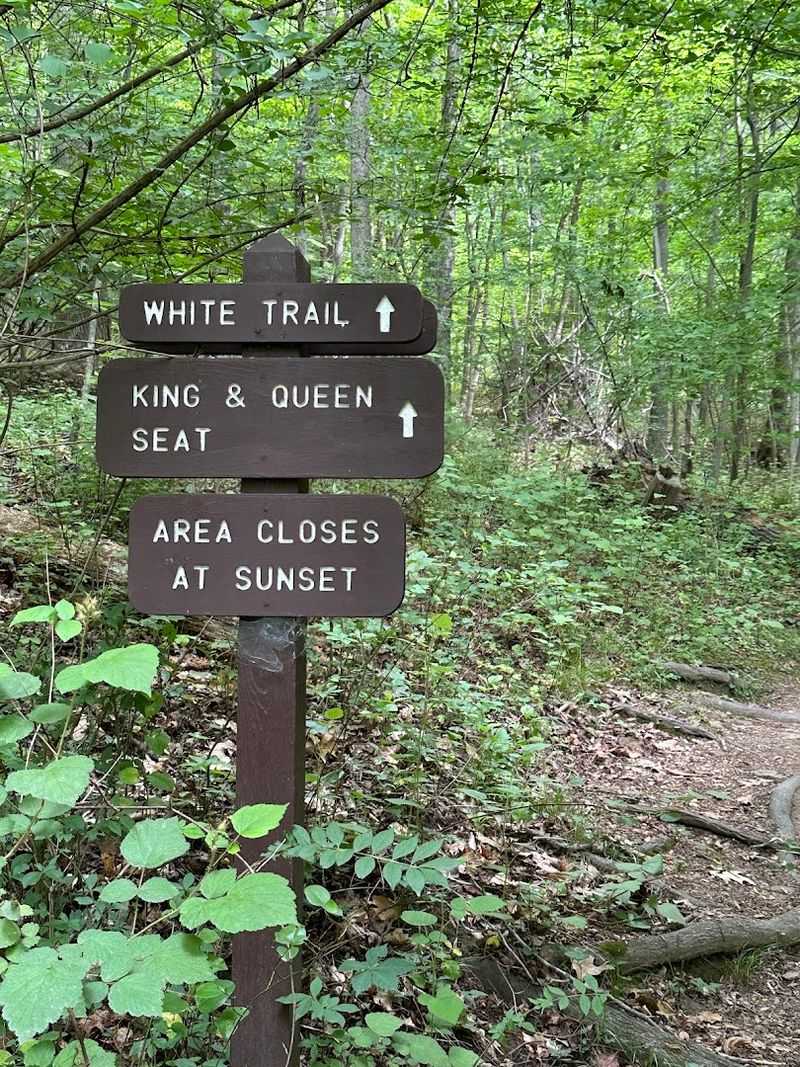
The white trail is probably the most well-known route, looping through the forested slopes and connecting to the King and Queen Seat. It passes through sections of mountain laurel and fern that are especially striking in late spring when the laurel blooms.
For those wanting more mileage, combining multiple trails creates a longer loop that covers a solid cross-section of the park’s terrain. The total trail distance across the main section adds up to nearly three miles, which is enough for a satisfying half-day outing.
Trail markings are generally reliable in the main section, though some areas can feel less defined. Bringing a trail map downloaded ahead of time is a practical move, especially for anyone venturing into the quieter corners of Maryland’s Harford County backcountry.
A Vertical Playground For Thrill Seekers
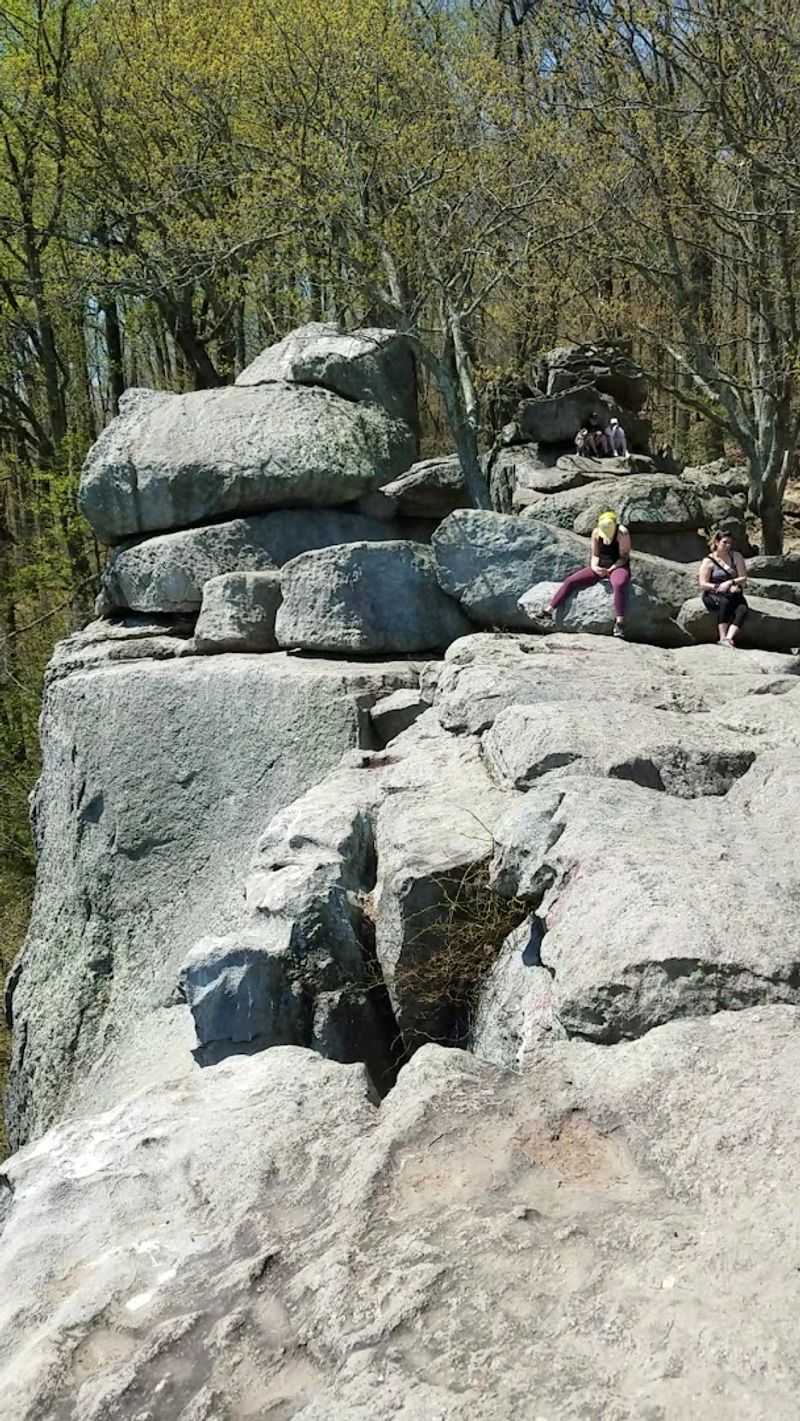
The King and Queen Seat is not just a viewpoint. That same dramatic rock face that draws hikers to the top also pulls in climbers looking for a vertical challenge on the way up or a rappelling line on the way down.
The formation offers a range of natural lines that attract both beginners and more experienced climbers. The rock surface is rough and grippy in most conditions, though rain makes it considerably more treacherous and caution is strongly advised after wet weather.
Rappelling from the top has been a popular activity for years, and the height of the drop gives it a genuine sense of exposure. Groups often set up anchors and take turns descending while others enjoy the view from the summit.
The park setting adds something to the climbing experience that a gym simply cannot replicate.
Wind moving through the treetops below, birdsong echoing off the stone, and a real valley waiting at the bottom make every climb feel worth the effort in Maryland’s outdoors.
Birdwatching In The Forest
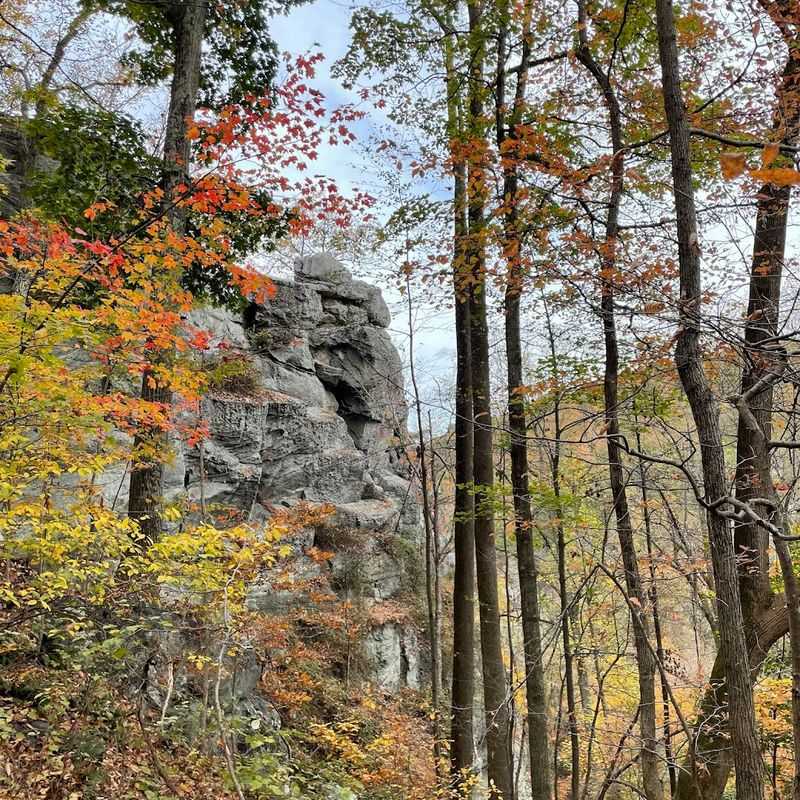
The forested landscape of Rocks State Park creates ideal conditions for birdwatching throughout much of the year. The mix of mature hardwoods, creek corridors, and open rocky outcrops supports a surprisingly diverse range of species across different seasons.
Early morning visits tend to produce the most activity. The period just after sunrise brings a wave of sound through the canopy, with warblers, woodpeckers, and thrushes all contributing to the chorus before the day warms up and things quiet down.
The creek areas are particularly productive for spotting water-associated species. Great blue herons are a common sight standing motionless in the shallows, while kingfishers dart low over the surface in flashes of blue and orange.
Late afternoon in the late summer and fall brings its own rewards, with migrating species passing through and the wind in the trees creating an atmosphere that one regular visitor described as almost hypnotic.
Maryland’s northern Harford County woodlands deserve more attention from the birding community.
Picnic Areas And Family-Friendly Zones
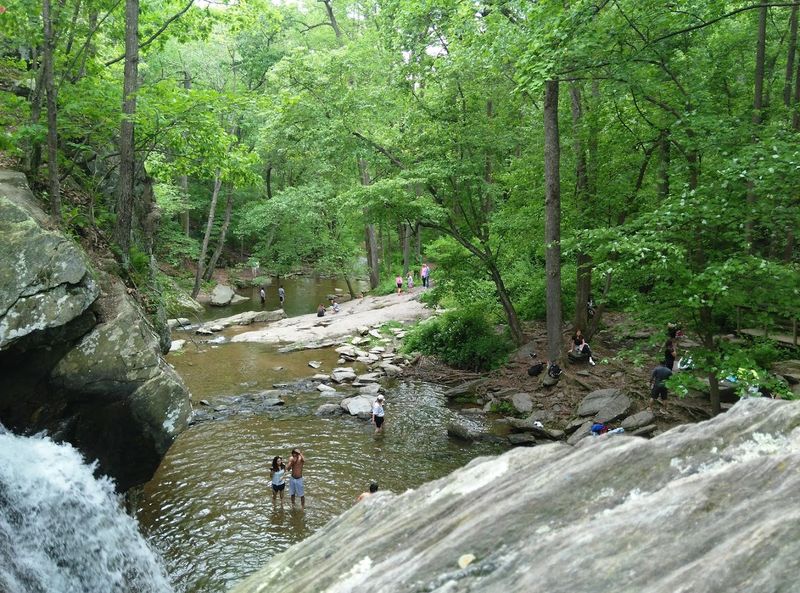
Rocks State Park has three developed picnic areas in its main section, each offering grills, tables, and restroom facilities.
These spots are popular on summer weekends, and the combination of creek access and shaded seating makes them well-suited for families spending a full day outside.
The area near the lower parking lot puts visitors right at the edge of Deer Creek, where wading and splashing are easy and supervised. Kids gravitate toward the water naturally, and the rocky streambed makes for fun exploration at any age.
A dedicated nature trail designed for younger visitors adds an educational layer to the family experience. It covers basic ecology and natural history in a format that keeps children engaged without feeling like a classroom.
On weekends and holidays, a per-person or per-vehicle fee applies to the developed picnic sections. The fee is modest, and most families find the facilities and setting more than justify the cost.
Arriving early on summer days is strongly recommended to secure a good spot.
The Cameron Hunting Area
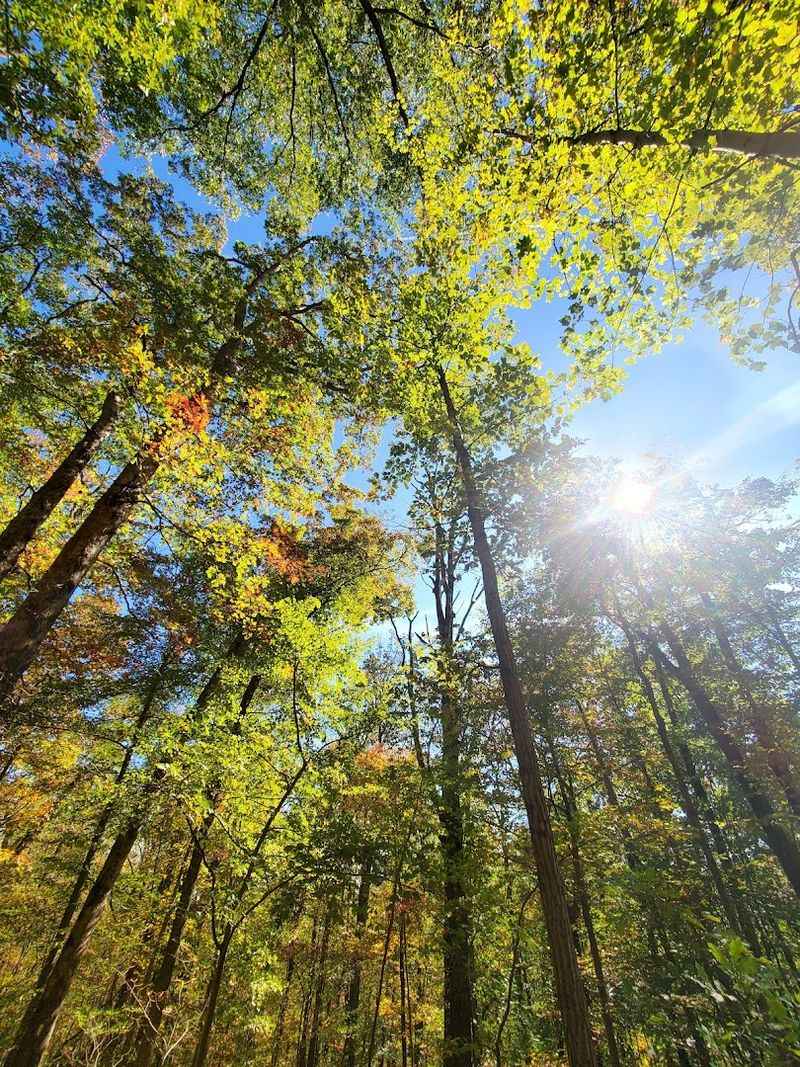
Most park maps include it, but almost nobody visits it. The Cameron Hunting Area is the least-frequented section of Rocks State Park, largely because it lacks marked trails, developed facilities, or any of the headline attractions that bring people to the main section.
What it does offer is genuine solitude. The landscape is deeply forested and largely undisturbed, giving it a raw, unmanaged quality that feels quite different from the rest of the park.
Wildlife sightings are more likely here precisely because human foot traffic is minimal.
Hunting is permitted in this section during designated seasons, which is worth knowing before planning a visit. Outside of those periods, the area is open to those who want to explore without a defined path telling them where to go.
It requires a certain kind of visitor, one comfortable with a bit of uncertainty and willing to navigate without clear markers. For that type of explorer, this quiet corner of Maryland’s Harford County delivers something the main trails simply cannot offer.
When To Go And What To Expect Each Time
Each season brings a noticeably different experience to this park, and regulars tend to have strong opinions about their favorite time of year. Spring arrives with wildflowers along the creek banks and a surge of bird activity that makes the forest feel alive after a quiet winter.
Summer is the busiest period by far. Deer Creek fills up with tubers and waders, the picnic areas reach capacity on weekends, and the Kilgore Falls area requires advance permit reservations on weekends and holidays between May and Labor Day.
Fall is widely considered the most visually rewarding season. The hardwood canopy turns gold and red, the crowds thin out, and the King and Queen Seat offers views framed by autumn color rather than solid green.
Winter visits are quiet to the point of being almost meditative. The bare trees open up long sightlines through the forest, and the rock formations look particularly stark and impressive against a gray Maryland sky.
Off-season hiking here rarely disappoints.
What Locals Already Know
Parking fills up fast on summer weekends, and this is not an exaggeration. Arriving early, ideally before mid-morning, makes a real difference in securing a spot without having to park far from the trailhead or turn around entirely.
For Kilgore Falls and the Falling Branch area, free parking permits are required on weekends and holidays from May through Labor Day. These permits are reserved online and tend to go quickly, so planning ahead is essential for warm-weather weekend visits.
The park does not provide garbage cans in most areas, so visitors are expected to carry out everything they bring in. A reusable bag tucked into a daypack handles this easily and keeps the trails clean for everyone who follows.
Ticks have been reported in the area, particularly in warmer months, so checking carefully after any outing is a smart habit.
The full address for the main park entrance is 3318 Rocks Chrome Hill Rd, Jarrettsville, MD 21084, which is useful for GPS navigation in rural Harford County.
Why Locals Want To Keep This Place To Themselves
The appeal of Rocks State Park is not complicated. It delivers genuine outdoor experiences without the infrastructure overload of more famous parks, and it does so within easy reach of Baltimore and the surrounding Maryland metro areas.
Locals have long understood that the park’s real value lies in what it does not have. No gift shops, no entrance booths on every road, no shuttle buses.
Just forest, rock, water, and the occasional hawk riding a thermal above the ridge.
The reservation system at Kilgore Falls is a sign that the park takes its environment seriously. Rangers have historically been attentive to crowd management, and that vigilance has helped preserve the quality of the experience over time.
Word of mouth remains the primary way people discover this place, and that suits its regulars just fine.
Maryland has no shortage of beautiful landscapes, but few of them offer this particular combination of dramatic scenery, accessible trails, and blessed quiet that keeps people coming back without telling too many others about it.