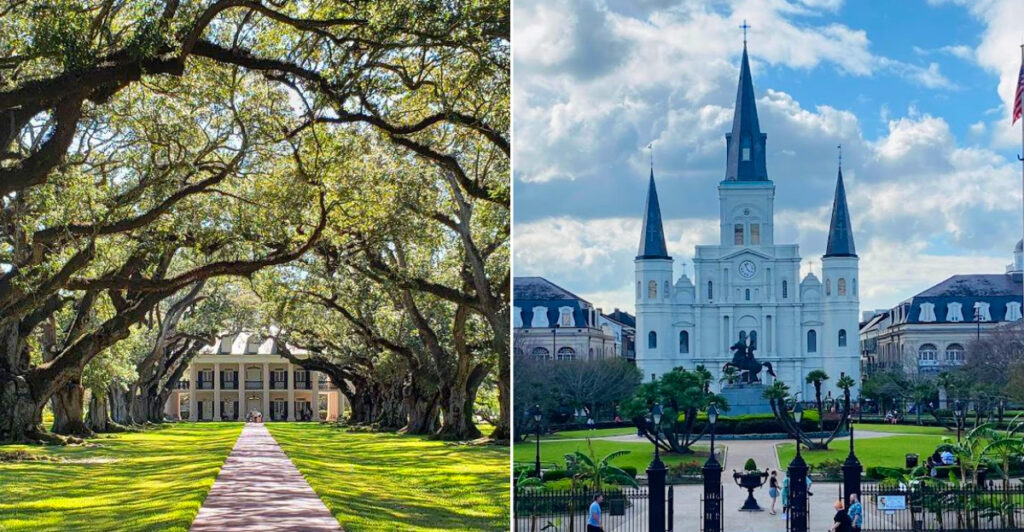
Louisiana has long been a favorite backdrop for filmmakers, and it is not hard to see why. The moss-draped oaks, the crumbling cemeteries, the neon glow of Bourbon Street, and the sprawling plantation homes create a visual richness that few other states can match.
From Hollywood blockbusters to indie darlings, the big screen has returned to this state again and again, transforming real places into iconic scenes that stay with audiences long after the credits roll. Countless movies have been filmed in Louisiana, turning its streets, homes, and landscapes into characters of their own, and the best part is that you do not need a ticket to visit them.
You just need to know where to look, and each of these locations offers a chance to step into a scene that once unfolded right where you are standing, blending cinematic history with the living, breathing culture of the state.
1. Oak Alley Plantation
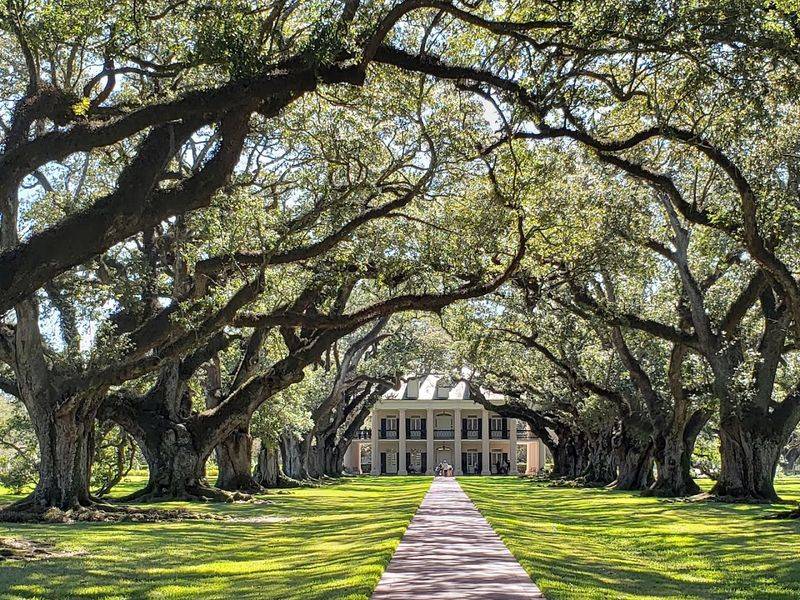
Before the mansion even appears, the live oaks already feel like they are waiting for a camera. Oak Alley Plantation, 3645 Highway 18, Vacherie, LA 70090, is one of Louisiana’s most recognizable screen locations because its long tree-lined approach looks almost impossible to frame badly.
Interview With The Vampire is the big connection here, with Oak Alley serving as Louis’ plantation home in the 1994 film starring Brad Pitt, Tom Cruise, Kirsten Dunst, Antonio Banderas, and Christian Slater.
The estate’s exterior gives the movie much of its Southern Gothic grandeur, especially in shots where beauty and unease seem to exist in the same breath.
Other productions have also used the property, including Midnight Bayou, Primary Colors, The Long Hot Summer, and exterior work for Hush…Hush, Sweet Charlotte. That range makes the site more than a one-film stop, since different productions have used the same setting for romance, politics, mystery, and old Southern drama.
A visit works best if you let the movie appeal lead you in, then allow the history to complicate the experience. The grounds, exhibits, and tours add context that goes beyond the glamour of a famous shot, including the plantation system and the lives connected to it.
2. French Quarter
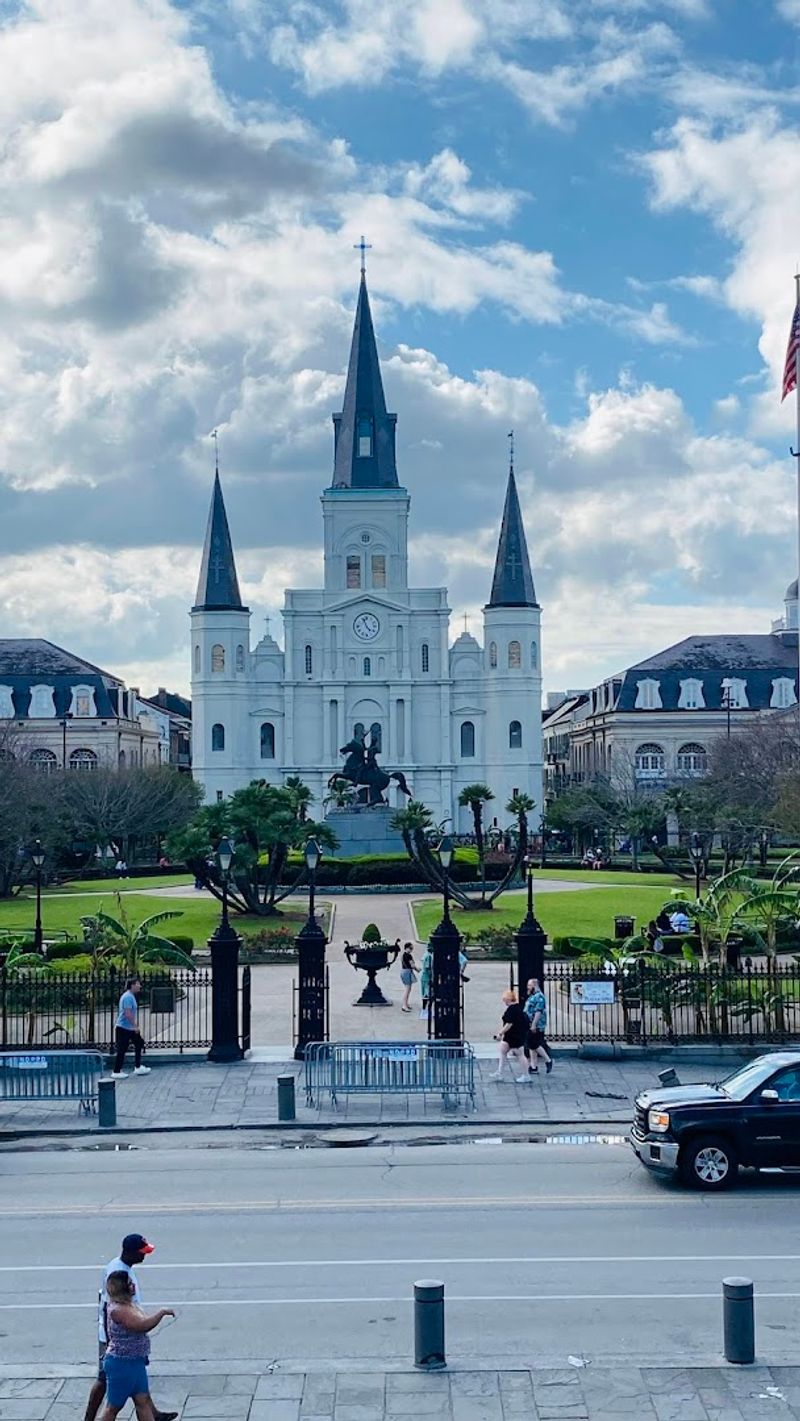
No single block can contain the French Quarter’s film history, which is exactly why it keeps turning up on screen.
A practical place to begin is the French Quarter Visitor Center, 419 Decatur St, New Orleans, LA 70130, before wandering toward Royal Street, Jackson Square, Pirates Alley, Bourbon Street, and the older side streets where the neighborhood’s cinematic personality really takes over.
King Creole, Elvis Presley’s 1958 film, used the French Quarter as a major backdrop, including Royal Street, where the city’s balconies, courtyards, and old storefronts helped shape the movie’s atmosphere.
The Quarter has also been tied to A Streetcar Named Desire, Interview With The Vampire, The Pelican Brief, JFK, Girls Trip, Now You See Me, Chef, and the modern AMC series Interview With The Vampire.
What makes the neighborhood so useful to filmmakers is its ability to change mood within a few steps. One corner feels romantic, another feels haunted, another feels loud and comic, and another seems ready for a period drama before anyone moves a prop.
Walking here with movie locations in mind changes how you see ordinary details. Iron balconies become frames, shutters become texture, and narrow streets start to feel like ready-made tracking shots.
3. Natchitoches Historic District
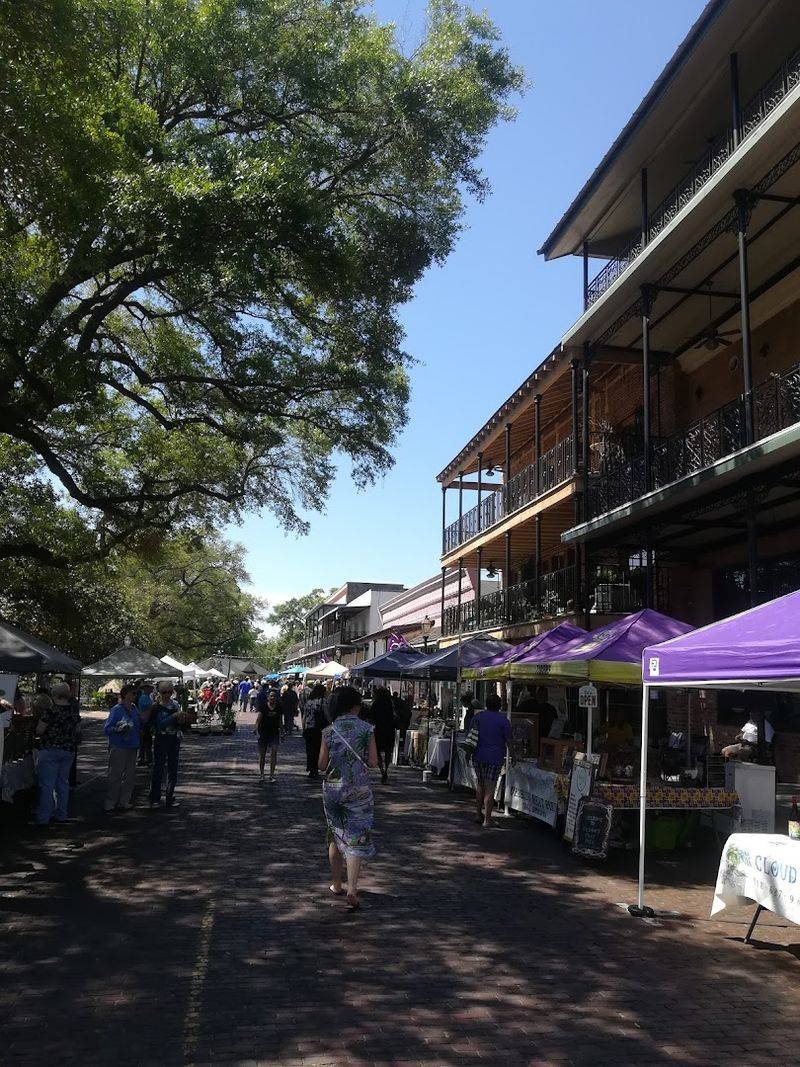
A softer kind of screen memory waits in Natchitoches, where Steel Magnolias turned real streets, homes, churches, and local spaces into one of the most beloved Southern movie settings.
Natchitoches Historic District, 781 Front St, Natchitoches, LA 71457, gives you the riverfront, brick storefronts, and small-town rhythm that made the film feel warm, lived-in, and emotionally grounded.
The most famous fan stop is the Steel Magnolia House, also known as the Taylor-Cook House, which served as Shelby and M’Lynn’s home in the 1989 film. The movie starred Sally Field, Dolly Parton, Julia Roberts, Shirley MacLaine, Olympia Dukakis, and Daryl Hannah, and the town still carries that connection with unusual affection.
Several filming locations remain part of the local visitor experience, including sites tied to Shelby’s wedding, Ouiser’s house, the funeral scene, and other recognizable moments from the film. That makes Natchitoches feel less like one location and more like a walk-through memory of the whole movie.
What keeps the visit from becoming just a nostalgia errand is that the town has its own strong identity. Cane River, historic architecture, local restaurants, old storefronts, and festival traditions give the district a life beyond its screen role.
4. Lafayette Cemetery No. 1
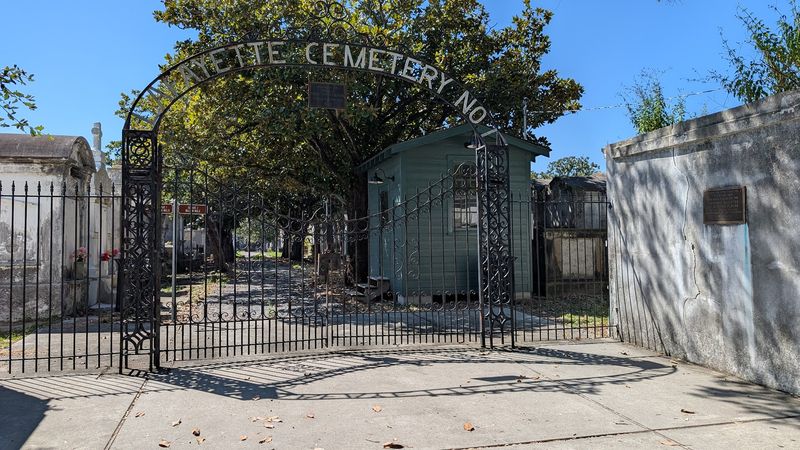
Few New Orleans locations have carried more screen atmosphere than Lafayette Cemetery No. 1, though this one comes with an important access warning.
The cemetery is at 1400 Washington Ave, New Orleans, LA 70130, but interior public access has been closed for repairs and maintenance, so check current rules before planning it as a true walk-in stop.
The cemetery has been associated with Interview With The Vampire, Double Jeopardy, The Originals, NCIS: New Orleans, Jonah Hex, and other productions that wanted New Orleans’ above-ground tombs to do immediate visual work.
Its aisles, vaults, walls, and weathered surfaces create a kind of built-in mood that filmmakers often use for mystery, danger, grief, or supernatural suggestion.
Double Jeopardy is one of the most direct movie-location references, with a key New Orleans scene linked to the cemetery’s tomb-filled atmosphere. The Originals also leaned heavily into New Orleans cemetery imagery, using places like this to build its supernatural version of the city.
Even if the interior is unavailable during your trip, the Garden District context still matters. The surrounding streets, historic homes, and guided-tour routes help explain why this cemetery became so visually important in the first place.
5. Destrehan Plantation
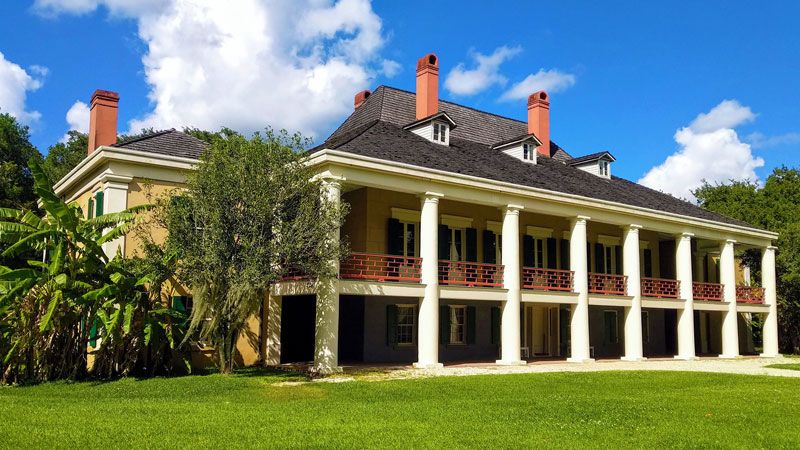
Period interiors can make or break a film, and Destrehan Plantation has rooms with enough age and proportion to make a scene feel immediately grounded. Located at 13034 River Road, Destrehan, LA 70047, the plantation is strongly connected to Interview With The Vampire, which used its parlors and a bedroom for key interior scenes.
This matters because the famous plantation atmosphere in Interview With The Vampire was not created by one location alone. Oak Alley supplied the unforgettable exterior identity of Louis’ plantation, while Destrehan helped shape the interior world, giving the film rooms that felt old, heavy, and convincing.
The site also appears in 12 Years A Slave, where its historic mule barn was transformed into a cotton plantation barn known in the film as Epps’ Barn. Ravenswood also used the plantation grounds, adding another television connection to the property’s screen history.
A visit here is strongest when you look past the thrill of recognition and pay attention to how film uses real history. The architecture, rooms, outbuildings, and grounds all carry documented stories that are much more complicated than any fictional scene.
Give yourself time for the guided tour and exhibits rather than treating the stop as a quick Interview With The Vampire checklist item.
6. Magazine Street
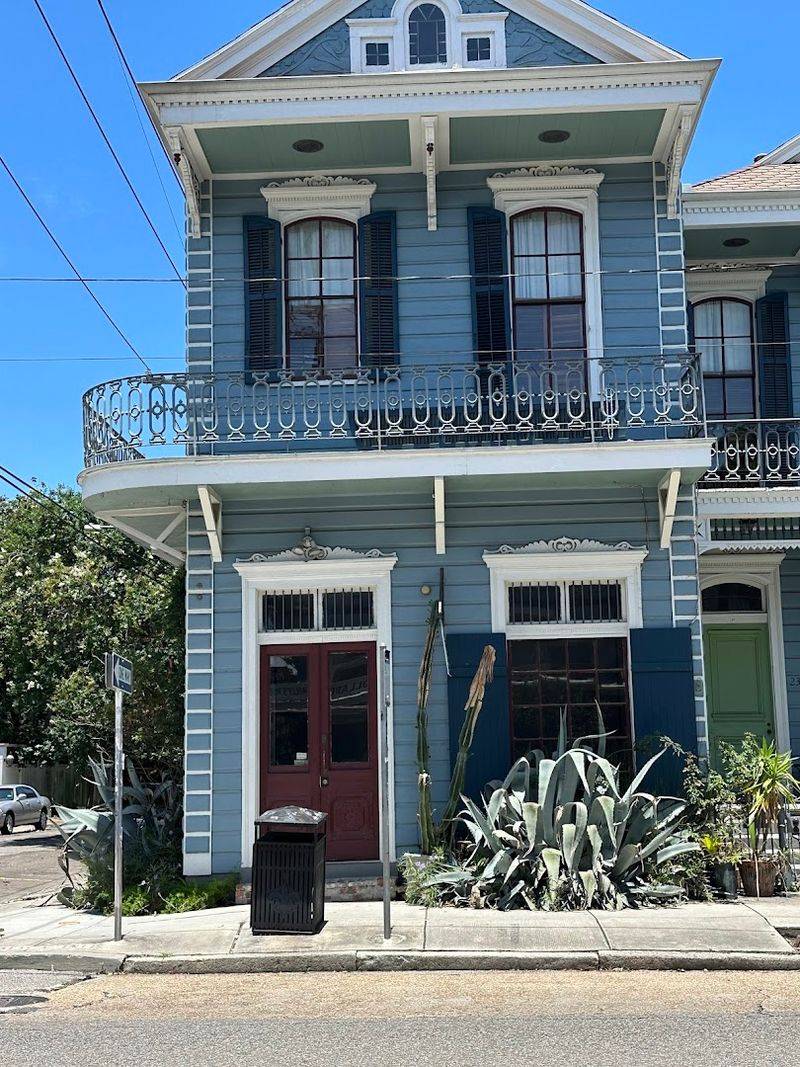
Some film locations are precise, while others work because an entire corridor has the right texture. Magazine Street, New Orleans, LA 70115, belongs to the second category, stretching through neighborhoods where shops, homes, galleries, restaurants, porches, and older commercial buildings give filmmakers a flexible version of everyday New Orleans.
Angel Heart used the Victorian houses and shops around the old Irish Channel and Magazine Street area to create its humid, uneasy Big Easy mood.
The street has also appeared in broader New Orleans screen geography connected to productions like RED and other films that need authentic neighborhood detail rather than obvious postcard scenery.
What makes Magazine Street valuable onscreen is how much it changes as you walk. One stretch feels residential and quiet, another becomes lively and commercial, and then a small storefront or side street suddenly looks like it could carry a whole scene.
For visitors, that means the best approach is not to hunt for a single famous doorway and leave. Walk slowly, notice painted facades, ironwork, corner shops, cafe windows, and the way the street shifts from polished to casual without losing character. This is a good location for people who enjoy the background language of movies.
7. St. Louis Cemetery No. 1
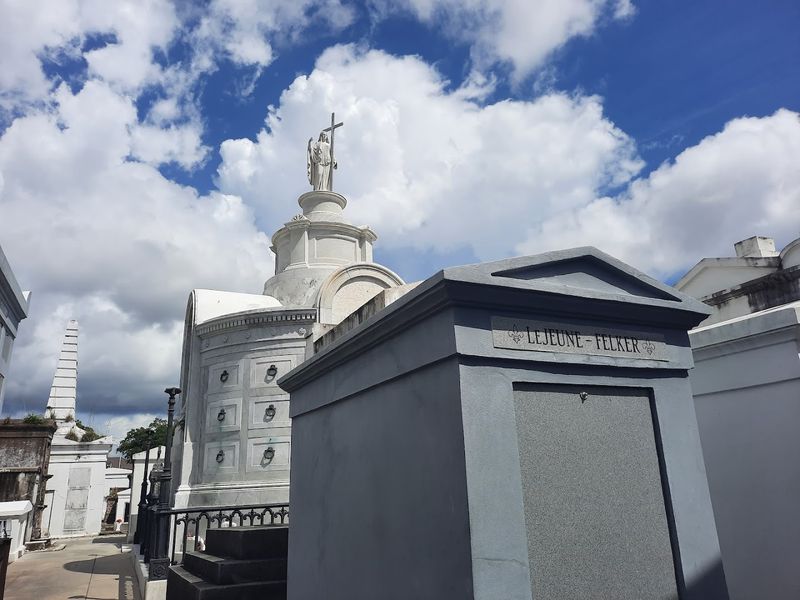
A different kind of New Orleans screen image waits behind the walls of St. Louis Cemetery No. 1. Official tours check in through Basin St. Station, 501 Basin St, New Orleans, LA 70112, and access is controlled because the cemetery is both fragile and historically important.
Easy Rider is the most infamous film connection, with its cemetery sequence becoming one of the reasons this location entered counterculture movie memory.
The cemetery’s dense above-ground tombs, narrow paths, and weathered stone have also made it a frequent reference point for New Orleans screen atmosphere, even when productions use the city’s cemetery imagery more broadly.
Unlike Lafayette Cemetery No. 1, this site can be visited through official guided tours, which makes it a more practical stop for travelers who want to step inside a historic cemetery legally and respectfully. Tours also help separate serious history from vague spooky storytelling.
The cemetery was established in 1789, and guides can point out notable tombs, burial customs, preservation concerns, and the reasons New Orleans cemeteries look so different from many others in the country. That context makes the location more interesting than a quick “I saw this in a movie” stop.
8. Houmas House Plantation
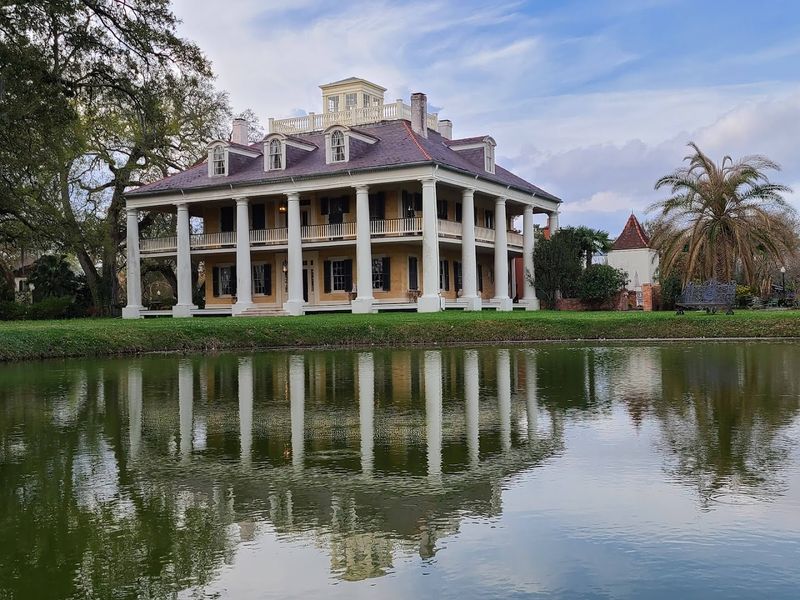
A grand estate with gardens, old trees, and polished period drama can easily become a supporting actor, and Houmas House Plantation and Gardens has done exactly that for decades.
The property at 40136 Highway 942, Darrow, LA 70725, has appeared in Hush…Hush, Sweet Charlotte, Fletch Lives, Mandingo, Moon Of The Wolf, K’ville, Top Chef, Revenge Of The Bridesmaids, Love, Marriage, Wedding, and Green Book.
Hush…Hush, Sweet Charlotte is especially important to the site’s screen identity. The 1964 Bette Davis film used the estate’s Southern Gothic grandeur to powerful effect, and the property still carries that mood when the light hits the mansion and gardens the right way.
Green Book gives the location a more recent film connection, while Fletch Lives and other productions show how flexible the estate can be onscreen. Depending on the camera’s needs, Houmas House can read as elegant, eerie, comic, romantic, or richly old-fashioned.
In person, the gardens are just as important as the mansion. Paths, plantings, ponds, and old trees create a layered setting that feels designed for film even when you are simply walking through it.
Plan enough time to explore rather than treating the stop like a single house photo.