A day on the road can take a sharp turn when the view ahead suddenly looks impossible. White dunes glow beyond the windshield.
Dark lava spreads over the ground like it cooled yesterday. New Mexico is full of places that make travelers slow down, step outside, and forget the original schedule.
The variety is what makes the journey so much fun. One stop may lead into a huge underground chamber.
Another might end beside a mountain lake or beneath strange stone towers. Many of these landscapes still feel open enough to explore without the constant rush found at better-known attractions.
That leaves more time to notice the details and take in the scale. Keep the camera nearby, but do not hurry through the experience.
These natural wonders deserve more than a quick photo. They can easily become the reason the entire road trip feels worth taking in the first place.
1. Ah-Shi-Sle-Pah Wilderness
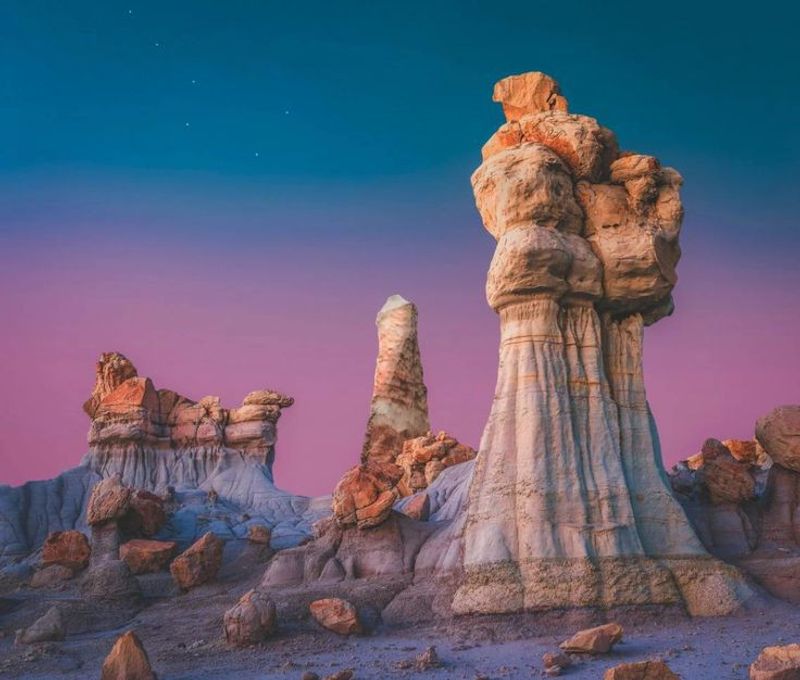
Few places on Earth feel quite as remote and otherworldly as the Ah-Shi-Sle-Pah Wilderness, tucked away near Nageezi at NM-57, Nageezi, NM 87037. This raw stretch of northwestern badlands rewards curious hikers with a palette of brown-ochre clay hills, vivid yellow-orange hoodoos, and dark coal beds that stripe the earth like brushstrokes on a canvas.
There are no marked trails here, so navigation is part of the experience.
The wilderness is also a treasure chest for fossil enthusiasts. Petrified wood, ancient turtle shells, and crocodile fossils surface from the soft ground, remnants of a lush Cretaceous environment that existed millions of years ago.
Keep your eyes low and your steps careful, because history literally lies beneath your feet.
Visiting at sunrise or sunset transforms the landscape into something truly magical, as the soft light amplifies every color and shadow. Pack water, wear sturdy boots, and come ready for a genuine backcountry adventure.
2. Bisti/De-Na-Zin Wilderness
The Bisti/De-Na-Zin Wilderness feels like the set of a science fiction film.
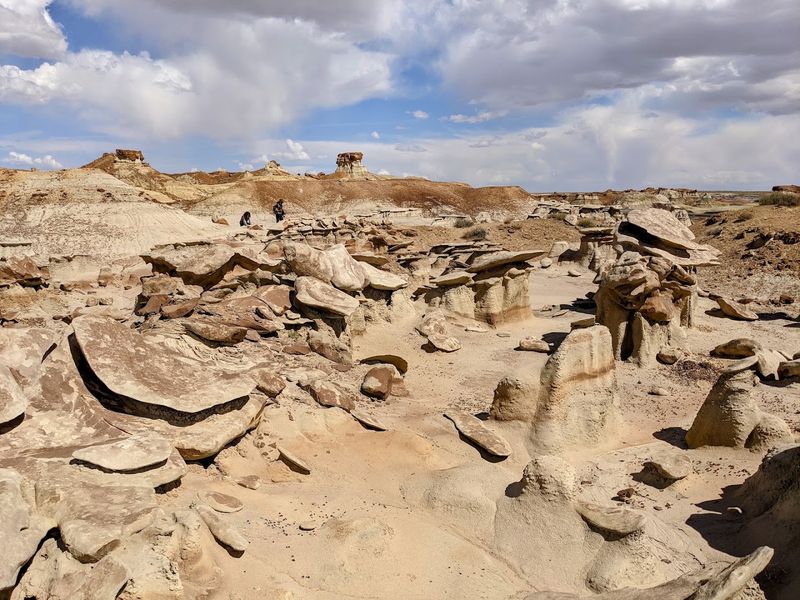
Located south of Farmington at County Road 7297, Farmington, NM 87401, this sprawling wilderness covers tens of thousands of acres of eroded badlands that were once a prehistoric delta plain teeming with dinosaurs and ancient trees. Today, wind and water have carved that ancient world into something genuinely surreal.
Photographers make the pilgrimage here for formations with names like the Alien Egg Hatchery and King of Wings, and it is easy to understand why those nicknames stuck. Sandstone spires, natural arches, and petrified wood litter the trail-less terrain, creating a landscape that changes character with every hour of light.
No permits are required for day hiking or overnight backpacking, which makes spontaneous trips entirely possible. Bring a compass or GPS device, because getting turned around in this vast, featureless expanse is surprisingly easy.
3. Kasha-Katuwe Tent Rocks National Monument
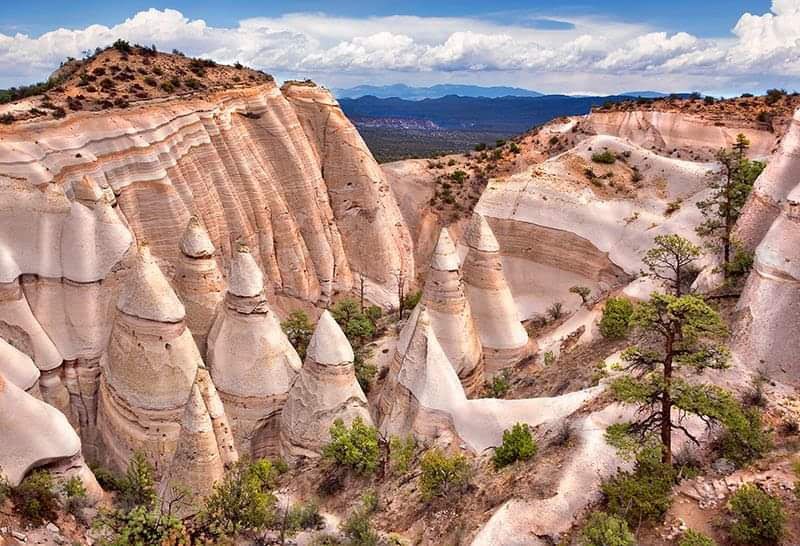
White cone-shaped formations rise from the desert floor at Kasha-Katuwe Tent Rocks National Monument, found along Cochiti Pueblo BLM Road 1011, County Road 22, Cochiti Pueblo, NM 87072. The name means “white cliffs” in the Keresan language, and the Pueblo de Cochiti people have held this land sacred for generations.
That sense of reverence is easy to feel the moment you arrive.
Two main trails wind through the monument. The Cave Loop Trail is a gentle stroll past shallow cave indentations and striking rock formations, while the Canyon Trail pushes through a tight slot canyon before climbing to a mesa-top panorama of distant mountains and open desert.
The contrast between those two experiences within a single visit is remarkable.
Entry is by reservation only, available Thursday through Monday, so plan ahead. The volcanic pumice and ash that built these formations millions of years ago now creates one of the most photogenic landscapes in the entire Southwest.
4. El Malpais National Monument
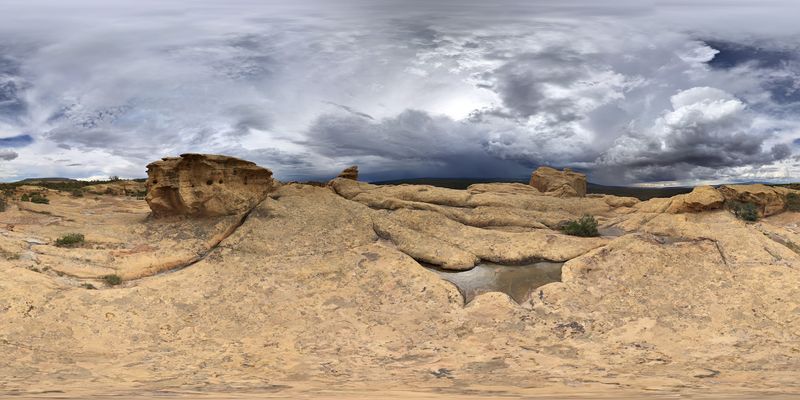
El Malpais, meaning “the badlands” in Spanish, is a volcanic playground spread across the high desert west of Grants at 1900 E Santa Fe Ave, Grants, NM 87020. Vast lava flows, cinder cones, and lava tube caves define a terrain that looks freshly sculpted, even though the volcanic activity here spans thousands of years.
People have lived alongside and within this dramatic landscape for over ten thousand years.
The Sandstone Bluffs Overlook delivers sweeping panoramas across jet-black lava fields toward distant mountain ranges, making it one of the most satisfying viewpoints in the region. Visitors interested in exploring underground can obtain a free permit for currently accessible caves such as Giant Ice Cave and Lava Bomb Cave.
Junction Cave and the surrounding El Calderon Trail area are closed for construction through July 31, 2026.
Pygmy pine forests somehow manage to grow directly on the hardened lava, a detail that never stops being fascinating. The Lava Falls Trail and several scenic overlooks provide additional ways to experience the volcanic landscape.
5. Blue Hole
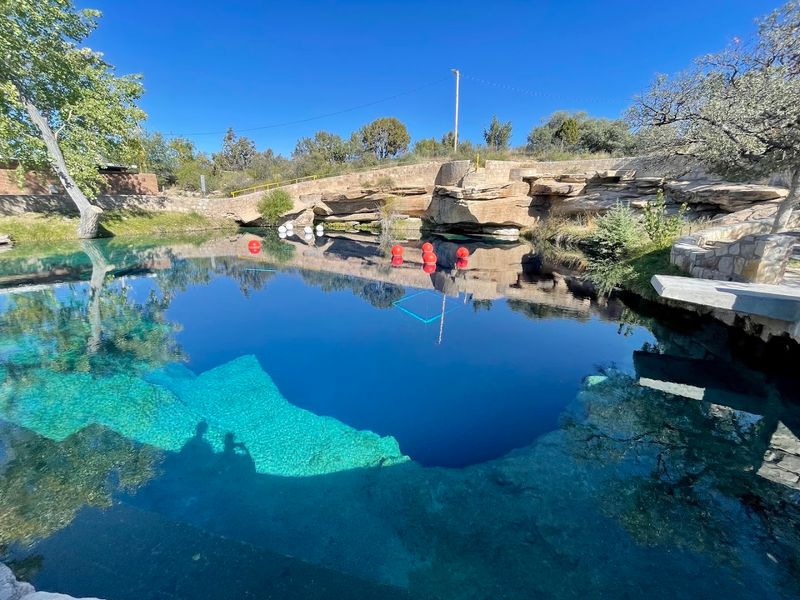
A perfectly round pool of turquoise water sitting in the middle of the New Mexico desert sounds like a mirage, but Blue Hole at 1085 Blue Hole Rd, Santa Rosa, NM 88435 is absolutely real. Fed by an artesian spring that pumps thousands of gallons of cool, crystal-clear water every single minute, this bell-shaped cenote maintains stunning visibility year-round.
It has been drawing road-trippers off historic Route 66 for decades.
The water temperature stays refreshingly consistent, making it a popular spot for swimmers and cliff jumpers throughout the summer months. Scuba divers also make special trips here, since the site is used for altitude-adjusted dive training and the underwater clarity is genuinely exceptional.
A permit is required for diving, so check ahead before gearing up.
Just steps away, a separate fishing pond offers a relaxed alternative for families looking to cast a line. Blue Hole is compact, surprising, and completely unforgettable on a hot desert afternoon.
6. Jordan Hot Springs
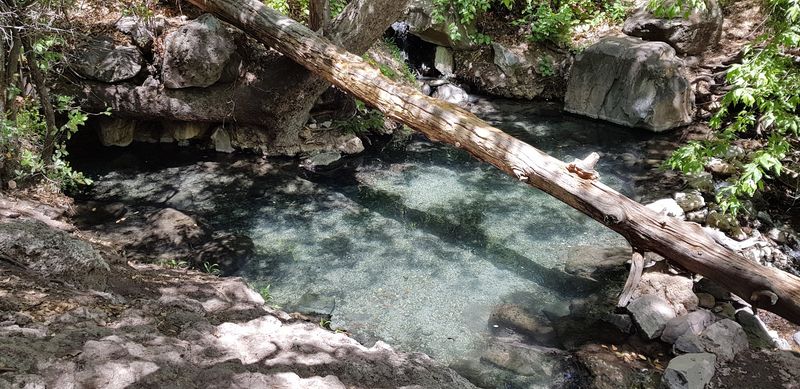
Not every great natural wonder is easy to reach, and Jordan Hot Springs proves that the effort can be worth it. Located within the Gila Wilderness, the springs are reached by a demanding backcountry route beginning near the TJ Corral Trailhead on NM-15.
The journey passes through rugged forest and mountain terrain, with several water crossings adding another challenge along the way.
The reward is a naturally heated pool surrounded by the quiet landscape of one of America’s earliest federally designated wilderness areas. Warm water and striking scenery make the springs a memorable destination, though the route requires more preparation than a casual day hike.
Plan for a long outing, carry plenty of food and water, and wear footwear suitable for rough trails and stream crossings. Reliable navigation is essential because conditions can change quickly, and hikers should check current trail information before setting out.
The remote setting makes Jordan Hot Springs especially rewarding for experienced backcountry visitors.
7. Nambé Falls
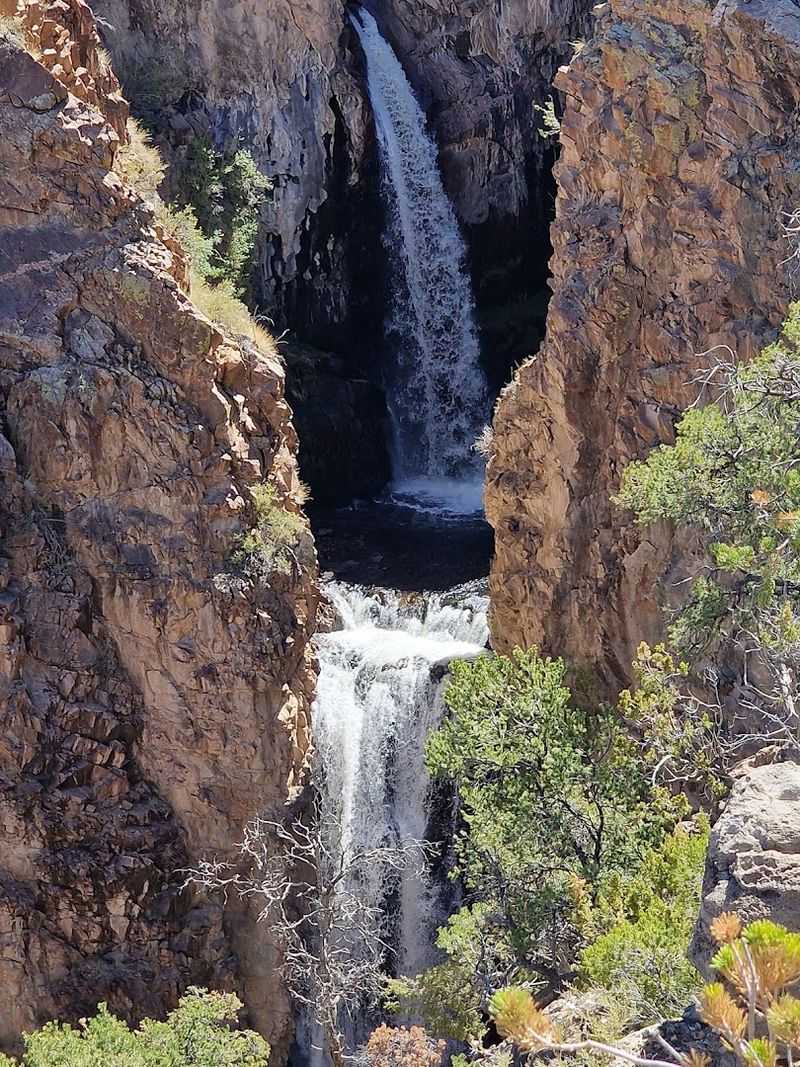
Located on the lands of Nambé Pueblo at 544 Poechunu Poe in Santa Fe, Nambé Falls is a place where natural beauty and living cultural heritage exist side by side. Twin cascades tumble down rocky cliffs into a cool pool below, creating a scene that feels both dramatic and deeply peaceful.
The falls hold sacred meaning for the Nambé Pueblo people, who have called this land home for centuries.
Visitors are welcome to enjoy picnicking and fishing in the surrounding area, and the views of the Sangre de Cristo Mountains framing the landscape add an extra layer of grandeur to every visit. Nambé Lake, situated above the falls, is a popular trout fishing destination that draws anglers looking for a serene high-country experience.
The sound of rushing water against quiet mountain air makes this spot perfect for a slow, contemplative afternoon. Respect for the cultural significance of this land enhances the experience for everyone who visits.
8. Cimarron Canyon State Park
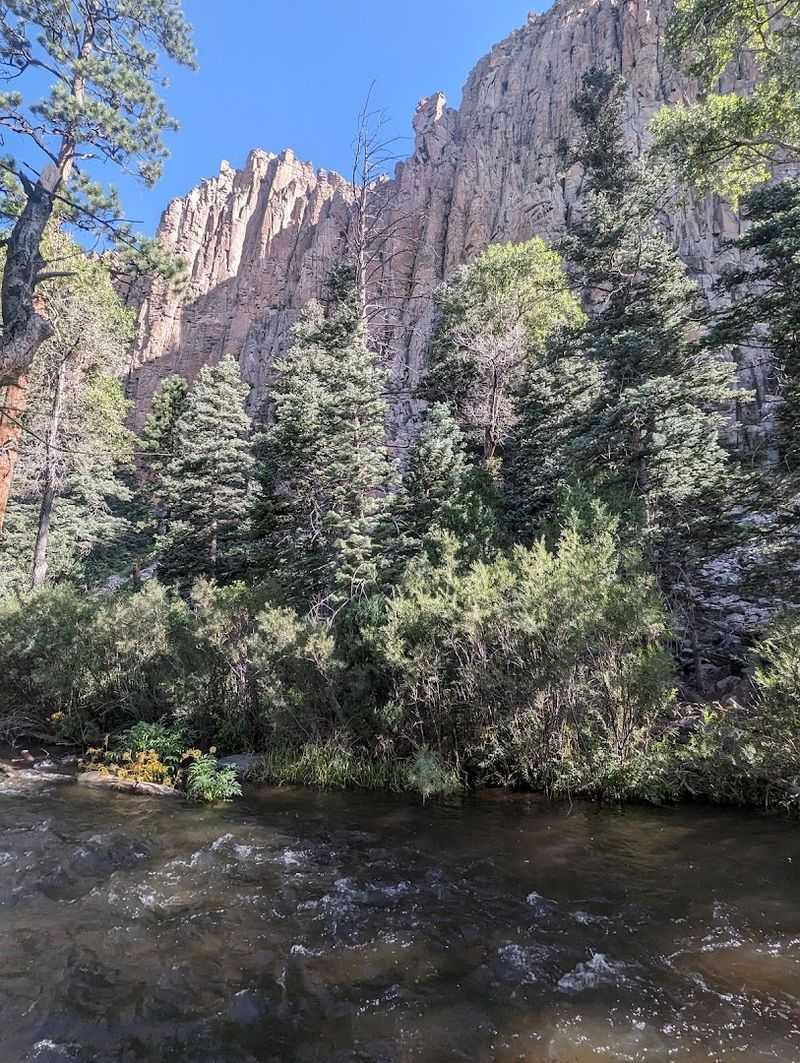
Cool pine forests, a crystal-clear river, and canyon walls that seem to close in just enough to feel dramatic without feeling confining define the landscape at Cimarron Canyon State Park. Found at 28869 Highway 64, Eagle Nest, NM 87718, this mountain park sits within the Sangre de Cristo foothills and offers one of the most scenic drives in the state.
The Cimarron River runs through the heart of the canyon, and it is stocked with rainbow and brown trout, making it a favorite among fly fishers who appreciate both the scenery and the sport. Hikers can follow the Clear Creek Trail or explore routes beginning at the Tolby Creek and Maverick trailheads, subject to seasonal wildlife closures.
Camping, horseback riding, and picnicking round out the activity options here. The park sits within the Colin Neblett Wildlife Management Area, creating regular opportunities to observe wildlife.
9. Sandia Mountains
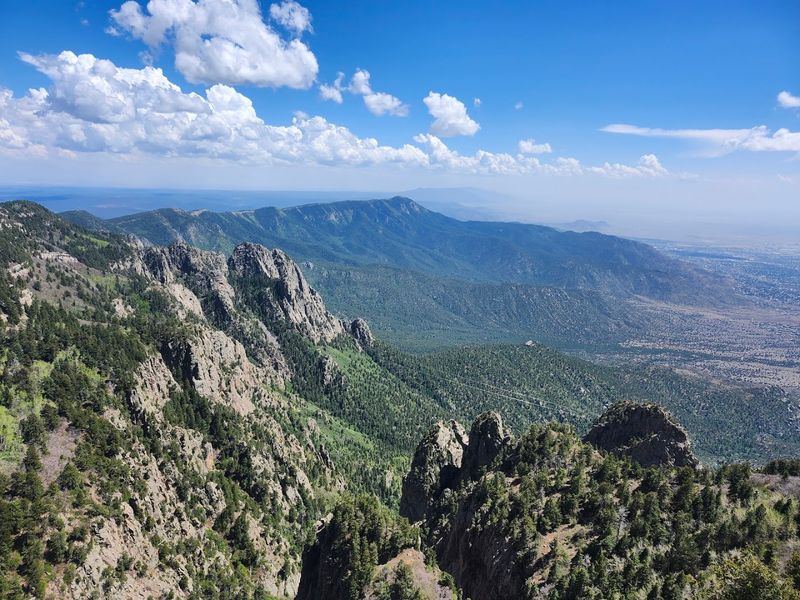
Riding the Sandia Peak Aerial Tramway from 30 Tramway Rd NE, Albuquerque, NM 87122 is one of those experiences that changes your sense of scale entirely. The 2.7-mile ascent over deep canyons and rugged ridgelines delivers a sweeping panorama of the surrounding desert that stretches across thousands of square miles.
At sunset, the sky above Albuquerque turns into a layered painting of orange, pink, and deep purple.
Summer brings hikers and mountain bikers to an extensive trail network crisscrossing the high peaks, while winter transforms the upper mountain into a ski area with runs for all ability levels. The 15-minute tram ride itself offers different visual experiences depending on the season, from snow-draped slopes to lush summer forests bursting with green.
City lights twinkling below at night create a view that rivals any urban observation deck. The Sandia Mountains are a year-round destination that somehow never repeats itself.
10. Trampas Lakes
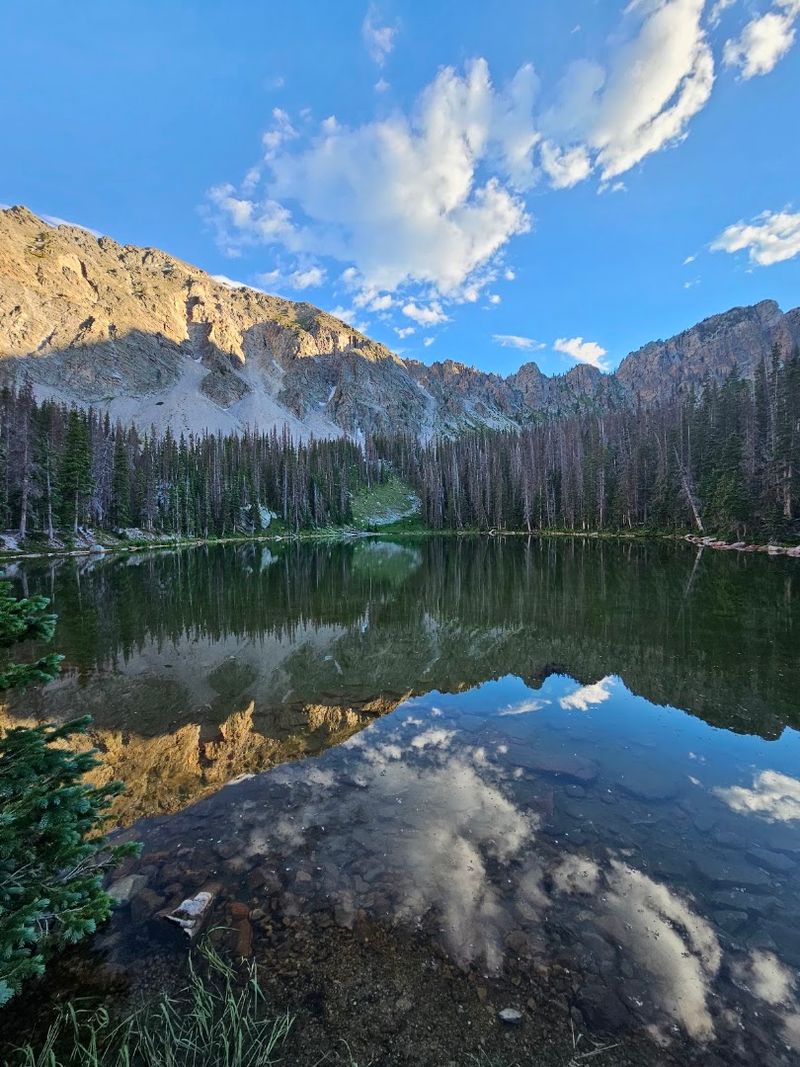
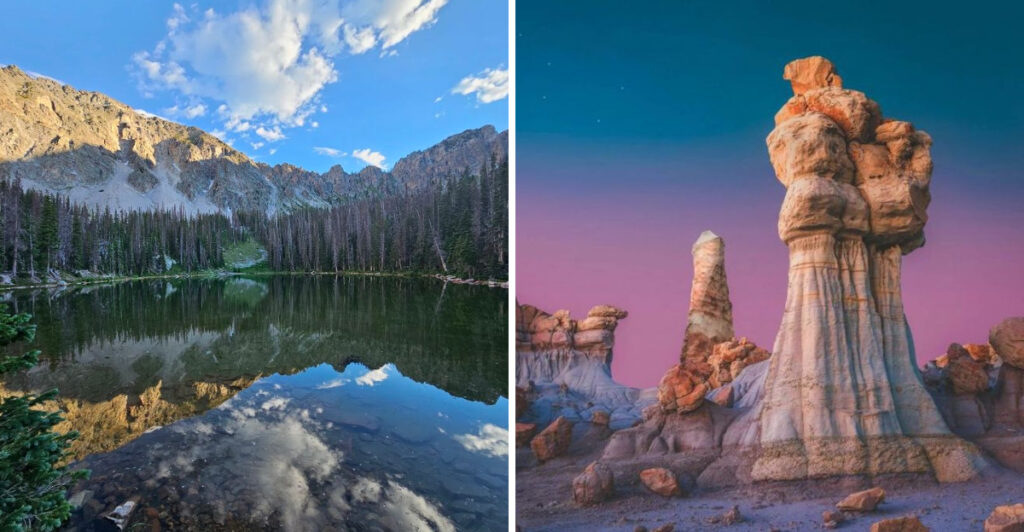
High-country hiking does not get much more rewarding than the trail leading to Trampas Lakes in the Carson National Forest, starting from the Trampas Campground on Forest Road 207, Truchas, NM 87578. The route winds through dense forests of pine and quaking aspen before opening into wide alpine meadows that feel genuinely remote.
Every step upward reveals a broader, more dramatic slice of mountain scenery.
The lakes themselves are glacially carved basins filled with water so clear it looks almost artificial. Rocky peaks tower above the shoreline, and on calm days the reflections are so sharp that the world appears doubled.
Backpackers seeking true solitude find this basin particularly appealing, since crowds remain relatively thin even during peak summer months.
Fishing in the cold, clear waters is a favorite pastime for those who bring a rod along for the trek. Trampas Lakes is the kind of place that earns a permanent spot in your memory.
11. Wheeler Peak
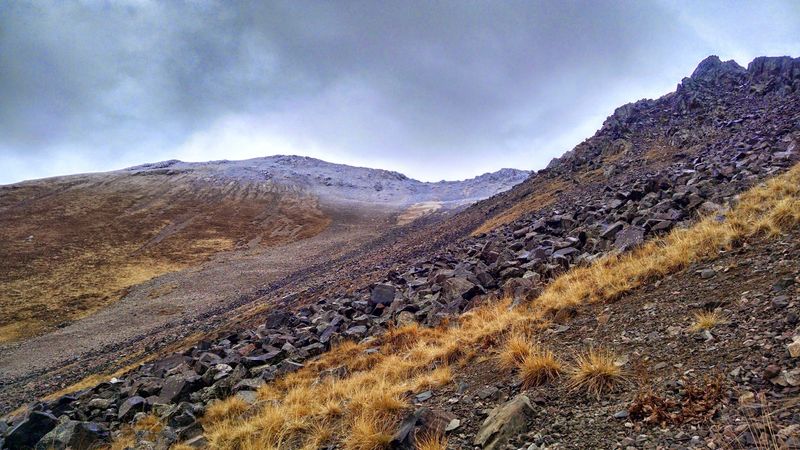
Standing on the highest natural point in New Mexico is the kind of achievement that earns serious bragging rights. Wheeler Peak, reached via the Williams Lake Trailhead on Twining Rd, Taos Ski Valley, NM 87525, rises above the surrounding Sangre de Cristo Mountains with commanding authority.
The trail to the top passes through subalpine forest, skirts the beautiful Williams Lake, and then pushes above the tree line into open rocky tundra.
The views from the summit stretch for miles in every direction, taking in jagged ridgelines, deep forested valleys, and the vast landscape of the Land of Enchantment rolling toward every horizon. Bighorn sheep occasionally appear along the upper ridges, adding a wildlife element that makes the climb even more memorable.
The hike is long and strenuous, so an early start is strongly recommended. Afternoon thunderstorms are common in summer, and being above the tree line when lightning arrives is a situation worth avoiding.
12. Valles Caldera National Preserve
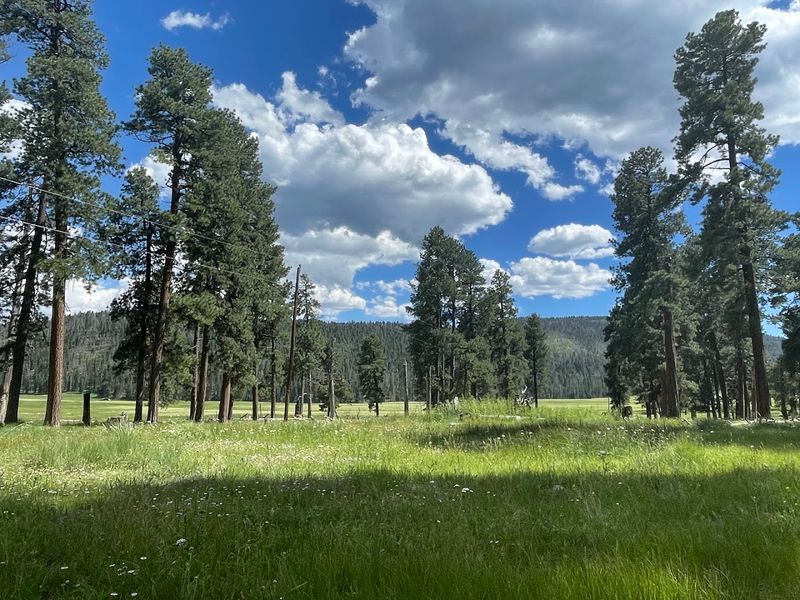
A supervolcano that erupted over a million years ago left behind the stunning circular depression now known as Valles Caldera National Preserve at 39201 NM-4, Jemez Springs, NM 87025. The resulting bowl, stretching more than thirteen miles across, is now filled with lush mountain meadows, winding streams, and forests that shelter an impressive variety of wildlife.
Historic cabins scattered across the property hint at the ranching operations that once called this valley home.
Elk herds are frequently spotted grazing across the broad meadow floor, particularly in the early morning and evening hours. San Antonio Creek meanders through the preserve and offers excellent brown trout fishing, while over fifty miles of trails invite hikers, mountain bikers, and horseback riders to explore the terrain across all seasons.
Winter brings cross-country skiing and snowshoeing opportunities across the open caldera floor. Few landscapes in the Southwest feel as expansive, as alive, or as quietly spectacular as this one.
13. Bosque del Apache National Wildlife Refuge
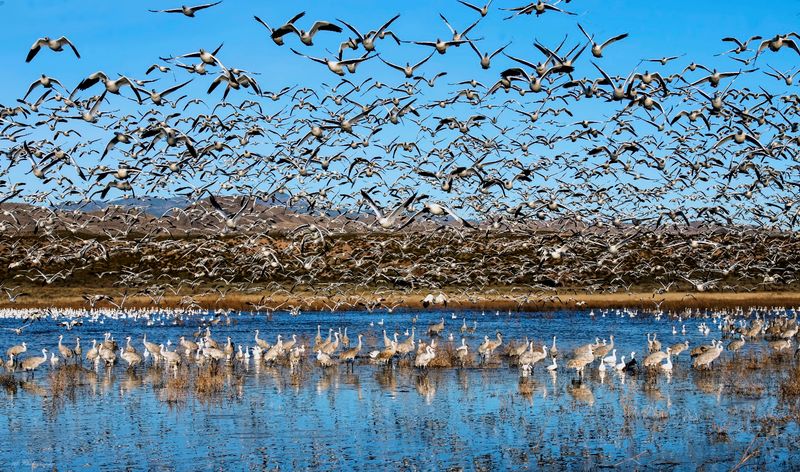
Every winter, tens of thousands of birds descend on Bosque del Apache National Wildlife Refuge at 1001 State Highway 1, San Antonio, NM 87832, and the result is one of the most spectacular wildlife displays in North America. Sandhill cranes, snow geese, and numerous duck species fill the wetlands and skies with movement and sound that is impossible to fully prepare for.
The refuge sits along the Rio Grande, and its carefully managed habitats make it a critical seasonal home for migratory species.
Loop drives allow visitors to observe wildlife from their vehicles, while walking trails provide additional views near the wetlands. Sunrise and sunset are peak moments, when large flocks lift off the water and photographers gather to capture the spectacle.
The 2026 Festival of the Cranes is scheduled for December 2 through December 5. Even outside peak migration season, the refuge offers wildlife-viewing opportunities throughout the year.
14. Carlsbad Caverns National Park
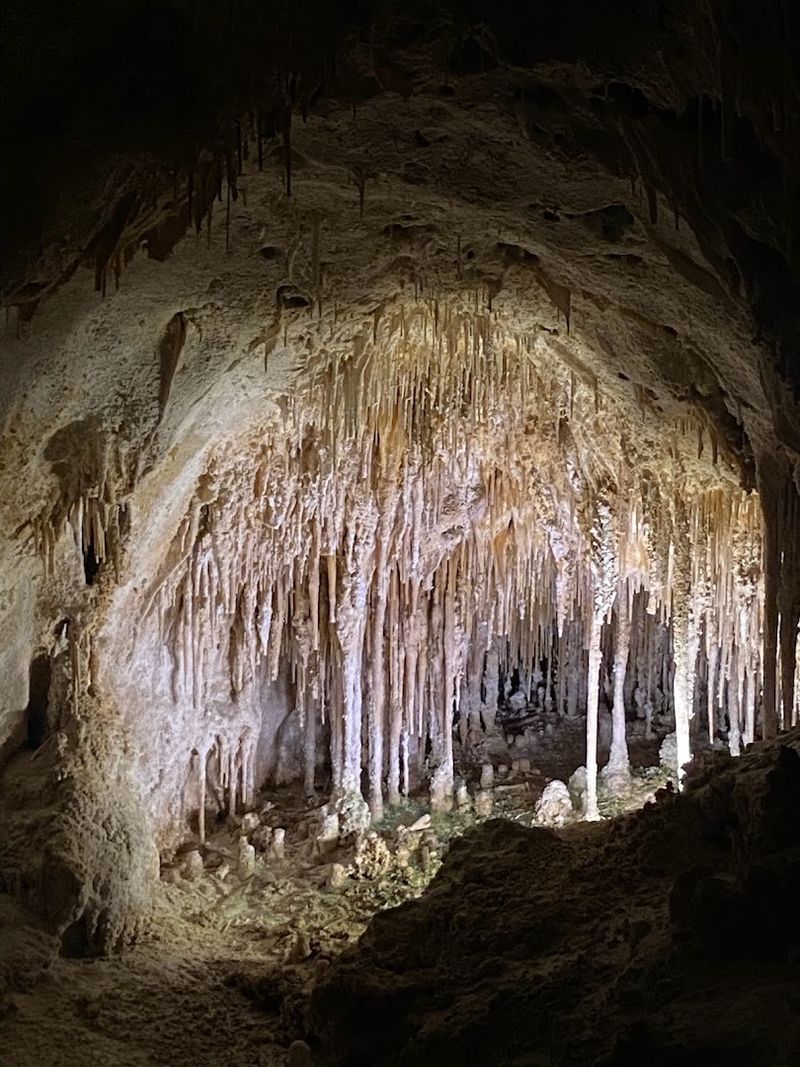
Underground architecture does not get more impressive than what waits beneath the surface at Carlsbad Caverns National Park, located at 727 Carlsbad Caverns Hwy, Carlsbad, NM 88220. The park protects more than a hundred caves carved into the ancient Guadalupe Mountains, with the main cavern’s Big Room ranking among the largest cave chambers on the continent.
Calcite formations drip from every surface in shapes that seem almost designed for maximum drama.
Visitors can hike down the natural entrance, a winding path that descends into cool, dim stillness, or take an elevator directly to the cave floor. Both approaches deliver the same jaw-dropping payoff when the Big Room opens up around you.
Above ground, the Chihuahuan Desert offers hiking trails, camping, and wildlife viewing in a completely different but equally compelling landscape.
At dusk during warmer months, hundreds of thousands of bats spiral out of the natural entrance in a living cloud. That evening flight is a sight that stays with you long after you leave.
15. White Sands National Park
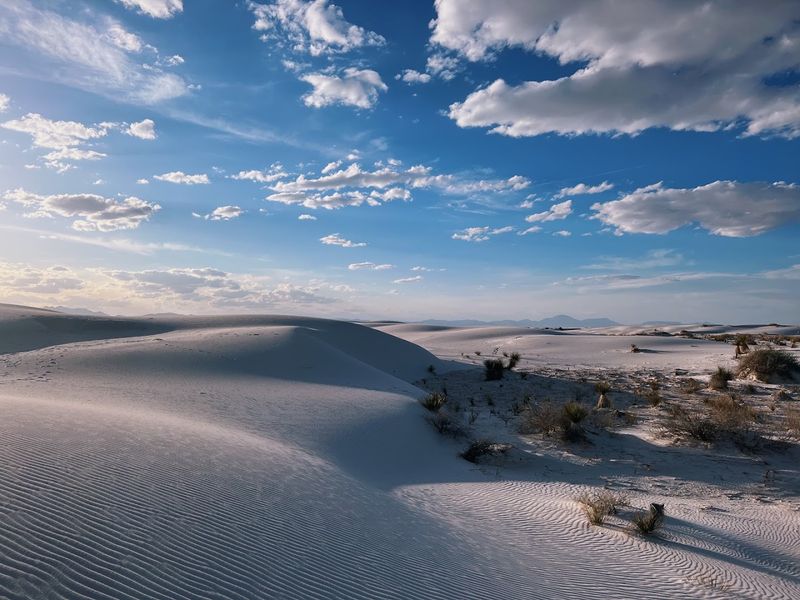
Pure white gypsum dunes roll across the Tularosa Basin at White Sands National Park, 19955 US-70, Alamogordo, NM 88310, creating the largest gypsum dunefield on the planet. The sand is so brilliantly white that sunglasses are not optional, and the contrast against a deep blue sky makes every photograph look almost too perfect to be real.
This is a landscape that rewards slow exploration and patient observation.
The eight-mile Dunes Drive winds through the heart of the dunefield, with pull-offs for hiking trails like the Interdune Boardwalk and the Dune Life Nature Trail. Sand sledding down the soft slopes is a wildly popular activity, especially with younger visitors who quickly discover that gypsum sand is surprisingly fast.
Sunrise and sunset transform the white dunes into canvases of pink, gold, and lavender.
Active dunes shift constantly, reshaping the landscape year after year. Ranger programs add context and depth to a place that already speaks powerfully on its own.