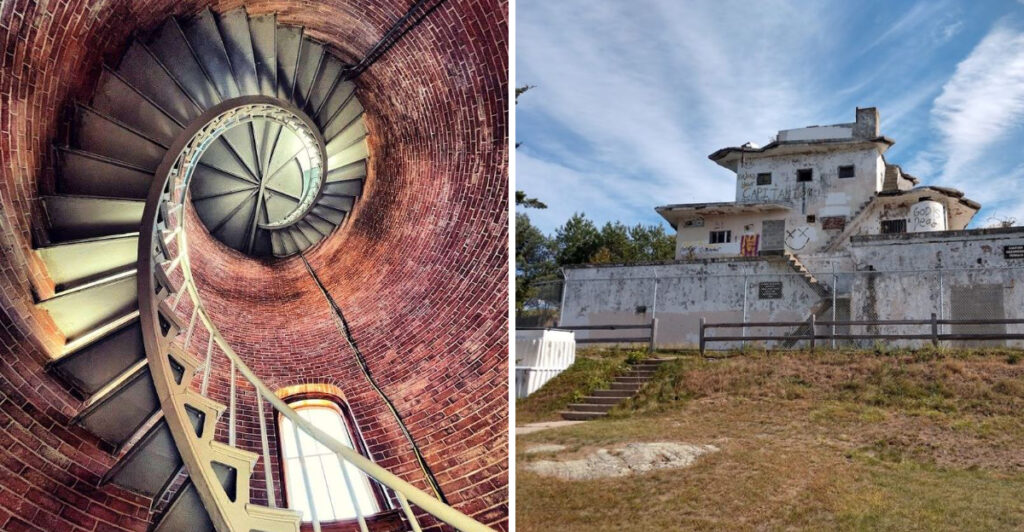
Can a coastal town stay stunning without ever turning into a tourist circus? New Hampshire has one that pulls it off beautifully.
Perched on a group of islands at the mouth of a working river, this tiny community packs revolutionary history, Gilded Age grandeur, seaside parks, and centuries of colonial architecture into less than one square mile.
The kind of place where narrow lanes wind past homes from the 1600s, two lighthouse sightlines appear from the same peninsula, and a world-class resort rises above the waterline like something from another era.
New Hampshire has one of the shortest coastlines in the country, and this overlooked island town is one of its absolute finest stretches. If you love coastal towns that feel lived-in and layered with real history, this one deserves a spot at the very top of your list.
A Town Shaped By Its Geography
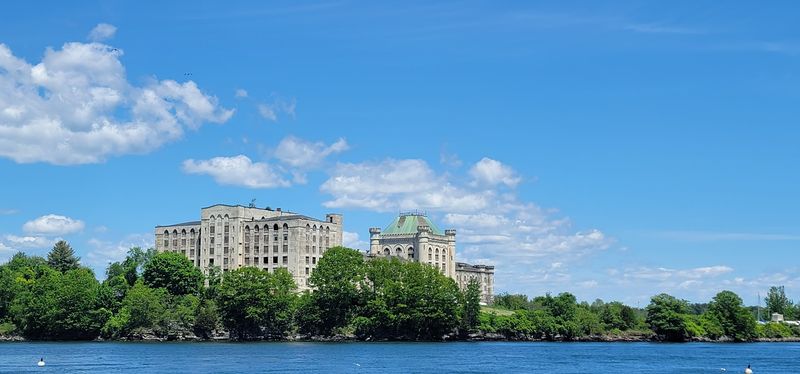
New Castle, New Hampshire, sits on a group of islands at the mouth of the Piscataqua River, and its geography has shaped everything about it.
The entire town covers less than one square mile of land, making it the smallest town in the state by area.
That physical constraint is also its greatest gift. Because the land ran out before sprawl could take hold, New Castle has preserved a character that most coastal towns lost decades ago.
Narrow lanes wind past homes dating back to the 1600s and 1700s. Colonial architecture lines the streets in a way that feels unhurried and entirely authentic.
The town was incorporated in 1693, making it the oldest incorporated town in New Hampshire.
Over three centuries of maritime history have left their mark on every corner of this compact island. What visitors find here is a coastal town that has genuinely remained itself.
Fort Constitution And The First Shot Of The Revolution
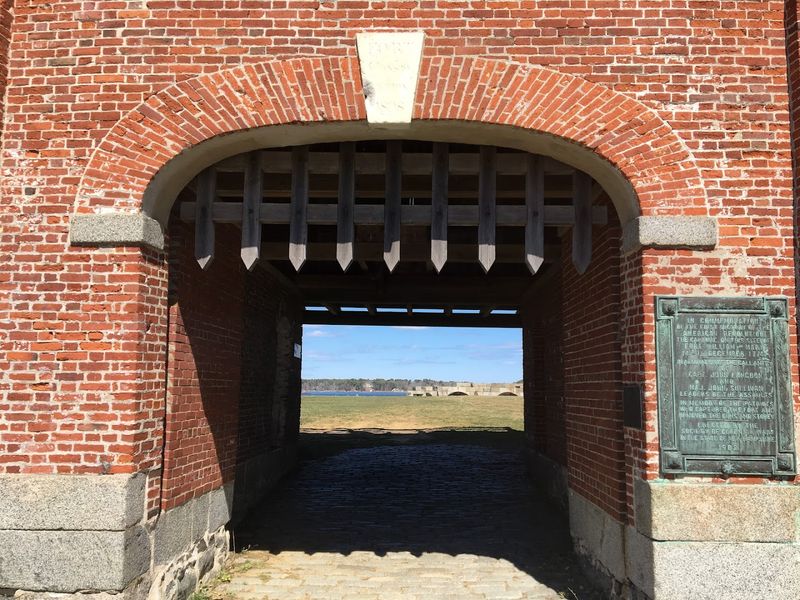
Fort Constitution sits on a peninsula at the northeast corner of New Castle Island, and its history is anything but ordinary.
Defenses were first established on this site in 1631, originally under the name Fort William and Mary. It served as the colony’s main munitions depot and the primary guardian of Portsmouth Harbor for well over a century.
In December 1774, Paul Revere rode north to warn colonial patriots of British plans to reinforce the fort.
Days later, a group led by John Langdon and John Sullivan seized cannon and gunpowder from the fort. Many historians consider this the first overt armed act of the American Revolution, months before Lexington and Concord.
The fort was renamed Fort Constitution in 1808. Today its ruins are a New Hampshire State Park, open to the public.
Standing on the grounds and looking out over the Piscataqua River, the weight of what happened here is impossible to miss.
Portsmouth Harbor Lighthouse Up Close
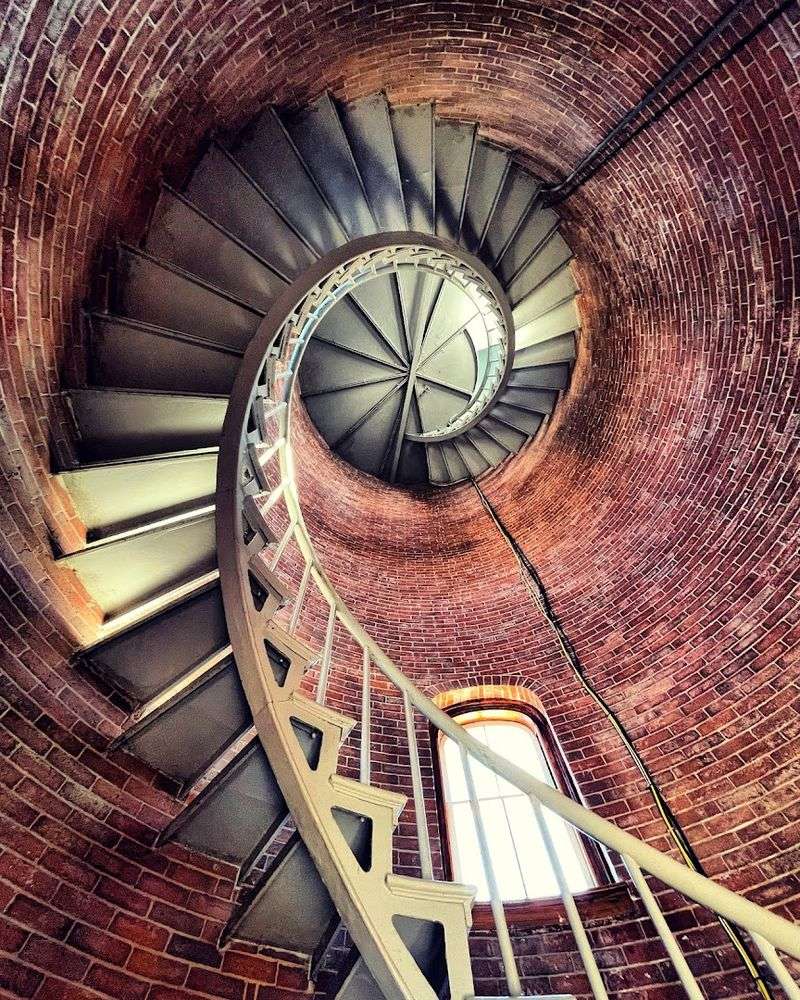
Portsmouth Harbor Lighthouse stands within the grounds of Fort Constitution and has been guiding ships into Portsmouth Harbor since 1771.
The current tower was built in 1878 and rises 48 feet above the water. Its light has shown a fixed green signal since 1941, making it one of the most recognizable navigational aids on the New Hampshire coast.
The lighthouse is managed by the Friends of Portsmouth Harbor Lighthouses and opens to visitors on select summer days.
Getting close to the tower is genuinely memorable. The surrounding fort grounds, river views, and proximity to the Coast Guard station create a layered sense of place that photographs cannot fully capture.
From the grounds, Whaleback Lighthouse is visible offshore to the northeast.
Having two distinct lighthouse sightlines from a single small peninsula is a remarkable coincidence. For lighthouse enthusiasts, this corner of New Castle is one of the most rewarding stops along the New England coast.
Wentworth By The Sea And The Gilded Age That Never Left

Wentworth by the Sea has stood on New Castle Island since 1874, and its Victorian towers are visible from a distance across the water.
Built during the Gilded Age, the resort became one of the grandest hotels on the New Hampshire coast almost immediately. In 1905 it hosted delegates from the peace conference that ended the Russo-Japanese War, a moment President Theodore Roosevelt chose New Castle to stage.
The property fell into serious disrepair and was nearly demolished twice before a major restoration brought it back.
It reopened in 2003 as part of the Opal Collection. Historic Hotels of America recognizes it as one of the region’s most significant surviving grand hotels.
Guests enjoy water views, a full-service spa, and marina access. The blend of Victorian architecture and modern comfort is executed with genuine care.
Seeing those towers rise above the island is one of the most memorable sights of any visit to New Castle.
Fort Stark And The WWII History At The Water’s Edge
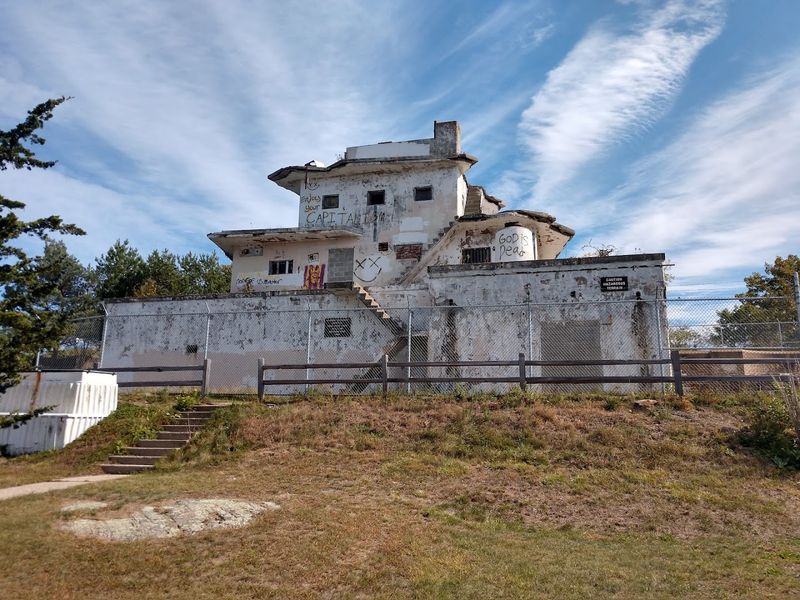
Fort Stark State Historic Site occupies the southeastern tip of New Castle Island on a peninsula called Jerry’s Point.
The site was first fortified in 1746 and served as one of seven forts built to protect Portsmouth Harbor. During World War II it was home to the 22nd Coastal Artillery, whose story is preserved in the on-site visitor center.
The grounds are open to the public during daylight hours year-round.
A walking trail winds through the ten-acre site past the remains of gun batteries and military structures. Views of the Atlantic Ocean and Little Harbor from the trail are sweeping and dramatic.
The visitor center opens on weekend afternoons between Memorial Day and Labor Day, housing military artifacts and a display about local shipwrecks.
Fort Stark rewards those who seek it out. The combination of layered military history and raw coastal scenery is genuinely hard to find elsewhere on the New Hampshire coast.
Walking The Historic District And What You Will Find
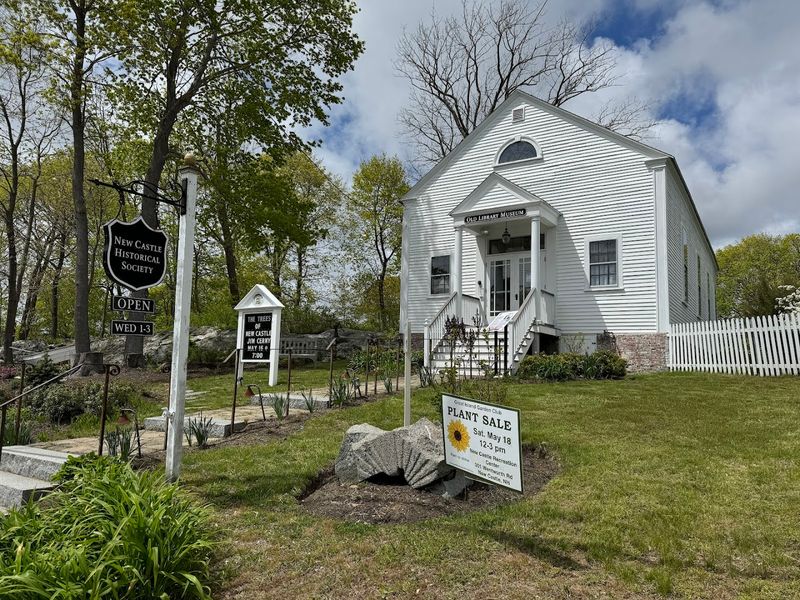
Walking the streets of New Castle takes under an hour and covers more than three centuries of New England maritime history.
The entire island is listed on the National Register of Historic Places. The colonial street pattern, 17th- and 18th-century homes, and working waterfront are largely intact, a rarity on the heavily developed New Hampshire coast.
Cape Cod cottages, saltbox houses, and Colonial Revivals line the narrow lanes. Many have stood for generations and show remarkably few concessions to the modern world.
The New Castle Historical Society offers walking tours led by knowledgeable local guides. Visitors consistently describe these as one of the most enjoyable ways to absorb the island’s layered past.
Even without a guided tour, the walk is rewarding. Stone walls, antique grave markers, and glimpses of the harbor appear at nearly every turn.
New Castle is the kind of place where the built environment does most of the storytelling.
Great Island Common And The Park That Anchors The Experience
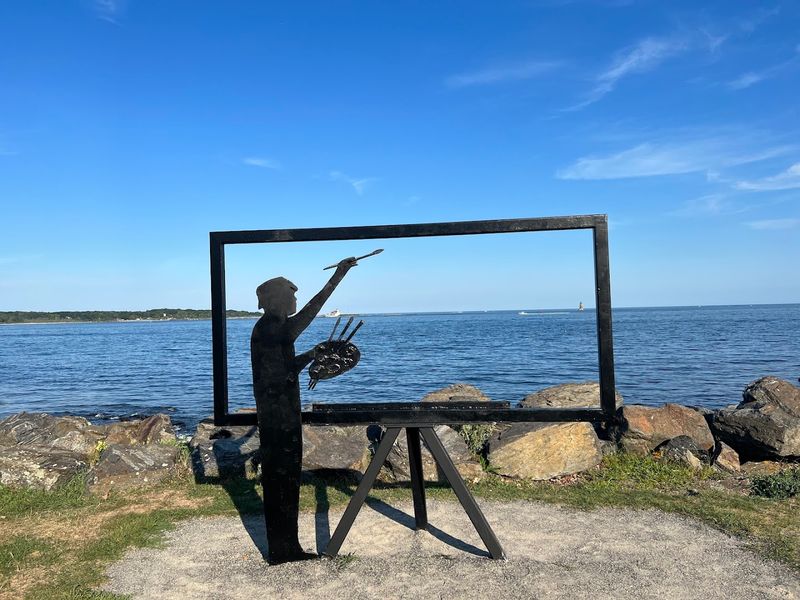
Great Island Common wraps around the eastern edge of New Castle and delivers the kind of seaside experience that city parks spend millions trying to recreate.
The park spans 32 acres of open lawn, rocky shoreline, and sandy beach. Owned and operated by the Town of New Castle, it is open to the public daily from morning until evening.
From the grounds, two lighthouses are visible: Whaleback offshore and Portsmouth Harbor Light near Fort Constitution.
There is a well-maintained playground, picnic tables under shade trees, outdoor grills, and clean restrooms. An outdoor shower station makes a full day near the salt water entirely practical.
During peak season an entrance fee per vehicle applies. Off-season visits are free and considerably quieter.
For families visiting New Castle, this is where the day finds its rhythm. The open lawns, river views, and shoreline make it one of the most complete coastal parks on the New Hampshire seacoast.
River Traffic, Wildlife, And The Show That Never Stops
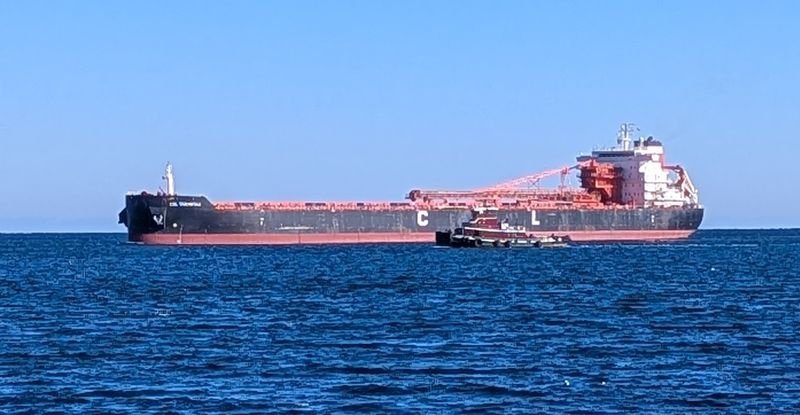
The Piscataqua River runs directly past New Castle Island, and the traffic on that waterway is one of the town’s most compelling and overlooked attractions.
Large vessels navigate the channel regularly, moving between the Atlantic and the Port of Portsmouth. Tugs, tankers, and container ships pass at close range from the shoreline.
The Piscataqua is one of the fastest tidal rivers on the East Coast, with currents exceeding six knots on a strong ebb.
Watching commercial traffic glide past colonial-era fortifications on the opposite Maine shore creates a visual contrast that feels almost cinematic. Kayakers use the waters near the island, adding a human-scale dimension beside the larger vessels.
Binoculars are worth bringing for both the ships and the wildlife. Seals have been spotted near the shoreline, and bald eagles have been observed in the area during colder months.
The river makes New Castle feel alive in a way that purely ocean-facing destinations rarely achieve.
Portsmouth Next Door And Why That Changes Everything
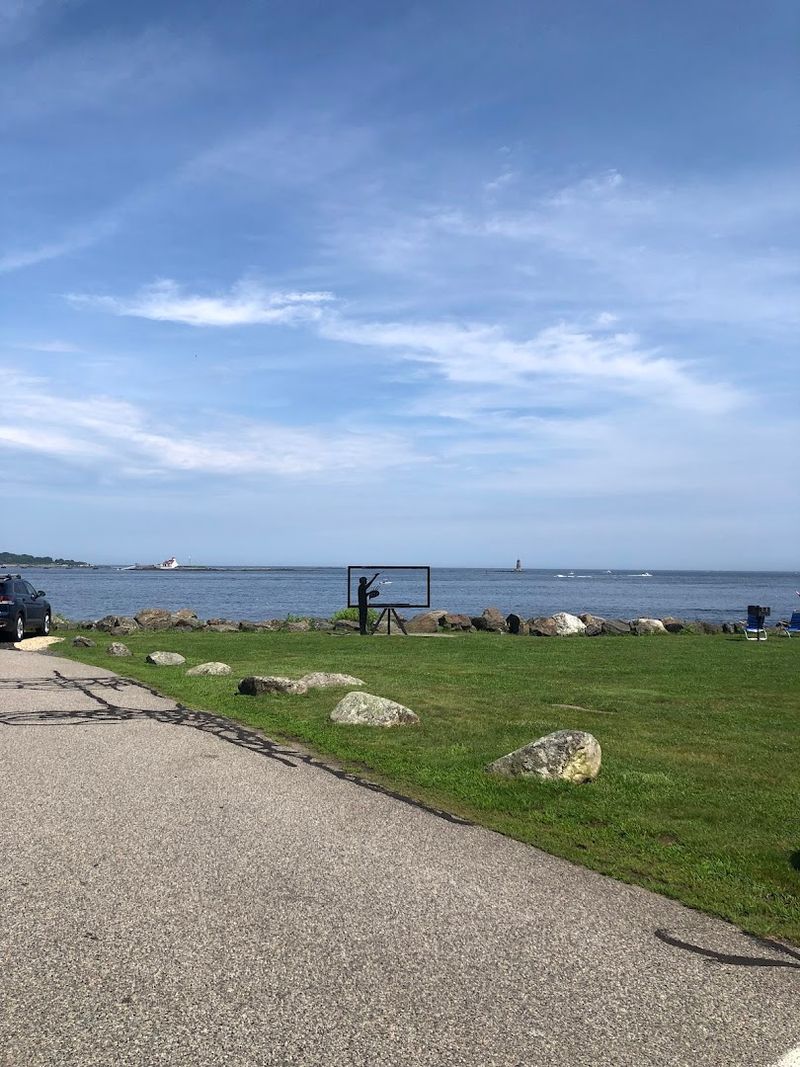
Portsmouth is just minutes from New Castle, and that proximity transforms a quiet island visit into something with almost unlimited range.
Market Square, Prescott Park, and the Strawbery Banke Museum are all reachable in under ten minutes by car. The waterfront is lined with restaurants, shops, and galleries covering every taste and budget.
For a town of roughly 1,000 people, the dining and entertainment access available from New Castle is extraordinary.
World-class restaurants, acclaimed bakeries, live music venues, and harbor cruises are all within easy reach across the bridge. Medical facilities and everyday services are close by as well, removing the usual trade-offs of small-town coastal living.
New Castle offers the quiet of a secluded island without the isolation that typically comes with it.
That combination is extremely rare. Finding a place this peaceful, this historic, and this close to a thriving city is something most coastal travelers spend years searching for.
Why This Town Stays Uncrowded Against All Odds
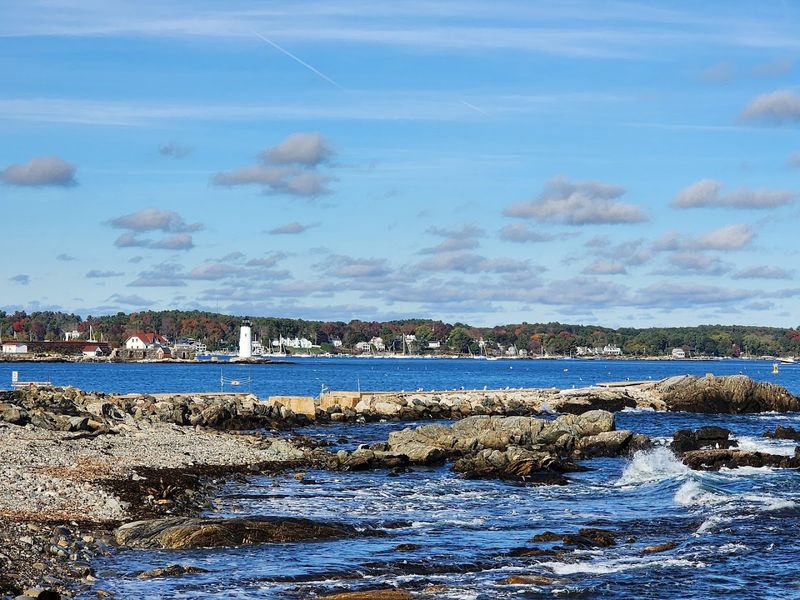
New Castle stays uncrowded in a way that defies easy explanation, and the geography is the most honest answer.
The island connects to Portsmouth by a bridge, but the road network is not built for high-volume tourist traffic. There is no commercial strip, no boardwalk, and no cluster of shops to anchor a tourist circuit.
Visitors come for the forts, the lighthouse, the historic streets, and the scenery, and then they leave.
The residential character is immediately apparent and keeps things feeling authentic rather than staged. New Hampshire concentrates most of its coastal tourism at Hampton Beach to the south, which quietly protects New Castle from the crowds that overwhelm similar destinations.
The town has not marketed itself aggressively, and the results speak for themselves.
Arriving here still feels like a discovery, even for visitors who have explored New England for years. New Castle is worth building the trip around.