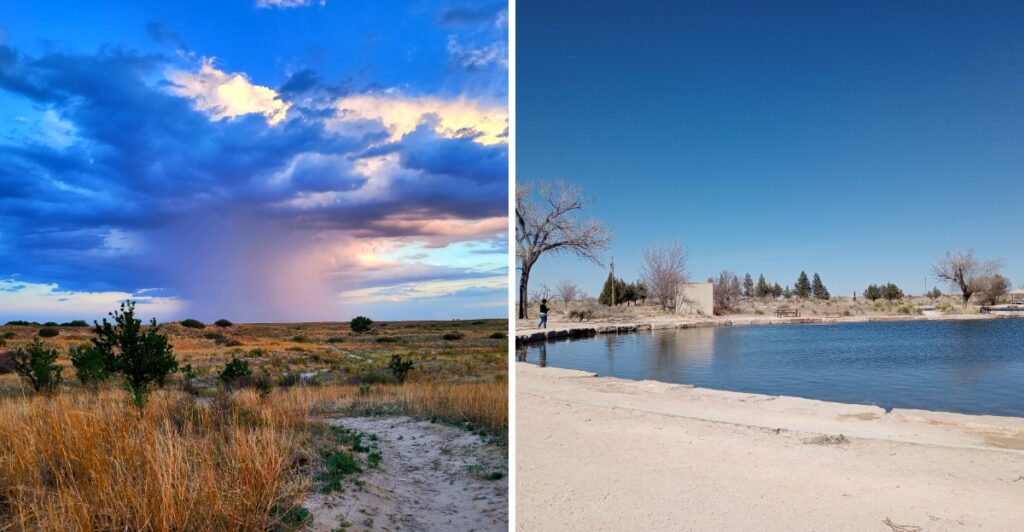
Rainbow trout swim in a little lake surrounded by sand dunes on the dry plains of eastern New Mexico. That alone made me look twice.
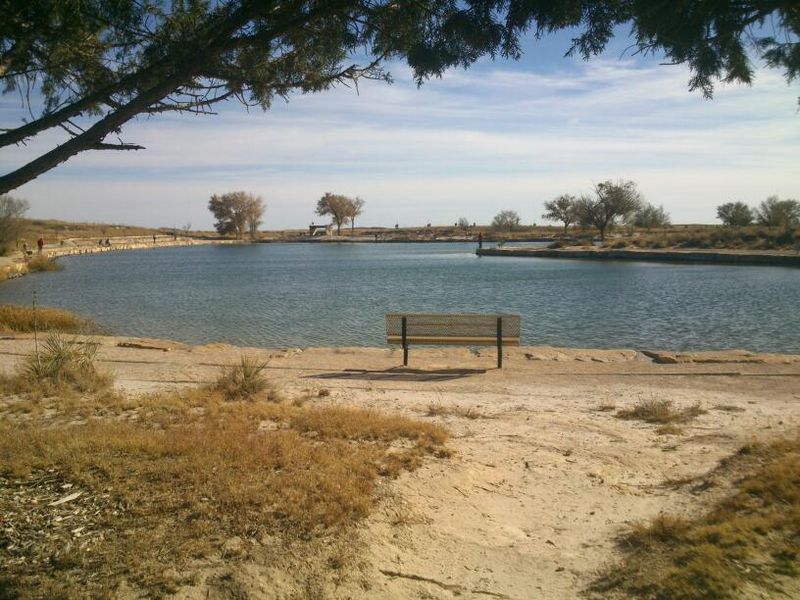
The lake covers about three acres, and cottonwood trees shade its banks like they took a wrong turn somewhere.
I love how the water stays put out here. Its bottom is sealed with bentonite clay, which helps keep the precious water from soaking away into the sand.
Groundwater from a giant underground aquifer keeps it topped off.
I’d say the best part is how easy it feels. You can cast a line, wander a short trail, or watch herons stalk the shoreline.
Then you can camp under the stars without any big fuss. So how does a lake end up living in the dunes?
A Lake That Has No Business Being In The Dunes
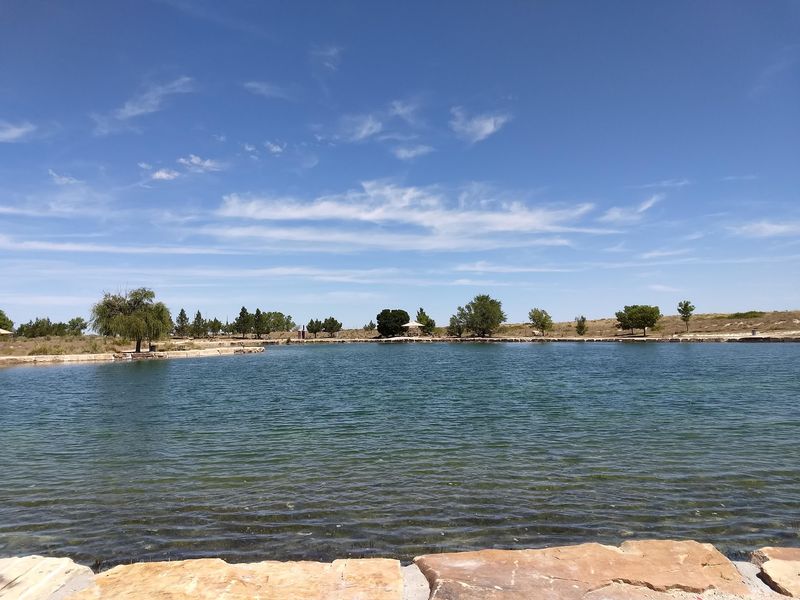
Sand dunes and fishing poles rarely share a postcard. Oasis State Park in New Mexico pulls off that odd pairing with a calm three-acre lake on the Llano Estacado.
The name fits almost too well. Wide, dry plains roll out in every direction, then cottonwoods suddenly rise around a pool of blue water.
The park sits just north of Portales, roughly eight miles from town by road. That short drive makes it easy to slip away for an afternoon without planning a giant road trip.
Most of the fun here stays simple and slow. You can fish, picnic, walk a few easy trails, or just sit by the water and watch birds glide past.
Don’t expect jet skis or splash zones, though. Boating and swimming aren’t allowed, which keeps the lake peaceful and protects its special clay bottom.
Quiet is a big part of the appeal. The park stays open year-round, so a winter visit can feel just as rewarding as a sunny spring one.
Think of it as a pause button in the middle of farm and ranch country. Bring a chair, a snack, and zero urgency.
The Clever Engineering Keeping The Water Right Where It Belongs
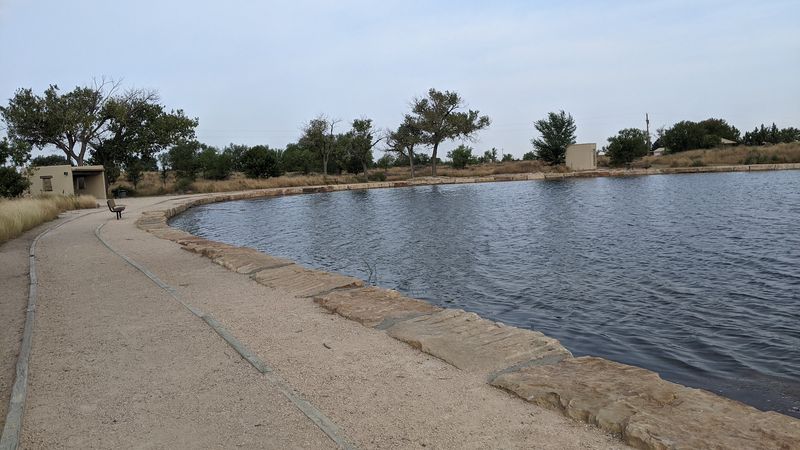
Plenty of ponds are just puddles with ambition. This one has serious science helping it hang around in a very thirsty landscape.
Oasis State Park was set aside in 1961 to protect this unusual patch of land. A pond about one and a half acres wide was added in 1971.
Then came a glow-up. In 1984, the pond grew to its current three acres, giving anglers and birds a lot more shoreline to enjoy.
The water comes from the Ogallala aquifer, a huge underground supply stretching beneath the plains. Pumped groundwater keeps the lake filled when the sky refuses to help.
Here’s the neat trick. The bottom is sealed with bentonite clay, which swells and helps stop water from leaking into the sandy soil below.
That clay seal is also why swimming and boating are off-limits. Splashing feet and boat hulls could damage the lining that keeps everything working.
So when you stroll the shoreline, you’re looking at a smart blend of nature and planning. It’s a desert spring with a little backup crew working quietly behind the scenes.
Your Fishing Line Has A Real Shot At Trout Here
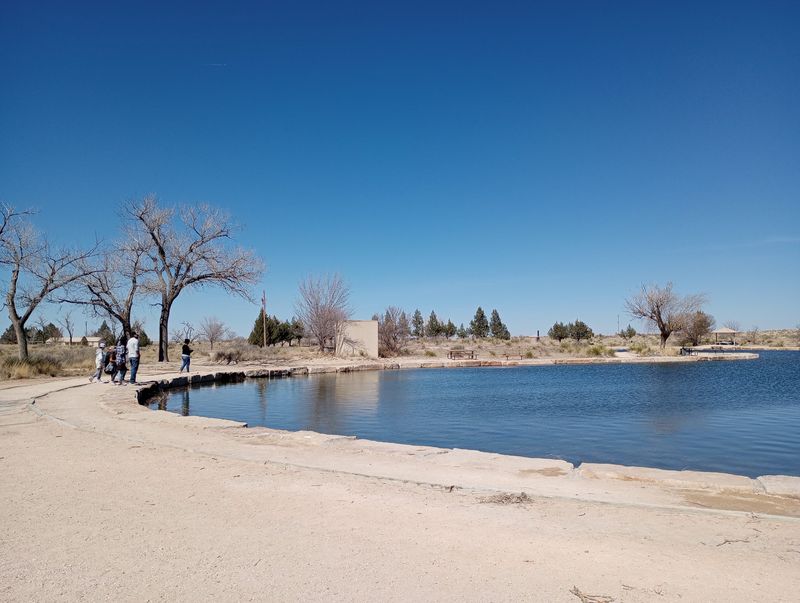
Rainbow trout in a desert sounds like a riddle. At this lake, it’s just part of the regular routine.
The water gets stocked with rainbow trout and channel catfish. That gives anglers of all skill levels a fair chance at a bite.
Bank fishing works all the way around the shoreline. No boat, no fancy gear, and no long hike to find a decent spot.
That setup makes it great for beginners and families. Kids can stand right at the edge and stay close to the grown-ups helping them bait hooks.
Winter often brings trout season into focus, since trout love cooler water. Catfish tend to keep things interesting when the weather warms up.
Before you cast, grab a valid New Mexico fishing license if you need one. Checking current state limits is smart too, since rules can change.
A folding chair and some patience go a long way here. Even a slow day still comes with cottonwood shade, sandy views, and birds keeping you company along the bank.
Bring Binoculars Because The Birds Show Up In A Big Way
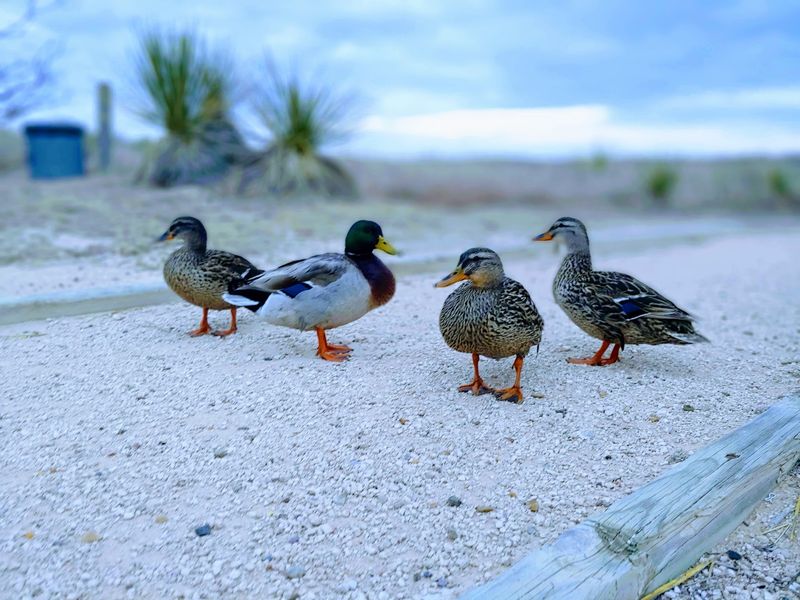
More than 80 bird species have been spotted at this park over the course of a year. That’s a pretty impressive guest list for a three-acre lake.
Water in dry country acts like a magnet. Birds flying over the open plains seem to notice that blue patch right away.
Great blue herons are some of the showstoppers. Watching one stand perfectly still before snapping up a meal is better than most TV.
You might also catch ring-necked pheasants, quail, or western sandpipers. Each one uses a different part of the park, from the shoreline to the brushy dunes.
Winter is a strong season for birders here. Cooler months can bring a nice mix of visitors stopping by the lake.
Pack binoculars and move slowly along the trails. A small field guide or a bird app can help you put names to all those feathers.
Early mornings and evenings usually feel calmer for watching wildlife. Plus, the soft light over the sand makes every sighting feel a little more special.
Easy Trails Let You Wander The Sand Without Breaking A Sweat
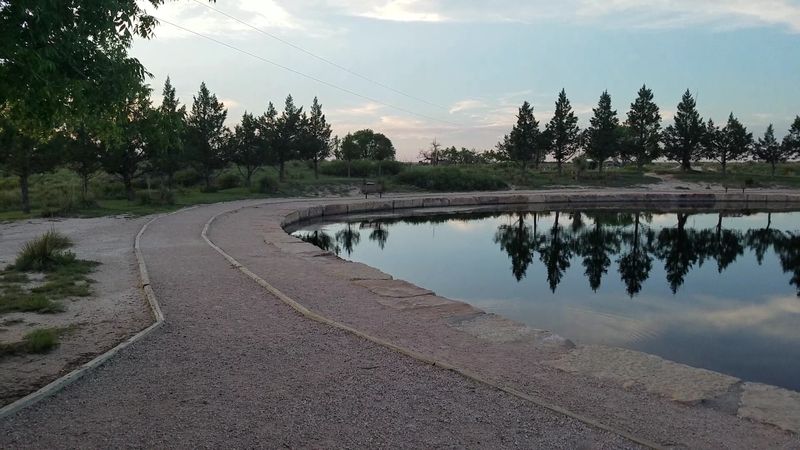
Good news for anyone who dislikes steep climbs. The paths at Oasis State Park offer opportunities for relaxed walks through the dunes.
The park’s Sand Dune Trails wind through the sandy landscape. Visitors can explore the natural surroundings while enjoying views of the cottonwood trees and open plains.
The trails offer a chance to appreciate the park beyond its fishing pond. They make a nice before-dinner walk.
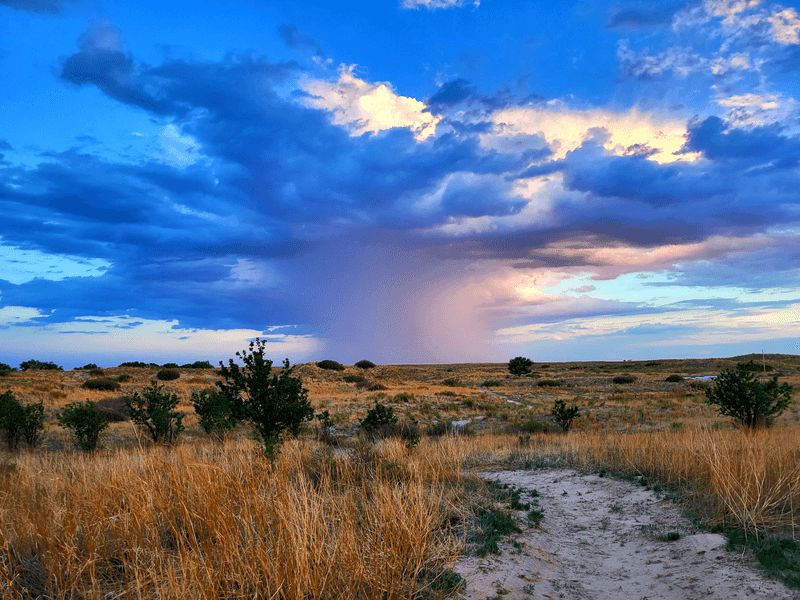
Out in the dunes, the scenery shifts quickly. Sand, scrubby plants, and wide plains stretch out like the world got a lot bigger.
Keep your eyes open for lizards scurrying across the ground. Snakes also live here, including rattlesnakes, so stay on trails and watch your step.
Pet owners should know about prickly stickers along some paths. Checking paws after a walk can save your dog some grumpy moments.
Bikers get options too. Paved park roads are smooth for casual rides, and some trails work for mountain biking if you like a little sand under your tires.
Campsites Come With Shade, And That Matters Out Here
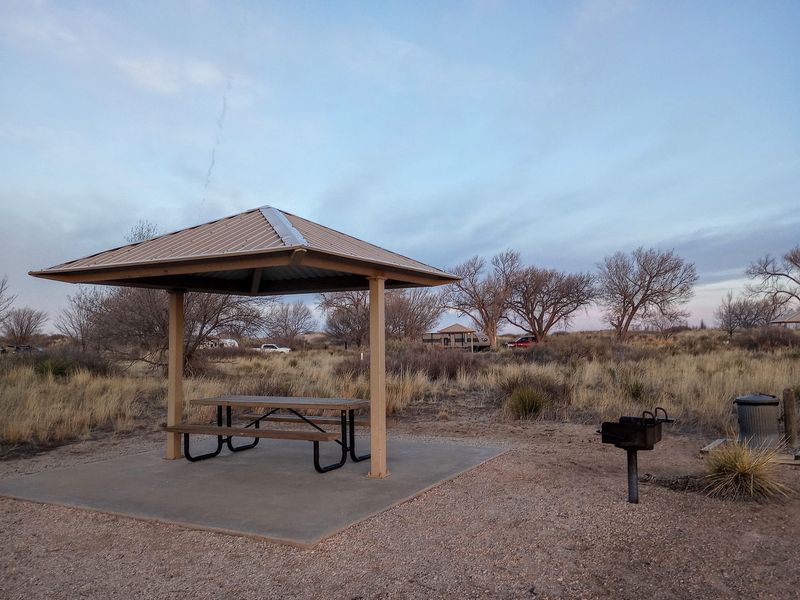
Shade is a big deal on the plains. Thankfully, campsites here usually come with a shade structure, a picnic table, and a barbecue pedestal.
The campground has 29 developed sites for tents and RVs. Some offer water and electric hookups with 30-amp or 50-amp service.
A couple of sites even include full sewer hookups. RV travelers also get access to a dump station before rolling back onto the highway.
Fire rules deserve attention. Open ground fires are restricted, but cooking devices using liquid petroleum or LPG are allowed.
Some sites can be reserved ahead of time, while others work on a first-come, first-served basis. Booking early is smart if you have a specific site in mind.
Nights here can feel wonderfully calm. Away from city lights, the stars get a lot more room to show off.
Pack layers, since desert temperatures can swing between day and night. A good lantern and a cozy camp chair will make those starry evenings even better.
Hot Showers And A Covered Playground Make Life Easier
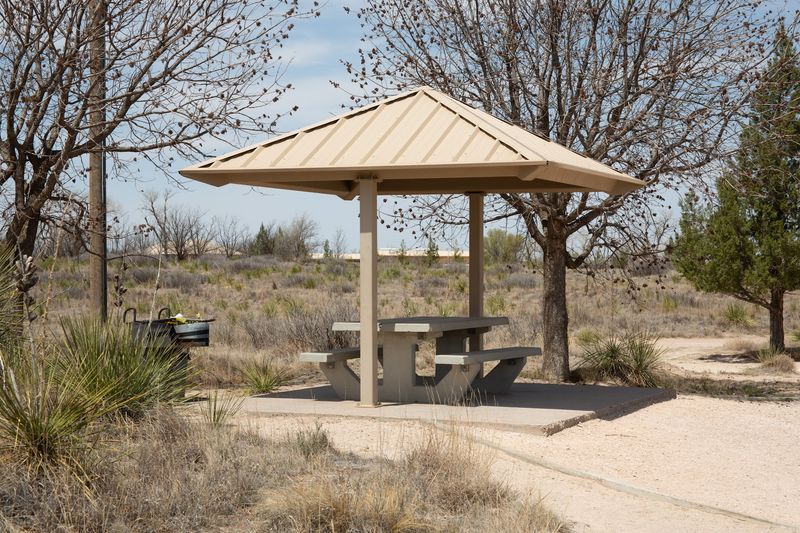
Camping feels a lot more fun when hot showers are part of the deal. Oasis State Park offers restrooms, including ones with showers.
Families will appreciate the playground. Kids can burn off energy while enjoying a break from fishing and exploring the park.
Shaded picnic tables are spread around the grounds. That makes it easy to plan a lunch stop, even if you aren’t staying overnight.
Bigger groups have an option too. A group picnic shelter is available, and reservations are recommended for that space.
The visitor center features exhibits about the park. It’s a handy first stop for getting your bearings and learning a little about the area.
Many facilities are accessible to people with disabilities. That thoughtful design helps more people enjoy the lake, trails, and picnic spots.
Cell signal can be spotty out on the plains, so download maps before arriving. Bringing sunscreen, water, and bug spray is also wise, since flies can show up in warmer months.
Getting There Is Easier Than Finding Water In The Desert
Road trips across eastern New Mexico can feel endless. This park offers a welcome break without dragging you far off course.
You’ll find Oasis State Park at 1891 Oasis Rd, Portales, NM 88130. It sits about eight miles from Portales by road.
That close distance is handy. Need groceries, gas, or a forgotten tent stake?
Town isn’t far away.
Travelers on Highway 70 can make a fairly short detour to reach the park. Clovis is also within an easy drive.
New Mexico State Parks manages the site, and it welcomes visitors all year. That makes it a solid stop whether you’re passing through or planning a full weekend.
The park sits in farm and ranch country. Sometimes the breeze carries a little reminder of nearby cattle operations, so think of it as authentic local flavor.
Day-use and camping fees apply, so plan to pay on arrival. Rules and rates can change, so checking with the park before you go keeps surprises to a minimum.
Ancient History Is Waiting Just Down The Road
Some of the oldest stories in North America were uncovered near Portales. That makes a side trip from the park extra tempting.
The Blackwater Draw Archaeological Site is famous for evidence of early people known as the Clovis culture. It’s a big name in the study of ancient America.
The Blackwater Draw Museum adds more context to those discoveries. It’s a great stop for curious kids and history fans alike.
Back in town, Eastern New Mexico University brings events and cultural activities to Portales. Checking the campus calendar could turn up something fun during your visit.
Golfers can explore Portales Country Club, which has a nine-hole golf course. It’s another option for visitors looking to spend time outdoors.
Mixing these stops with a park visit makes for a well-rounded trip. You get water, wildlife, and a deep dive into the past, all in one corner of New Mexico.
Then you can return to your campsite for sunset. Not a bad way to wrap up a day.