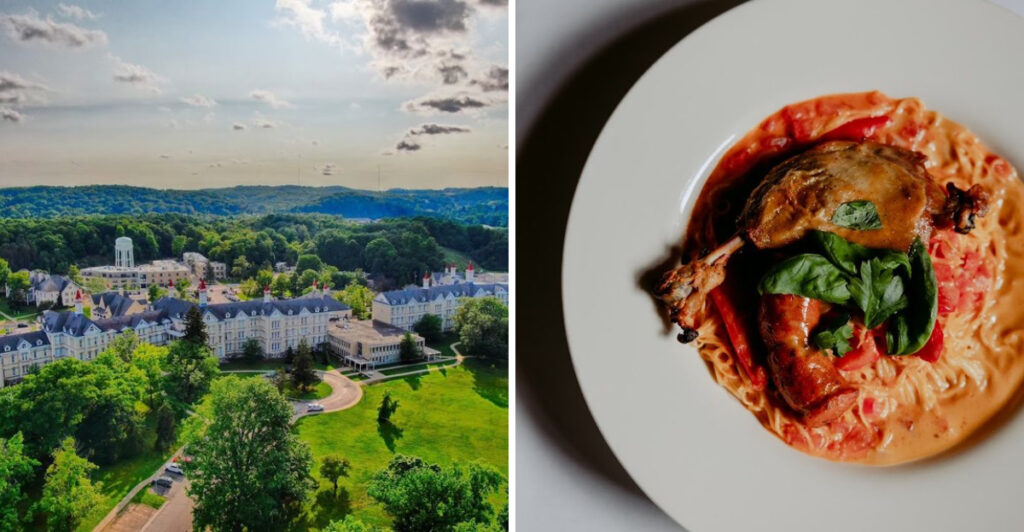
From Asylum To Attraction, The Remarkable Origin Story
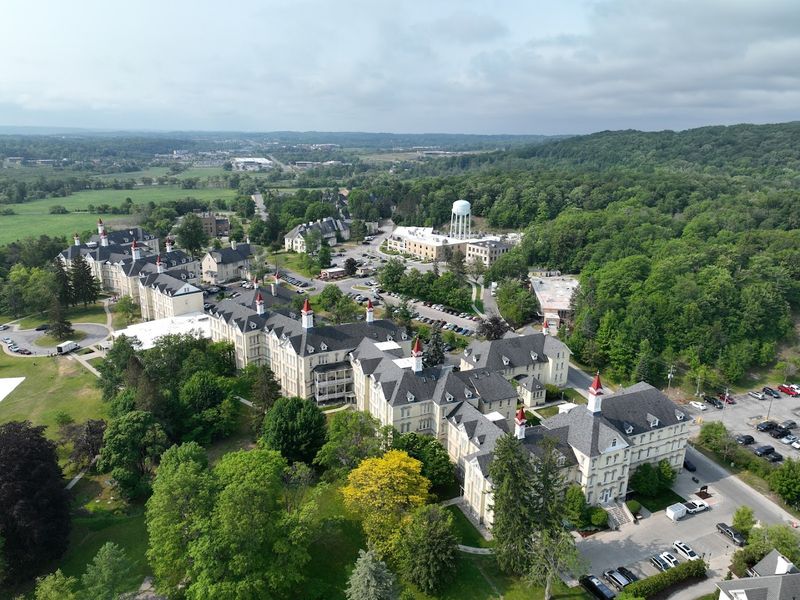
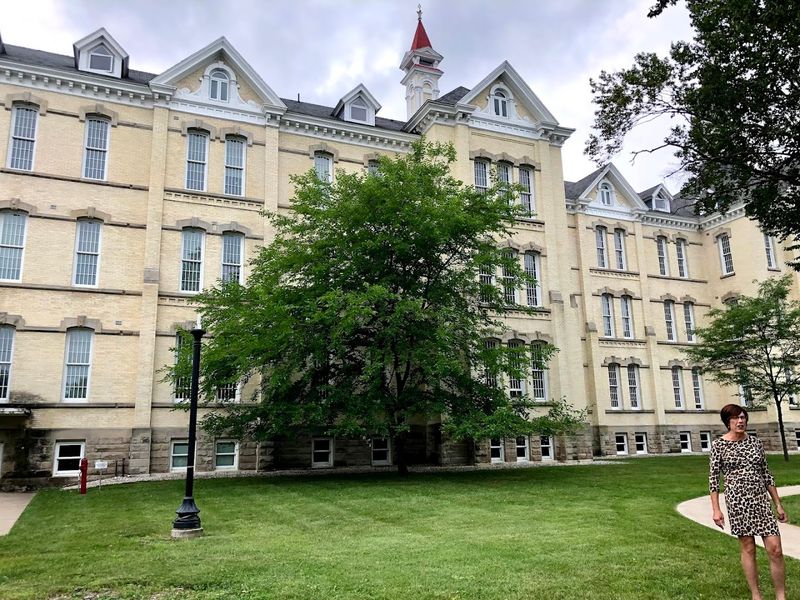
Few buildings carry as much story per square foot as this one. The Village at Grand Traverse Commons opened its doors in 1885 as the Northern Michigan Asylum, built using over eight million yellow bricks in a Victorian-Italianate style.
The design followed the Kirkbride Plan, a progressive philosophy that believed natural light, fresh air, and humane treatment could heal mental illness. Patients here were not treated with cruelty.
They farmed their own food, worked the land, and lived with dignity.
The hospital closed in 1989, and for years the sprawling campus sat empty. Demolition seemed inevitable.
But the local community in Michigan rallied hard to save it. The Minervini Group stepped in and launched one of the largest historic rehabilitation projects in the entire country.
Today, the bones of that original vision still stand tall. The thick walls, arched windows, and ornate brickwork remain intact.
The past is not erased here. It is celebrated, preserved, and very much alive.
The Year-Round Farmers Market That Changes Everything
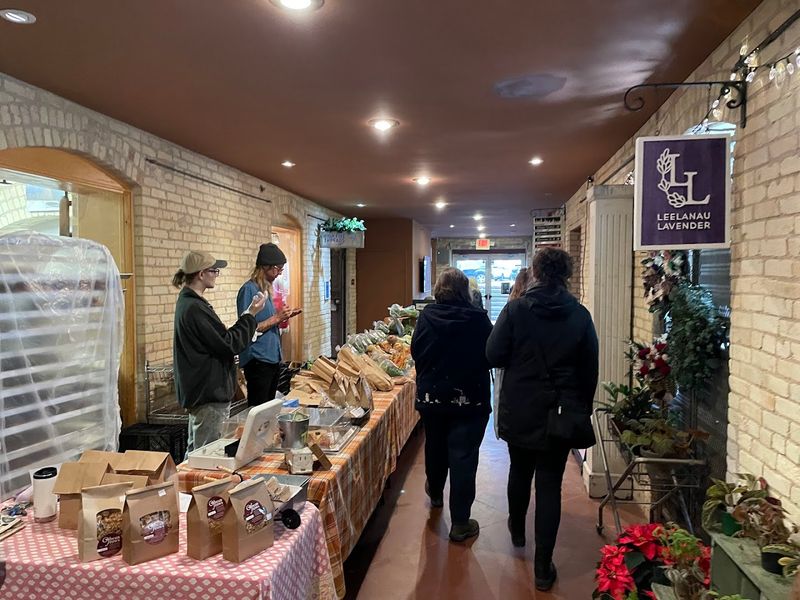
Markets that only show up in summer are easy to find. A year-round farmers market tucked inside a 19th-century asylum corridor is something else entirely.
This is the only year-round farmers market in Traverse City, Michigan, and it earns that title with real commitment.
When warmer months roll around from June through October, the market spills outside onto The Piazza every Monday afternoon. Local vendors set up under open skies, selling farm-fresh produce, handmade goods, and seasonal specialties.
When Michigan winters arrive, the market moves indoors to The Mercato, a dramatic garden-level corridor inside Building 50.
More than thirty vendors line the space on Saturday mornings, offering farm eggs, artisan cheeses, fresh meats, seasonal vegetables, and homemade baked goods.
The indoor setting adds an unexpected layer of atmosphere. Historic brick walls frame every transaction.
Shopping here feels less like a chore and more like a cultural experience. First-time visitors often linger far longer than planned, which is exactly the point.
A Shopping Corridor Unlike Any Other
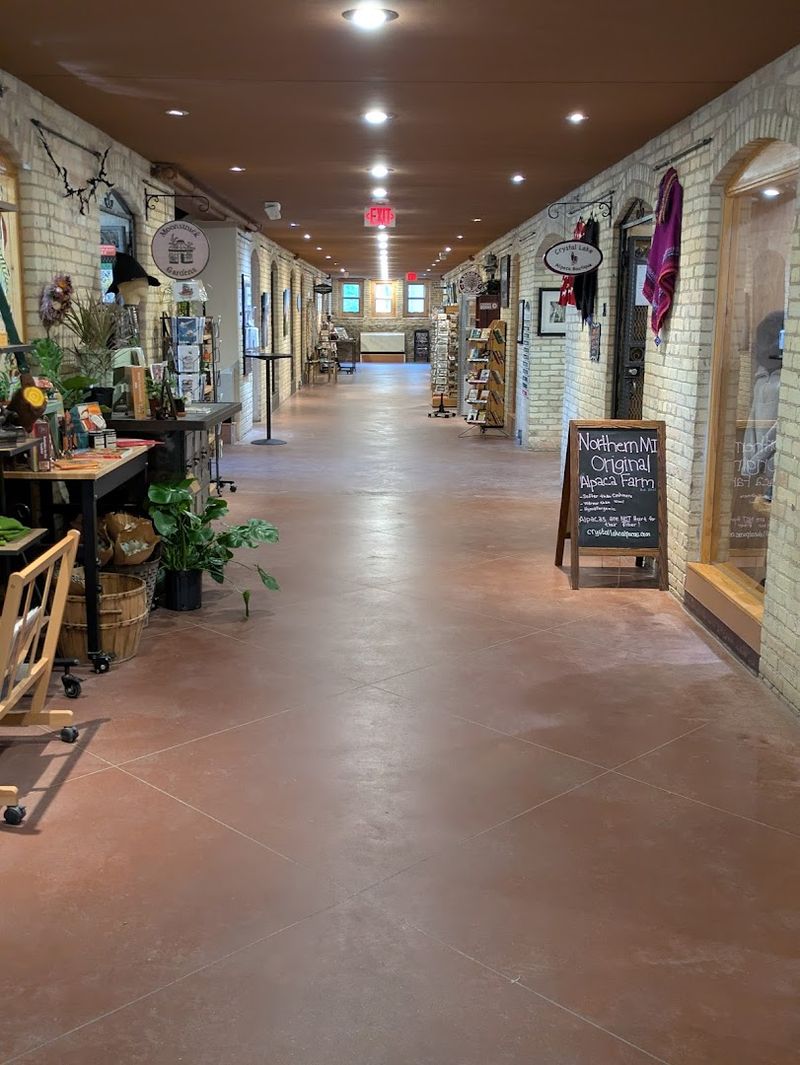
Picture a long, vaulted corridor lined with independent boutiques, the walls made of original brick, the ceiling low and atmospheric. That is The Mercato at the Village at Grand Traverse Commons, located at 1200 W Eleventh St, Traverse City, MI 49684.
Housed in the garden level of Building 50, this indoor marketplace feels like a secret the rest of the country has not figured out yet. No chain stores are allowed here.
Every shop is locally owned, independently operated, and genuinely one of a kind.
Visitors browse handcrafted jewelry, specialty foods, artisan clothing, home goods, and art. The variety keeps the experience fresh no matter how many times you visit.
Some regulars make it a weekly ritual.
The architecture does half the work. Walking through The Mercato means moving through history with every step.
The thick walls that once housed a state hospital now cradle small businesses full of personality. Michigan has many shopping districts, but none quite look or feel like this one.
480 Acres Of Trails Right Outside The Front Door
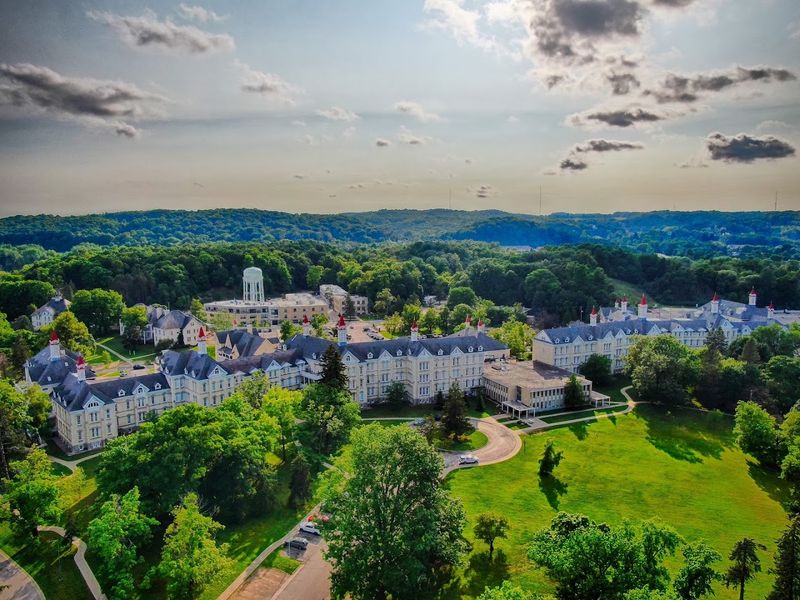
The building gets all the attention, but the land surrounding it is equally worth your time. The Village at Grand Traverse Commons sits within 480 acres of preserved parkland, including dense woodlands and quiet wetlands.
Miles of hiking and biking trails wind through the property. The terrain suits casual walkers and more dedicated trail enthusiasts alike.
In autumn, the tree canopy turns into a full color show. In summer, the paths stay cool under thick forest cover.
Michigan is known for its outdoor beauty, and this particular corner of it often gets overlooked in favor of the lakeshores. That oversight works in the favor of anyone who discovers it.
The trails here rarely feel crowded.
After a long walk, returning to the Village means stepping back into a world of coffee shops, restaurants, and market stalls. The transition from nature to historic architecture happens in minutes.
Few destinations in Michigan manage to blend outdoor recreation and cultural history this seamlessly in one compact, walkable area.
Historic Tours That Go Deeper Than Expected
Guided tours here are not the kind where you shuffle through a lobby and read a few plaques. These go deep, literally and figuratively.
The underground steam tunnels are a highlight that visitors consistently describe as unforgettable.
Multiple tour formats are available. Some focus on the historic buildings and grounds.
Others take guests into off-limits areas, including unrenovated cottages and the original tunnel system that once connected the entire campus. The tunnels run beneath the property and carry a distinct chill, both in temperature and atmosphere.
Tour guides bring the history to life with detailed knowledge and genuine passion. Questions are welcomed.
Stories about patient life, architectural decisions, and the hospital’s progressive treatment methods make the experience feel personal rather than textbook.
Visitors from outside Michigan often say the tour alone justifies the trip. Even locals who have passed this campus for decades leave having learned something new.
Booking in advance is strongly recommended, as tours sell out regularly, especially during peak travel season in northern Michigan.
Kirkbride Hall And The Architecture Worth Stopping For
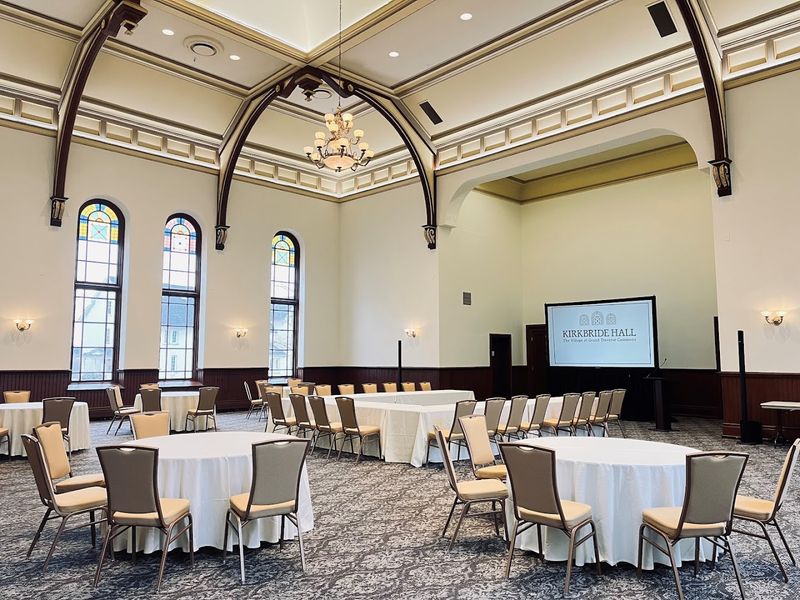
Architecture enthusiasts tend to stop dead in their tracks when they first see Kirkbride Hall. Originally built as the hospital chapel, this space has been transformed into a community gathering hall while keeping its historic bones completely intact.
The Victorian-Italianate style that defines the entire campus reaches a kind of peak expression here. High ceilings, original woodwork, and tall windows that flood the interior with natural light make it one of the most photographed spaces in northern Michigan.
The Kirkbride Plan, which inspired the original design, was built on the belief that beautiful surroundings supported mental and physical recovery. Standing inside this hall, that philosophy feels less like history and more like a lesson modern architecture could still learn from.
Events, gatherings, and community functions now fill the space regularly. The hall serves as proof that adaptive reuse done right does not erase the past.
It amplifies it. The result is a room that feels both historic and alive, which is a balance very few renovation projects ever manage to strike.
Local Restaurants And Cafes Worth Every Detour

Hunger is never a problem at this destination. The Village at Grand Traverse Commons hosts a rotating collection of restaurants, cafes, and food vendors, all independently owned and locally rooted.
Chain restaurants are not part of the picture here, by design.
Brunch spots draw morning crowds. Coffee shops pull in the afternoon regulars.
Evening dining options lean toward locally sourced ingredients, many of which come directly from vendors at the on-site farmers market. The connection between where food comes from and where it ends up on your plate is unusually short here.
Eating inside a restored 19th-century building adds a layer of atmosphere that no modern restaurant can replicate. Exposed brick, original flooring, and high ceilings create a dining environment that feels earned rather than manufactured.
Michigan has no shortage of good food towns, but the combination of historic setting, local sourcing, and vendor variety gives this place a distinct edge. Visitors often plan their whole visit around a meal and end up staying for the rest of the afternoon without any regret.
Art Galleries And Creative Spaces Tucked Into The Brickwork
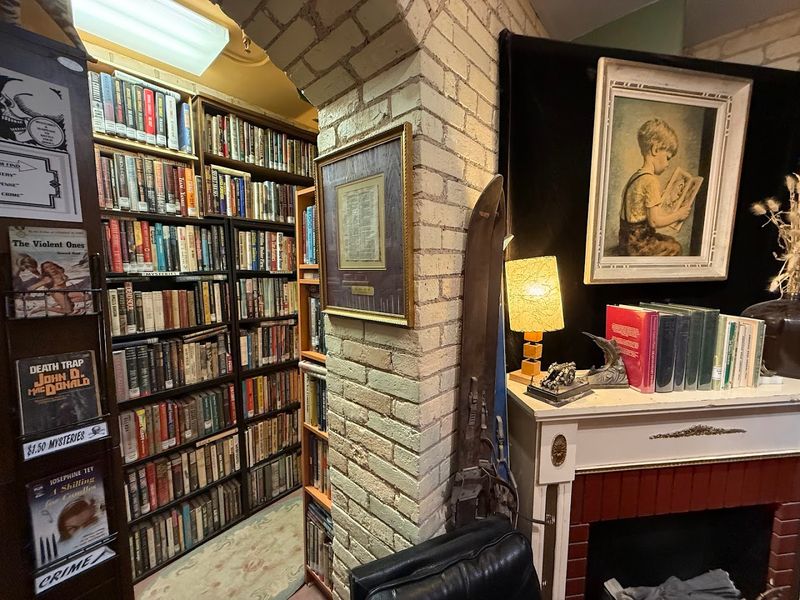
Creative energy runs through this place the same way steam once ran through its underground tunnels. Art galleries and studio spaces occupy corners and corridors throughout the Village, offering rotating collections from regional and local artists.
The setting itself functions as a kind of artwork. Original brick walls, arched doorways, and worn wooden floors provide a backdrop that most gallery owners would dream about.
Art displayed here does not compete with white walls and fluorescent lighting. It breathes inside history.
Visitors who wander without a plan often discover a new gallery around a corner they almost skipped. That sense of discovery is built into the layout of the campus.
Exploration is rewarded consistently.
Michigan has a vibrant arts community, and the Village gives that community a physical home with serious character. Local painters, sculptors, and craftspeople find the atmosphere genuinely inspiring.
For visitors, the galleries add a cultural layer to the experience that goes well beyond shopping and eating. It rounds the whole visit out in a satisfying and unexpected way.
Events, Festivals, And The Front Lawn That Earns Its Keep
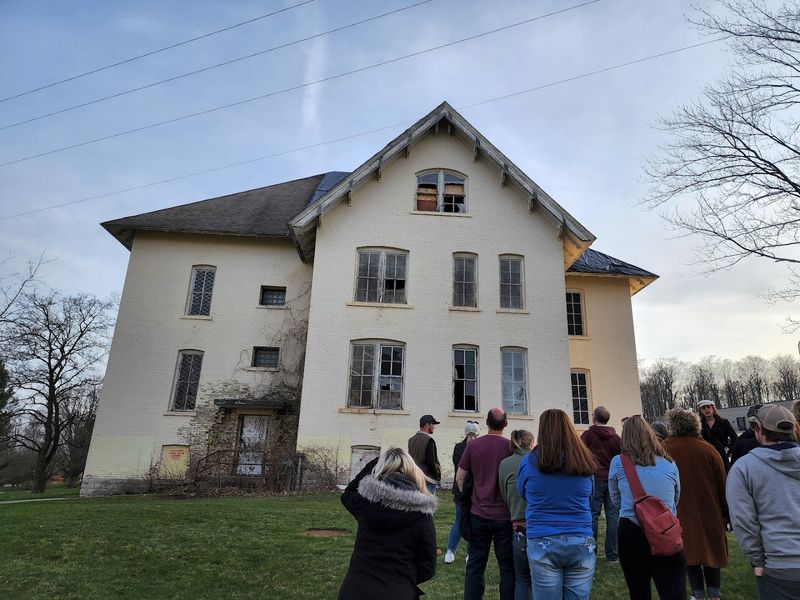
The front lawn of the Village at Grand Traverse Commons is not just decorative. It works hard throughout the year, hosting festivals, concerts, community events, and seasonal gatherings that draw visitors from across Michigan and beyond.
The Historic Arboretum that surrounds the property provides a natural frame for outdoor events. Old-growth trees and manicured green spaces create an event venue that feels both grand and intimate at the same time.
Outdoor concerts here carry a completely different energy than anything happening in a conventional venue.
Seasonal festivals bring the campus to life in different ways depending on the time of year. Summer events lean into the natural beauty of northern Michigan.
Autumn gatherings take advantage of the dramatic foliage that surrounds the property.
Checking the event calendar before visiting is always a good idea. Landing on an event day adds a completely different dimension to the experience.
The energy shifts. Crowds fill the lawns.
Local vendors set up. The whole place hums with the kind of activity that makes you want to come back again soon.
What To Know Before You Go
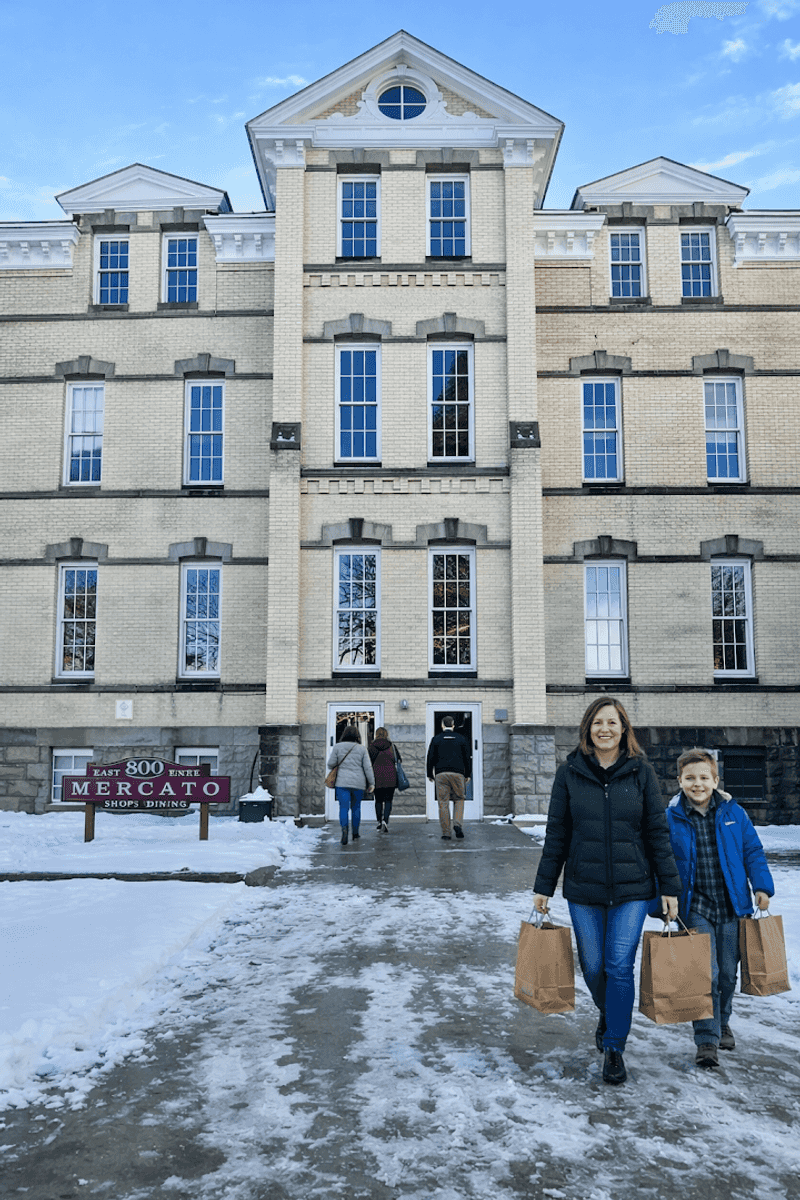
Getting the most out of a visit here takes just a little advance thought. The Village at Grand Traverse Commons sits at 1200 W Eleventh St in Traverse City, Michigan, and is accessible by car with parking available on the grounds.
The campus is large, so comfortable walking shoes are a genuine recommendation, not a suggestion.
Tour reservations fill up quickly, especially in summer and fall. Booking ahead saves disappointment.
Winter visitors should dress in serious layers if a tunnel or outdoor building tour is on the agenda. The cold in Michigan is real, and parts of the tour take place in unheated spaces.
The farmers market schedule shifts by season, so confirming whether it is operating indoors or outdoors before arriving helps with planning. Most shops open daily, making any day a reasonable time to visit.
First-time visitors often underestimate how much there is to see and do. Blocking out a full half-day or even a full day gives the campus the time it deserves.
Rushing through this place would be a genuine waste of something special.