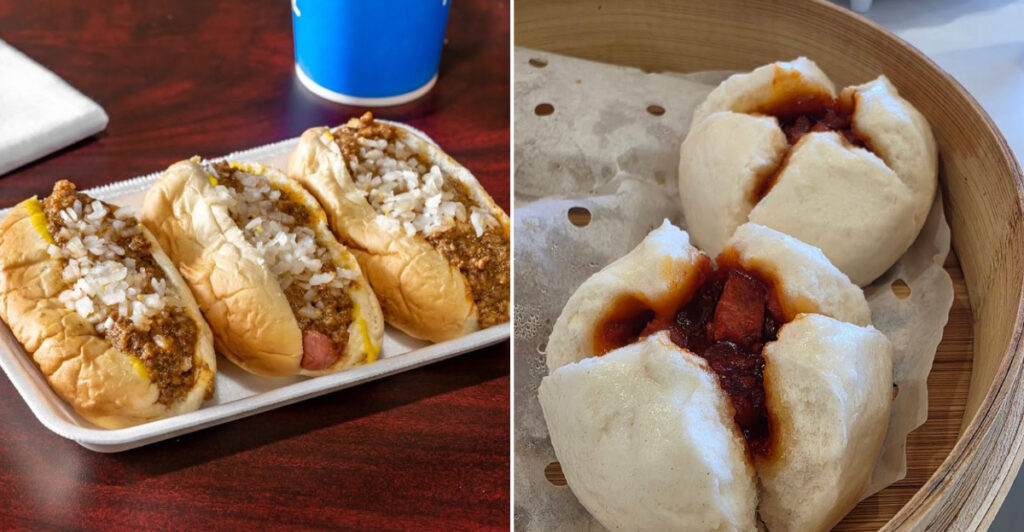
Oklahoma knows how to turn familiar ingredients into food that feels unmistakably its own.
The state’s traditions have a habit of sounding unusual right up until the plate arrives and suddenly nobody is asking questions anymore.
These are not recipes built for trends, tiny portions, or dramatic garnishes.
They are the foods people grew up defending, craving, and explaining to curious relatives from out of town.
Some carry generations of history, while others began with practicality and became local legends by accident.
That mix of pride, resourcefulness, and unapologetic flavor is exactly what makes Oklahoma cooking memorable.
You may recognize a few ingredients, but the way they come together can still catch you off guard.
Consider this a warning that curiosity tends to turn into seconds.
Oklahoma’s food does not follow the usual script.
Your taste buds are about to meet every surprise ending.
1. Oklahoma Fried Onion Burger
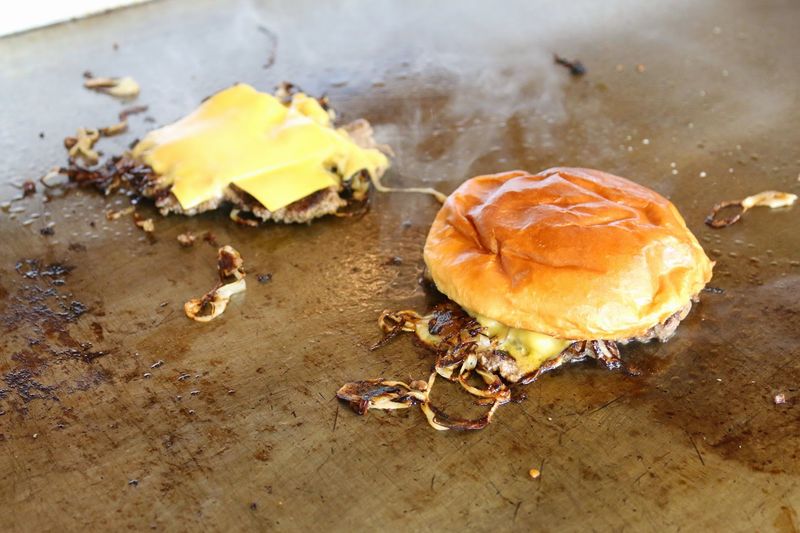
Few burgers carry as much history as this one.
The Oklahoma fried onion burger was born out of necessity during the Great Depression, when cooks stretched their beef by smashing thinly sliced onions right into the patty on a hot griddle.
The result was something nobody planned but everybody loved. The onions caramelize against the flat-top, becoming sweet and crispy at the edges while the beef gets a deep, savory crust.
El Reno, a small city just west of Oklahoma City, is considered the spiritual home of this burger. The town even hosts an annual fried onion burger festival that draws thousands of visitors each year.
The burger itself is simple. Beef, onions, a soft bun, and maybe a smear of mustard and a pickle.
That’s it. No fancy toppings, no towering stacks.
What makes it special is the technique. The onions get pressed so hard into the meat that they become part of it.
You can’t pull them off because they’re fused right in.
Diners across central Oklahoma still serve this burger the old-fashioned way. Order it at a counter stool and eat it fast while it’s hot.
This is Oklahoma on a plate, honest and completely unforgettable.
2. Theta Burger
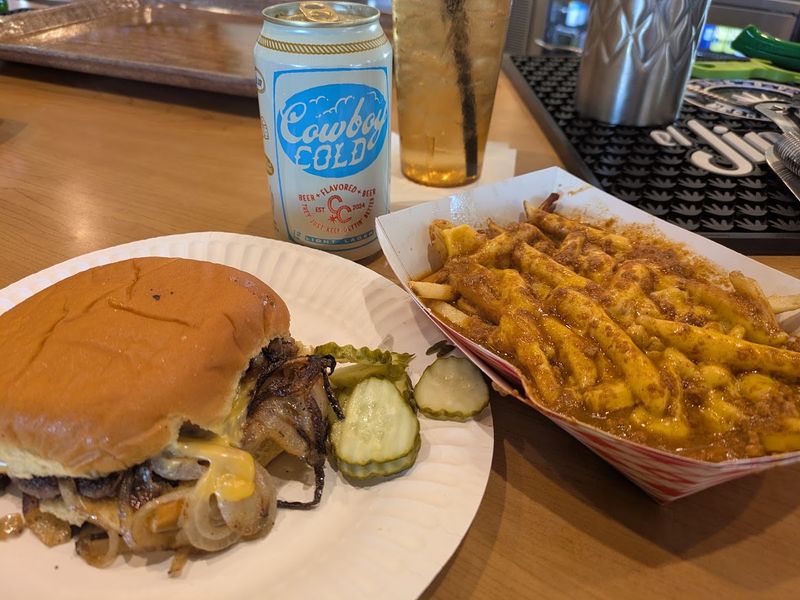
Oklahoma City has its own burger legend, and it goes by the name Theta Burger. This isn’t just a burger with a quirky name.
It’s a regional icon that has been quietly satisfying locals for generations.
The Theta Burger is built around a specific combination: a beef patty topped with hickory sauce, mayonnaise, pickles, and shredded cheese. It sounds straightforward until you taste how perfectly balanced it is.
The name is commonly linked to Kappa Alpha Theta sorority members at the University of Oklahoma, though the burger’s exact origin remains disputed.
Drive-ins around Norman and Oklahoma City eventually picked it up and made it their own.
What keeps people coming back is the sauce. It’s tangy, slightly sweet, and creamy all at once.
It ties the whole burger together in a way that feels nostalgic even if you’re trying it for the first time.
Drive-in culture is still very much alive in Oklahoma, and the Theta Burger fits right into that world. You pull up, roll down your window, and wait for something truly satisfying to arrive.
Visitors often walk away confused about why this burger isn’t famous everywhere.
Locals already know the answer. Some things are best kept close to home, and this burger is one of Oklahoma’s most beloved secrets.
3. Arbuckle Mountain Fried Pie
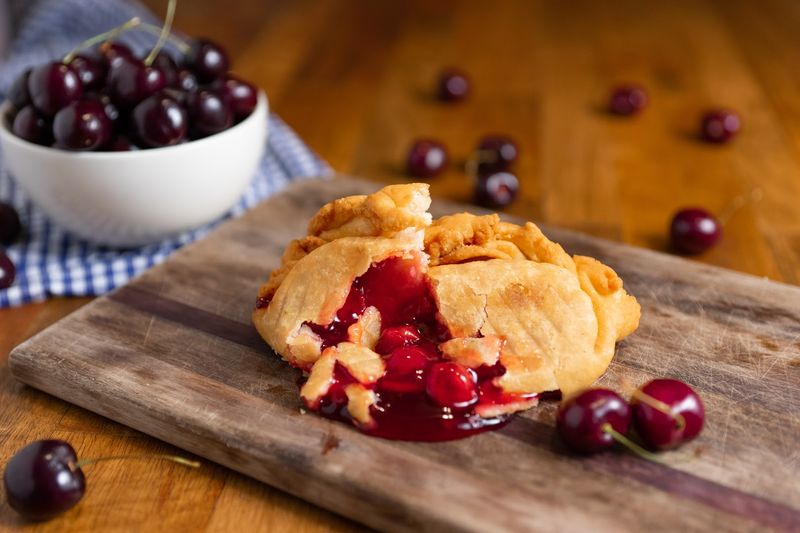
Hand-held, golden, and filled with fruit, the Arbuckle Mountain Fried Pie is the kind of treat that stops people mid-conversation. One bite and the questions start.
Where did this come from? Why haven’t I had this before?
The Arbuckle Mountains in southern Oklahoma gave this fried pie its name and its fame.
The region has long been a stop for road-trippers heading through the state, and the fried pie became the edible souvenir everyone wanted to take home.
The crust is the star. It’s rolled thin, folded around a sweet filling, and then dropped into hot oil until it puffs up and turns a deep, crackling gold.
The outside shatters slightly when you bite in.
Fillings vary by season and by maker. Peach, apple, cherry, and apricot are among the most popular options.
Each one tastes like it came from someone’s grandmother’s kitchen rather than a commercial bakery.
These pies are meant to be eaten warm and in hand. No plates required, no fork needed.
That’s part of the charm.
The small shops and roadside stands near the Arbuckle Mountains area have kept this tradition alive for years. Travelers who stop once tend to plan their return trip around making sure they stop again.
A fried pie that changes your road trip priorities is doing something very right.
4. Tulsa-Style Coney
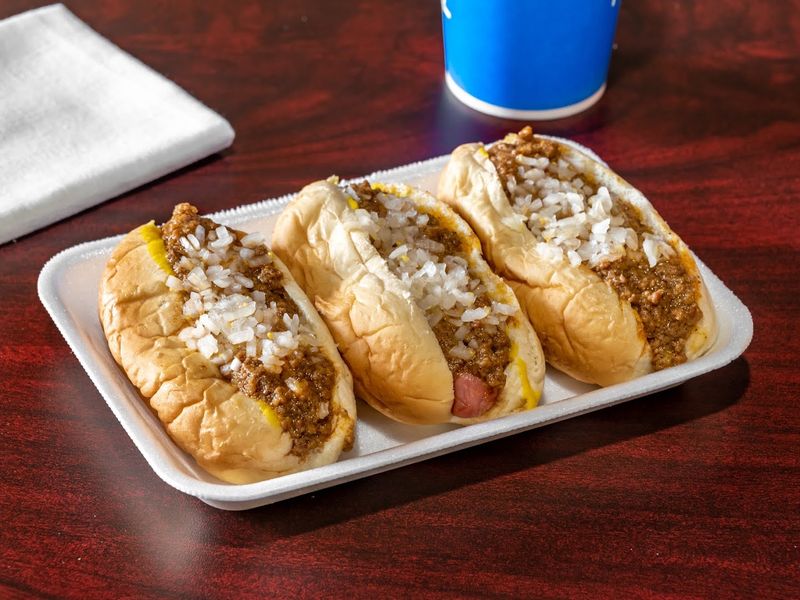
Tulsa has its own version of the classic chili dog, and it takes the concept seriously.
The Tulsa-style Coney is a steamed hot dog nestled in a soft bun and buried under a specific kind of meaty, seasoned chili sauce.
This isn’t the thick, chunky chili you’d ladle over a bowl of rice. Coney chili is a different animal entirely.
It’s finely textured, deeply spiced, and designed to cling to the dog without overwhelming it.
Yellow mustard is the traditional topping that goes on top of the chili. Some people add onions.
Very few people add anything else, because the combination is already complete.
Tulsa’s coney tradition connects back to Greek and Macedonian immigrants who brought their own interpretations of American diner food to the region in the early twentieth century.
That cultural blend shaped what Tulsans now consider a hometown classic.
The small coney shops that serve these are no-nonsense places. Counter seating, fast service, and a menu that doesn’t need to be long because the coney does all the heavy lifting.
Out-of-towners often expect something flashy. What they get instead is something better: a carefully constructed bite that has been refined over decades.
Tulsa’s coney isn’t trying to impress anyone. It already has.
5. Wild Onions And Scrambled Eggs
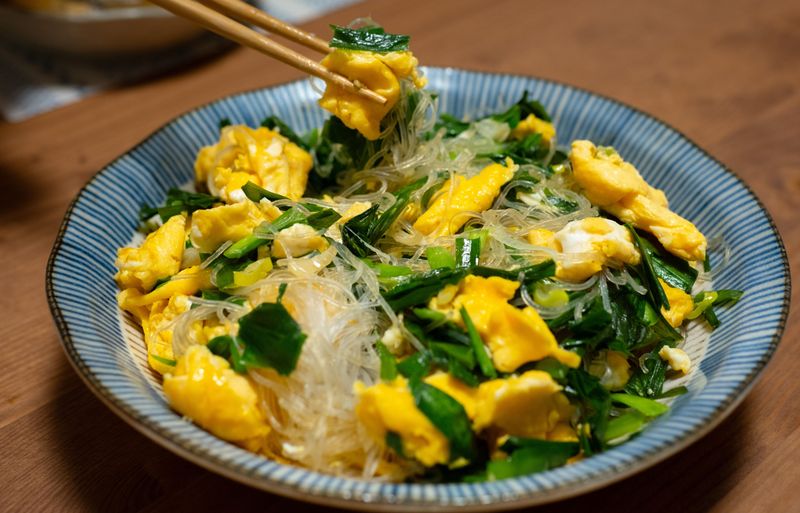
Every spring in northeastern Oklahoma, something remarkable happens in Cherokee communities.
Families head out to gather wild onions that push up through the soil before almost anything else has woken up from winter.
Wild onions and scrambled eggs is a dish that carries serious cultural weight.
For the Cherokee people and other tribal nations of Oklahoma, this meal marks the turning of the season and a moment of communal gathering.
The wild onions used in this dish are not the mild grocery store variety. They’re sharper, earthier, and more pungent.
They get cooked down in a skillet before the eggs go in, softening just enough to mellow their bite.
The result is something humble and deeply satisfying.
The eggs absorb the flavor of the onions and take on a greenish tint that surprises first-timers but delights everyone who grew up eating it.
Wild onion dinners are community events in many Oklahoma tribal towns each spring. Tables fill up fast, and the plates go out as quickly as the cooks can make them.
This dish confuses people who encounter it without context.
It looks simple, even plain. But understanding where it comes from and what it means to the people who make it transforms a plate of eggs into something genuinely moving.
Oklahoma’s food history lives in every skillet of this dish.
6. Grape Dumplings
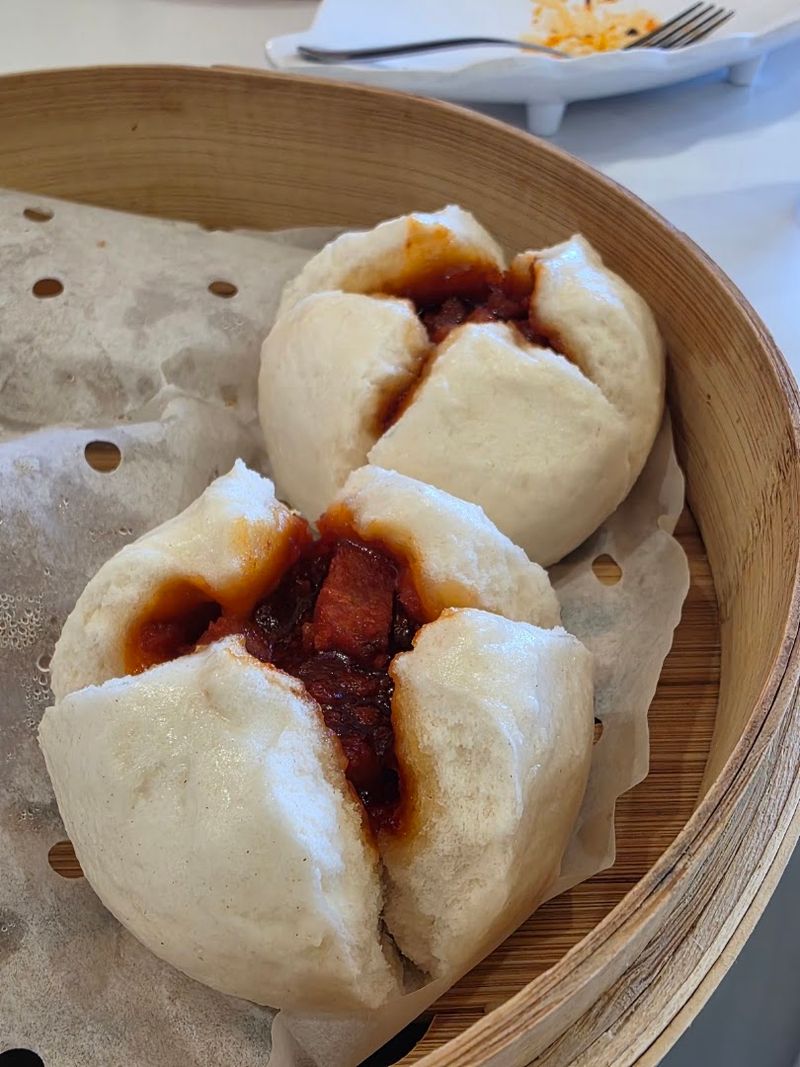
Wild grapes grow thick along the creek bottoms and river banks of eastern Oklahoma. For generations, the Cherokee people have turned those grapes into one of the most distinctive desserts in the state.
Grape dumplings are made by cooking down wild grape juice into a deep, tangy liquid and then dropping soft dough dumplings right into the simmering pot. The dumplings absorb the grape flavor as they cook.
The color alone stops people cold.
The finished dish is a striking shade of purple, and the contrast between the soft pale dumplings and the dark grape liquid is visually unlike anything in mainstream American cooking.
The flavor is tart and earthy, not candy-sweet. Wild grapes have a boldness that cultivated grapes don’t quite match.
That tartness is what makes this dish memorable rather than just pleasant.
Grape dumplings show up at Cherokee cultural events, community dinners, and family gatherings across northeastern Oklahoma. They’re a living piece of culinary heritage that has survived centuries of change.
People who try them expecting something like a fruit cobbler walk away genuinely surprised. The texture is chewier, the flavor is wilder, and the experience feels connected to something ancient and real.
If you ever get the chance to eat grape dumplings at a tribal community event in Oklahoma, don’t hesitate. Say yes immediately and eat every last one.
7. Pashofa
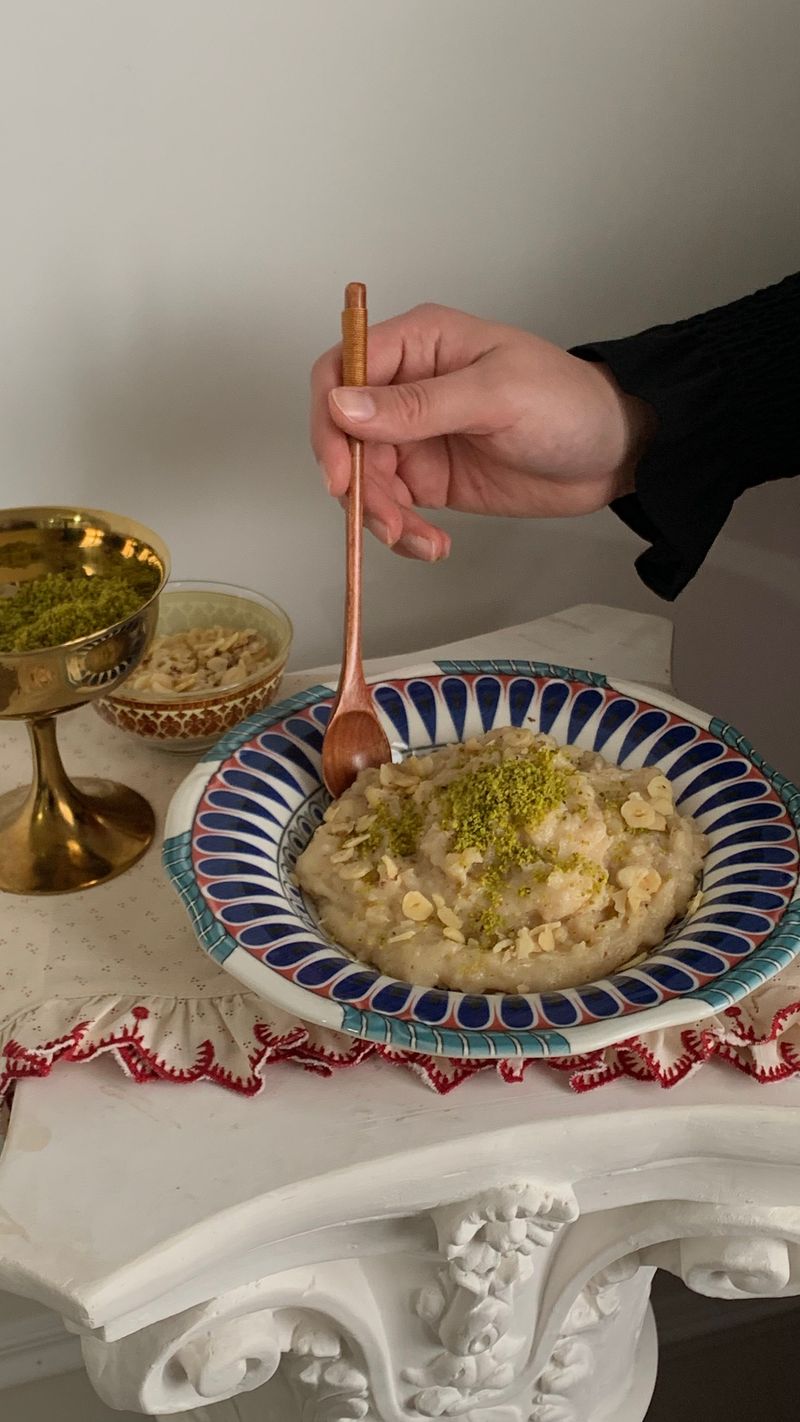
Pashofa is one of the oldest and most sacred foods in Chickasaw culture. This slow-cooked dish of cracked white corn and pork has been feeding Chickasaw families in what is now Oklahoma for centuries.
The process of making pashofa is not quick. The corn is cracked and then simmered for hours until it softens into a thick, porridge-like consistency.
Pork is added to give the dish depth and richness.
The flavor is subtle and deeply comforting. It doesn’t hit you with bold spices or sharp contrasts.
Instead, it builds slowly, warm and earthy, the kind of food that settles in and stays with you.
For the Chickasaw Nation, pashofa carries meaning that goes beyond nutrition. It appears at cultural events, ceremonial gatherings, and community celebrations throughout southern Oklahoma.
Sharing it is an act of connection.
Outsiders who try pashofa for the first time often struggle to describe it.
The closest comparison might be hominy or grits, but neither really captures what makes pashofa distinct. It belongs to its own category.
The Chickasaw Nation, headquartered in Ada, Oklahoma, actively works to preserve traditional foods like pashofa.
Learning about this dish is one of the most genuine ways to understand the depth of Oklahoma’s Indigenous food traditions.
Pashofa is not just dinner. It’s a story served in a bowl.
8. Cherokee Hog Fry
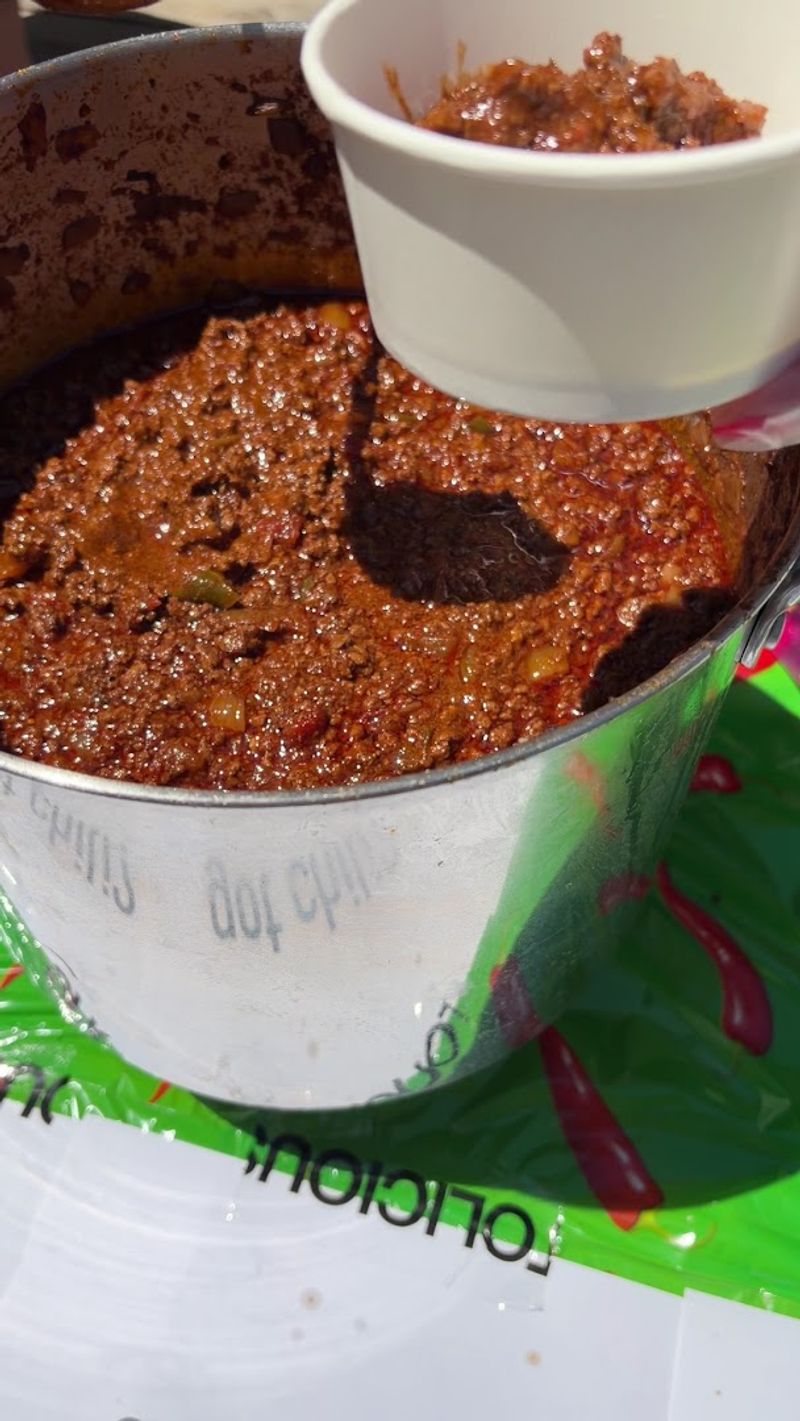
The first clue that this is more than lunch is the size of the kettle. Once the pork starts frying, the gathering has officially found its center.
A Cherokee hog fry is a social and celebratory tradition closely associated with communities in northeastern Oklahoma. Chunks of pork, commonly cut from pork butt, cook outdoors in large cast-iron kettles.
The meat needs little interference beyond hot fat, salt, and someone who understands the timing. Its crisp edges and juicy center make forks feel like an unnecessary delay.
Fried potatoes, brown beans, and fry bread commonly complete the meal. Nobody leaves the table wondering whether the pork received enough attention.
Hog fries often accompany family celebrations, church events, tribal gatherings, and cultural festivals. The meal feeds plenty of people, but its real strength comes from bringing them together.
Visitors might arrive expecting an unusual Oklahoma specialty and discover something far more meaningful. Around these kettles, food becomes the invitation, while community remains the main event.
9. Oklahoma Smoked Barbecue Bologna
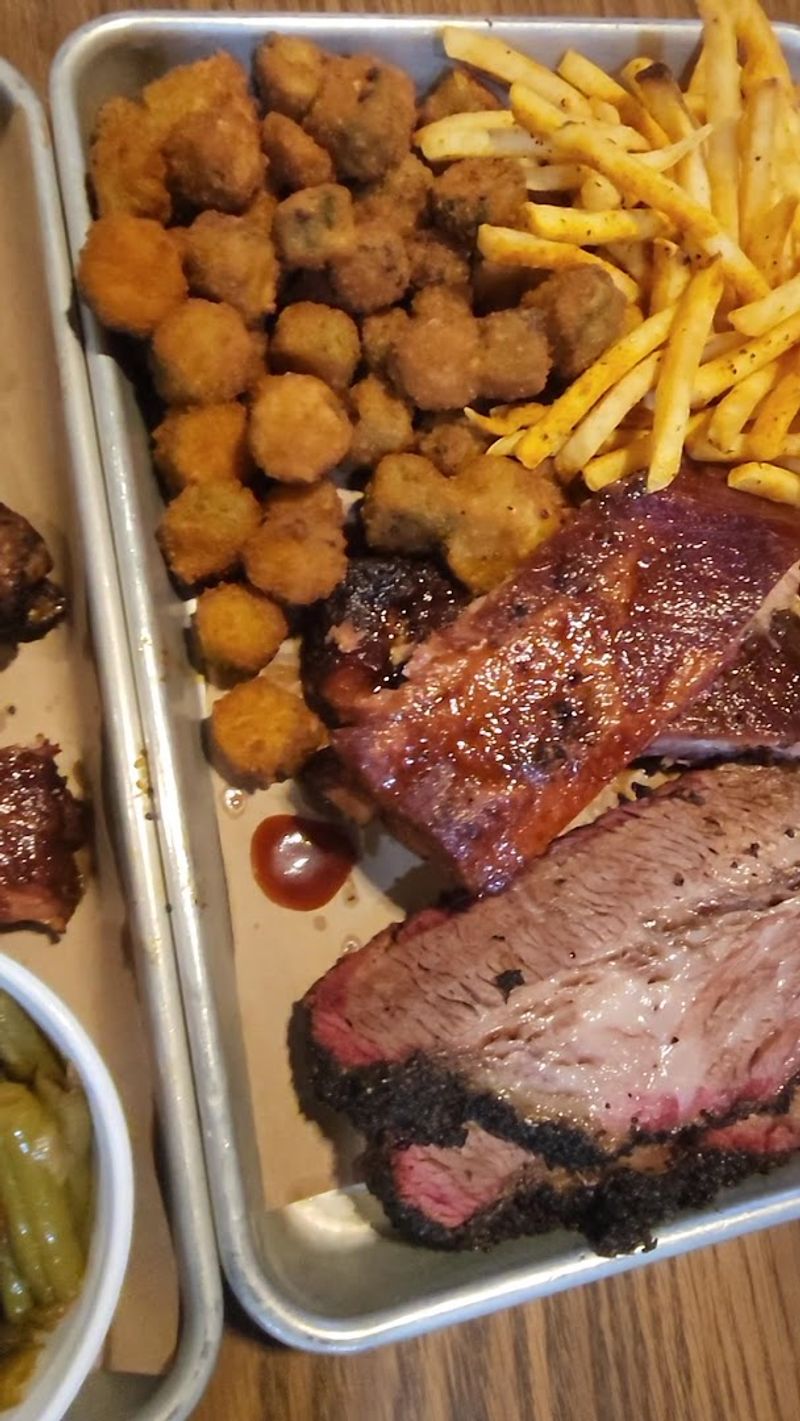
Barbecue bologna might be the most misunderstood item in Oklahoma’s food scene. Mention it to someone from out of state and they’ll raise an eyebrow.
Serve it to them and they’ll ask where they can get more.
Oklahoma pitmasters take a whole bologna chub, score the outside in a crosshatch pattern, and let it ride low and slow over wood smoke for hours.
The exterior caramelizes into a deeply flavored bark that rivals anything you’d find on a brisket.
The inside stays soft and fatty, soaking up the smoke from the outside in. The contrast between the crispy scored crust and the tender interior is what makes each slice so satisfying.
Smoked bologna became an Oklahoma barbecue staple partly because it offered families and restaurants an affordable alternative to costlier cuts of meat.
It became a staple in communities where budget-conscious cooks found ways to turn an affordable cut into something extraordinary.
It’s served thick, usually on white bread with pickles and sauce. The simplicity of the presentation is part of the point.
Let the smoke do the talking.
Oklahoma City and Tulsa both have barbecue spots that have kept this tradition alive and thriving.
Food writers from across the country have started paying attention, though Oklahomans didn’t need anyone’s approval to keep eating it.
Smoked barbecue bologna is proof that great food doesn’t need a prestigious ingredient list. It just needs skill, smoke, and patience.
10. Chicken In The Rough
Chicken in the Rough has one of the best origin stories in American food history.
It was created in Oklahoma City in the 1930s when a restaurant owner and his wife hit a bump in the road on a road trip, sending their fried chicken flying across the car.
The name stuck, and so did the concept.
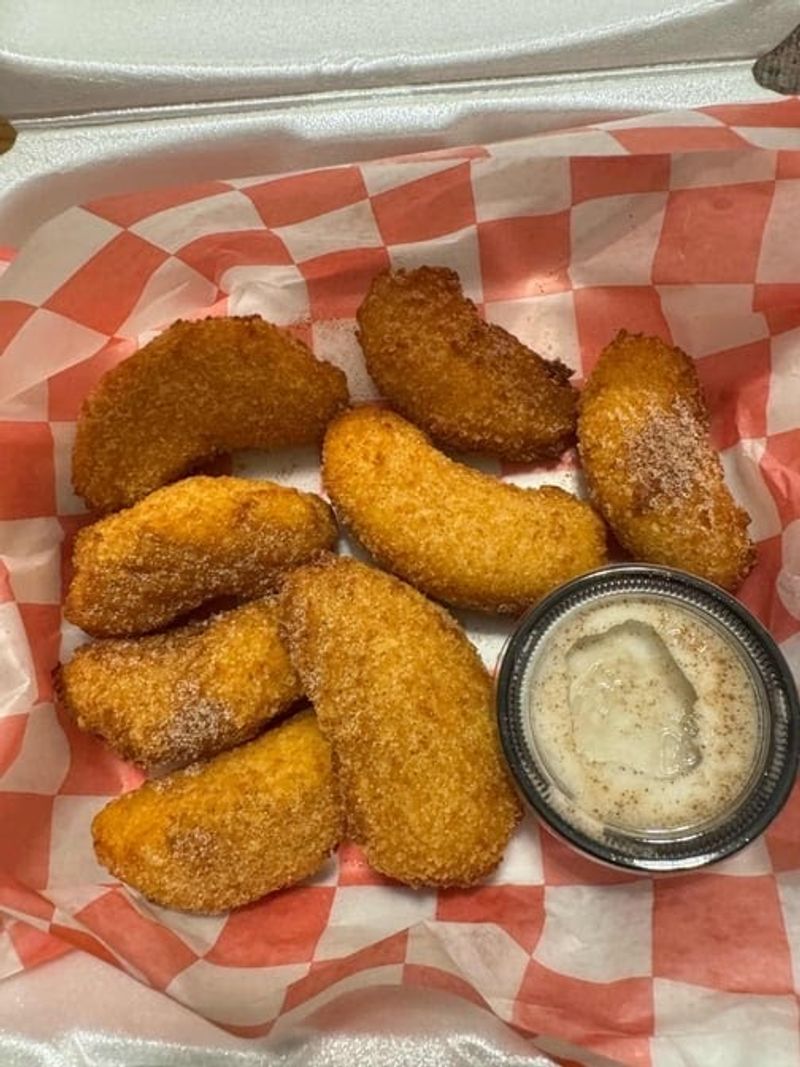
Chicken in the Rough is unjointed fried chicken, meaning it’s not cut into the standard pieces. It comes served with shoestring potatoes and a hot biscuit, no utensils required.
The idea of eating fried chicken without a fork or knife was considered novel and a little rebellious for its time. That spirit of casual, hands-on eating was part of what made it so popular.
At its peak, the Chicken in the Rough brand was franchised across the United States and even internationally.
Oklahoma City had quietly created a fast food concept decades before fast food became a cultural institution.
The original Beverly’s Chicken in the Rough restaurant in Oklahoma City operated for decades and became a beloved landmark. Its legacy lives on in the memory of Oklahomans who grew up eating there.
Finding Chicken in the Rough today takes a little more effort, but the dish itself is a fascinating slice of Oklahoma food history.
It reminds you that this state has been ahead of the culinary curve more than once.