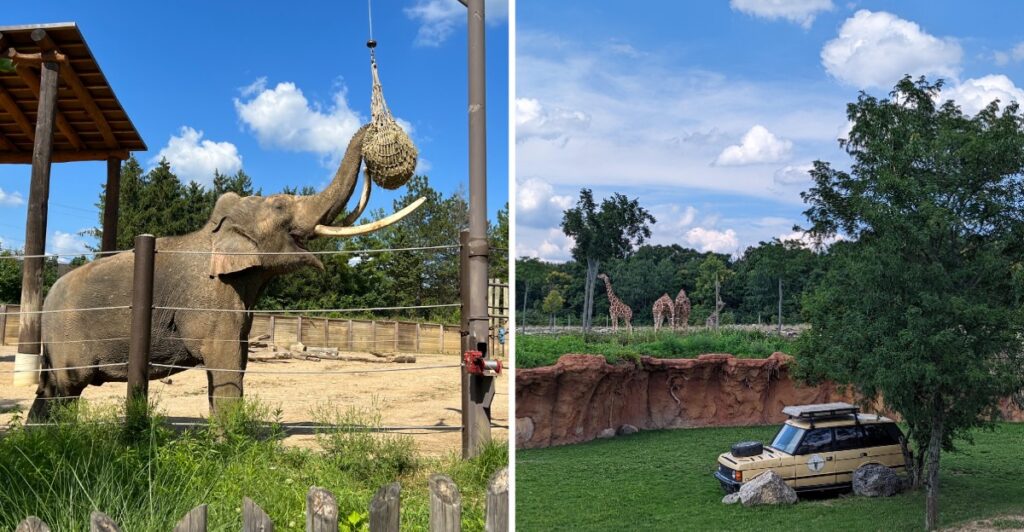
Giraffes before noon. Polar bears after. Manatees somewhere in between.
That is not a bad little world tour for one zoo ticket.
Eight major regions spread across hundreds of acres, and the full walking route can creep close to four miles.
Heart of Africa can take over a big chunk of the visit on its own.
Then penguins or manatees pull you toward the aquarium, and whatever neat route you imagined starts getting edited in real time.
All of this happens without leaving Ohio.
I would circle two or three animals you absolutely refuse to miss, then loosen your grip on everything else.
Stay longer when something grabs you.
Move on when it does not.
No one is checking whether you completed the zoo like homework.
One Of North America’s Largest Zoos Covers Hundreds Of Acres
The Columbus Zoo and Aquarium spans about 580 acres, putting it among the larger zoo properties in North America.
Following a route through the full zoo can add up to close to four miles, depending on which paths and attractions you choose.
A little map planning can save plenty of backtracking.
Start by choosing two or three regions you care about most. Visit those before filling the rest of the day with whatever is nearby.
The zoo is divided into eight major areas rather than one continuous row of exhibits.
They are Adventure Cove, Asia Quest, North America Trek, Heart of Africa, Polar Frontier, Australia and the Islands, Congo Expedition African Forest, and Shores and Aquarium.
Each one covers a different part of the animal world, so moving between them naturally changes the pace of the day.
Strollers and wagons are permitted, and stroller rentals are available while supplies last.
The zoo also recommends sturdy walking shoes and weather-appropriate clothing.
Those are simple details, but on a property this large, they matter.
You do not need to cover every path to have a full day. Pick the regions that matter most, leave room for a detour or two, and let the map handle the rest.
Heart Of Africa Spreads Across 43 Acres
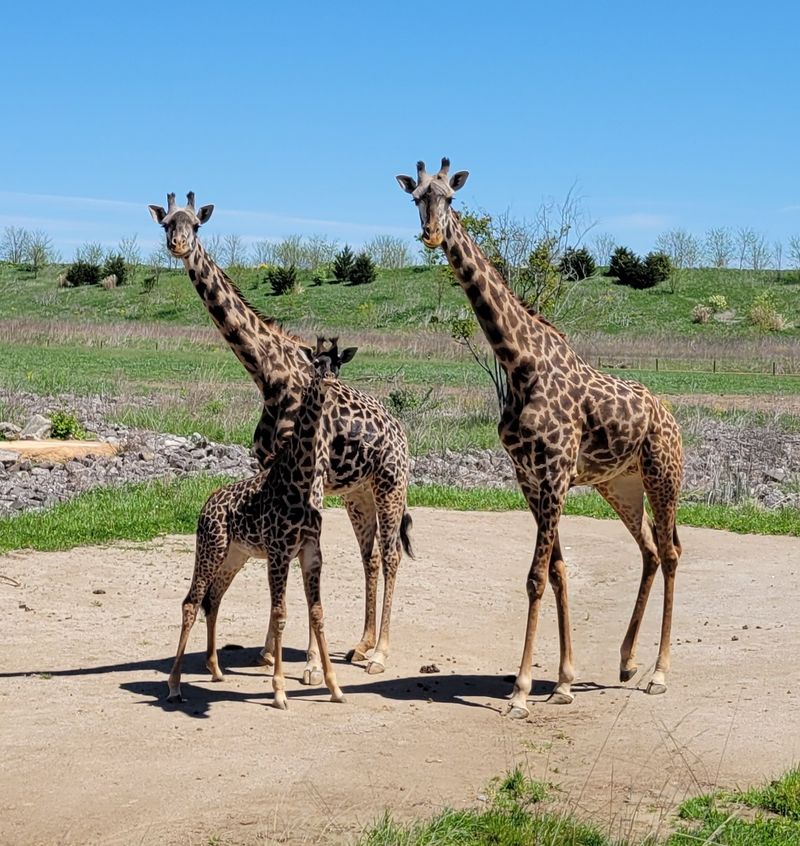
Heart of Africa is the zoo’s largest individual region, covering 43 acres.
African lions, cheetahs, giraffes, greater kudu, vervet monkeys, warthogs, wildebeest, and zebras are among the species found here.
With that many animals spread across a large area, this is a section to give some time rather than squeezing between two distant stops.
Begin by checking the regional map and deciding which habitats matter most to you.
The giraffes are an easy landmark around which to build the walk, especially when the seasonal feeding experience is operating.
Giraffe feeding runs during part of the year and depends on weather and operating conditions, so treat it as an optional extra rather than the center of the entire plan.
Heart of Africa also hosts scheduled animal programs at certain times.
If one lines up naturally with your route, it can become a useful anchor for the section. If not, there is enough here to explore without building the afternoon around a timetable.
Spend longer where something catches your attention, keep moving when it does not, and circle back later if your route naturally returns.
That keeps the section flexible without turning the visit into a race.
Lions, Giraffes, Zebras And More Fill The African Region
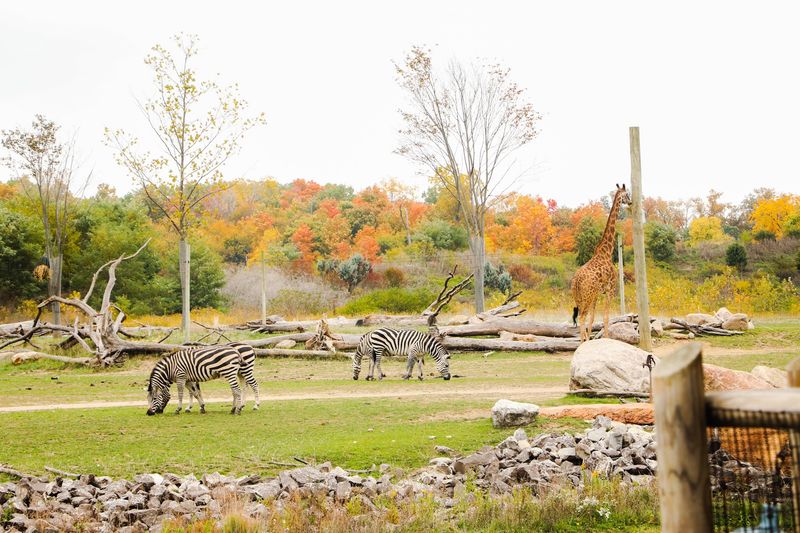
The animal lineup gives Heart of Africa several very different stops within the same region.
African lions and cheetahs bring the large-cat side of the continent into view, while giraffes, wildebeest, zebras, greater kudu, and warthogs shift the focus toward hoofed species.
Vervet monkeys add another branch to the mix.
Instead of trying to predict which animals will be active at a particular moment, keep the route flexible.
Zoo animals follow care routines and their own schedules, so every habitat will not look the same throughout the day.
If a habitat is quiet during the first pass, continue to another part of the region rather than waiting for a specific behavior.
Heart of Africa also offers scheduled educational opportunities, including zookeeper programs connected with animals in the region.
Check the current daily schedule when you arrive if those programs interest you.
Otherwise, let the habitats set the order.
The wide mix of species means one animal does not need to carry the whole visit.
Spend a little longer where there is something to see, keep moving when there is not, and circle back later if your route naturally returns.
That approach keeps the day moving without forcing wildlife into a timetable.
Polar Frontier And North America Trek Cover Very Different Wildlife
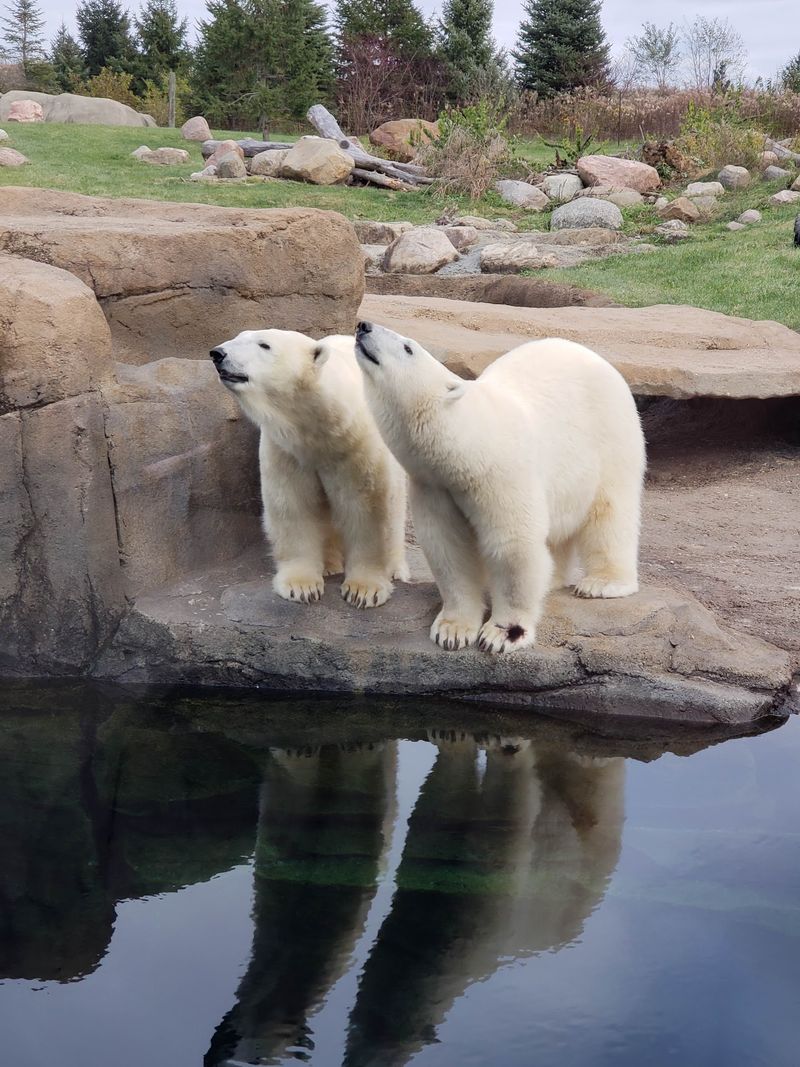
North American wildlife now gets a larger role through the redesigned North America Trek.
The region includes black bears, Mexican wolves, moose, Canada lynx, cougars, North American river otters, reindeer, wolverines, bald eagles, red foxes, and other species connected with the continent.
That lineup makes it different from neighboring Polar Frontier.
Polar bears remain one of the main animals in Polar Frontier, while North America Trek spreads its attention across forests, wetlands, predators, hoofed animals, birds, and native conservation stories.
The current version of North America Trek opened in 2025 after a major redevelopment.
A waterfall, new habitat areas, and the Ohio Center for Wildlife Conservation are among the features incorporated into the region.
The zoo train also travels through this part of the property when operating.
If both regions are priorities, place them near each other in your schedule rather than treating them as interchangeable.
Check the current map before the visit, then leave enough time to follow whichever path catches your attention.
Shores And Aquarium Adds Manatees, Penguins And Marine Life
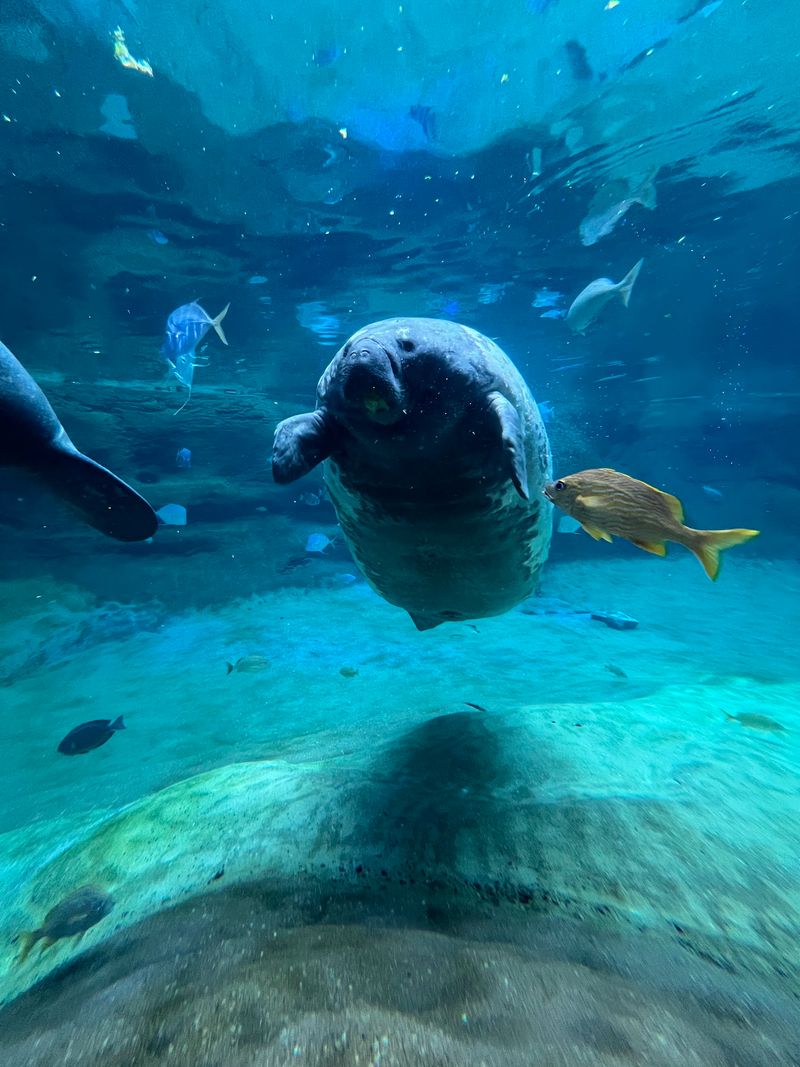
Shores and Aquarium changes the subject completely.
Florida manatees, penguins, sea turtles, zebra sharks, flamingos, pelicans, American alligators, and Aldabra tortoises are among the animals connected with this region.
Discovery Reef Aquarium expands the visit underwater, while the historic Reptile Building adds turtles, snakes, lizards, and other reptiles and amphibians.
The manatee program brings another layer to this part of the zoo.
Columbus participates in manatee rescue and rehabilitation work, and some animals come through the facility as part of that broader effort.
Resident manatee Stubby has also served as a surrogate for rehabilitating calves before their eventual return to Florida waters.
Shores and Aquarium is easy to give its own block of time instead of treating it as a quick stop on the way somewhere else.
Penguin or tortoise keeper programs may also be available depending on the current schedule.
Check the day’s program list if one interests you, then build the rest of this section around the animals you most want to see.
Eight Major Regions Can Easily Fill A Full Day
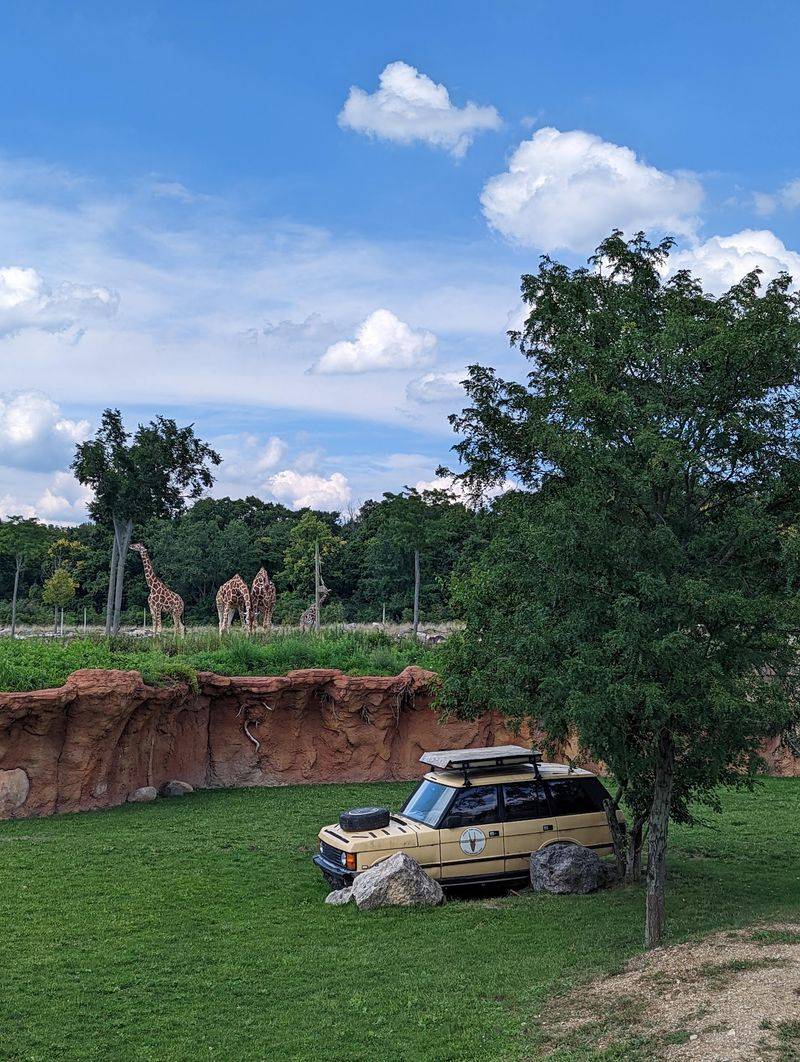
Eight major regions make it easy to build a visit around different interests.
Asia Quest includes species from across Asia, while Australia and the Islands shifts toward animals such as koalas and orangutans.
Congo Expedition African Forest brings another set of African species into the route, separate from the open landscapes of Heart of Africa.
Adventure Cove adds marine mammals, animal experiences, and seasonal rides.
Choose a few major regions first, then add neighboring areas as time allows.
Seasonal programming can also change the shape of the day.
Keeper talks are scheduled in multiple regions during parts of the year, including sessions connected with lions, North American wildlife, penguins, tortoises, koalas, orangutans, and other animals.
For fall 2026, the Columbus Zoo Lantern Festival runs through October 25 on Thursday through Sunday evenings.
The festival takes place after the regular zoo day and uses illuminated lantern installations across selected areas of the property, so plan it as a separate evening experience.
Rides and other attractions can also operate seasonally.
Check those details before promising one particular experience to the group.
A full zoo day does not need a minute-by-minute itinerary.
Choose the regions you do not want to miss, note any scheduled programs that matter, and leave the rest open.
A Little Planning Helps Before A Day At The Columbus Zoo
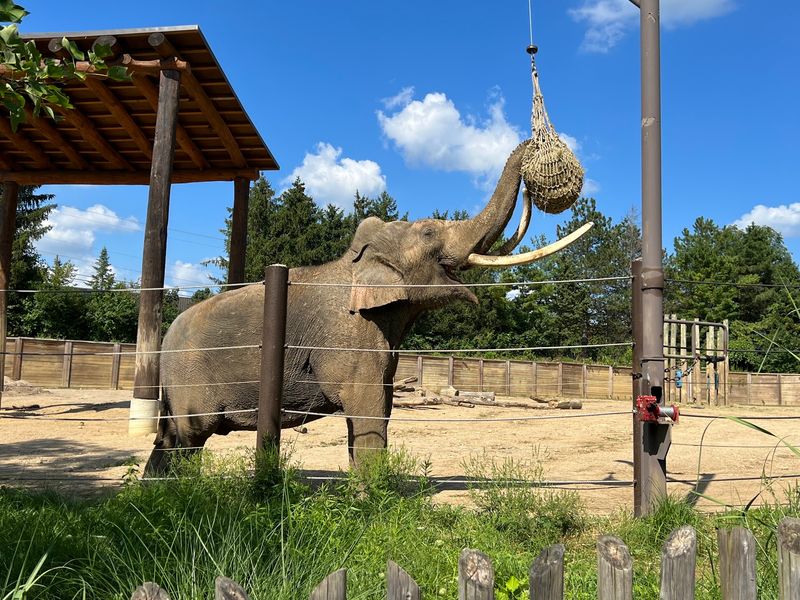
The Columbus Zoo and Aquarium is located at 4850 West Powell Road, Powell, OH 43065.
Before leaving, check the current operating hours and daily schedule because hours and seasonal attractions can change during the year.
The zoo’s mobile app can help with walking directions and finding specific animals once you are on the property.
Outside food and permitted beverages are allowed when they meet the zoo’s cooler rules, and food options are also available throughout the grounds.
If accessibility planning is part of the day, several resources are available before and during a visit.
Sensory maps identify locations that may be easier to navigate for guests with sensory needs. The zoo also provides monthly Quiet Hours, sensory kits through Guest Relations, accessible-route guidance, wheelchair rentals, and other visitor resources.
Wheelchairs, electric scooters, and strollers are available to rent while supplies last.
Same-day re-entry is permitted when you receive the required hand stamp before leaving.
Those practical details make it easier to split a large property into manageable pieces.
Start with the animals or regions you would be disappointed to miss.
Take breaks before everyone is tired, use the map instead of guessing at shortcuts, and accept that a 580-acre zoo leaves plenty for another visit.
Four miles of paths can hold a lot of decisions.
Fortunately, none of them require seeing everything before you head home.