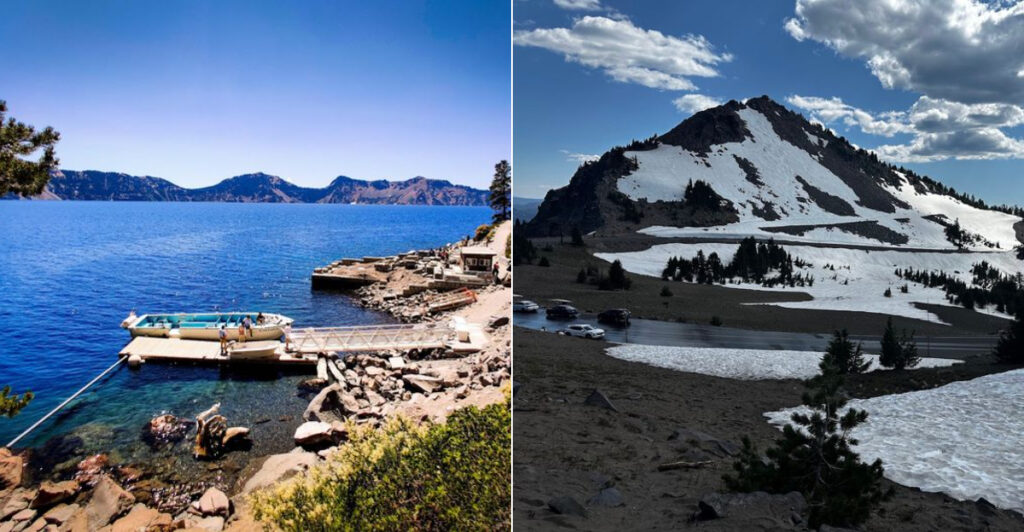
At the top of a volcano, Oregon is hiding something that will make your jaw drop and your camera work overtime. A lake so blue it looks like somebody spilled the sky into a crater and walked away. No filter needed. No editing required.
Just pure, unreasonable color sitting inside a volcanic rim that dares you to look away. This is the deepest lake in the entire United States. Fed only by rain and snow, the water stays so crystal clear you can see more than 100 feet straight down into it.
One hundred feet. Just let that sink in. People drive hours for this view. Plan entire vacations around a single glimpse of it. And every single one of them says the same thing the moment they lay eyes on it.
Worth every mile. Oregon has plenty of reasons to visit. This one sits inside a volcano. That alone should settle it.
The Volcano That Became A Lake
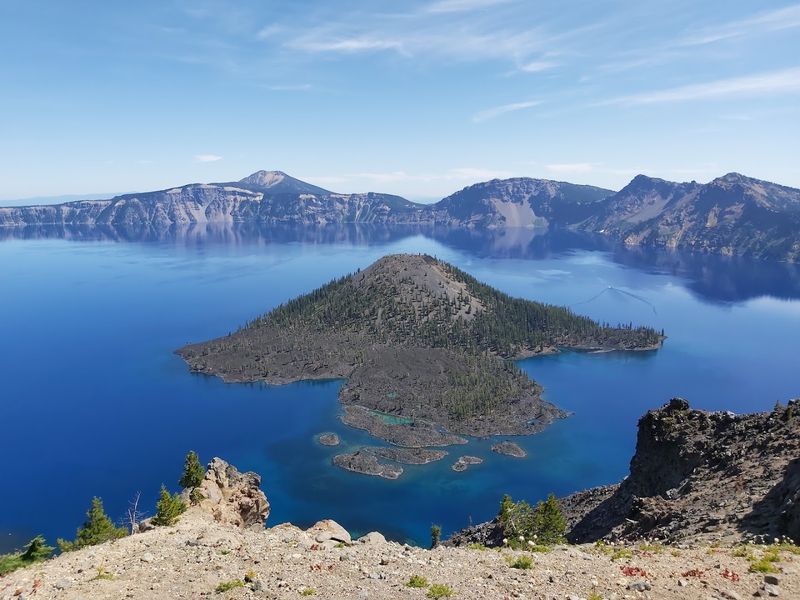
Around 7,700 years ago, a massive volcano called Mount Mazama erupted and then collapsed inward, leaving behind a giant bowl-shaped crater called a caldera.
Over thousands of years, rain and snow filled that caldera, creating what we now call Crater Lake, located in Crater Lake National Park, Oregon 97604, USA. No rivers or streams feed into this lake. That fact alone makes it one of the most unusual bodies of water on the planet.
Every drop of water comes directly from precipitation, which means no outside sediment ever clouds it up. The result is water so clear and blue that first-time visitors often think they are looking at a painting. The blue color is not just pretty to look at.
It happens because water molecules absorb every color of light except blue, which bounces back to your eyes in full, vivid force. Standing at the rim and looking down feels like seeing something that should not be real. The caldera walls drop sharply, the water stretches wide, and the silence around you feels almost respectful.
Can you imagine watching a volcano turn into one of the most beautiful lakes on Earth?
Geologists and curious travelers alike keep coming back to study and admire what nature pulled off here. The story of this lake starts with fire and ends with something breathtaking, which makes every visit feel like a front-row seat to history.
Water Clarity That Defies Belief
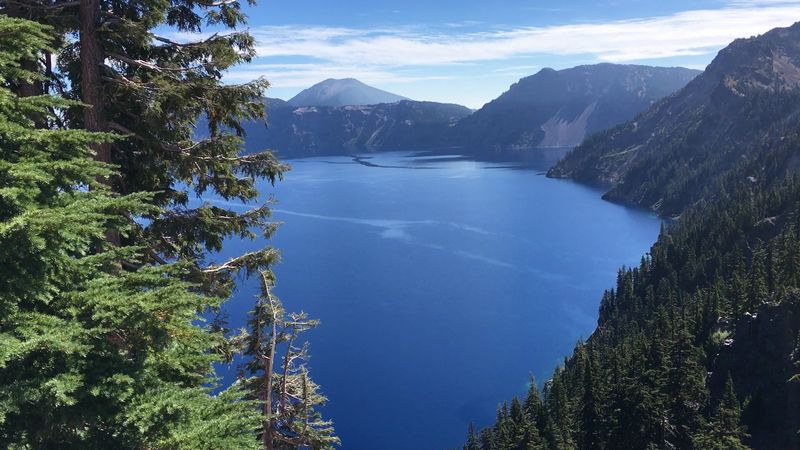
Most lakes look brown or murky when you get close to the water. Crater Lake is different in a way that genuinely surprises people who see it for the first time.
The average visibility in Crater Lake exceeds 100 feet, which puts it among the clearest lakes in the world. Scientists measure water clarity regularly, and this lake consistently ranks at the top of those lists.
The reason comes down to one simple fact: no streams carry sediment into the lake, so nothing clouds the water. The water really does look like someone turned up the saturation on a photo editing app, except nothing has been touched.
If you are a swimmer or a snorkeler, you are in for a treat. The water near the shoreline is already strikingly clear, but once you look down from depth, the blue deepens into something almost electric. The lake water is reportedly clean enough to drink, though it is extremely cold year-round.
What does it feel like to float in water that clear? Ask anyone who has done it, and they will likely pause before answering, searching for words that come close.
The clarity is not just a visual experience. It is something you feel in your chest when you realize the water beneath you drops nearly 2,000 feet straight down.
Rim Drive And The Views That Stop Traffic
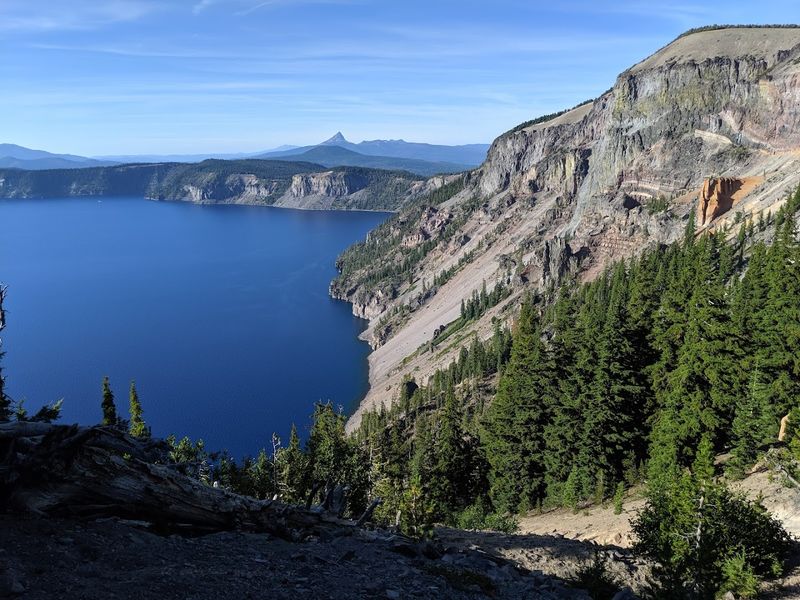
Rim Drive is a 33-mile scenic road that loops around the entire edge of the lake, and it might be the most rewarding drive in all of Oregon. Every few minutes, a new viewpoint appears, and each one somehow looks better than the last.
Pull-off areas are spread generously along the route, giving drivers and passengers plenty of chances to step out, breathe the mountain air, and take as many photos as they want. The volcanic cliffs drop dramatically on one side while the impossibly blue water stretches out below.
The trolley tour is a popular option for those who want to sit back and let someone else do the driving. The guided commentary adds extra depth to what you are already seeing. Early mornings along Rim Drive have a different kind of magic.
The light hits the water at a low angle, the crowds are thinner, and the whole lake feels like it belongs only to you. Fog sometimes rolls in during early hours, so arriving mid-morning often gives you the clearest views.
Wizard Island And The Boat Tour Worth Every Minute
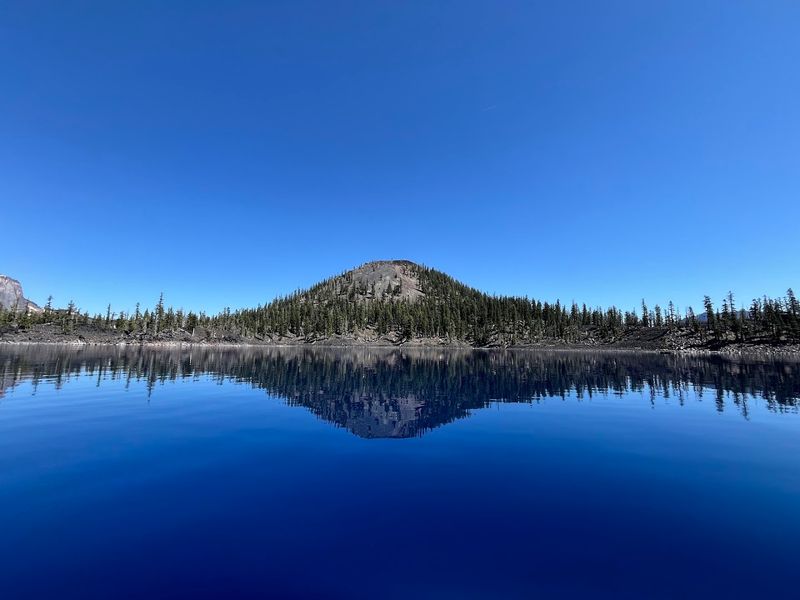
Right in the middle of Crater Lake sits Wizard Island, a volcanic cinder cone that rises about 755 feet above the water surface. It looks like something from a fantasy novel, and the only way to reach it is by boat.
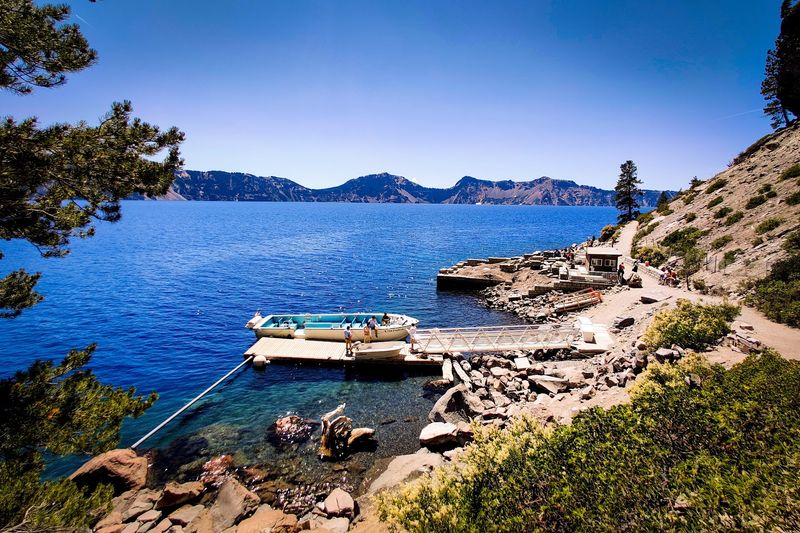
The boat tour from Cleetwood Cove takes visitors out onto the lake, offering views of the crater walls and the island from water level. That perspective is completely different from what you see at the rim, and many people say it is even more impressive.
During the tour, guides actually let passengers taste the lake water, which is a detail that sticks with everyone who tries it.
Booking the combo tour that includes Wizard Island access gives you enough time to hike to the top of the island and enjoy panoramic views of the lake from inside the lake. That sentence sounds strange until you are actually standing there, surrounded by blue water on all sides.
A swimsuit is worth packing for this trip. The water is cold, genuinely cold, but jumping in from the island shoreline is a story you will tell for years.
Hiking Trails For Every Kind Of Adventurer
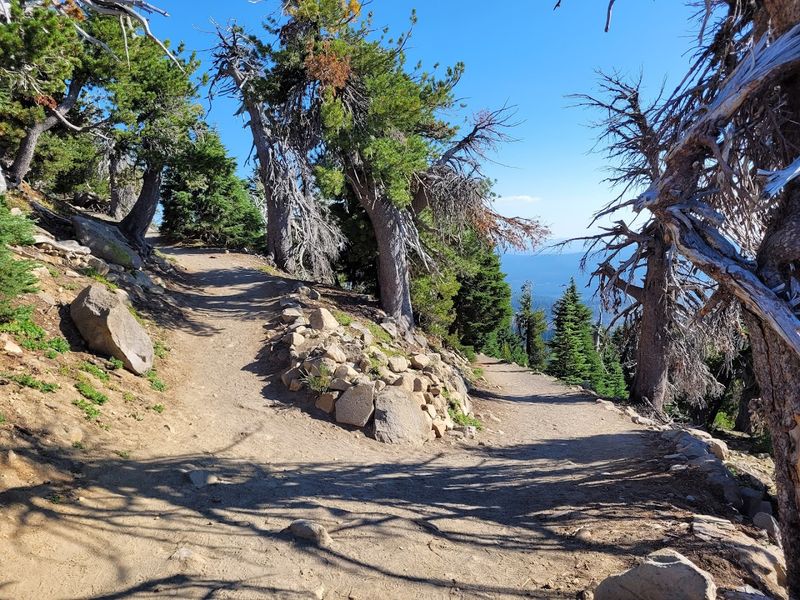
Crater Lake National Park offers trails for people who want a gentle walk and trails for people who want a genuine workout. The variety makes it easy to plan a visit no matter your fitness level or how much time you have.
The Cleetwood Cove Trail is the only trail that leads directly down to the water’s edge. It drops about 700 feet over roughly a mile, which means the hike back up will test your legs. The reward at the bottom is direct access to the lake, where you can touch that famous blue water with your own hands.
Plaikni Falls Trail is a nearly two-mile round trip hike off Pinnacles Road, leading to a 20-foot waterfall tucked inside the park. It takes about 45 minutes and works well for families or anyone who wants a peaceful forest walk with a waterfall payoff at the end.
The Pinnacles area offers a short 0.4-mile trail to a viewpoint overlooking dramatic volcanic spires called fumaroles. It takes about 10 minutes and delivers a scene that looks like it belongs on another planet entirely.
Vidae Falls, Duwee Falls, and Annie Falls round out the waterfall options inside the park, each with its own character and accessibility level. Do you have a favorite type of trail, wide-open views or hidden forest surprises? Crater Lake National Park has both waiting for you, sometimes within the same hike.
The Best Time To Visit And What To Expect
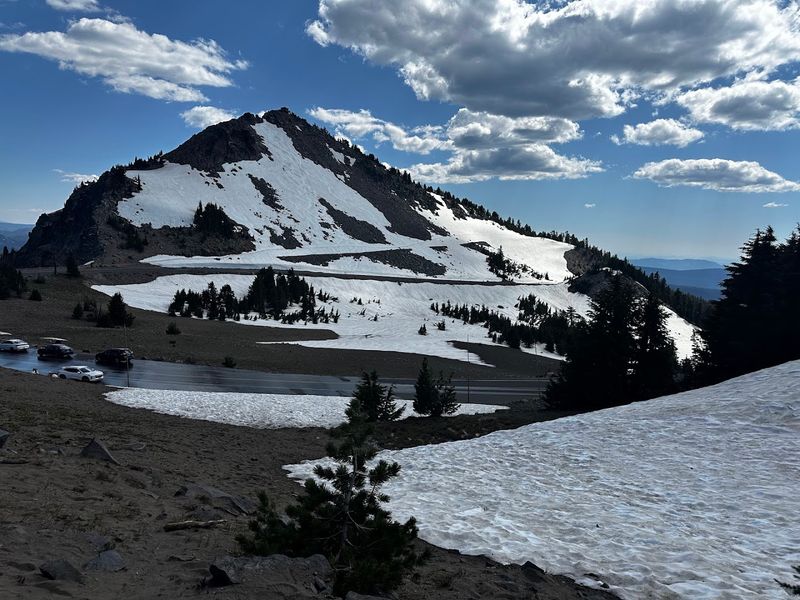
Timing a visit to Crater Lake matters more than most people realize before they make the trip. The park sits at high elevation, which means snow can stick around well into June and sometimes July, closing trails and limiting access to certain viewpoints.
Summer from July 1 through September 30 is considered the prime window for a full visit. During these months, Rim Drive is fully open, most trails are accessible, and the boat tours to Wizard Island are running.
The park gets busy, but parking is generally manageable if you arrive early or explore the west rim viewpoints, which tend to attract fewer crowds.
Fall visits in September and October offer a quieter experience with fewer people on the trails. Early snow dusts the rim cliffs, the fall colors add warmth to the landscape, and the lake still holds its brilliant blue.
Fog sometimes settles over the lake before burning off later in the day, so mid-morning arrivals often catch the clearest views. Layered clothing is a smart choice regardless of what the forecast says.
Camping Under Stars At The Edge Of A Caldera
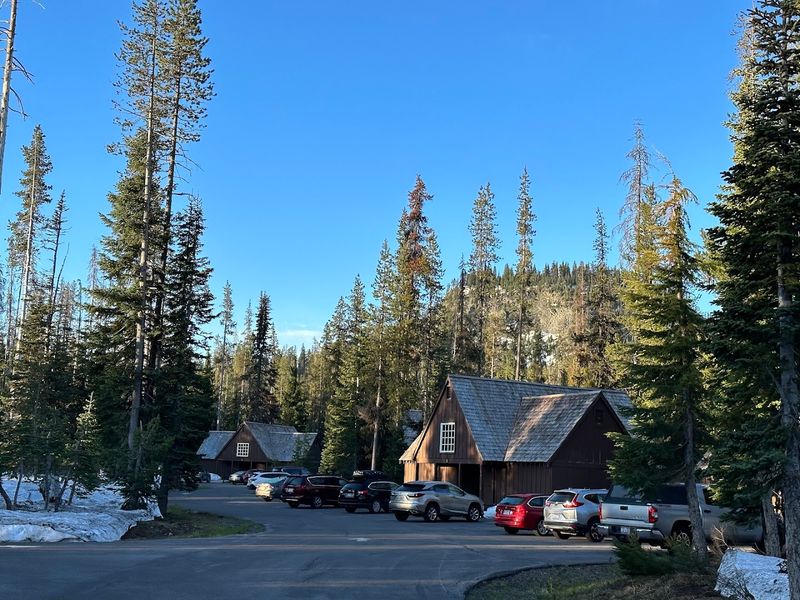
Spending more than a single day this place is one of those decisions that travelers rarely regret. The park changes character from morning to afternoon to evening, and staying overnight means you get to see all of it.
Mazama Village Campground sits inside the park and offers a convenient base for exploring. It fills up fast during summer, so reserving a spot well in advance is the practical move.
Waking up inside the park means you can reach rim viewpoints before the day-trippers arrive, which is a serious advantage when it comes to photography and peaceful moments.
Stargazing at Crater Lake is something that surprises first-time campers. The park sits far from major cities, so light pollution is minimal.
On a clear night, the Milky Way stretches across the sky above the caldera in a way that makes even people who have seen it before go quiet.
The Crater Lake Lodge is another option for those who prefer a roof and a proper bed. Staying at the lodge puts you right on the rim, which means the view from the window is the lake itself.
Practical Tips Before You Go
A little planning goes a long way when visiting Crater Lake National Park. The park is located in southern Oregon at Oregon 97604, and the drive from Portland takes roughly four to five hours depending on your route and stops along the way.
The Visitor Center near Rim Village is a genuinely helpful stop at the start of your day. Staff there provide maps, trail conditions, and honest recommendations based on your group size, fitness level, and how much time you have.
Cell service inside the park is limited, so downloading an offline map before you arrive is a smart move. Fuel up before entering the park as well, since options inside are limited and the roads leading in are long.
A paved accessibility path runs along the rim for visitors with mobility challenges or families using strollers. The park works to make the views available to as many people as possible, and that effort shows in the trail maintenance and signage throughout.
Checking trail conditions before arriving is worth the five minutes it takes. Some trails close due to storm damage or late-season snow, and finding that out at the trailhead after a long drive is frustrating. The park website and Visitor Center phone line both provide current updates.
Crater Lake rewards the people who show up prepared, and the ones who do almost always leave planning their return trip before they even reach the parking lot exit.