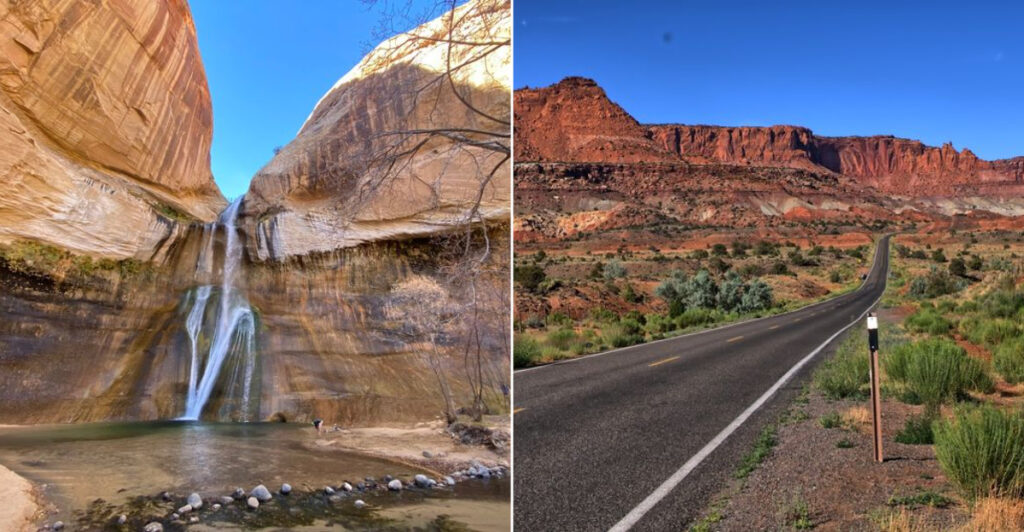
The quietest towns are often the ones that make the loudest argument for changing your life. Utah may be famous for red rock icons and trailhead crowds, but its smaller communities offer a different kind of pull, one built on slow mornings, clean horizons, and the rare pleasure of hearing your own thoughts.
These are the places where dinner feels unhurried, sunsets seem to last longer than they should, and a short walk can tell you more about a town than any brochure ever could. Nothing here needs to perform for tourists.
The charm is steadier than that: friendly streets, practical living, honest food, and scenery that slips into your memory without asking permission. Across Utah’s valleys, desert edges, and high-country corners, these ten towns prove that quieter does not mean dull.
It means spacious, grounded, and surprisingly hard to leave once the noise finally fades behind you.
1. Spring City, Sanpete Valley
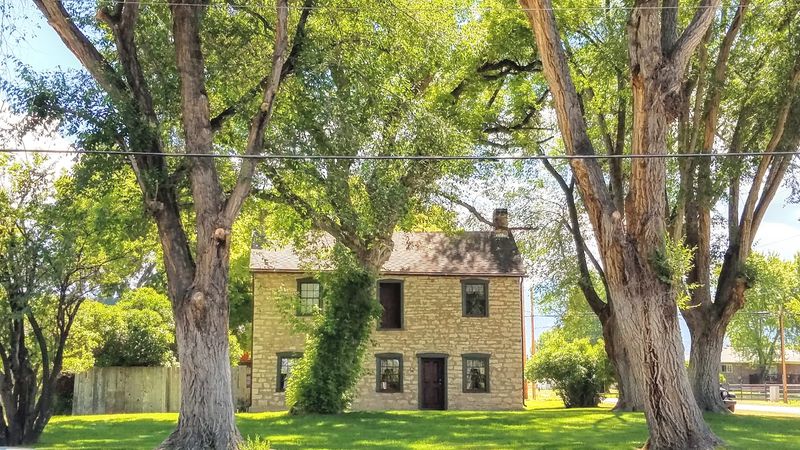
There is a particular kind of stillness in Spring City that you do not find by accident. You have to drive far enough off the main highway that your phone signal gets politely unreliable, and then suddenly there it is: a town that looks like a sepia photograph that learned how to breathe.
Spring City sits in the Sanpete Valley surrounded by mountains that do not compete for attention. The old stone homes here were built by pioneer settlers who clearly had strong opinions about craftsmanship and zero interest in shortcuts.
Walking the streets feels like a slow, respectful conversation with the past.
The artsy rural identity is genuine, not manufactured for tourists. Local artists have moved in over the years, drawn by the same quiet that drew the original settlers.
The town keeps its own calendar of community events, and the official city site stays active with news that actually matters to the people who live there.
Spring City is the kind of place where you stop at a yard sale and end up staying two hours because the conversation is that good. Come in the fall when the valley turns gold and the mountain air carries just enough bite to make you feel completely alive.
2. Helper, Carbon County
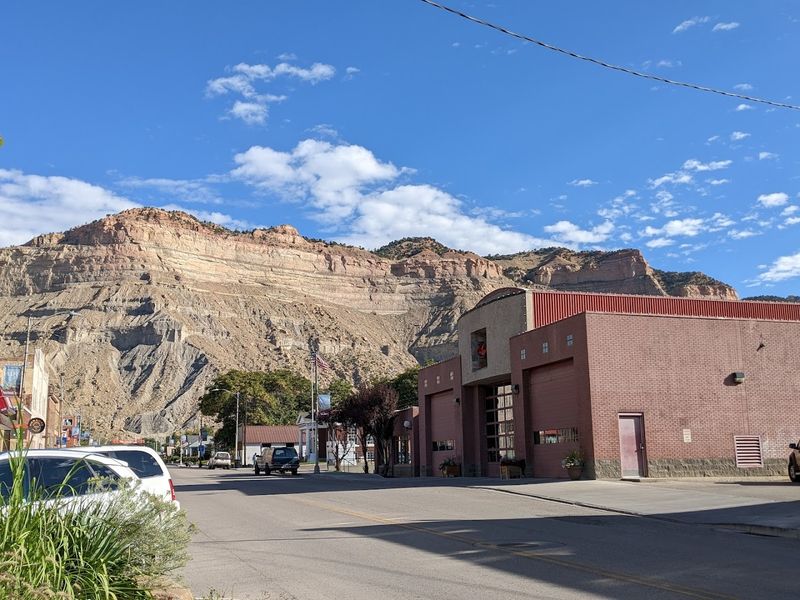
Helper has the kind of name that sounds like a supporting character but turns out to be the most interesting person in the room. This former railroad and coal town in Carbon County did something genuinely rare: it reinvented itself without sandblasting away its personality.
Main Street here still carries the weight of its working-class past in the best possible way. The brick buildings have not been replaced with glass and chrome.
Instead, they now house galleries, local eateries, and small shops that feel like they belong to actual humans rather than a real estate developer’s mood board.
Visit Utah describes Helper as a former coal town turned arts-and-culture community, which is accurate but undersells the grit that still lives underneath the creativity. You can feel the history in the architecture, in the pace of the street, in the way locals talk about the town with a mix of pride and protectiveness.
A weekend in Helper pairs surprisingly well with a drive through Carbon County’s canyon roads. Grab something to eat on Main Street, wander into a gallery or two, and give yourself permission to slow all the way down.
Helper rewards the unhurried visitor more than almost anywhere else in the state.
3. Manti, Central Utah
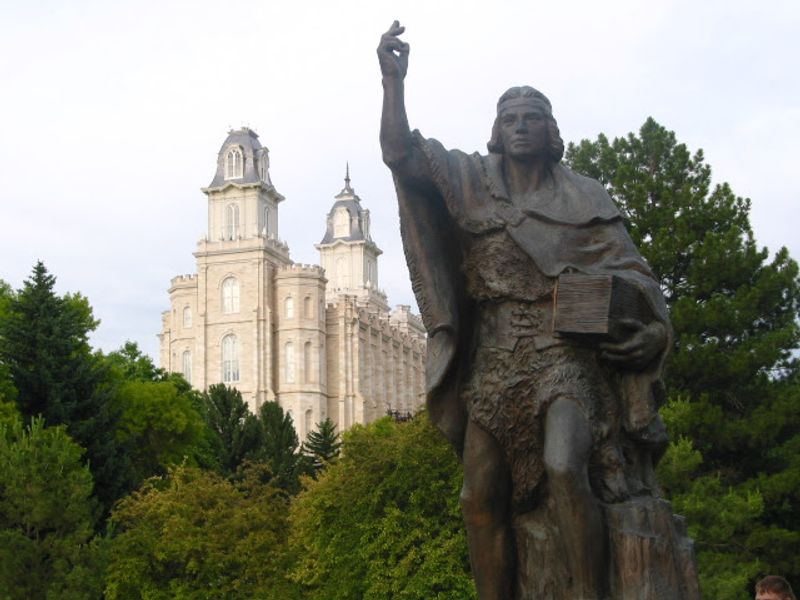
Manti operates on a frequency that most modern towns have completely forgotten how to broadcast. Wide streets, pioneer architecture, and a community calendar that still revolves around local events rather than algorithmic trends give this Central Utah town a grounded, unhurried character that feels almost radical by comparison.
The town sits in a valley with mountain access on multiple sides, which means the scenery is doing a lot of quiet work in the background at all times. You notice it most in the early morning when the light comes sideways across the valley floor and the whole place looks like it was arranged by someone with very good taste and a lot of patience.
Manti’s history runs deep in a traditional Utah way, with pioneer roots that are still visible in the buildings, the layout of the streets, and the civic pride locals carry without making a fuss about it. The official city site stays current with services, library updates, recreation details, and public event listings.
If you are the kind of traveler who prefers a town that feels lived-in over one that feels performed, Manti will suit you well. Pair it with a drive through the Sanpete Valley and you have got yourself a genuinely restorative Saturday with very little planning required.
4. Fillmore, Central Utah
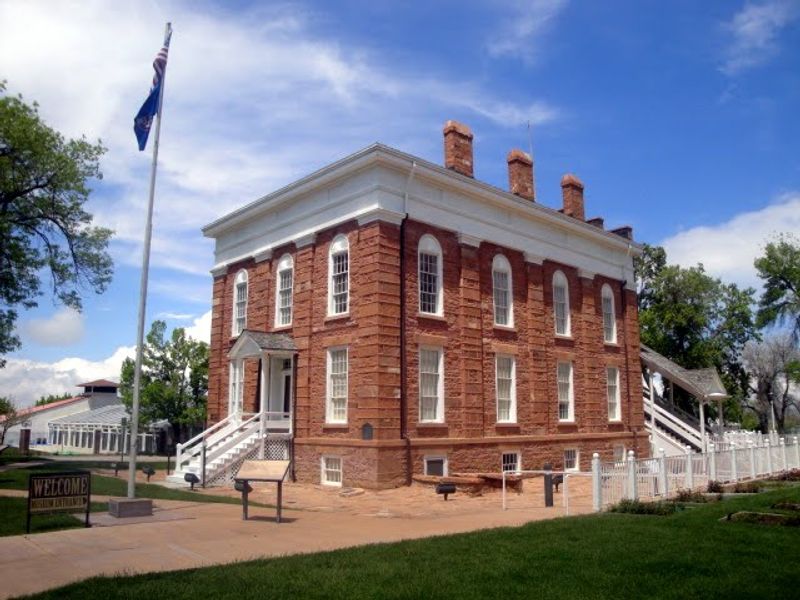
Fillmore has the quiet confidence of a town that knows exactly what it is and does not feel the need to explain itself to anyone. Sitting roughly halfway between Salt Lake City and St. George, it occupies a geographic sweet spot that makes it an easy stop or an equally easy destination in its own right.
The old territorial statehouse is the headliner here, and it earns its billing. Utah’s first state capitol building still stands in Fillmore, which is the kind of historical footnote that deserves more attention than it typically gets.
Beyond the statehouse, the town offers parks, trails, mountain views, and access to hot springs and desert backroads that reward explorers with a modest sense of adventure.
Visit Utah lists Fillmore as a historic Central Utah town, and the city’s official website stays active with local news and agendas that confirm this is a functioning, engaged community rather than a preserved relic. That distinction matters when you are looking for a real place rather than a curated experience.
The surrounding landscape shifts between high desert and mountain terrain in a way that keeps the scenery interesting for the full length of your visit. Fillmore works beautifully as a solo day trip or as an anchor stop on a longer Central Utah loop.
5. Panguitch, Southern Utah
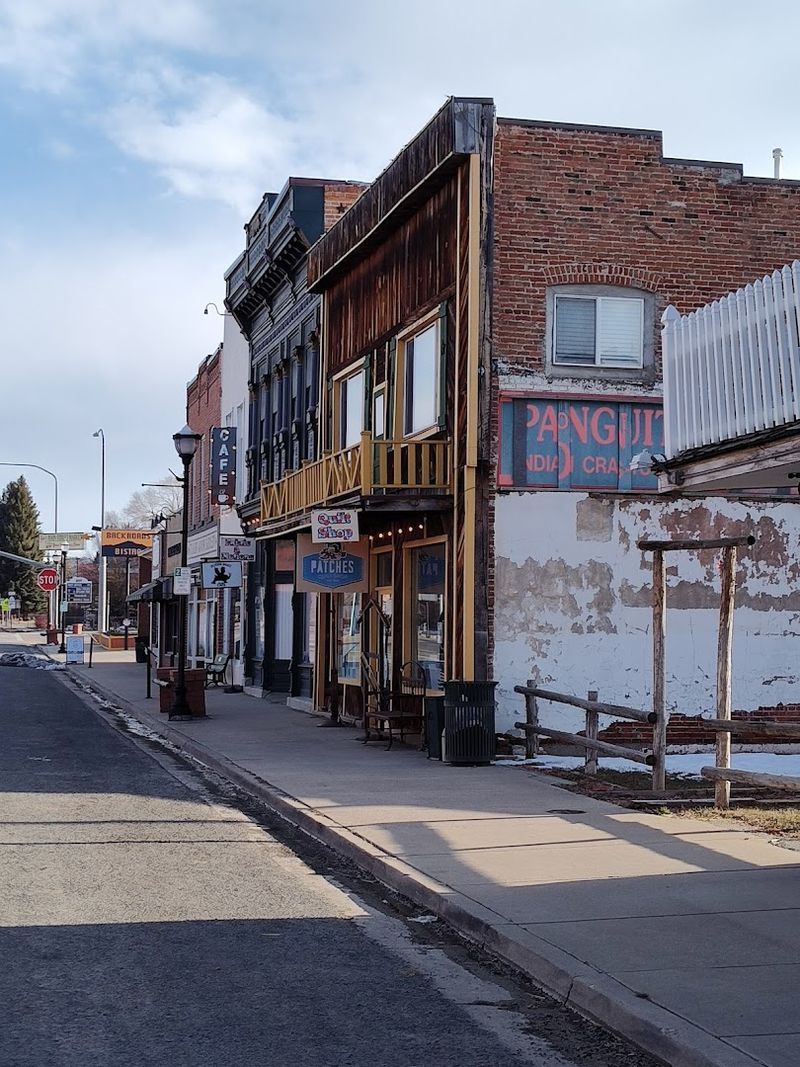
Panguitch is the answer to a question a lot of Southern Utah travelers eventually ask: is there a way to get close to Bryce Canyon country without surrendering to the full theme-park energy of the gateway towns? The answer, satisfyingly, is yes, and it is about forty-five minutes north of the park entrance.
The town has the kind of historic brick architecture that makes you want to walk slowly and look up. Wide streets, a manageable downtown, and a community that has not yet been fully optimized for visitor throughput give Panguitch a refreshingly genuine atmosphere.
Nearby fishing access and Panguitch Lake add outdoor dimension without requiring much planning or gear.
Visit Utah highlights the town’s Blue Ribbon fisheries, scenic byways, and proximity to public lands, which is a polite way of saying the outdoor options here are both excellent and uncrowded by regional standards. The quieter basecamp feel is the real selling point for anyone who has grown tired of elbowing for a parking spot at more famous trailheads.
Go in late spring or early fall for the best combination of comfortable weather and manageable crowds. Panguitch rewards the traveler who values elbow room, honest meals, and the particular pleasure of a red-rock sunset watched without a hundred other people narrating it aloud.
6. Escalante, Southern Utah
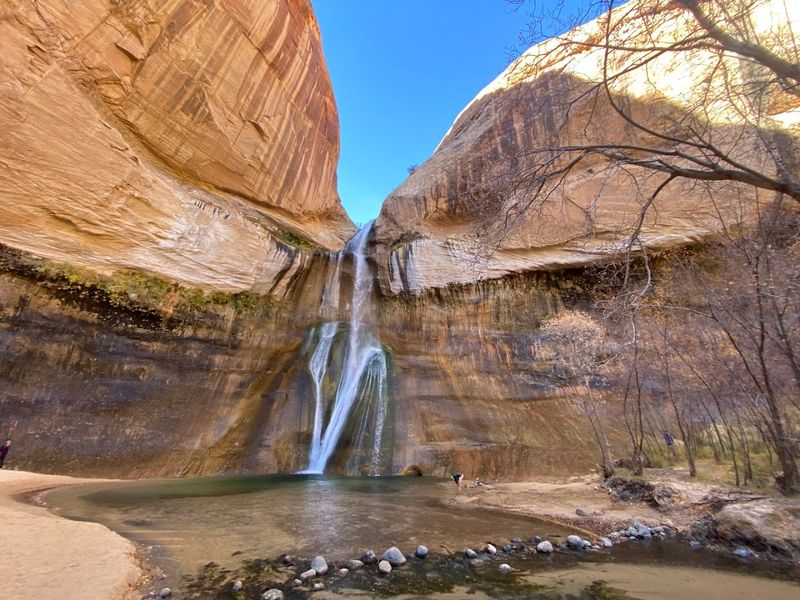
Escalante is the kind of place that makes you recalibrate your definition of remote. Sitting between Capitol Reef and Bryce Canyon in a stretch of Southern Utah that the interstate never bothered to visit, this small town operates as both a genuine community and an unofficial gateway to some of the most spectacular wild country on the continent.
The town itself is refreshingly unpolished. Down-home cafes, modest inns, motels, and local guiding services handle the practical needs of visitors without any particular fanfare.
Nobody here is trying to upsell you on a branded experience, which is either a minor inconvenience or a profound relief depending on your travel personality.
Grand Staircase-Escalante National Monument sprawls out in every direction beyond town, offering canyon hiking, slot canyons, and geological formations that feel genuinely otherworldly. The scale of the surrounding landscape has a way of making your ordinary concerns feel appropriately small and manageable.
Escalante works best for travelers who want a true reset rather than a polished getaway. Come with flexible plans, good boots, and a willingness to be slightly out of your comfort zone.
The payoff is the rare feeling of having been somewhere that most people only talk about visiting but never quite get around to.
7. Torrey, Wayne County
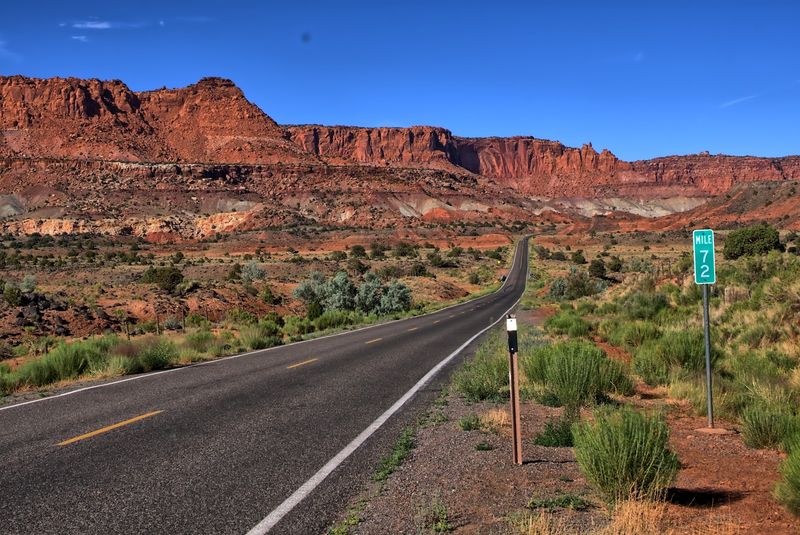
Eight miles from Capitol Reef’s west entrance, Torrey manages to be genuinely peaceful without tipping into empty. That is a harder balance to strike than it sounds, and the town pulls it off with the casual ease of somewhere that has simply never tried too hard to be anything other than itself.
Tree-lined streets, red cliffs rising at the edges of town, open meadows, and some of the darkest skies in the region combine to make Torrey feel like a place designed specifically for people who need to decompress. Local dining options and comfortable lodging mean you do not have to rough it to enjoy the surroundings, which is a practical consideration that more travel writing should acknowledge openly.
Visit Utah describes Torrey as having cafes, restaurants, lodging, and visitor services, which sounds modest until you consider how rare it is to find all of those things in a town this small and this scenically positioned. The infrastructure here is just enough and no more, which turns out to be exactly right.
Dark sky enthusiasts should make a point of staying overnight. The star visibility outside of town is the kind of experience that makes you genuinely annoyed at city light pollution in a way you will still be talking about weeks later.
Torrey earns its reputation quietly and completely.
8. Bluff, Southeast Utah
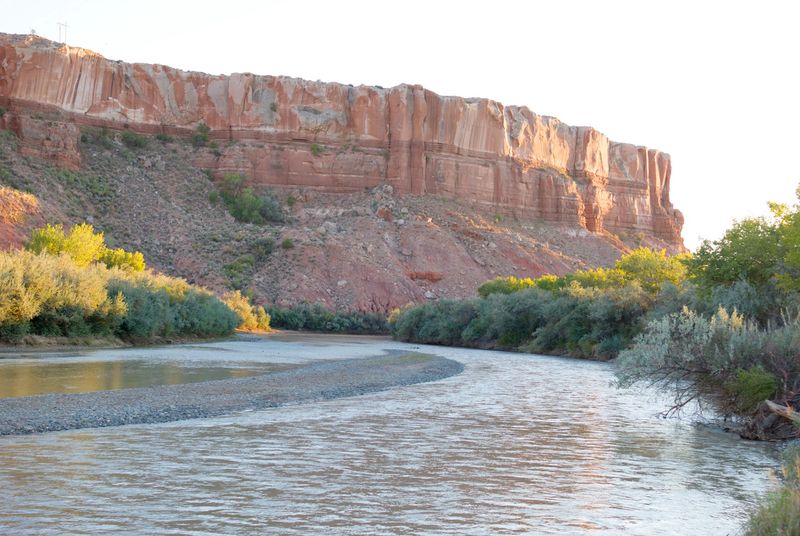
Bluff moves at the pace of the San Juan River, which is to say it moves at exactly the right pace and does not apologize for it. Tucked between sandstone cliffs in Southeast Utah, this small town has the warm, unhurried quality of somewhere that decided long ago not to compete with the larger world and has been quietly winning ever since.
Local inns, campgrounds, and unfussy cafes provide the kind of hospitality that does not involve a loyalty program or a QR code menu. Bluff Fort and the Sand Island Petroglyphs offer historical depth for travelers who like their landscapes to come with context.
The petroglyphs in particular have a way of making you stand very still and think carefully about time.
Access to Bears Ears National Monument, Valley of the Gods, and Hovenweep National Monument means the surrounding region is extraordinarily rich for anyone willing to drive a few extra miles on unpaved roads. The payoff-to-effort ratio here is among the best in the entire state.
Bluff suits the traveler who finds genuine pleasure in simplicity. No crowds, no manufactured charm, just sandstone, river light, ancient history, and the specific satisfaction of being somewhere that most people’s GPS still treats with mild suspicion.
That, honestly, is a recommendation.
9. Monticello, Southeast Utah
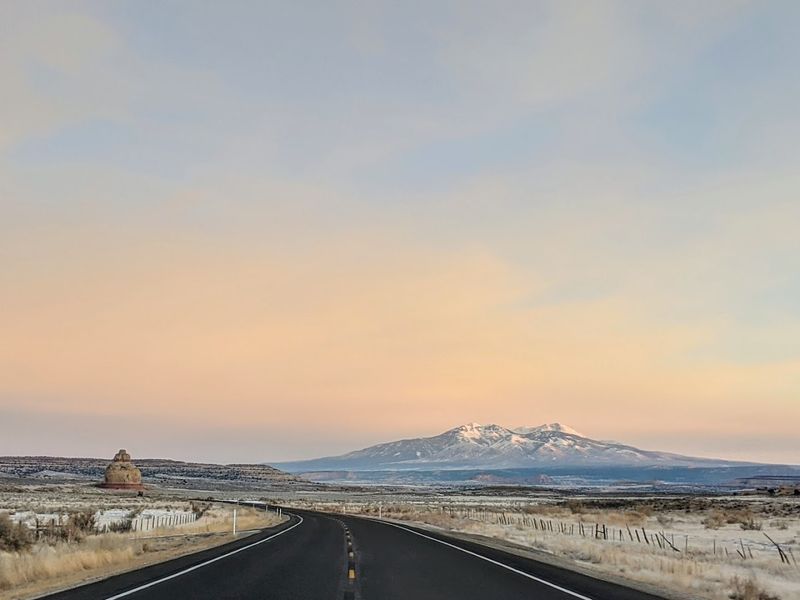
Monticello occupies a position in the Southeast Utah travel conversation that is both undervalued and, for the right traveler, absolutely ideal. Sitting at high elevation on the edge of canyon country, it offers the dramatic landscape of the region without the parking lot queues and overbooked lodges that have become standard features of its more famous neighbor to the north.
The Abajo Mountains rise behind town in a way that creates genuine four-season interest. In summer the elevation keeps things cooler than the canyon floor.
In fall the aspens do exactly what aspens are supposed to do, and the light turns everything amber and unreasonably photogenic. The mountain air alone feels like a legitimate reason to make the drive.
Visit Utah describes Monticello as a high-elevation town near Bears Ears, Hovenweep, and the Trail of the Ancients Scenic Byway. That byway in particular deserves more attention than it gets, connecting ancient cultural sites across a landscape that shifts from mountain to canyon to mesa in the space of an afternoon drive.
For Moab-curious travelers who have started to find the crowds exhausting, Monticello is not a compromise. It is an upgrade in disguise.
Come with an open itinerary, because the region has a habit of rearranging your plans in the best possible way.
10. Garden City, Bear Lake / Northern Utah
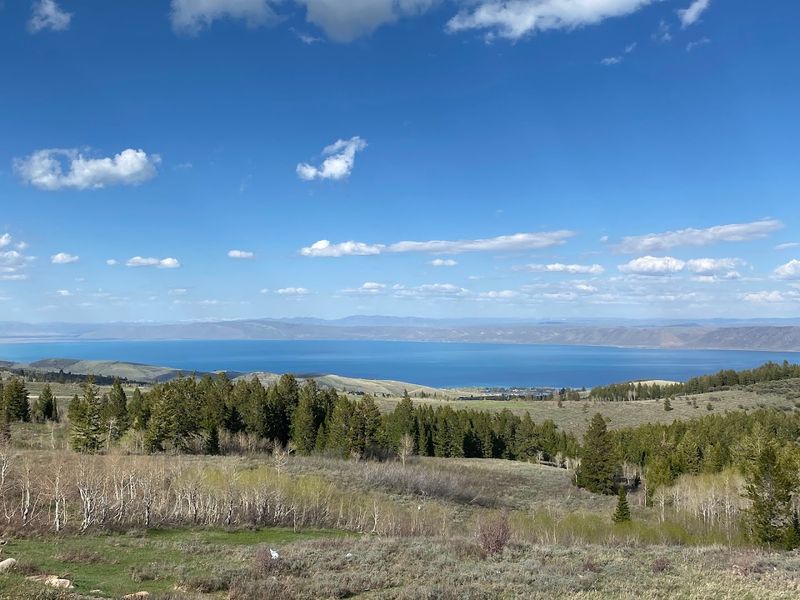
Bear Lake has a color that does not look real until you are standing directly in front of it. The turquoise water is caused by suspended limestone particles, which is a geological explanation that somehow makes the visual even more satisfying once you know it.
Garden City sits right on the lake’s western shore and serves as the kind of gateway town that earns the label honestly.
Outside the peak summer rush, Garden City settles into a genuinely peaceful rhythm. Small food stops, lake views from nearly every angle, and a slower northern Utah pace make it an easy place to spend a full day without once checking a to-do list.
The raspberry shakes the town is locally famous for are worth the trip on their own terms, full stop.
Visit Utah calls Garden City a gateway town on the shores of Bear Lake State Park, noting year-round recreation and cultural activities. The year-round part matters more than it might seem.
Winter visits have a stripped-down beauty that summer crowds obscure, and the lake’s color remains striking even under grey skies.
Garden City works well as either a solo destination or the northern anchor of a longer Utah road trip. Pair it with a drive along the Bear Lake Scenic Byway and you have a route that justifies every mile of the journey up and back.