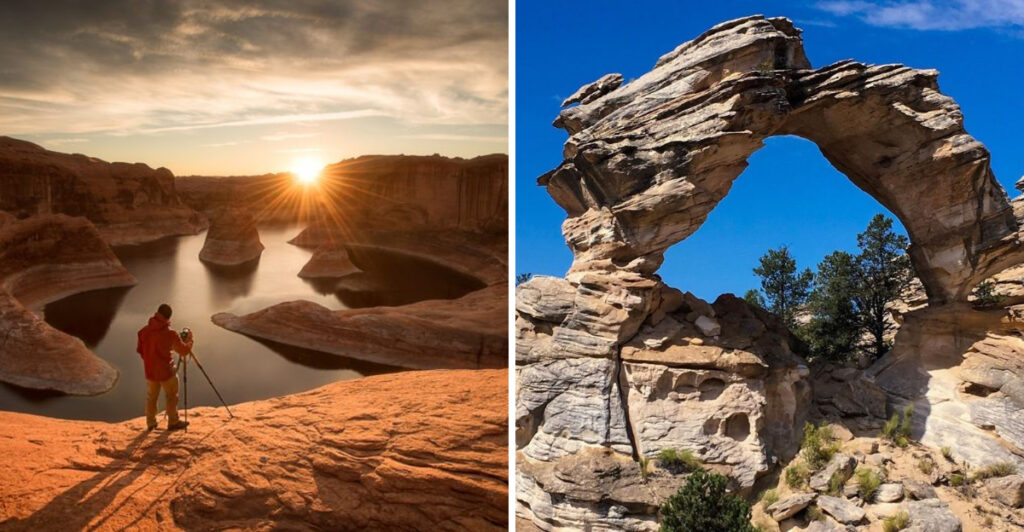
Photographers figured this corner of Utah out first, and the secret is just about out. At sunset, the canyon walls turn a shade of orange so deep that cameras come out involuntarily.
Day trips from this town reach multiple national parks in every direction. The night sky above it is still properly dark.
Utah puts serious scenery in a lot of places. Here, the light is something else entirely.
Sandstone catches it. Coral dunes glow with it.
Every rock formation within reach becomes a subject worth chasing. Bring a camera or just bring your eyes.
Plan your whole day around sunset. Build in extra time, because when that light hits, leaving on schedule is not something that tends to happen.
The Town That Sunsets Built
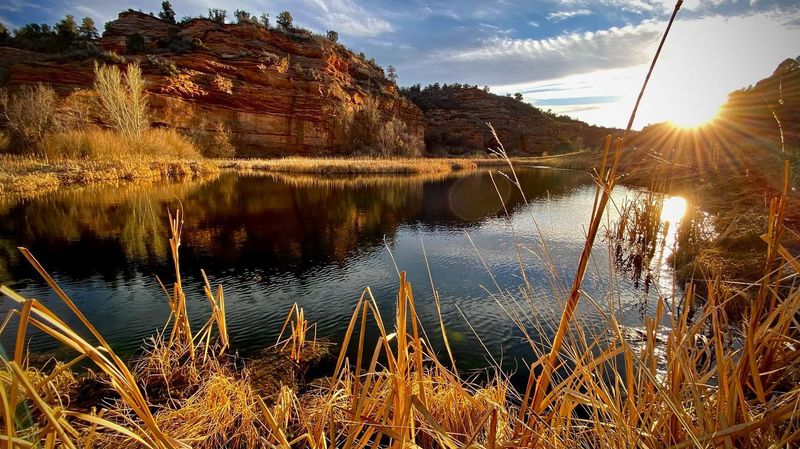
Kanab did not earn its reputation by accident. The town sits at an elevation that puts it eye-level with some of the most dramatic canyon walls in the American Southwest.
Utah delivers a lot of stunning scenery, but something about this particular stretch of Kane County feels almost theatrical. The cliffs are tall.
The sagebrush stretches wide. The sky above it all is enormous.
Kanab, UT 84741 is the county seat of Kane County, positioned right along Kanab Creek. Its location, just north of the Arizona border, places it within easy reach of multiple national parks and wilderness areas.
That geography is everything. The town acts like a hub, with spoke roads shooting out toward Zion, Bryce Canyon, the Grand Canyon’s North Rim, and Lake Powell.
Photographers figured this out early. Everyone else is catching up fast, and honestly, it was only a matter of time before a place this spectacular stopped being a quiet little secret.
Why The Light Here Hits Different
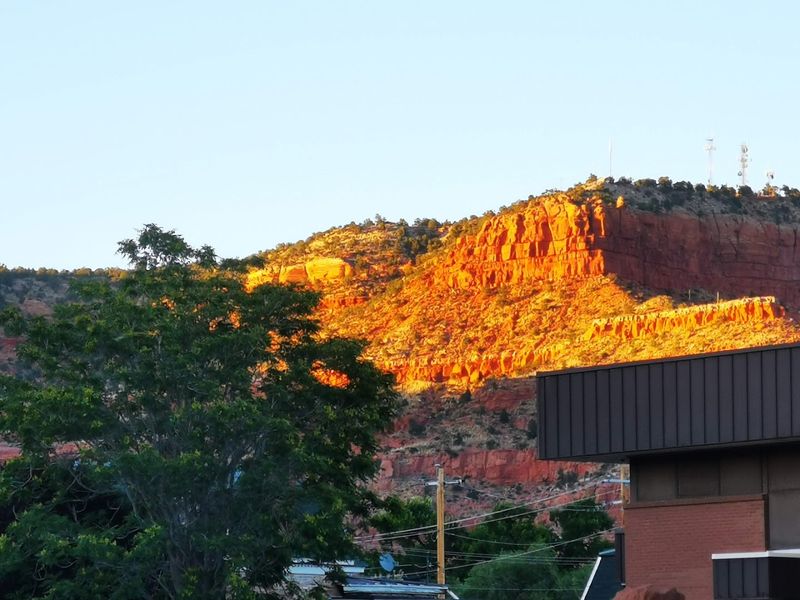
The secret is geology. Kanab sits surrounded by towering Navajo sandstone formations that act like natural reflectors when the sun drops low.
That soft evening light bounces off iron-rich red and orange rock, creating a warm glow that feels almost unreal. Photographers call this the golden hour.
Here, it lasts longer and burns brighter than almost anywhere else in Utah.
The sandstone does not just sit there looking pretty, either. Its texture catches shadows.
Its curves create depth. Every ridge and ripple becomes a detail that a camera lens loves to find.
Neutral density filters are a popular tool among photographers working this landscape. The contrast between bright sky and shadowed rock can be extreme during golden hour.
A good filter helps balance that out.
Even without any gear at all, standing in that light feels special. The desert air cools quickly after sundown, making the whole experience surprisingly comfortable after a warm desert afternoon.
Coral Pink Sand Dunes At Dusk
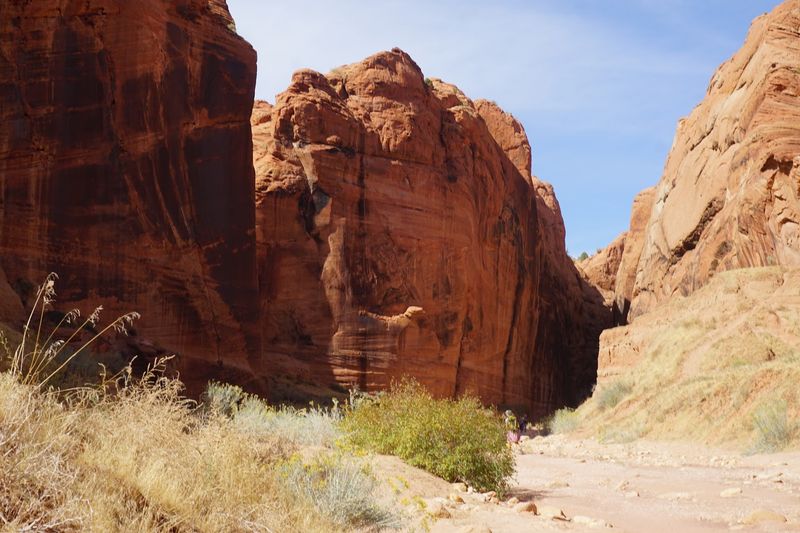
Coral Pink Sand Dunes State Park is one of those places that looks made up. The sand really is pink, and at sunset, it shifts into shades of deep coral and burnt amber.
Located just a short drive from Kanab, this Utah state park covers thousands of acres of wind-sculpted dunes. The formations change shape with the seasons, and no two visits look exactly alike.
Sunset here is a full sensory event. The light softens the edges of every dune.
Long shadows stretch across the rippled surface, turning simple sand into something that looks like abstract art.
Photographers often arrive well before sunset to scout angles and set up compositions. The park draws both beginners testing out new cameras and seasoned pros chasing portfolio shots.
Visitors who prefer to simply watch rather than photograph still find the experience rewarding. Sitting on a dune ridge as the sky changes color is a perfectly valid way to spend an evening in this part of Utah.
Old Paria And The Striped Cliffs
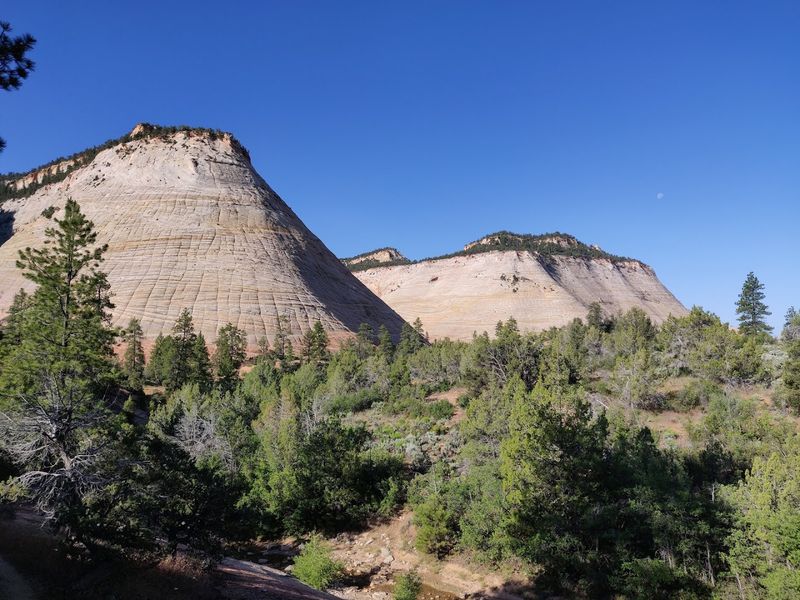
Few landscapes in the Southwest are as visually striking as the Paria River Valley. The cliffs here are layered in bands of red, orange, white, and purple, stacked up like a geological timeline painted in vivid color.
Old Paria Road offers access to these formations and is a favorite among photographers who want something a little off the beaten path. Sunset light hits those striped walls at an angle that makes every layer pop with intensity.
The blue hour after sunset is equally praised here. Once the sun drops below the horizon, a cool blue tone washes over the landscape, creating a completely different mood than the fiery golden hour just minutes before.
The road to Old Paria can be rough depending on recent weather, so checking conditions before heading out is a smart move. A high-clearance vehicle makes the trip much more comfortable.
The reward for making the effort is a landscape that feels ancient, remote, and completely alive with color when the evening light arrives.
The Toadstools After Dark
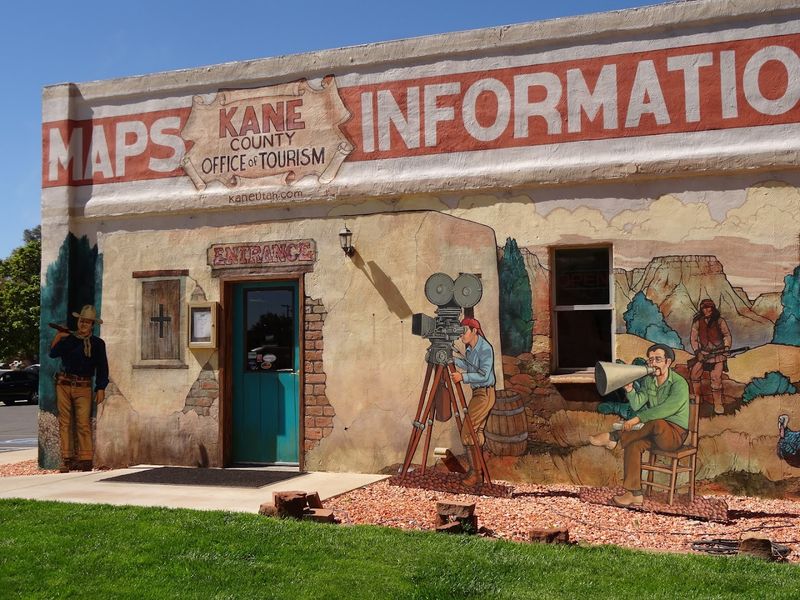
The Toadstools are exactly what they sound like. These hoodoo rock formations balance large cap rocks on narrow pedestals, creating shapes that look like something from a storybook.
Located not far from Kanab, the trail to reach them is relatively short and accessible. That makes them a popular target for photographers who want dramatic subjects without a full-day hike.
Sunset and night photography are both highly recommended at this site. As the sun sets, warm light wraps around the cap rocks and casts long shadows across the sandy ground below.
After dark, the Toadstools become a playground for astrophotographers. The area around Kanab has low light pollution, and on clear nights, the Milky Way rises above these strange formations in a way that seems almost too beautiful to be real.
Arriving early to find a good angle before sunset is worth the effort. The formations are spread out enough that multiple compositions are possible from a single visit, which photographers find especially appealing.
Alstrom Point And The Lake Powell Views
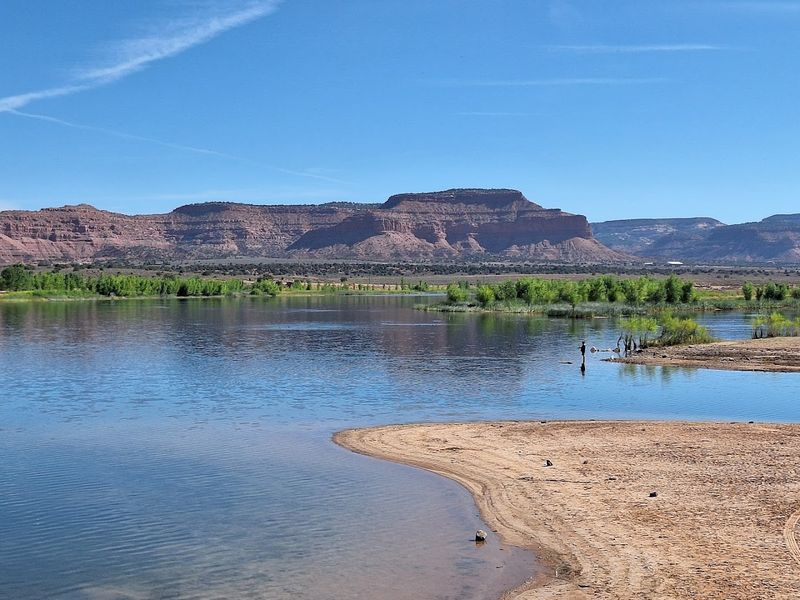
Alstrom Point rewards the adventurous. Getting there requires a rough dirt road and a willingness to commit to the journey, but the payoff is one of the most jaw-dropping views in southern Utah.
From the point, Lake Powell spreads out below in a maze of blue water channels cutting through red rock desert. At sunset, the contrast between that deep blue water and the glowing orange cliffs is almost too vivid to process.
Photographers prize this location for its wide, unobstructed views. There are no trees blocking the horizon, no structures interrupting the skyline.
Just rock, water, and sky in every direction.
The drive out requires preparation. A high-clearance four-wheel-drive vehicle is strongly recommended.
Carrying extra water and checking road conditions beforehand is not optional, it is essential.
The effort filters out the casual crowd, which means those who do make it often have the point nearly to themselves at sunset. That kind of solitude, combined with that kind of view, is genuinely hard to find anywhere else in Utah.
White Pocket And Its Otherworldly Textures
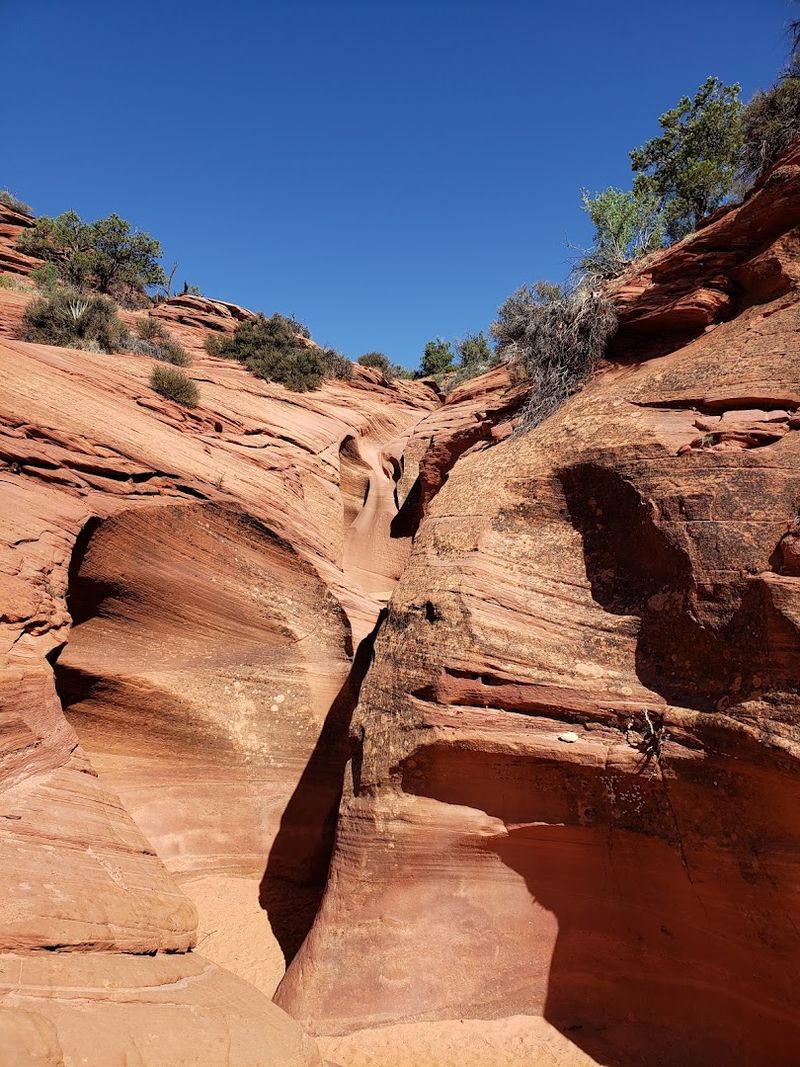
White Pocket is the kind of place that makes photographers question whether they are still on Earth. The rock here swirls in patterns of red, white, and cream, folding over itself in shapes that look hand-sculpted.
Located in the Vermilion Cliffs area, accessible from the Kanab region, White Pocket is remote and requires a four-wheel-drive vehicle with good clearance. That remoteness is part of what keeps it special.
Sunset light transforms the textures here in ways that are difficult to describe. The swirling patterns cast micro-shadows across the surface.
Colors shift from pale cream to deep amber within minutes as the sun drops.
Wide-angle lenses are popular at White Pocket because the formations spread across a large area. Getting low to the ground and shooting across the surface captures the texture in a way that standing shots simply cannot match.
Visiting with a guided tour is a practical option for those unfamiliar with the area. Several operators based near Kanab run regular trips out to White Pocket, handling navigation so visitors can focus entirely on the photography.
Inchworm Arch And The Eastern Reaches
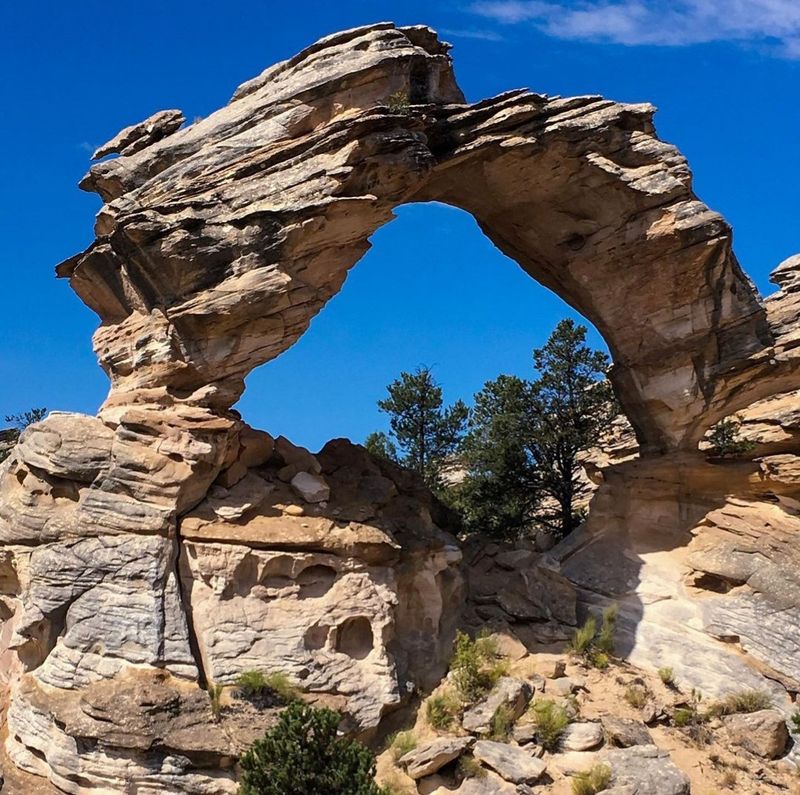
Arches have a way of framing the world perfectly. Inchworm Arch, located east of Kanab, offers photographers a natural frame that puts the surrounding desert landscape in perfect compositional context.
The arch itself is not the most famous in Utah, but that is part of its appeal. Fewer visitors mean more time to experiment with angles, lighting, and long exposures without crowds interrupting the shot.
Sunset photography here benefits from the warm light that floods through the arch opening in the late afternoon. The rock glows.
The shadows deepen. The whole scene tightens into something worth printing large and hanging on a wall.
Getting to Inchworm Arch involves some off-road travel, so checking current trail conditions before heading out is a practical step. The surrounding landscape also offers interesting formations worth exploring beyond the arch itself.
For photographers who have already hit the major spots around Kanab, Inchworm Arch offers a quieter, more personal experience. Finding a lesser-known location that still delivers stunning results is one of the real pleasures of exploring this part of Utah.
Sunset Tours For Every Skill Level
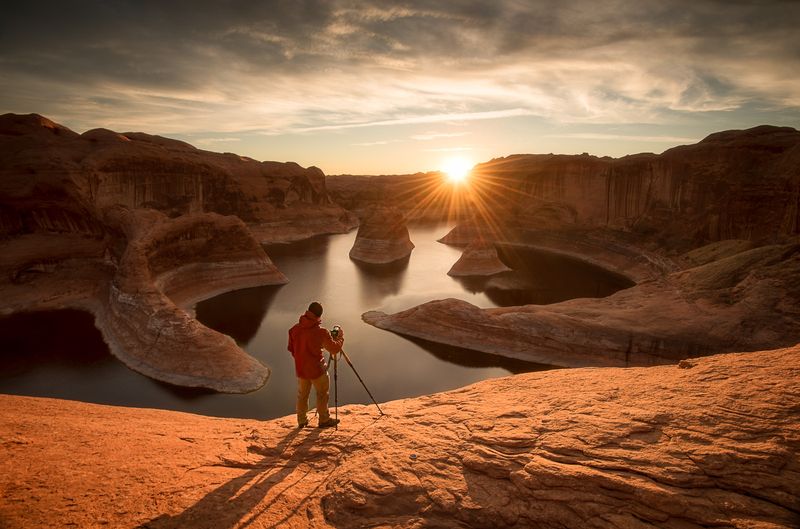
Not everyone arrives in Kanab knowing exactly where to go. That is where the local tour operators step in, and they have clearly thought this through carefully.
Several companies based in and around Kanab offer specialized sunset photography tours. These range from beginner-friendly outings to advanced sessions focused on technical skills like long exposure and astrophotography.
Many tours use four-wheel-drive vehicles to reach viewpoints that are simply not accessible in a standard rental car. That access alone can be the difference between a good photo and an extraordinary one.
Guides on these tours tend to know the land deeply. They understand how the light moves across specific formations at different times of year.
That local knowledge is hard to replicate from a travel blog or map app.
Combining a slot canyon visit with a sunset tour is a popular option. Some operators offer full-day experiences that cover multiple locations, giving participants a thorough introduction to the photographic richness of the area surrounding Kanab, Utah.
Kanab City Overlook And The View Everyone Should See
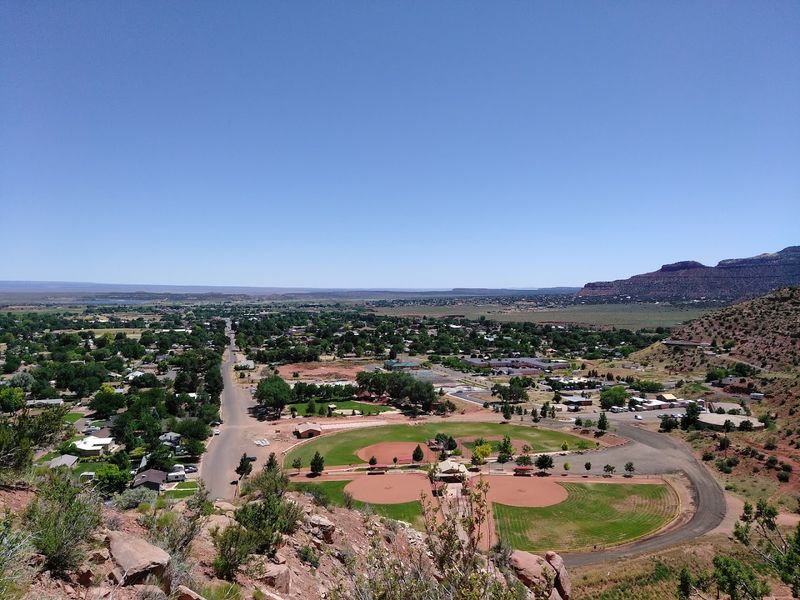
Sometimes the best view is the one right above town. The Kanab City Overlook delivers a panoramic perspective that puts the entire community in context against the massive cliffs surrounding it.
From up here, the scale of the landscape becomes clear. The town looks small, which it is, but the cliffs behind it look enormous.
At sunset, those cliffs shift through a full spectrum of warm colors while the sky above turns shades of pink and deep violet.
This overlook is one of the more accessible sunset spots near Kanab. Reaching it does not require a four-wheel-drive vehicle or a long hike, making it a great starting point for visitors who are new to the area.
Arriving about an hour before sunset allows time to find a good vantage point and get settled before the light starts changing. The color show can begin subtly and then intensify quickly, so being ready early pays off.
For anyone visiting Kanab, Utah for the first time, this overlook offers an orientation to the landscape that no map can quite replicate. Standing above the town and watching the cliffs catch fire at dusk is the kind of moment that makes the whole trip feel worthwhile.