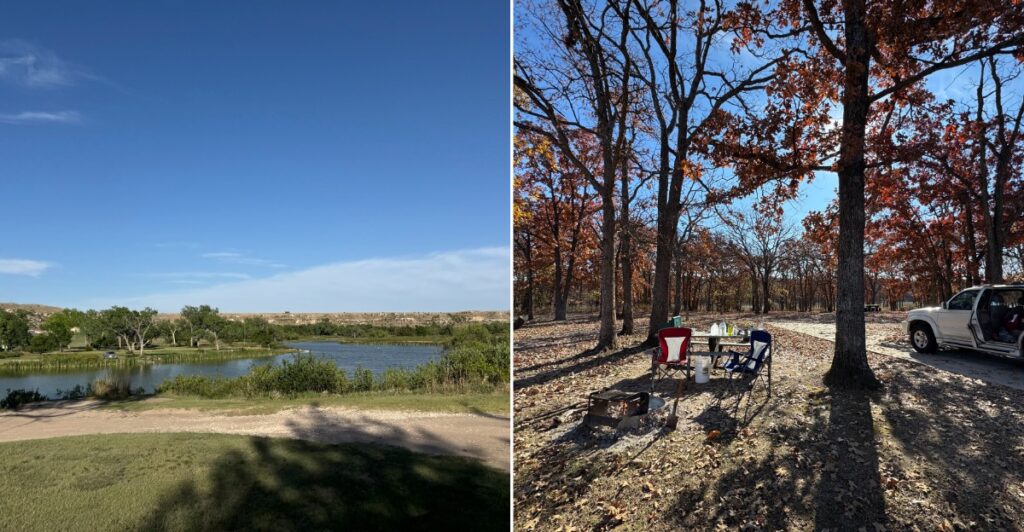
A quiet campsite can feel completely different once you notice something moving near the edge of the trail.
Kansas campgrounds with rocky ground, tall grass, and warm sunny patches can also be places where snakes are spotted more often, especially during the warmer parts of the year.
That does not mean every visit turns into a wildlife encounter.
It simply gives campers another reason to watch where they step, keep the campsite tidy, and give any snake plenty of room.
For some people, that extra awareness is part of spending time outdoors.
I had one camping trip where a rustle beside the path made everyone freeze at the exact same moment.
We stood there staring until a small snake slipped away into the grass and disappeared.
Nothing dramatic happened, but I watched my footing much more carefully after that.
I still enjoy quiet campgrounds, though now I tend to look down before I admire the view.
1. Prairie Dog State Park, Norton
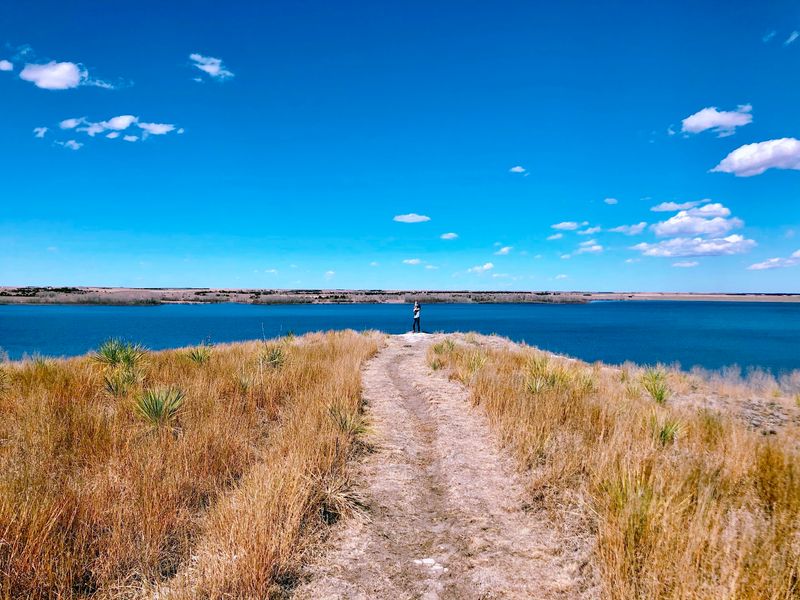
Sebelius Reservoir sits low and calm, and the grass around it hums with quiet small life.
That mix of water, prairie, and rock riprap creates suitable snake habitat around Prairie Dog State Park.
Gophersnakes, also called bullsnakes, are documented in Norton County, and they may hiss or vibrate their tails when disturbed but are harmless.
Plains garter snakes and common watersnakes are also documented in the county, especially around suitable grassland and aquatic habitat. Give any snake room and let it move away without interference.
The campground stays genuinely peaceful, with two restored historic buildings and a prairie dog town that gives the park its name.
Shade is limited, so checking around rocks, logs, and other cover before reaching or stepping is a sensible habit.
Campers at Prairie Dog State Park should keep food and trash secured, wear sturdy shoes after sunset, and avoid handling wildlife.
The state park remains open for camping, with multiple developed and primitive camping options around the reservoir.
Prairie Dog State Park sits off Highway 261 southwest of Norton in northwest Kansas, and snakes in this region are generally active during the warmer months, especially from spring through early fall.
2. Kanopolis State Park, Marquette
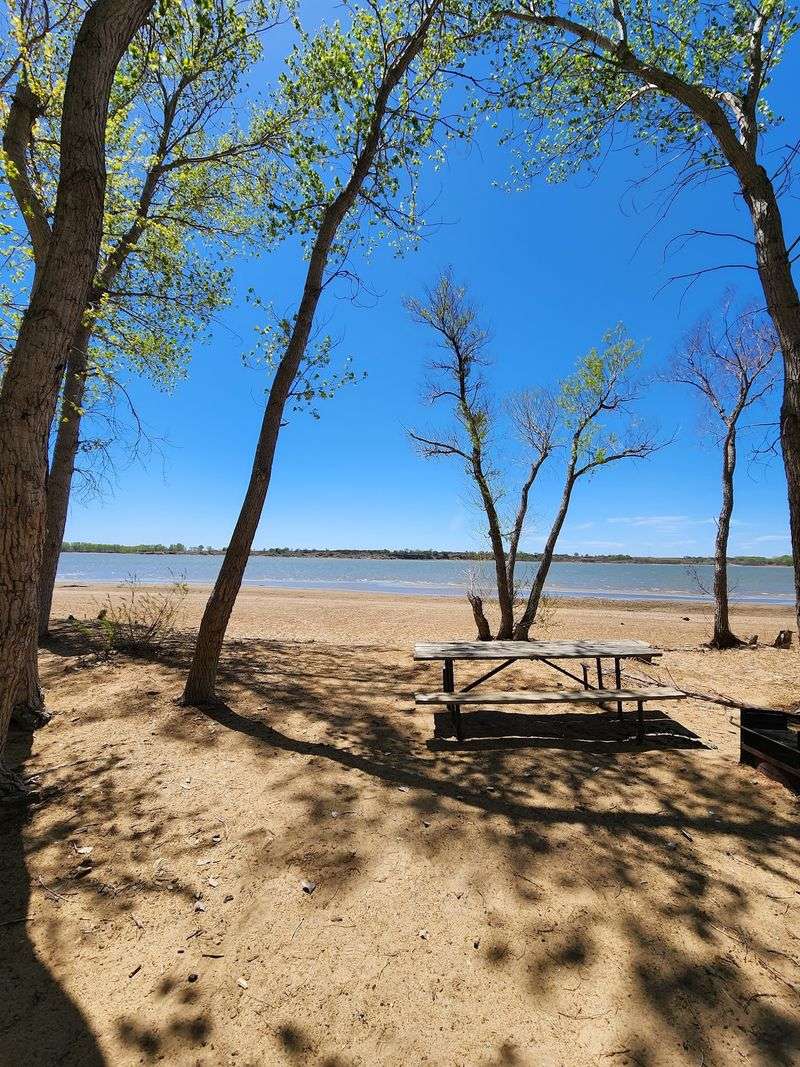
Sandstone canyons cut through this corner of Kansas, and the warm rock holds heat all day.
Snakes use that stored warmth, and Kanopolis State Park has documented snake activity around Horsethief Canyon.
Bullsnakes and racers occur in Ellsworth County, while an introduced population of western diamond-backed rattlesnakes has also been documented in the canyon area.
Copperheads are not established in Ellsworth County, so that earlier claim should be dropped.
Watching where you place your hands while scrambling is still the simplest safety rule there is, and most snakes will avoid people when given room.
The campgrounds stay calm on weekdays, with cottonwood shade and long views over the reservoir.
Horseback riders share these trails, and the rocky terrain rewards careful footing from everyone on foot.
Quiet hours here mean actual quiet, broken mostly by owls. Spring rains bring frogs, frogs bring water snakes, and the whole food chain gets busy near the inlets.
Kanopolis State Park also happens to be the oldest state park in Kansas.
You will find it at 200 Horsethief Road in Marquette, Kansas, with cooler autumn evenings offering calmer walking.
3. Historic Lake Scott State Park, Scott City
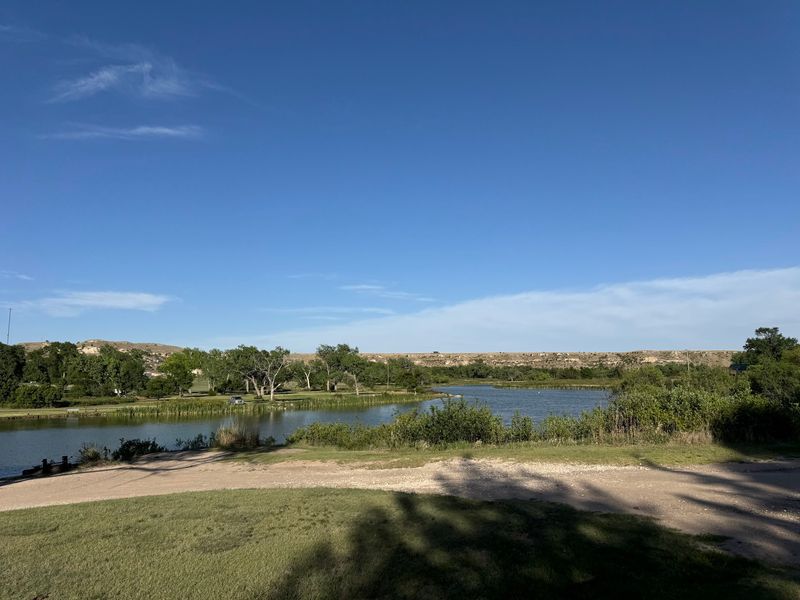
Spring-fed water in western Kansas feels like a rumor until you stand beside it here.
Historic Lake Scott State Park keeps a cool, green canyon going in a dry landscape, and that combination supports varied wildlife.
Common watersnakes and gophersnakes are both documented in Scott County, where aquatic and rocky habitats meet.
Prairie rattlesnakes occur in this part of the state and use open prairie, rocky areas, and small mammal burrows. Stay on established routes and give any snake plenty of space.
History runs deep here as well, since the park protects the ruins of El Cuartelejo, the northernmost known Native American pueblo in the United States.
Walking those grounds at dusk feels different from any other campground in Kansas.
Campsites sit under big trees, and the canyon walls block wind that usually rules the High Plains. Historic Lake Scott State Park stays quiet outside of summer holiday weekends.
Use lights after dark. KDWP’s current page still carries a 2026 water-contact advisory and dewatering notice for Lake Scott, so check conditions before water recreation.
The entrance is at 101 West Scott Lake Drive, Scott City, Kansas.
4. Cedar Bluff State Park, Trego County
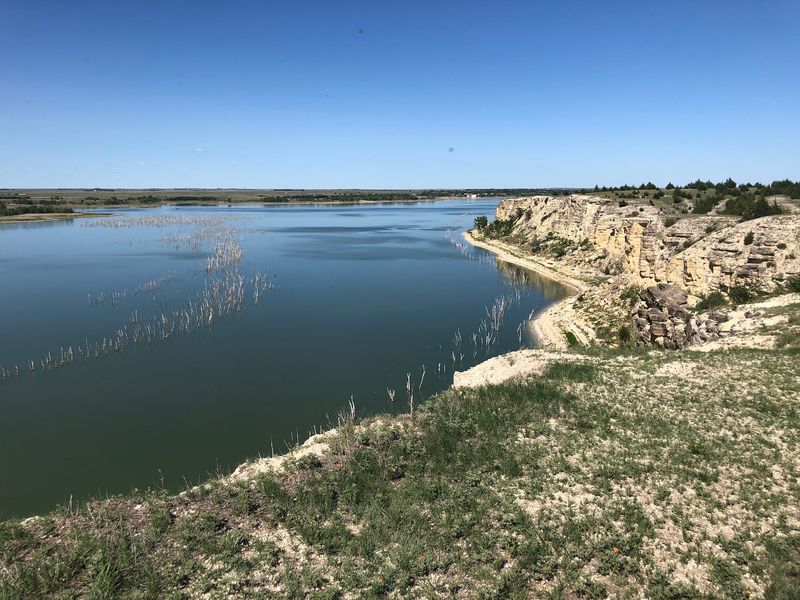
Chalky limestone bluffs rise above the water, pale and bright under a big prairie sky.
Cedar Bluff State Park splits into two areas, and Trego County lies well within prairie rattlesnake range.
The species uses rocky canyons and open prairie, so watch your footing and avoid reaching into crevices.
Gophersnakes, called bullsnakes, are documented here in Trego County. They can hiss loudly and vibrate their tails when disturbed, but they are harmless and should be given room to leave.
Hikers should never rely on head shape alone to identify a snake.
Wind is constant out here, water is clear, and the night sky is one of the darkest in Kansas. Stargazing at Cedar Bluff State Park beats almost anything on a summer evening.
Fishing for walleye and crappie keeps the boat ramps busy, though the campgrounds rarely feel crowded. Shade trees are scattered rather than thick, so pick your site with the afternoon sun in mind.
Cedar Bluff State Park sits in Trego County south of Interstate 70 near Ogallah, Kansas, where snakes are generally active through the warmer part of the year.
5. Tuttle Creek State Park, Manhattan
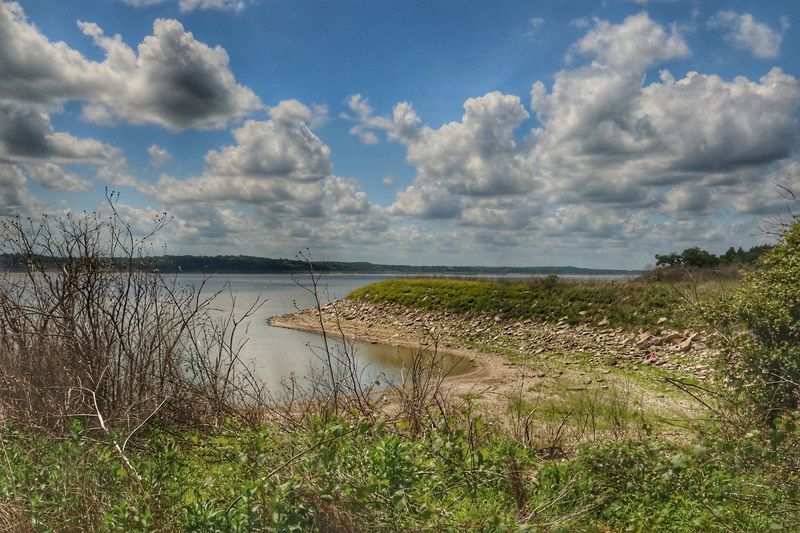
Below the big dam, River Pond runs cold and clear through a shaded stretch of Flint Hills.
Tuttle Creek State Park spreads across several areas, with shoreline, woods, and rocky habitat that can support snakes.
Common watersnakes are well documented in Riley County and often use ponds, streams, and lake edges.
They are not venomous, though they may defend themselves if handled. Copperheads also occur in Riley County and favor rocky woodland and leaf litter, so a light is useful on evening walks.
The safest approach is simple: do not touch or try to move any snake. Camping here ranges from full hookups to tent loops, and sycamores keep the river sites cool through July.
Paddlers may see snakes basking near water, but there is no reliable park data showing one activity produces more sightings than another.
Tuttle Creek State Park also offers a swimming beach and miles of shoreline to explore. Find it at 5800 River Pond Road in Manhattan, Kansas, and watch your footing in warm weather.
6. Clinton State Park, Lawrence
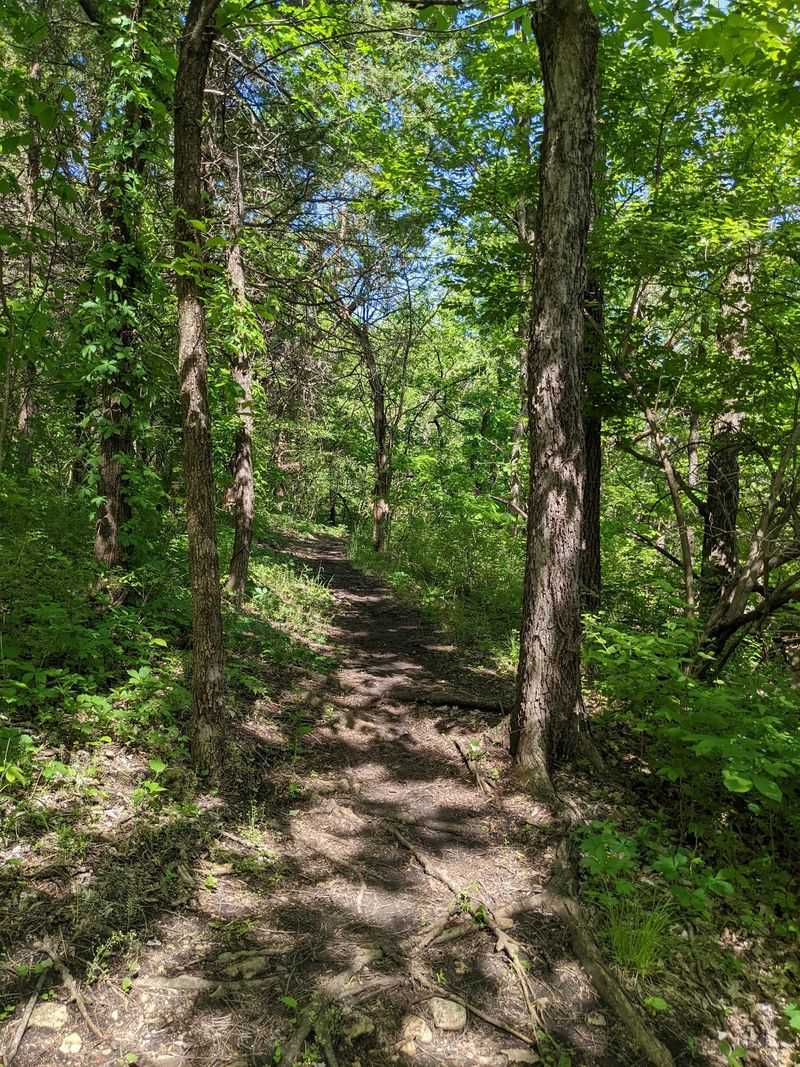
Oak and hickory woods crowd the shoreline here, and the trail system runs on for miles.
Clinton State Park is popular with mountain bikers, and its wooded setting provides habitat for several Kansas snakes.
Western ratsnakes are well documented in Douglas County and can climb trees, though seeing one on a trail is never guaranteed.
Nothing venomous about them, just startling.
Copperheads also live in this part of eastern Kansas and blend well into leaf litter. Slow down on rocky sections and scan the ground before stepping off the bike.
Give any snake a clear escape route rather than trying to prod or move it.
Campgrounds sit on wooded points above the lake, with sites that feel private once the summer crowd thins out.
Fall camping at Clinton State Park is honestly the sweet spot. Deer wander through camp at dawn like they own the place.
Clinton State Park is located at 798 North 1415 Road in Lawrence, Kansas, and snakes may be encountered during warm-weather visits.
7. Cheney State Park, Cheney
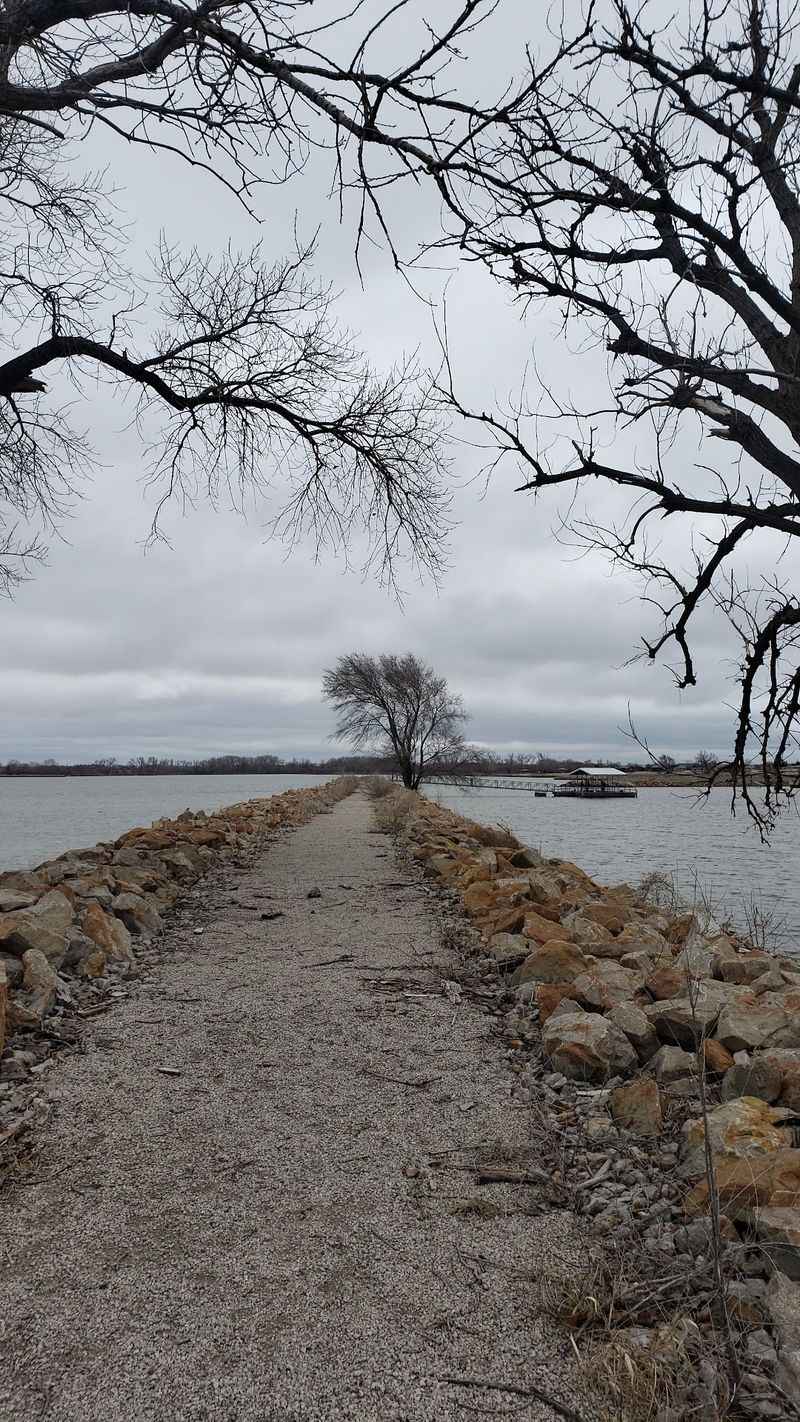
Wind and wide water define this reservoir, and sailboats lean hard across the surface.
Cheney State Park sits on sandy ground with marshy inlets, habitat that can suit plains garter snakes. The species is documented in Reno County and is harmless to people.
Common watersnakes are documented there too and use lakes, streams, and marshes.
Seeing one is possible along rocky shoreline, but fish scraps do not reliably explain snake activity. Pack out waste and keep campsites clean.
Herons hunt the same shallows, so keep binoculars handy.
The park has camping on both its east and west shores, with numerous developed and primitive options. Cheney State Park also draws windsurfers, which gives the broad shoreline a lively look on breezy afternoons.
Prairie grass surrounds many campsites, and mowed edges make it easier to see what is moving. Sunsets over the open water run long and orange, worth staying up for.
Cheney State Park can be found at 16000 Northeast 50th Street in Cheney, Kansas, and warmer months are when snakes are generally active.
8. El Dorado State Park, El Dorado
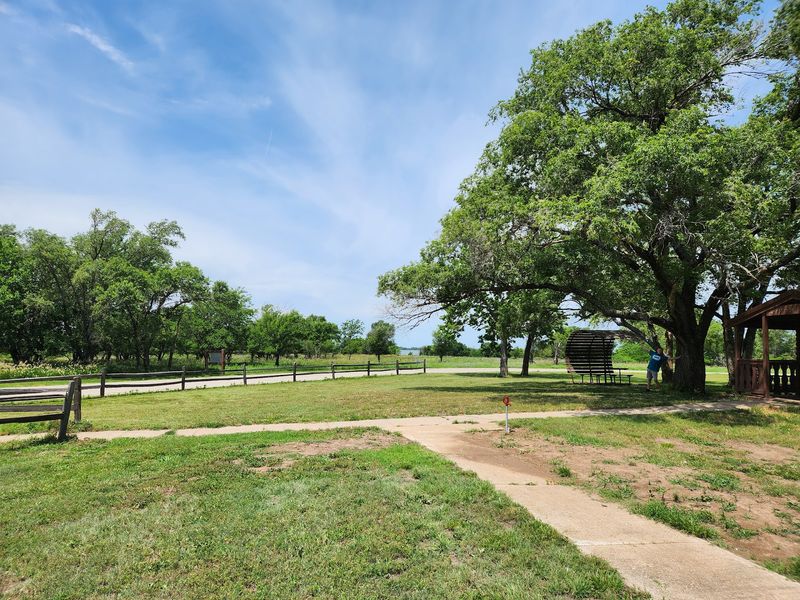
Four units, thousands of acres, and one of the largest lakes in the whole state.
El Dorado State Park holds the title of largest state park in Kansas, and all that ground means room for wildlife.
Western rat snakes occur in Butler County and use wooded areas and riparian corridors throughout eastern Kansas, including streams and campgrounds.
Copperheads also occur in Butler County and favor rocky woodland, brushy edges, and leaf litter.
A quick sweep with a flashlight before setting up a chair is sensible, especially during warm months when these snakes can be active after dark.
Bluestem Point offers extensive camping, with prairie on one side and water nearby.
El Dorado State Park stays surprisingly peaceful for a place this big, though sites near the water fill first, so weekday arrivals win.
Fishing here is serious business, and the park maintains hiking, biking, and equestrian trails. KDWP has also photographed a gophersnake sunning near Boulder Bluff inside the park itself.
El Dorado State Park is at 618 Northeast Bluestem Road in El Dorado, Kansas, with May and September delivering mild weather and active snakes.
9. Cross Timbers State Park, Toronto
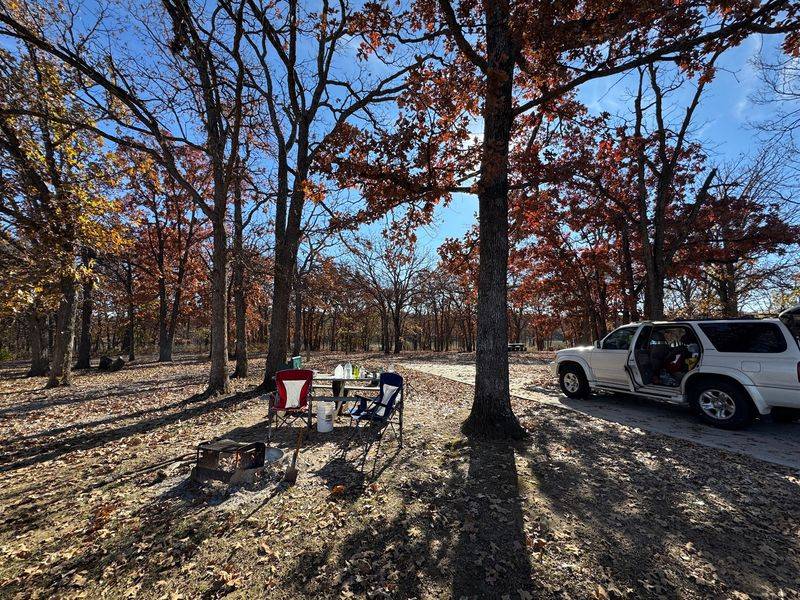
Ancient blackjack oaks twist across these hills, some older than the state of Kansas itself.
Cross Timbers State Park protects old-growth forest along Toronto Lake, and the Chautauqua Hills terrain mixes rocky slopes, oak woodland, and prairie.
Western ratsnakes and racers are documented in Woodson County, though trail sightings are never guaranteed.
Some of those oaks have stood for over two hundred years.
Copperheads occur in Woodson County and favor rocky woodland, woodland edges, and brushy areas. Give them room, watch your footing, and avoid reaching where you cannot see.
Snakes here generally try to avoid people when left alone.
Camping options include shaded primitive sites and full-hookup sites near the lake.
Nights at Cross Timbers State Park are dark enough that the Milky Way can show up clearly, and locally sourced firewood helps protect the old trees.
The lake draws anglers chasing crappie, while hikers get miles of trail through gnarled timber. Wildflowers cover the open glades in late spring.
Cross Timbers State Park is found at 144 Highway 105 in Toronto, Kansas.
10. Fall River State Park, Fall River
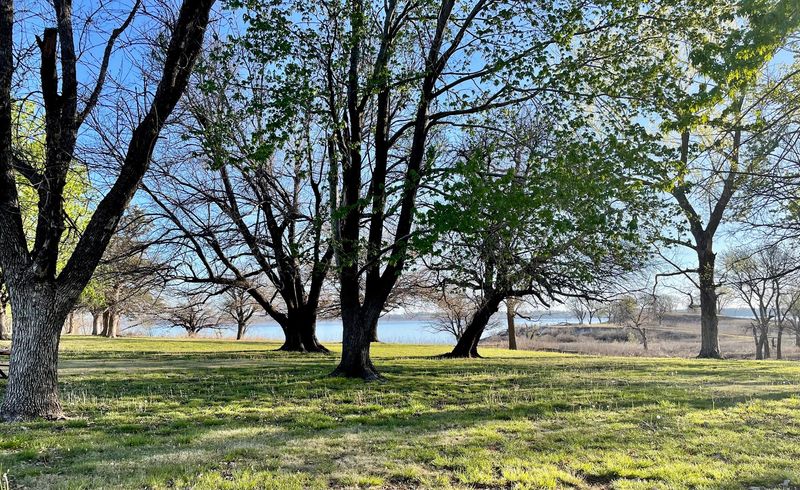
One reservoir, rolling hills, and campgrounds that can feel almost completely your own.
Fall River State Park sits on the shore of Fall River Lake in Greenwood County, and quiet is the main attraction. Nothing here is hurrying, including the wildlife.
Common water snakes occur in Greenwood County and use lakes, streams, and other aquatic habitats where they can bask near the shoreline.
Bullsnakes also occur in the county and may cross roads or open ground. Slowing down protects them and saves you a jolt, and giving any snake room lets it finish moving on its own.
Fall River State Park has camping in Quarry Bay and Fredonia Bay, with several campground loops and primitive and utility sites. Tent campers have options, and hookups are available in the park.
Wildlife goes beyond snakes, with deer and turkeys common, while bald eagles make regular winter appearances. Sunrise fog on the lake is worth the early alarm.
Reaching Fall River State Park means heading to Fall River, Kansas, in the southeast part of the state, where warm spring weekends bring wildlife activity and solitude.