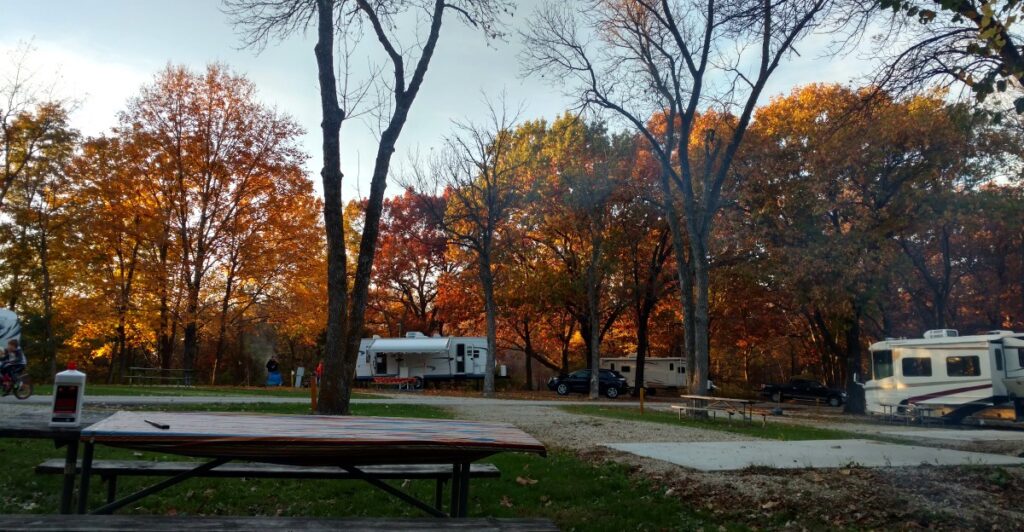
The road had already turned to gravel when I reached the part that made me wonder whether my GPS was having fun with me.
Ahead was a narrow stone tunnel, and just beyond it, the road carried straight through the river.
That alone would have made this southern Iowa detour memorable. Then I learned what sometimes hides among the warm limestone bluffs above the water.
Rare timber rattlesnakes still live around these rocky slopes, although spotting one is anything but guaranteed.
I came for the strange drive and the hiking trails, but knowing what might be tucked into those sunny crevices made me watch the landscape a little more closely.
Between the wooded ridge, quiet river, and one very unusual road through the park, this was not the quick outdoor stop I expected.
It was much harder to leave than it was to find.
Where The Limestone Backbone Begins
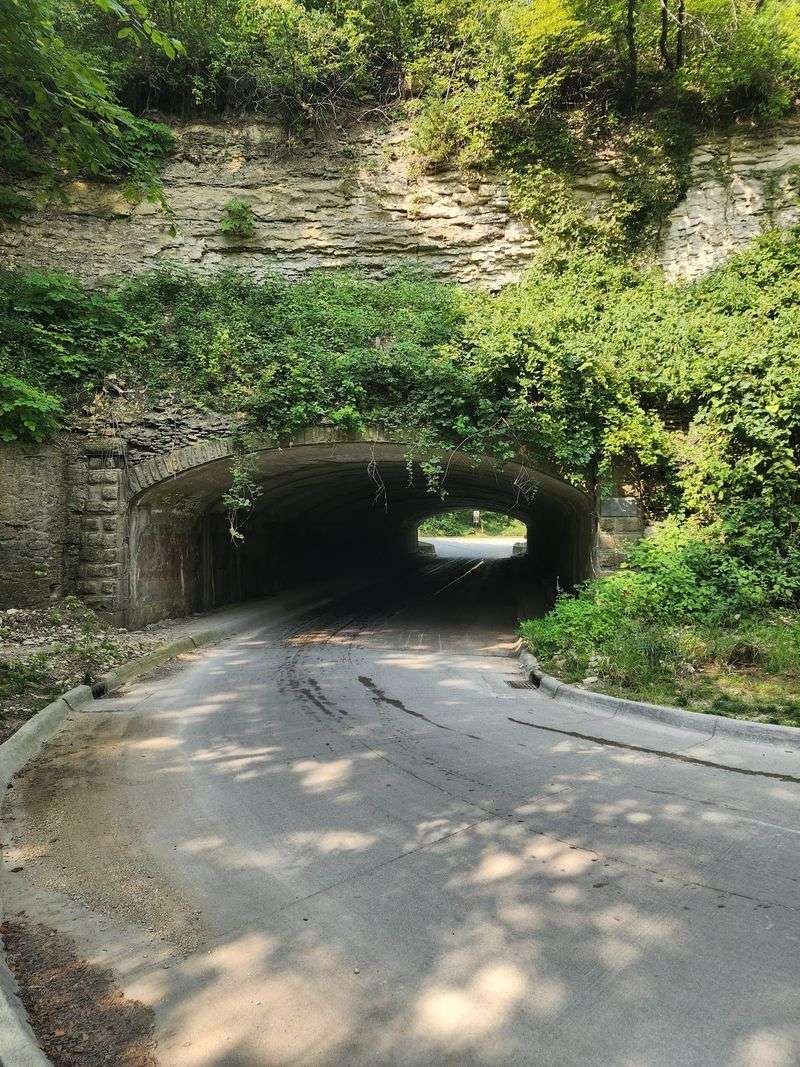
My first surprise had nothing to do with snakes. It was the drive, several miles of winding road through Madison County farmland before the trees closed in and the road dropped toward the water.
The ridge here is real limestone, and locals call it the Backbone for good reason. It runs above the Middle River like a raised seam of pale rock, topped with oak and hickory and laced with narrow footpaths.
That rock is the whole reason this place feels different from the flat cropland a few miles north. Water carved the valley, exposed the stone, and left behind ledges, crevices, and sunny outcrops.
Those warm ledges matter later in this story, because rocky, wooded bluffs are exactly the kind of habitat timber rattlesnakes use in this part of Iowa.
Deer crossed in front of me twice before I even parked, which felt like a reasonable welcome committee.
You will find all of it at Pammel State Park, 1900 Pammel Park Road, Winterset, IA 50273, tucked just a few minutes southwest of town in south central Iowa.
Set your expectations for winding roads, greenery, and no cell service worth bragging about.
Meeting The Park’s Quiet Rattlesnake Residents
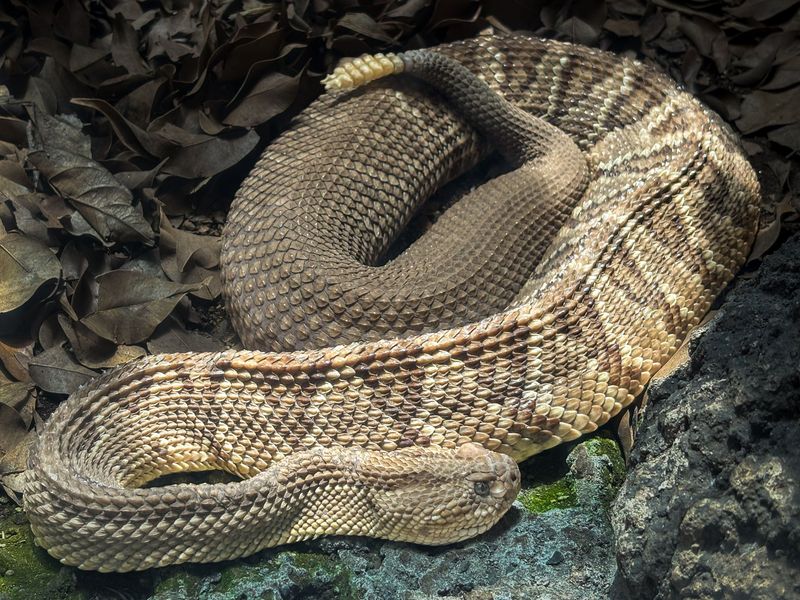
Here is the headline fact: the timbered bluffs and rocky slopes around this valley provide habitat for the timber rattlesnake, a species that has become genuinely rare in Iowa.
I have hiked the ridge trails several times and never seen one. Spotting one is anything but guaranteed.
Timber rattlesnakes are well camouflaged and generally more interested in avoiding people than confronting anyone carrying trekking poles.
They favor forested areas with rocky outcrops, including the kind of limestone habitat found around Pammel’s Backbone.
Madison County Conservation even highlights the area as important rattlesnake habitat, so treat it as a real feature of the landscape rather than a rumor.
The practical rules are simple and boring, which is how safety should be. Stay on marked trails, do not reach into rock crevices, step carefully around logs, and keep dogs leashed.
If you hear a dry buzzing rattle, stop, locate where it is coming from, and give the snake plenty of room. No poking and no photos from two feet away.
Honestly, knowing that something so rare still holds on in these bluffs made the hike feel more meaningful, not more nerve-racking.
Harmon Tunnel, The Drive-Through Oddity
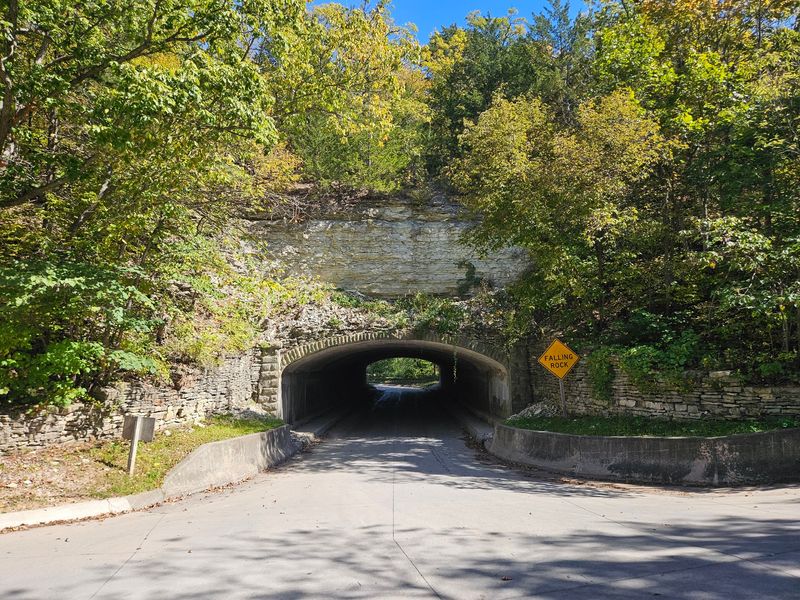
Few things make grown adults giggle like driving a car through solid rock.
Harmon Tunnel cuts right through the limestone ridge, and it is widely described as the only automobile tunnel in the state.
The story behind it starts with a mill. Workers cut the passage through the ridge long ago to redirect water, and the opening was later widened enough for vehicles.
Driving through is a short thrill, maybe ten seconds of cool, damp shade with rock inches from your mirrors. I rolled my window down just to hear the echo change.
A word of caution learned the hard way by other visitors: the tunnel sits low and floods. After heavy rain it can close with mud, and county updates are not always posted online.
When it is blocked, the park is still fully reachable by the alternate road, so do not turn around and head home.
Tall vehicles, trailers, and campers should plan to use the other route regardless. Clearance is tight and unforgiving.
My advice? Walk through it once on foot when traffic is light.
The stone texture overhead is worth a slow look.
Splashing Across The Middle River Ford
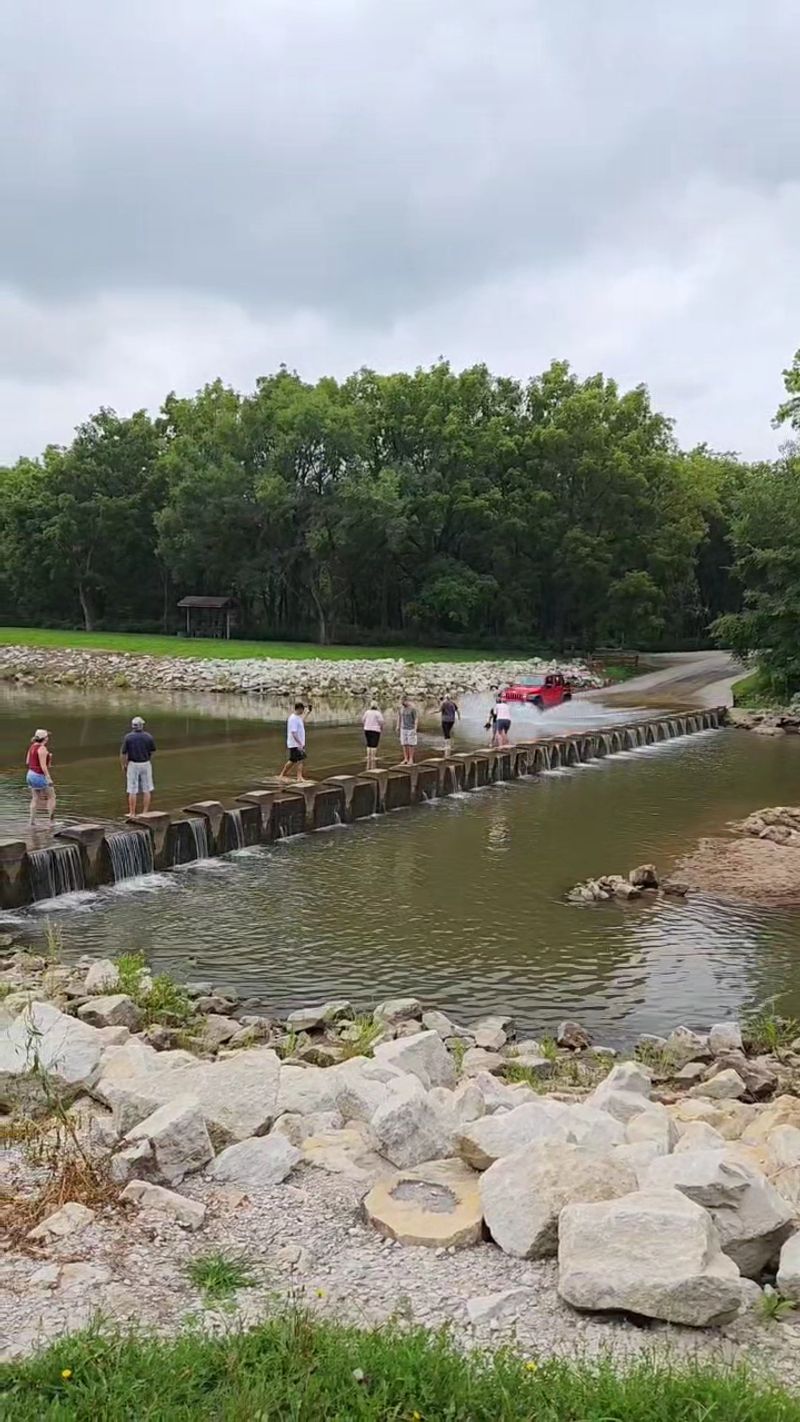
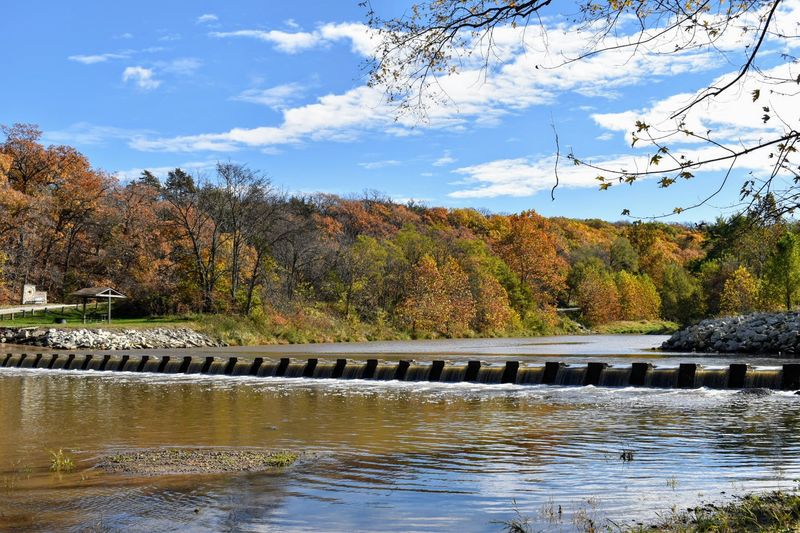
The ford across the Middle River might be the most photographed spot in the park, and it is certainly the wettest.
A concrete crossing lets you drive straight through shallow water, with the river running over your tires. Kids wade beside it, skip rocks, and hunt for frogs in the shallows.
I watched a family spend an entire afternoon there without any equipment beyond water shoes and a bucket. Simple pleasures win.
Judgment matters, though. When the river runs high or fast after storms, the ford becomes genuinely dangerous and should be skipped entirely.
Low, clear water is the green light. Muddy, rushing water means find another plan for the day.
Anglers like the ford area too, especially for catfish, and the gentle gradient makes it an easy launch point for kayaks and inner tubes.
In winter the scene changes completely. Sheets of ice drift over the crossing, and bald eagles turn up in the tall trees along the banks.
I have crossed it in July heat and stood beside it in February cold. Both visits earned a spot in my camera roll and my memory.
Trails That Climb The Wooded Ridge
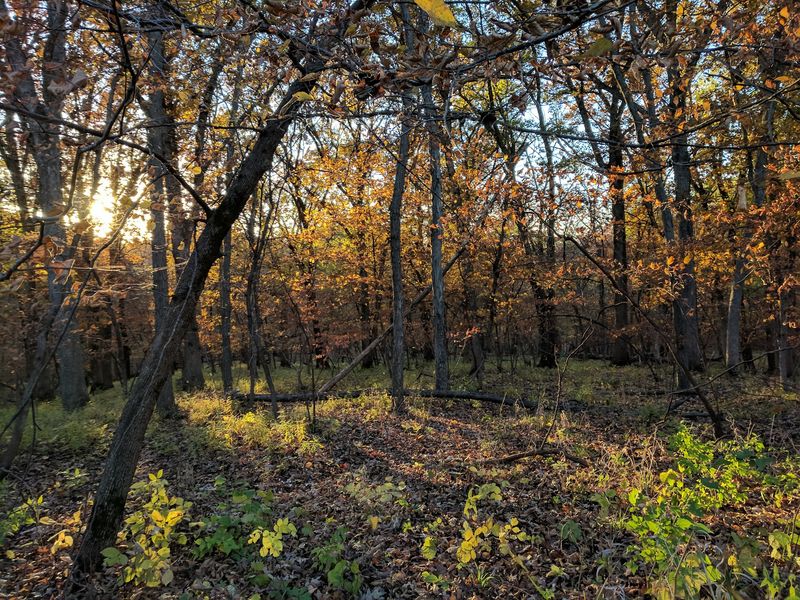
Boots on, phone away. Several miles of footpaths wind through this valley, and the best ones climb.
Trails run along the top of the limestone ridge, then drop down toward the river through stands of oak, hickory, and walnut. The elevation change is modest by mountain standards but more than most Iowa hikers expect.
Some sections get rooty and slick after rain, so shoes with grip beat sandals every time.
What I love is how quickly the noise fades. Ten minutes from the campground, the loudest sounds were woodpeckers and my own breathing.
Rock formations pop up along the way, some moss-covered, others bare and sun-warmed. Those sunny outcrops are the habitat worth respecting, so I stick to the tread and admire from a comfortable distance.
Trail markers exist but are not exhaustive. I recommend downloading a map before you lose signal, which happens fast in the valley.
Wildflowers peak in late spring, and the understory gets thick and green by June.
Bring water, bug spray, and patience for the uphill stretches. The ridge-top view through the trees repays every step you take.
Camping, Cabins, And A Cozy Yurt
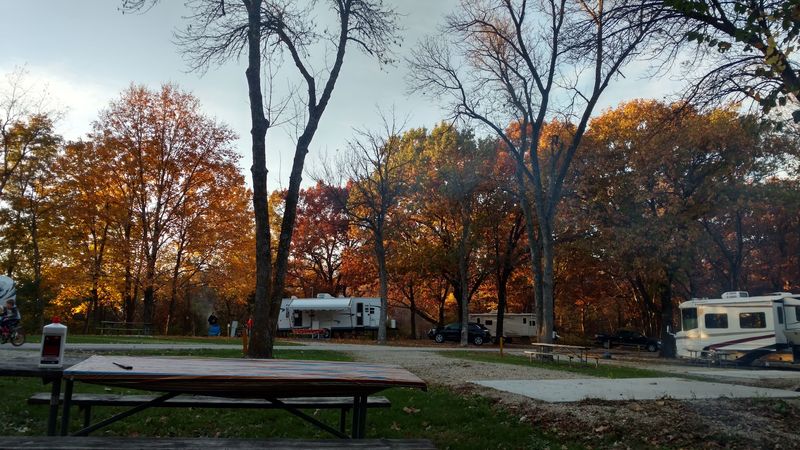
Camping is the single most talked-about part of this park, and after one night I understood why.
The modern campground has 36 sites with electrical and water hookups, five tent-only sites, modern restrooms and showers, a dump station, and firewood available on site. Two yurt cabins sit beside the south camping loop.
Soft walls, a solid floor, heating, air conditioning, and actual beds make the yurts feel like camping with training wheels, in the best way.
Each one sleeps up to eight people and includes a small kitchenette, which makes an overnight stay considerably easier than hauling half your kitchen from home.
Site rules are enforced, including limits on camping units and the number of people per site, so read the reservation details carefully before loading the car with three tents and high hopes.
Reservations go through Madison County Parks, and the yurt cabins require advance booking.
Deer wander through the campground regularly, usually around quieter parts of the day, and nobody seems to mind sharing.
Current county facility information lists park hours from 7 am to 10 pm, which shapes how you plan arrivals.
I slept better here than at most hotels, and the morning fog over the river sealed the deal.
Stonework From The CCC Era
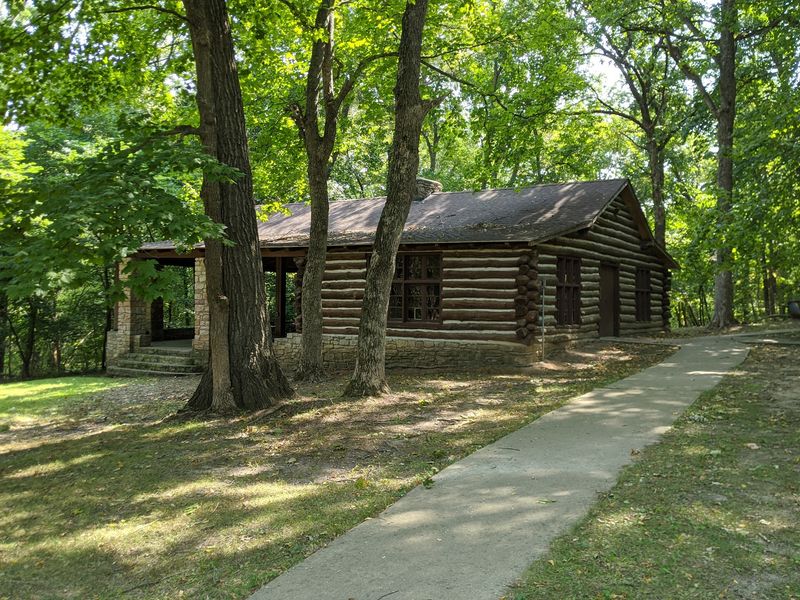
Look closely at the shelters and you will notice craftsmanship that modern budgets rarely allow.
Pammel Park carries two different chapters of early park history. Pammel Lodge was built in the 1920s using oak logs from the site, while the Backbone Shelter was constructed by the Civilian Conservation Corps in the 1930s with native timber and limestone.
The Lodge’s large limestone fireplace and the shelter’s heavy stonework give both buildings a permanence you can feel when you run a hand along the masonry.
Families rent the lodge for reunions and birthday gatherings, and the picnic grounds nearby handle the overflow with grills and shade.
I ducked into one shelter during a surprise rain shower and ended up chatting with a local couple who had been picnicking there since childhood. That continuity is part of the appeal.
Play equipment sits close to the Lodge, which keeps younger visitors busy while adults handle the cooking.
The park’s conservation facilities offer educational programs and a closer look at the landscape, wildlife, and natural history that make this corner of Madison County unusual.
History here is not behind glass. You sit on it, cook under it, and shelter inside it, which makes the park’s early decades feel surprisingly close.
Wildlife Watching Beyond The Snakes
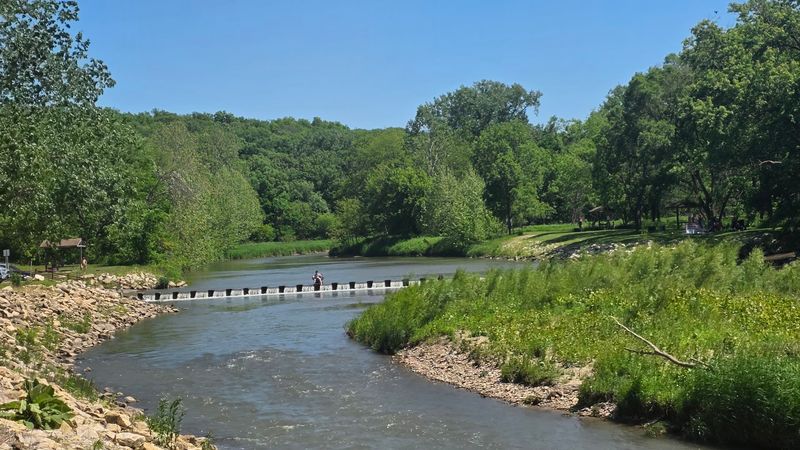
Rattlesnakes get the dramatic headline, but they are a tiny fraction of what moves through this valley.
White-tailed deer are everywhere, especially at dawn and dusk near the campground edges. I counted eleven on one evening walk without trying.
Bird watchers do well here. Woodpeckers hammer the dead timber, warblers pass through in spring, wild turkeys strut the ridge, and bald eagles hunt the river corridor in winter.
Frogs line the muddy shallows near the ford, which turns any kid with a net into a dedicated field biologist for an hour.
Raccoons, squirrels, and the occasional fox round out the regular cast, and beaver sign shows up along the banks if you look for chewed stumps.
My best sighting was a barred owl that watched me from a low branch for a full minute before deciding I was boring.
Bring binoculars, walk slowly, and stop talking every few minutes. Standing still does more for wildlife watching than any gear ever will.
Spring and early summer bring the most activity, while winter offers bare branches and clear sightlines.
Every visit handed me something new to write down.
Autumn Color Along The Valley
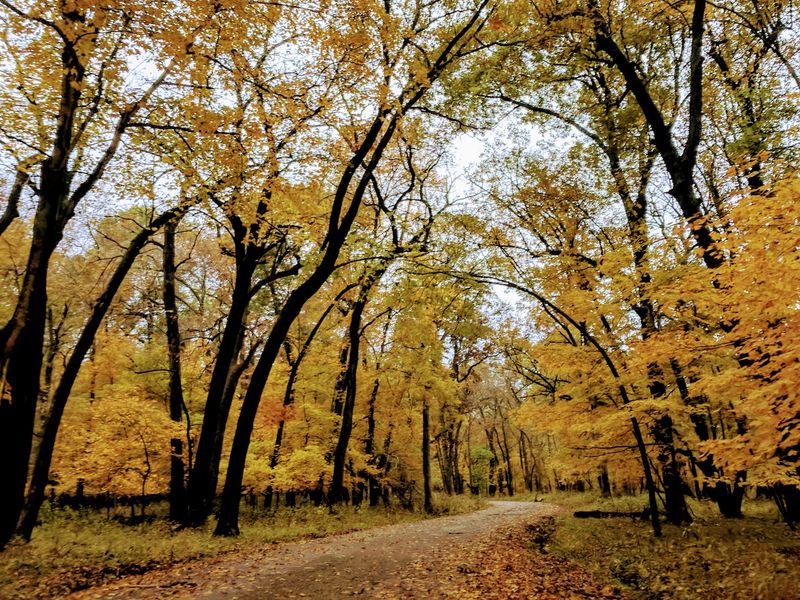
October turns this valley into something worth rearranging your calendar for.
Oaks, maples, and hickories layer the ridge in yellow, orange, and deep red, and the river below doubles the color in its reflection.
I drove the park road slowly with the windows down, stopping far too often, and did not regret a single pause.
Fall also happens to be excellent hiking weather here. Cooler air, fewer insects, and firmer footing make the ridge climbs much friendlier than in August humidity.
Snakes are less active as temperatures drop, though warm autumn afternoons can still bring reptiles out to sun on rock, so the same trail habits apply.
Campsites in October are quieter than summer weekends, and the smell of woodsmoke drifts through the trees by early evening.
Photographers should aim for early morning, when mist sits low over the water and the light hits the bluffs sideways.
Winter has its own reward, with ice on the ford and tracks in fresh snow, but the crowds thin to almost nothing.
If I could only visit once a year, mid-October would be the date circled on my calendar in permanent marker.
Planning A Smooth Visit From Winterset
Getting here rewards a little preparation, mostly because the park roads and tunnel can behave differently after rough weather.
Winterset sits only a few miles northeast, with restaurants, groceries, gas, and the covered bridges that made Madison County famous. Fill your tank and your cooler there.
Current county facility information lists park hours from 7 am to 10 pm.
Call ahead after heavy rain. High water can close the ford, and conditions around the tunnel can change as well.
Cell service can be spotty in the valley, so download maps and directions in advance. An alternate route reaches the campground without using Harmon Tunnel if your vehicle is too tall for its 12-foot-6-inch clearance.
Pack water shoes, bug spray, a first aid kit, and closed-toe hiking shoes rather than sandals for the ridge trails.
Leashes for dogs, trash bags for your own mess, and a respectful distance from any rock crevice round out the checklist.
This park asks very little and gives back stone tunnels, river crossings, rare wildlife, and genuine quiet. That trade has kept me coming back, and it will likely do the same for you.