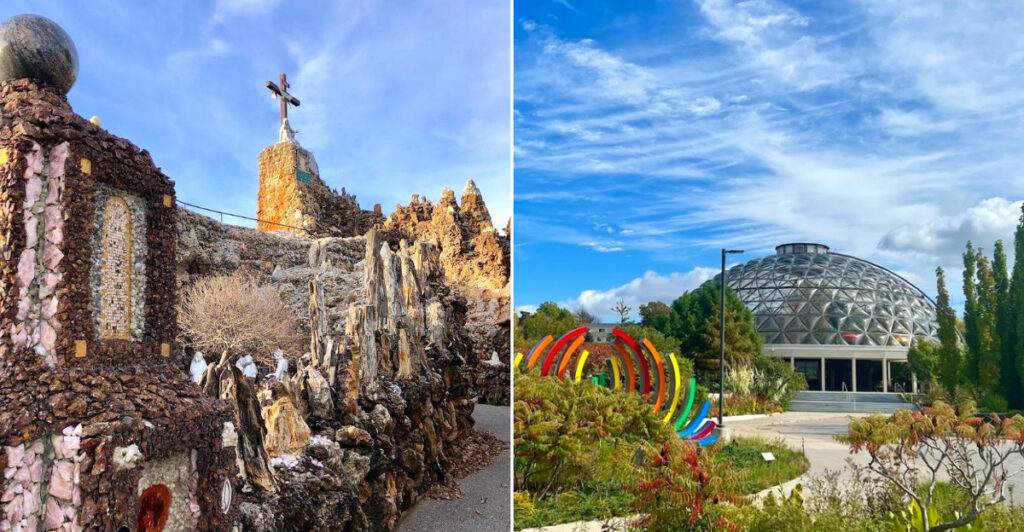
I used to think Iowa was the kind of place people politely passed through on the way somewhere louder.
Then I started paying closer attention, and the state basically tapped me on the shoulder with caves, river bluffs, quirky landmarks, movie history, and cultural stops that have no business being this interesting.
That is what makes Iowa such a good surprise.
It does not beg for attention or try to act bigger than it is. It just keeps handing you places that make you say, “Wait, this is here?” which is one of my favorite travel reactions.
These twelve stops prove that the Midwest still has plenty of tricks left, and Iowa may be better at the slow reveal than almost anywhere else.
1. Maquoketa Caves State Park, Maquoketa
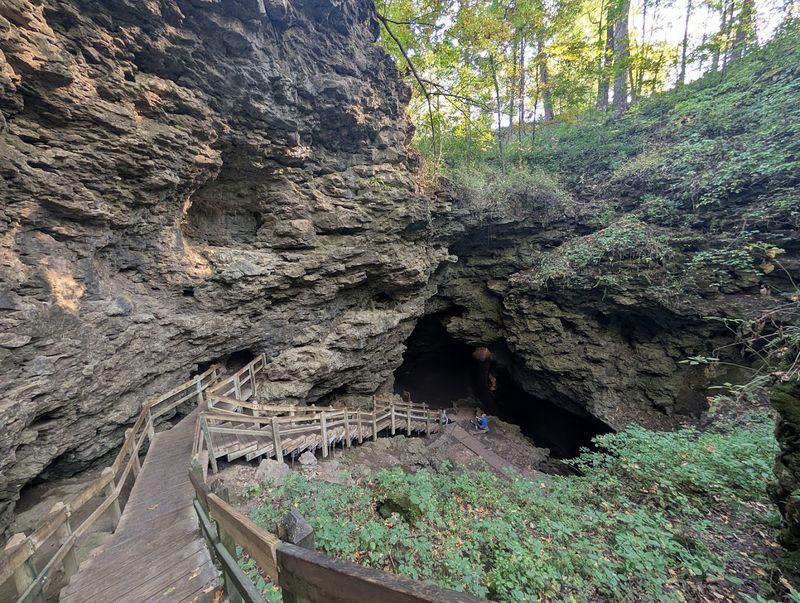
Forget everything you thought you knew about Iowa being flat, because Maquoketa Caves State Park will send that idea straight underground where it belongs.
Located at 9688 Caves Rd, Maquoketa, IA 52060, this park features the highest concentration of caves open to the public in the entire state.
There are 13 caves to explore, ranging from easy walk-throughs to tight belly-crawl passages that will test your sense of adventure.
The Dancehall Cave is the showstopper, stretching over 1,100 feet and wide enough to feel like a proper underground hall.
Above ground, the park offers forested hiking trails, limestone bluffs, and a natural bridge that looks like something out of a fantasy novel.
Spring and fall are ideal times to visit since temperatures inside the caves stay cool year-round, making summer visits especially refreshing.
Kids absolutely love the hands-on nature of crawling through rock passages, and adults tend to rediscover their inner explorer pretty fast.
Pack a headlamp, wear clothes you do not mind getting dusty, and give yourself at least half a day to take it all in.
2. Pikes Peak State Park, McGregor
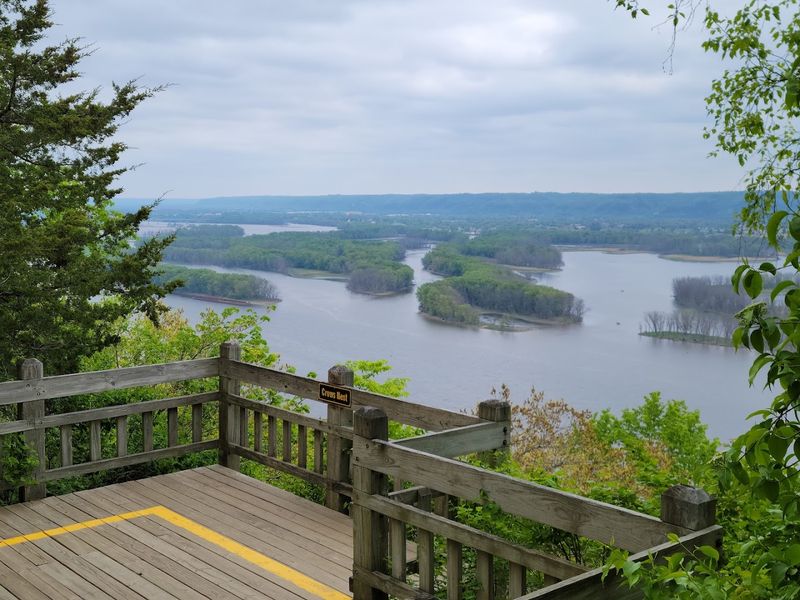
Standing 500 feet above the Mississippi River at Pikes Peak State Park, you get a view so dramatic that it genuinely makes people stop mid-sentence.
Found at 32264 Pikes Peak Rd, McGregor, IA 52157, this park sits in the northeastern corner of Iowa and offers some of the most spectacular overlook scenery in the entire Midwest.
Despite sharing its name with the famous Colorado peak, this Iowa version has its own bragging rights, with a 500-foot bluff overlooking the place where the Mississippi and Wisconsin Rivers meet.
The park includes hiking trails that wind through hardwood forests, past Bridal Veil Falls, and along bluff edges where the views just keep getting better.
Birdwatchers will want to bring binoculars since the area sits along a major migratory flyway and attracts an impressive variety of species each season.
Fall foliage here is genuinely spectacular, with the river reflecting the orange and gold canopy in a way that feels almost too pretty to be real.
Camping is available, so spending a night under the stars above the Mississippi is absolutely worth building into your itinerary.
3. Effigy Mounds National Monument, Harpers Ferry
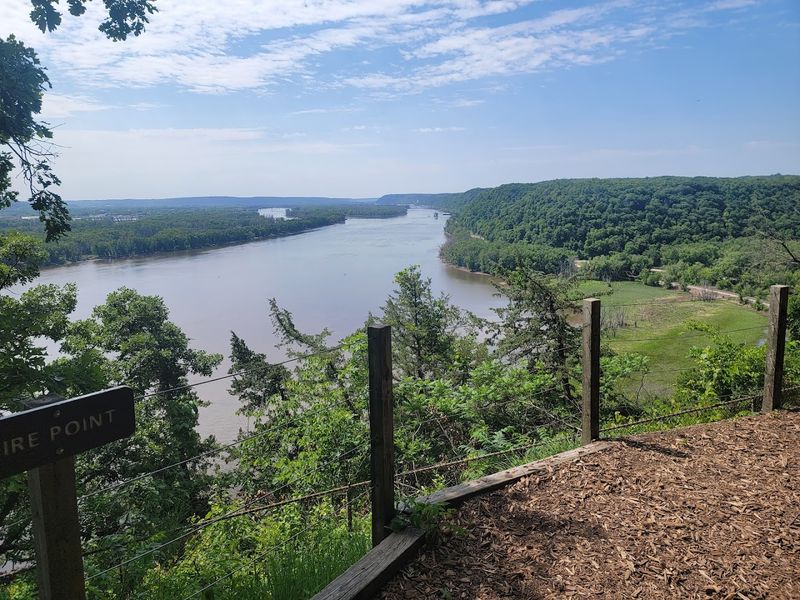
Some places carry a weight of history that you feel the moment your feet hit the trail, and Effigy Mounds National Monument is exactly that kind of place.
Situated at 151 Highway 76, Harpers Ferry, IA 52146, this national monument preserves more than 200 prehistoric American Indian mounds, some dating back as far as about 2,500 years.
What makes this site truly unique is that many of the mounds were constructed in the shapes of animals, including bears and birds, which is rare anywhere in North America.
The Marching Bear Group is the most famous cluster, featuring ten bear-shaped mounds and three bird-shaped mounds arranged along the blufftop.
Hiking trails here run along the bluffs above the Mississippi River, combining cultural history with genuinely beautiful natural scenery at every turn.
Rangers lead interpretive programs that bring the stories of culturally associated Indigenous nations to life in a respectful and engaging way.
Plan for a couple of hours minimum, wear good walking shoes, and take the time to read the interpretive signs because the context makes everything richer.
4. Shrine of the Grotto of the Redemption, West Bend
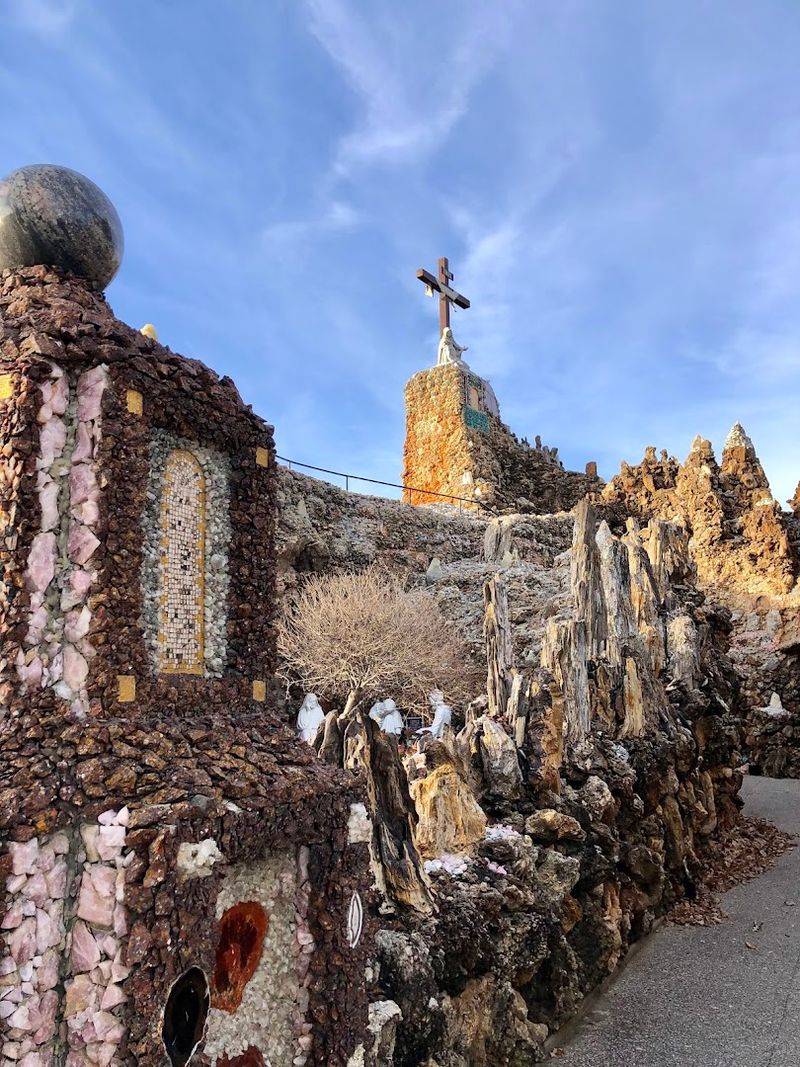
A Catholic priest named Father Paul Dobberstein spent 42 years of his life building something so extraordinary in a small Iowa town that geologists, architects, and tourists still cannot quite believe it exists.
The Shrine of the Grotto of the Redemption, located at 208 1st Ave NW, West Bend, IA 50597, is considered the largest man-made grotto in the world and contains one of the largest collections of precious stones and gems found in one location.
Every surface is encrusted with precious and semi-precious stones, petrified wood, coral, shells, and minerals, all arranged to depict scenes from the life of Christ.
The monetary value of the materials alone has been estimated in the millions, but the real value lies in the sheer human dedication it represents.
Guided tours are available and provide fascinating context about how Dobberstein sourced his materials and planned each intricate scene over decades.
The site draws visitors of all backgrounds, not just those with religious interests, because the craftsmanship is genuinely breathtaking on a purely artistic level.
West Bend is a small town, so combine this stop with a picnic lunch and make a leisurely day trip out of it.
5. Field of Dreams Movie Site, Dyersville
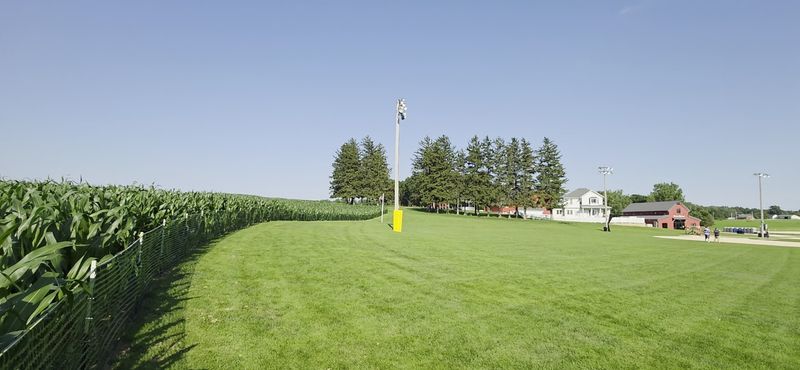
There is something quietly magical about standing on a baseball diamond carved out of an Iowa cornfield, especially when you realize the movie that made it famous still holds up perfectly after all these years.
The Field of Dreams Movie Site at 28995 Lansing Rd, Dyersville, IA 52040 is where the 1989 Kevin Costner film was shot, and it has been welcoming visitors ever since the cameras stopped rolling.
The original farmhouse, the baseball diamond, and the cornfield are all still there, maintained with obvious care and a deep respect for what the site means to people.
Visitors are welcome to walk the bases, play catch in the outfield, and yes, walk into the corn, which is an experience that feels both silly and genuinely moving at the same time.
Major League Baseball has hosted official games here in recent years, turning this nostalgic landmark into an active part of the sport’s living history.
The gift shop is well-stocked with memorabilia, and the staff are enthusiastic and knowledgeable about the film’s production history.
If you go in summer when the corn is tall, the whole experience hits differently and you will absolutely understand why people keep coming back.
6. National Mississippi River Museum & Aquarium, Dubuque
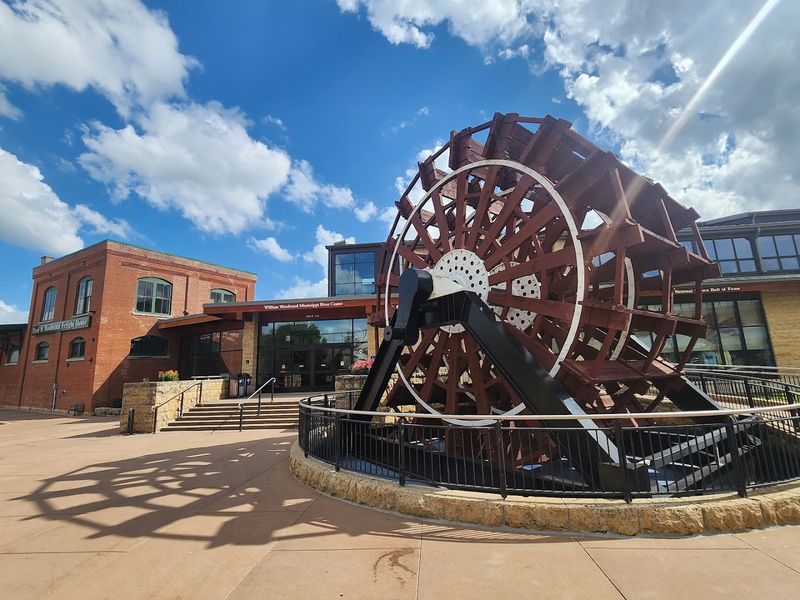
Dubuque sits right on the bank of the Mississippi, so it only makes sense that it is home to one of the most impressive river-focused museums in the country.
The National Mississippi River Museum and Aquarium, found at 350 E 3rd St, Dubuque, IA 52001, is a Smithsonian-affiliated institution that covers the natural and cultural history of the entire Mississippi River system.
The aquarium section houses native river species including paddlefish, alligator gar, and river otters that are genuinely entertaining to watch as they zoom around their tanks.
Interactive exhibits let visitors explore topics ranging from Indigenous river cultures and steamboat history to modern conservation efforts and the ecology of river wetlands.
The museum sits within the Port of Dubuque development, which means you can pair your visit with a walk along the riverfront, a boat tour, or a meal at one of the nearby restaurants.
Plan for at least two to three hours inside, because the exhibits are dense with interesting content and there is no reason to rush through them.
Families with younger kids especially enjoy the hands-on stations, where touching real specimens and interactive displays keeps energy levels high throughout the visit.
7. Reiman Gardens, Ames
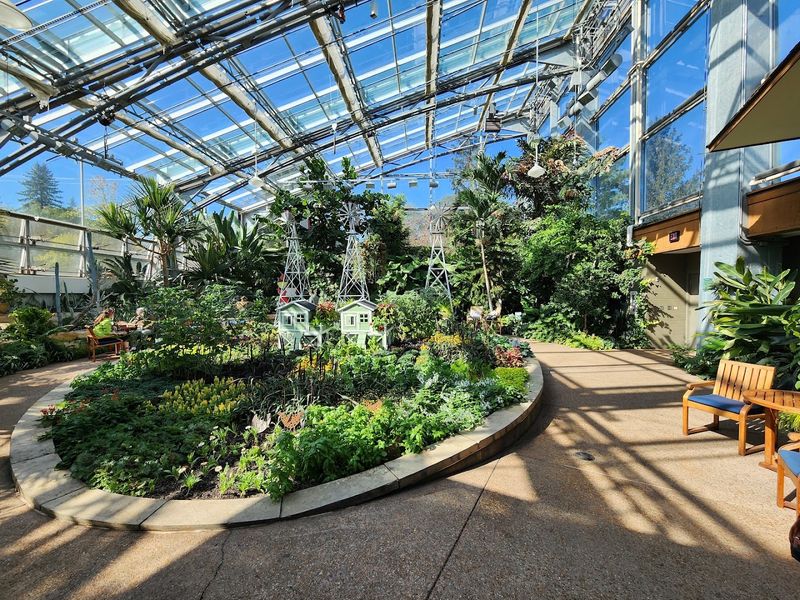
Tucked onto the Iowa State University campus in Ames, Reiman Gardens is the kind of place that surprises you with how much it packs into 17 beautifully curated acres.
Located at 1407 University Blvd, Ames, IA 50011, the gardens feature themed outdoor spaces, seasonal plantings, the Conservatory, and the stunning Christina Reiman Butterfly Wing.
Walking through that butterfly wing feels like stepping into a completely different world, with tropical butterflies moving through the warm, lush interior as you explore the space.
Outside, the gardens rotate through spectacular seasonal displays, from spring bulbs and summer perennials to fall chrysanthemums that paint the grounds in warm golden tones.
Children’s programming is a strong suit here, with educational events tied to plant science, pollinators, and garden ecology running throughout the year.
The sculpture garden adds an unexpected artistic layer, with rotating installations placed throughout the landscape in ways that complement rather than compete with the natural surroundings.
Admission is very reasonable, and the combination of natural beauty and hands-on learning makes Reiman Gardens one of the most rewarding stops in central Iowa.
8. Greater Des Moines Botanical Garden, Des Moines
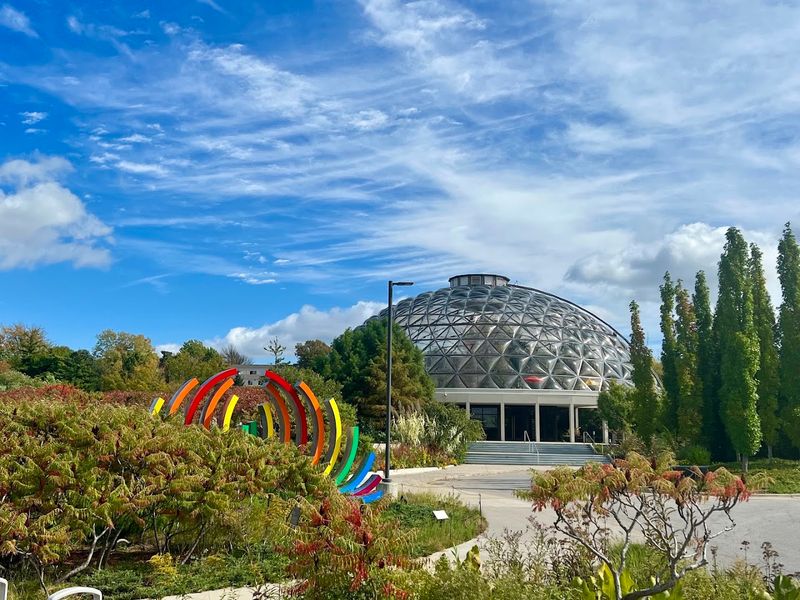
Right in the heart of Des Moines, the Greater Des Moines Botanical Garden manages to be both a peaceful retreat and a genuinely world-class horticultural attraction at the same time.
Situated at 909 Robert D. Ray Dr, Des Moines, IA 50309, the garden features a striking geodesic dome conservatory that houses tropical and desert plants, creating a lush interior environment even in the depths of an Iowa winter.
The outdoor gardens sprawl across several themed areas, including a water garden, conifer garden, rose garden, and Nature Play area that draw visitors back again and again through different seasons.
The Dome for the Holidays display transforms the conservatory and Gardeners Show House each winter into a dazzling indoor nighttime experience that draws visitors from across the region.
Art installations are woven throughout the property, reflecting the garden’s commitment to blending natural beauty with creative expression in a way that feels intentional rather than forced.
The location along the Des Moines River adds a scenic backdrop that makes the whole property feel grander than its footprint suggests.
Membership is popular with locals, but even a single-day visit gives you more than enough to fill an afternoon with genuine delight.
9. Boone & Scenic Valley Railroad & Museum, Boone
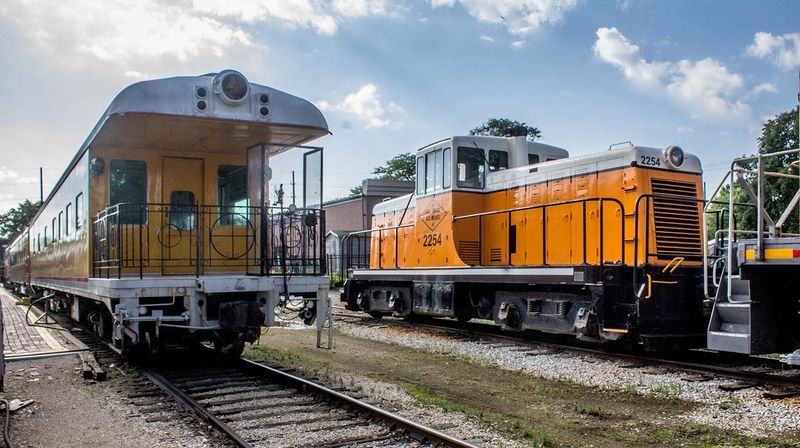
Riding a vintage train across a 156-foot-high bridge over the Des Moines River valley is the kind of experience that makes you forget you have a phone in your pocket.
The Boone and Scenic Valley Railroad and Museum at 225 10th St, Boone, IA 50036 operates authentic vintage trains through some of the most scenic river valley terrain in central Iowa.
The highlight of any trip is crossing the 156-foot-tall Bass Point Creek High Bridge, which offers views that are genuinely breathtaking.
The museum portion of the attraction houses an impressive collection of locomotives, passenger cars, and railroad memorabilia that tells the story of rail travel in the American Midwest.
Seasonal specialty rides include a Thomas the Tank Engine event for younger children and popular fall excursions that take advantage of the valley’s stunning autumn color palette.
The railroad’s regular 2026 season includes train rides Thursday through Sunday through October 31, so timing your visit within that window is essential for catching a ride.
Train enthusiasts will want to budget extra time in the museum, because the collection is far more detailed and historically rich than most visitors expect.
10. American Gothic House & Center, Eldon
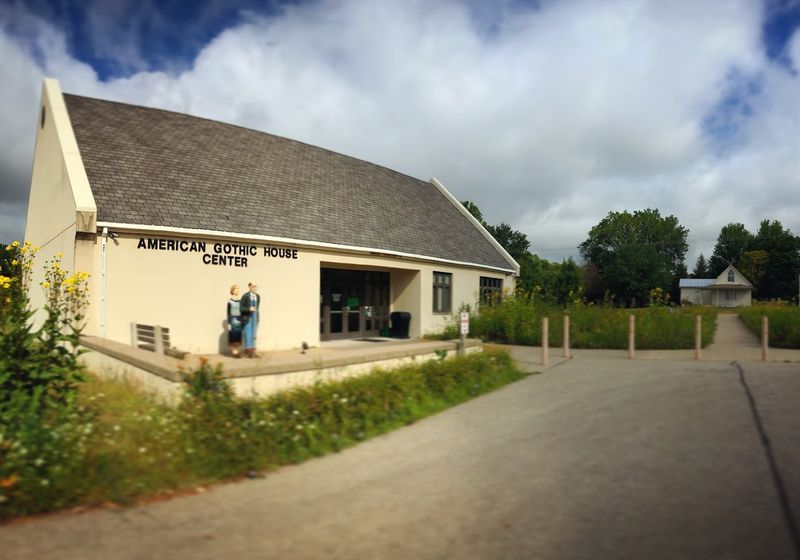
Grant Wood painted one of the most recognized images in American art history in 1930, and the little house that inspired it is still standing in Eldon, Iowa, waiting for your visit.
The American Gothic House and Center in Eldon preserves the actual house that appeared in the background of Wood’s famous painting, with the visitor center located at 300 American Gothic St and the historic house itself listed at 301 American Gothic St.
The center provides costumes and props so visitors can pose in front of the house in their best pitchfork-and-stern-expression recreation, which is every bit as fun as it sounds.
Exhibits inside the center explore how a single painting became a symbol of rural American identity, endurance, and a canvas for satire and parody across nearly a century of popular culture.
The town of Eldon is small and quiet, which makes the experience feel refreshingly unhurried compared to more crowded tourist attractions.
Local events tied to the American Gothic House and Eldon’s connection to Grant Wood bring extra energy to the site at certain times of year, adding a community dimension that enriches the visit.
For art lovers, history buffs, or anyone who has ever seen a parody of that famous painting and wondered where the original house actually is, this stop delivers complete satisfaction.
11. Danish Windmill & Welcome Center, Elk Horn
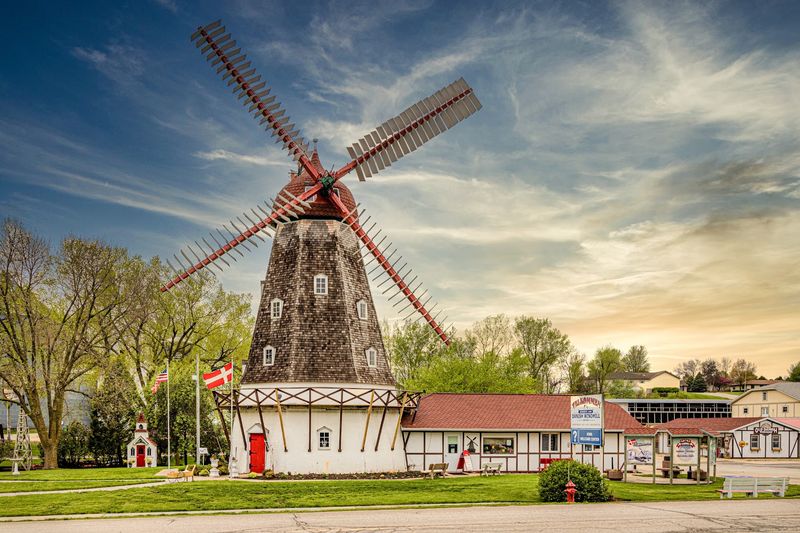
Elk Horn, Iowa is part of one of the largest rural Danish settlements in the United States, and the centerpiece of that heritage is a working windmill that was actually shipped over from Denmark.
The Danish Windmill and Welcome Center at 4038 Main St, Elk Horn, IA 51531 houses an 1848 Danish windmill that was dismantled, shipped across the Atlantic, and reassembled by community volunteers in 1976 as a symbol of cultural pride.
The mill still operates and can grind grain, which means visitors get to see an authentic piece of 19th-century Danish engineering doing what it was built to do.
Tours take you inside the windmill itself, where guides explain the mechanics of how wind power was harnessed for milling and how the structure was adapted for its new Iowa home.
The welcome center features exhibits on Danish immigration history, folk traditions, and the story of how a tight-knit community preserved its identity across generations in the American heartland.
The surrounding town of Elk Horn has Danish bakeries, shops selling Scandinavian imports, and an atmosphere that genuinely transports you to another cultural world without leaving Iowa.
Elk Horn’s Danish heritage celebrations, including Tivoli Fest each May, draw visitors from across the region for food, folk dancing, and a celebration of heritage that feels both genuine and joyful.
12. Surf Ballroom & Museum, Clear Lake
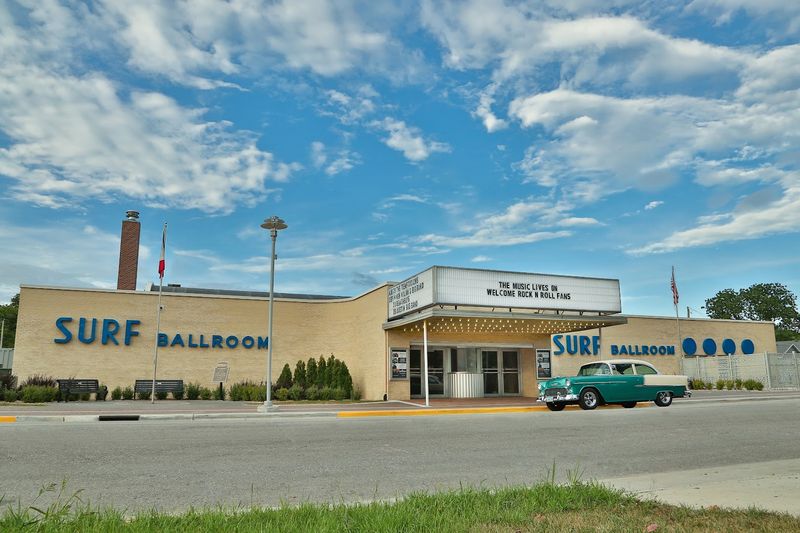
On February 2, 1959, Buddy Holly, Ritchie Valens, and J.P. Richardson performed their final concert at a ballroom in Clear Lake, Iowa, and that night became one of the most significant moments in rock and roll history.
The Surf Ballroom and Museum at 460 N Shore Dr, Clear Lake, IA 50428 has been meticulously preserved to honor that legacy, and stepping inside feels like walking straight back into the golden age of American popular music.
The main ballroom retains its original 1948 decor, complete with the iconic painted surf murals, vintage lighting, and the same stage where those legendary performers played their last show.
The museum section documents the history of the ballroom, the performers, and the broader cultural impact of that February night through photographs, memorabilia, and detailed historical displays.
Live concerts still happen here regularly, making the Surf Ballroom an active venue rather than a static memorial, which gives the whole place a living, breathing energy.
The annual Winter Dance Party each February draws thousands of music fans to Clear Lake for a multi-day tribute concert weekend that has become a major regional event.
For anyone who cares about the roots of rock and roll, this is one of those places where the history is so tangible you can almost hear the music still echoing off the walls.