People visit for the food and stay because Louisiana gets under their skin. This list could be twice as long and still miss something. The sugar plantation with fourteen Doric columns that once produced twenty million pounds of sugar a year.
The island where hot sauce has been made by the same family since 1868. A national forest spanning over six hundred thousand acres of longleaf pine that most residents have never fully explored.
The oldest permanent European settlement in the Louisiana Purchase territory, still lit by gas lamps on weekends. A living history village where costumed artisans demonstrate Cajun traditions that predate the state itself.
I have driven through each of these places and the thing that keeps pulling me back is the gap between what people assume and what actually exists. Eleven reasons barely scratch the surface of what Louisiana offers anyone willing to look past the obvious.
1. New Orleans French Quarter
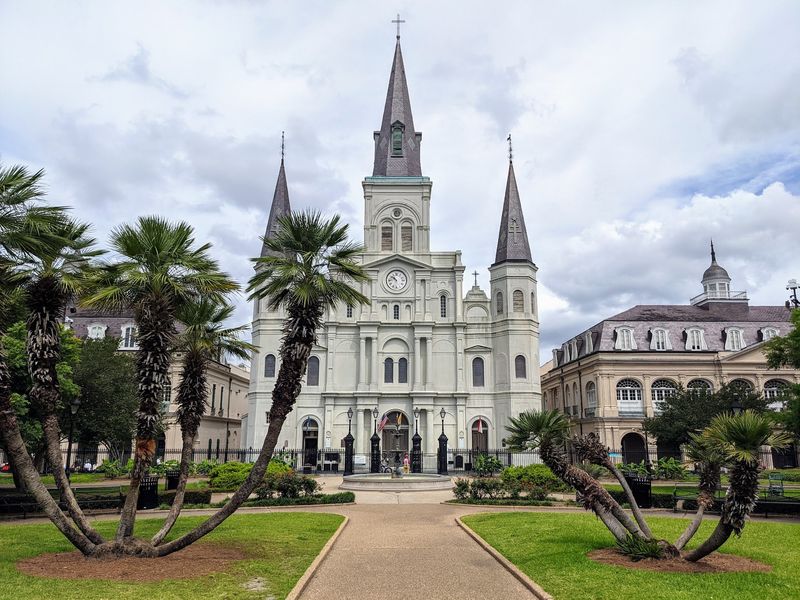
Living near the French Quarter means having one of America’s most distinctive historic neighborhoods available for an ordinary Tuesday morning. The district dates to the founding of New Orleans in 1718, while much of the architecture visitors recognize today reflects Spanish rebuilding after major fires reshaped the city during the late eighteenth century.
That layered history remains visible everywhere. Stucco walls, wrought and cast-iron balconies, hidden courtyards, Creole townhouses, churches, restaurants, galleries, and tiny neighborhood businesses create streets where walking several blocks can feel like moving between different eras.
Jackson Square, St. Louis Cathedral, the Mississippi River, French Market, and dozens of cultural landmarks sit within a remarkably compact area. Musicians play outside historic buildings while residents walk dogs, deliveries arrive, and corner businesses continue with ordinary daily routines.
That combination keeps the Quarter from becoming a museum district that empties when sightseeing hours end. It is beautiful, occasionally chaotic, deeply imperfect, and unmistakably alive.
Living directly inside the Quarter is not for everyone, especially anyone who values silence above all else. Having it close enough to become part of regular life is another matter entirely.
2. Avery Island
Avery Island immediately complicates the idea that southern Louisiana is completely flat. The island is actually a salt dome rising above the surrounding wetlands, creating higher ground covered with live oaks, subtropical vegetation, gardens, and one of the state’s most recognizable food traditions.
The McIlhenny family began producing Tabasco sauce here in 1868. More than a century and a half later, Avery Island remains closely associated with those small red bottles, and visitors can explore the Tabasco factory experience while learning how peppers, salt, aging, and bottling come together.
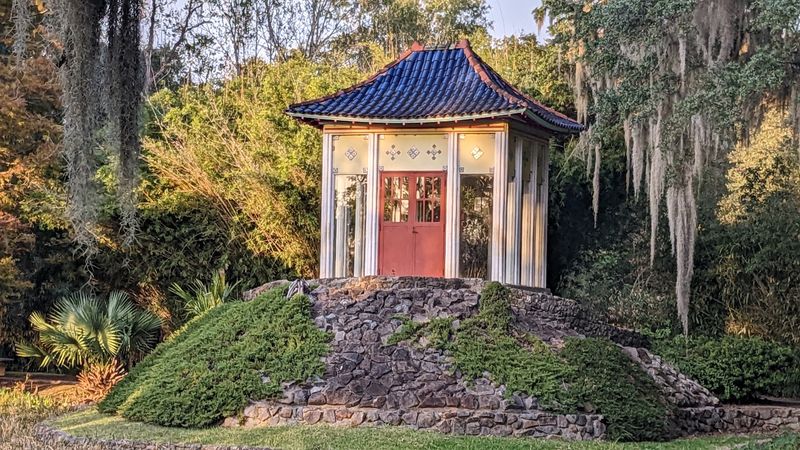
The landscape makes the destination more than a food pilgrimage. Jungle Gardens spreads across roughly 170 acres nearby, bringing together ponds, live oaks, wildlife habitat, flowering plants, and winding roads that encourage visitors to slow down.
Avery Island sits in Iberia Parish, close enough to New Iberia and the wider Acadiana region to become part of an easy weekend rather than a rare expedition. That matters when imagining life somewhere long-term.
The strongest argument for Louisiana is often not one enormous attraction but how many unusual places sit within driving distance of one another. Here, industrial history, food culture, wetlands, gardens, and wildlife all occupy the same small patch of land.
3. Natchitoches Historic District
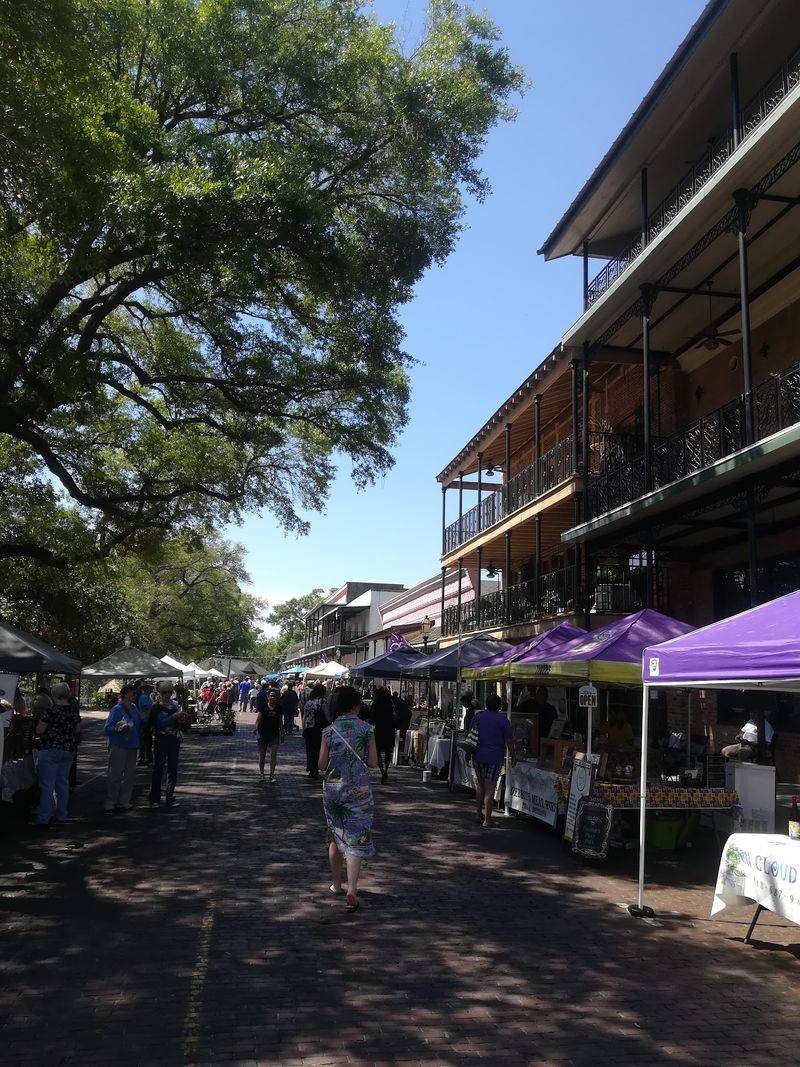
Brick paths and slow river light give Natchitoches a patient, lived-in charm that is hard to fake. Founded in 1714, it is the oldest permanent settlement in the Louisiana Purchase territory, and the Historic District wears that age gracefully.
Creole cottages, Victorian buildings, and shops along Front Street sit beside Cane River Lake, so a simple afternoon walk turns into a lesson in how towns grow without losing themselves.
Food helps the place feel even more local, especially the famous meat pies that show up as both snack and point of pride. What stays with me most is the scale.
Nothing feels oversized, so daily routines seem manageable, friendly, and connected to the street. For anyone thinking about moving, Natchitoches offers history without stiffness, beauty without fuss, and a downtown where neighbors still notice one another on their evening walks.
4. Vermilionville Historic Village
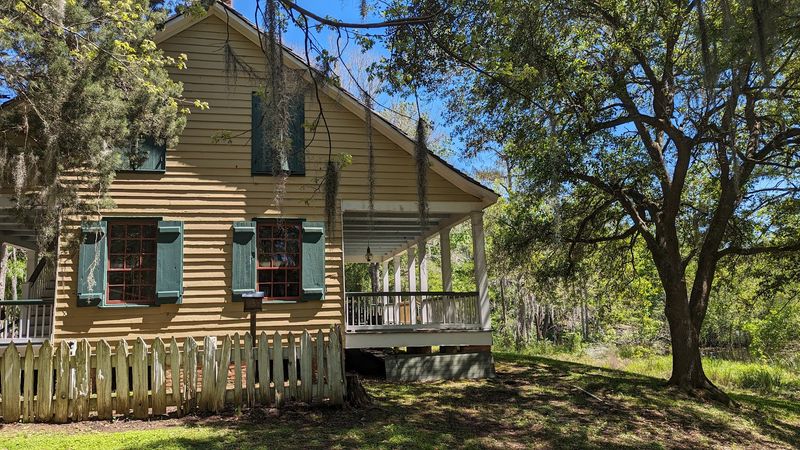
Louisiana culture becomes easier to understand once you see the tools, buildings, skills, and landscapes that helped create it. Vermilionville in Lafayette interprets Acadian, Creole, and Native American life through historic and reconstructed buildings spread across a living-history setting beside Bayou Vermilion.
The experience goes beyond walking through furnished rooms. Demonstrations, music, crafts, cooking traditions, and programs can show how earlier communities built, repaired, made clothing, prepared food, and adapted to the climate and waterways of south Louisiana.
That context matters because many things associated with modern Acadiana did not appear from nowhere. Music, language, foodways, architecture, and family traditions developed through generations of cultural exchange and survival.
Living near Lafayette means those traditions are not confined to one museum visit. Festivals, restaurants, dance halls, music venues, markets, and community events continue the same cultural conversation outside Vermilionville’s gates.
That is one of Louisiana’s strongest qualities as a place to live. History often remains visible in active traditions instead of being separated neatly from modern life.
A weekend at Vermilionville may begin as sightseeing, but it quickly explains why Acadiana inspires such strong attachment. The region gives residents more than attractions to consume.
5. Fontainebleau State Park
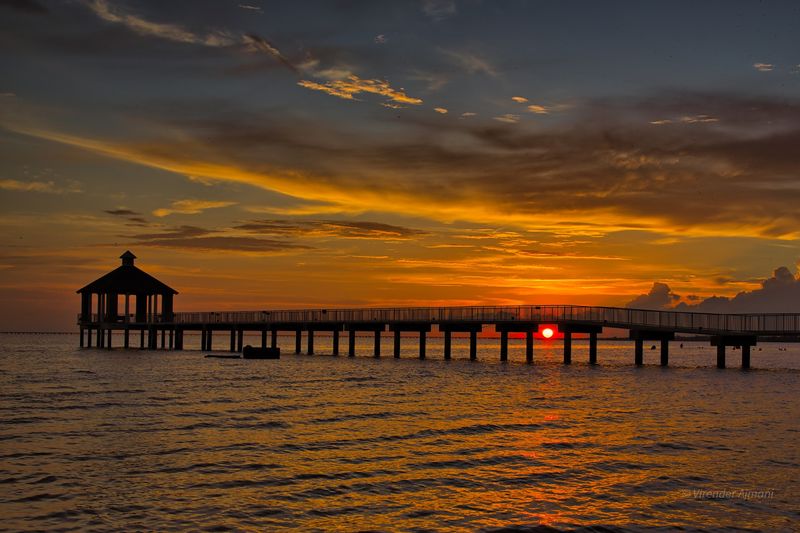
Sunset at Fontainebleau State Park can make an ordinary weekday feel almost ceremonial. The park gives Northshore residents something unusually valuable: a real escape that does not require escaping very far.
The park sits along Lake Pontchartrain near Mandeville, combining sandy shoreline, forest, wetlands, trails, camping, and broad sunset views across the water.
The landscape also carries visible history. Ruins of a nineteenth-century sugar mill remain from the plantation that once occupied the property, adding a more complicated human story to what can initially look like a purely recreational landscape.
Nature remains the stronger everyday attraction. Boardwalk areas and trails bring visitors through habitats used by birds and other wildlife, while the lakefront opens into the kind of horizon that can make even a short evening walk feel restorative.
That proximity becomes important when considering Louisiana as somewhere to live. Mandeville, Covington, and the broader Northshore provide restaurants, shops, neighborhoods, and practical services, while Fontainebleau keeps a large natural space within easy reach.
Not every weekend needs elaborate planning when swimming, biking, birding, camping, or simply watching Lake Pontchartrain change color can become the plan.
6. Grand Isle State Park
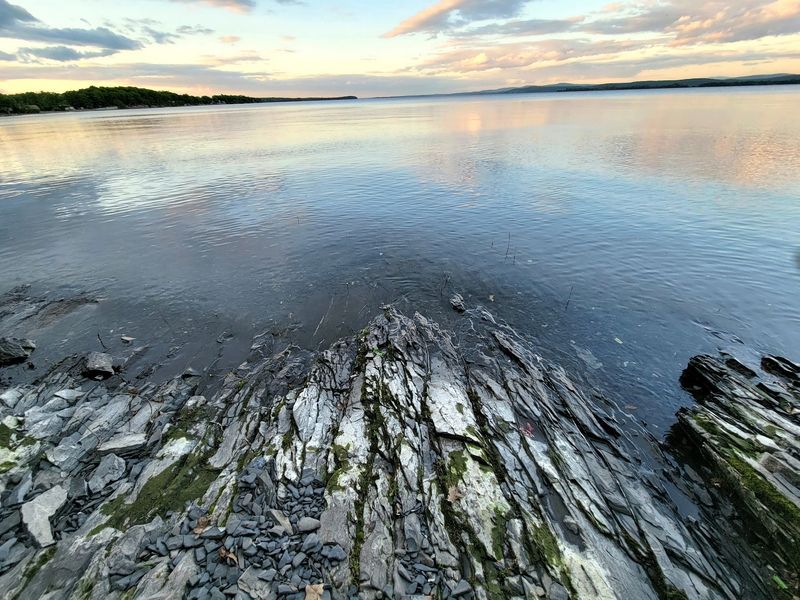
Wind is the first thing you notice on Grand Isle, then the broad beach, then the birds. This barrier island at the edge of the Gulf plays a serious ecological role, protecting parts of the coast and giving migratory species an important resting point.
At Grand Isle State Park, that science is not hidden behind museum glass. It is happening overhead during migration and out across the water every single day.
There is also something deeply practical about living near a place built around tides, weather, and changing skies. The fishing pier, open views, and easy beach access create a routine centered on the outdoors rather than screens.
I have liked how honest the island feels. It does not polish away its reality.
For people drawn to resilience, birdlife, and room to breathe, Grand Isle offers a argument for south.
7. Kisatchie National Forest
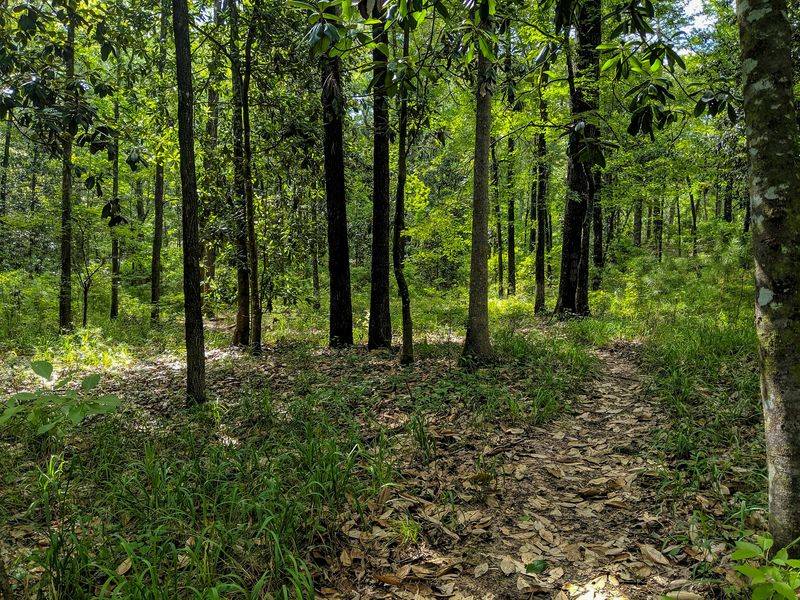
Anyone who thinks Louisiana is one endless stretch of swamp should spend a weekend in Kisatchie National Forest. The state’s only national forest covers more than 600,000 acres across central and northern Louisiana, divided among several ranger districts with forests, streams, trails, ridges, and recreational areas.
Longleaf pine habitat is one of the major ecological stories here. These ecosystems once covered enormous portions of the American South, and remaining forests support wildlife and plant communities that look very different from Louisiana’s better-known wetlands.
The terrain can surprise first-time visitors too. Certain sections offer sandstone formations, rolling ground, overlooks, and trails that feel much farther from stereotypical bayou country than the state line would suggest.
Hiking is only part of the appeal. Camping, horseback riding, fishing, hunting, mountain biking, paddling, and designated off-highway vehicle trails give the forest enough variety that one weekend barely introduces it.
That scale matters for residents. A place becomes more livable when outdoor recreation is not limited to one famous park that everyone visits simultaneously.
Louisiana can be loud, humid, musical, crowded, and intensely social. It can also be miles of pine forest where the dominant sounds are wind, birds, insects, and your own footsteps.
8. Jungle Gardens
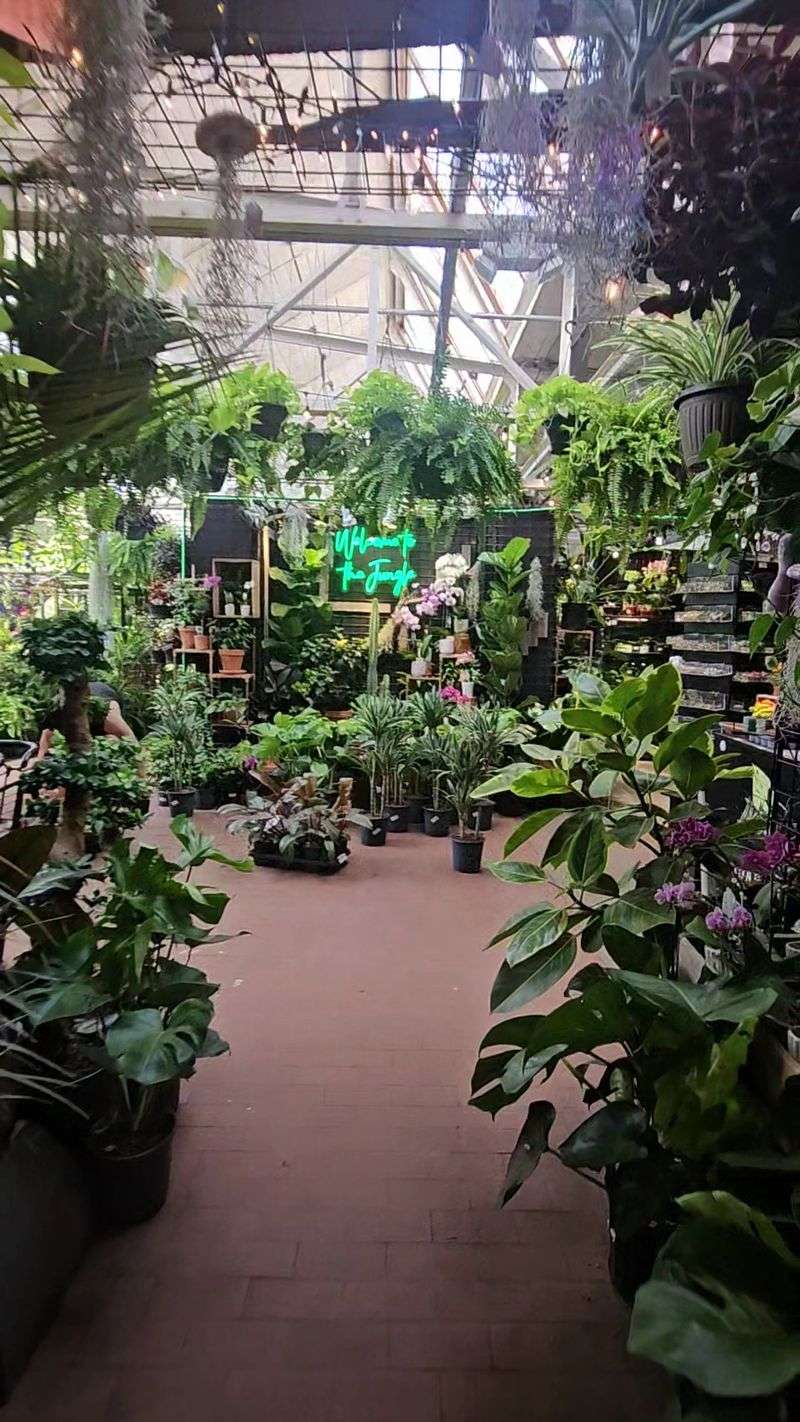
Jungle Gardens turns Avery Island’s unusual geography into one of Louisiana’s most peaceful landscapes. The roughly 170-acre preserve winds through live oaks, ponds, bamboo, camellias, azaleas, wildlife habitat, and subtropical plantings that can make one slow drive feel remarkably far removed from everyday errands.
Bird City provides the gardens with an important conservation story. Edward Avery McIlhenny established the rookery to help protect snowy egrets after plume hunting had pushed the species into serious decline.
Birds remain one of the strongest reasons to visit, but the landscape keeps adding surprises. Alligators may appear near waterways, seasonal flowers change the gardens throughout the year, and a centuries-old Buddha statue sits quietly among the vegetation.
This is not the sort of attraction that rewards rushing from one marked stop to another. The pleasure comes from slowing down enough to notice reflections, branches, bird calls, flowers, and whatever happens to move beside the road.
That is also why Jungle Gardens works as an argument for living in Louisiana rather than merely vacationing here. Residents can return in different seasons and find the same landscape behaving differently.
Louisiana’s natural beauty is often dramatic, but it can also be intimate and strange. Jungle Gardens offers both versions at once.
9. R.W. Norton Art Gallery
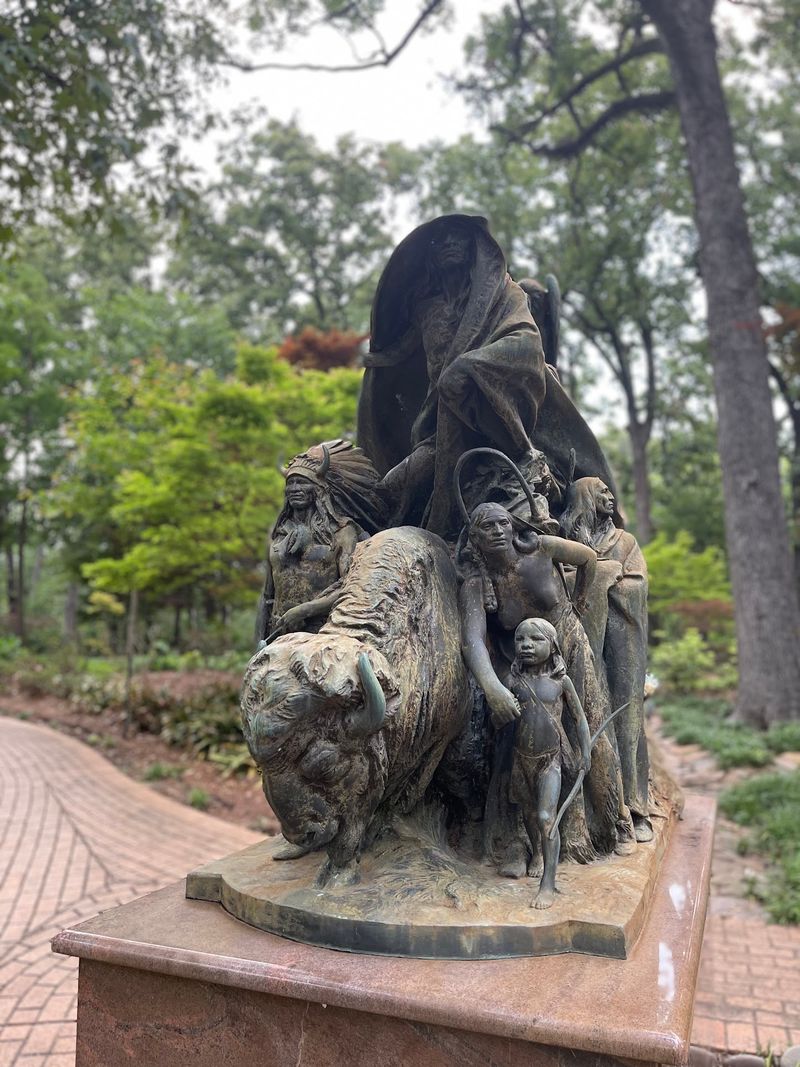
Some cities win you over with noise, while Shreveport can do it with a quiet afternoon at the R.W. Norton Art Gallery.
Inside, the museum holds American and European art, including noted Western works by artists such as Frederic Remington and Charles M. Russell.
Outside, roughly forty acres of gardens extend the experience with sculpture, water features, and carefully maintained plantings. It feels generous rather than showy.
That balance matters if you are thinking beyond a short visit. A place becomes livable when culture is easy to reach and not treated like a rare event.
At Norton, you can spend an hour or a whole day without strain, which is a gift. I admire how the grounds invite repeat visits in different seasons.
Louisiana often surprises people with its range, and this corner of Shreveport is part of that correction.
10. Lake Charles Civic Center
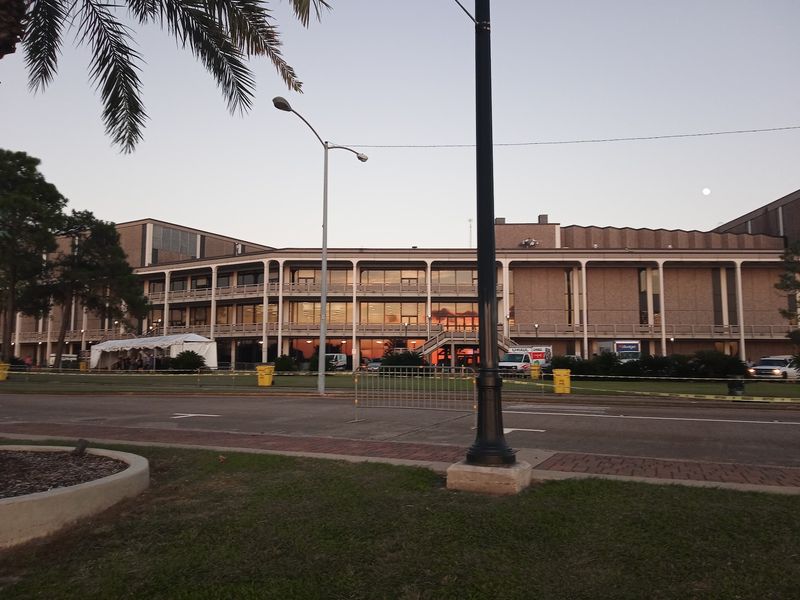
Waterfront buildings usually feel better when they remember to look at the water, and the Lake Charles Civic Center does. Set along the lakefront, it has long served as a gathering place for Southwest Louisiana events, performances, and community occasions.
The architecture is more modern than many classic Louisiana landmarks, which is part of its appeal. It shows that the state is not only about preserved history.
It is also about active, everyday civic life.
Spend time nearby and you notice how the lake softens the whole scene. Walks along the shore, changing light on the water, and the steady flow of local events give the area useful rhythm.
For someone considering a move, that combination matters. You want scenery, yes, but you also want places where a city comes together.
Lake Charles offers both, in a straightforward, welcoming way.
11. Houmas House Estate And Gardens
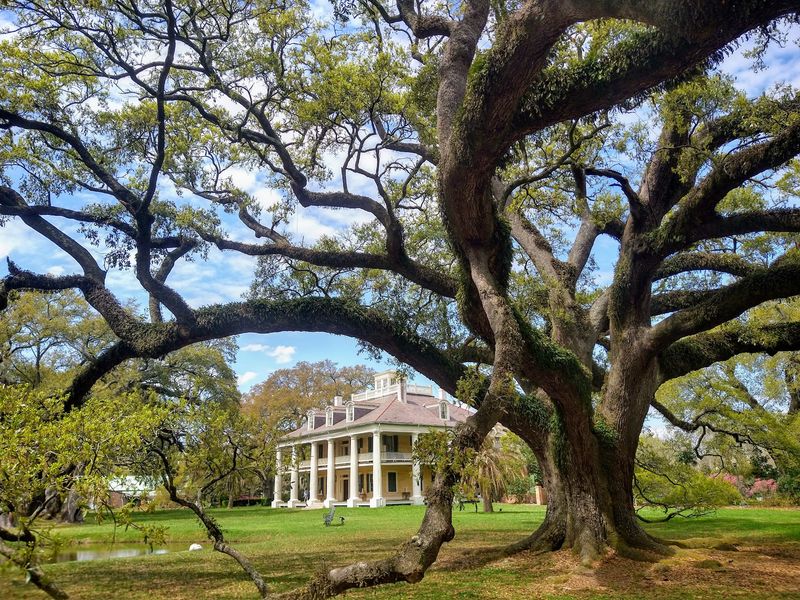
Houmas House Estate and Gardens makes an impression with old oaks, formal plantings, and a house that seems arranged for long views. Near Darrow on the Mississippi River levee, the estate preserves a sugar plantation site and presents rooms filled with period furnishings.
The beauty is real, but so is the history behind it, and that mix asks visitors to pay attention rather than admire surfaces.
The gardens may be the strongest reason to return. Ponds, pathways, and carefully designed beds create a sense of order that feels cooling on a hot day.
I appreciated having space to reflect while moving from one outdoor room to another. Anyone thinking about Louisiana as a home should value places that hold grace and complexity.
Houmas House offers that combination, reminding you that the state’s past is layered, visible, and shaping the present.