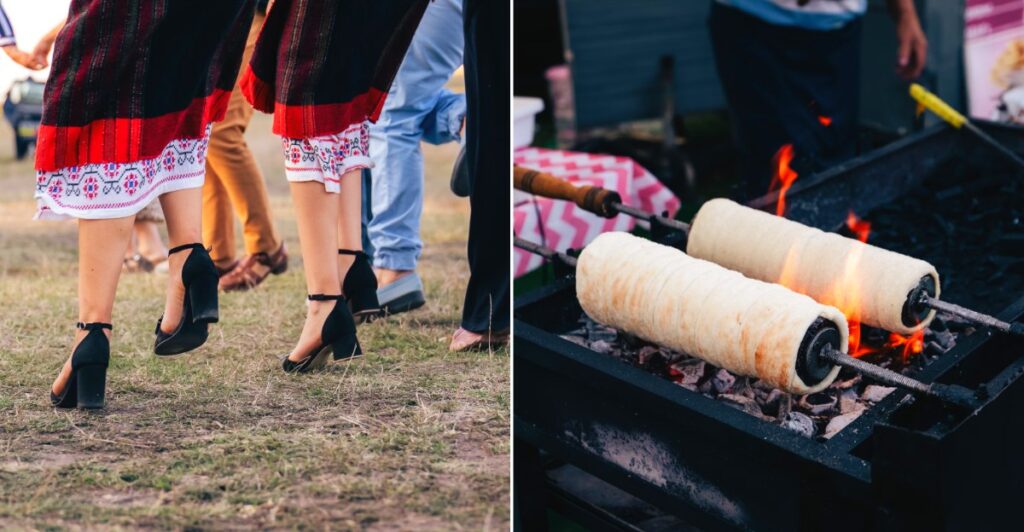
Hungarian food in Louisiana sounds like the beginning of a geography joke, but in this corner of Livingston Parish, the connection runs more than a century deep. A new harvest celebration brings that history into the open with traditional dishes, pastries, music, dancing, and the warmth of a community gathering.
Family recipes and unfamiliar flavors share the same tables, which makes the festival inviting for anyone who likes learning through lunch.
Louisiana’s Hungarian heritage comes alive here through old-world recipes, folk traditions, homemade pastries, and a harvest celebration rooted in local history.
What I love is the mix of discovery and memory. Some visitors recognize foods they grew up with, while others spend several minutes confidently mispronouncing something before ordering it anyway.
Either way, the afternoon becomes more than a food event. It is a chance to taste how immigrant traditions survive, adapt, and become part of Louisiana’s cultural story.
Understand The Hungarian Settlement Connection
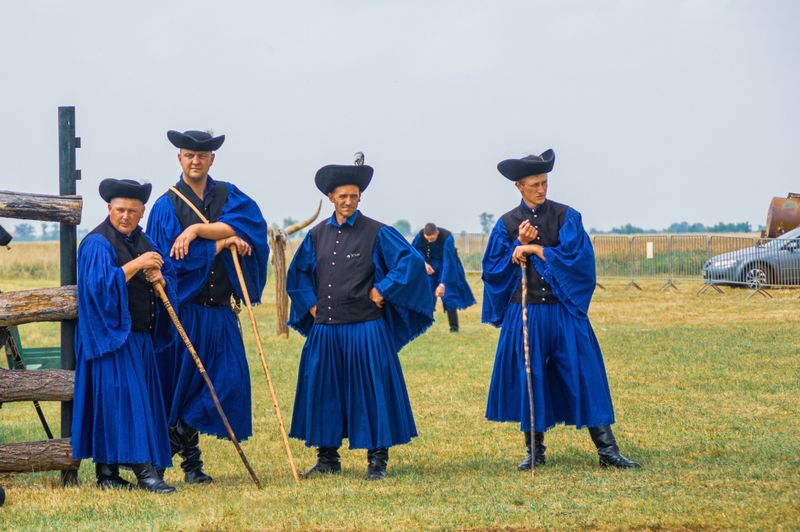
Hungarian culture has a local address in this corner of Louisiana. Springfield is associated with the historic Hungarian Settlement, also called Árpádhon, where Hungarian immigrants put down roots more than a century ago.
That background gives the festival a purpose beyond introducing visitors to unfamiliar dishes.
Keep that story in mind while moving through Fayard Field. The recipes and performances point to traditions that families have worked to carry forward, not decorations chosen for a theme party.
If someone sharing food or a performance has time to talk, a simple, respectful question about its meaning can open a conversation. Listen without expecting anyone to speak for every Hungarian family.
You can also read about the settlement before your trip, then return home with better questions. The celebration becomes richer when its local history is part of the visit too.
Find Fayard Field Before You Go
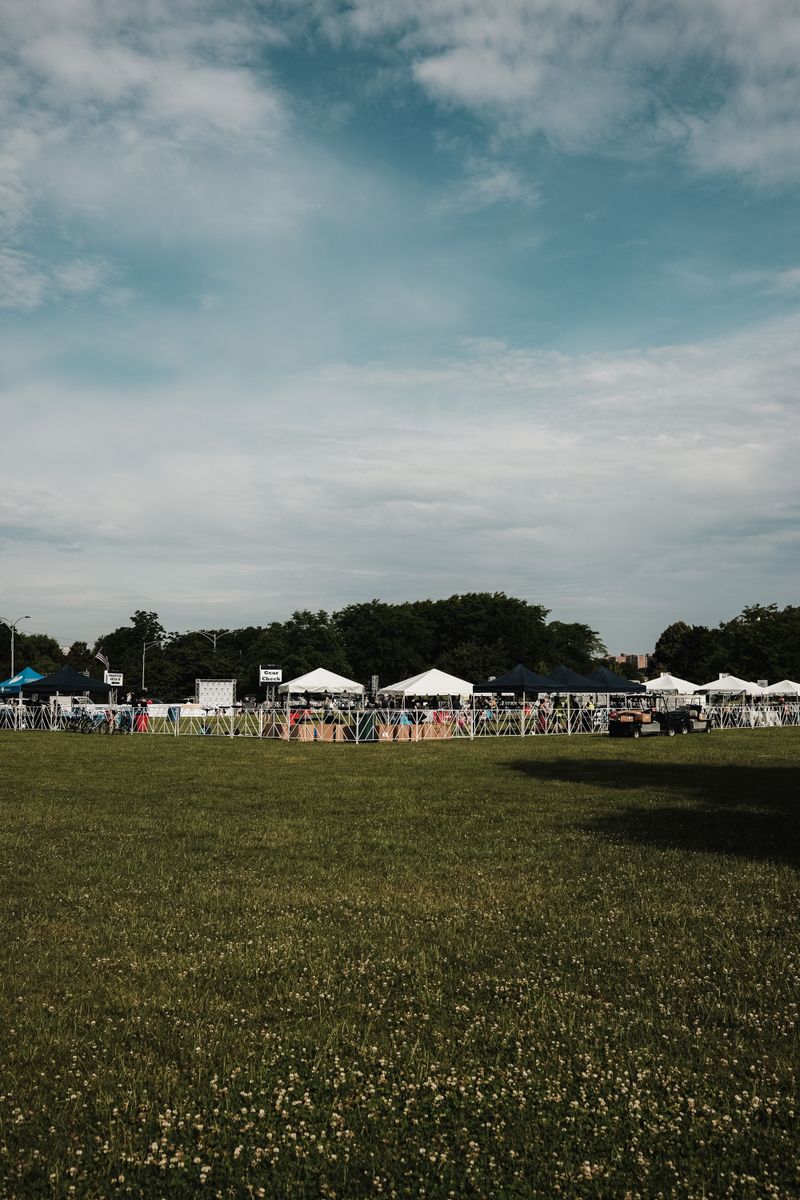
The 1st Annual Hungarian Harvest Festival takes over Fayard Field at 32127 Church Street in Springfield, Louisiana, from September 25 through September 27, 2026. Church Street is the final approach, carrying you into the small-town festival grounds rather than toward a separate fair complex.
The last stretch gets easier to read once Fayard Field comes into view and festival traffic starts gathering around it. On Friday evening and throughout the weekend, expect the area around the field to feel busier than usual with carnival rides, vendors, music, and Hungarian food drawing people toward the same entrance area.
Follow the event-day signs and staff directions once you reach Fayard Field, then park where the festival flow sends you and continue on foot toward the main grounds. Since this is a field-based festival rather than a single building, the crowd and event setup will do most of the final navigating.
Start With A Small Savory Bite
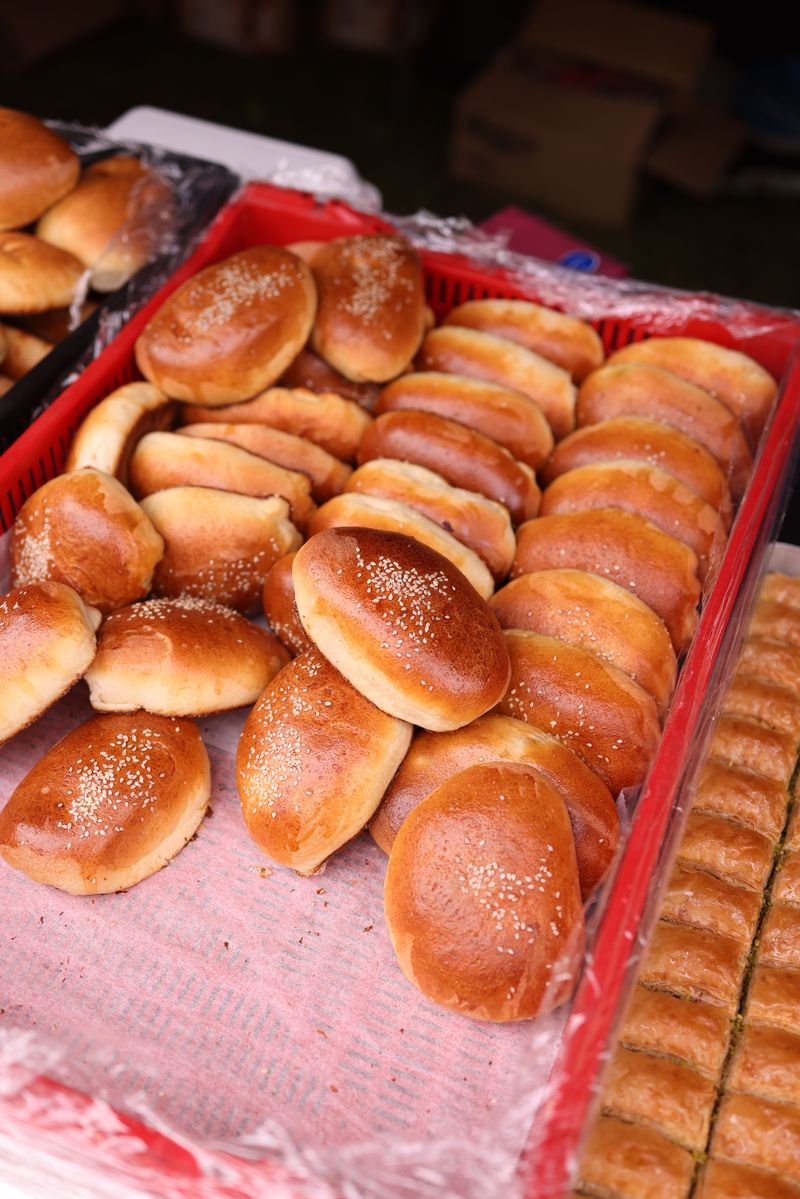
Warm dough has a way of settling the hardest festival decision: what to eat first. If a vendor offers pogácsa, consider starting there.
These small Hungarian savory breads or pastries can be made with ingredients such as cheese or potatoes, though recipes vary from family to family.
Ask what is in the batch before ordering, especially if you have a food allergy or avoid certain ingredients. Buying one to sample also leaves room for other foods rather than making your first stop your last.
Notice the texture as well as the flavor; a modest snack can tell you a surprising amount about a kitchen’s traditions. If the name is new to you, it is fine to ask how to say it.
Food lines tend to move more pleasantly when curiosity comes with patience, and a friendly question may lead to a helpful suggestion.
Make Room For Pastries
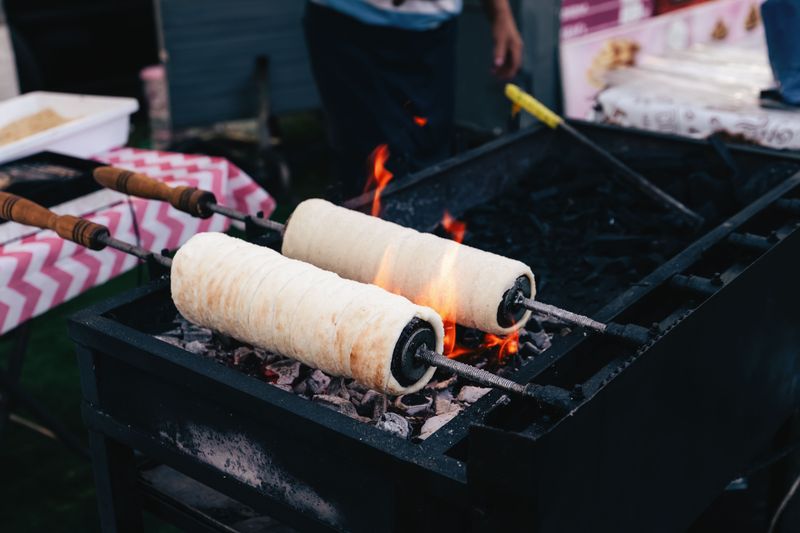
Pastry tables reward a slower look. The festival highlights Hungarian pastries, including recipes linked to family traditions, so do not choose only by the first sweet shape you recognize.
Read any available labels, ask vendors what they made, and find out whether a pastry is best enjoyed right away or saved for later.
If you are sharing, pick different items and compare them at a place away from the line. Ask about fillings before buying, since a familiar looking pastry may hold an unexpected ingredient.
Bring a small container if you hope to carry treats home, but follow any vendor guidance about storage. A festival sweet can be more than dessert: it may be someone’s careful way of keeping a family recipe in use.
Give the person serving it your attention, even when the table is busy.
Watch The Dance Before Moving On
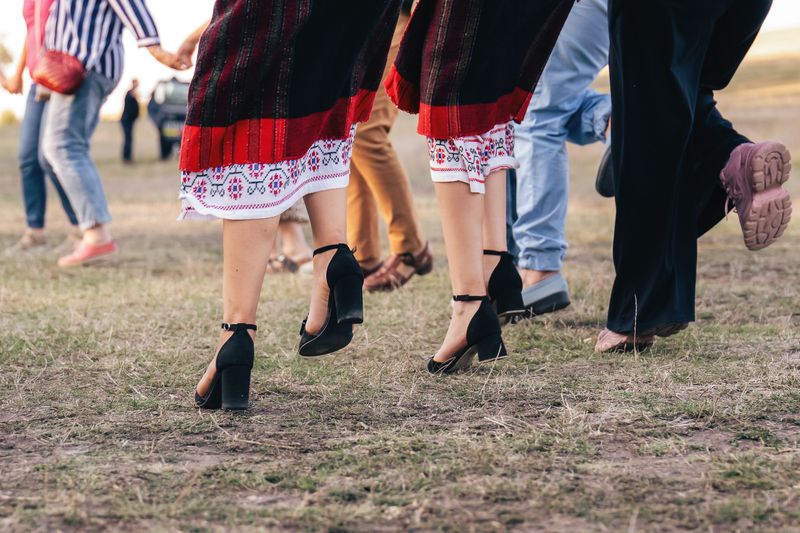
A few minutes of dancing can change the pace of the whole visit. Traditional Hungarian dance is part of the festival’s cultural program, and it deserves more than a glance while you walk toward the next food stall.
Find a viewing spot that leaves clear paths for other guests.
Watch how performers move together and how the steps answer the music. You do not need to know the names of the dances to appreciate the practice behind them.
If a schedule is available, check it early so you can plan a meal around a performance instead of missing one in line. Keep children close enough to see without stepping into the performance space.
Photos can be lovely keepsakes, but avoid blocking someone’s view to take them. The best memory may be the part you watched without a screen in front of your face.
Let The Music Set Your Pace
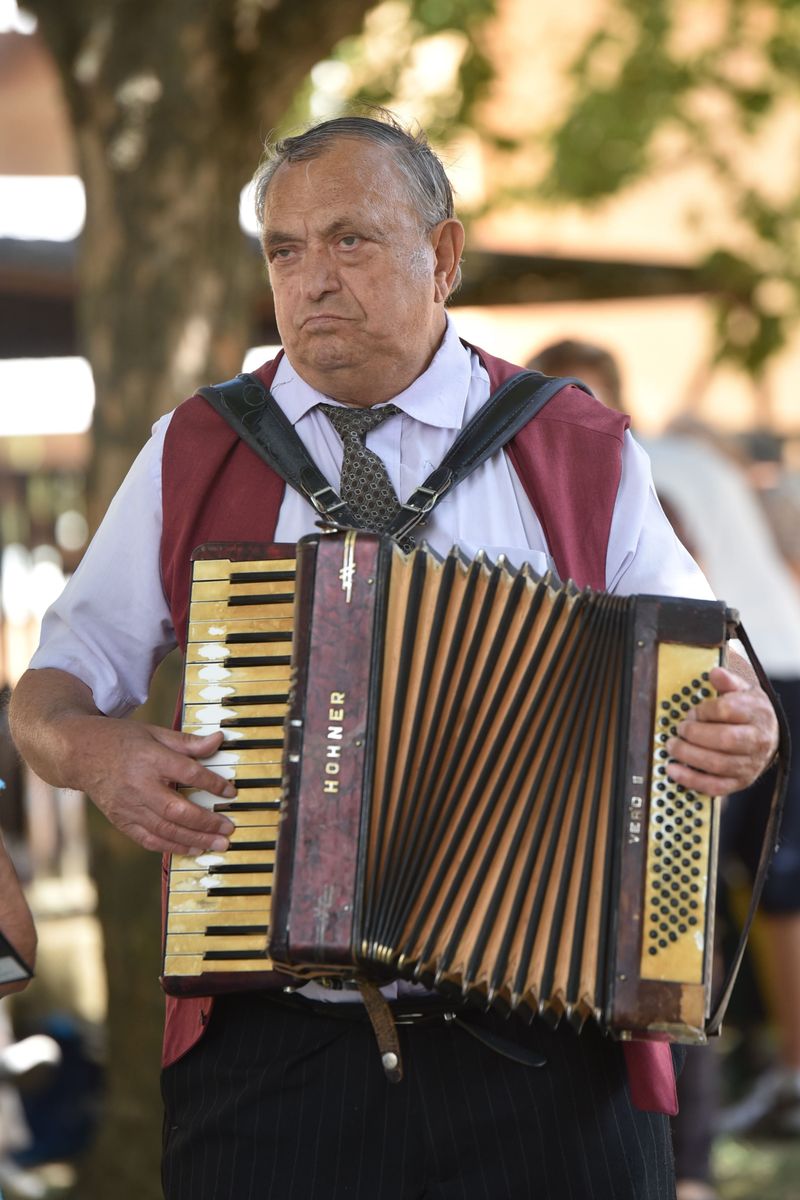
Live music gives an outdoor gathering its own clock. Performances are part of the Hungarian Harvest Festival, so allow time to hear more than a song in passing.
You may notice how the music changes the feel of the field as people stop talking, watch a dancer, or gather closer to listen.
Look for a posted performance schedule or ask an organizer where to find one. Arriving a little ahead of a set can help you choose a comfortable spot without pushing through a crowd.
If you bring young children, explain that performers need room and listeners nearby deserve to hear. There is no test on the music’s history at the end.
Paying attention is enough, and a polite question afterward may teach you something. Let the sound guide one unplanned stretch of your afternoon instead of filling every minute with errands.
Plan Around Family Activities
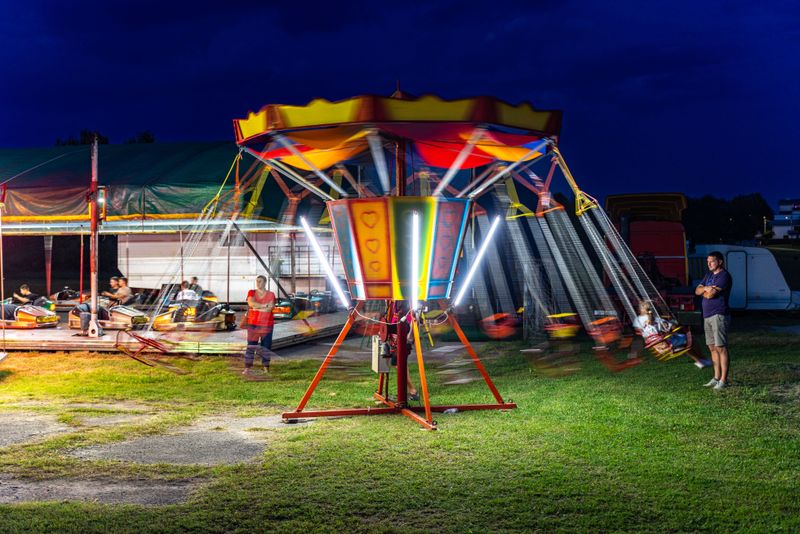
Children rarely agree that a pastry line counts as entertainment. The festival’s family activities, including carnival rides, give younger visitors something to look forward to between food and cultural performances.
Friday evening has also been described as a family night, though you should confirm the schedule before planning around it.
Walk the grounds together first and agree on a meeting spot in case anyone gets separated. Check posted ride rules and costs, rather than assuming every activity is included with entry.
A snack before a long wait can help, but save larger meals for after rides if that suits your family. Build in a quiet break, especially for children who find music, crowds, and bright activity tiring.
The aim is not to fit in every option. A manageable visit gives everyone enough energy to enjoy the festival’s Hungarian food and traditions.
Ask About Family Recipes
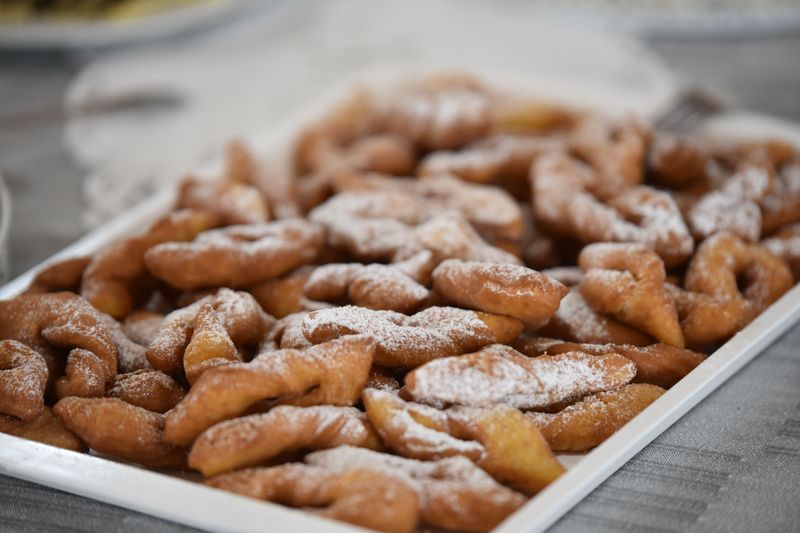
Some of the most useful festival information will not fit on a menu. Traditional family recipes are part of the event’s food story, and the people serving a dish may be able to explain how their version is made.
Ask when the line is calm, and keep the question brief if others are waiting.
You might learn why a pastry is shaped a certain way or whether a savory item is a family favorite. Just do not assume one answer describes every Hungarian household.
Recipes change with cooks, ingredients, and time, even when their roots remain important. If you have allergies, make that question direct rather than relying on a dish’s name.
A little conversation can turn a quick purchase into a better understanding of the celebration. Thank the vendor whether or not you buy anything; sharing food knowledge takes time as well as care.
Check Details Before Spending
A first annual event comes with a practical mystery: visitors cannot lean on last year’s habits. Before heading to Fayard Field, look for the organizers’ latest information about dates, hours, admission, parking, and payment options.
Those details may change, and an old announcement is not a safe guide.
Set a simple food budget that leaves room to try both savory dishes and pastries. Carry a backup payment method if you can, but confirm what vendors accept rather than assuming.
If accessibility is a concern, contact the organizers about parking, paths, and seating before you travel. Keep the same careful approach with schedules for music and rides.
Checking facts may feel less exciting than choosing dessert, yet it protects the part of the day you came for. When plans are clear, your attention can stay on the people and traditions in front of you.
Leave Time To Simply Look Around
The best moment may fall between the planned ones. Once you have eaten and watched a performance, take an unhurried walk around Fayard Field.
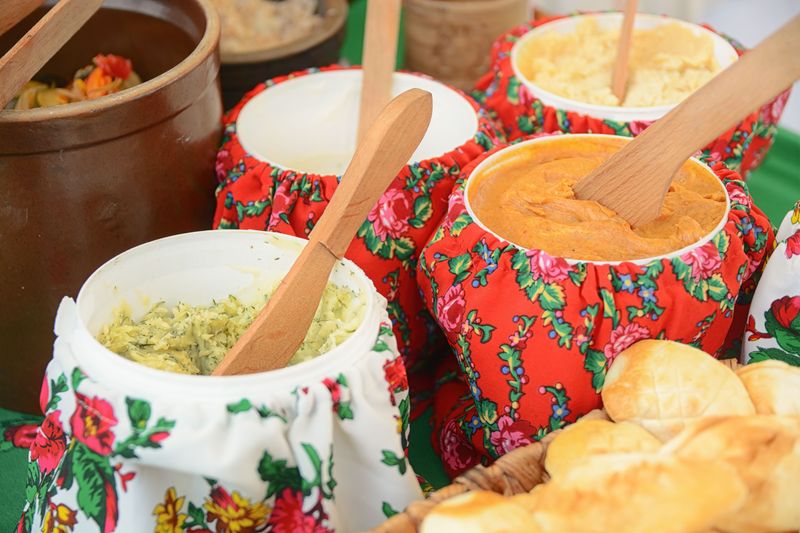
Notice which tables draw questions, where families pause, and how food and music share the space. Those small details help explain why a heritage festival feels different from a quick meal out.
Springfield’s Hungarian Settlement history gives the gathering depth, but the festival is also a present day community event. Treat it as both.
Make room for other visitors, follow posted guidance, and thank the people helping the day run. If you take photos, be considerate of anyone who may not want to appear in them.
Leave with a favorite flavor if you find one, but also with a clearer sense of the work behind the celebration. That is a good reason to linger before the trip home.