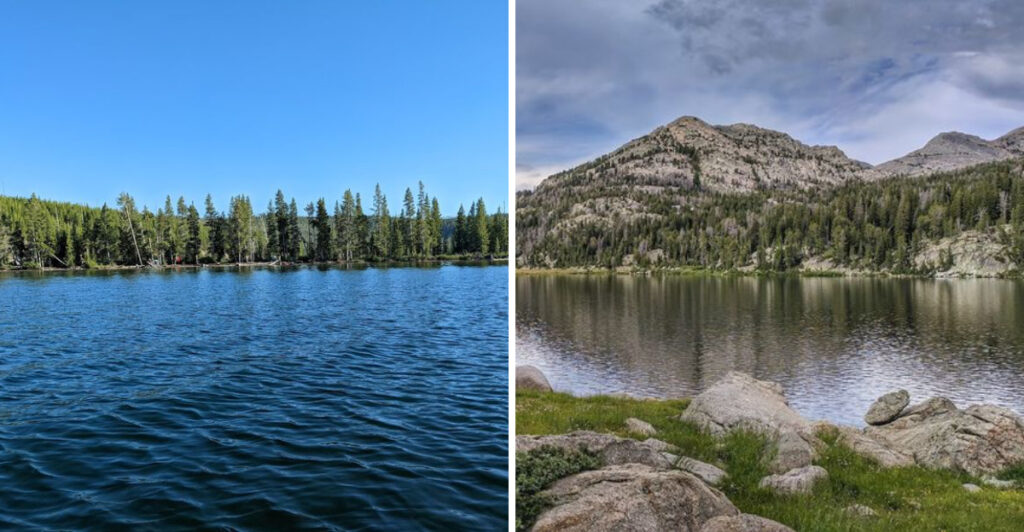
Wyoming has a habit of hiding its most beautiful water right in plain sight. You cruise past a turnoff, keep driving, and never realize what just slipped by.
These eight lakes sit in that exact blind spot, and Wyoming keeps them better than most states keep anything.
Volcanic pinnacles reflected in high-alpine water. Ancient glacier-carved depths you could lose a skyscraper in.
Desert red rock rising straight from a reservoir shoreline. The variety here is genuinely stunning and wildly unexpected.
Pack the camera, load up before the last small town, and go slow enough to actually find them. Wyoming rewards the curious every single time.
1. Goodwin Lake
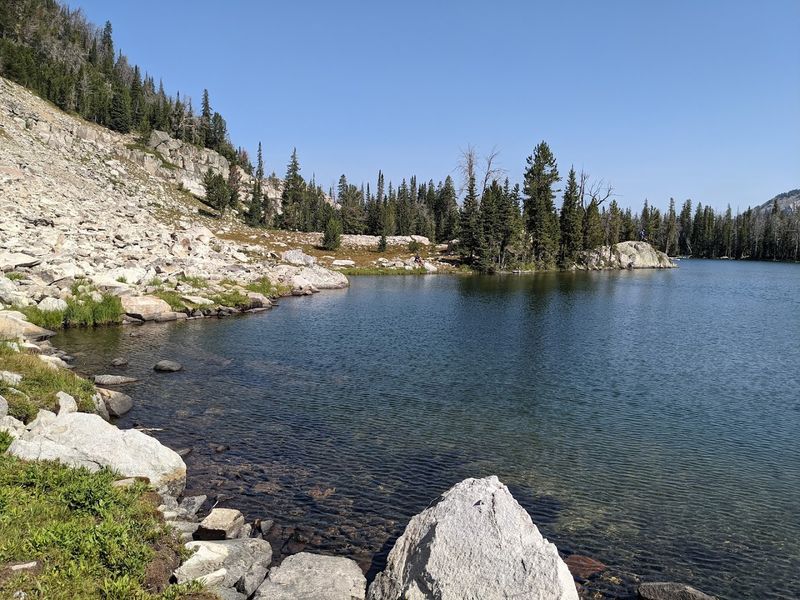
Most people drive through Moose, Wyoming, and never look up. Goodwin Lake sits quietly in the Gros Ventre Range, tucked inside Grand Teton National Park, waiting for the few who actually go looking.
Getting here requires effort. The trail gains serious elevation, and the terrain can be uneven and demanding.
But that challenge is exactly what keeps the crowds away.
Once you arrive, the payoff is immediate. The lake reflects the surrounding peaks like a painting that nobody commissioned.
Wildflowers carpet the meadows nearby during summer, turning the whole scene into something almost unreal.
Wildlife sightings are common in this part of the park. Moose, elk, and various birds of prey patrol the area regularly.
Keep your camera ready and your voice low.
The Gros Ventre Range tends to get overshadowed by the more famous Teton peaks to the west. That oversight works in your favor here.
Goodwin Lake rewards hikers with solitude that most national park visitors never find.
Plan your visit between late June and early September when the trail is typically snow-free. Afternoon thunderstorms are common in summer, so start early.
Bring layers, plenty of water, and a solid pair of hiking boots because this lake does not come easy, and that is precisely what makes it so worth finding.
2. Brooks Lake
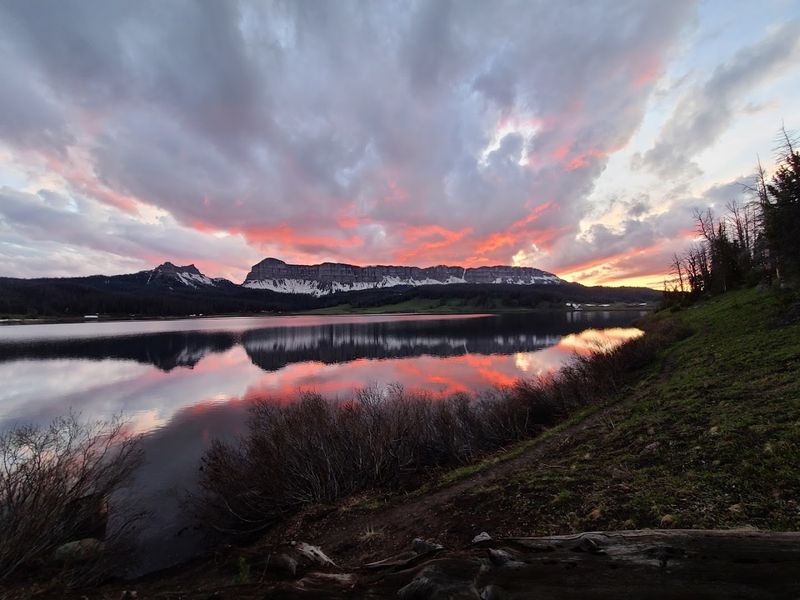
What if a lake looked like it belonged in a fantasy novel? Brooks Lake, located off Brooks Lake Road near Dubois, Wyoming, delivers exactly that kind of scenery without requiring a long hike to see it.
The defining feature here is the dramatic backdrop. Ancient volcanic pinnacles rise sharply behind the water, creating a skyline that looks sculpted rather than natural.
The color contrast between the red rock formations and the deep blue lake is genuinely striking.
Brooks Lake sits at roughly 9,000 feet in elevation, which means the air is crisp even in midsummer. The surrounding Shoshone National Forest adds thick pine coverage that frames every view beautifully.
Fishing is a popular reason to visit. The lake holds healthy populations of cutthroat and brown trout, and the calm surface makes for ideal fly fishing conditions on quiet mornings.
A campground near the lake allows for overnight stays, which means you can catch the golden hour light reflecting off the water in both the evening and the early morning. Those moments are hard to describe and even harder to forget.
Dubois is the nearest town, sitting about 23 miles away, so stock up on supplies before heading out. The road to the lake is generally accessible by standard vehicles in summer.
Brooks Lake is one of those rare Wyoming spots that delivers big rewards without demanding too much in return.
3. Fremont Lake
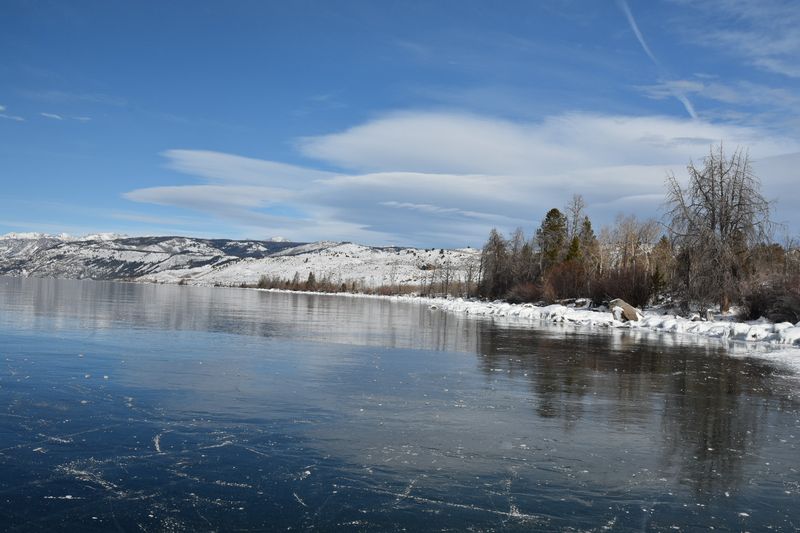
Size matters sometimes. Fremont Lake near Pinedale, Wyoming, is the second largest natural lake in the state, yet it somehow manages to stay off the radar of most Wyoming tourists passing through.
This lake was carved by glaciers thousands of years ago, and the depth reflects that history. The water reaches down well over 600 feet in certain areas, making it one of the deepest lakes in the entire country.
That depth keeps the water startlingly clear and cold year-round.
The Wind River Range forms the eastern backdrop, providing a mountain panorama that changes color and mood throughout the day. Morning light on the water is particularly worth waking up early for.
Boating is a major draw here. The lake is large enough for sailing, motorized watercraft, and kayaking, giving visitors plenty of options depending on how adventurous they feel.
Fishing for lake trout and mackinaw is also popular among locals who know the water well.
Pinedale sits just a few miles from the lake, making it easy to base yourself in town and make day trips out. The town itself has a genuine western character that feels refreshingly unpolished compared to more tourist-heavy Wyoming destinations.
Visit in late summer when the weather is most stable and the surrounding trails are fully accessible. Fremont Lake is the kind of place that makes you wonder how it never made your list sooner.
4. Alcova Reservoir
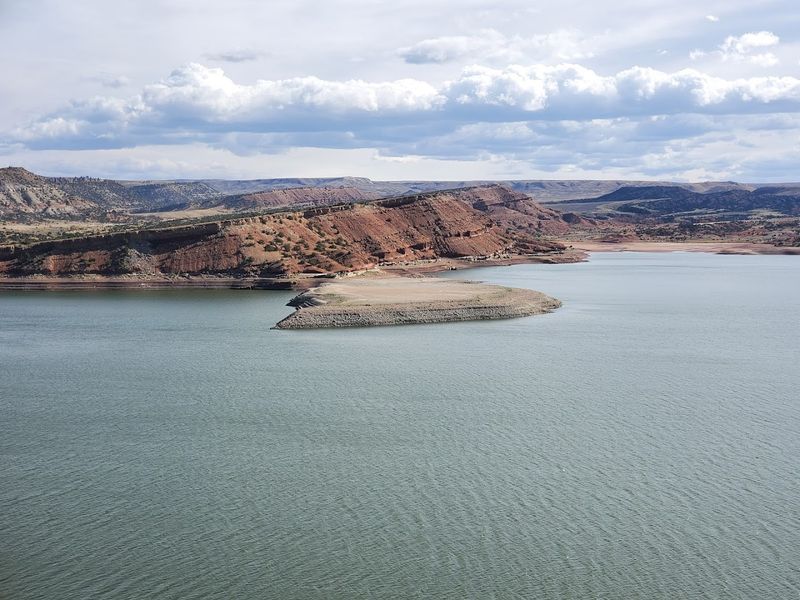
Red rock canyons and open water in the middle of Wyoming’s high desert sounds like a contradiction. Alcova Reservoir, located near the small community of Alcova, Wyoming, proves that it is not only possible but genuinely spectacular.
The reservoir was created by Alcova Dam on the North Platte River, and the surrounding geology gives it a look that feels more like the American Southwest than central Wyoming. Rust-colored sandstone walls rise directly from the water’s edge in several areas, creating dramatic contrasts that photographers love.
Water sports are central to the Alcova experience. Boating, waterskiing, and swimming are all popular during the warmer months.
The reservoir is large enough that you can find your own quiet corner even on busy summer weekends.
Fishing here is serious business for many visitors. Walleye, rainbow trout, and brown trout are all present, and the varied underwater terrain created by the canyon structure gives anglers plenty of interesting spots to target.
Camping options exist nearby, and the surrounding landscape offers hiking routes that provide elevated views over the water and the canyon system. Watching the sunset paint the red rock walls in deeper shades of orange is an experience that sticks with you.
Casper is the nearest major city, roughly 40 miles to the northeast, making Alcova a very manageable day trip. This reservoir rewards those willing to venture off the main highway with scenery that feels genuinely unexpected for the region.
5. Shoshone Lake
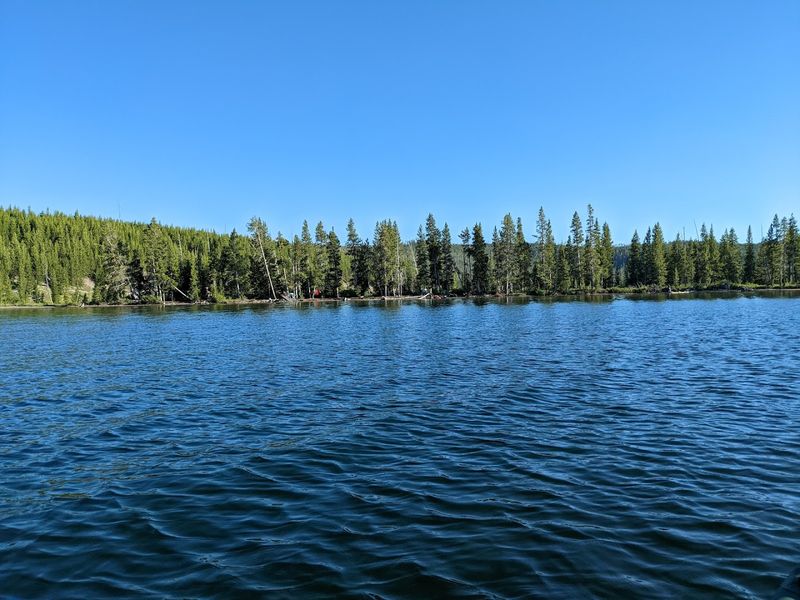
Most people never see the largest backcountry lake in the lower 48. Shoshone Lake sits deep inside Yellowstone National Park, with zero roads connecting to it and no motorized boats allowed on its surface.
Getting here requires a real commitment, and that is precisely the point.
The most popular route comes via the Shoshone Lake Trail from the DeLacy Creek Trailhead, covering roughly three miles each way through meadows, lodgepole forest, and open terrain that gradually opens into one of the most dramatic lake reveals in the American West.
The lake stretches across more than 8,000 acres of stillness. On calm mornings, the Absaroka Range reflects off the surface in a way that makes the whole scene feel suspended in time.
There are no crowds, no interpretive signs, no concession stands. Just water, sky, and wilderness operating entirely on its own terms.
Kayaking and canoeing are permitted, and paddling the shoreline gives access to Shoshone Geyser Basin on the western edge, one of the most remote active geyser fields in Yellowstone. Watching thermal features steam above the lakeshore from the water is an experience that does not exist anywhere else.
Overnight backcountry permits allow camping near the lake, which means waking up to complete silence broken only by waterfowl and the occasional bugling elk.
Shoshone Lake is the most rewarding open secret in all of Wyoming, and the fact that most park visitors never find it makes it even better.
6. Lonesome Lake
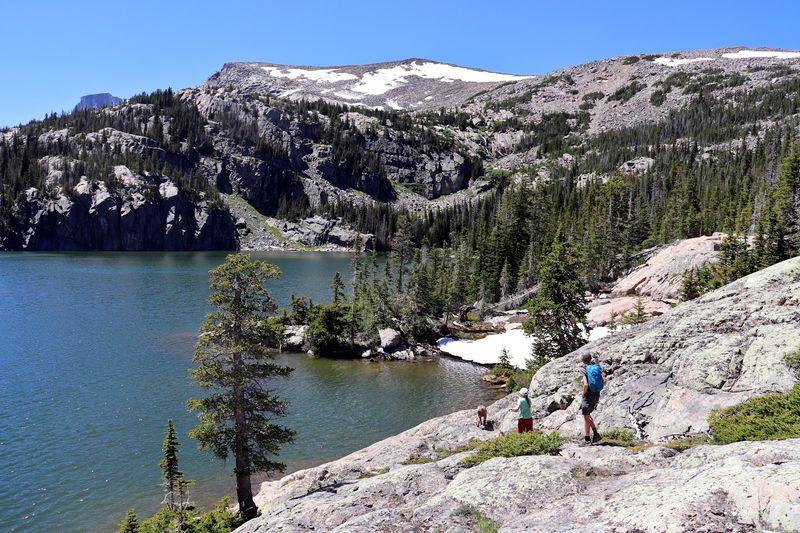
The name alone should tell you something. Lonesome Lake sits deep inside the Cloud Peak Wilderness near Buffalo, Wyoming, and it earns that name with every quiet, wind-swept mile between you and the trailhead.
Reaching this lake requires a serious backcountry commitment. The hike covers significant distance and elevation gain through the Bighorn Mountains, and the terrain is rugged enough to filter out all but the most determined visitors.
That natural filtering system is exactly why the lake feels so untouched.
Cloud Peak, the highest summit in the Bighorn Range at just over 13,000 feet, dominates the skyline above the lake. The scale of the landscape here is humbling in the best possible way.
Granite walls and boulder fields surround the water on multiple sides.
High-altitude fishing is one of the main draws for those who make the journey. The lake holds cutthroat trout, and fishing pressure is low enough that your chances of a productive session are genuinely good.
Wildlife encounters in the Cloud Peak Wilderness can include black bears, mountain goats, and mule deer. Proper food storage and bear awareness are non-negotiable on any overnight trip here.
The best window for visiting runs from mid-July through early September when snow has typically cleared from the upper elevations. Buffalo provides the nearest services before you head into the wilderness.
Lonesome Lake is not a casual afternoon outing, but for those who make the effort, it delivers an experience that is hard to replicate anywhere else in Wyoming.
7. Lake Marie
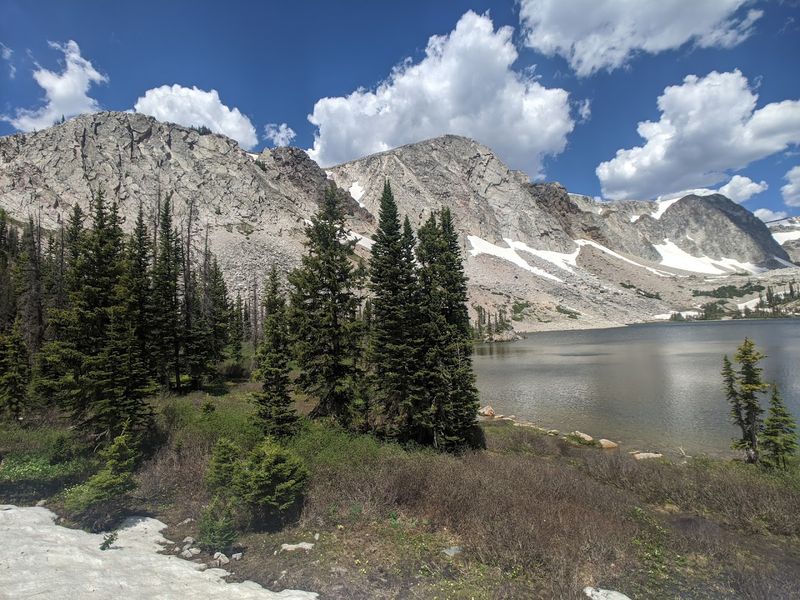
Pull over on Wyoming Highway 130 through the Snowy Range and you might just spot it. Lake Marie in Medicine Bow National Forest near Centennial, Wyoming, is one of the most accessible high-alpine lakes in the state, and it still manages to surprise people who stumble onto it for the first time.
The Snowy Range Mountains provide a backdrop that feels almost theatrical. White quartzite peaks rise sharply above the lake’s surface, and on calm days the reflection doubles the visual impact considerably.
Photographers tend to linger here longer than planned.
The lake sits at an elevation of around 10,000 feet, which keeps temperatures cool and the air refreshingly thin. Snow can linger on the surrounding peaks well into summer, adding to the alpine drama of the scene.
A short walking trail circles the lake, making it accessible for visitors of all fitness levels. That ease of access is somewhat unusual for a lake this beautiful, and it means families with younger children can enjoy the full experience without a strenuous hike.
Fishing is permitted in Lake Marie, and the surrounding Medicine Bow National Forest offers extensive trail networks for those who want to push deeper into the backcountry after visiting.
Centennial is a tiny, charming community just a short drive down the highway. The drive along Highway 130 through the Snowy Range is itself a highlight, frequently listed among the most scenic road trips in Wyoming.
Lake Marie is the crown jewel of that route.
8. Torrey Lake
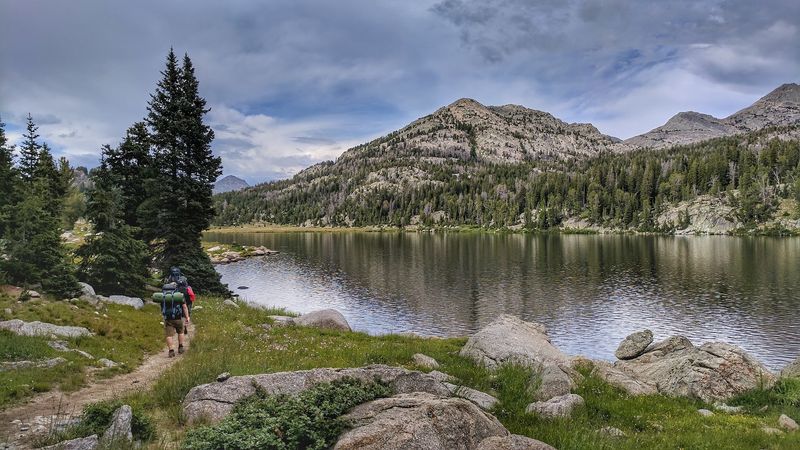
Right at the edge where Wyoming’s high desert meets the Wind River Range, something remarkable happens. Torrey Lake near Dubois, Wyoming, sits in that dramatic transition zone, offering a landscape that combines two very different worlds in one sweeping view.
The lake is surrounded by sagebrush flats and pine-covered ridges, with the jagged Wind River peaks rising behind them. That layered scenery is genuinely unusual and gives Torrey Lake a character that is distinct from the purely alpine lakes found higher in the range.
Dubois is one of Wyoming’s most underrated towns, and Torrey Lake sits in the hills just outside it. The area around the lake is part of a broader network of outdoor recreation options that locals use regularly but visitors rarely discover.
Fishing is a primary activity here. The lake is stocked and known for producing solid catches, making it a reliable destination for anglers looking for a quieter alternative to more well-known Wyoming fishing spots.
Wildlife in the Dubois area is diverse and frequently visible. Bighorn sheep, pronghorn, and mule deer all inhabit the terrain around Torrey Lake, and early morning visits increase your chances of meaningful encounters significantly.
The surrounding terrain also offers horseback riding opportunities, which fits perfectly with the working ranch culture that defines the Dubois area. Torrey Lake is not flashy or famous, but it captures something essential about Wyoming that the bigger attractions sometimes miss, and that quiet authenticity is exactly what makes it worth seeking out.