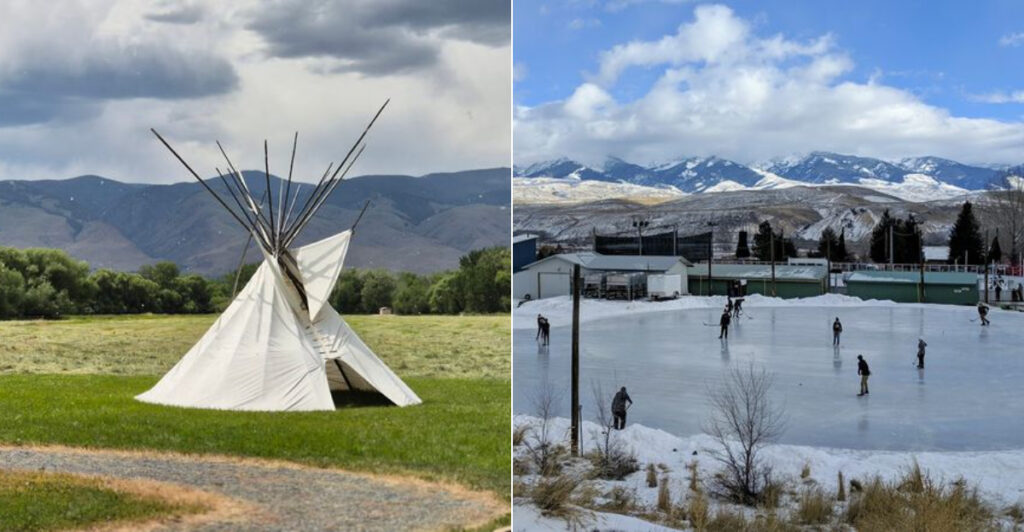
Towering mountains on every side. A wild river cutting straight through the middle. A small Idaho town that packs more adventure into its borders than most cities twice its size ever manage.
This is the kind of place where locals greet strangers by name and the scenery stops a conversation mid-sentence. Real, wild, and genuinely welcoming in a way that does not need to be advertised because it is simply how things work here.
Outdoor thrills, deep history, and natural beauty that earns every superlative thrown at it. This little Idaho town has been quietly becoming one of the most exciting destinations in the American West, and the travelers discovering it are not keeping quiet about it.
Does a small town this wild, this beautiful, and this genuinely alive sound like exactly the kind of Idaho adventure the travel list has been missing? This one is ready to earn a permanent spot on that list. Come find out why.
The River That Returns Nothing
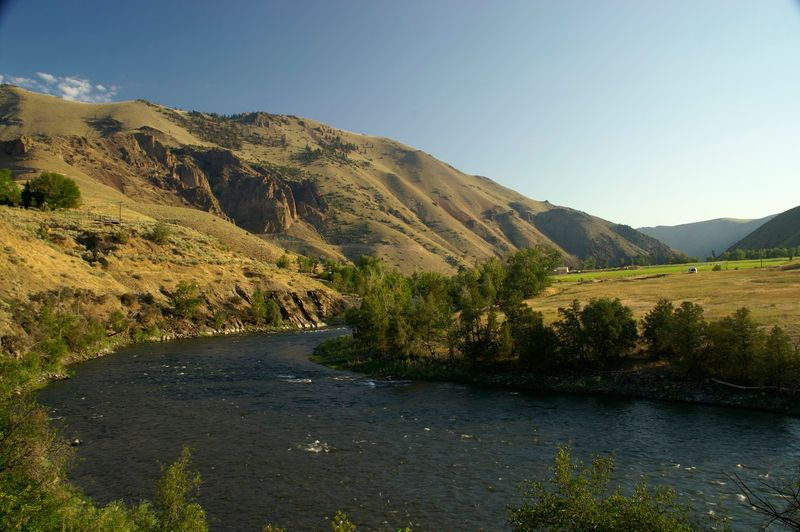
The Salmon River has a nickname that tells you everything: the River of No Return. Early explorers built wooden boats to float downstream, then had to leave them behind because the current was simply too strong to paddle back up.
Today, that same fierce river is the main attraction in Salmon, Idaho 83467, drawing rafters, kayakers, and fly fishers from across the country. The whitewater stretches range from mellow floats perfect for families to serious rapids that will test even experienced paddlers.
The Salmon Whitewater Park in Island Park sits right in town, giving easy access to the river without a long drive. Steelhead trout and Chinook salmon run through these waters seasonally, making it a dream spot for anyone who loves fishing.
Standing at the riverbank on a clear morning, with the Beaverhead Mountains reflected in the water, is one of those moments that quietly rearranges your priorities. Can you really call yourself an outdoor lover if you have not floated the River of No Return at least once?
Guided rafting trips are available for all skill levels, so there is no excuse to just watch from the shore. The river does not care how experienced you are; it just asks that you show up ready for something unforgettable.
Sacagawea’s Hometown Story
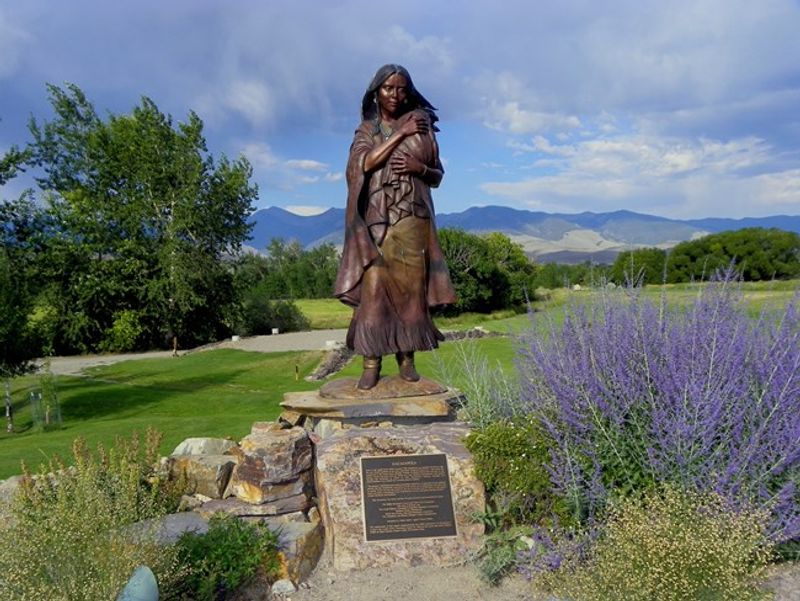
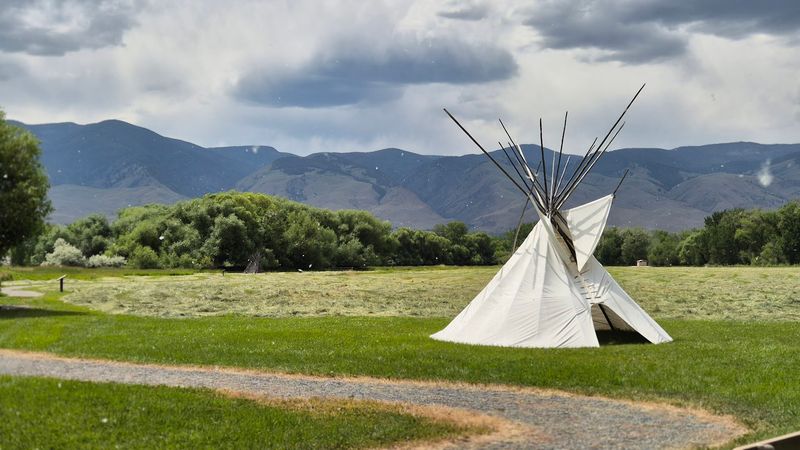
Not many small towns can claim to be the birthplace of one of the most celebrated figures in American history, but Salmon can. Sacagawea, the Shoshone woman who guided the Lewis and Clark Expedition across the continent, was born right here in the Lemhi Valley.
The Sacajawea Interpretive, Cultural and Educational Center to honor her legacy. It sits beautifully along the Salmon River and tells the story of the expedition, the Lemhi Shoshone people, and the remarkable landscape that shaped Sacagawea’s early life.
Walking through the outdoor exhibits feels genuinely moving. The center does not just display artifacts; it connects visitors to the living culture and natural history of this entire region in a way that sticks with you long after you leave.
Lewis and Clark crossed the Continental Divide at Lemhi Pass, just 30 miles southeast of Salmon, in August 1805. That crossing changed American history, and standing near where it happened gives that fact a whole new weight.
Mountains Framing Every View
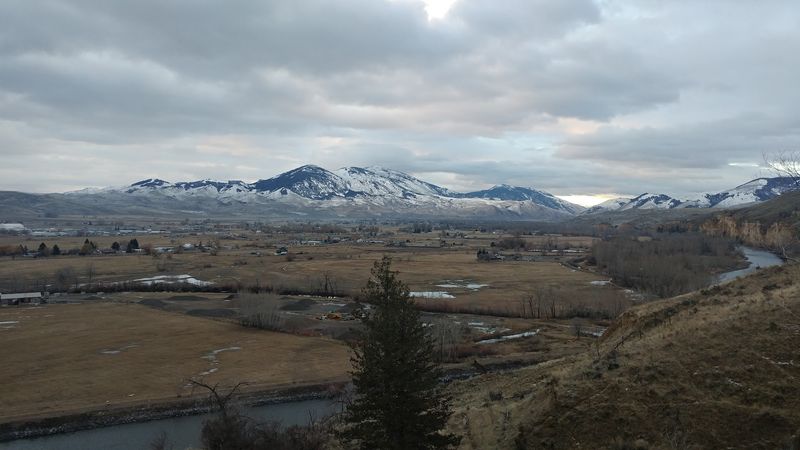
The geography of Salmon is almost unfairly dramatic. The town sits squeezed between the Beaverhead Mountains to the east and the Salmon River Mountains to the west, creating a valley view that looks like something painted rather than real.
Climbing the famous S Hill above town gives you a sweeping panorama of both the Salmon and Lemhi River valleys merging below. Locals hike it regularly, and visitors who make the effort are rewarded with one of the best viewpoints in central Idaho.
The Discovery Hill trail system, known affectionately as Disco Hill, offers more accessible routes for hikers and mountain bikers. Trails wind through sagebrush and pine, with the mountains always framing the horizon in every direction.
Parts of the Continental Divide Trail also pass through this region, attracting long-distance hikers who use Salmon as a resupply stop. Some of them arrive exhausted and leave completely reluctant to continue.
The elevation sits at nearly 4,000 feet, which means the air feels noticeably cleaner, the stars shine noticeably brighter, and everything moves at a pace that city life rarely allows. Salmon does not beg for your attention.
The mountains do that job perfectly well on their own.
Hot Springs Worth Every Step
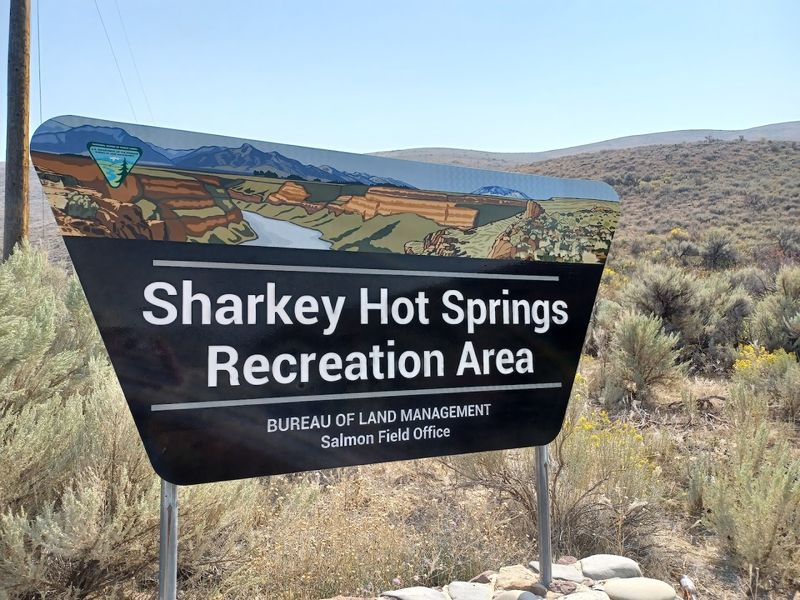
Few things in life feel as satisfying as soaking in a natural hot spring after a long hike, and the Salmon area delivers that experience in spectacular fashion. Goldbug Hot Springs is the most celebrated of the bunch, and it earns every bit of that reputation.
Getting there requires a hike of about two miles with a significant elevation gain, winding up a rocky canyon with a creek rushing beside the trail. The effort is real, and so is the reward: a series of naturally terraced thermal pools cascading down the mountainside, with views that seem almost too good to be true.
Sharkey Hot Springs offers a more accessible option for visitors who prefer a shorter approach. Both locations sit within striking distance of Salmon, Idaho, making them easy additions to any itinerary without eating up an entire day.
The water temperature varies by pool, so you can find your perfect spot without too much trial and error. Visiting in cooler months adds an extra layer of magic, with steam rising dramatically against the cold mountain air.
Have you ever sat in hot water while snowflakes fell around you and mountains filled your entire field of vision? If the answer is no, Goldbug Hot Springs is ready to fix that immediately.
Pack good hiking shoes, carry plenty of water, and plan to stay longer than you originally intended.
Wildlife Around Every Corner
Salmon sits inside one of the most wildlife-rich corridors in the American West. The surrounding wilderness supports nine of Idaho’s big game species, including elk, mule deer, pronghorn antelope, black bears, mountain lions, and wolves.
Spotting wildlife here is not a matter of luck. It is almost a matter of timing.
Drive the back roads at dawn or dusk and you will likely see elk grazing in open meadows within the first twenty minutes. Early mornings along the Lemhi River corridor are especially productive for birdwatchers.
The Frank Church River of No Return Wilderness borders the area to the west, covering over two million acres of roadless backcountry. It is the largest contiguous wilderness in the lower 48 states, and its edges are visible from Salmon’s own streets.
Hunting is a serious tradition here in the fall, drawing experienced hunters from across the country who value the quality and diversity of the game animals. The local outfitters know this land intimately and offer guided experiences that go far beyond anything you could arrange independently.
Winter Surprises Everyone Here
Most people assume a mountain town this remote shuts down when the snow arrives. Salmon has other plans entirely.
Winter here transforms the valley into a quieter, more intimate version of itself, and the activities available might genuinely surprise you.
Lost Trail Ski Area sits about an hour from town and offers downhill skiing and snowboarding without the overwhelming crowds that larger resorts attract. It is the kind of ski area where you actually get to enjoy the runs instead of waiting in line for them.
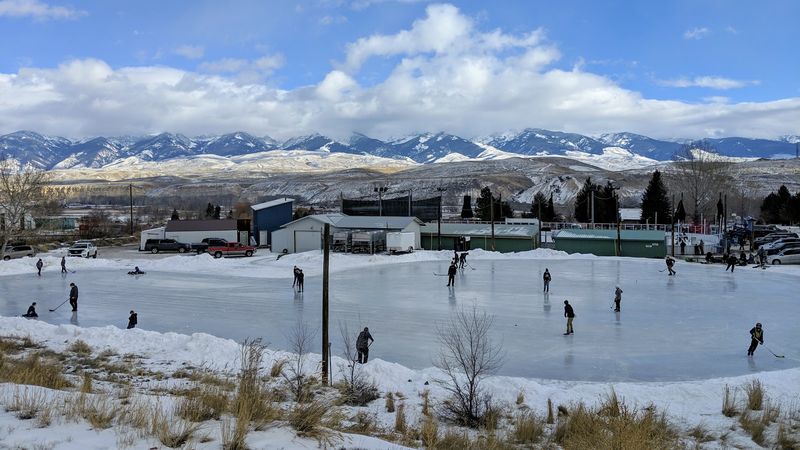
Back in town, the outdoor ice rink hosts skating and ice hockey through the coldest months. Locals of all ages show up regularly, and visitors are always welcome to lace up and join in without any awkward formality.
Snowshoeing and snowmobiling trails spread throughout the surrounding hills and forests, giving winter visitors access to landscapes that look completely different under a layer of fresh snow. The Salmon River itself takes on a dramatic quality in winter, with ice forming along its edges while the main current keeps pushing through.
Cold weather here is not a reason to stay away. It is a reason to pack an extra layer and show up anyway.
Downtown With Real Character
Downtown Salmon has the kind of character that takes other places decades to manufacture and still never quite achieve. The main street runs through town with local cafes, restaurants, shops, and the kind of storefronts that tell you real people actually live and work here year-round.
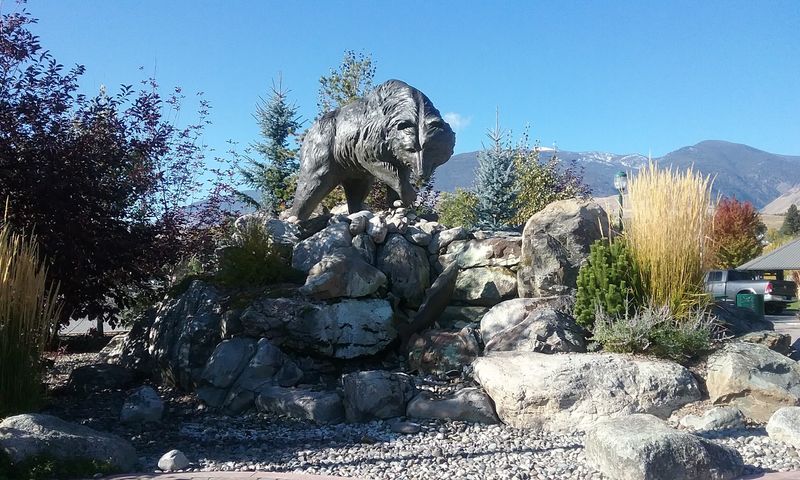
The Bear, a large carved wooden bear sculpture in the heart of downtown, has quietly become one of the most photographed spots in the entire region. Visitors stop mid-walk to snap a photo with it, and somehow it never gets old.
The Lemhi County Historical Museum sits nearby and houses an impressive collection covering local history, from Lemhi Shoshone artifacts to gold rush-era mining equipment and early agricultural tools. It is the kind of small-town museum that punches well above its size.
History Park offers an outdoor exhibit that lets you wander through local history at your own pace, which is a refreshing change from the typical indoor museum format.
The Farmer’s Market brings the community together seasonally, with local produce and handmade goods that reflect the agricultural roots of the Lemhi Valley.
A Place Worth Coming Back To
There is a particular kind of travel experience that does not announce itself loudly. It builds quietly over the course of a visit, somewhere between the morning hike and the riverside lunch and the unexpected conversation with a local who points you toward a trail you would never have found on your own.
Salmon delivers exactly that kind of experience, and it does so without trying too hard. The town sits at the edge of the largest roadless wilderness in the lower 48 states.
It was shaped by one of the most important journeys in American history, and it is surrounded by mountains that make every single direction worth photographing.
The community here is small but genuinely welcoming. Visitors often report feeling like insiders within a day or two, which is a rare quality in any destination and almost impossible to fake.
The outdoor options shift with every season, meaning there is no single perfect time to visit and also no bad time. Spring brings rushing snowmelt and wildflowers, summer opens the river and the trails, fall turns the mountains gold, and winter quiets everything down to something almost meditative.