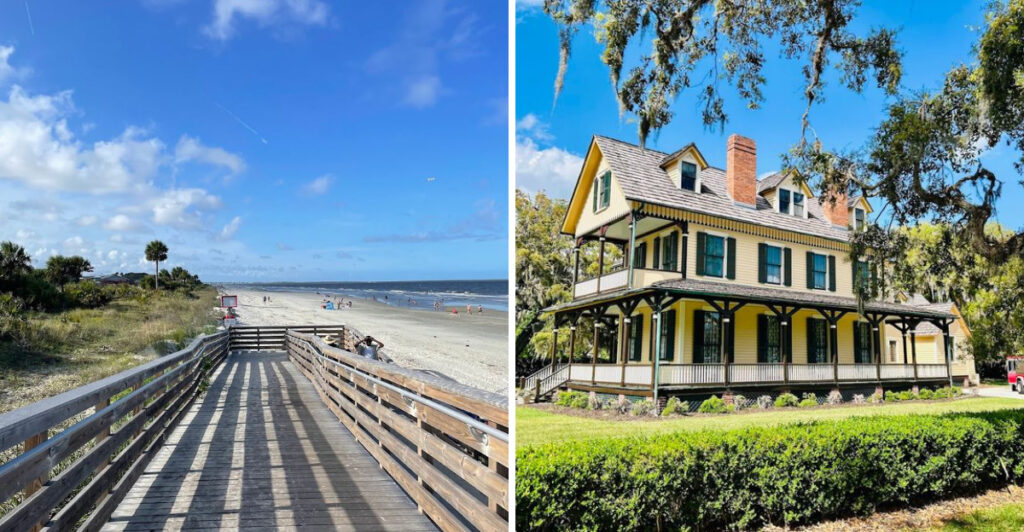
The kind of place that leaves people wondering why it took them so long to visit. Ten miles of uncrowded beach, ancient driftwood trees rising from the sand like something out of a dream, a sea turtle rehabilitation center, Gilded Age mansions built by the Rockefellers and Vanderbilts, and 24 miles of bike trails cutting through coastal Georgia forest draped in Spanish moss.
Georgia protects this island hard, and it shows. Development limits cap what can be built, which is exactly why the beaches still feel like they did decades ago.
Plan a full day. Bring a bike.
Check the tide chart before heading to the north end of the beach. The island rewards visitors who actually slow down long enough to notice what is right in front of them.
Driftwood Beach And The Shore That Stops People Cold
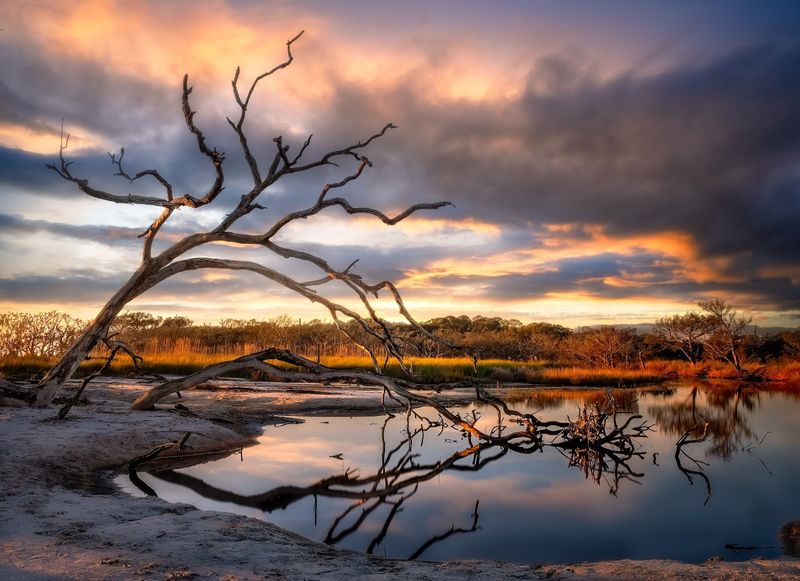
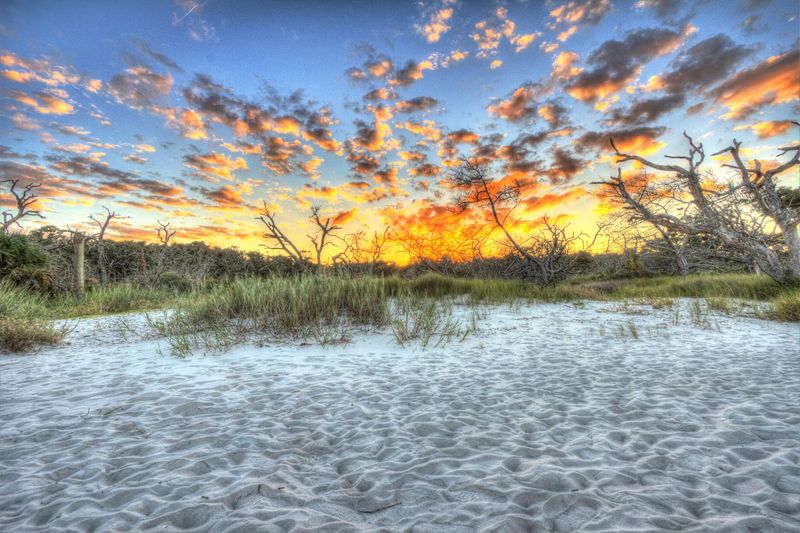
Few beaches anywhere on the East Coast look quite like this one. Driftwood Beach on Jekyll Island is lined with the skeletal remains of ancient trees, their bleached white trunks rising from the sand like natural sculptures.
The effect is striking, almost surreal, and completely unlike anything a typical beach vacation offers.
Photographers make special trips just for this spot. Early morning light hits the driftwood in a way that makes every frame look professionally composed.
Low tide reveals even more of the weathered logs and tangled root systems that stretch toward the water.
Families with kids find it endlessly fascinating to climb and explore. Wildlife watchers appreciate the shorebirds that pick through the debris looking for food.
The beach sits on the northern end of the island and requires almost no effort to reach from the main road. It is the kind of place that makes people stop mid-sentence just to stare.
The Gilded Age History Hidden In Plain Sight
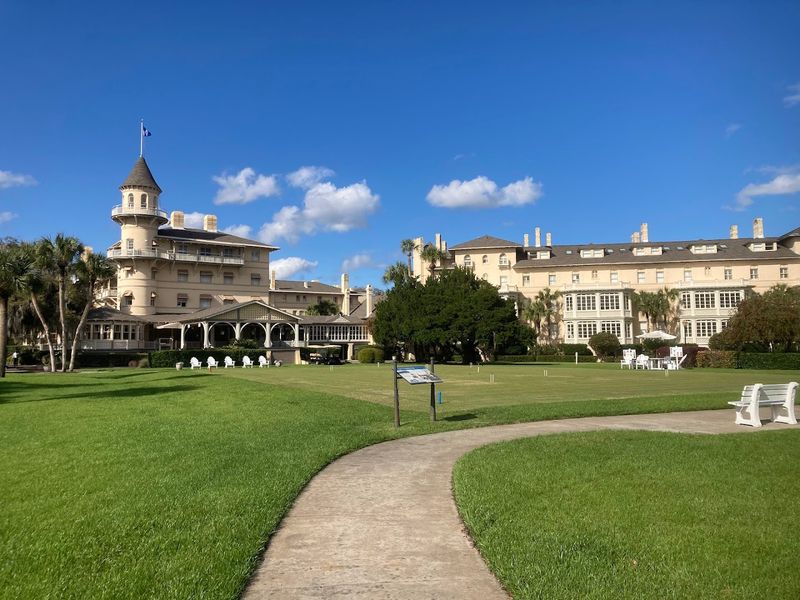
Once upon a time, this island was off-limits to almost everyone. The Jekyll Island Club was founded in the 1880s as an exclusive winter retreat for some of the wealthiest families in American history, including the Vanderbilts, Rockefellers, and Pulitzers.
They built elaborate seasonal homes they modestly called “cottages,” though most were closer to mansions.
The Jekyll Island National Historic Landmark District covers 240 acres and contains 34 historic structures. It stands as one of the largest ongoing restoration projects in the southeastern United States.
Walking through it feels like stepping into a different century entirely.
The old Jekyll Island Club building still stands and now operates as a four-star resort. Visitors can tour the grounds, peek inside restored cottages, and learn about the club’s surprisingly significant role in American financial history.
A private meeting held on the island in 1910 contributed directly to the discussions that shaped the Federal Reserve System. That detail alone makes the history here feel genuinely weighty.
The Georgia Sea Turtle Center And Its Important Mission
Sea turtles have been nesting on Georgia’s barrier islands for thousands of years. Jekyll Island takes that legacy seriously.
The Georgia Sea Turtle Center is the only facility of its kind in the entire state, combining sea turtle rehabilitation, scientific research, and public education under one roof.
Injured and sick turtles arrive here for treatment and recovery before being released back into the Atlantic. Visitors can watch the rehabilitation process up close through viewing windows, making it one of the most genuinely moving wildlife experiences available anywhere on the Georgia coast.
The center also runs active programs to protect loggerhead turtle nests along the island’s beaches during nesting season. Volunteers and staff monitor the shoreline carefully to give each nest the best possible chance.
Interactive exhibits inside explain the full lifecycle of sea turtles in clear, accessible language that works equally well for curious kids and interested adults. It is conservation made visible and personal.
Ten Miles Of Beach With Almost No Crowd In Sight
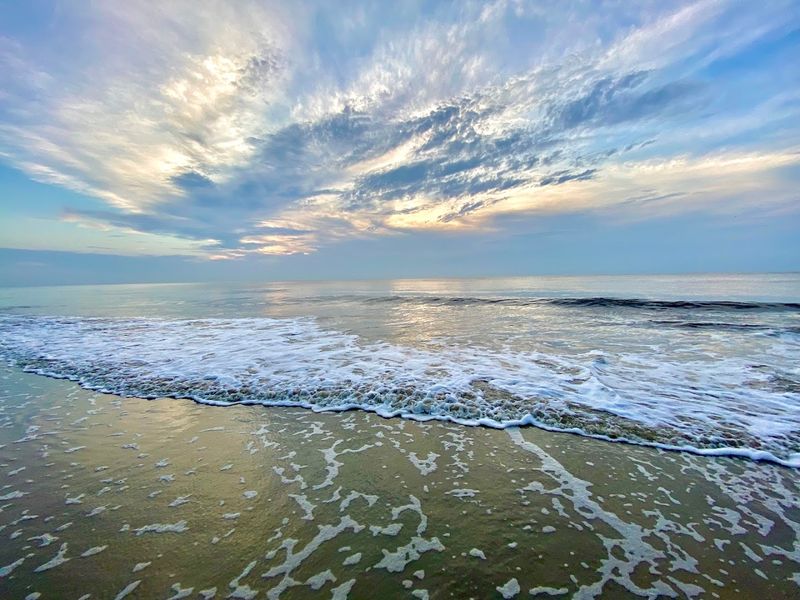
Ten miles of shoreline and remarkably few people on it. That combination is almost impossible to find on the East Coast anymore.
Jekyll Island keeps its beaches uncrowded through strict development limits that cap how much of the island can be built upon, preserving the natural landscape as a priority rather than an afterthought.
Great Dunes Beach Park draws families who want wide open sand, picnic shelters, and easy access. St. Andrews Beach functions more like a nature preserve, with a two-story observation deck that overlooks prime habitat for migratory birds, dolphins, and sea turtles.
Each stretch of coastline has its own personality.
The waves here tend to be gentler than on more exposed Atlantic beaches, making the water approachable for younger swimmers and first-timers. Sunrises on the east-facing shore are the kind that make people set early alarms without complaining.
The flat, wide beach profile means low tide opens up enormous stretches of firm sand perfect for walking or biking right along the water’s edge.
Biking Trails That Make Exploring Feel Effortless
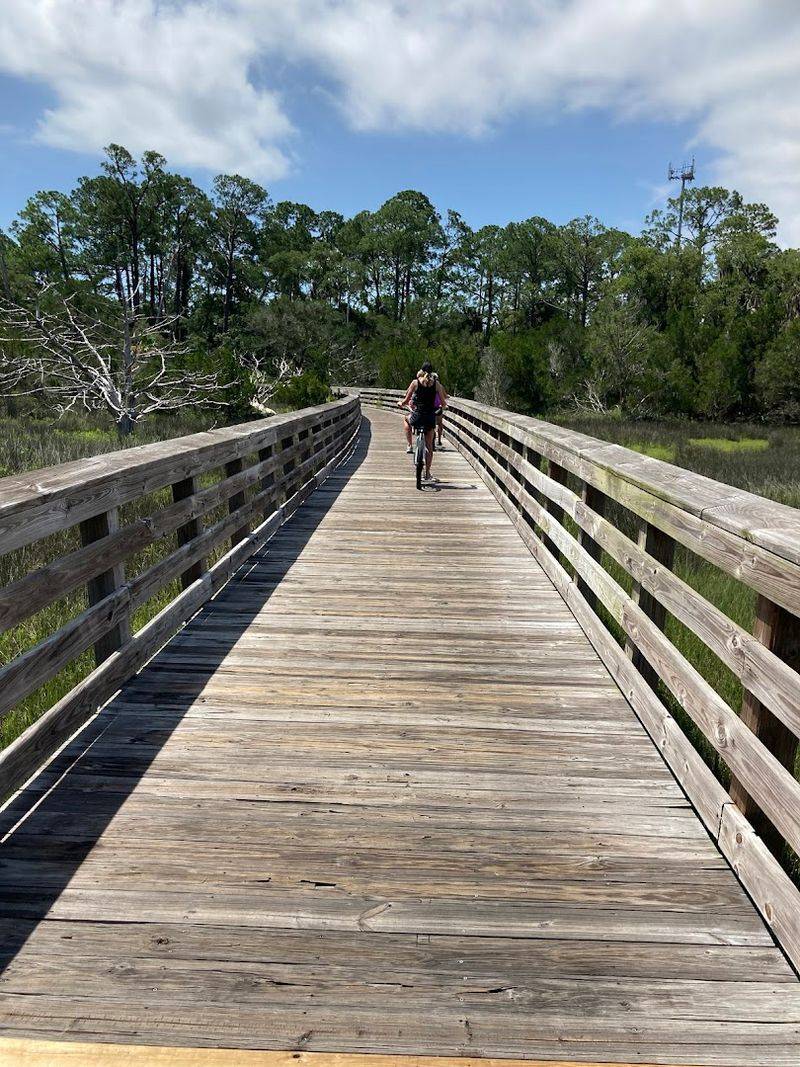
Over 24 miles of paved bike trails cover nearly every corner of Jekyll Island. They cut through maritime forests draped in Spanish moss, run parallel to open beaches, and loop through the historic district past century-old buildings.
Few places on the East Coast offer this kind of two-wheeled access to so many different landscapes in a single day.
Bikes are available to rent on the island, so showing up without one is not a problem. The trails are well-maintained and mostly flat, making them manageable for riders of all ages and fitness levels.
Families with young kids handle them easily, and more determined cyclists can cover the full trail network in a single ambitious outing.
Riding through the island’s interior reveals a side of Jekyll that beach visitors sometimes miss entirely. Ancient live oaks form canopies overhead, and the air carries the distinctive salt-marsh scent of coastal Georgia.
Spotting wildlife along the way, from deer to herons, happens more often than not. The trails make the whole island feel accessible and unhurried.
Wildlife Watching Beyond The Usual Beach Fare
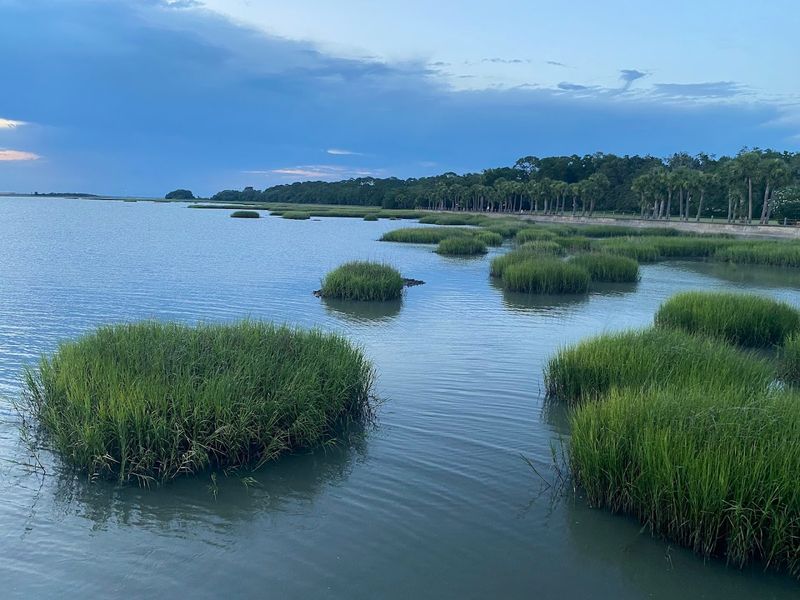
Dolphins show up in the tidal creeks with a regularity that never stops feeling special. Jekyll Island sits within a richly productive coastal ecosystem, and the wildlife reflects that abundance at every turn.
Bottlenose dolphins, loggerhead sea turtles, migratory shorebirds, wading birds, and white-tailed deer all share the island in ways that feel genuinely wild rather than staged.
St. Andrews Beach and its surrounding nature preserve area offer some of the best wildlife observation spots on the island. The two-story viewing deck there gives elevated sightlines over marsh and open water.
Wilson’s Plovers and various wading bird species nest and feed nearby throughout much of the year.
Kayaking and paddleboarding put visitors directly into the tidal creeks where dolphin sightings happen most frequently. Guided dolphin cruises run regularly for those who prefer a boat.
The island’s active conservation programs work to manage invasive species and protect coastal bird habitat, which keeps the wildlife population healthy and visible. Georgia’s barrier island ecosystem is genuinely world-class for nature observation.
The Mosaic Jekyll Island Museum And What It Reveals
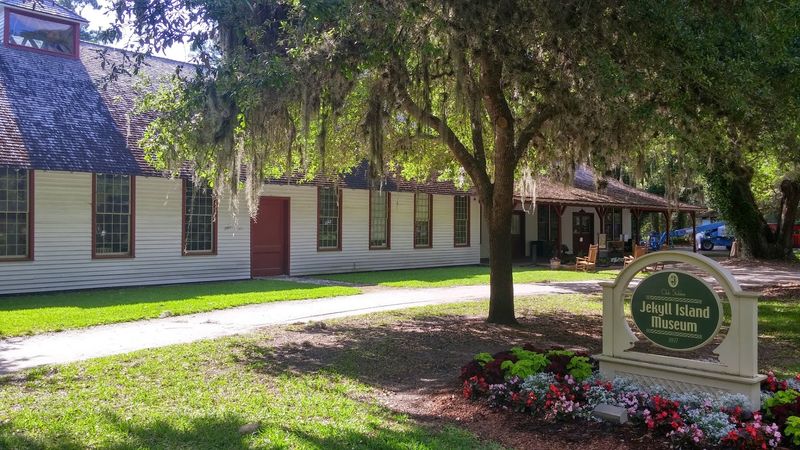
History this layered deserves a proper museum. The Mosaic Jekyll Island Museum delivers exactly that, offering interactive exhibits that cover everything from the island’s Indigenous past to its Gilded Age peak and its modern conservation mission.
It serves as an ideal starting point for any visit, providing context that makes everything else on the island more meaningful.
The museum runs a variety of guided tours through the historic district, with options ranging from walking tours to tram rides for those who prefer a more relaxed pace. Each tour covers different aspects of the island’s story, so repeat visitors can always find something new to explore.
Exhibits inside the museum use hands-on displays and well-organized storytelling to make complicated history approachable. The Wanderer Memory Trail, which commemorates a significant and sobering chapter in American history, is accessible through the museum’s programming.
For families with curious kids or history-minded adults, the Mosaic Museum adds genuine depth to a Jekyll Island visit that goes well beyond sand and salt air.
Horton House And The Deep Roots Of Georgia History
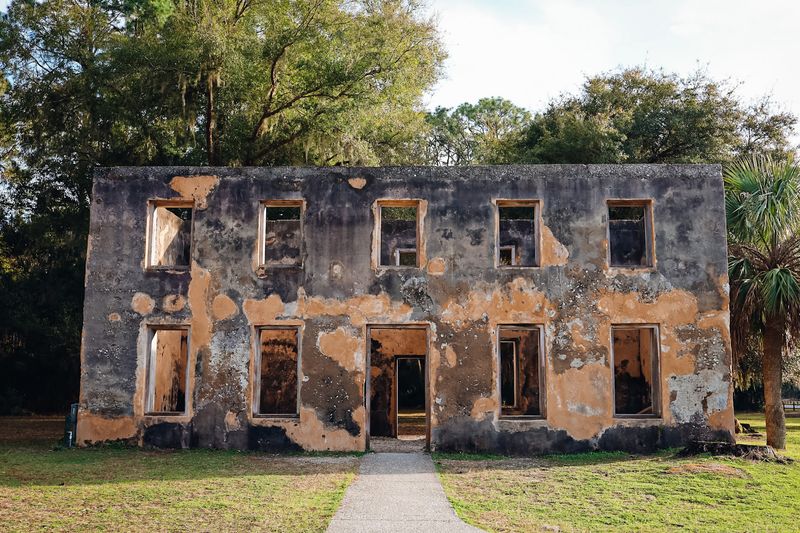
Most beach islands cannot claim a building from the 1700s still standing on their shores. Jekyll Island can.
Horton House is one of the oldest surviving tabby structures in all of Georgia, built in the mid-18th century and still remarkably intact considering its age. Tabby is a building material made from oyster shells, lime, sand, and water, and it turns out to be extraordinarily durable.
The ruins sit quietly amid oak trees and creeping vegetation, giving the site an atmospheric quality that photos barely capture. It connects Jekyll Island to a history that predates the Gilded Age by well over a century, reminding visitors that this land has been significant to people for a very long time.
Faith Chapel, another historic landmark within the district, features stunning stained glass windows that have survived the decades with remarkable grace. Together, these older structures add a layer of historical weight to the island that most beach destinations simply cannot match.
Georgia’s colonial-era past is written into the very walls of this place.
Family Fun That Goes Well Beyond The Waterline
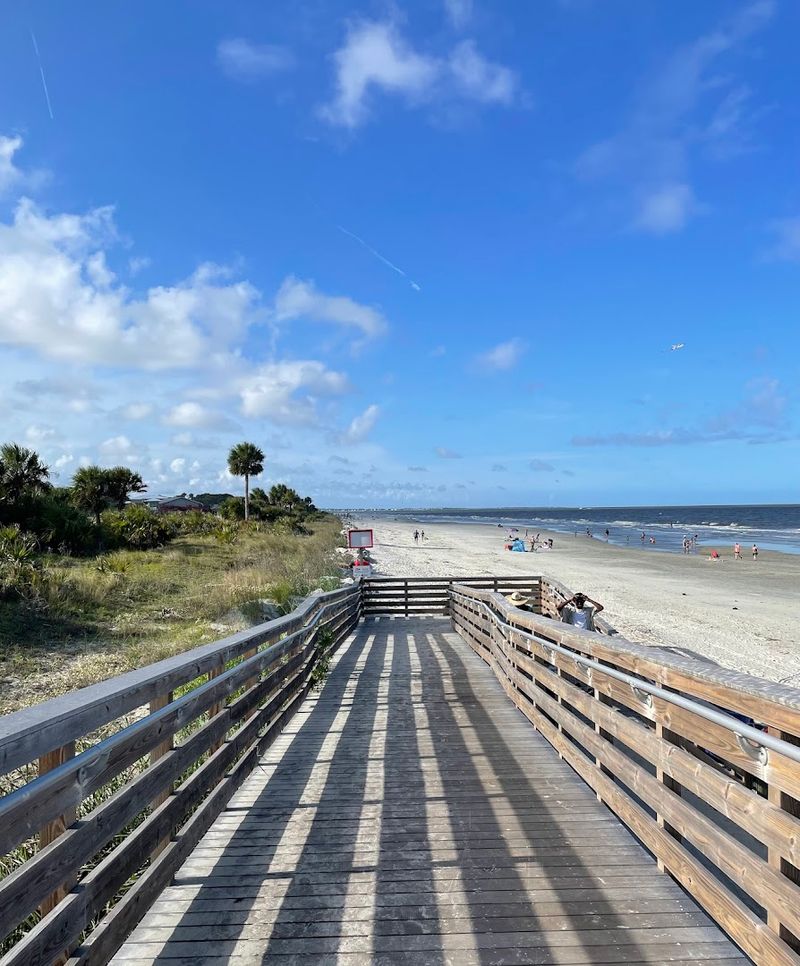
Jekyll Island has a reputation for natural beauty and serious history, but it also knows how to keep families genuinely entertained. Summer Waves Water Park brings slides, splash zones, and poolside energy to the island during warm-weather months, giving younger visitors a high-energy counterpoint to the quieter beach experience.
Miniature golf, deep-sea fishing trips, horseback riding, and dolphin cruises round out an activity list that can easily fill several days without repeating anything. The island’s flat terrain and well-marked trails make it easy to move between activities without stress or complicated logistics.
Beachcombing along the various shoreline stretches turns up shells, shark teeth, and interesting natural debris that kids find endlessly rewarding. The gentle wave action and flat beach slope make the water safe and approachable for younger swimmers.
Georgia’s barrier island setting means the surrounding landscape itself becomes part of the entertainment, with wildlife encounters happening organically throughout the day rather than only at scheduled stops.
The Salt Marshes And The Ecosystem Doing Quiet Work
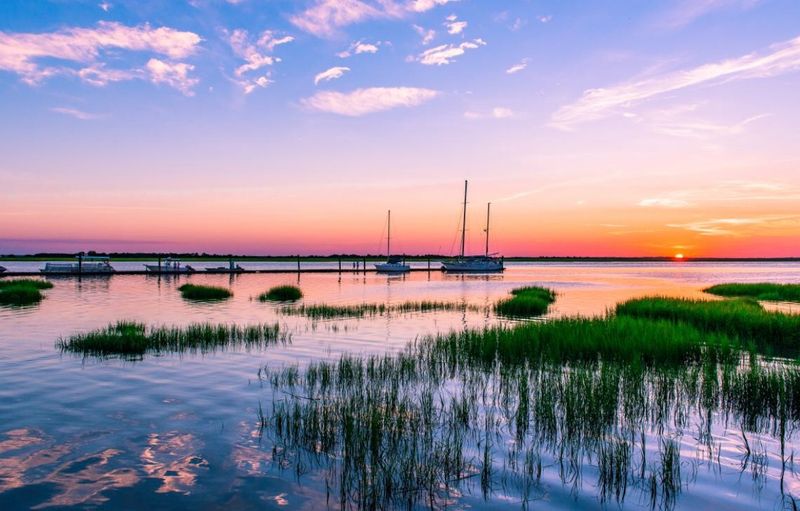
The beaches get most of the attention, but the salt marshes surrounding Jekyll Island are doing some of the most important ecological work on the entire Georgia coast. These tidal wetlands serve as nurseries for fish, feeding grounds for birds, and natural buffers that protect the island from storm surge and erosion.
They are productive beyond what their quiet appearance suggests.
Kayaking or paddleboarding through the marsh creeks offers a completely different perspective on the island. The water moves with the tides, carrying nutrients and wildlife through a network of channels that feel remote even though the island’s amenities are never far away.
Egrets, herons, and ibis wade through the shallows with focused patience.
Jekyll Island’s conservation programs actively protect these wetland systems alongside the dune ecosystems and nesting beaches. The island takes a long view on preservation, recognizing that the marshes and the beaches are part of the same interconnected system.
Visitors who take time to explore beyond the shoreline discover a coastal Georgia landscape that feels genuinely untouched.
Where To Stay And How The Island Handles Overnight Guests
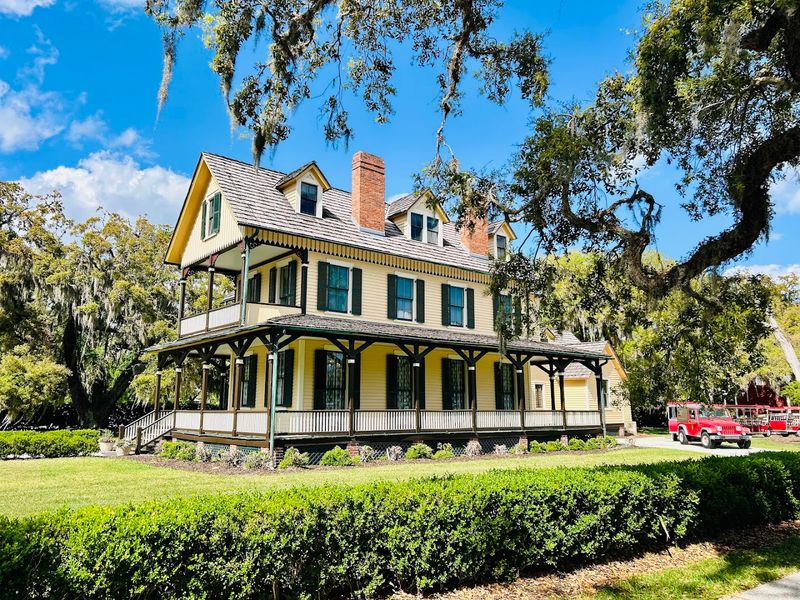
Overnight options on Jekyll Island range from the historic grandeur of the Jekyll Island Club Resort to more casual hotels and a proper campground for those who prefer sleeping under Georgia’s coastal stars. The variety means the island works for different budgets and travel styles without feeling like it is trying too hard to please everyone.
The Jekyll Island Club Resort occupies the original clubhouse building used by Gilded Age millionaires. Staying there puts guests inside a piece of genuine American history, with architecture and atmosphere that no modern hotel can replicate.
The grounds alone are worth a slow evening walk.
The campground offers a more grounded experience, with sites positioned close enough to the beach to hear the Atlantic at night. Nearby Brunswick provides additional dining and lodging options for visitors who want more variety.
A small vehicle fee is collected at the island entrance, which helps fund the ongoing maintenance and conservation work that keeps Jekyll Island looking as good as it does. The investment is obvious everywhere.
Why Coastal Insiders Keep Coming Back To This Island
Word travels slowly about places worth protecting. Jekyll Island has benefited from that fact for decades, drawing repeat visitors who return year after year without making too much noise about it.
The combination of uncrowded beaches, genuine history, active conservation, and accessible outdoor recreation is rare enough that people tend to guard the secret carefully.
Travel publications including Travel and Leisure have recognized the island for its authenticity and unspoiled shorelines. That kind of acknowledgment usually brings crowds, but Jekyll Island’s strict development limits keep the atmosphere from tipping into overdevelopment.
The cap on buildable land is not a restriction that feels limiting when you are standing on a quiet beach at sunrise.
Georgia’s Golden Isles have always attracted a certain kind of traveler, one who prefers depth over flash and quiet over noise. Jekyll Island sits at the heart of that appeal.
It rewards patience and curiosity in equal measure. The East Coast has no shortage of beach towns, but very few of them feel quite this carefully preserved, this genuinely alive.