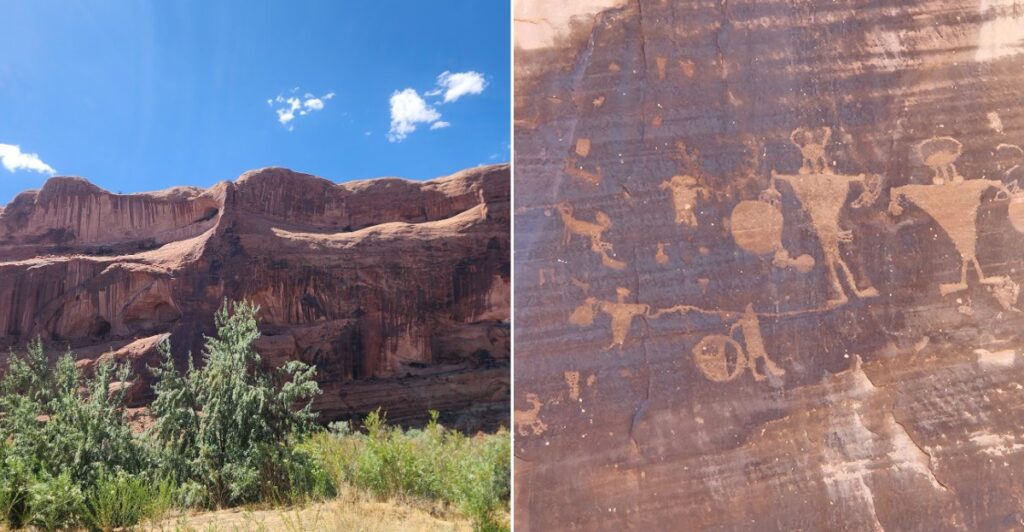
High school kids here have a strange tradition. They dare each other to race a ghost to a cattle guard where the pavement ends.
The ghost has a name, too. People call her the River Witch, and the story says she sometimes appears as a figure in white.
Lose the race, and the legend claims your car gets torn apart from the inside.
I love that this tale has been passed around Utah classrooms since at least the 1980s. It still gets told today.
That kind of staying power tells me the setting does half the spooky work.
By daylight, the same road offers red canyon walls, ancient rock art, and a river running alongside. After dark, things feel different.
So would you take the dare, or would you be home before the sun drops?
Meet the Ghost Who Supposedly Races Your Car
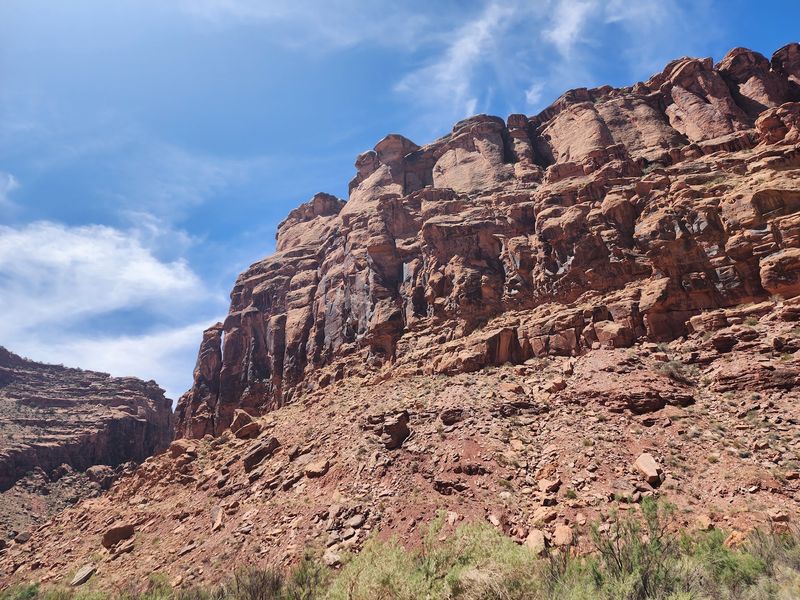
Most ghost stories ask you to stay quiet in a dark house. The legend of Kane Springs Road in Moab, Utah, asks you to hit the gas instead.
Local folklore says a vengeful spirit called the River Witch haunts this canyon road. She’s sometimes described as a figure dressed in white, drifting near the water.
The rules of the legend are simple and pretty terrifying. Teens dare each other to race her along the road, often toward the cattle guard where the pavement stops.
If she catches you, things go badly. The story warns your vehicle could be ripped apart from within.
Another version says you could be dragged into a pool.
That’s a lot of pressure for a Friday night drive. I can’t imagine trying to keep my hands steady on the wheel with that tale bouncing around my head.
Of course, the race is folklore, not a real event you should copy. Speeding on a twisty canyon road is a far bigger danger than any ghost.
Still, knowing the story makes every curve feel a little more dramatic.
Her Backstory Is Sadder Than You’d Expect
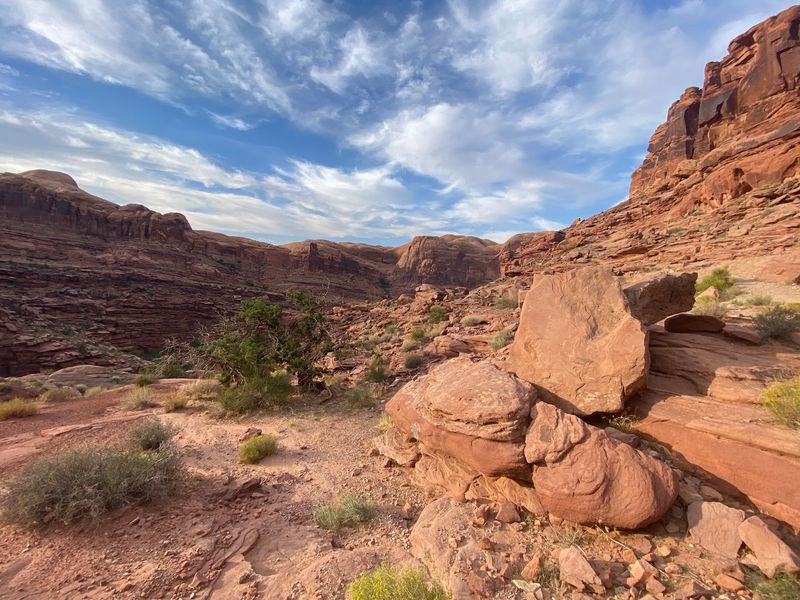
Every good haunting needs a reason. The River Witch tale comes with a heartbreaking one that explains why she supposedly lingers near the water.
According to the legend, she was a young woman facing an unplanned pregnancy. Her boyfriend rejected her, and she was left full of sorrow and anger.
The story says she drowned herself in the Colorado River. Ever since, her restless spirit is said to wander the canyon, angry and searching.
If that sounds familiar, you’re not imagining it. The tale shares a lot with La Llorona, the famous weeping woman legend told across the Southwest and Mexico.
Both stories mix grief, water, and a spirit you really don’t want to meet. That similarity makes the River Witch feel like part of a much bigger storytelling family.
I believe that’s why the legend sticks. It isn’t just about a scary figure jumping out of the dark.
It’s about a person, a broken heart, and a river that keeps flowing past.
Knowing her backstory changes how the road feels. It turns a spooky dare into something a bit more haunting and human.
The Cattle Guard Is Where Nerves Get Tested
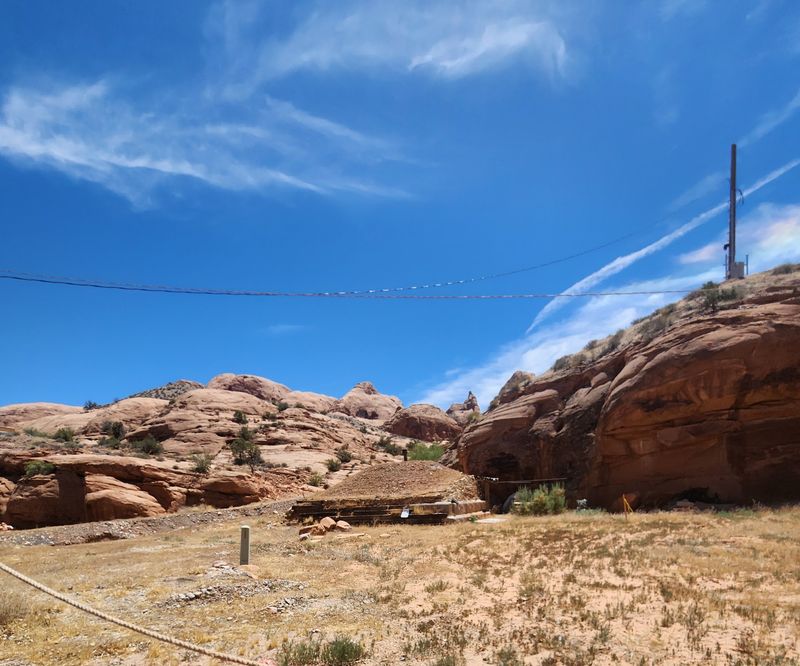
A simple metal grate in the road shouldn’t be scary. On Kane Springs Road, the cattle guard has a starring role in local legend.
It marks the spot where the paved section ends. In the River Witch stories, that’s the finish line teens race toward.
The idea is to get there before the ghost does. Win, and you get bragging rights.
Lose, and you become the next cautionary tale at lunch.
Students at Grand County High School have kept this story alive since at least the 1980s. That’s decades of dares, nervous laughter, and probably a few very fast heartbeats.
Here’s my honest take, though. The real lesson is to slow down.
The paved part runs about 4.5 miles, and it’s rough, narrow, and full of curves.
Past the cattle guard, the surface turns to dirt and gravel. That shift alone can surprise drivers who aren’t expecting it.
So enjoy the legend at a safe speed. You can still feel the chill when you cross that grate.
You just don’t need to treat it like a racetrack.
Moonflower Canyon Feels Colder Than It Should
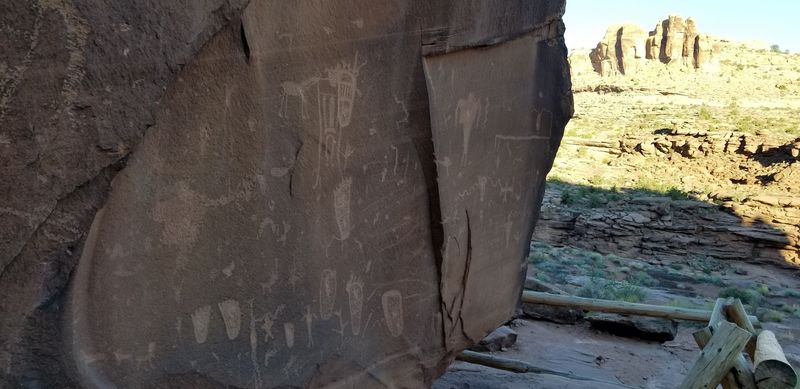
Shade in the desert is usually a gift. In Moonflower Canyon, some people say the shade comes with company.
The haunting is often tied to this spot along the road. It’s described as unusually cold, with water seeping through the rocks and shadows that seem to gather.
Now, there’s a natural reason for some of that chill. Moonflower Canyon is a shaded, riparian area cooled by a spring-fed creek.
Plants and water make it feel very different from the sunny cliffs nearby.
That doesn’t make it less spooky after dark. Cool air, dripping rock, and tall canyon walls are basically a ghost story’s dream set.
By day, it’s a lovely place to explore. There’s a walk-in campground here, and a fee is required to stay.
Look for a reconstructed Native American ladder tucked in a crevice of the canyon. It’s a neat detail many people miss on the drive past.
Would I camp here after hearing the River Witch tale? Probably.
I’d just keep the flashlight very close and maybe skip the late-night creek walk.
Ancient Rock Art Watches the Road
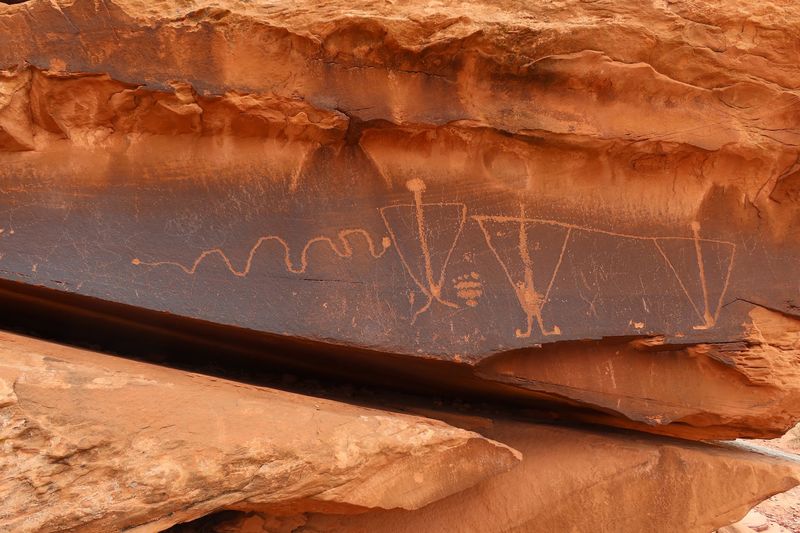
Long before anyone told ghost stories here, people were carving their own stories into stone. Kane Springs Road is lined with them.
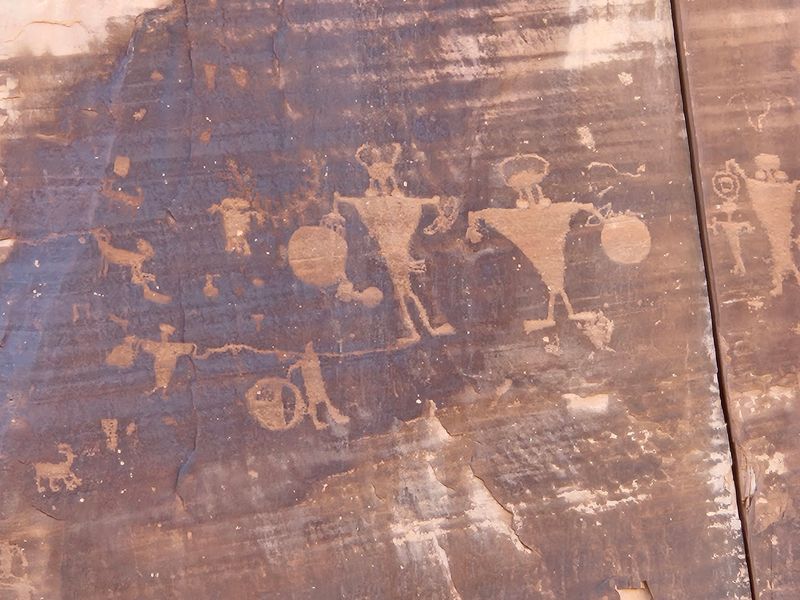
Ancient petroglyphs cover rock surfaces along the river and canyon. Two great places to look are near Moonflower Canyon and near the Amasa Back Trailhead.
One panel gets a lot of attention. It’s known as the birthing scene, and it’s a fascinating peek into the lives of people who lived here long ago.
Spotting these carvings feels like finding messages left just for you. Some are easy to see from the roadside.
Others reward a slower, more curious eye.
Please treat them gently. Don’t touch, chalk, or trace the images, because skin oils and scratches can harm them over time.
I like how the rock art adds a totally different kind of mystery to the road. The River Witch is a legend.
These carvings are real history you can stand right next to.
Bring binoculars or a camera with good zoom. Daylight is your friend here, which is convenient, since the ghost supposedly prefers the night shift.
Your Car Might Want a Word With You
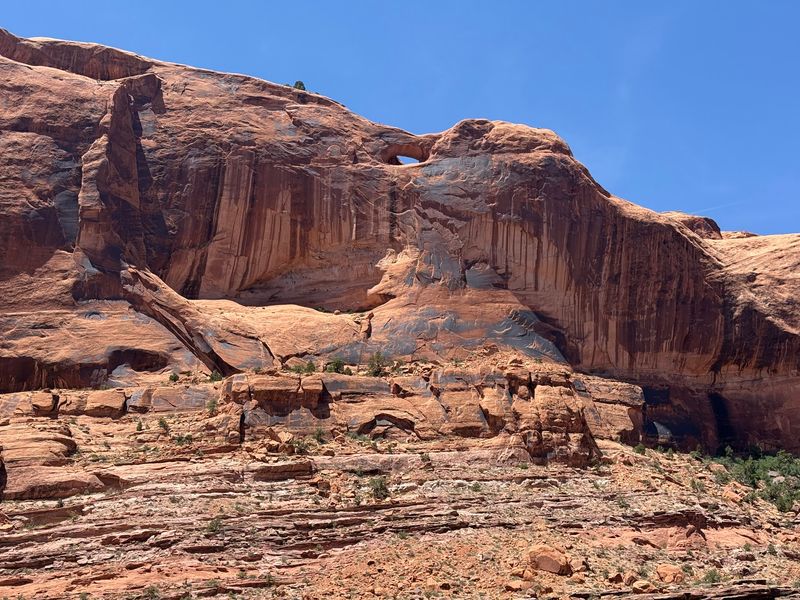
Forget the ghost for a second. The bigger question on this road might be whether your car can handle it.
Kane Springs Road runs roughly 6.7 to 7 miles. The first 4.5 miles are rough pavement, and the rest becomes dirt and gravel.
Most vehicles can manage the early stretch. After the Ledges Campground, though, the road can call for 4WD and high clearance.
Expect several creek crossings and some tricky rock ledges. The last half-mile can flood in wet weather, which can be a real problem for 2WD vehicles.
The elevation climbs about 786 feet, ranging from around 3,971 to 4,296 feet. That’s not huge, but it adds a few bumpy surprises.
Here’s my advice. Check the weather before you go, and turn around if the water looks deep.
No legend is worth a stuck car.
Also, plan to finish before sunset. Navigating ledges in the dark is hard enough without wondering who might be racing beside you.
Campsites Where the Stories Hit Harder
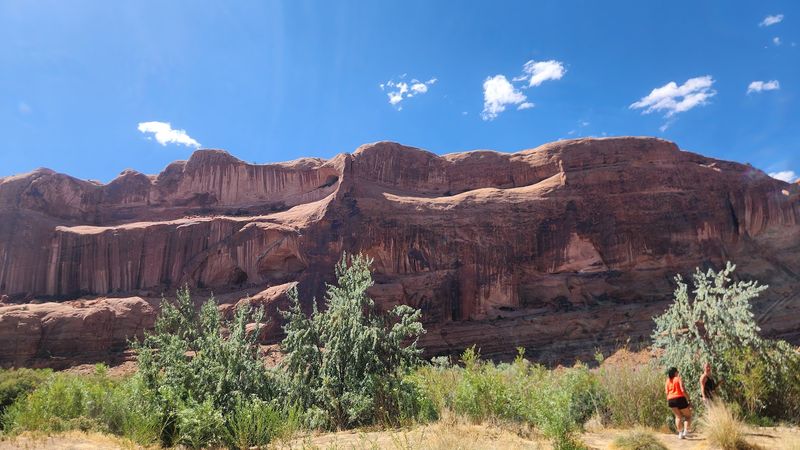
Telling a ghost story around a campfire is fun. Telling it a few miles from where the ghost supposedly lives is a whole new level.
The Ledges Campgrounds offer more than 105 first-come, first-served campsites. They’re spread across five areas labeled A through E.
You’ll find picnic tables and vault toilets, which covers the basics. Arriving early in busy seasons is smart, since you can’t reserve ahead.
Kings Bottom Campground is another option along the way. It’s a BLM site that works for tents and small RVs.
The wider Kane Creek Recreation Area adds more choices, including group campsites. That makes it handy for families or friends planning a bigger trip.
Camping here means waking up to red cliffs instead of a hotel ceiling. It also means you’ll be close by when the sun goes down and the canyon goes quiet.
So pack marshmallows, a lantern, and your best version of the River Witch tale. Just maybe decide ahead of time who has to walk to the vault toilet after dark.
Trails Branch Off in Every Direction
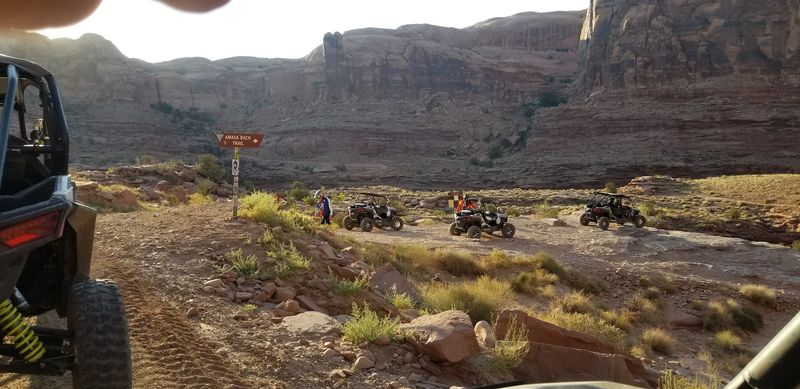
Kane Springs Road isn’t just a spooky drive. It’s also a gateway to some of the best adventure terrain around Moab.
The road works as a multi-use trail for mountain biking, OHVs, and hiking. It’s part of the Amasa Back trail network.
From here, you can link up with Moab Rim, Pritchett Canyon, Cliff Hanger, Kane Creek Canyon, and Hurrah Pass. That’s a serious list of Utah favorites in one spot.
Want a quick reward? Funnel Arch, also called Cable Arch, sits up a short but steep climb.
Your legs will grumble, but the arch makes it worth it.
The road winds through the Hunter Canyon area before opening up to wide canyon views. It’s the kind of scenery that makes you pull over again and again.
Since the trail is shared, stay alert for bikes and off-road vehicles. Dust can kick up fast, so sunglasses and a buff are good ideas.
Plan your loop so you’re out before dark. The trails are thrilling by day, and the River Witch can keep the night to herself.
Old Trail History Runs Deeper Than the Legend
Ghosts aside, this canyon has an impressive real past. Kane Springs was once a key water stop on the Old Spanish Trail.
That trade route was active from 1829 to 1848. The spring gave water to travelers, cattle drovers, pioneers, and settlers crossing this dry country.
The canyon had a different name back then. It was called Hudsons Wash, after rancher Joshua B.
Spud Hudson, who grazed livestock here in the late 1870s.
Here’s a fun spelling twist. The spring was first written as Cane, thanks to the cane-like plants growing nearby.
Mapmakers switched to the K spelling sometime after 1926.
Even today, names get mixed up. You’ll hear Kane Springs Road, Kane Creek Road, and Kane Creek Blvd. The canyon is officially Kane Springs Canyon, though many call it Kane Creek Canyon.
If you’re mapping your trip, use Kane Springs Road, Moab, UT 84532. That’ll point you toward the start of the adventure.
I think this history makes the legend even better. A place that’s seen so many travelers is bound to collect a few ghost stories along the way.