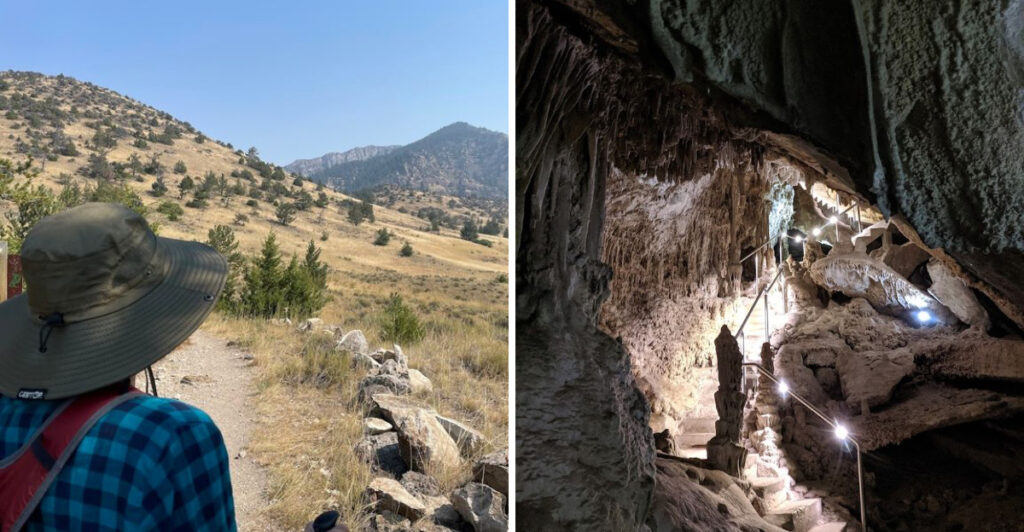
What if Montana had been hiding one of the most jaw-dropping underground worlds in the entire Northwest, right beneath a sun-scorched hillside? Spoiler: it has, and people who visit for the first time almost never see it coming.
You step into a cave system dripping with stalactites, flowstone that looks like frozen waterfalls, formations called “cave bacon” and “cave popcorn,” and twisting helictites that seem to break the rules of physics.
The temperature stays around 50 degrees no matter what Montana is doing outside, so the contrast when you descend is immediate and unforgettable.
This is Montana’s first-ever state park, and it earned that title for a reason. If a bucket-list underground adventure is on your radar, this one is more than worth planning around.
Montana’s First State Park And Why That Title Matters
History has a way of making places feel heavier, in the best possible sense. Lewis & Clark Caverns State Park carries the distinction of being Montana’s very first state park, a title that speaks to just how remarkable this place was considered from the start.
The caverns were discovered by local hunters in 1892. Word spread quickly, and it did not take long for people to recognize that something truly special was tucked into these limestone hills near Whitehall.
Though named after the famous expedition, Meriwether Lewis and William Clark never actually entered the caves. They did pass through parts of what is now the park, which is a fun piece of trivia to drop on fellow visitors mid-tour.
Much of the early work to make the cave system accessible for the public was carried out by the Civilian Conservation Corps. Their labor transformed a raw natural wonder into a destination that Montana still proudly calls its own.
The Underground World Hiding Beneath The Hills
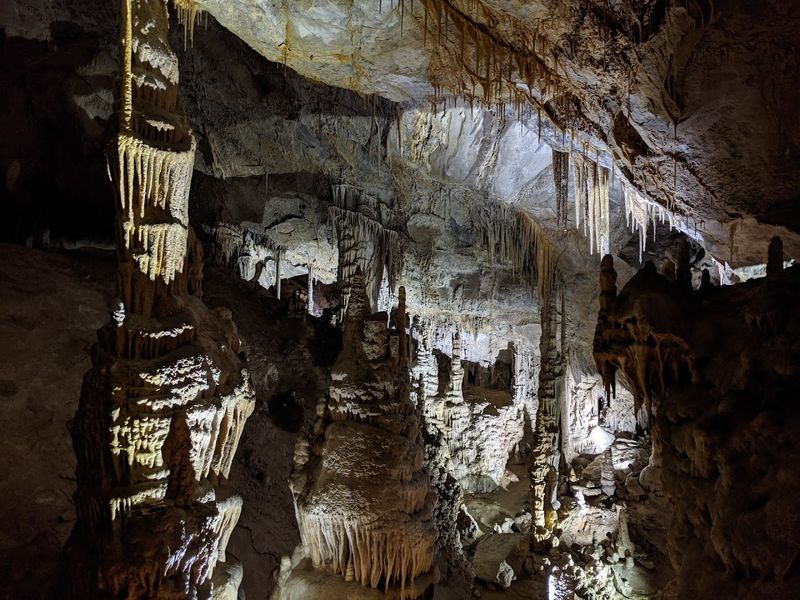
Stepping underground here feels like crossing into a completely different planet. The cavern system at Lewis & Clark Caverns is one of the largest known limestone cave networks in the Northwest, and it earns that reputation with every twist and chamber.
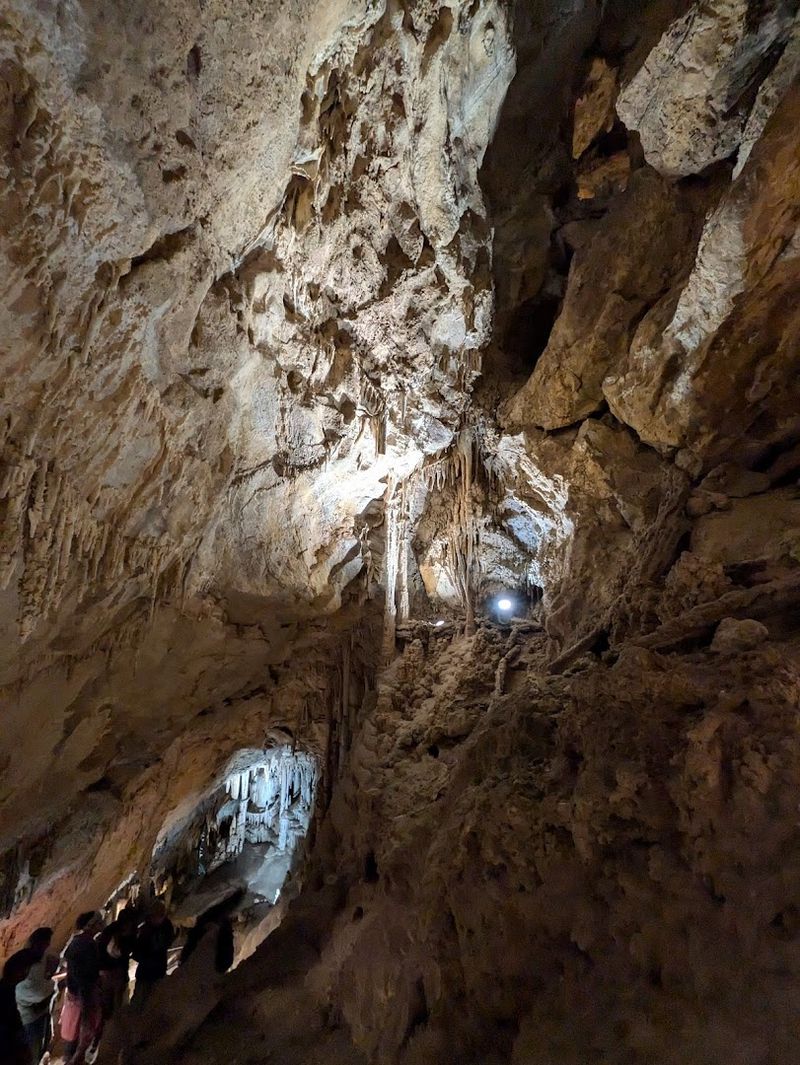
The formations inside are the real showstoppers. Stalactites hang from ceilings like stone icicles.
Stalagmites push up from the floor in thick, rounded columns.
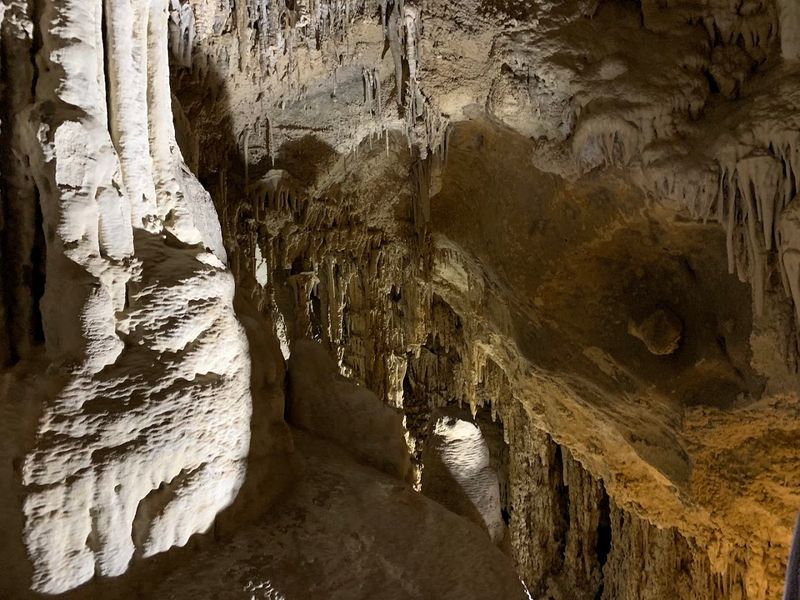
Beyond the classics, the cave also features helictites, which are bizarre curling formations that seem to defy gravity entirely. Visitors often spot what guides call “cave bacon,” thin ribbons of banded rock that genuinely look like strips of breakfast food.
Flowstone drapes over surfaces like frozen waterfalls, and “cave popcorn” clusters appear on walls in bubbly, textured patches. Each room reveals something new.
The variety of formations packed into this single cave system is genuinely hard to believe until you are standing right in the middle of it.
Permanently Cold And Surprisingly Humid Inside
Pack a jacket. That is not optional advice.
The caverns maintain a steady temperature of around 50 degrees Fahrenheit throughout the entire year, no matter how scorching the Montana summer gets outside.
Humidity inside hovers above 90 percent, which gives the air a thick, damp quality that catches most first-time visitors off guard. It is not uncomfortable exactly, but it is memorable in the way that only truly unique environments can be.
The combination of cold air and high moisture is actually what keeps the formations alive and slowly growing. Water seeps through the limestone above, depositing calcite bit by bit over thousands of years.
On hot summer days, the temperature contrast between the sunny hillside trail and the cave entrance is dramatic and immediate. Visitors who wore shorts and sandals for the uphill hike often wish they had listened when they were told to bring layers.
The cave does not negotiate on this point.
Two Tours, Two Very Different Adventures
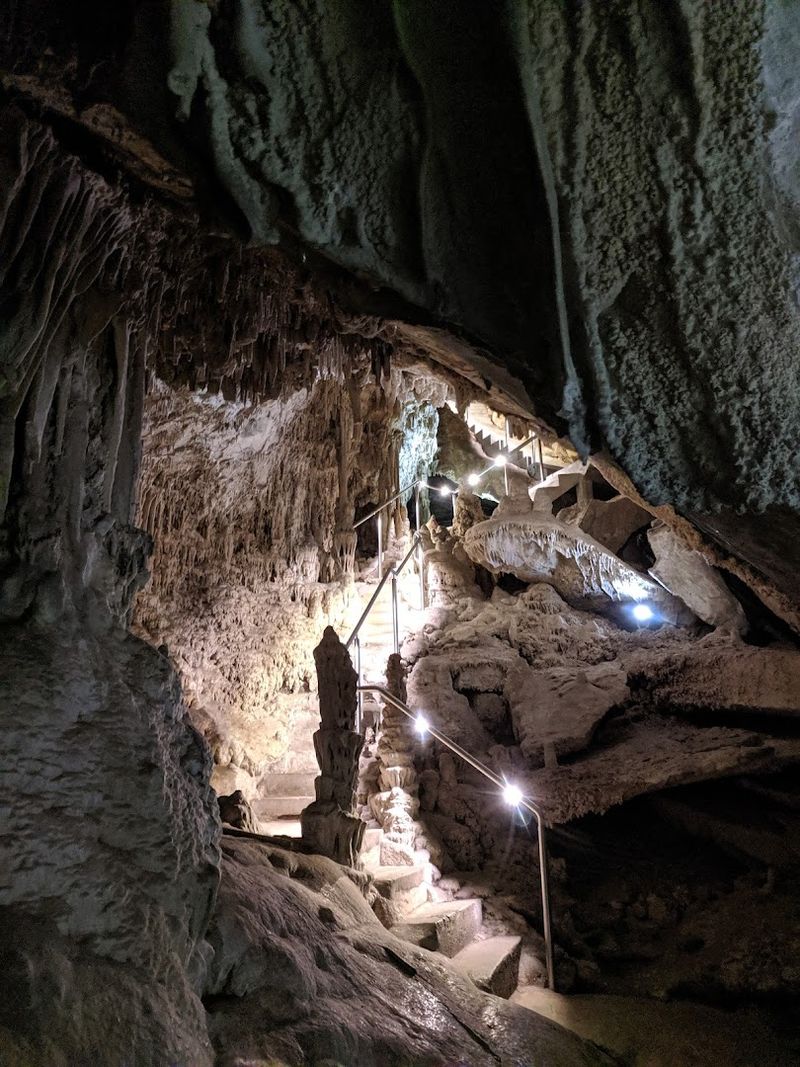
Choosing a tour here is not just a logistics decision. It shapes the entire experience.
Two main guided tours are offered: the Classic Tour and the Paradise Tour, and they cater to very different types of visitors.
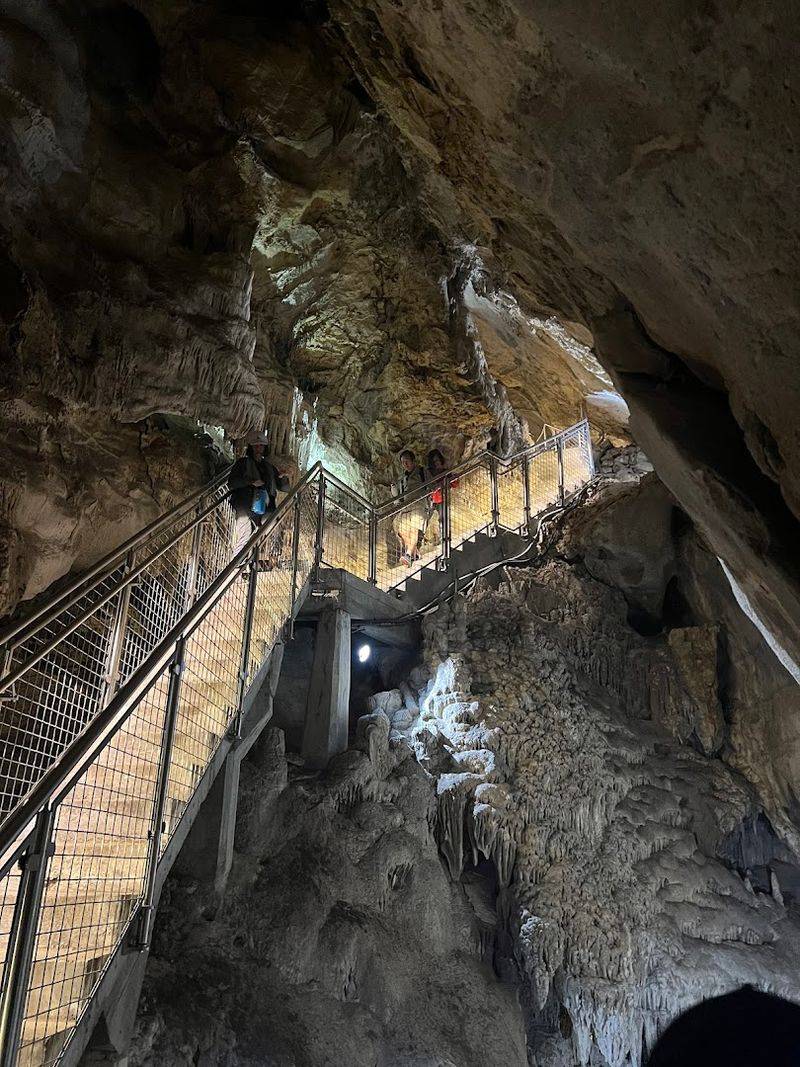
The Classic Tour covers roughly two miles and lasts about two hours. It includes a three-quarter-mile uphill walk to the cave entrance, an elevation gain of around 300 feet, and more than 600 stairs in total.
Narrow passages, low ceilings, and sections that require stooping or sliding make it a genuinely physical outing. Children age 4 and under are not permitted on the Classic Tour, though older children with a solid fitness level are welcome.
The Paradise Tour is a shorter, more accessible option running about one and a half hours. It leads visitors into the largest and most elaborately decorated rooms in the cave.
Fewer stairs, a more level path, and a welcoming setup for families and those with limited mobility make it a solid choice in its own right. Both tours are guided exclusively.
The Uphill Hike That Earns The View
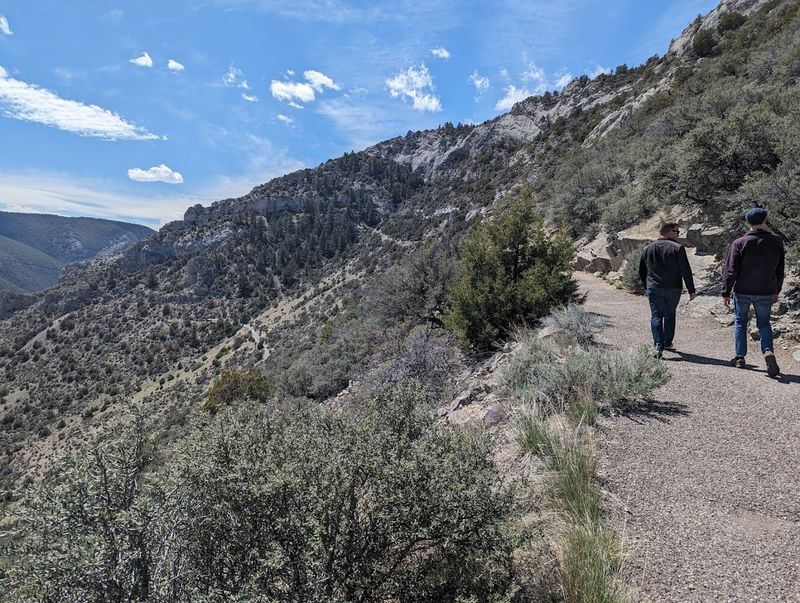
Before even reaching the cave entrance on the Classic Tour, visitors face a three-quarter-mile uphill walk that climbs 300 feet. It is paved, but it is not easy, especially under a blazing Montana summer sun.
Visitors have 30 minutes to complete the uphill hike to the cave entrance. Falling behind that pace can result in losing your tour spot, so comfortable footwear and a decent level of fitness genuinely matter here.
The payoff at the top, however, makes every step worthwhile. The views from the upper area near the cave entrance stretch across rolling hills and open valleys in a way that feels almost too cinematic to be real.
Bringing water for the hike up is strongly recommended. The descent at the end of the tour comes through the cave itself, spilling visitors out at a lower exit point.
That design means the hard walking happens before the underground magic begins, which is a clever way to build anticipation with every uphill step.
Bats, Fungi, And A Very Important Rule
The caverns are not just a geological attraction. They are also a working ecosystem.
During summer months, the cave serves as a roosting site for Townsend’s big-eared bats, a species that relies on the stable cave environment for raising their young.
Spotting bats clinging to the cave ceiling is one of those unexpected highlights that visitors remember long after the tour ends. Seeing actual bat pups during the summer season adds a genuinely wild element to the underground experience.
White-nose syndrome is a serious and fatal fungal disease that has devastated bat populations across North America. No clothing, shoes, or accessories that have been worn in another cave or mine within the past five years are permitted on the tour, a firm policy put in place to protect the bat colony from white-nose syndrome.
This is not a suggestion. It is a firm policy designed to keep the Lewis & Clark Caverns bat population healthy.
Visitors who plan to cave-hop across Montana should factor this requirement into their packing strategy well before arrival.
What The Visitor Center Offers Before You Head Underground
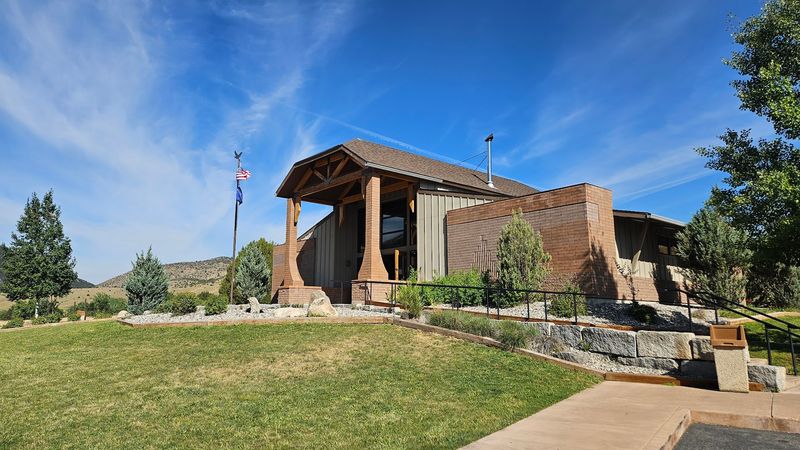
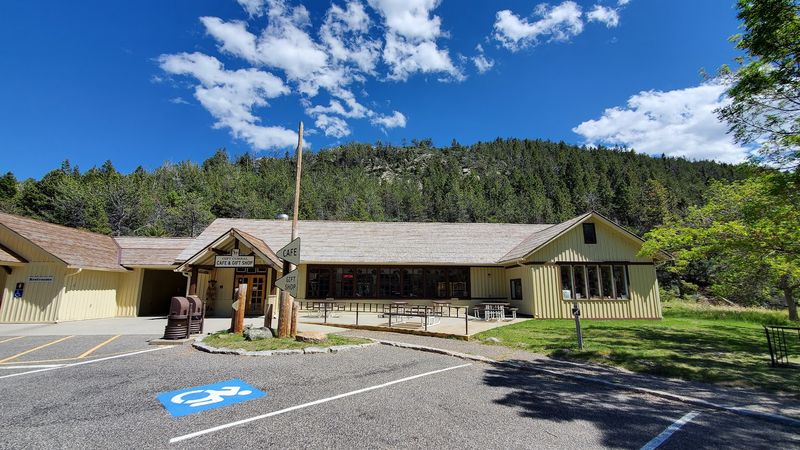
The visitor center at Lewis & Clark Caverns State Park is worth spending real time in before heading underground. Displays explain how the cave system formed, walking visitors through the geological timeline in a way that makes the formations feel even more impressive once inside.
Touchable samples of stalactites are available for visitors to handle, which is a rare tactile experience in a world where most cave formations are strictly look-but-do-not-touch. That hands-on element makes the science feel immediate and real.
Staff at the center are consistently described as knowledgeable and approachable. Picking up tour tickets and asking questions here is the smart first move for any first-time visitor.
A gift shop and cafe round out the upper visitor area. The cafe offers food options that fuel the hike ahead, and the gift shop carries locally themed souvenirs worth browsing.
For families, the visitor center sets the tone for the whole experience and gives younger visitors context before the underground adventure begins.
Trails, Camping, And Life Above Ground
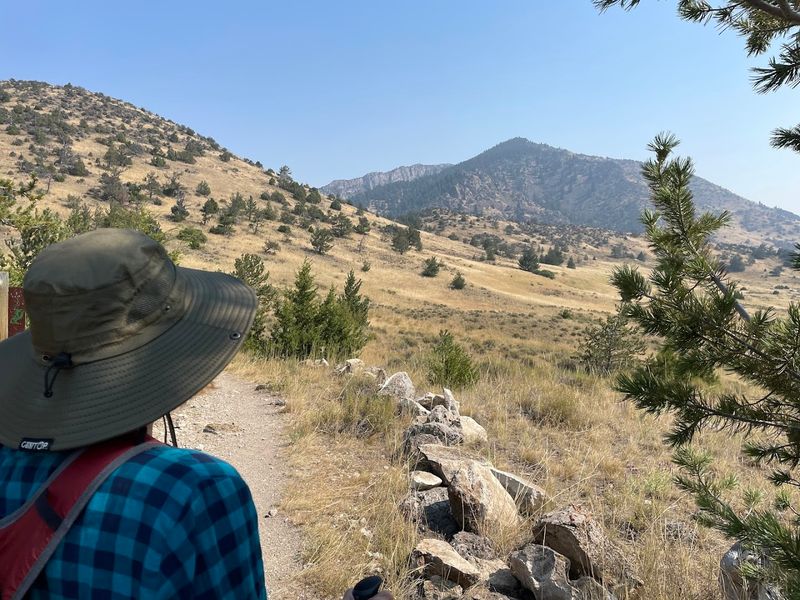
The cave tour is the headline act, but the park itself has plenty to offer above ground. Hiking and biking trails wind through the surrounding landscape, including the Greer Gulch Trail, which starts near the upper picnic area and rewards hikers with sweeping views of the region.
A historic site along the trail route comes with an interpretive sign that adds cultural context to the walk. The terrain is steep in sections, so sturdy footwear is recommended for anyone heading out on the longer routes.
Camping is available within the park, with options ranging from tent sites to cabin rentals. Spending a night here means waking up to Montana mornings that feel genuinely removed from the noise of everyday life.
Outdoor kennels are available for visitors traveling with dogs, keeping pets shaded and watered while their owners go underground. The park is open year-round, making it a viable destination beyond just the summer cave tour season for those who want to explore the trails in quieter conditions.
Candlelight Tours And Winter Magic
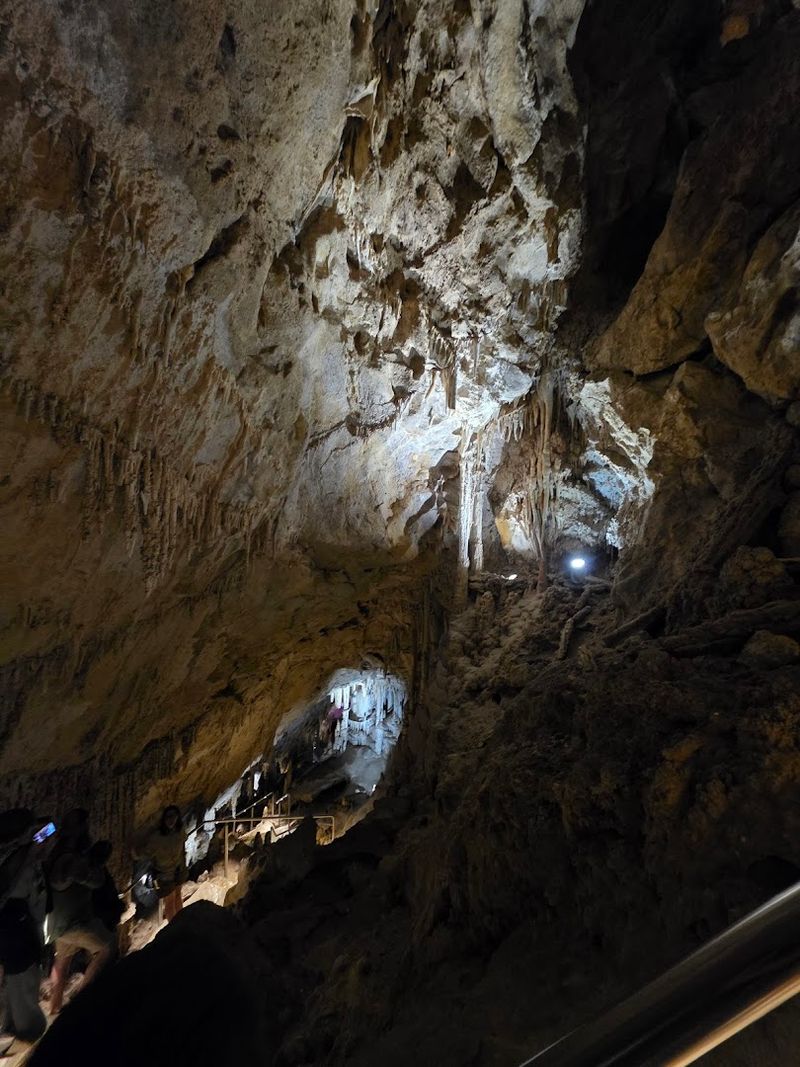
Most people think of Lewis & Clark Caverns as a summer destination, but December brings something genuinely special. Limited candlelight tours are offered in December on select dates around the holiday season, transforming the cave experience into something softer and more atmospheric than the standard guided visit.
Flickering candlelight plays off the cave walls and formations in ways that electric lighting simply cannot replicate. Shadows shift across stalactites and flowstone in a way that makes the cave feel alive and almost theatrical.
The contrast of cold Montana winter air outside and the cave’s consistent 50-degree interior becomes even more noticeable in December. Layering up is even more essential for winter visits than it is in summer.
These seasonal tours tend to book up quickly given their limited availability. Anyone interested in experiencing the caverns in a completely different light, literally, should plan ahead and secure spots well before the holiday season arrives.
It is the kind of outing that regular visitors return for specifically, even after multiple summer tours.
Planning Your Visit To Get The Most Out Of It
A little preparation goes a long way at this park. Cave tours run from May through September for regular season visits, and demand is high enough during peak summer months that tours can sell out.
Booking tickets in advance is strongly recommended rather than showing up and hoping for the best.
The full address is 25 Lewis & Clark Caverns Road, Whitehall, MT 59759, which sits within easy driving distance of several Montana highway routes. Arriving early gives visitors time to explore the visitor center, browse the cafe, and get oriented before their tour time.
Layers are essential regardless of the season. Closed-toe shoes with solid grip handle both the uphill trail and the cave stairs more safely than sandals or slip-ons.
Bags are not permitted on the Classic Tour, so keeping essentials minimal is smart. Camera use is generally allowed, and the formations are worth photographing.
The total experience, from the hike to the underground chambers to the views, makes this one of Montana’s most complete and rewarding day trips.