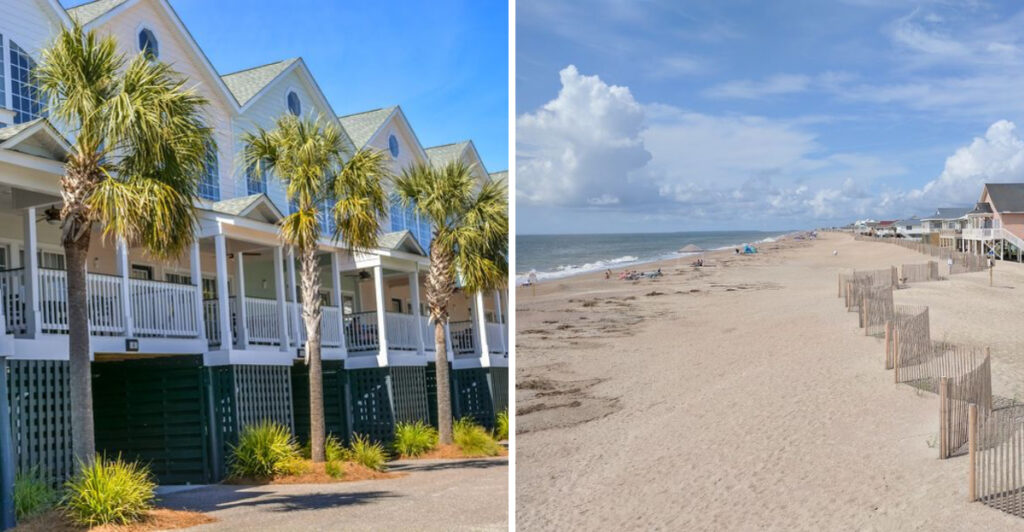
One road in, one road out, and the entire drive feels like the outside world slowly falling away behind you. South Carolina is hiding one of the East Coast’s most genuinely unspoiled beach towns, and the people who know it are in no hurry to share.
No chain restaurants, no hotels, no flashing signs competing for attention. Just 4.5 miles of uncrowded shoreline, wild salt marshes glowing gold in the afternoon light, dolphins working the tidal creeks, and a shelling beach that collectors talk about in reverent tones.
The history here runs deep, the community is fiercely protective of what it has, and every visit leaves people quietly planning the next one. South Carolina does not get more real than this.
One Road In, One Road Out
The drive itself is half the experience. SC Highway 174 cuts through a cathedral of ancient live oaks draped in Spanish moss, building anticipation with every mile.
There are no billboards hyping outlet malls or theme parks. The road narrows, the trees close in, and the outside world starts to feel genuinely far away.
That single access road is not just a geographical quirk. It is a filter.
The kind of traveler willing to follow one quiet highway to its end is exactly the kind of traveler this place was made for.
Located roughly an hour south of Charleston, South Carolina, Edisto Beach sits at the tip of Edisto Island, reachable only by that one scenic corridor. The isolation is deliberate in spirit, even if not by design.
Crowds thin out simply because the road discourages impulse visits. This is a destination you choose with intention, and that intention shapes the entire mood of the trip from the very first turn.
No Hotels, No Problem
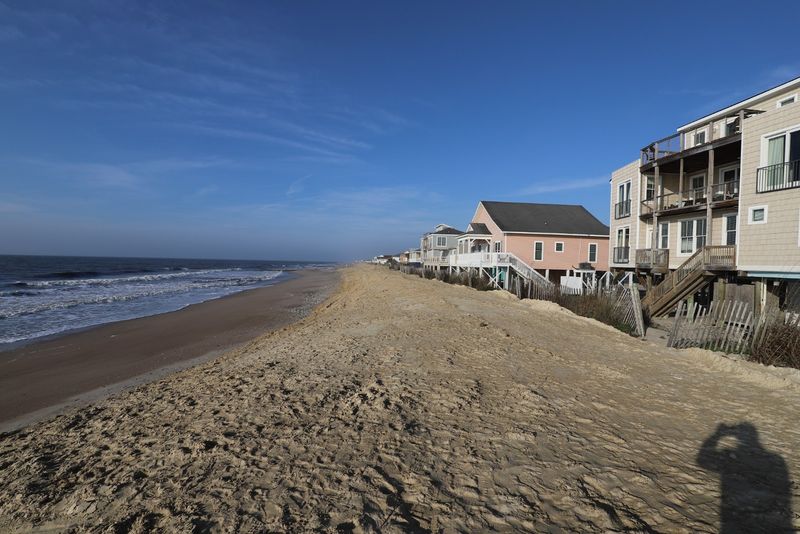
Forget booking a standard hotel room here, because there are none. Edisto Beach operates entirely on a rental home model, and that changes everything about how a visit feels.
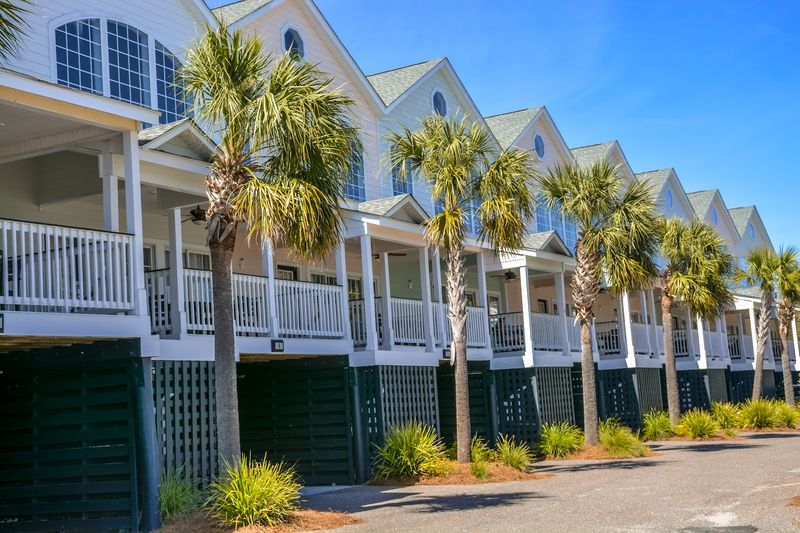
Instead of a lobby and a vending machine, guests get a front porch with rocking chairs. Instead of a continental breakfast, they get a kitchen stocked for a week of cooking together.
Rental homes range from modest beach cottages to larger family houses, most of them just steps from the shore. Edisto Beach State Park also offers campsites for those who want to sleep even closer to the salt air.
This setup naturally attracts families and small groups rather than weekend party crowds. South Carolina vacation culture here is rooted in togetherness, in sitting on the porch after sunset and actually talking.
The absence of hotels is not a limitation. It is the whole point.
This place was built for people who want to feel at home, not just checked in.
5 Miles Of Uncrowded Shoreline.
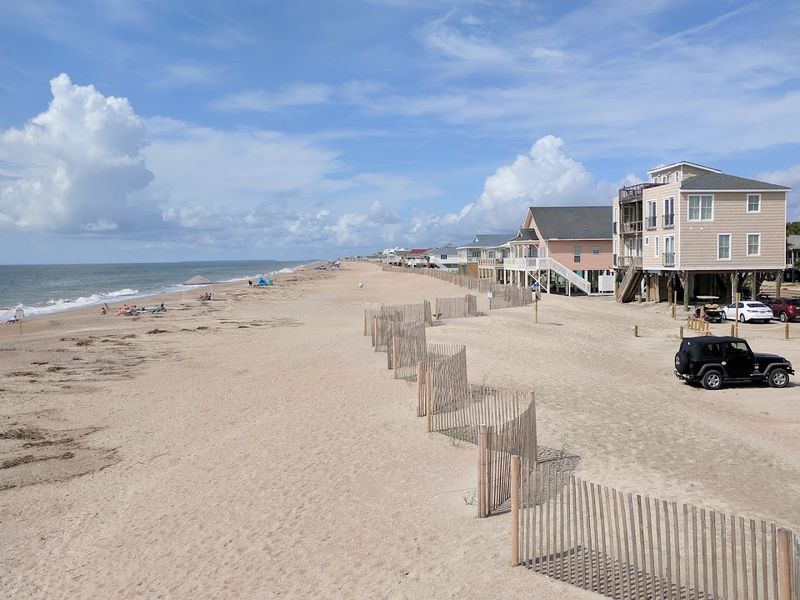
Picture a wide, clean beach where you can actually spread out a blanket without negotiating territory with strangers. That is the standard experience at Edisto Beach, not the exception.
The shoreline stretches for 4.5 miles, and on most days, the crowd density stays remarkably low. Natural dunes lined with sea oats run along the back of the beach, giving the whole scene a wild, untouched quality.
No beach chairs for rent. No vendors walking the sand.
The shore here belongs to the people standing on it, and to the pelicans cruising low over the waterline.
South Carolina has plenty of beautiful beaches, but very few where the natural dune system remains this intact. Development has been deliberately kept back, preserving both the visual appeal and the ecological health of the coastline.
Shelling is a favorite pastime here. The beach regularly gives up impressive finds, from large whelks to sand dollars, rewarding early risers who arrive before the tide shifts the inventory.
Boneyard Beach And Its Haunting Beauty
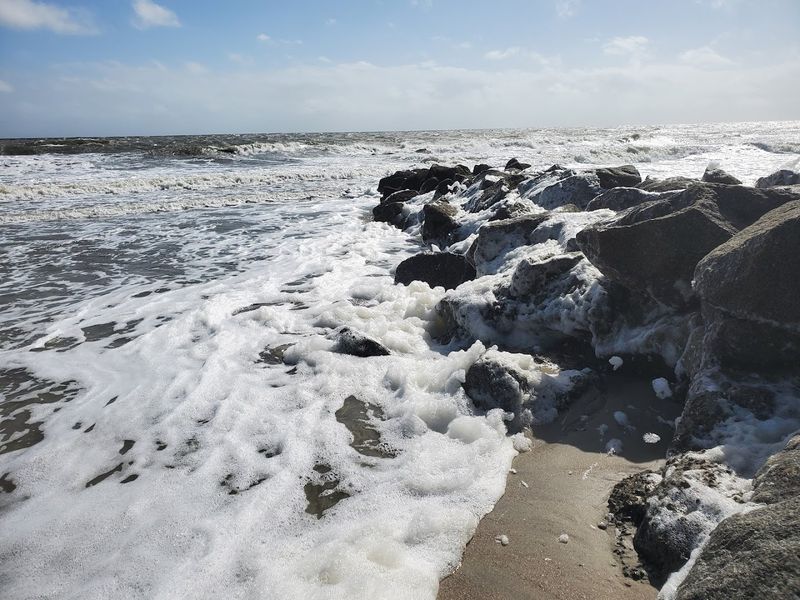
Some beaches are beautiful in the conventional sense. Boneyard Beach earns its reputation through something rawer and more dramatic.
Located within Botany Bay Plantation Heritage Preserve near Edisto Beach, this stretch of shoreline is defined by the skeletal remains of ancient trees. Rising tides have gradually claimed the land, leaving pale, bleached trunks scattered across dark sand like a natural sculpture garden.
The effect is genuinely striking. Photographers make special trips just for this scene, particularly at low tide when the exposed tree roots create otherworldly formations in the wet sand.
The preserve itself covers thousands of acres of South Carolina coastal habitat, including salt marshes, maritime forest, and freshwater ponds. Wildlife sightings here are common, with shorebirds, wading birds, and even loggerhead sea turtles using the area as habitat.
Access to Botany Bay is limited, which keeps the experience feeling exclusive without requiring any special credentials. Arriving early on a weekday almost guarantees a near-solitary encounter with one of the most visually arresting beaches on the entire East Coast.
Salt Marshes That Steal The Show
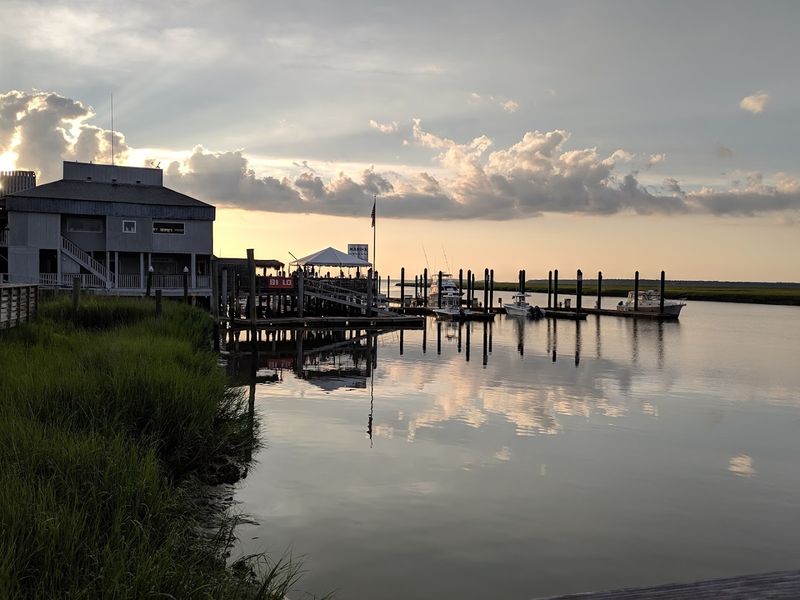
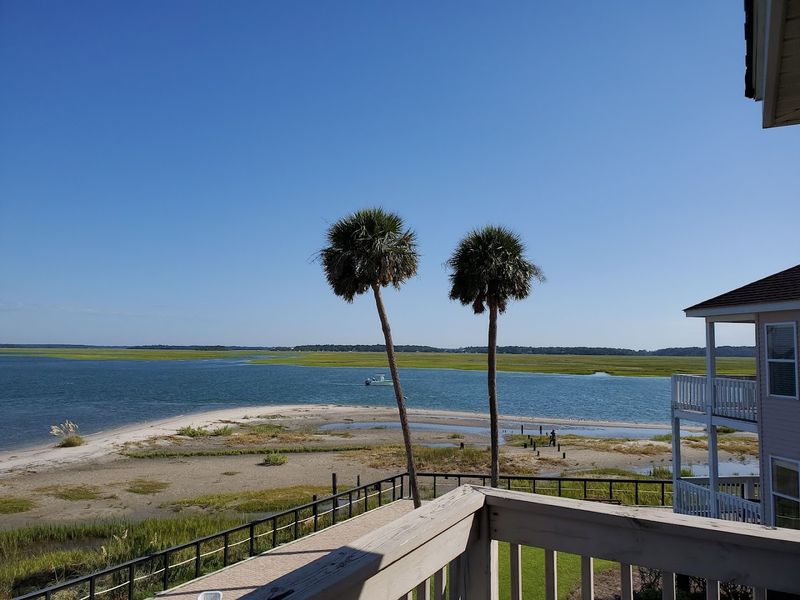
The beach gets most of the attention, but the salt marshes surrounding Edisto Island are where the real ecological magic happens. They stretch in every direction, glowing gold in the afternoon light.
Cordgrass dominates these tidal flats, swaying in the coastal breeze and turning shades of amber and copper as the seasons shift. Herons and egrets move through the shallows with unhurried precision, hunting in slow motion.
Kayaking and paddleboarding through these waterways offers a completely different perspective on the island. From water level, the marsh feels enormous and primordial, a landscape that predates every building on the shoreline by thousands of years.
Dolphin sightings in the tidal creeks are surprisingly common. These are not trained animals performing for crowds.
They are wild bottlenose dolphins working the channels for fish, sometimes passing within a few feet of a kayak.
South Carolina’s coastal ecosystems rarely look this intact this close to a populated area. The marshes around Edisto serve as a living buffer between the island and the broader world, and they do the job beautifully.
Edisto Beach State Park Is A Destination On Its Own
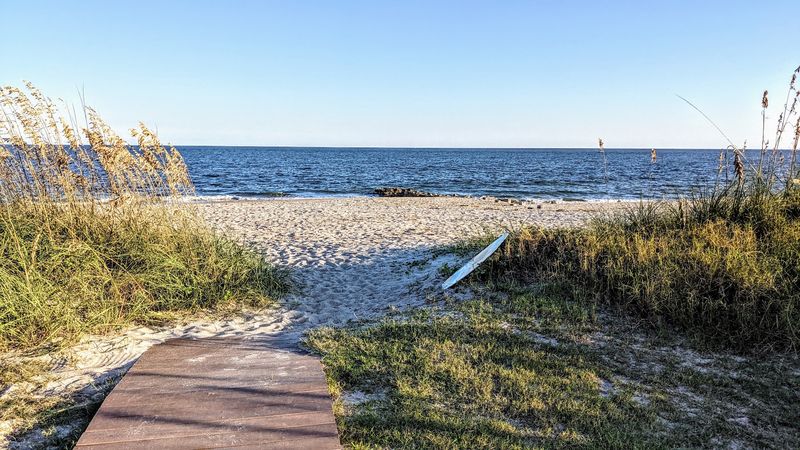
State parks often play second fiddle to the main attraction nearby. At Edisto Beach, the state park is very much a co-headliner.
Edisto Beach State Park spans over 1,200 acres and includes both oceanfront and maritime forest environments. The contrast between the two habitats within a single park is genuinely impressive.
Hiking trails wind beneath massive live oaks heavy with Spanish moss, passing through ecosystems that feel more like a nature documentary than a public recreation area. Birders in particular find this park exceptional, with a wide variety of species passing through during migration seasons.
The park also contains evidence of the Edisto people, the indigenous group who inhabited this island long before European contact. Shell midden sites within the park represent thousands of years of human history layered into the landscape.
Camping here means waking up to birdsong and salt air rather than traffic noise. The campground sits close enough to the beach to hear the waves at night, which is either a lullaby or a very effective alarm clock, depending on the person.
A Town That Refused To Sell Out
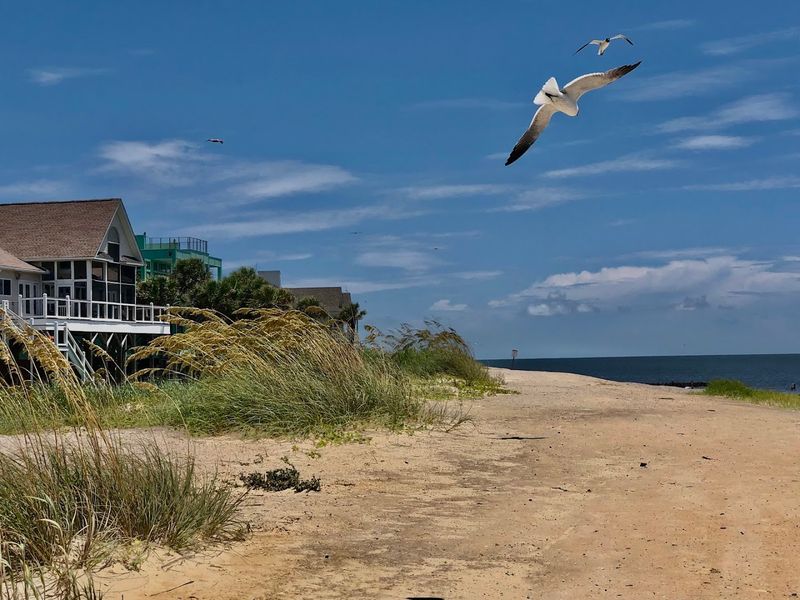
Commercial development typically creeps into coastal towns until the original character is unrecognizable. Edisto Beach has held the line with unusual stubbornness.
No chain restaurants operate here. No miniature golf courses compete for attention with flashing lights.
The souvenir shops that do exist are small and locally owned, selling things people actually want rather than mass-produced clutter.
The town of Edisto Beach in Colleton County, South Carolina, has made deliberate choices to stay small. Zoning and community values have combined to keep the commercial footprint minimal, which frustrates developers but delights everyone else.
Dining options lean heavily toward fresh seafood served without pretension. Shrimp pulled from local waters shows up on menus in simple preparations that let the ingredient speak for itself.
The lack of big-brand amenities is a feature, not a flaw. Visitors who arrive expecting a typical resort town leave slightly surprised.
Those who arrive knowing exactly what kind of place this is leave wanting to come back every single year, and many of them do.
The Shelling Scene Is Seriously Impressive
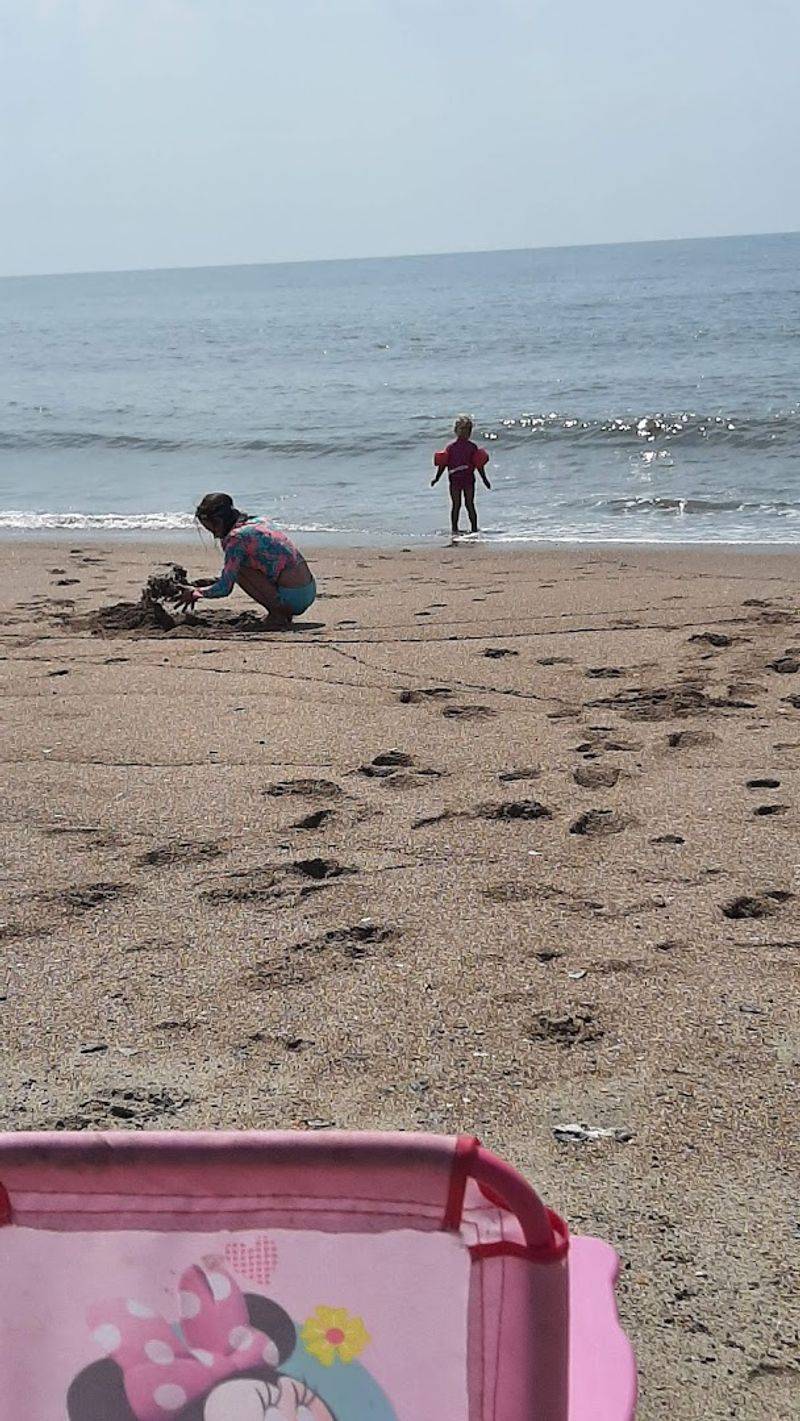
Shell collectors talk about Edisto Beach the way coffee enthusiasts talk about a perfect cup. The reputation is earned and the enthusiasm is contagious.
The combination of tidal patterns, underwater topography, and relatively low foot traffic means shells here arrive intact more often than on heavily visited beaches. Lightning whelks, olive shells, and sand dollars are among the regulars washing ashore.
Timing matters. Low tide in the early morning is the sweet spot, before the sun gets high and before other beachgoers have combed the freshest deposits.
A bucket fills up faster than expected.
The shelling culture here has a casual, sharing quality to it. Strangers compare finds, point out unusual specimens to each other, and offer tips about which stretches of beach have been productive lately.
Children take to it immediately. There is something deeply satisfying about scanning the sand for treasure, and Edisto Beach delivers enough variety to keep even experienced collectors engaged.
It turns a simple beach walk into a genuine small adventure worth repeating on every visit.
Wildlife Encounters Around Every Bend
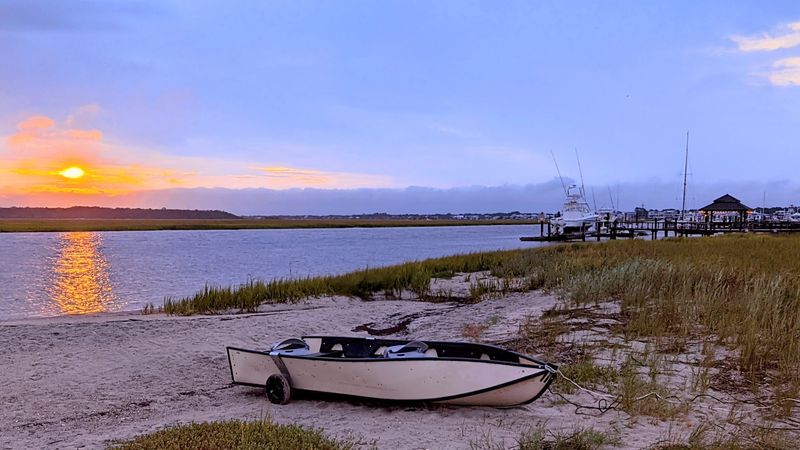
The wildlife density around Edisto Beach catches first-time visitors off guard. This is not a place where you occasionally spot a bird.
This is a place where nature is actively happening all around you.
Bottlenose dolphins cruise the tidal creeks with regularity, often visible from kayaks, paddleboards, or even the shore. Loggerhead sea turtles nest on the beach during warmer months, and the local community takes nest protection seriously.
Bird life is exceptional year-round. Brown pelicans skim the wave faces.
Painted buntings, among the most colorful birds in North America, visit the area seasonally and reliably stop hearts when they appear at feeders near rental homes.
White-tailed deer move through the maritime forest at dawn and dusk, often crossing roads with complete indifference to onlookers. Alligators inhabit the freshwater areas within the state park, adding a distinctly South Carolina edge to the wildlife lineup.
This level of biodiversity this close to a residential beach community is rare. Edisto has managed to remain a functional wildlife corridor while also being a place where families vacation, and that balance is something genuinely worth protecting.
The History Runs Deeper Than The Sand
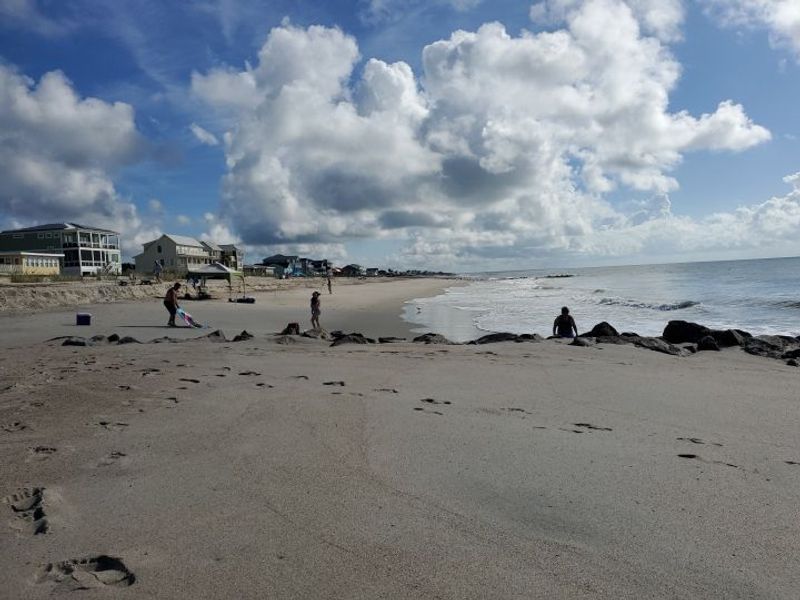
Long before vacation rental signs appeared along the shoreline, Edisto Island had a complex and layered human story. The evidence is literally underfoot in places.
The Edisto people, for whom the island is named, inhabited this land for thousands of years. Shell middens within Edisto Beach State Park represent the accumulated remains of countless generations of coastal living, preserved in the landscape like slow-motion biography.
European contact brought dramatic changes. The island became plantation territory in the colonial era, and Edisto Island developed one of the most significant Sea Island cotton industries in the American South.
That agricultural history has left marks on the landscape and the culture that are still visible today.
The Gullah Geechee culture, rooted in the traditions of enslaved Africans and their descendants, has deep connections to this part of South Carolina. Elements of that heritage persist in local traditions, language, and food culture along the Sea Islands.
Understanding this history adds weight to a visit. The beach is beautiful on its surface, but the layers underneath make it genuinely meaningful, a place where the past has not been paved over or prettified away.
Best Times To Visit And What To Expect
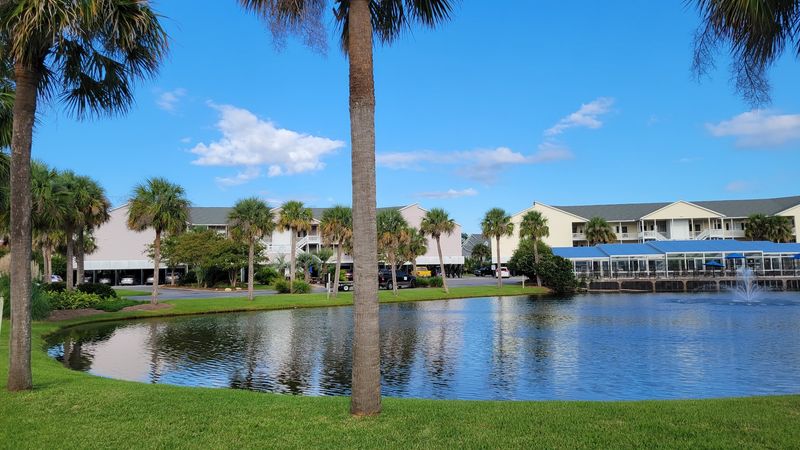
Timing a trip to Edisto Beach involves a few trade-offs worth understanding before booking. Each season has its own personality here.
Late spring and early fall tend to hit the sweet spot. Temperatures are warm enough for the beach but not punishing, and the summer crowds have either not yet arrived or have already headed home.
The shoulder seasons also bring better availability on rental homes.
Summer is peak season, particularly July and August when South Carolina families fill the island with multi-generational groups. The beach remains less crowded than comparable destinations, but rental prices climb and availability tightens well in advance.
Winter brings a different kind of appeal. The island empties out considerably, and the quiet that descends is almost meditative.
Shelling improves dramatically in winter months because fewer people are competing for what the tides deliver.
Hurricane season runs roughly from June through November, and coastal South Carolina can see significant weather during that window. Checking forecasts and having flexible plans is simply part of visiting any barrier island responsibly, and Edisto is no exception.
Why Locals Keep Coming Back Year After Year
Some places earn loyalty through spectacle. Edisto Beach earns it through something quieter and harder to manufacture: genuine consistency.
Families who first visited as children now bring their own children, repeating the same rituals in the same rental houses on the same stretch of shore. That generational continuity is not an accident.
It is the natural result of a place that has not changed its character to chase trends.
The community itself is part of the draw. Full-time residents number just over 1,000, and the close-knit atmosphere is palpable.
Locals recognize returning visitors, shopkeepers remember preferences, and the overall vibe is one of genuine welcome rather than transactional hospitality.
No headline attraction anchors the experience. No theme park, no famous restaurant, no viral landmark pulls people in.
What keeps them coming back is the sum of small things: the sound of the marsh at dusk, the weight of a perfect whelk in the hand, the particular quality of light on the water at low tide.
outh Carolina has plenty of beautiful coastline, but Edisto Beach offers something increasingly rare on the East Coast.