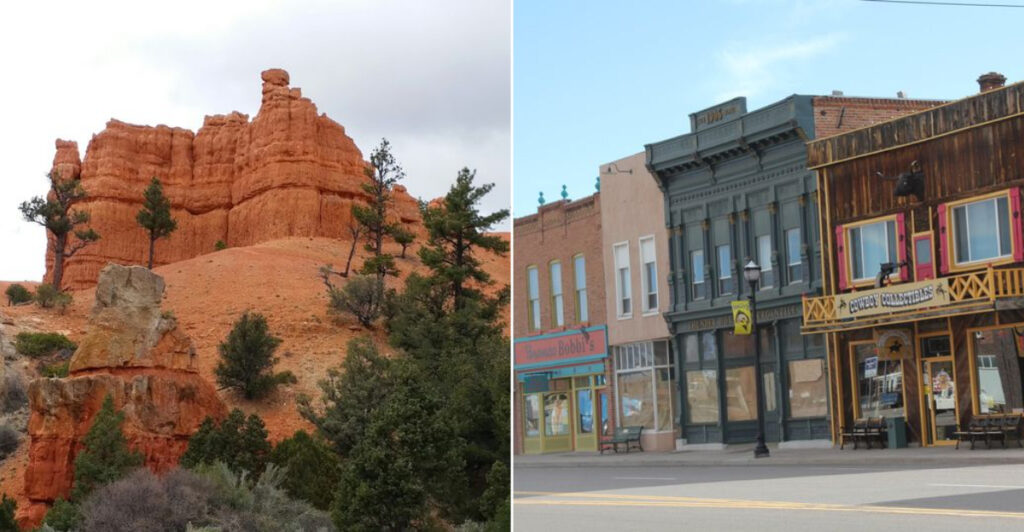
Crowded resorts promise escape, but sometimes the real reset is a small high-desert town where the quiet actually means something. In southern Utah, this peaceful community offers the kind of breathing room that makes overplanned vacations look wildly overrated.
Sitting high enough for crisp air and close enough to year-round trout waters to keep anglers interested, it blends mountain freshness with desert openness in a way that feels instantly restorative. The name’s connection to Big Fish gives the place even more character, but the real appeal is simpler: space, stillness, pine-scented air, and a pace that never seems interested in rushing you along.
This is where mornings feel unforced and evenings arrive without noise competing for your attention. For travelers tired of crowds and polished-up getaways, Utah’s quieter high country offers a reminder that the best trips sometimes ask for very little and give back plenty.
A Town That Earns Its Calm Without Trying
Some towns advertise their charm on billboards. This Utah town does not bother.
Sitting at nearly 6,600 feet above sea level in Garfield County, it is the kind of place that earns your affection quietly, the way a good book does, without fanfare or a loyalty program.
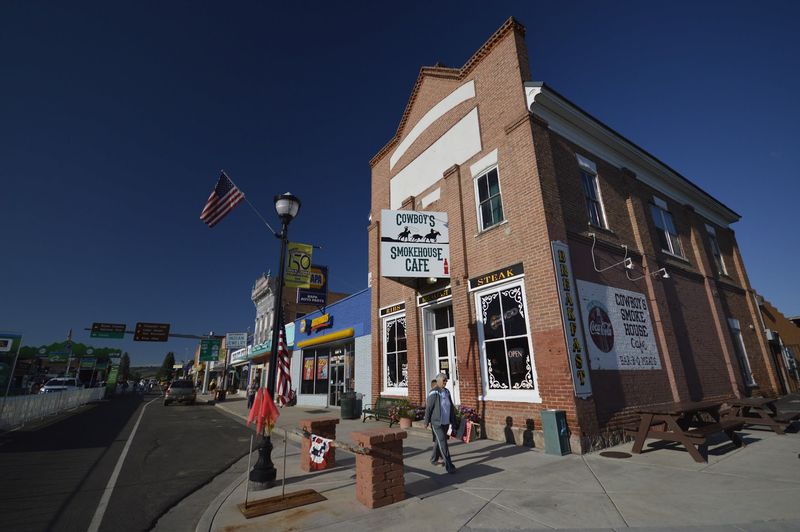
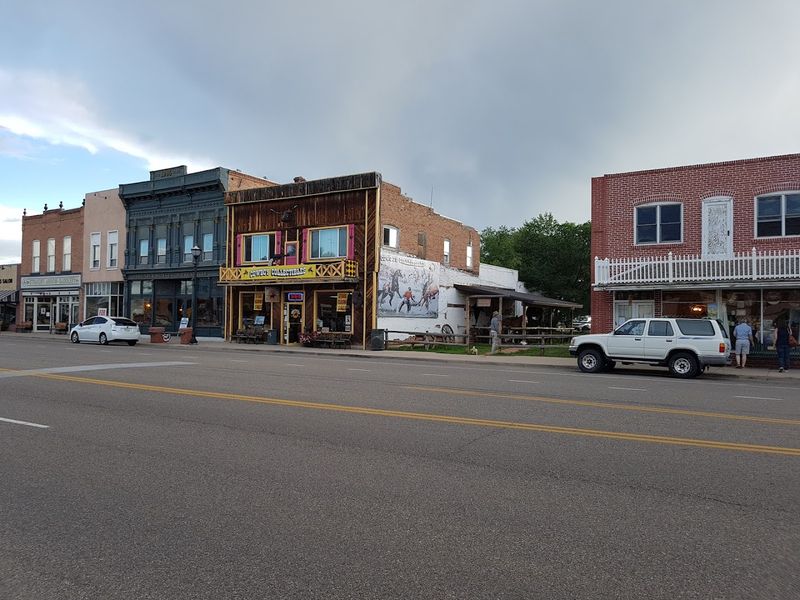
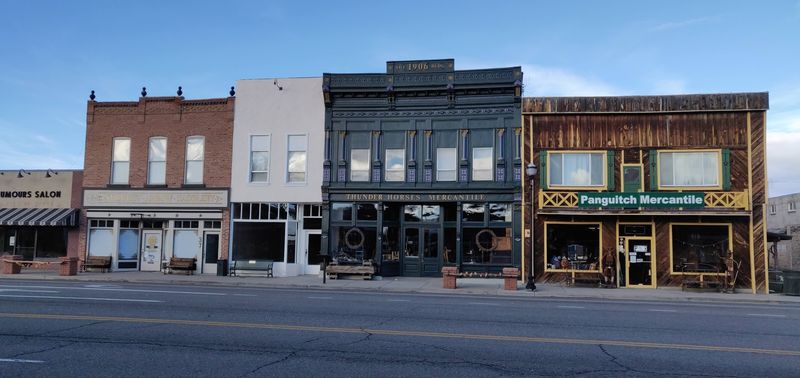
The town itself is compact and walkable, anchored by a Main Street lined with historic brick buildings that have seen more than a century of high-desert seasons. There are no theme parks here, no rooftop bars, and nobody handing you a laminated map of must-see attractions.
What you get instead is genuine small-town rhythm, the kind where locals wave at cars they do not recognize, just in case.
Quick Tip: this place sits along U.S. Route 89, making it a natural and low-effort stop on any southern Utah road trip itinerary.
The population of roughly 1,700 keeps things refreshingly uncluttered. Crowds are not really part of the vocabulary here.
If you have ever arrived somewhere and immediately wished fewer people had heard of it, it delivers that feeling without requiring you to hike three miles off-trail to earn it.
Best For: Road trippers, weekend escapists, and anyone who needs a reset without the noise.
The Name Itself Tells You Something Important
The word Panguitch comes from the Southern Paiute language and translates roughly to Big Fish. That is not a marketing slogan someone invented in a conference room.
It is a name earned honestly, rooted in the fact that the lakes surrounding this area have been stocked with rainbow trout for as long as anyone can usefully remember.
Rainbow trout thrive in these waters year-round, which means fishing here is not a seasonal novelty. Whether you show up in July with a sun hat or in January with questionable footwear choices, the fish are present and largely indifferent to your scheduling conflicts.
Fun Fact: Panguitch Lake, located just outside of town, sits at over 8,400 feet in elevation, making it one of Utah’s higher-altitude fisheries and a favorite among serious anglers.
There is something grounding about a town whose name is tied to a natural resource rather than a founder’s ego or a railroad stop. It signals that the land here came first, and the town grew up around it with appropriate respect.
That relationship between place and nature is still visible today, and it shapes the unhurried, outdoors-forward personality of the community.
Best For: Anglers, nature lovers, and curious travelers who appreciate a place with a real origin story.
Elevation Does Something Useful To Your Lungs
At nearly 6,600 feet above sea level, the air in Panguitch operates differently than what most visitors are used to. It is thinner, yes, but also noticeably cleaner.
There are no industrial corridors nearby, no gridlocked freeways pumping exhaust into the atmosphere, and no urban haze softening the edges of the horizon.
What you get instead is the kind of air that makes the first deep breath feel almost theatrical. You take it in, pause, and think, oh, so this is what outside is supposed to smell like.
Visitors who spend a lot of time in cities often report that the first night in Panguitch is the best sleep they have had in months, though no one can say for certain whether to credit the altitude, the silence, or the complete absence of notification sounds.
Why It Matters: High-elevation destinations have been shown to encourage slower travel behavior, meaning people naturally walk more and rush less, which is basically the whole point of coming here.
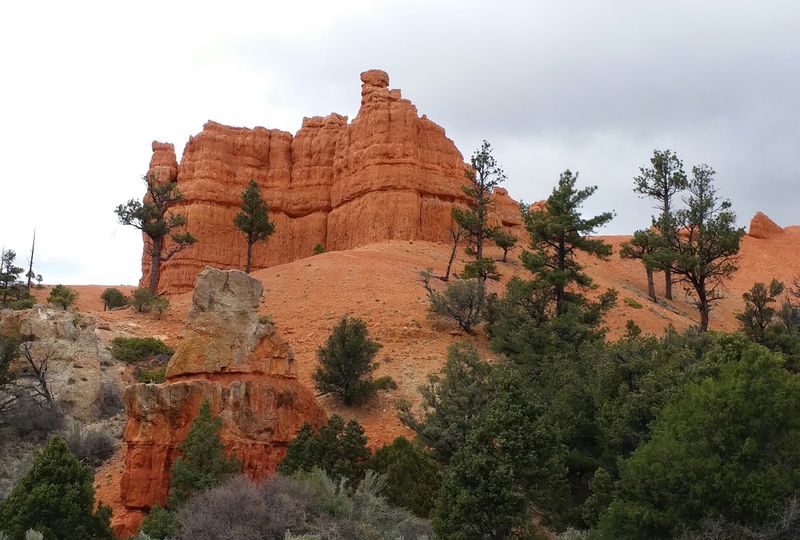
The surrounding terrain reinforces the effect. Red rock formations sit in the distance, pine-covered ridges frame the sky, and the light at dusk turns the whole landscape into something that looks like it was staged but absolutely was not.
Insider Tip: Drink extra water your first day. The elevation is real, and hydration makes the whole experience considerably more enjoyable.
Garfield County’s Seat Holds Its Own Kind Of Weight
Being the county seat of Garfield County is not a ceremonial title in Panguitch. It means the town functions as a real civic hub for a very large and very rural stretch of southern Utah.
Garfield County covers over 5,000 square miles, making it one of the largest counties in the state, and Panguitch sits at its center with the quiet authority of a town that knows its own importance without broadcasting it.
The historic architecture along Main Street reflects that long-standing role. Brick buildings constructed in the late 1800s still stand in active use, which is the kind of detail that rewards the visitor who actually slows down enough to look up from their phone while walking.
Planning Advice: If you are building a southern Utah itinerary, Panguitch works exceptionally well as a base camp given its central location relative to Bryce Canyon National Park and the surrounding region.
There is a particular satisfaction in visiting a place that has been continuously inhabited and functional for well over a century and still does not feel like a museum. Panguitch is lived-in, purposeful, and genuinely occupied by people who chose to stay.
That is rarer than it sounds in an era when small towns often hollow out or reinvent themselves beyond recognition.
Best For: History-minded travelers and those who prefer towns with actual community infrastructure rather than purely tourist-facing economies.
How Families, Couples, And Solo Travelers All Land Softly Here
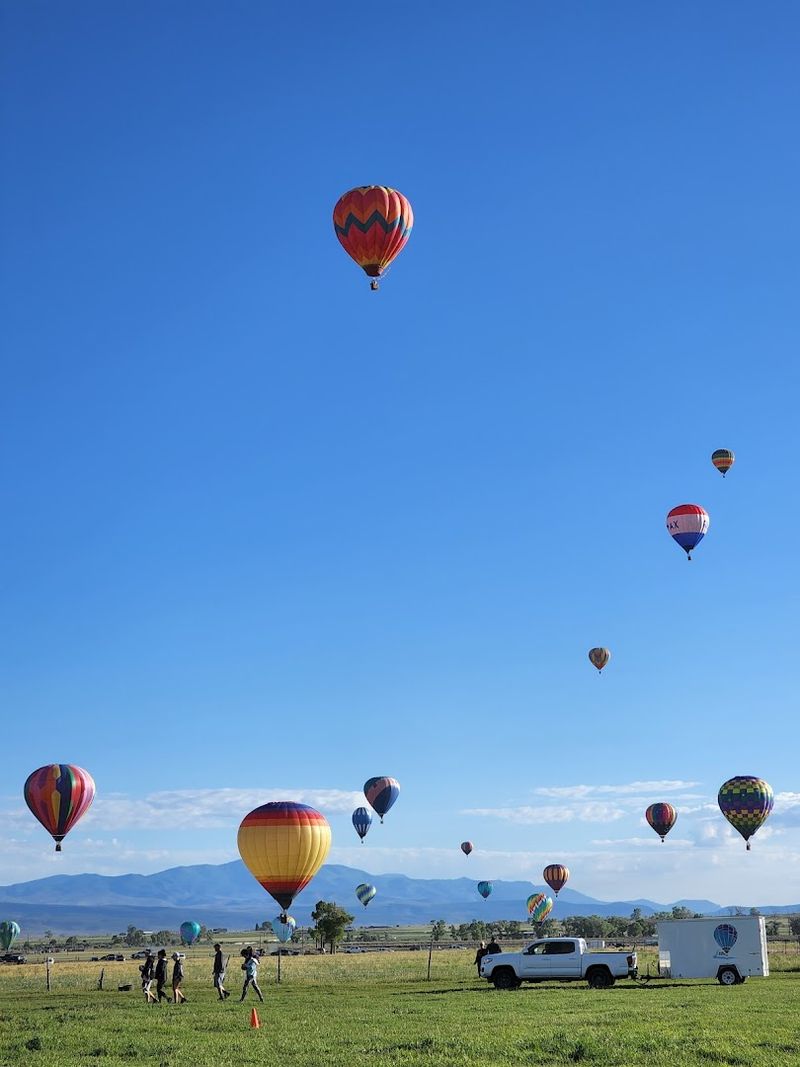
One of Panguitch’s more underrated qualities is that it does not cater exclusively to one type of visitor. Families with kids find the low-traffic streets and outdoor access genuinely freeing.
Couples discover that a town with no agenda is surprisingly romantic once you stop waiting for something to happen and start noticing what is already there.
Solo travelers, meanwhile, tend to appreciate the anonymity that small towns paradoxically offer. Nobody is watching you eat lunch alone at a local diner.
Nobody is rushing you out the door. The pace of the place simply accommodates whoever shows up, which is a form of hospitality that does not require a concierge.
Who This Is For: Visitors who want outdoor access, genuine quiet, and a town that feels real rather than curated for tourism purposes.
Who This Is Not For: Travelers who need a packed entertainment schedule, nightlife options, or a resort-style experience to feel like the trip was worth it.
The surrounding landscape provides natural structure for any group dynamic. Fishing at Panguitch Lake works for families and solo anglers equally.
A slow drive through the surrounding high desert asks nothing of you except your attention, which is the lowest possible bar and somehow one of the most rewarding experiences the area offers.
Common Mistakes to Avoid: Do not over-schedule your time here. The value is in the decompression, not the itinerary density.
Making It A Mini Plan Without Overcomplicating It
You do not need a spreadsheet to visit Panguitch. That is genuinely part of its appeal.
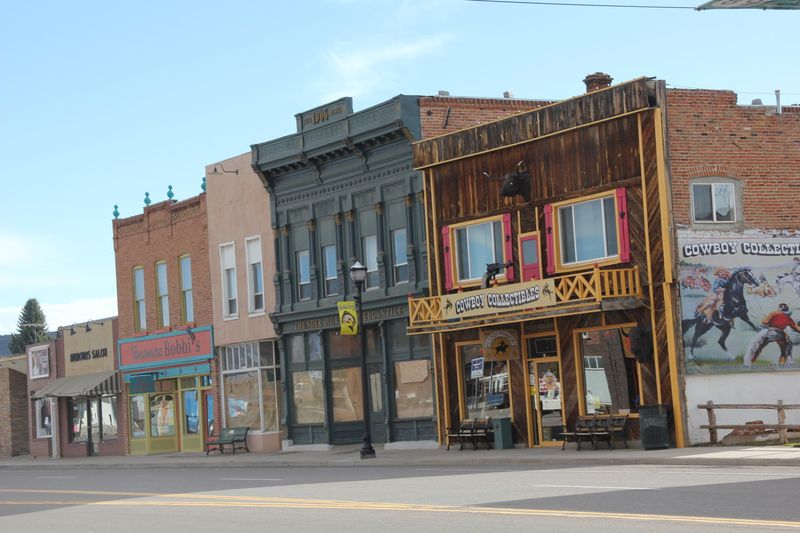
A reasonable approach is to arrive, find your footing on Main Street, and let the next few hours sort themselves out naturally. The town is small enough that you will not get lost, and the surrounding area is interesting enough that you will not run out of things to look at.
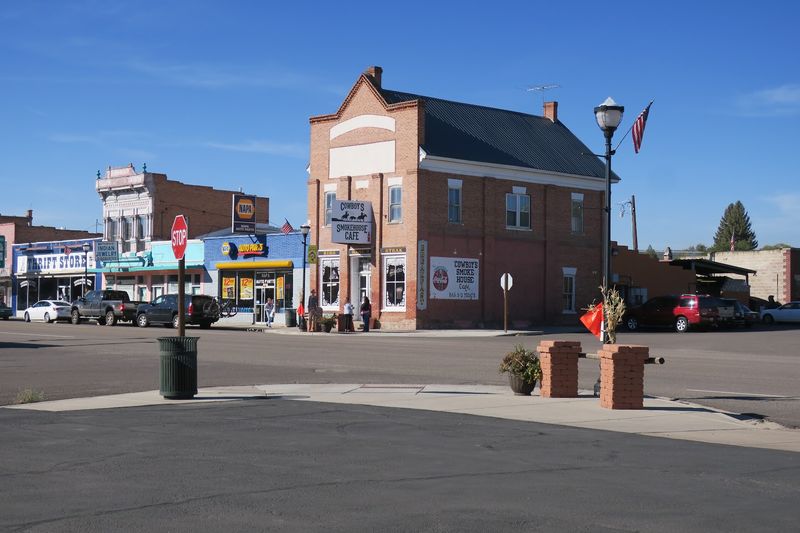
A short stroll down the main drag is the kind of activity that sounds modest but consistently delivers. The brick storefronts, the quiet intersections, and the occasional local who nods at you like you belong there all add up to something that feels more like an experience than a checklist item.
Quick Verdict: Panguitch works beautifully as a pre-park stop before heading into the Bryce Canyon corridor, or as a standalone overnight that resets your nervous system after a long drive.
If you want a slightly longer outing, the drive toward Panguitch Lake takes you through scenery that justifies stopping the car at least twice for no reason other than the view. Keep the plan loose.
The best version of a Panguitch visit is one where you arrived with low expectations and left with a story you did not anticipate having.
Best Strategy: Build in at least one unscheduled hour. That is where the actual trip tends to happen.
The Kind Of Place A Friend Texts You About With Unusual Confidence
There is a specific kind of travel recommendation that carries more weight than any algorithm-generated list. It comes from someone you trust, delivered casually, with the tone of someone who is slightly annoyed you have not been there yet.
Panguitch is that kind of recommendation.
It is not flashy. It does not trend.
It does not have a signature dish that went viral or a mural that everyone photographs from the same angle. What it has is consistency, the reliable, unpretentious quality of a place that has been quietly excellent for a very long time and has no particular interest in changing that.
Quick Verdict: If your travel philosophy includes the phrase I just needed to breathe for a minute, Panguitch is your answer, and it will not require you to explain yourself to anyone.
The town sits in Utah 84759, reachable via U.S. Route 89, and more information is available at panguitch.org for anyone who wants the practical details before committing.
But honestly, the commitment is low. The return is high.
And the air at nearly 6,600 feet above sea level will do the rest of the convincing on its own.
Insider Tip: Tell one person about it after you go. That is exactly how Panguitch has maintained its character for over a century, and it deserves to stay that way.