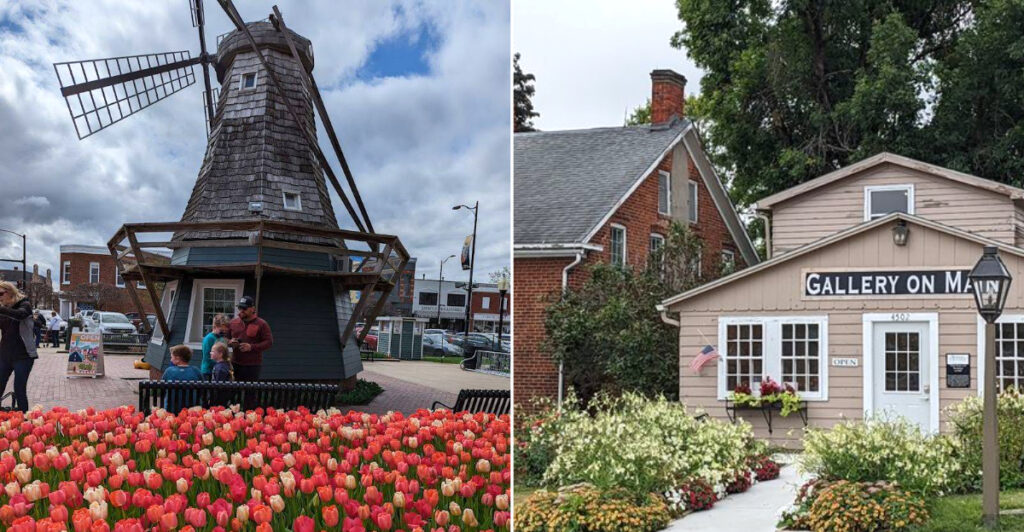
Iowa still has towns where time feels like it took the scenic route and never quite hurried back. You notice it in the old storefronts first.
Then, in the quiet streets, the river bends, the courthouse squares, and the way a simple walk can start feeling like a small history lesson with better lighting.
These are not frozen museum pieces, and that is what makes them work. People still live here, shop here, wave from porches, open bakeries, run local stores, and keep the old buildings useful instead of just pretty.
The 12 Iowa towns below carry that another-era charm without trying too hard.
Take the backroads, slow down when the brick buildings appear, and let the state remind you that old-fashioned does not have to mean sleepy.
1. Amana
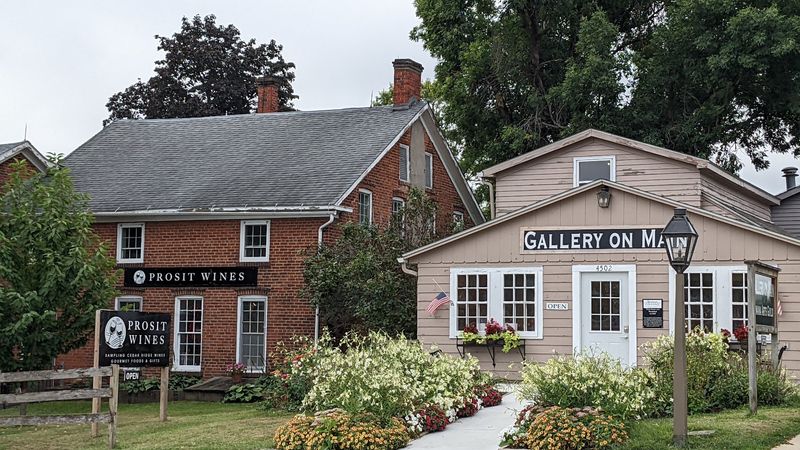
The Amana Colonies are not your average small-town stop.
This cluster of seven villages in east-central Iowa was founded in the 1850s by German religious immigrants who built an entire communal society from scratch, and the legacy they left behind is remarkable.
Today, Amana feels like a living museum that also sells incredible smoked meats and handcrafted furniture. The stone and brick buildings that line the main street have barely changed since they were first constructed, giving every corner a deeply rooted, old-world atmosphere.
Visitors can tour woolen mills, watch craftsmen at work, and browse shops full of locally made goods that reflect generations of skilled tradition.
The Amana Heritage Museum is a great starting point for understanding how this unique community operated for nearly 80 years before its communal way of life changed in 1932.
Spring and fall are particularly beautiful here, when the surrounding farmland turns into a patchwork of color. Amana rewards slow walkers and curious minds who want more than just a quick photo stop.
2. Pella
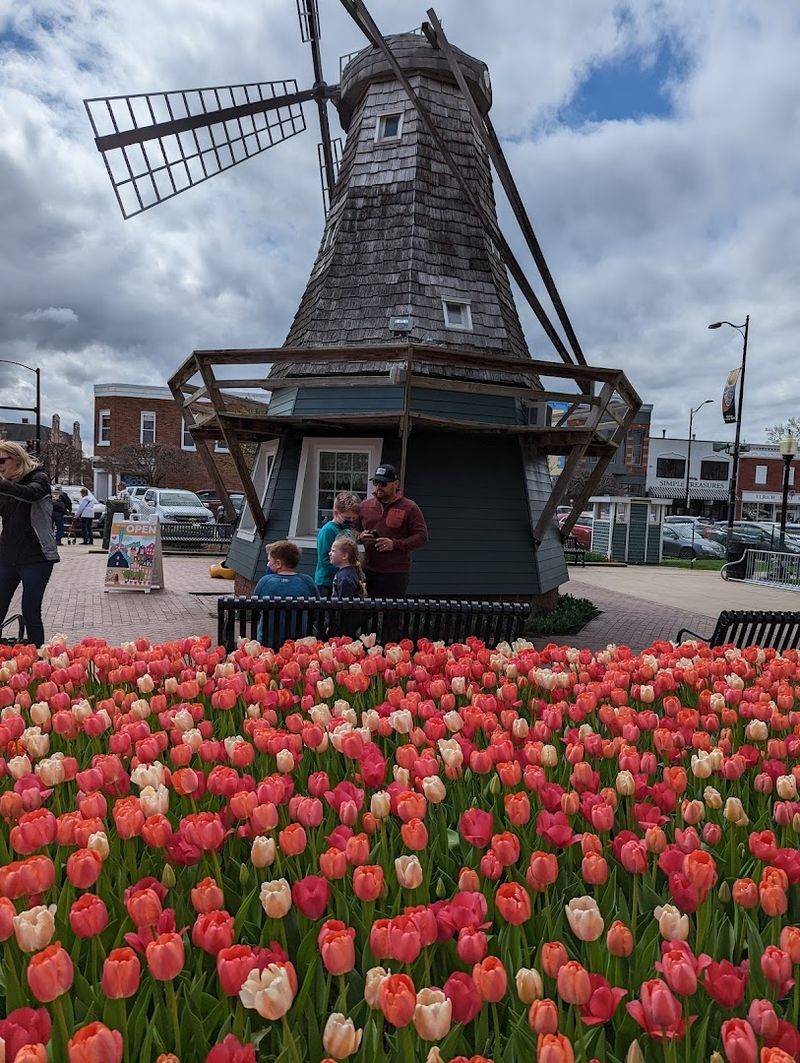
Every May, this central Iowa town transforms into something straight out of the Netherlands, and it earns every bit of that comparison.
Pella was founded in 1847 by Dutch immigrants fleeing religious persecution, and the town has kept that heritage alive with a passion that is genuinely infectious.
The Vermeer Mill, a fully functional Dutch windmill standing over five stories tall, is one of the most photographed landmarks in all of Iowa.
During the annual Tulip Time Festival, over 100,000 tulips bloom across the town, and thousands of visitors arrive to watch traditional Dutch folk dancers perform in wooden shoes on the brick streets.
Outside of festival season, Pella still charms with its immaculate Molengracht Plaza, a canal-side shopping area designed to evoke an old Dutch market town.
The Pella Historical Village offers a fascinating walk through relocated historic buildings that tell the full story of the founders.
Pella proves that a small town can carry enormous cultural pride, and that pride shows in every flower bed and freshly painted shutter.
3. Bentonsport
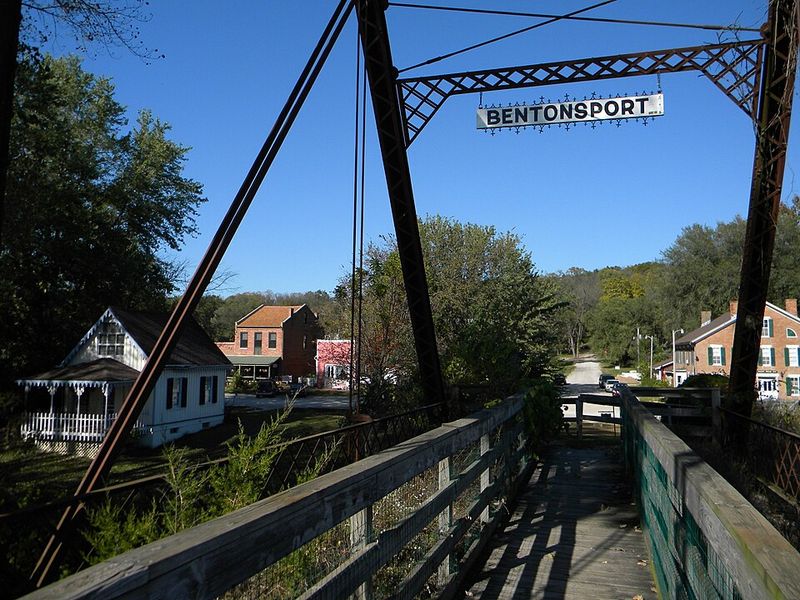
Few places in Iowa feel as genuinely frozen in time as Bentonsport, a tiny National Historic District tucked along the Des Moines River in the southeastern corner of the state.
With a population of around 40 people, this is one of Iowa’s smallest and most atmospheric stops.
The village was a busy river port in the 1840s and 1850s, and many of the original stone and brick buildings from that era are still standing today.
A historic iron bridge connects the two sides of town, and it remains one of the most photogenic spots in the entire region.
Artists and craftspeople have quietly settled here over the decades, drawn by the peaceful setting and the creative energy of a place that refuses to disappear. Several studios and shops occupy the old storefronts, offering handmade pottery, paintings, and jewelry.
The surrounding area is perfect for canoe trips and quiet walks along the Des Moines River. Bentonsport is the kind of place that feels like a well-kept secret, and visiting it feels like a genuine discovery.
4. Bonaparte
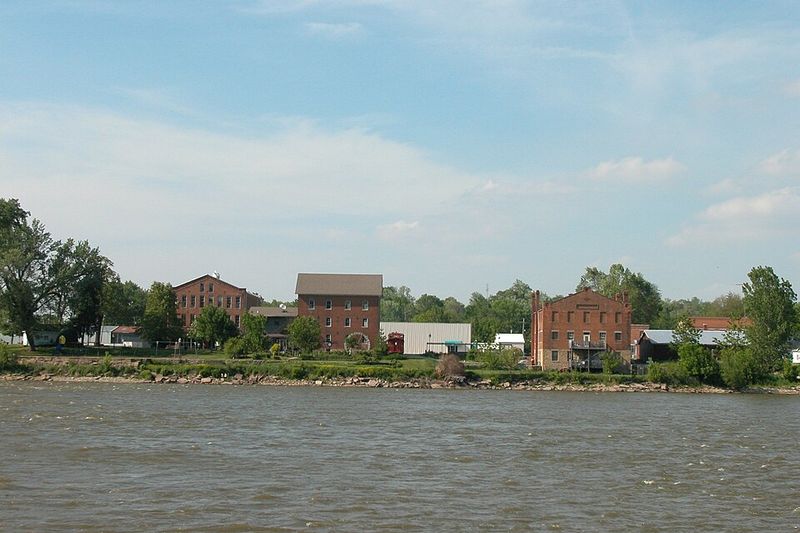
Named after Napoleon Bonaparte, this small southeastern Iowa town carries a surprisingly grand name for a place with such a quiet, unhurried personality.
Bonaparte sits along the Des Moines River and has one of the most photogenic mill buildings in the entire Midwest.
The Bonaparte Pottery and the historic Bonaparte Mill are the town’s most recognized landmarks, and both sit right along the water in a setting that practically begs you to stop and take a long look.
The mill building dates back to the 1800s and has been lovingly preserved as a community anchor.
Walking Bonaparte’s compact main street feels like flipping through the pages of a 19th-century town directory. The brick storefronts, the old bank building, and the quiet residential streets all carry the same unhurried, well-worn dignity.
Visitors often combine Bonaparte with nearby Bentonsport for a full day of river town exploration.
The area along the Des Moines River is scenic in every season, but fall brings an especially warm and golden glow to the whole valley that makes every photograph feel effortless.
5. Elkader
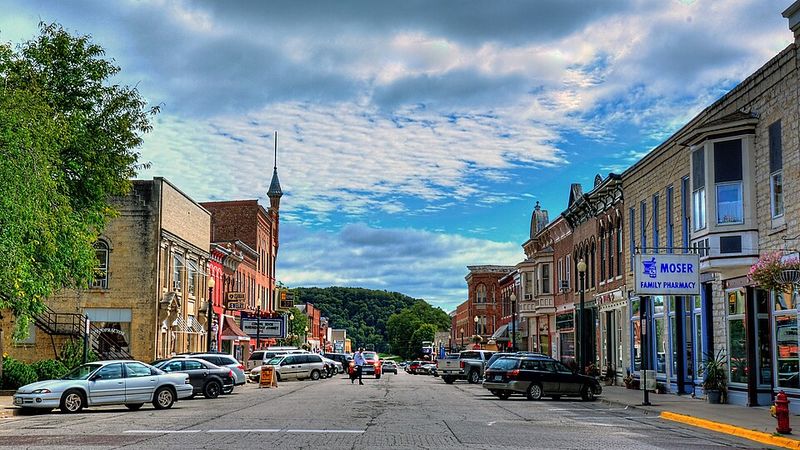
Elkader holds a distinction that surprises almost every first-time visitor: it was named after Abd al-Qadir al-Jaza’iri, an Algerian resistance leader who impressed the town’s founders back in the 1840s.
That kind of bold, unexpected history sets the tone for everything Elkader has to offer.
Nestled in the bluffs of the Turkey River valley in northeastern Iowa, this town is surrounded by some of the most dramatic natural scenery in the state.
The Keystone Bridge, a massive limestone arch spanning the Turkey River, is one of the most striking pieces of historic infrastructure you will find anywhere in Iowa.
The town itself is compact and walkable, with well-preserved 19th-century commercial buildings lining its main street.
The Motor Mill Historic Site, located a short drive away, features an enormous six-story limestone mill complex dating from the late 1860s and is considered one of the finest examples of its kind in the region.
Outdoor lovers will appreciate the nearby Osborne Nature Center and the miles of hiking trails winding through the surrounding bluffs.
6. McGregor
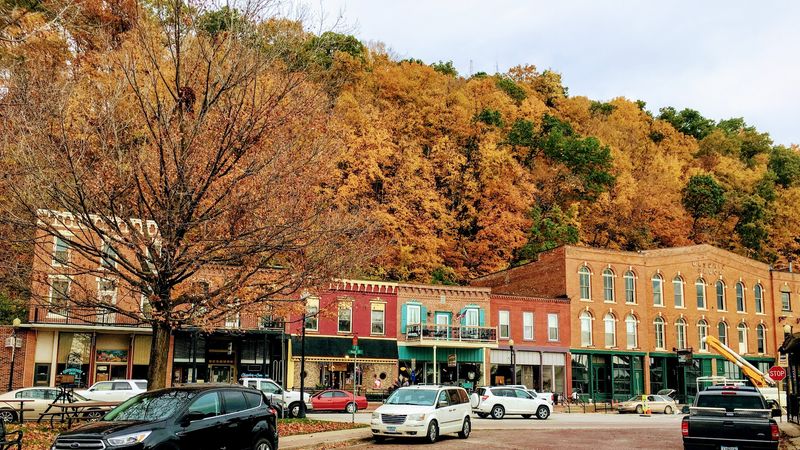
Perched right on the banks of the Mississippi River in northeastern Iowa, McGregor is the kind of town where the scenery does half the talking for you.
The bluffs rising above the river create a dramatic backdrop that makes even a simple walk down Main Street feel cinematic.
McGregor was a thriving river port in the mid-1800s, and that prosperous past left behind a stunning collection of well-preserved Victorian commercial buildings.
The main street is listed on the National Register of Historic Places, and it is easy to see why once you start noticing the ornate facades and original storefronts.
Pikes Peak State Park, located just south of town, offers some of the highest bluffs along the entire Mississippi River and provides jaw-dropping views that stretch for miles on a clear day. The overlooks are particularly spectacular during fall foliage season.
McGregor is also a popular base for exploring Effigy Mounds National Monument, where more than 200 prehistoric American Indian mounds, including animal-shaped effigy mounds, are preserved along the river bluffs.
History and nature are woven tightly together here in the most rewarding way.
7. Decorah
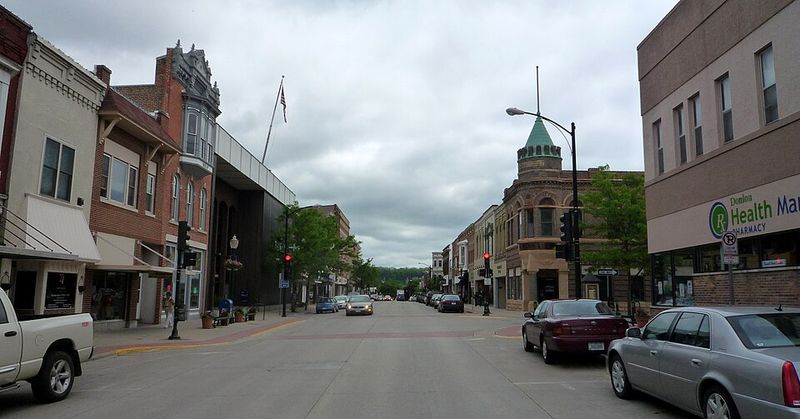
Tucked into the limestone bluff country of far northeastern Iowa, Decorah has built a reputation as one of the most culturally rich small towns in the entire Midwest.
It is a major center of Norwegian-American heritage, and that identity is worn with enormous pride.
The Vesterheim Norwegian-American Museum is one of the most comprehensive museums in the country dedicated to a single immigrant group, and its collection of folk art, textiles, and historical artifacts is genuinely world-class.
Every summer, Nordic Fest draws thousands of visitors for three days of traditional music, food, and dancing.
Beyond the cultural offerings, Decorah is an outdoor paradise. The Upper Iowa River winds through town, offering excellent kayaking and trout fishing, while the surrounding bluffs are laced with hiking and mountain biking trails.
The Ice Cave, a natural phenomenon where ice can form inside a rocky hillside even during warm weather, is one of the most unusual natural attractions in the state.
Decorah’s downtown is filled with independent shops, bakeries, and restaurants that give the town a lively, welcoming energy all year round.
8. Le Claire
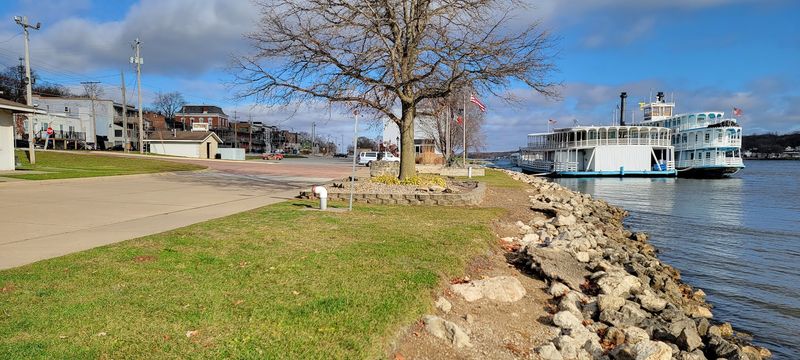
Before the era of highways and airports, Le Claire was one of the most important stops on the entire upper Mississippi River.
Sitting right on the water in eastern Iowa, this compact riverfront town earned its reputation as a hub for steamboat pilots, and it has never quite let go of that proud identity.
The town is perhaps best known today as the birthplace of William “Buffalo Bill” Cody, and the Buffalo Bill Museum on the riverfront celebrates his life and legend with genuine enthusiasm.
The museum is small but packed with fascinating artifacts and stories from the Wild West era.
Le Claire’s main street runs parallel to the river, lined with antique shops, galleries, and historic brick buildings that have been carefully maintained.
The view of the Mississippi from the riverfront park is wide and peaceful, especially in the early morning when the water is calm and the light is soft.
Antique hunters in particular love Le Claire, and the town’s shops draw serious collectors from across the region.
The famous “Antique Archaeology” shop, made popular by the television show American Pickers, is located right here.
9. Mount Vernon
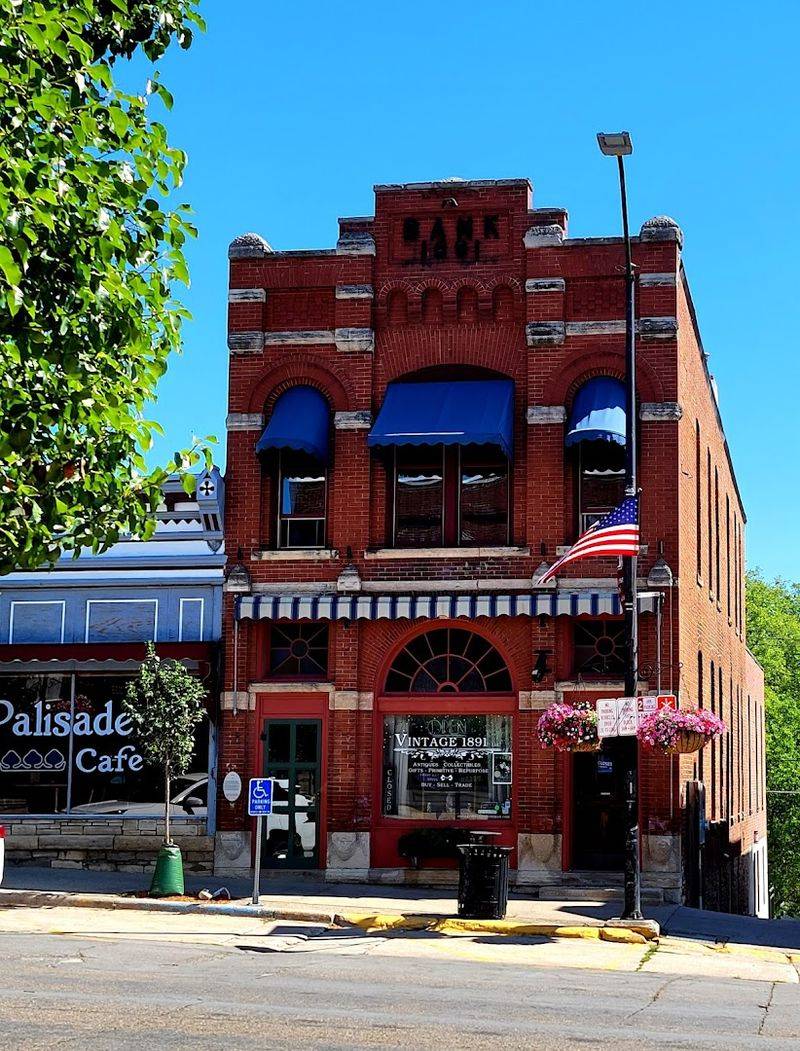
There is a particular kind of energy that only a college town can generate, and Mount Vernon has perfected it without ever feeling overwhelming or overbuilt.
Home to Cornell College, one of Iowa’s most respected liberal arts institutions, this eastern Iowa town blends academic life with small-town warmth in a way that feels entirely natural.
The main street is a genuine pleasure to explore, lined with locally owned shops, art galleries, and restaurants that reflect the creative, curious spirit of the community.
The architecture spans from Federal-style homes to Victorian commercial blocks, giving every block a different visual story to tell.
Cornell College itself is a National Historic Landmark, and its hilltop campus of stone buildings and tree-lined paths is one of the most visually striking in the Midwest.
The campus is open to visitors, and a walk through it provides both beauty and a sense of long academic tradition.
Mount Vernon hosts a lively arts scene, with regular gallery openings, live music events, and a farmers market that brings the whole community together.
It is a town that rewards curiosity and repays every hour you spend wandering its streets.
10. Winterset
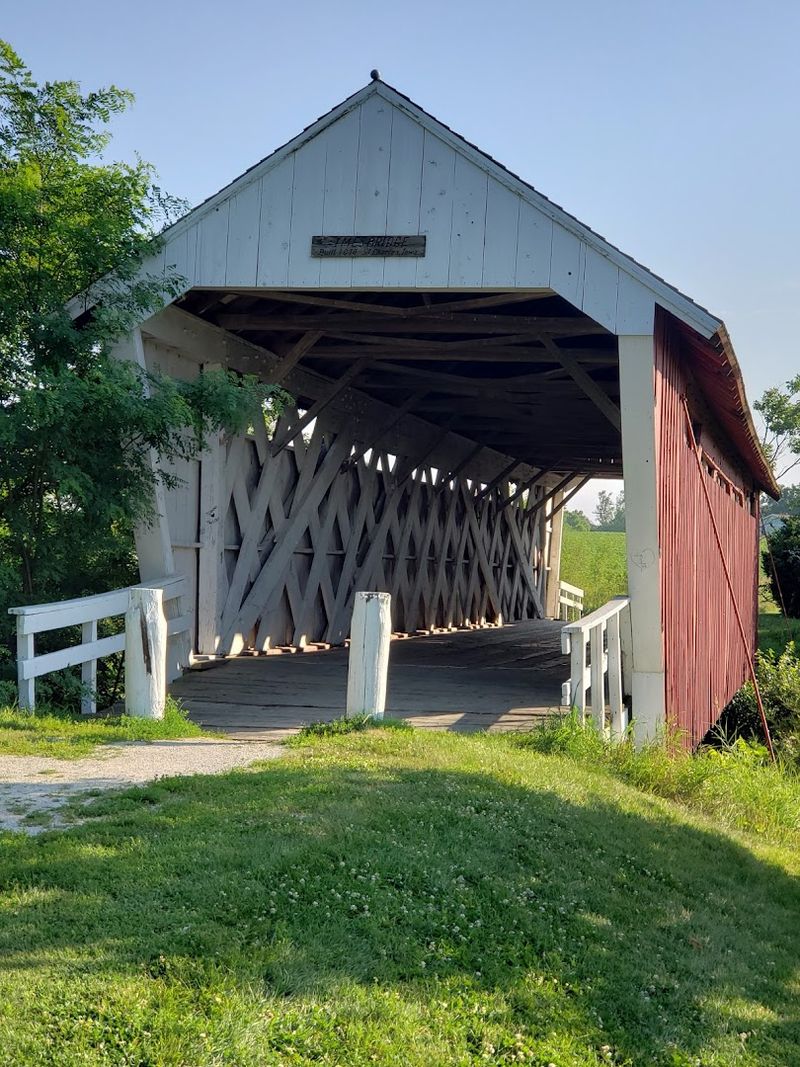
Madison County put Winterset on the map for many people, thanks to a certain famous novel and film about covered bridges, but this central Iowa county seat deserves recognition for far more than its cinematic connections. Winterset is a beautifully preserved 19th-century town built around a classic courthouse square, and every angle of it radiates history.
The Madison County Courthouse, completed in 1876, anchors the square with its impressive Italianate design and clock tower that has kept time for generations of locals.
The surrounding blocks are filled with well-maintained brick storefronts, many of which still house independent businesses.
Of course, the covered bridges are a genuine draw and rightly so. Six of the original bridges still stand in the surrounding countryside, and a self-guided driving tour connects them all through some of the most pastoral scenery in Iowa.
Each bridge has its own character and its own quiet charm.
Winterset is also the birthplace of John Wayne, and the John Wayne Birthplace Museum on South Madison Avenue offers a detailed look at the life of one of Hollywood’s most iconic figures.
History lovers will find no shortage of reasons to linger here.
11. West Branch
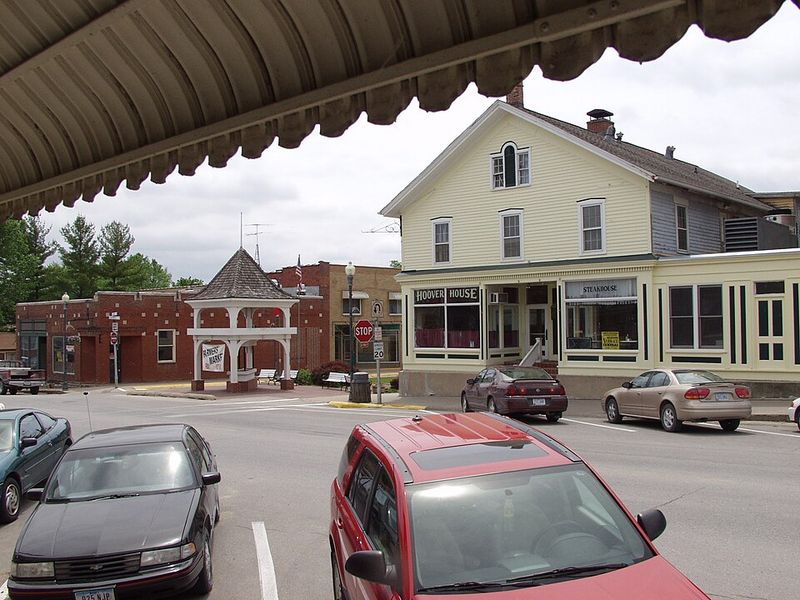
A small white cottage sitting in a quiet yard might not look like the birthplace of a United States president, but that is exactly what you will find in West Branch, a tidy little eastern Iowa town that carries more national significance than its modest size suggests.
Herbert Hoover, the 31st president of the United States, was born here in 1874, and the Herbert Hoover National Historic Site preserves his birthplace cottage along with a Quaker meetinghouse, a blacksmith shop, a schoolhouse, and other historic features tied to his early life.
The adjacent Herbert Hoover Presidential Library and Museum is operated by the National Archives and Records Administration and is closed for renovation until Summer 2026.
Beyond the presidential history, West Branch itself is a charming example of a well-kept small Iowa town. The streets are lined with mature trees and Victorian homes, and the overall atmosphere is calm, proud, and welcoming.
The town’s proximity to Iowa City, just a short drive to the west, makes it an easy half-day addition to any eastern Iowa itinerary.
The combination of presidential history, Quaker heritage, and small-town Iowa character makes West Branch a quietly memorable stop.
12. Kalona
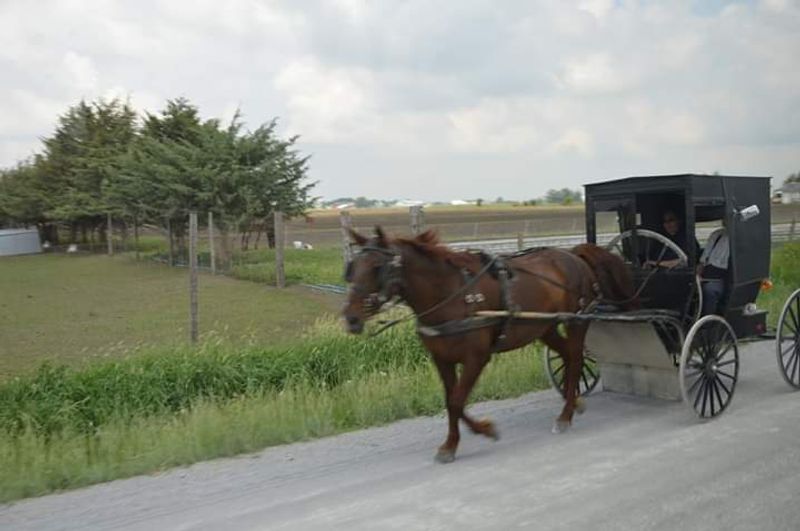
Just south of Iowa City in Washington County, Kalona is home to the largest Amish settlement west of the Mississippi River, and that fact alone makes it one of the most distinctive destinations in the entire state.
The pace of life here is genuinely different, and visitors feel it the moment they arrive.
Horse-drawn buggies are a common sight on the roads around Kalona, and the surrounding countryside is filled with tidy Amish farms where traditional methods of agriculture are still practiced every single day.
The contrast between modern highway traffic and a passing buggy is both striking and strangely calming.
The town itself has a wonderful collection of shops selling Amish-made quilts, furniture, baked goods, and crafts.
The Kalona Quilt and Textile Museum is a highlight for anyone interested in the artistry and cultural significance of traditional quiltmaking, with a rotating collection that showcases extraordinary skill and creativity.
The Kalona Historical Village, a collection of preserved 19th-century buildings, rounds out the cultural offerings.
Kalona asks you to slow down, and every visitor who accepts that invitation leaves feeling genuinely refreshed.