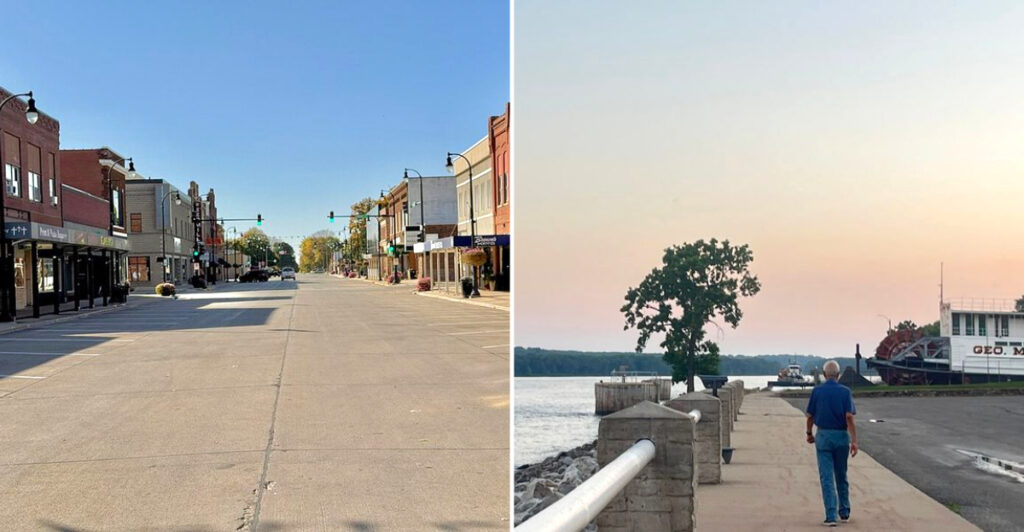
Retirement on a tight budget can sound a little like trying to win a game of Monopoly with two orange bills and a hopeful attitude. But in Iowa, some small towns make that monthly number feel far less intimidating.
These are places where rent can stay reasonable, groceries do not swallow the whole budget, and daily life still comes with simple comforts like walkable squares, river views, public libraries, local diners, and neighbors who actually notice when you are new.
I looked at 12 Iowa towns where a $1,200 retirement budget can stretch further than expected. None of them promise luxury, but they do offer something better than financial panic: a realistic shot at living comfortably, staying connected, and enjoying the slower pace without feeling stuck.
1. Centerville, Iowa
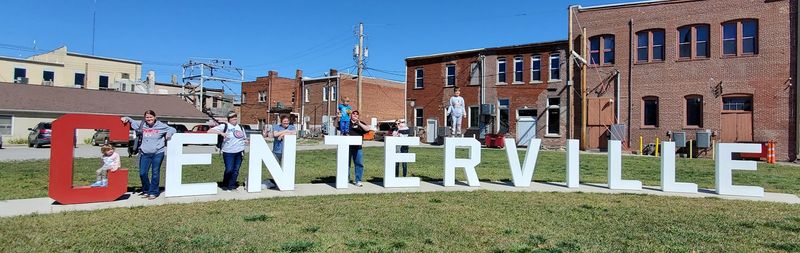
Set in the rolling hills of Appanoose County in southern Iowa, Centerville sits around one of the largest historic courthouse square districts in the state.
That square is not just pretty to look at. It is the heartbeat of daily life here, lined with locally owned shops, a diner or two, and a sense of community that feels genuinely welcoming rather than performative.
Housing costs in Centerville remain low compared with state and national averages, though current rent data does not support treating sub-$500 rentals as the normal expectation. A careful retiree may still find modest options here that leave more breathing room than in many larger Iowa cities.
The town has MercyOne Centerville Medical Center, Drake Public Library, and parks that stay busy with residents throughout the warmer months. Healthcare access matters a lot when you are planning long-term, and Centerville covers that base without requiring a long drive for basic care.
Winters here are cold but manageable, and the community tends to look out for one another when temperatures drop.
For retirees who want affordability without total isolation, Centerville offers a realistic small-town option on a genuinely modest income.
2. Keokuk, Iowa
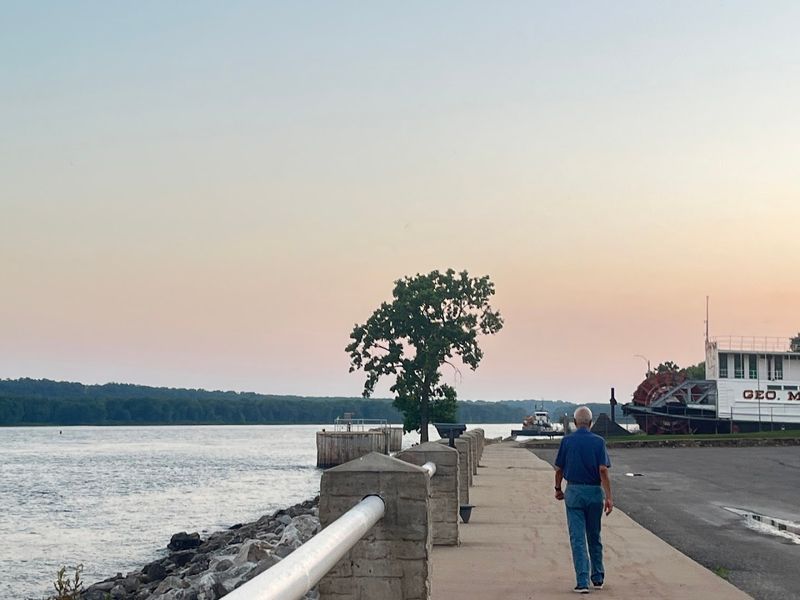
Sitting near the point where the Des Moines River meets the Mississippi, Keokuk has a dramatic natural setting that most people never expect from a small Midwestern town.
The river views here are genuinely stunning, and you can enjoy them for free every single day. That kind of daily beauty adds something to retirement life that no price tag can fully capture.
Keokuk remains one of Iowa’s more affordable river towns, though current housing data places typical home values closer to the low six figures than “well below $80,000.” That is still inexpensive compared with many parts of the country, but the number should not be undersold.
The town has a strong sense of history, with older architecture still standing throughout several neighborhoods. Walking these streets feels like a slow, pleasant history lesson with no admission fee required.
Grocery stores, pharmacies, and medical clinics are all within reach, which matters a great deal when you are no longer driving long distances. Keokuk may be small, but it still makes a modest retirement budget feel more manageable than it would in many larger cities.
3. Fort Madison, Iowa
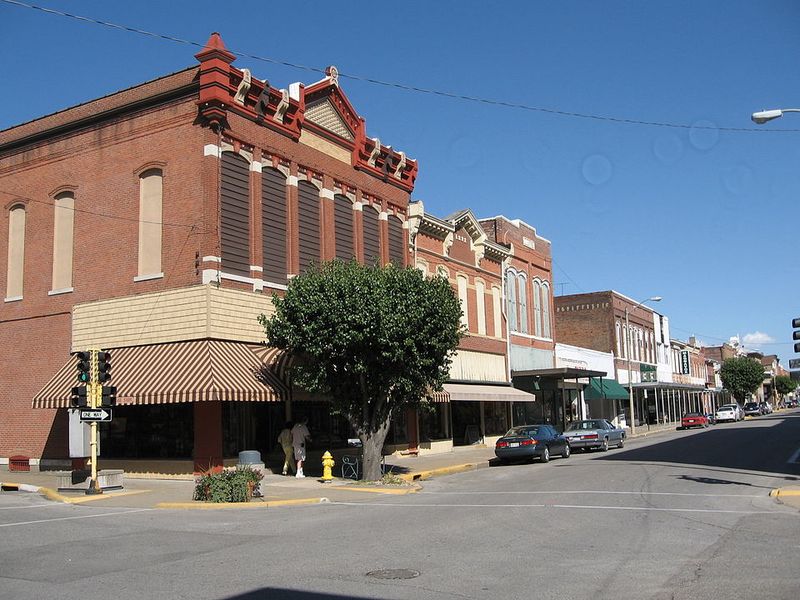
Fort Madison carries a kind of quiet dignity that you notice almost immediately when you arrive.
The downtown sits close to the Mississippi River, and the historic buildings along the main streets have been lovingly preserved over generations.
Named after the original frontier fort built here in the early 1800s, this town in Lee County has deep roots and a strong local identity. That history gives retirees something genuinely interesting to explore right in their own backyard.
The cost of living here remains low compared with national averages, especially when it comes to home values. Renters should still plan carefully, since a $1,200 monthly budget can get tight once utilities, groceries, transportation, and healthcare costs enter the picture.
Fort Madison has a public library, local parks, and Southeast Iowa Regional Medical Center’s Fort Madison campus. The community hosts seasonal events that bring residents together without requiring much spending.
The river itself provides endless free entertainment, from watching barges pass to fishing along the banks on a quiet morning. Retirees who value both history and natural scenery will find Fort Madison a quietly rewarding place to put down roots.
4. Burlington, Iowa
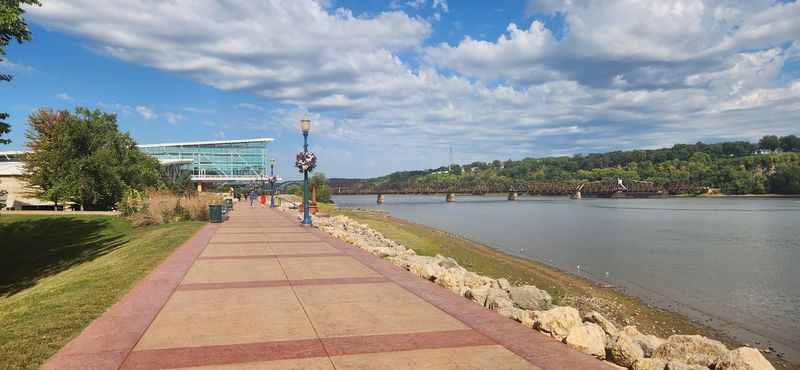
Burlington is home to Snake Alley, a famously crooked brick street that has been drawing curious visitors since the 1890s.
Beyond that quirky claim to fame, Burlington is a genuinely livable city with services, culture, and relative affordability all working in its favor.
Sitting on a bluff above the Mississippi River in Des Moines County, Burlington has the feel of a town that has seen history and settled comfortably into its present-day character. The riverfront parks are beautiful and completely free to enjoy.
For retirees, the practical side of Burlington is just as appealing as the scenery. Rental housing is still less expensive than in many larger markets, though current median rent data makes a $1,200 budget more realistic for very careful spenders or retirees with lower housing costs.
The local arts community is more active than you might expect for a city this size, with galleries, a community theater, and regular public events filling the calendar. Burlington also has Burlington Urban Service, which is a real advantage for retirees who prefer not to rely solely on a personal vehicle.
Southeast Iowa Regional Medical Center is nearby in West Burlington, adding an important healthcare advantage for the area. Your money can still stretch here, but it needs a smart plan rather than wishful budgeting with a river view.
5. Clinton, Iowa
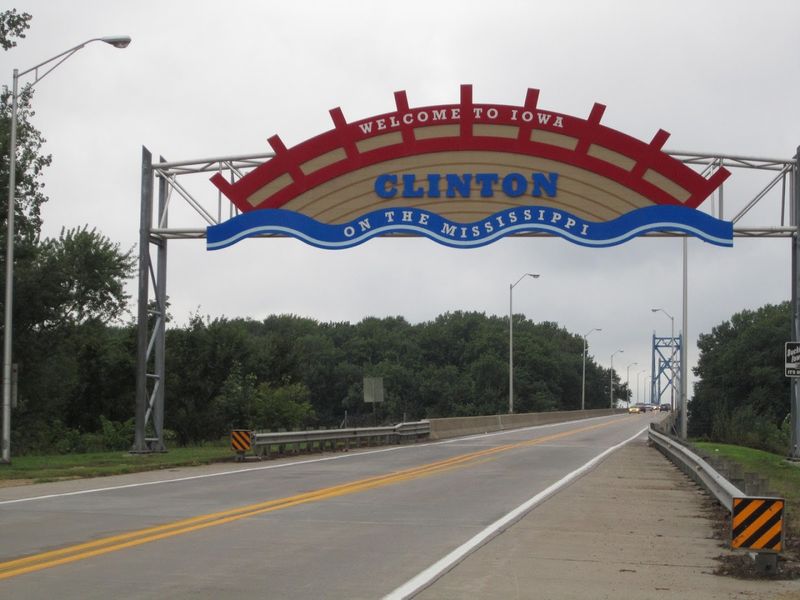
Clinton stretches along the western bank of the Mississippi River in eastern Iowa, and its riverfront parks are among the most pleasant free spaces you will find anywhere in the state.
Eagle Point Park, perched on a bluff above the river, offers sweeping views that would cost a premium in other parts of the country. Here, it is just part of the neighborhood.
Retirees who enjoy the outdoors will find trails, green spaces, and river access to fill their days.
Housing costs in Clinton are low enough to make a real difference on a fixed income, though current rent data does not support saying modest rentals are broadly available well under $600 a month. Studios may land lower, but one-bedroom and two-bedroom options can run higher.
The city has a hospital, a community college, and a modest but functional downtown with local shops and restaurants. Social opportunities are available through senior centers and community organizations that stay active year-round.
Clinton is the kind of place where careful budgeting can go further than expected. It holds steady, and so does the quality of daily life for those who choose to settle here.
6. Fort Dodge, Iowa
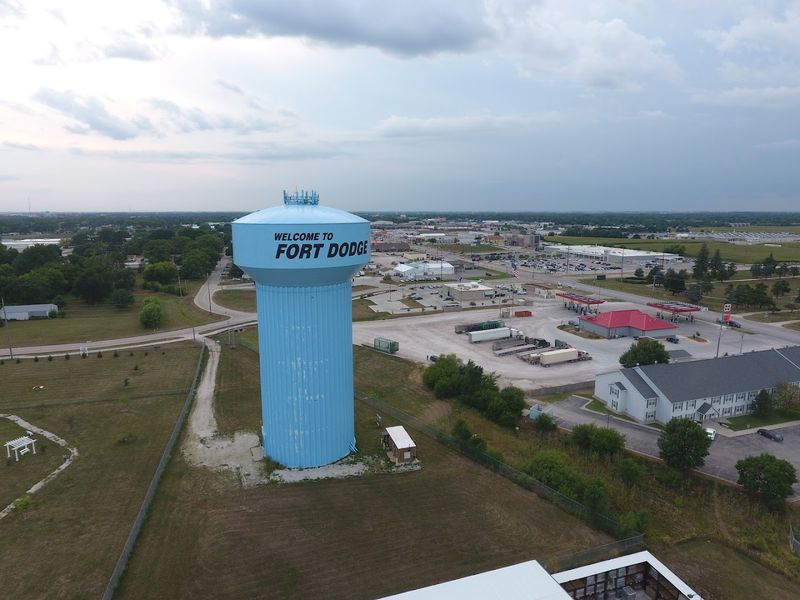
Fort Dodge sits near the center of Iowa along the Des Moines River, and it has the practical infrastructure of a larger city without the price tag that usually comes with it.
For retirees, that combination is genuinely hard to beat. You get real grocery store selection, regional healthcare access, and public services that function reliably, all while keeping monthly expenses lower than in many larger cities.
The city has Iowa Central Community College and UnityPoint Health Trinity Regional Medical Center, both of which contribute to a sense of stability and ongoing activity that smaller towns sometimes lack.
There are also parks, a public library, and senior programs that give retirees meaningful ways to stay engaged.
Housing in Fort Dodge is affordable compared with state and national averages, but a $1,200 monthly income still requires careful planning, especially for renters. A smaller apartment or very modest home is more realistic than a roomy place with lots of extras.
The winters are brisk, as they are throughout Iowa, but the community tends to be tight-knit and neighborly in a way that makes the cold months feel a little more manageable. Fort Dodge rewards those who give it a genuine chance.
7. Oskaloosa, Iowa
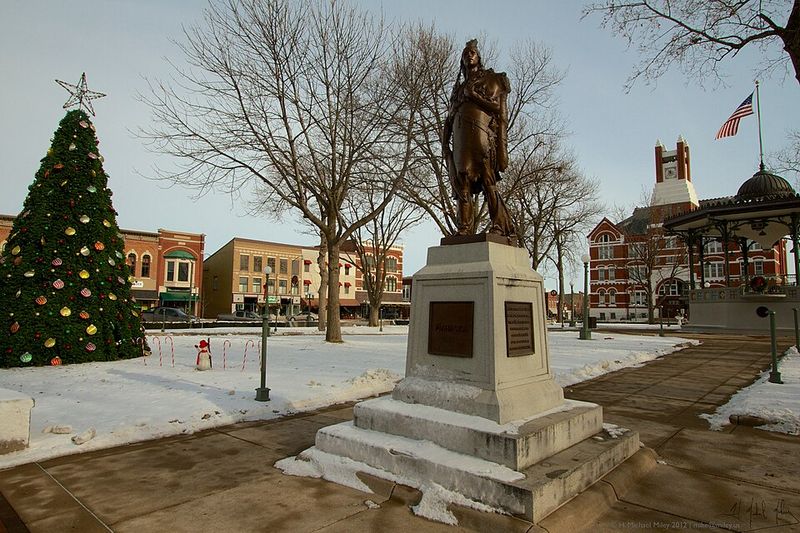
Mahaska County’s seat of government, Oskaloosa, wraps itself around a classic Midwestern town square that feels like it was designed for slow mornings and unhurried afternoons.
The courthouse at the center is a beautiful piece of Victorian architecture, and the surrounding square hosts farmers markets, local events, and the kind of low-key community activity that makes retirement genuinely enjoyable rather than just quiet.
Oskaloosa has a strong sense of civic pride, and that shows in how well the town maintains its parks, trails, and public spaces. The Mahaska Community Recreation Trail offers paved recreation around Oskaloosa and University Park, giving residents a convenient place to walk or bike throughout the warmer seasons.
On the financial side, Oskaloosa is more affordable than many larger Iowa communities, though current rent data does not support the claim that decent rentals often fall between $450 and $650 a month. Retirees should expect to budget carefully, especially if renting.
William Penn University gives the town an educational energy that keeps things a little more dynamic than you might expect.
Oskaloosa manages to be both practical and genuinely pleasant, which is a combination worth taking seriously when planning your next chapter.
8. Newton, Iowa
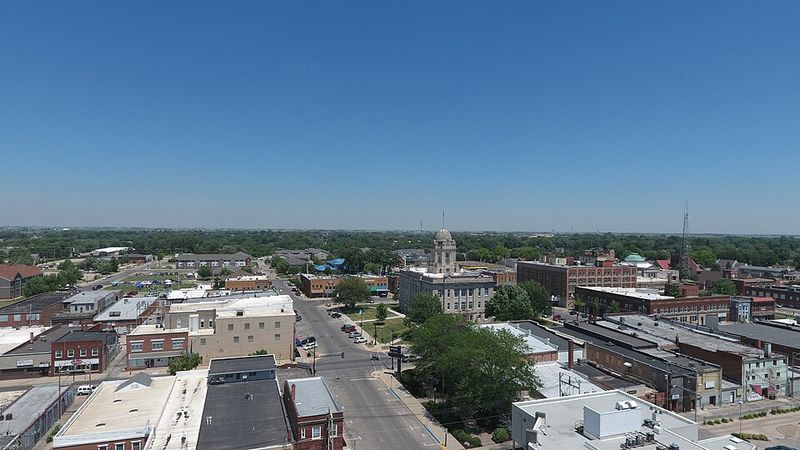
Newton is best known as the former home of Maytag appliances, and that industrial heritage left the town with solid infrastructure, a strong community identity, and a main street that still has real character.
Located in Jasper County just east of Des Moines, Newton gives retirees easy access to the amenities of a larger city while keeping the pace and cost of small-town living. That proximity to Des Moines is a genuine advantage for medical appointments, shopping trips, or the occasional city outing.
The Iowa Speedway is based here, which brings a certain energy to town and provides affordable entertainment options for residents who enjoy motorsports. Even if racing is not your thing, the events calendar around the speedway keeps the town lively in ways that benefit everyone.
Housing costs in Newton are reasonable, with rental options available well within a tight monthly budget. The town also has parks, a public library, and community programs aimed at keeping older residents active and connected.
Newton rewards retirees who want convenience without big-city prices. It sits in a sweet spot that not many Iowa towns manage to hit quite as naturally.
9. Boone, Iowa
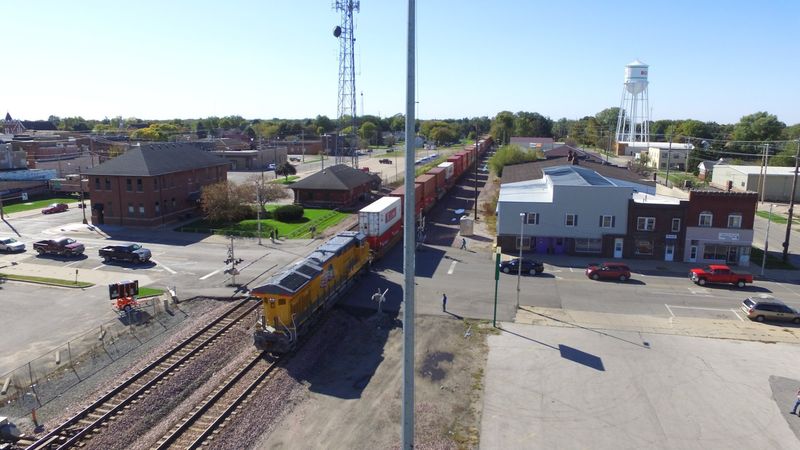
Boone sits in central Iowa along the Des Moines River, and it has a natural landscape that genuinely catches you off guard the first time you visit.
The river valley here is deep and wooded, creating a visual drama that feels more like the American West than the flat Midwest stereotype suggests.
The Kate Shelley High Bridge, one of the longest and highest double-track railroad bridges in the United States, spans the valley nearby and is a point of local pride that gives Boone a distinctive identity few Iowa towns can match.
For retirees, Boone offers a balanced mix of affordability and quality of life. Housing costs are modest, the town has a hospital, and the Ledges State Park just south of town provides spectacular free outdoor recreation year-round.
The community is friendly and active, with a farmers market, local festivals, and senior programs that make it easy to stay socially engaged without spending much money. Grocery access and basic services are all comfortably within reach.
Boone is the kind of place that quietly earns your loyalty once you get to know it, offering far more than its modest size might initially suggest.
10. Knoxville, Iowa
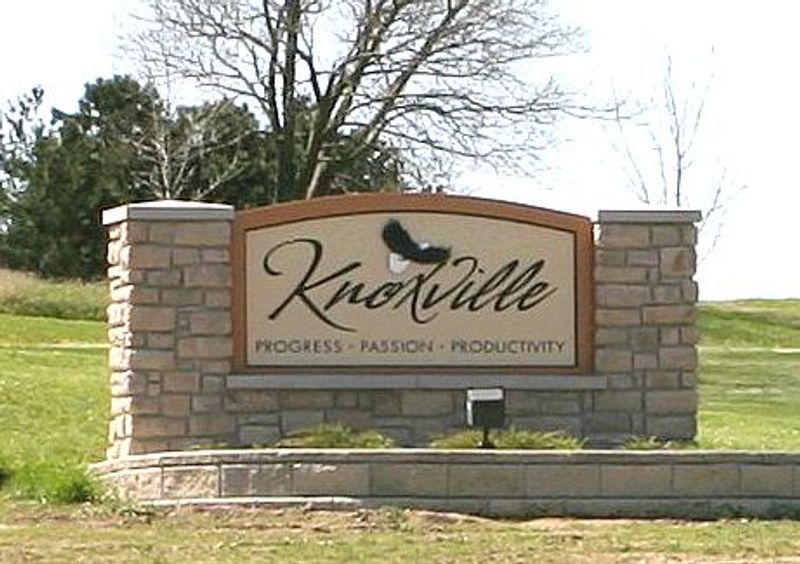
Sprint car racing fans know Knoxville as the Sprint Car Capital of the World, and the Knoxville Raceway draws visitors from across the country every summer for the famous Knoxville Nationals event.
But beyond the racing fame, Knoxville in Marion County is simply a solid, affordable small town where retirees can live comfortably without financial stress. The racing identity gives the town a fun, slightly unexpected energy that most quiet Iowa towns do not have.
Housing here is very affordable. Modest homes and rentals are available at prices that leave meaningful room in a $1,200 monthly budget for food, utilities, and personal expenses.
The town is small enough that driving distances stay manageable for everyday errands.
Lake Red Rock, the largest lake in Iowa, is just a short drive away and provides free access to hiking trails, fishing spots, and scenic picnic areas throughout the year. That kind of outdoor resource is genuinely valuable for retirees who want activity without ongoing cost.
Knoxville also has local restaurants, a library, and community events that keep things social. It is a town that knows what it is and wears that identity with real confidence.
11. Algona, Iowa
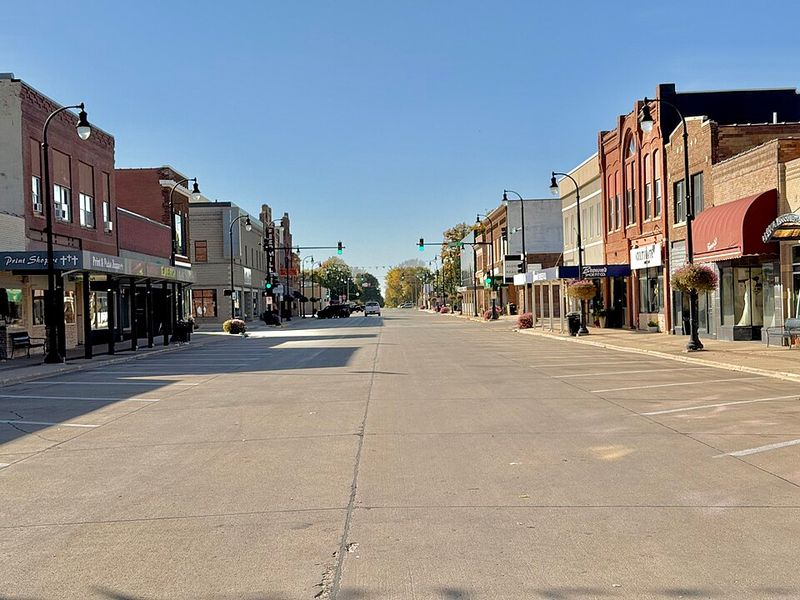
Up in Kossuth County in northern Iowa, Algona is the kind of town where the pace of life slows down in the best possible way.
The streets are quiet, the cost of living is lower than in many larger markets, and the community has a warmth that takes very little time to feel.
Algona is the county seat, which means it has the services and infrastructure that smaller surrounding towns lack. There is a hospital, a public library, grocery access, and local businesses that cover everyday needs without requiring long drives.
Housing costs here remain reasonable by broader national standards, but the article should not suggest that $400 to $550 rentals are broadly realistic today.
Current Census rent figures are notably higher, so a $1,200 monthly retirement budget works best here with careful spending, very modest housing, or lower owner costs.
The town has a notable history connected to Camp Algona, a World War II prisoner-of-war camp. The Algona Nativity Scene was built by German POWs and later donated to the community, giving the town a meaningful piece of local history that still draws visitors.
For retirees who value peace, practicality, and community, Algona delivers consistently and without fuss.
12. Mason City, Iowa
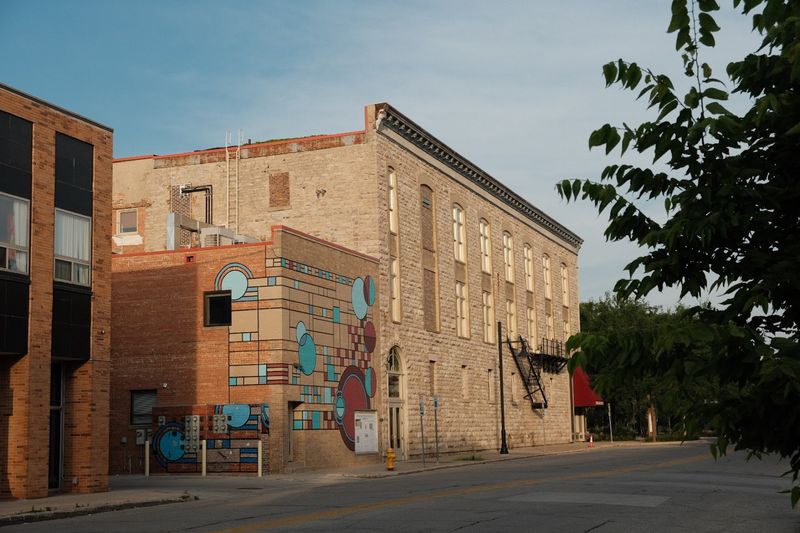
Mason City has one of the most architecturally interesting downtowns in all of Iowa, shaped heavily by the influence of Frank Lloyd Wright and the Prairie School movement that flourished in the early twentieth century.
The Historic Park Inn Hotel, the last remaining hotel designed by Wright still operating anywhere in the world, sits right on the main square. Walking past it on any given morning is a small but genuine pleasure that never really gets old.
Beyond the architecture, Mason City in Cerro Gordo County is a fully functioning small city with MercyOne North Iowa Medical Center, Mason City Municipal Airport, solid grocery access, and a cultural calendar that punches above its weight.
The Music Man Square pays tribute to the town’s connection to Meredith Willson, composer of the beloved Broadway musical inspired by his childhood here.
For retirees, Mason City offers real value. Housing costs are lower than national averages, the service infrastructure is reliable, and the town has enough cultural activity to keep daily life interesting and socially rich.
A $1,200 monthly budget in Mason City is not automatic comfort, especially for renters, but it can be more workable here than in many larger cities.
With careful housing choices, modest spending, and smart use of local amenities, the town gives retirees a practical shot at making a limited income stretch.