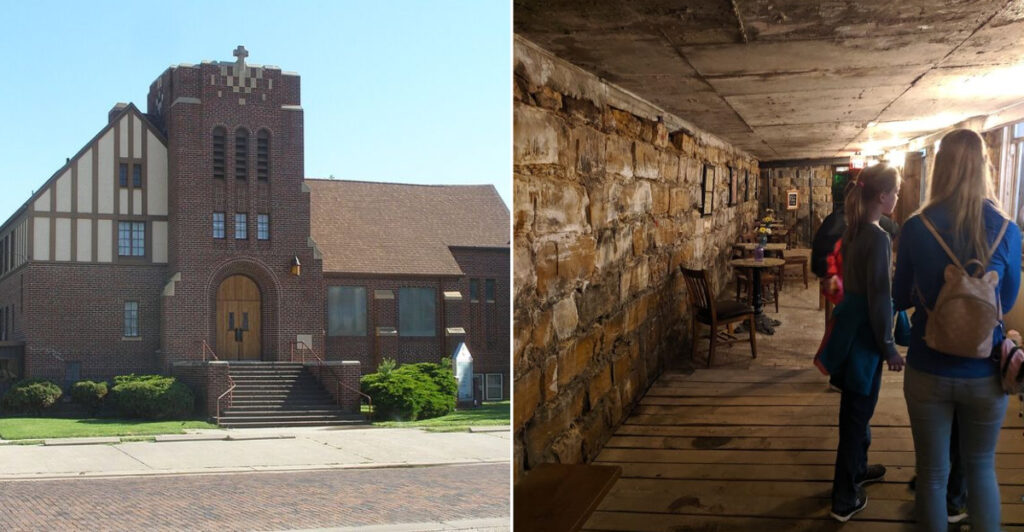
A good small-town secret does not announce itself. It waits behind an ordinary street, a quiet doorway, or a story locals know better than visitors do.
This historic Kansas town has that exact pull, where the past feels close enough to make a simple stop suddenly more interesting.
What looks calm on the surface can hide a surprising chapter underneath, and that contrast is what makes the visit feel so rewarding. The charm comes from discovery, not spectacle.
You arrive expecting a pleasant old town and realize there is more going on than the first glance gives away. That is the best kind of road trip twist.
I would go in thinking it was a quick history stop, then spend the ride home replaying the part I almost missed.
The Underground Tunnels That Started It All
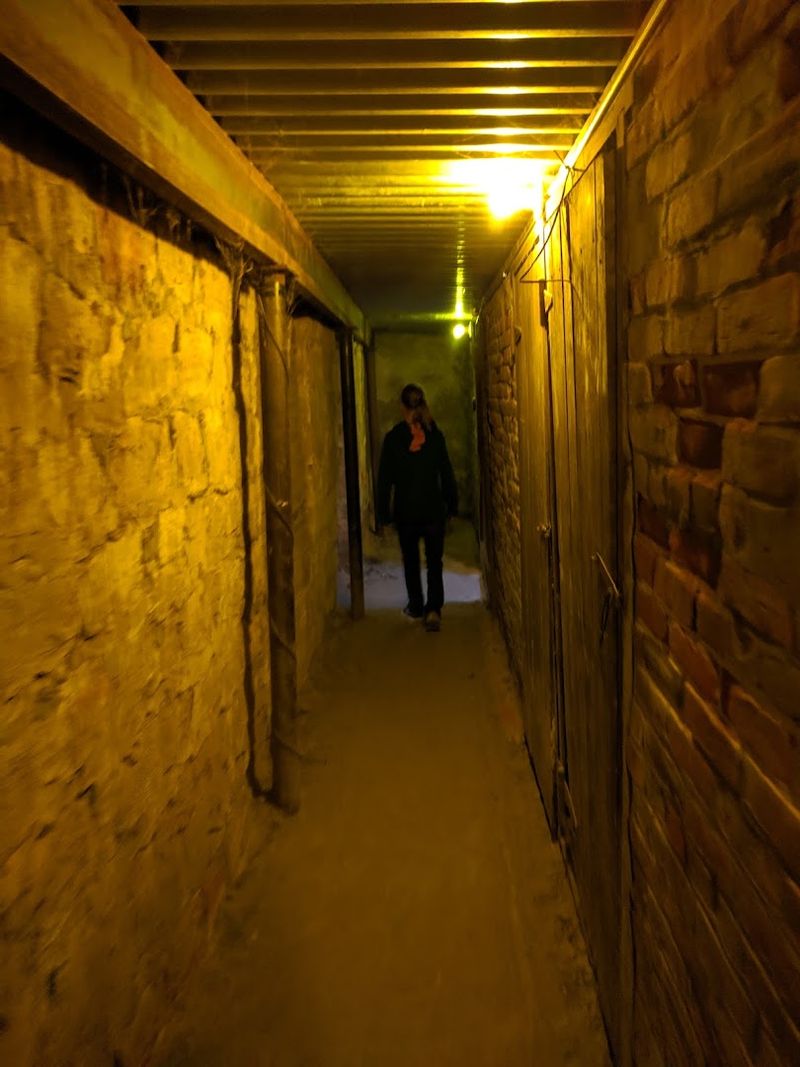
Somewhere beneath the streets of Ellinwood, Kansas, a hidden world has been quietly waiting for curious visitors to find it.
The underground spaces were developed beneath Main Street businesses in the late 1800s, strongly influenced by German settlers who brought basement-style commercial traditions and created storefronts reached through sidewalk stairways and shared underground passages below downtown.
These underground storefronts included barbershops, storage rooms, a bathhouse, and other commercial spaces, forming a below-street business district for such a small frontier town.
Over time, the spaces fell out of regular use and were largely forgotten.
Local historians worked hard to preserve and restore sections of the tunnel system, and today guided tours are available so visitors can walk through history firsthand.
Few places in Kansas offer such a direct, tangible connection to frontier life, and the tunnels remain the most talked-about feature of this remarkable little city.
A Frontier Town With Deep Immigrant Roots
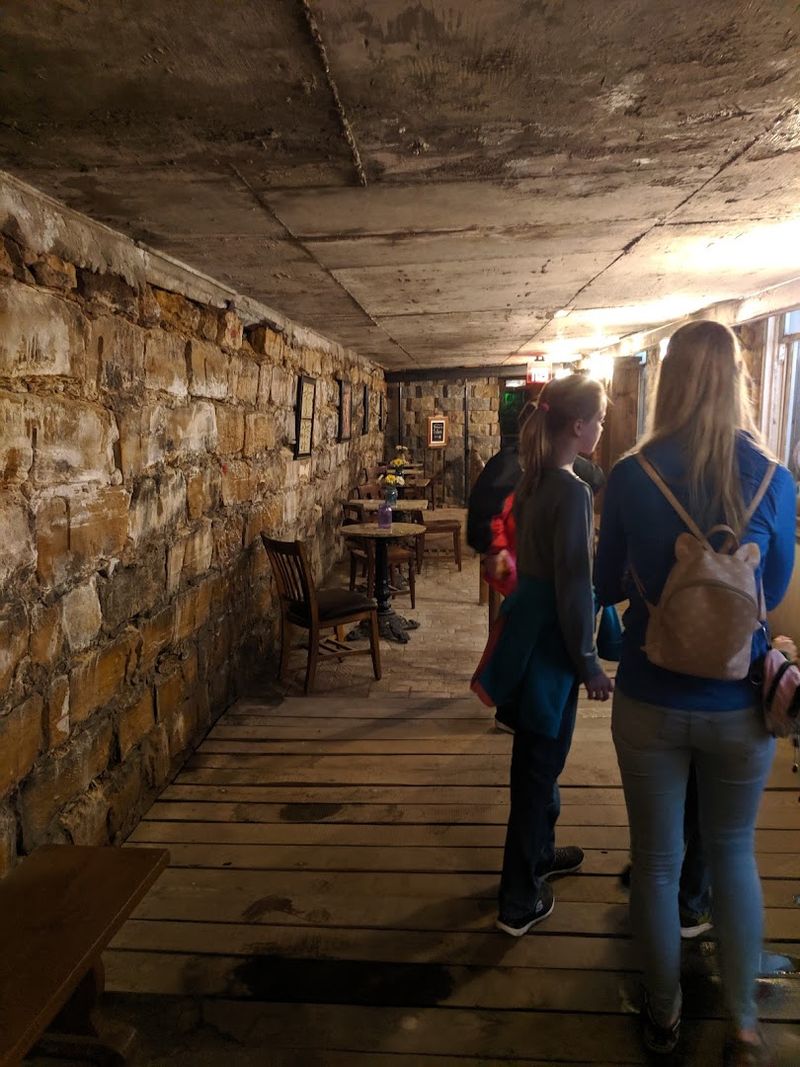
Long before Ellinwood became the quiet Kansas city it is today, it was a buzzing hub of immigrant ambition and hard work.
German and Czech settlers arrived in Barton County during the 1870s and 1880s, bringing with them strong traditions of craftsmanship, community building, and a serious work ethic that shaped the town’s identity from the ground up.
These early settlers did not just build homes; they built churches, businesses, schools, and a cultural foundation that still echoes through Ellinwood’s architecture and community events today.
Their influence is visible in the sturdy brick buildings that line the downtown area, many of which have stood for well over a century.
As generations passed, the traditions brought by these families became woven into the everyday character of Ellinwood.
Local celebrations, historic landmarks, and the town’s welcoming atmosphere all reflect the determination of the people who first helped establish the community.
Walking through Ellinwood today feels like stepping into a place where history was not forgotten but carefully preserved.
Understanding this immigrant history adds a whole new layer of appreciation to every corner of the city.
Barton County And The Heart Of Kansas Geography
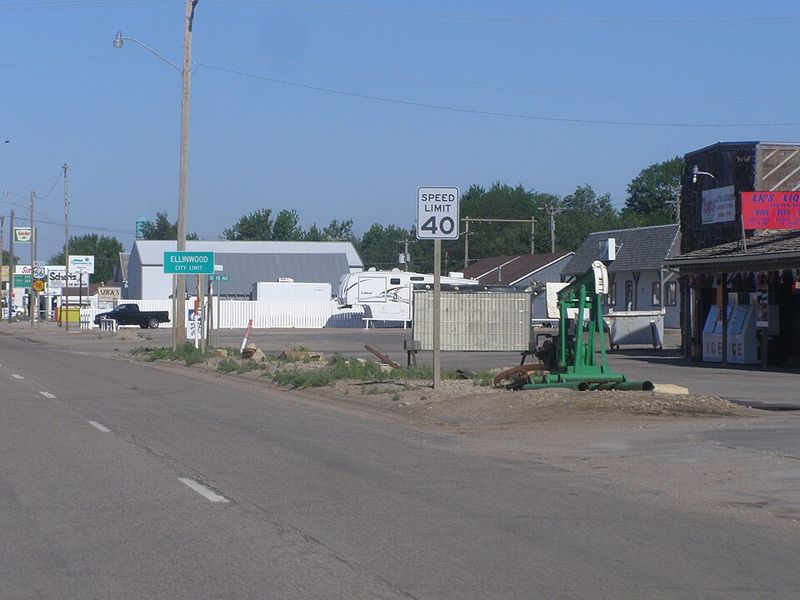
Geography plays a bigger role in Ellinwood’s story than most people realize.
Situated in the southeastern corner of Barton County, the city sits in the heart of central Kansas, surrounded by the wide, flat plains that define this part of the Great Plains region.
The landscape here is dramatic in its own understated way.
Massive skies stretch endlessly overhead, wheat fields roll out in every direction, and the horizon seems to go on forever, giving the whole area a sense of open, breathing space that is genuinely hard to find anywhere else.
This geography shaped the lives of early settlers who depended on the land for survival, but the underground spaces were primarily commercial basements and storefronts rather than passages built specifically for winter storms.
Kansas weather is notoriously unpredictable, and Ellinwood’s residents still learned to build carefully and adapt their town for long-term use over time.
The 2020 Census And A Town That Endures
Numbers can tell a surprisingly compelling story.
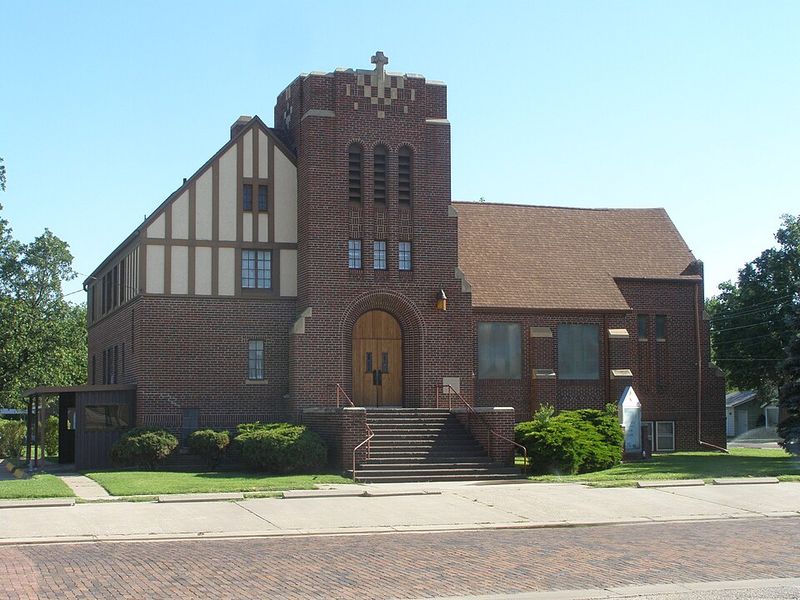
The 2020 census recorded Ellinwood’s population at 2,011 people, a figure that reflects a tight-knit community navigating decades of change, economic shifts, and the broader rural population pressures that have affected many smaller rural Kansas towns over time.
Staying relevant as a small city in modern Kansas is no small feat. Ellinwood has managed it through a combination of strong community pride, active local organizations, and a genuine investment in preserving what makes the town unique, especially its underground heritage and historic downtown corridor.
The population size also means that Ellinwood operates with the kind of personal, neighborly energy that larger cities simply cannot manufacture.
Everyone knows the local stories, the local landmarks, and the local history in a way that makes the community feel genuinely alive.
For a town with just over 2,000 residents, that is a remarkable and admirable thing.
Historic Downtown Architecture Worth Slowing Down For
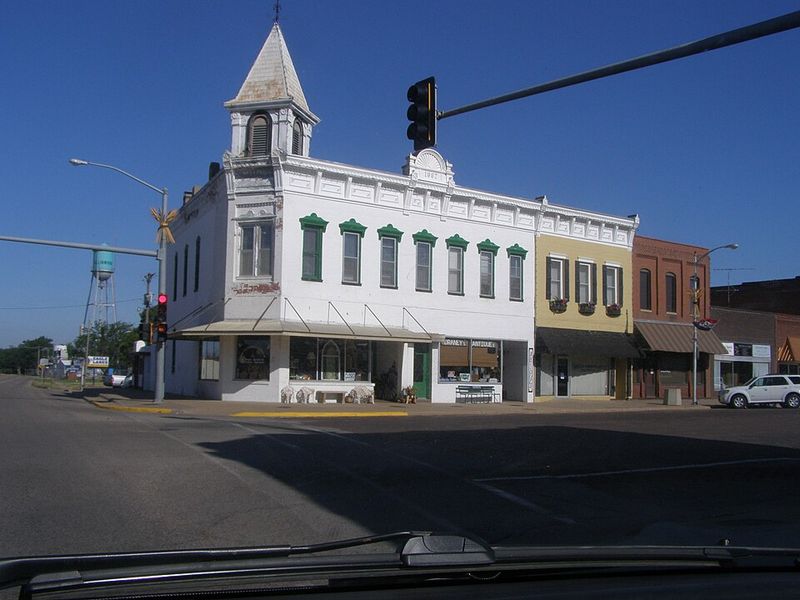
Some downtowns feel like they were built to impress, and Ellinwood’s historic district is quietly, confidently one of them.
The brick commercial buildings along the main corridor date back to the late 19th century, and many have been carefully maintained or restored to preserve their original character and craftsmanship.
Walking through downtown Ellinwood is genuinely like stepping onto a well-preserved film set, except everything is real and every building has an actual story attached to it.
The facades carry the marks of generations of use, and the streetscape as a whole gives the impression of a community that actually values where it came from.
This kind of architectural integrity is increasingly rare in small-town Kansas, where many historic buildings have been lost to neglect or demolition over the decades.
Ellinwood’s commitment to its built heritage is one of the quieter but more impressive things about this city, and it shows at every turn.
The Tunnel Tours That Bring History To Life
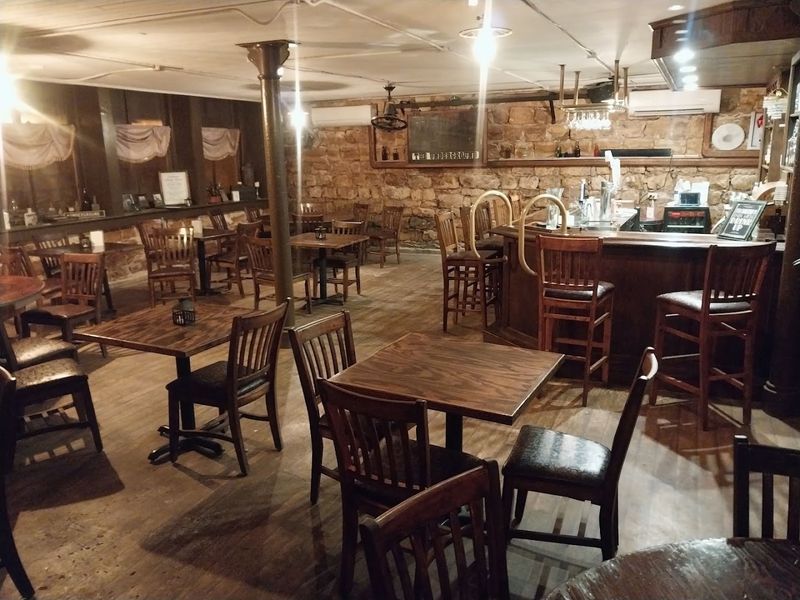
Guided tours of the underground tunnels are the main event in Ellinwood, and they absolutely deliver on the promise of something genuinely different.
Local guides lead small groups through sections of the restored tunnel system, sharing stories about the merchants, immigrants, and everyday characters who once moved through these passages as part of their daily routines.
The experience is tactile and immersive in a way that a museum display simply cannot replicate.
You are standing in the actual space where history happened, surrounded by original brickwork and the faint echoes of a frontier era that most of Kansas has long since paved over.
Every passageway offers a glimpse into the challenges, creativity, and resourcefulness of the people who helped shape early Ellinwood.
Visitors often discover that the tunnels are much more than an unusual attraction; they are a connection to the town’s past and the people who called it home.
Tours are typically offered through the Ellinwood community organizations and are popular enough that booking ahead is a smart move during peak visitor seasons.
Community Events That Keep The Town Buzzing
A town this proud of its history knows how to throw a good celebration.
Ellinwood hosts a variety of community events throughout the year that draw both local residents and out-of-town visitors, reinforcing the city’s reputation as a place that knows how to bring people together around shared stories and shared space.
The annual After Harvest Festival is one of the most beloved events on the Ellinwood calendar, bringing local vendors, entertainment, community activities, and a lively atmosphere to the town’s historic brick streets each July every single year.
It is the kind of small-town celebration that reminds you why these communities still matter.
Beyond the big annual festivals, Ellinwood maintains an active calendar of local gatherings, seasonal celebrations, and civic events that give the city a lively, engaged energy year-round.
Kansas may be known for wide open spaces, but in Ellinwood, those spaces regularly fill up with people who actually care about where they live.
Agriculture And The Land That Feeds A Region
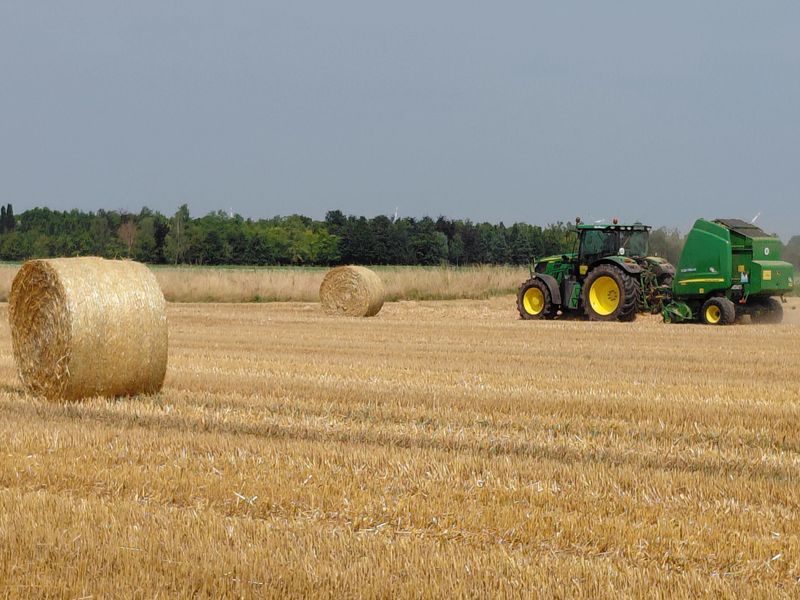
Agriculture is not just background scenery in Ellinwood; it is the engine that has powered this community since its earliest days.
Barton County sits in one of the most productive agricultural zones in all of Kansas, with wheat farming, cattle ranching, and row crop production forming the economic backbone of the region for well over a century.
The grain elevators that punctuate the skyline around Ellinwood are not just functional structures; they are monuments to generations of farming families who built their lives on this land and kept the community going through droughts, recessions, and everything in between.
That agricultural legacy is something locals carry with genuine pride, passing down knowledge, traditions, and a deep connection to the surrounding landscape.
For visitors, the farming landscape around Ellinwood offers a visual experience that is hard to fully describe until you have seen it in person.
Endless fields of wheat catching the late afternoon light, with nothing but open Kansas sky above, create a kind of quiet grandeur that stays with you long after you leave.
Beyond the scenery, the region’s agricultural roots reveal the resilience and determination that have defined Ellinwood for generations.