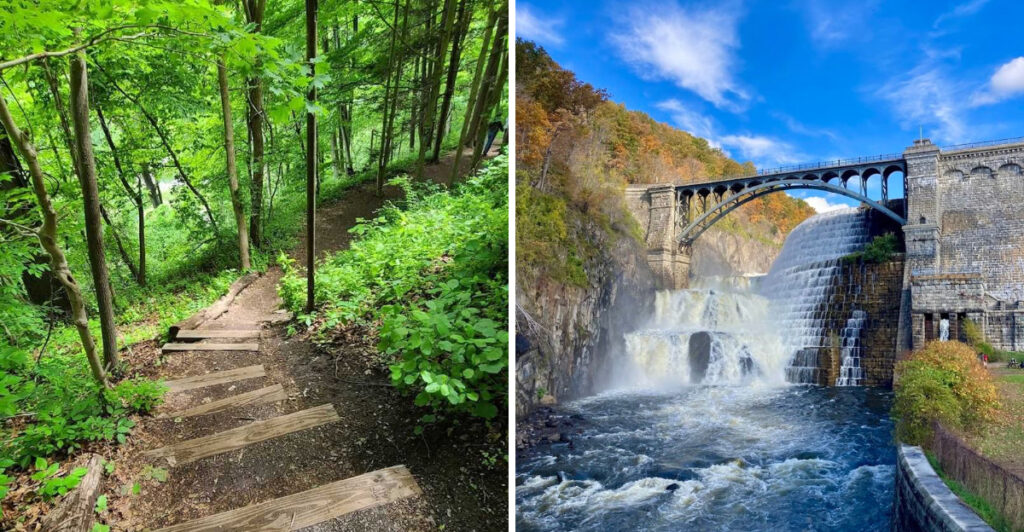
Somewhere in Westchester, there is a dam that once held a world record and most people have never heard of it. Built entirely by hand, over a century old, and still standing with the kind of quiet confidence that makes you feel underdressed just looking at it.
The gorge drops sharply below. The reservoir spreads wide above.
Walk across the top and you get both at once, with nothing between you and that view but a breeze and a hundred years of serious engineering holding everything in place.
New York has landmarks everywhere, loud ones that announce themselves and demand attention. This one earned its place the hard way.
Stone by stone, hand by hand, and it is still right there waiting.
A Dam That Refused To Disappear
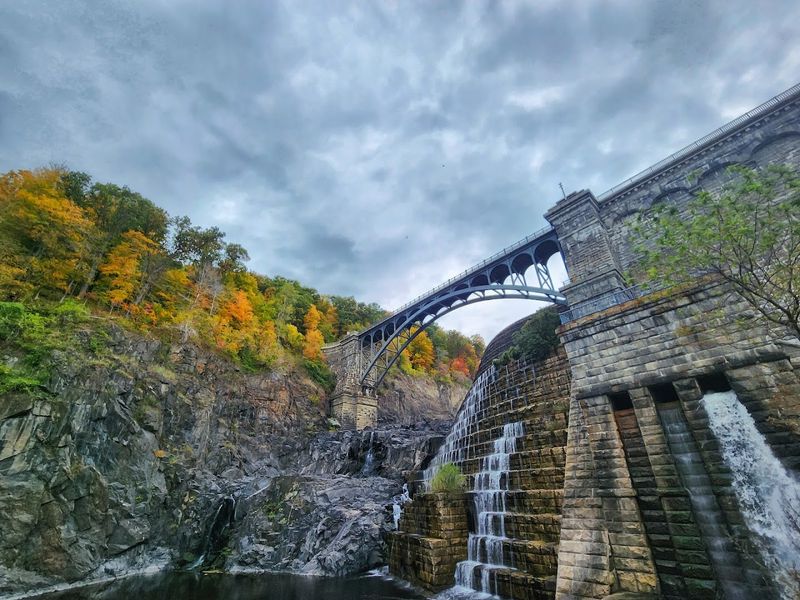
Built between 1837 and 1842, the original Old Croton Dam is recognized as one of the earliest and most significant masonry dams ever constructed in the United States.
That alone makes it worth paying attention to. When the New Croton Dam was completed in 1906, rising water levels swallowed the original structure under roughly 34 feet of water.
Most things do not survive being underwater for more than a century. This dam did.
During periods when the reservoir drops significantly, the original dam and its old gatehouse slowly reappear, stone walls and all, looking almost exactly as they did when workers first finished them.
It is the kind of survival story that feels almost too good to be true. New York has no shortage of historical landmarks, but few of them have literally risen from the depths to prove a point.
The Old Croton Dam is not just old history. It is living, breathing, sometimes-visible history.
The Engineering Marvel Behind The New Croton Dam
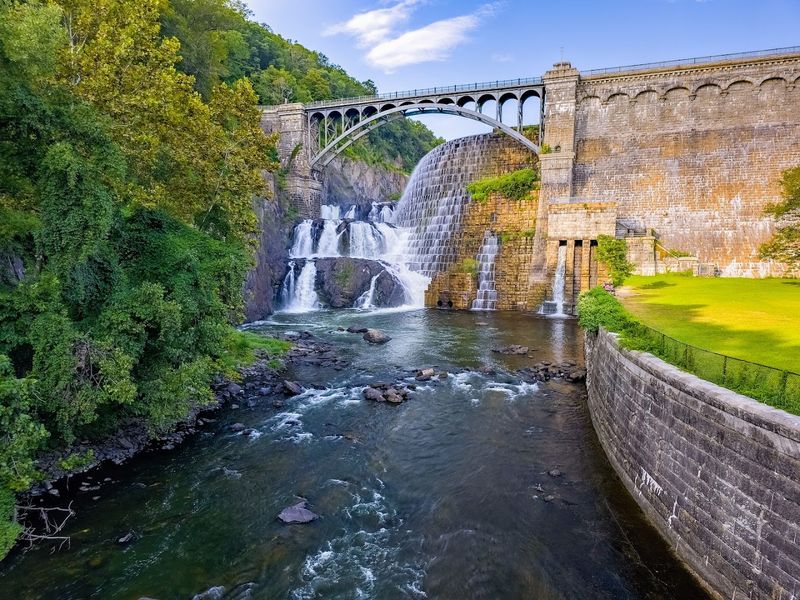
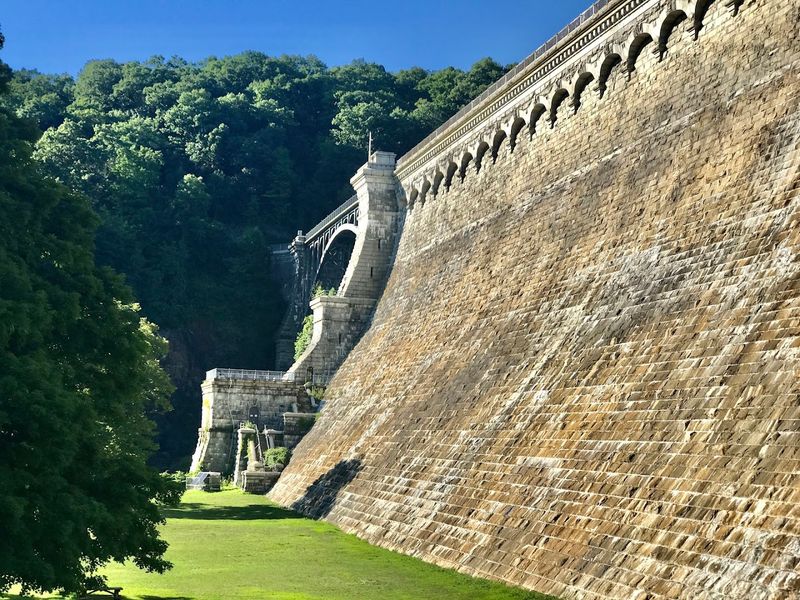
When it opened in 1906, the New Croton Dam was the tallest masonry dam in the entire world.
That is not a local boast or a regional exaggeration. It was a genuine global record at the time.
Along with its enormous retaining wall, the scale of hand-hewn construction involved places it among the most ambitious masonry projects ever completed anywhere in the world.
Every stone was shaped and placed by hand, which makes the scale of the thing almost difficult to process when you are standing at the bottom looking up.
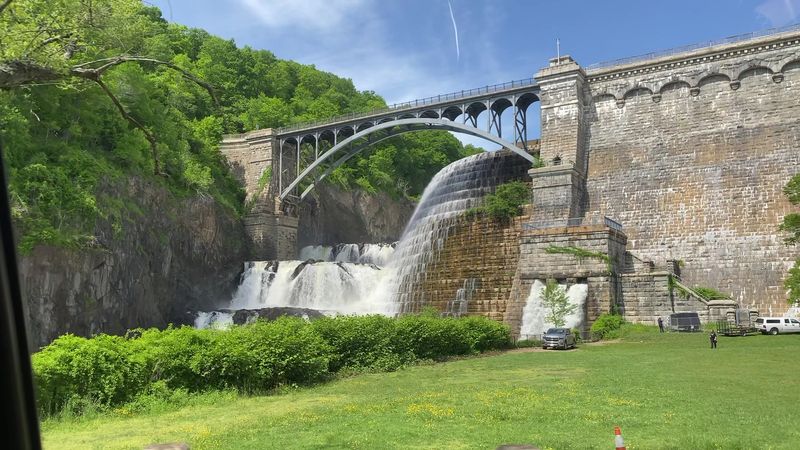
The dam rises close to 300 feet, and the sheer size of it hits visitors immediately upon entering Croton Gorge Park. Water rushing over the spillway creates a sound that carries across the entire park, setting a dramatic tone before you even reach the viewing area.
New York has produced some impressive infrastructure over the years, but this one stands in a category of its own.
The craftsmanship involved is the kind that modern construction rarely attempts, and the result has lasted well over a century without losing any of its power.
Walking Across The Top Of The Dam
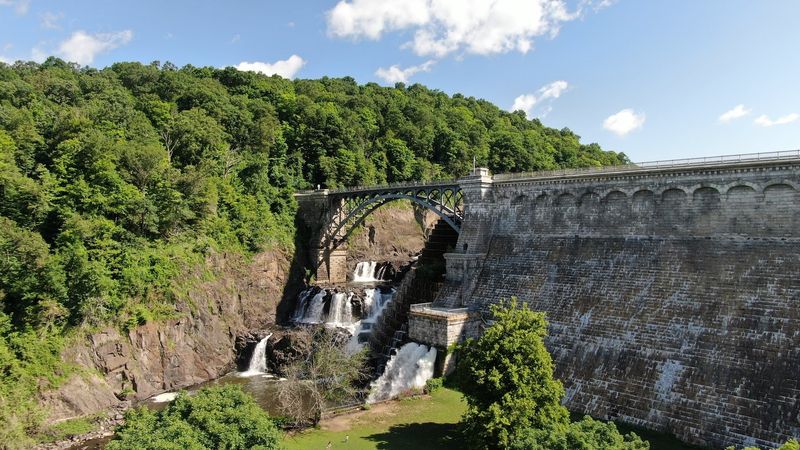
Few experiences at Croton Gorge Park match the feeling of crossing the top of the dam itself. The walk is not long, but the views it delivers are completely out of proportion to the effort required.
On one side, the wide blue expanse of the New Croton Reservoir stretches out quietly. On the other, the gorge drops away dramatically, with the sound of rushing water rising up from below.
It is the kind of spot where people instinctively stop walking and just stand there for a moment, taking it all in. The stone beneath your feet is more than a hundred years old, and that detail tends to sink in somewhere in the middle of the crossing.
Getting to the top requires a hike up from the park below, and the trail on the left side of the dam offers a more gradual climb than the steeper path on the right.
Either way, the payoff at the top is real. New York rarely serves up panoramic views this quietly dramatic.
The park address is 35 Yorktown Rd, Croton-On-Hudson, NY 10520, and getting there by road is straightforward from most parts of Westchester.
The Old Croton Aqueduct And Its Remarkable Condition
Stretching 41 miles from the Croton River all the way to New York City, the Old Croton Aqueduct is one of the most impressive pieces of 19th-century infrastructure still in existence anywhere in the country.
It began just upstream of the original Old Croton Dam, and its purpose was elegantly simple: carry water to New York City using nothing but gravity. No pumps, no electricity, just a perfectly calculated downhill slope through a brick-lined tunnel.
What makes it even more remarkable is how well it held up. The brick and waterproof concrete construction has shown only minor wear over the decades, with some small cracking from years of being used at full capacity.
A 26.2-mile section from the New Croton Dam to the Bronx is now preserved as a linear park, giving hikers and history fans a chance to walk alongside one of New York’s most underappreciated engineering achievements.
Croton Gorge Park serves as a direct access point to this trail, making it an ideal starting place.
Nature Doing Its Thing
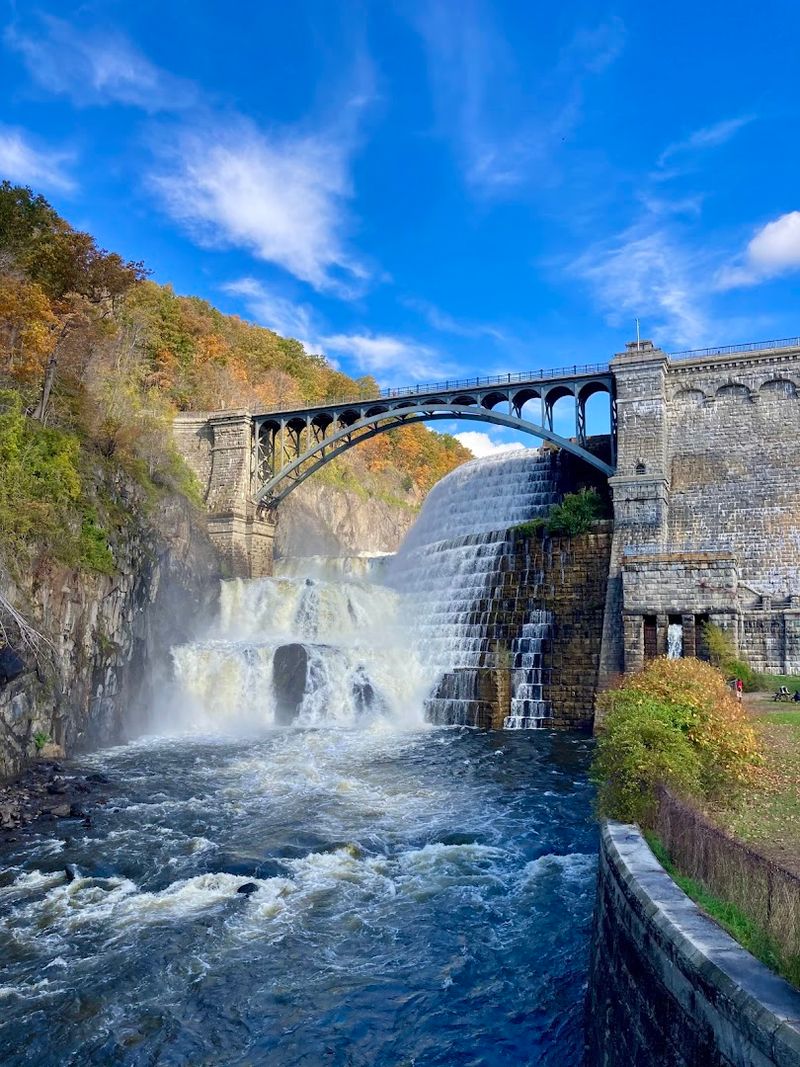
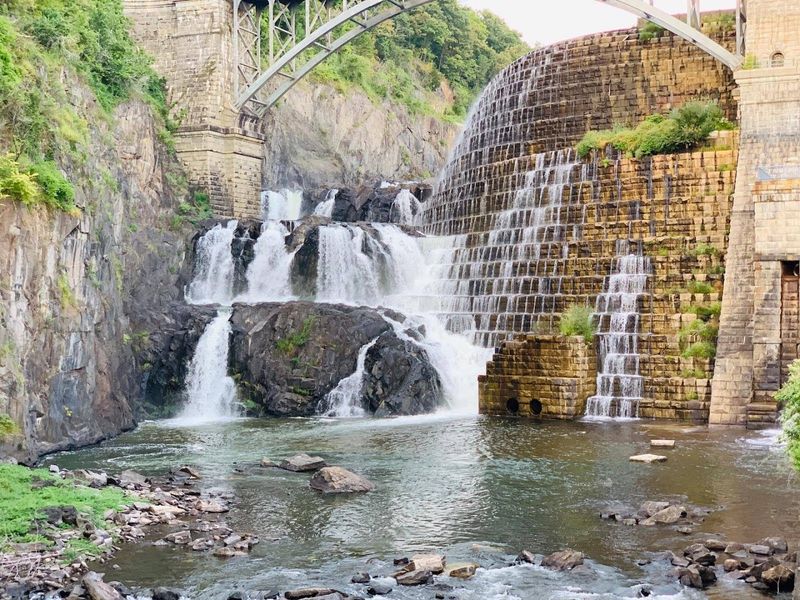
The gorge that gives the park its name is genuinely striking. Carved out by water over many years, it creates a natural channel below the dam that funnels the spillway runoff into a rushing, churning display of raw energy.
From certain spots near the base of the dam, the water feels close enough to touch, and the mist that rises from the gorge on active spillway days adds a cool, refreshing quality to the air around it. It is the kind of scenery that does not need a filter.
Wildlife tends to show up here without much warning. Fish have been spotted near the water’s edge, and the tree cover along the gorge walls brings in birds that add to the overall atmosphere.
The gorge also gives the park a sense of depth and drama that flat parkland simply cannot match. Even on quiet days when the spillway is not running at full force, the rocks and the water below create a setting that feels genuinely wild, right in the middle of suburban New York.
Picnicking With A View Worth Talking About
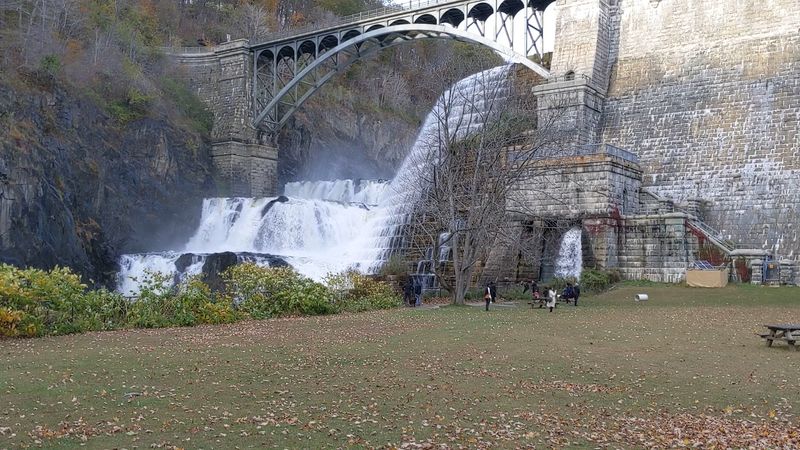
Not every great outing requires a long hike or an elaborate plan. Croton Gorge Park makes a strong case for simply showing up with some food and finding a good patch of grass.
The park has open picnic areas with tables scattered across its 97 acres, and the backdrop for lunch is the kind of view that most restaurants would charge a premium for. The dam wall rises up on one side, and the surrounding greenery fills in the rest of the frame beautifully.
Food trucks have been spotted at the park on busier days, which is handy for anyone who forgot to pack something. The overall vibe is relaxed and family-friendly, with enough space that groups do not feel crowded even when the park is busy.
Dogs are welcome on leash, there is a playground for younger kids, and the open layout makes it easy to spread out. It is the kind of place that rewards a slow, unhurried afternoon, and New York does not always offer that kind of pace.
Hiking Options For Every Level Of Ambition
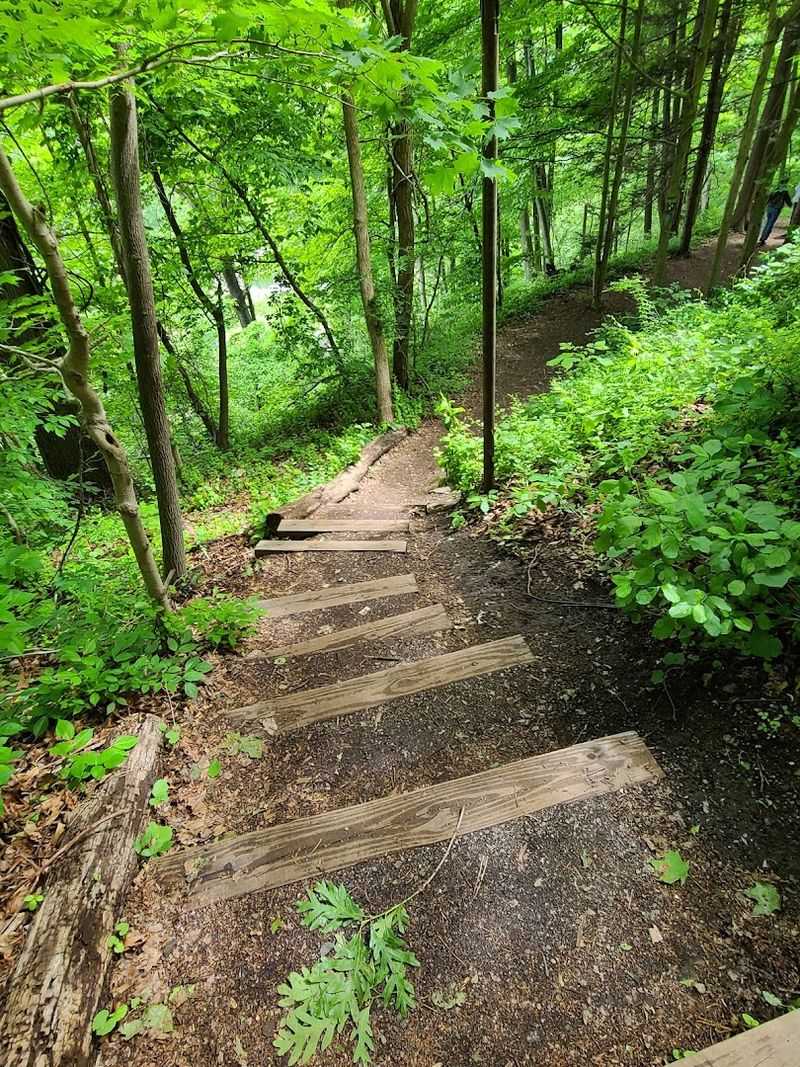
Croton Gorge Park is not a destination that demands serious hiking gear or athletic preparation. The trails here are described by most visitors as short and accessible, with the main draw being the path that leads up to the top of the dam.
Two routes head upward from the base of the park. The right side is steeper and more direct.
The left side takes a gentler angle through trees and offers a slightly more scenic experience on the way up.
For those who want a longer journey, the Old Croton Aqueduct trail connects directly from the park and stretches for miles through Westchester County and beyond. That option is better suited for people who want to turn a park visit into a proper half-day adventure.
Bicycles are also allowed on some of the paths, adding another way to explore the area without breaking a sweat. The trails stay manageable even for families with young children, making this one of the more inclusive outdoor destinations in the New York region.
Fishing Along The Croton River
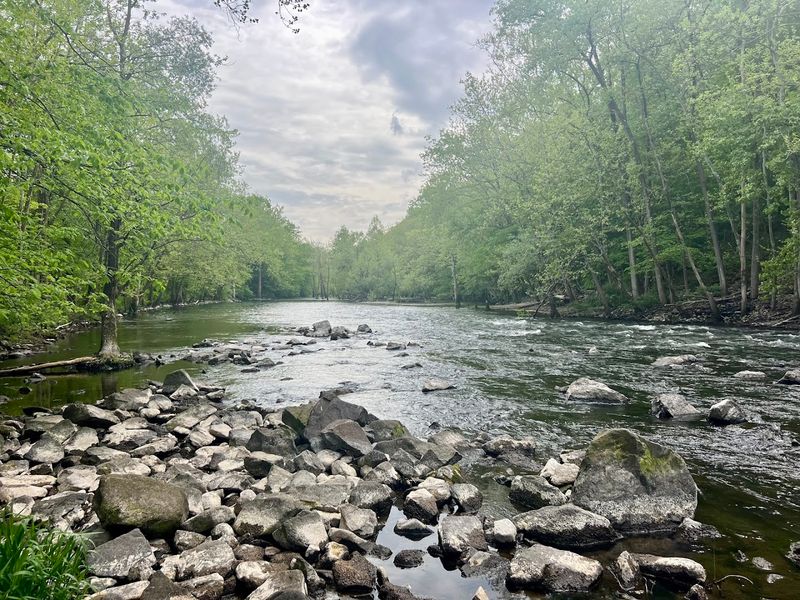
Fishing at Croton Gorge Park is one of those low-key pleasures that does not always make the headline features but keeps people coming back regularly. The Croton River, running through the base of the gorge, offers a legitimate spot to cast a line in a setting that feels far removed from everyday noise.
The water below the dam has a reputation for being productive, and the calm stretches along the river’s edge give anglers room to set up without feeling crowded. It is the kind of fishing spot where patience gets rewarded.
The surrounding trees provide shade during warmer months, which makes a long morning by the water considerably more comfortable. The sound of the spillway in the background adds to the atmosphere in a way that is hard to describe but easy to appreciate.
For families where one person wants to fish and everyone else wants to explore, the park’s layout works perfectly. New York has plenty of fishing spots, but few come packaged with this much scenery and history in the same location.
What To Know Before You Show Up
Croton Gorge Park is a Westchester County park, and like most county parks in the region, it charges a parking fee during warmer months. Arriving without knowing that detail can catch first-time visitors off guard.
The park can fill up quickly on warm weekends and holidays, so earlier arrival is a practical move rather than just a suggestion. Once the lot is full, options become limited and the experience gets more stressful than it needs to be.
Cell service in parts of the park, especially near the waterfall area and the base of the gorge, tends to be unreliable. Downloading a map or knowing the route before arriving saves a lot of frustration.
Restroom facilities exist but are of the portable variety, which is standard for parks of this type.
Staying on marked trails is genuinely important here, as some informal paths near the gorge can be hazardous.
Seasonal Shifts And The Best Times To Visit
Every season brings a different version of Croton Gorge Park to the surface. Spring tends to bring higher water levels and a more dramatic spillway display, with the sound and visual impact both cranked up after winter snowmelt.
Summer is the busiest period by a significant margin. Families, hikers, and picnickers all converge on the same weekends, which creates a lively atmosphere but also means parking fills up fast.
Weekday visits during summer offer a much calmer experience.
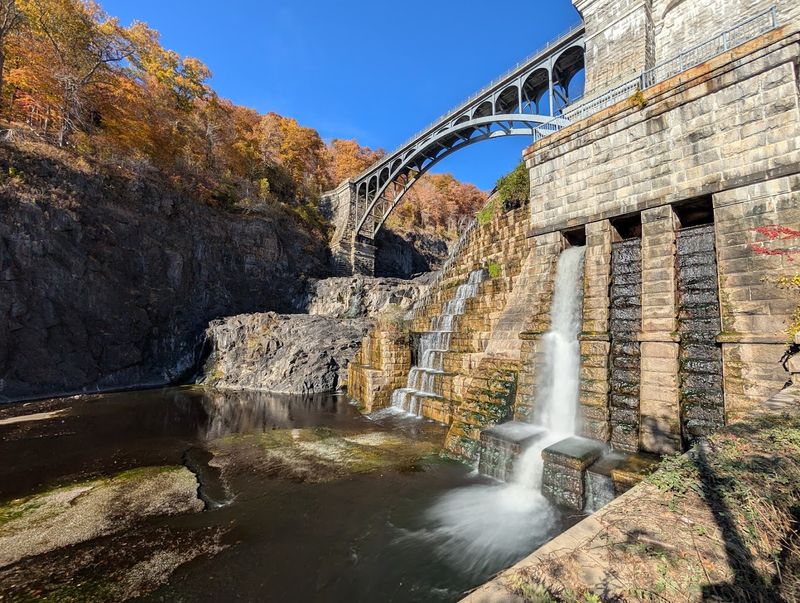
Autumn is arguably the most visually rewarding time to visit. The trees surrounding the gorge and the reservoir turn into a patchwork of orange, red, and gold, framing the stone dam in a way that feels almost staged.
Winter visits are quieter and offer a completely different mood.
Snow on the dam walls and ice along the gorge edges create a stark, dramatic landscape that rewards anyone willing to brave the cold. New York winters can be sharp, but the park’s scenery holds up beautifully in any season.
Why This Place Deserves More Attention
Croton Gorge Park sits close enough to New York City that a day trip is completely realistic, yet it feels worlds away from the pace and noise of urban life. That combination is rarer than it sounds.
The historical layers here are genuinely rich. The story of the original Old Croton Dam, built in the 1840s and still intact beneath the reservoir, connects directly to how New York City got its water supply for generations.
That is not a minor footnote.
That is foundational infrastructure history.
The New Croton Dam itself, once the tallest dam in the world, is the kind of structure that earns a longer look the more you understand what went into building it by hand.
Add the aqueduct trail, the gorge scenery, the fishing, the picnic areas, and the dog-friendly trails, and the result is a destination that covers a lot of ground in the best possible way.
New York has no shortage of parks, but this one carries a story that most of them simply cannot match.