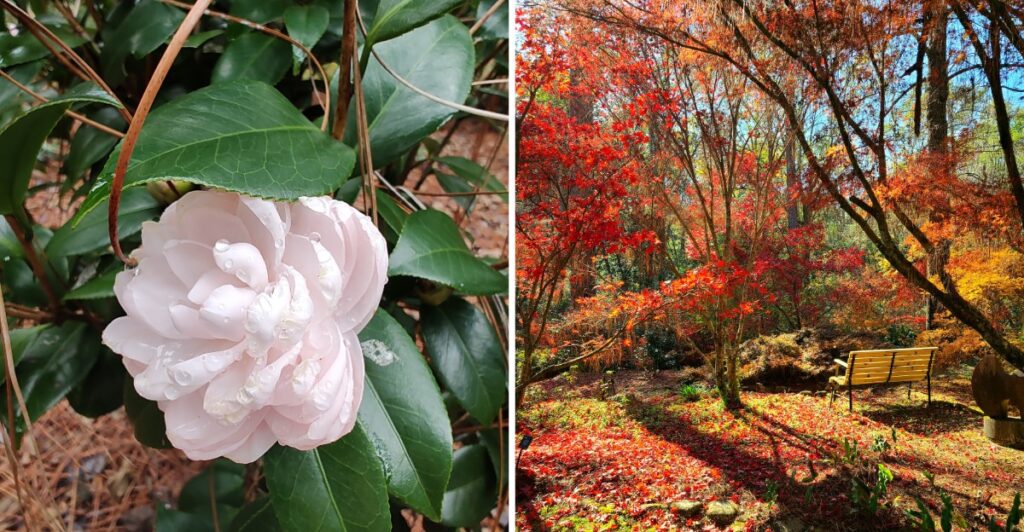
Just when most gardens start calling it a season, these flowers decide to clock in.
Camellias begin opening through late fall, with early sasanquas bringing color into October, November, and December.
That timing gives this place a completely different personality.
The five-acre WinterGarden carries much of the show, with mature camellias joined by newer varieties and other cool-season plants. Step beyond it and the garden opens into woodland paths and longleaf pine.
Alabama gets one more excuse to keep the walking shoes out after summer.
The biggest camellia display comes later, around mid-to-late February, but late fall has its own charm.
I like the idea of catching a garden just as everyone else assumes the flowers are finished.
If the camellias are still showing off, why should the season get the final word?
Late Fall Starts The Camellia Season
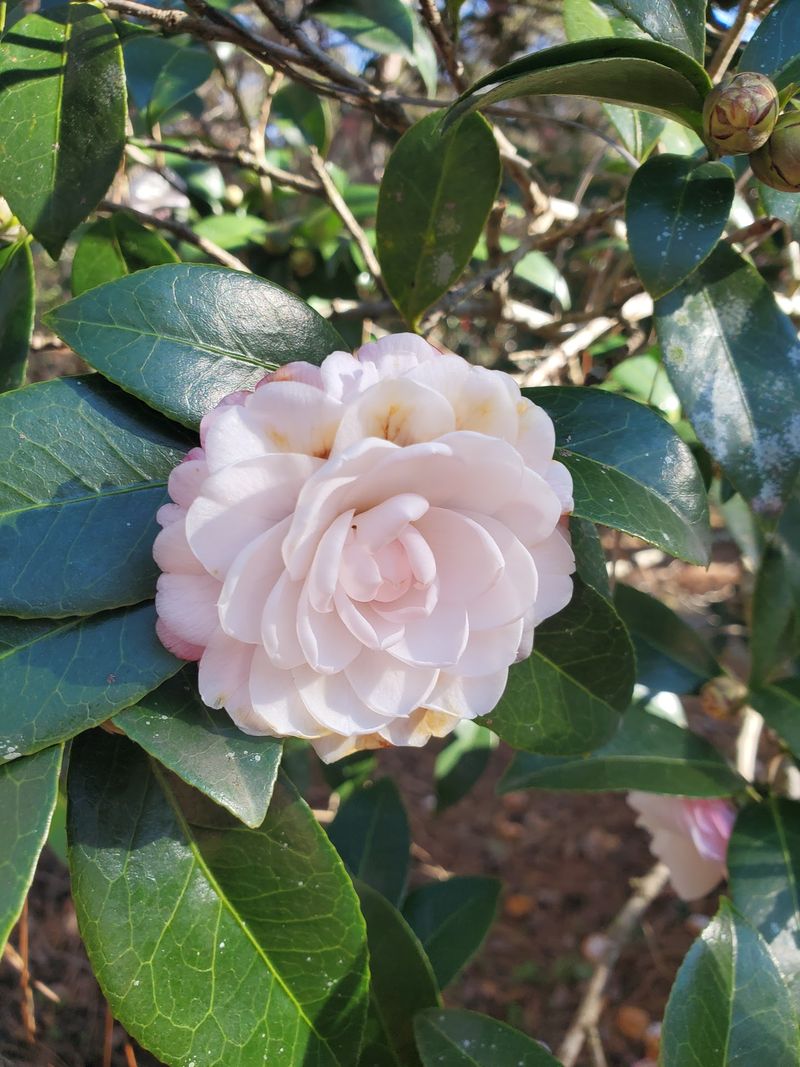
Camellias do not all bloom at once, which is exactly why the season stretches so long at Mobile Botanical Gardens.
The earliest group includes sasanquas, which can begin flowering in September or October and continue through December. Some varieties keep going even longer, overlapping with the later japonicas and other winter-blooming camellias.
That makes November a good time to see the season beginning rather than finishing. The display is more gradual than the February peak, so one shrub may be covered while another is still holding tight buds.
For a visitor, that creates an easy walking rhythm. You can move from one open plant to the next instead of expecting every path to look the same.
Colors range through whites, pinks, and reds, with flower forms that can be single, semi-double, or much fuller depending on the cultivar.
Late fall also brings comfortable walking weather compared with Mobile’s hotter months. A light layer and shoes that can handle both paved areas and woodland paths are usually more useful than anything elaborate.
If camellias are the main reason for the trip, leave room for a return later in winter. The first blooms are only the opening chapter.
The WinterGarden Covers Five Acres
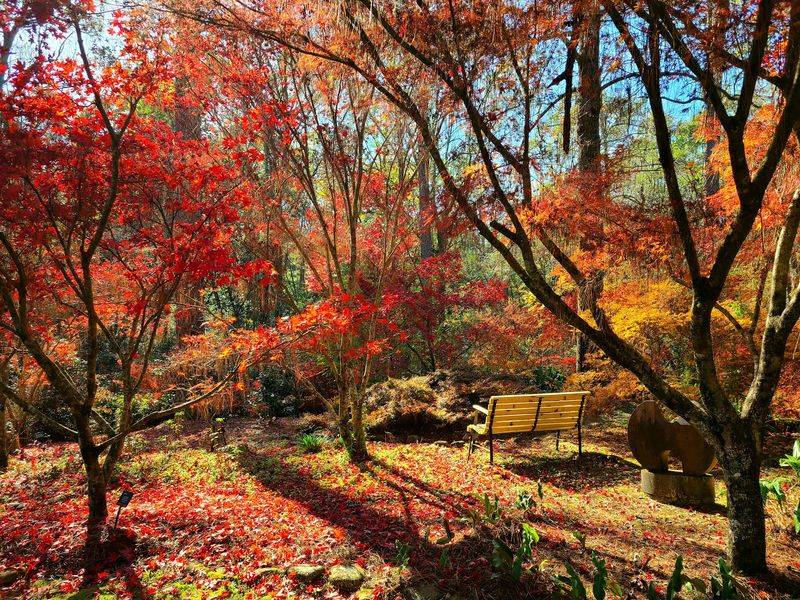
The K. Sawada WinterGarden gives the camellia collection its main stage.
It covers five acres and includes many decades-old, tree-sized plants alongside newer cultivars added over time. The result is not one uniform hedge of flowers but a collection where height, form, leaf shape, and bloom style change as you walk.
Plant labels make it easier to slow down and notice those differences. Some camellias have compact flowers with tightly arranged petals, while others open more loosely.
Early sasanquas often feel lighter and more open than the fuller japonicas that become more noticeable later in the season.
The WinterGarden is also mixed with companion plants rather than isolated from the rest of the landscape. Native azaleas, viburnums, winter-blooming bulbs, perennials, hollies, and Japanese maples add structure between camellia specimens.
The International Camellia Society recognizes the WinterGarden as a Garden of Excellence. It first received that certification in 2014, with the latest renewal in 2023.
The designation places the WinterGarden among internationally recognized camellia collections, while the labeled paths make the individual cultivars easy to explore.
Pick a path, read the labels when curiosity strikes, and let the differences reveal themselves one shrub at a time.
Sasanquas Lead The Early Show
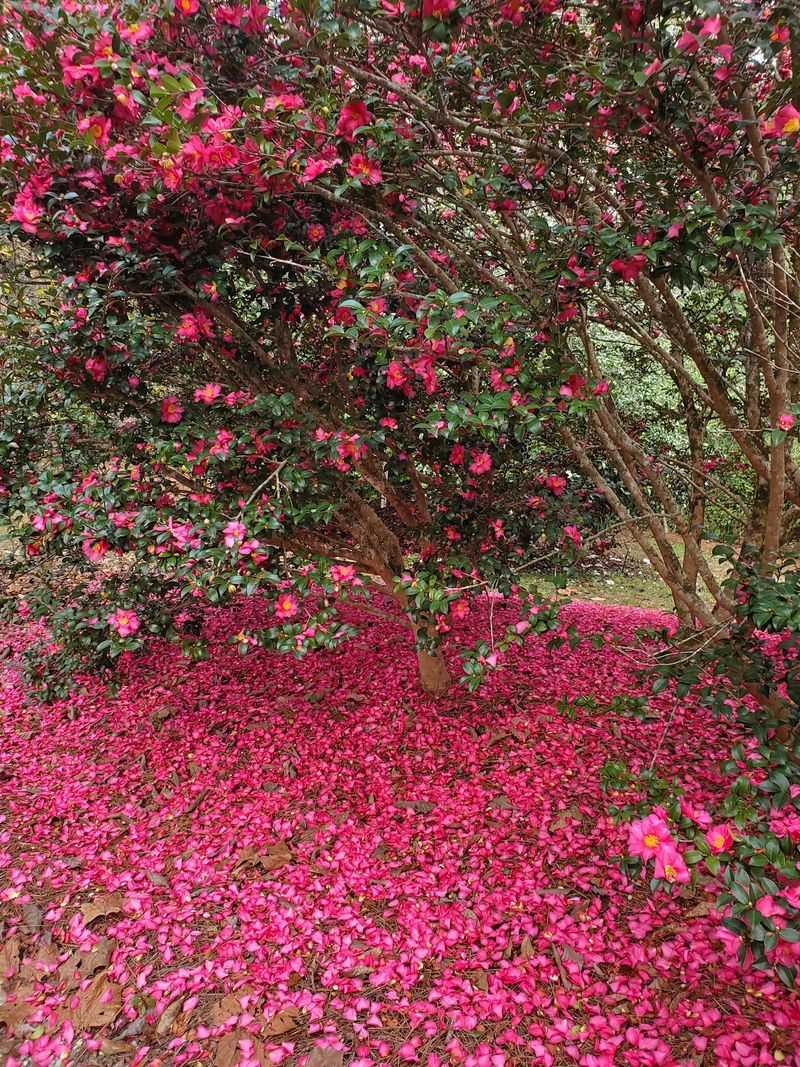
If you visit in late fall, sasanquas are the camellias most likely to set the pace.
The name covers several closely related camellia groups that bloom earlier than many japonicas.
At Mobile Botanical Gardens, their season can begin in September and October, with the International Camellia Society identifying October through December as the best viewing window.
Their flowers are often single or semi-double and can look more open than the fuller blooms people may picture when they hear the word camellia. Many are fragrant, and the shrubs themselves range widely in size.
Because petals can fall while new flowers continue opening, the path beneath a mature plant can become part of the display. Look down as well as up, especially after a breezy morning.
The early timing also changes how you plan the visit. A late-fall trip is less about chasing the garden’s biggest floral moment and more about catching the first strong wave of the season.
If you enjoy comparing plants, start with the sasanquas in autumn and come back when later varieties take over. The same five acres can look very different a few months apart.
That is one of the quiet pleasures of a collection built around a long bloom calendar.
Kosaku Sawada Shaped The Collection
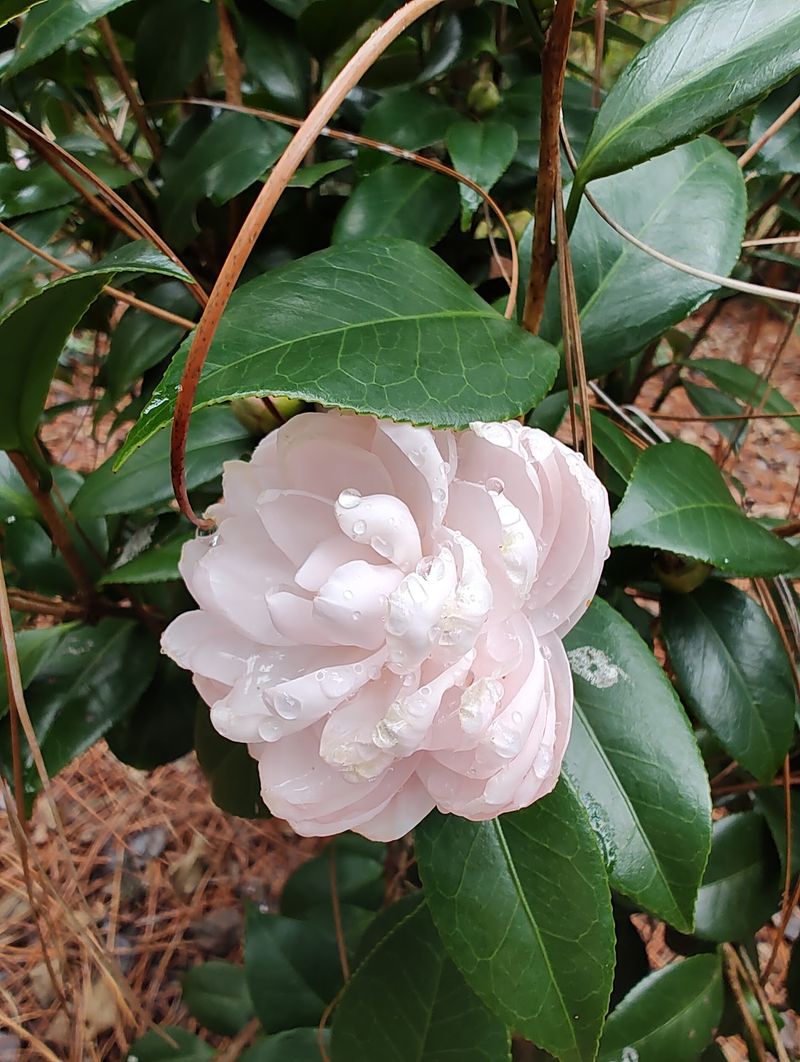
The WinterGarden carries the name of Kosaku Sawada, one of the most influential camellia growers connected with the Gulf Coast.
Sawada developed important cultivars after growing seeds sent from Japan by his wife’s family. His work helped shape American camellia history, and his introductions remain part of the collection in Mobile.
The garden does not stop with Sawada. It also preserves plants connected with other notable Gulf Coast growers and nurserymen, including names tied closely to Mobile’s long camellia tradition.
In some cases, original plants from those growers survive in the collection.
That turns a walk through the WinterGarden into more than a color hunt. Labels can point to a cultivar’s origin, breeder, or local connection, giving you small pieces of horticultural history without turning the visit into a lecture.
This is also where the older, tree-sized specimens become especially interesting. Their scale makes the passage of time visible in a way a date on a sign cannot.
Younger plants nearby add another layer. One path can show you both historic material and newer introductions, all growing in the same Gulf Coast climate.
If one name catches your attention, photograph the label and keep walking. The garden rewards curiosity better than speed.
Tree-Sized Camellias Change The Scale
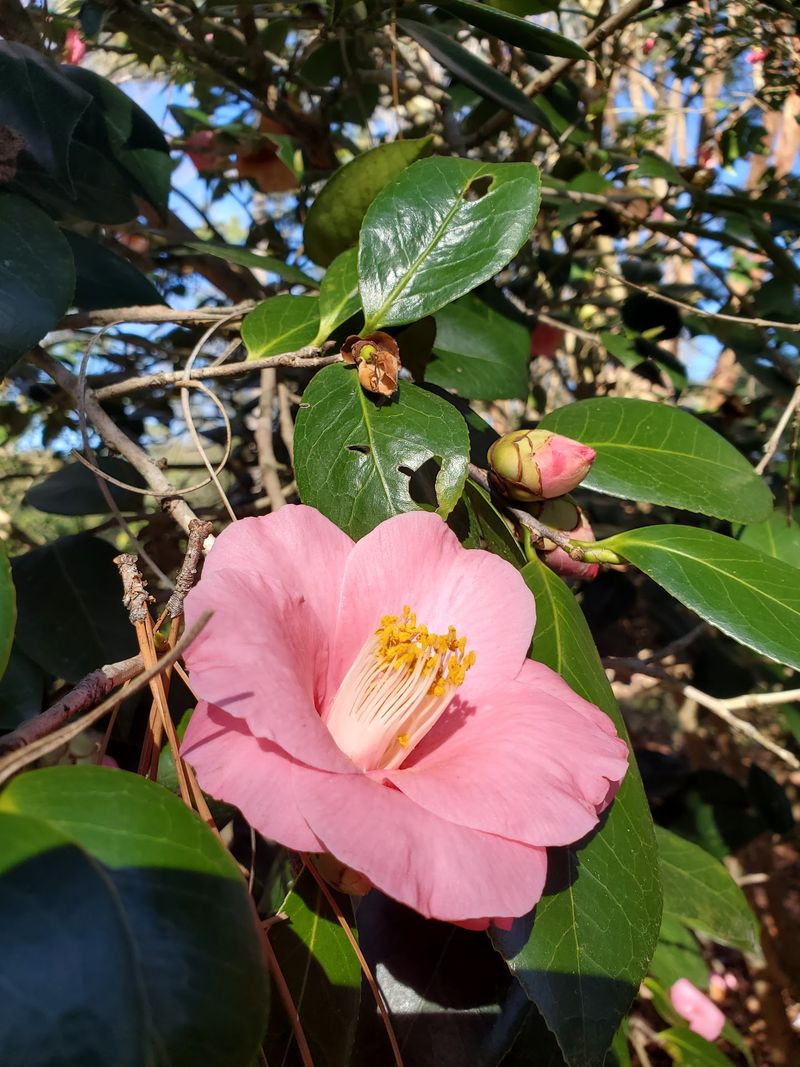
Some camellias in the WinterGarden have been growing for decades, and their size changes the way you experience the collection.
Instead of looking down at neat shrubs, you may find yourself standing beside plants that rise well above eye level. Flowers appear overhead, along outer branches, and sometimes farther back in the canopy than expected.
That scale gives the WinterGarden a different feel from a nursery display or a row of newly planted ornamentals. Mature trunks and spreading branches create structure even when a particular plant is between bloom cycles.
The older specimens also make it easier to understand why camellias became such important landscape plants in the Mobile area. They can function as substantial evergreen features, not simply seasonal flowering accents.
Newer cultivars grow among them, so the contrast between young and established plants is easy to see without searching for it.
Take your time on the paths and look at the whole plant before moving in for a close-up of the flower. Leaf shape, branching habit, and height tell part of the story too.
If photography is part of the day, step back occasionally. A single flower is beautiful, but a mature camellia covered in blooms makes the scale much clearer.
The Gulf Coast Extends The Bloom Calendar
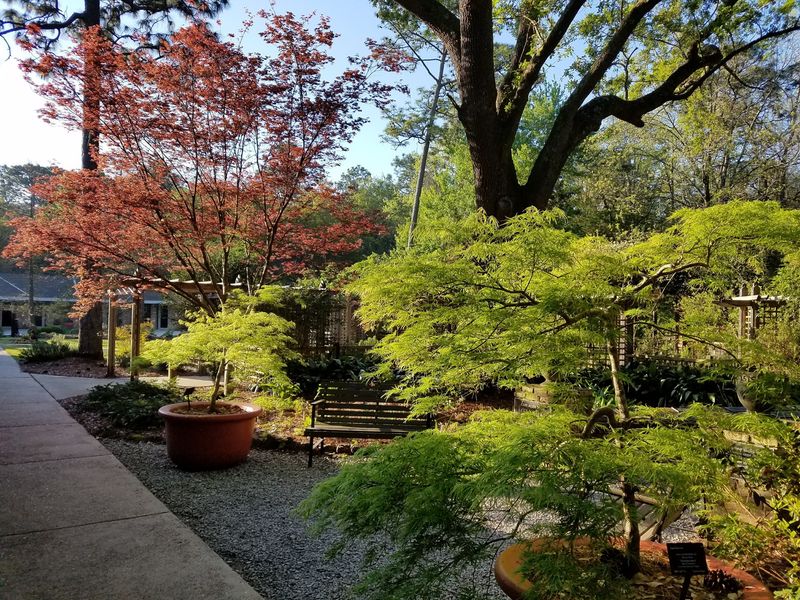
Mobile’s climate plays a major role in how long the camellia season can last.
The northern Gulf Coast is mild enough to support a wide range of camellias outdoors, including tender hybrids and species that would struggle in colder regions. That gives the WinterGarden a bloom calendar stretching from early autumn into spring.
Sasanquas lead the season, while other camellias become more prominent through winter. The International Camellia Society identifies mid-to-late February as the peak period for the collection as a whole.
That timing is useful when deciding what kind of visit you want.
Come in late fall for the first strong wave and an autumn garden with unexpected flowers. Come later in winter for a fuller camellia display. Neither visit needs to compete with the other.
Weather can still shift from year to year, and individual cultivars follow their own schedules. A warm spell can move things along, while colder conditions can slow open flowers or affect individual blooms.
With different cultivars opening at different times, several visits across fall and winter can reveal noticeably different parts of the collection.
At 5151 Museum Drive, Mobile, AL 36608, the garden gives that long season plenty of room to unfold.
More Than A Hundred Acres Stretch Beyond The Camellias
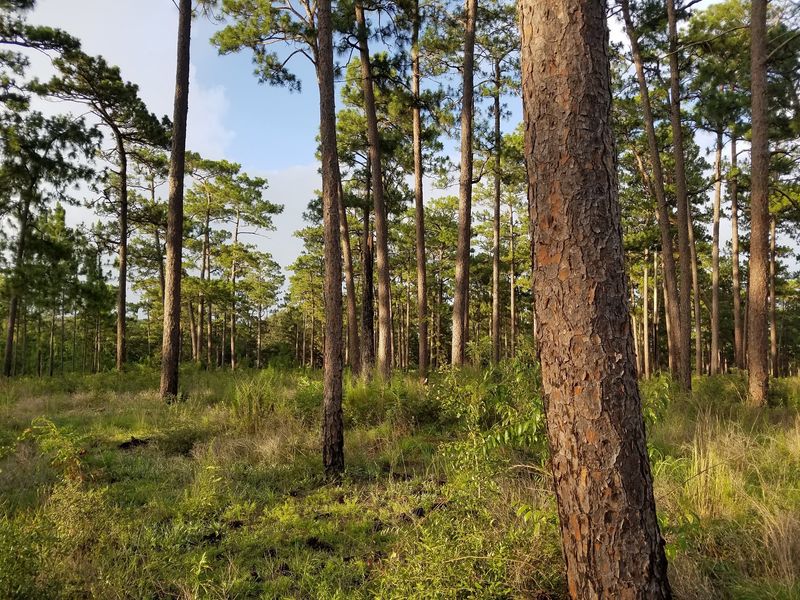
The camellias may be the late-fall draw, but Mobile Botanical Gardens covers more than 106 acres.
That gives you plenty to do after the WinterGarden. Woodland gardens and trails move into a less formal landscape, while a conservation longleaf pine forest preserves one of the signature ecosystems of the Gulf Coast.
The property also includes major azalea collections, a pollinator garden, a man-made bog, and a large Japanese maple collection. Seasonal interest shifts from one area to another, which makes it easy to build the day around whatever is active when you arrive.
You do not need to cover everything in one visit. If the camellias are blooming well, spend more time there and save the longer woodland loop for another day.
If the weather is especially pleasant, extend the walk into the pine forest and let the visit become less about individual flowers and more about the broader landscape.
Comfortable shoes matter more than a packed itinerary. The mix of paved garden areas, woodland trails, and broad collections gives you enough variety without forcing a strict route.
Late fall works particularly well because the garden is changing in several directions at once. Autumn is fading, camellias are beginning, and the longleaf pines keep the landscape green.
That is a good reason to slow down and let the season meet you halfway.