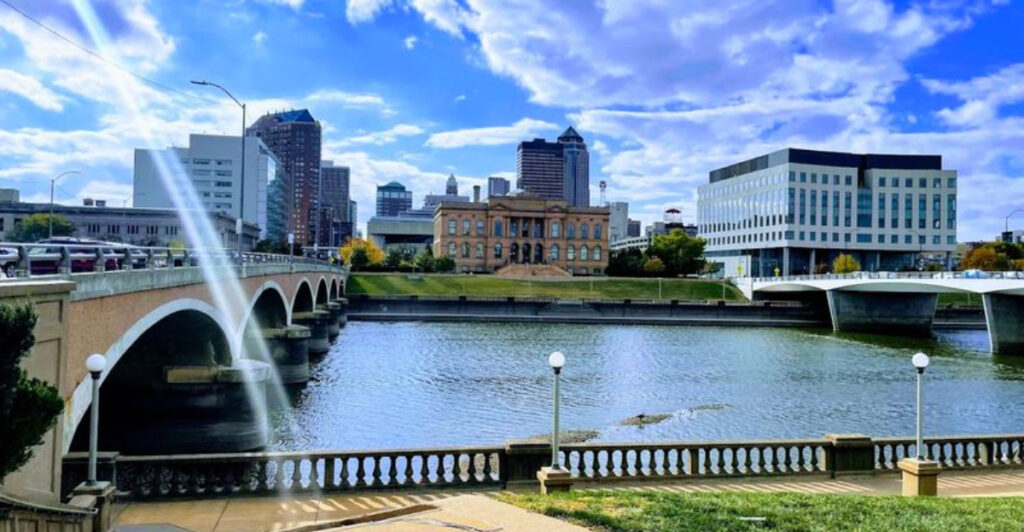
Retirement planning can feel painfully practical, like comparing insurance brochures while your soul quietly leaves the room.
Des Moines changes that conversation a bit because the city offers the sensible things that matter, including affordable housing, strong healthcare, and easy day-to-day living, while still feeling active, creative, and genuinely pleasant.
Your budget gets breathing room here, but your calendar does not have to go blank. That is a rare and very underrated combination.
The real appeal is how comfortably everything fits together. A lively downtown, riverfront trails, farmers market mornings, respected medical care, artsy afternoons, and friendly neighborhoods give Des Moines, Iowa, a retirement case that feels less like a compromise and more like a smart next chapter.
A City That Quietly Does Everything Right
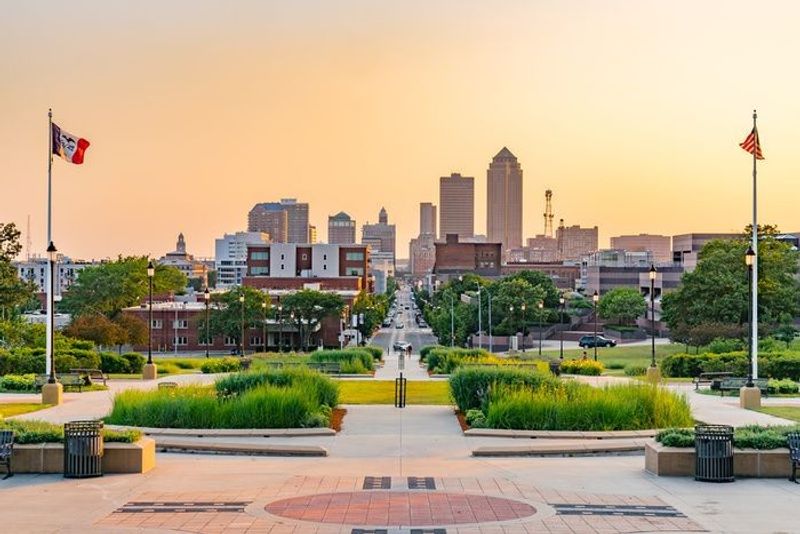
There is something almost sneaky about how well Des Moines works as a retirement destination.
The city does not shout about its advantages the way some Sun Belt towns do, but once you spend a few days here, the picture becomes very clear.
Des Moines is the capital city of Iowa, and it sits near the heart of the state with easy access to Interstates 80 and 35, making it surprisingly easy to reach from many parts of the Midwest.
The city covers a large and varied landscape, from riverfront parks to quiet residential neighborhoods lined with mature trees.
What struck me most on my first visit was how genuinely livable the whole place felt. There was no overwhelming traffic, no sky-high prices at the grocery store, and no sense that the city was too big or too chaotic to enjoy at a relaxed pace.
Des Moines, Iowa, with city administrative offices now centered at the T.M. Franklin Cownie City Administration Building, 1200 Locust Street, Des Moines, IA 50309, manages to feel both ambitious and approachable at the same time, which is a rare combination anywhere.
Housing Costs That Will Make Your Jaw Drop
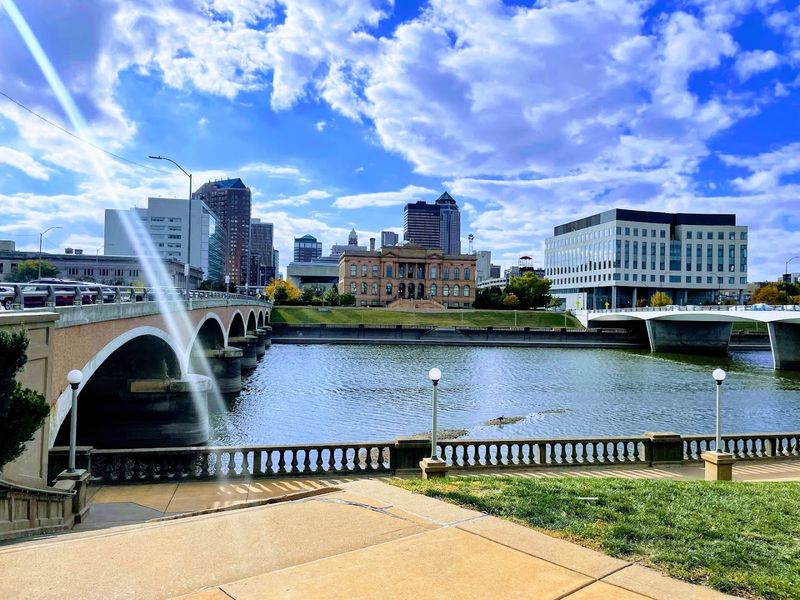
The first time I looked up home prices in Des Moines, I genuinely thought I had made a mistake on the search filter.
The typical home value here sits well below the national average, and that gap becomes even more striking when you compare it to many popular retirement spots in Florida or Arizona.
For retirees who want to stretch their savings or free up cash for travel and hobbies, that difference is enormous.
Rental options are also reasonable compared with national averages, with comfortable apartments and townhomes available at prices that can feel almost old-fashioned by today’s standards.
The neighborhoods themselves are well-kept and varied enough to suit different tastes. Some people love the historic charm of areas like Beaverdale, while others prefer the newer developments on the city’s outer edges.
Iowa also offers a homestead tax credit for eligible homeowners, and homeowners age 65 or older may qualify for an additional homestead exemption that reduces taxable value.
I walked through several open houses just out of curiosity, and every time I saw the price tag, I had to remind myself that this was a state capital with real urban amenities, not a forgotten rural outpost.
Strong Healthcare Access Right Around the Corner
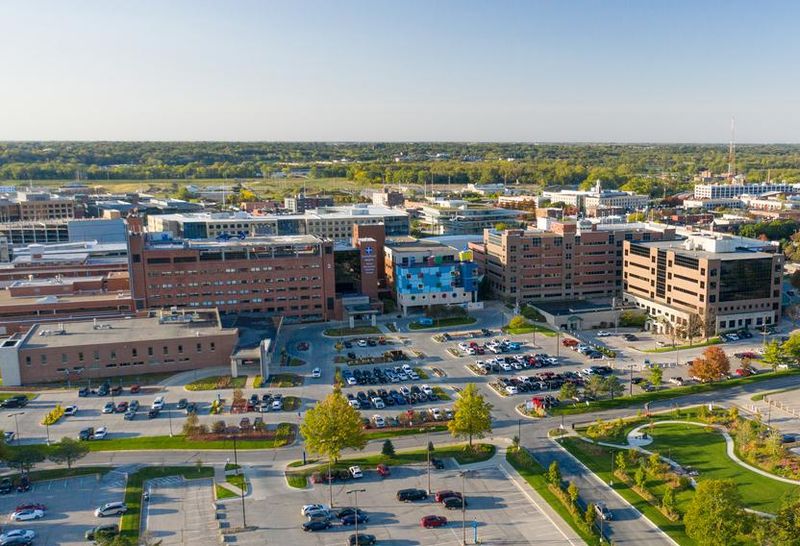
Healthcare access is probably the single biggest concern for most retirees, and Des Moines handles it well for a city of its size.
The metro area is home to several major medical systems, including UnityPoint Health Iowa Methodist Medical Center and MercyOne Des Moines Medical Center, both of which serve as important regional healthcare anchors.
Iowa Methodist is a major regional medical center and teaching hospital with a long history of cardiac care, while MercyOne Des Moines Medical Center is also recognized among Iowa hospitals in current statewide hospital rankings.
What I noticed during my visit was how accessible these facilities actually felt. They were not buried in traffic-choked corridors or hidden behind confusing campus layouts.
Getting to a specialist appointment here seems genuinely straightforward compared to navigating a massive metro healthcare system in a bigger city.
The presence of Des Moines University in the metro area, along with other health-related institutions, also helps support a steady pipeline of medical professionals connected to central Iowa.
For anyone prioritizing health security in retirement, that combination of quality, variety, and accessibility is not something to take lightly.
The Downtown Farmers Market Experience
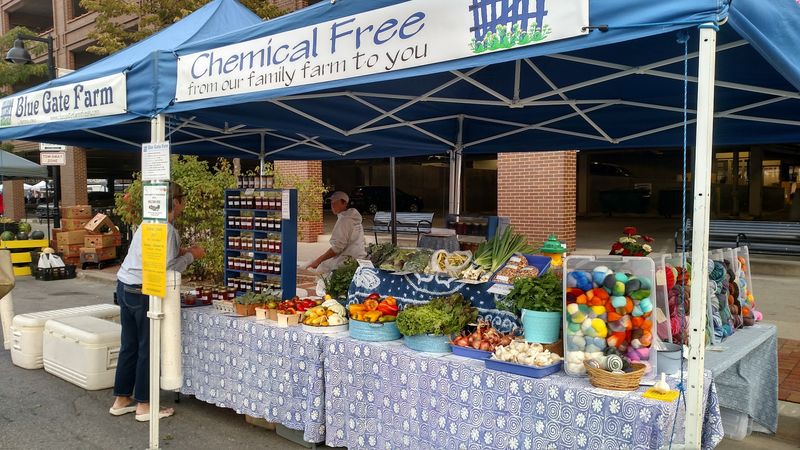
Saturday mornings in Des Moines have a rhythm all their own, and it centers almost entirely on the Downtown Farmers Market.
Running from May through October along Court Avenue and surrounding streets, this market draws thousands of visitors each week and feels less like a shopping errand and more like a genuine community event.
I arrived early on a warm Saturday and was immediately pulled in by the smell of fresh-baked bread and roasted coffee drifting through the crowd.
Local farmers bring seasonal produce, handmade cheeses, fresh flowers, and specialty foods that reflect the agricultural richness of the surrounding Iowa countryside.
Live music fills the air throughout the morning, with local musicians performing at multiple spots along the route.
For retirees who value community connection and a sense of belonging, this market delivers both in abundance. You can spend two hours here without even noticing the time pass.
I ended up chatting with three different vendors and a couple of regulars who had been coming every Saturday for over a decade, and that kind of warmth is genuinely hard to manufacture.
Parks, Trails, and Outdoor Life Done Properly
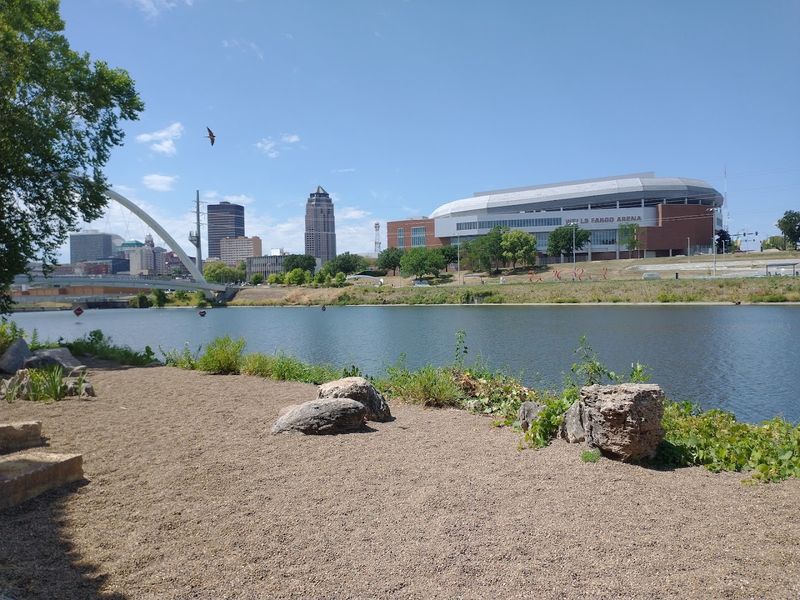
The outdoor infrastructure in Des Moines surprised me more than almost anything else about the city.
The metro area is threaded with over 800 miles of trails through the Regional Trail System, which connects parks, neighborhoods, waterways, and green corridors across the entire region.
Gray’s Lake Park is one of the most beloved spots in the city, featuring a loop trail around a calm lake that is perfectly suited for morning walks, bird watching, or simply sitting on a bench and doing absolutely nothing productive.
Waterworks Park and Prospect Park offer additional green space with a quieter, more local feel that retirees who prefer to avoid crowds tend to gravitate toward.
The trail system is well-maintained and mostly flat, which matters quite a bit for people who want to stay active without dealing with steep terrain.
I put in several miles on the Meredith Trail one afternoon and passed dozens of people of all ages enjoying the path in their own way.
A city that invests this seriously in accessible outdoor space is sending a clear message about the kind of lifestyle it wants to support.
Arts and Culture That Punch Above Their Weight
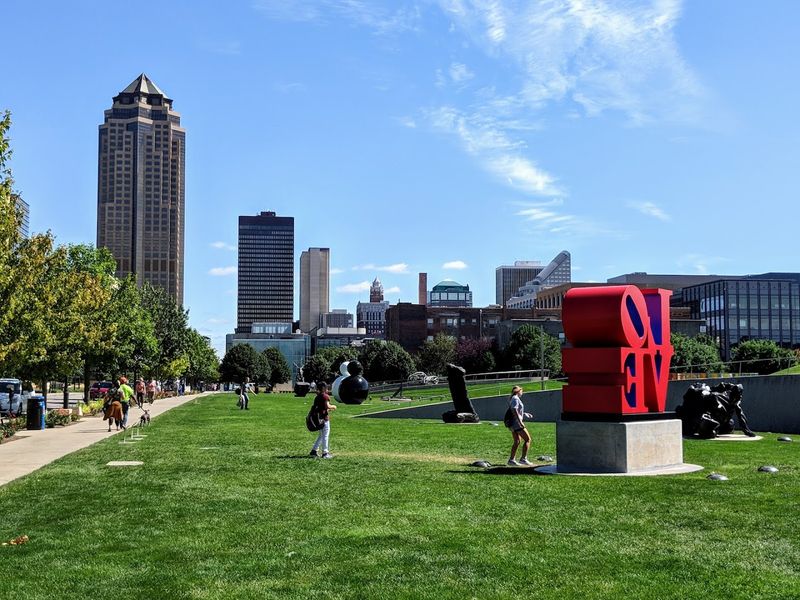
The cultural depth of Des Moines genuinely caught me off guard, and I say that as someone who has visited a lot of mid-sized American cities.
The Des Moines Art Center is a remarkable institution, featuring a permanent collection that includes works by Georgia O’Keeffe, Francis Bacon, and Jasper Johns, all housed in a building designed by architects Eliel Saarinen, I.M. Pei, and Richard Meier.
The Pappajohn Sculpture Park nearby is free and open daily, displaying major works by internationally recognized artists across a beautifully maintained urban green space.
I spent an entire afternoon moving between the two and came away genuinely impressed by the quality and accessibility of it all.
The Civic Center of Greater Des Moines hosts Broadway touring productions, concerts, and performing arts events throughout the year, offering a cultural calendar that rivals cities twice its size.
For retirees who feed their minds through art, music, and live performance, Des Moines provides that kind of nourishment on a regular basis without requiring a cross-country flight to get it.
A Botanical Garden Worth Making Plans For
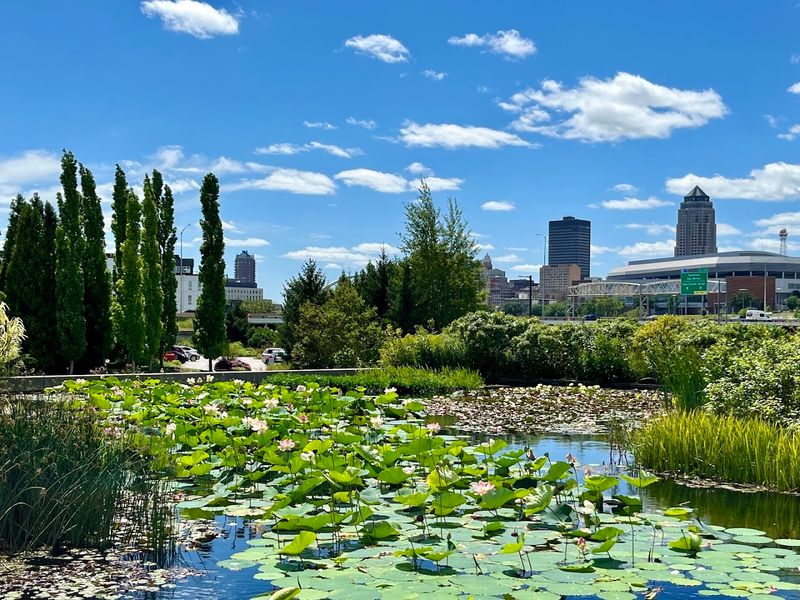
Set near the Des Moines River in downtown Des Moines, the Greater Des Moines Botanical Garden is one of those places that feels like a well-kept secret even though it has been around for decades.
The outdoor gardens change with the seasons and feature areas such as the Wells Fargo Rose Garden, the Koehn Garden, and richly planted spaces that peak beautifully in the warmer months.
The centerpiece geodesic dome houses a tropical collection that feels genuinely transportive, especially during Iowa winters when the cold outside makes the warm, lush interior feel like a small miracle.
I visited on a weekday morning and had stretches of the outdoor garden almost entirely to myself, which felt like an unexpected luxury.
Membership options make frequent visits very economical, and many retirees I spoke with considered the garden a regular part of their weekly routine rather than an occasional outing.
Horticultural programming, guided tours, concerts, classes, and seasonal events add additional layers of engagement throughout the year.
For anyone who finds peace and joy in natural beauty, this garden delivers that feeling consistently and gracefully across every season.
The Gold-Domed Capitol and East Village Charm

Few state capitol buildings in the country are as visually striking as the one sitting at the top of a gentle hill in Des Moines.
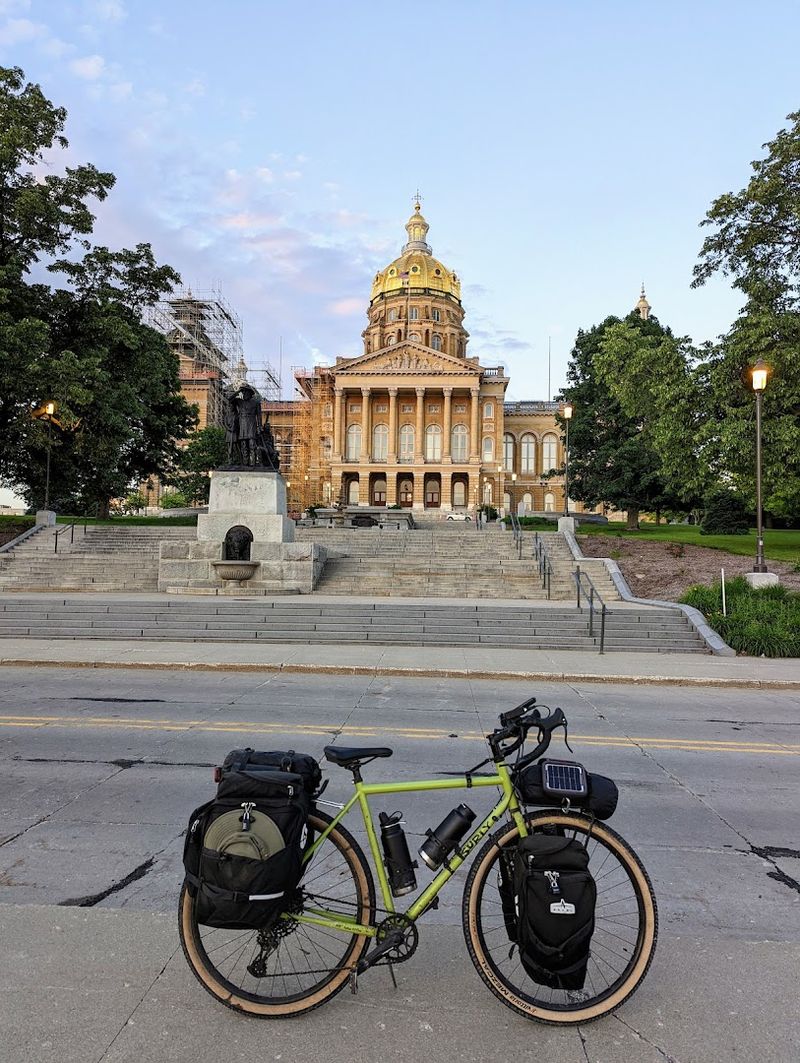
The Iowa State Capitol features a stunning gold dome that catches the sunlight in a way that makes it visible from several miles away, and up close, the architectural detail is genuinely impressive for anyone with an interest in history or craftsmanship.
Free tours are available and cover the building’s ornate interior, including hand-painted murals, intricate mosaic floors, and legislative chambers that have been carefully preserved.
Just downhill from the Capitol sits the East Village neighborhood, a walkable area filled with independent boutiques, coffee shops, galleries, and restaurants that attract a creative, community-minded crowd.
I spent a leisurely afternoon wandering East Village and found it to be one of the most pleasant urban strolls I had enjoyed in a long time.
The mix of historic architecture and contemporary small businesses gives the area a character that feels earned rather than manufactured.
For retirees who enjoy urban exploration without urban exhaustion, East Village hits a very comfortable sweet spot.
Four Seasons and Why That Actually Matters

Not everyone wants year-round warmth, and for retirees who actually enjoy the rhythm of changing seasons, Des Moines delivers a genuinely satisfying annual cycle.
Summers are warm and active, with long evenings that make outdoor dining, trail walking, and garden visits feel effortless.
Fall transforms the city’s many tree-lined neighborhoods into something worth photographing every single day, and I can personally confirm that October in Des Moines has a particular quality of light that feels almost theatrical.
Winters are cold but manageable, and the city handles snow removal efficiently enough that daily life does not grind to a halt the way it might in less prepared places.
Spring arrives with a burst of energy that the locals clearly appreciate after months of grey skies, and the farmers market season beginning in May feels like a collective exhale.
For retirees who find meaning in seasonal transitions, whether through gardening, cooking with local produce, or simply marking the passage of time in a natural way, this four-season rhythm provides a satisfying framework for daily life.
Community, Friendliness, and the Iowa Factor
There is a quality to social life in Des Moines that is genuinely difficult to describe without sounding like a greeting card, but I will try anyway.
Iowa has a reputation for friendliness, and while reputations can be overblown, this one holds up remarkably well in practice.
During my time in the city, I was struck repeatedly by how easy it was to strike up a real conversation with a stranger, whether at the farmers market, on a trail, or in a coffee shop.
The city supports older adults through Des Moines Parks and Recreation senior programs, which offer activities designed for community members ages 60 and older.
Neighborhoods tend to be stable and rooted, with long-term residents who take genuine pride in where they live.
Community festivals, neighborhood gatherings, volunteer opportunities, and civic events keep the social calendar full without requiring anyone to travel far or spend a lot of money.
For retirees who worry about isolation, which is one of the most underrated challenges of retirement, Des Moines offers the kind of organic social fabric that is genuinely hard to find at any price point.