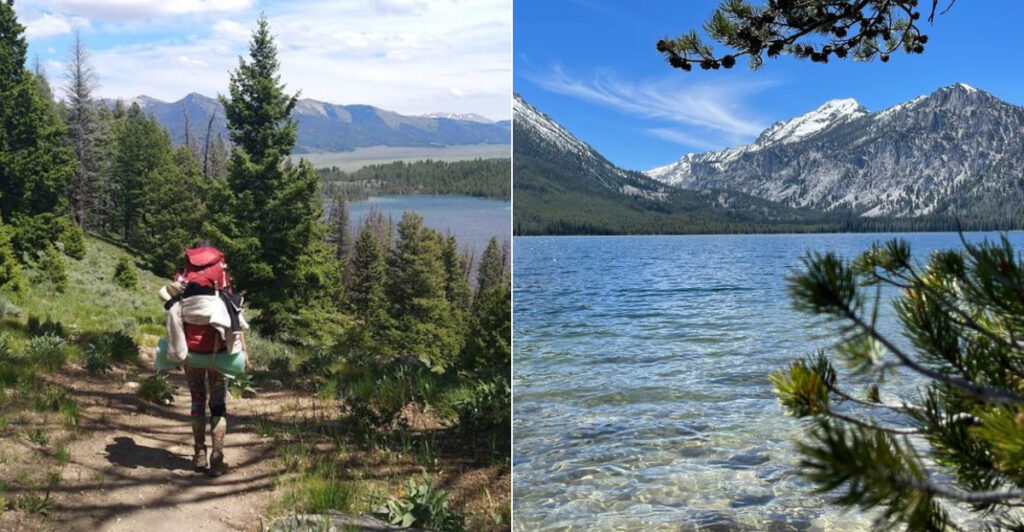
Rugged peaks. Glassy alpine lakes.
Forests that smell like pure wilderness from the very first step. Idaho has a trail that makes everything else feel like a warmup.
Deep inside a national recreation area, a path winds through one of the most dramatic landscapes in the entire state. The mountains take over immediately and do not let go until the hike is done.
The payoff at the end is the kind of stunning that feels almost unreasonable for one trail to deliver. This is not a casual Sunday walk.
This is the kind of hike that reminds people why getting outside and pushing a little further is always worth it. Serious day hikers and backpackers both find exactly what they came looking for here, and both leave with the same reaction.
That was extraordinary.
Idaho wilderness rewards the committed traveler every single time. This trail is that reward at its absolute finest.
Lace up and go find out firsthand.
The Trailhead That Starts It All
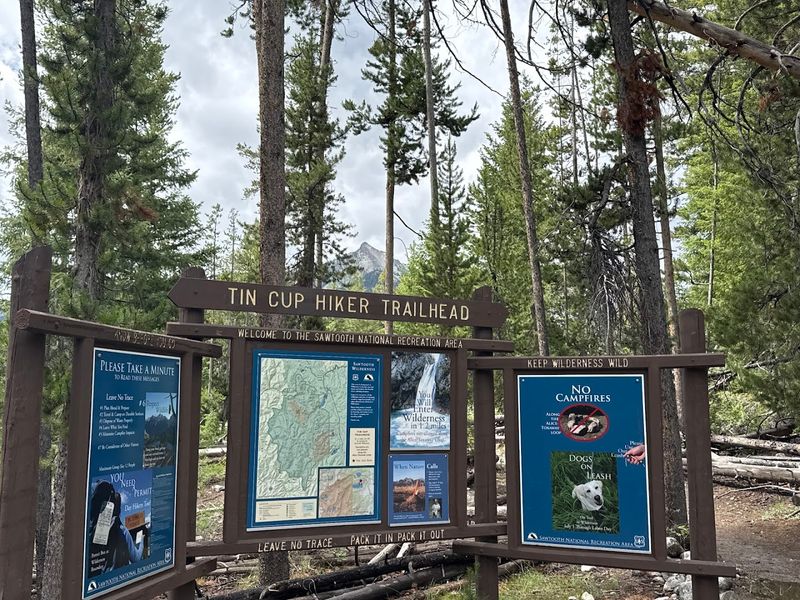
Not every great adventure begins with fanfare, but this one starts with a solid promise. The Tin Cup Trailhead sits at the back of Pettit Lake Campground, off Forest Road 362 near Ketchum, Idaho, inside the Sawtooth National Recreation Area.
The parking area can hold around 250 cars, which sounds like a lot until a summer holiday weekend rolls around. Visitors say the lot fills up fast, so arriving early is one of the smartest moves you can make.
There are bathrooms at the trailhead, which is always a welcome sight before a long hike. The road leading in is well-maintained gravel, so you do not need a high-clearance vehicle to get here.
Free wilderness permits are required and available right at the trailhead. It takes about two minutes to fill one out, and that small step officially marks the beginning of your mountain escape.
From this single starting point, multiple trails fan out into the wilderness. You can reach Alice Lake, Farley Lake, and the famous Alice-Toxaway Loop all from right here.
What trail will you choose first?
Alice Lake Awaits You
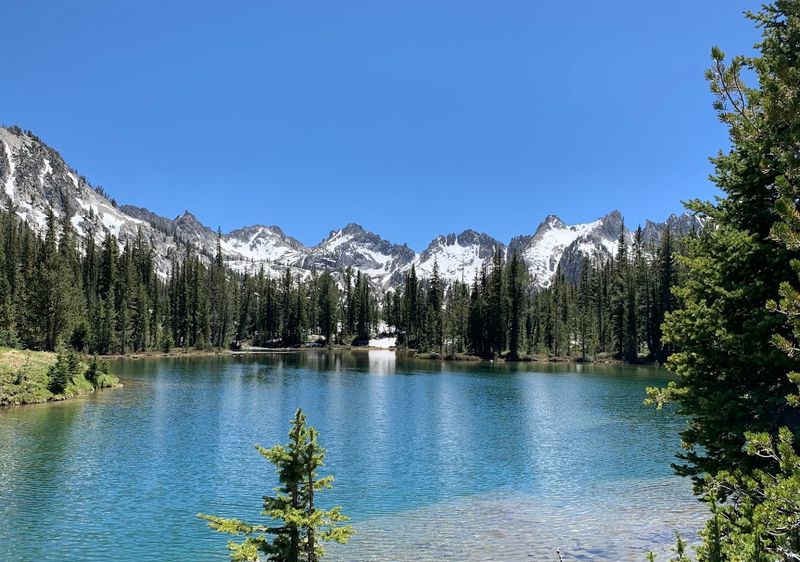
Alice Lake has a reputation that travels far. Visitors consistently call it one of the most beautiful sites in the entire Sawtooth Mountains, and once you see it, you will understand why people keep coming back.
The hike to Alice Lake from the Tin Cup Trailhead is roughly 12 miles round trip. It climbs steadily the entire way up, with only a few switchbacks, so your legs will definitely feel the work.
One hiker who tackled it with four kids aged six to eleven said it took five hours going up and just two and a half hours coming back down. Hard?
Yes. Worth it?
Absolutely.
The trail winds through varied terrain, including forests, rocky sections, and open views of surrounding peaks like McDonald Peak and El Capitan. You will also cross a creek several times along the way, so water shoes are a smart call.
At the top, the lake sits still and clear, reflecting the granite ridgeline above it. Can you picture yourself standing at the edge of that water, completely surrounded by Idaho wilderness with nowhere else to be?
The Loop That Challenges Everything
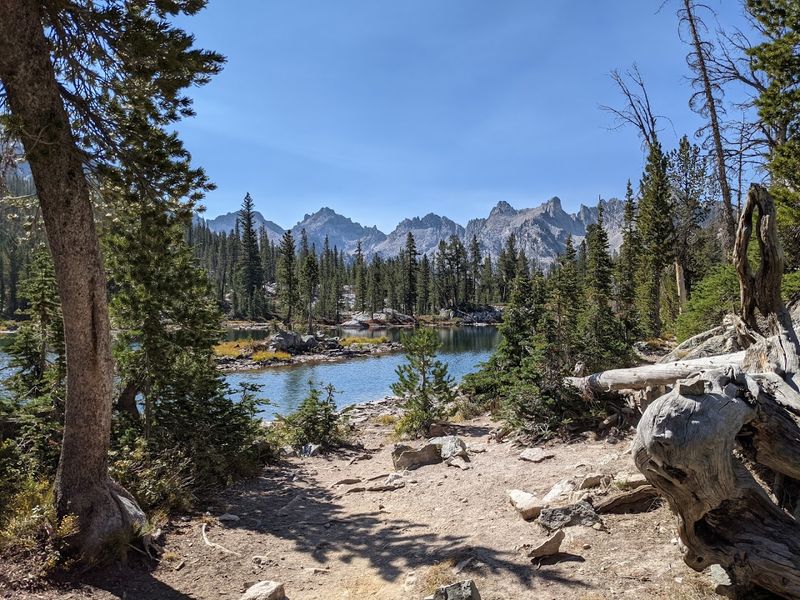
The Alice-Toxaway Loop is the crown jewel of the Tin Cup trail system. At 18.7 miles with over 3,100 feet of elevation gain, it earns its “hard” rating without apology.
Most hikers tackle it as a multi-day backpacking trip, spending two to three nights camped along the route. Campsites are first-come, first-served, and the Toxaway side is known for being quieter and more private.
Going counterclockwise is the move many visitors recommend. The view of Alice Lake from above, approaching from the Toxaway side, is described as stunning and far more rewarding than the reverse direction.
The terrain along the loop is slightly technical in places, especially near Toxaway Lake where some sections get steep. Snow can linger at higher elevations even into mid-July, so checking conditions before you go is always wise.
One runner completed the entire loop in a single push and called it “beautiful 18.8 miles of slightly technical terrain.” That kind of effort earns serious bragging rights. Are you the type who hikes it in a day or savors it over a long weekend?
Toxaway Lake’s Wild Side
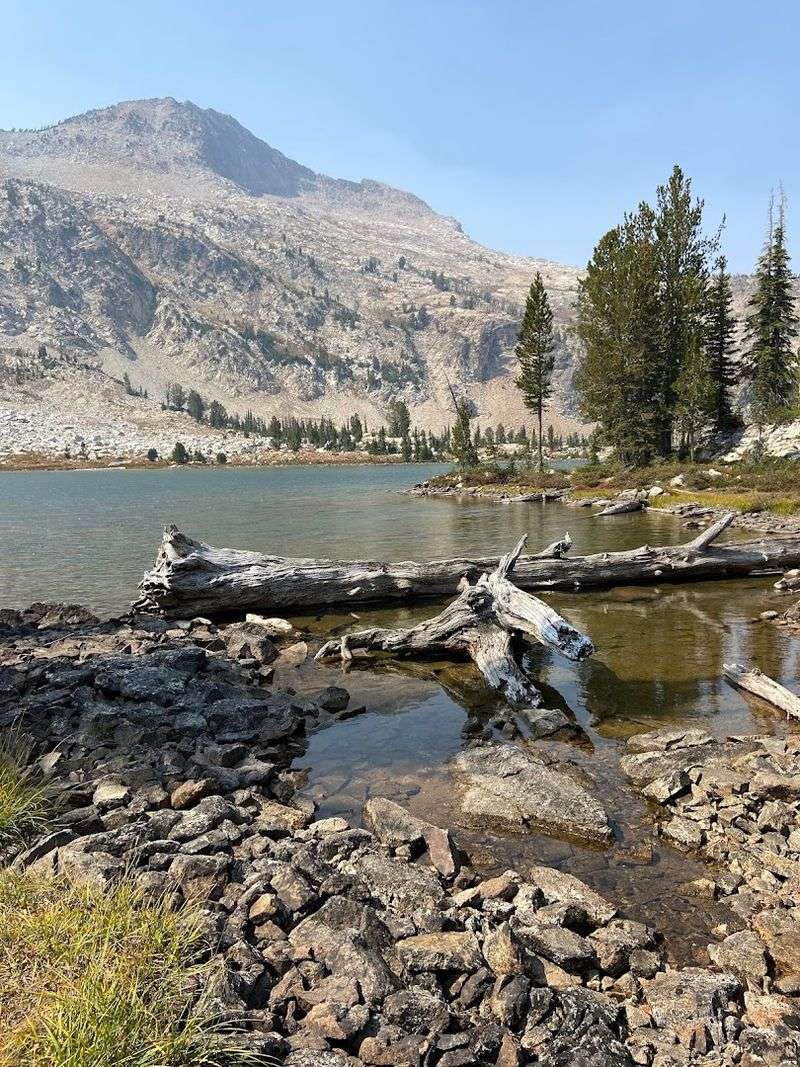
Toxaway Lake sits on the far side of the loop, and getting there feels like earning a secret. The scenery around it is dramatic, with peaks rising sharply above the water and meadows spreading out along the shoreline.
Camping near Toxaway offers more solitude than the busier Alice Lake area. Visitors who have spent nights here say the quiet is almost surreal, with nothing but wind, birds, and the occasional splash from the lake.
One thing to prepare for is the mosquitoes. In mid-July, the Toxaway Lake area can have aggressive insect activity.
Long sleeves, long pants, and a good bug spray are not optional here, they are essential.
Campfires are not permitted on the Alice-Toxaway Loop, so a portable cook stove is the way to go. That rule helps keep the wilderness pristine for every hiker who comes after you.
The steep descent toward Toxaway from the ridge above is one of the most talked-about sections of the trail. It demands focus and sure footing.
Have you ever stood on a mountain ridge and felt that mix of nerves and pure excitement all at once?
Farley Lake’s Quieter Magic
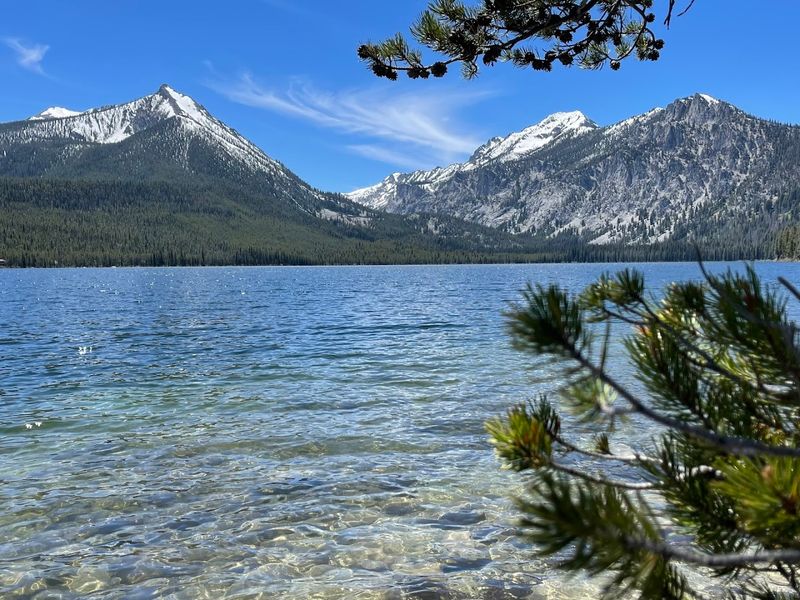
Not every hiker wants the full loop experience, and Farley Lake offers a compelling alternative. At around 11 miles round trip from the Tin Cup Trailhead, it is a solid full-day hike with its own brand of mountain beauty.
One regular visitor to the area has done both Alice Lake and Farley Lake as separate day hikes and calls both outstanding. The tip from that same hiker?
If you have a capable vehicle, starting from Yellow Belly Lake trailhead cuts about three miles off the Farley Lake route.
The road to Yellow Belly is rough, though, so know your vehicle before you commit. Starting from Tin Cup Trailhead is always the reliable option and sets you up with a well-marked, maintained path from the start.
Farley Lake sees fewer visitors than Alice Lake, which means more space to breathe and enjoy the scenery. Idaho wilderness has a way of feeling even more magical when you have a lake practically to yourself.
The forest stretches alongside the trail the entire way, opening up to rocky terrain as you gain elevation. The payoff at the lake is worth every uphill step. What would you do with a whole afternoon beside a quiet alpine lake with no one else around?
Creek Crossings And Cold Water
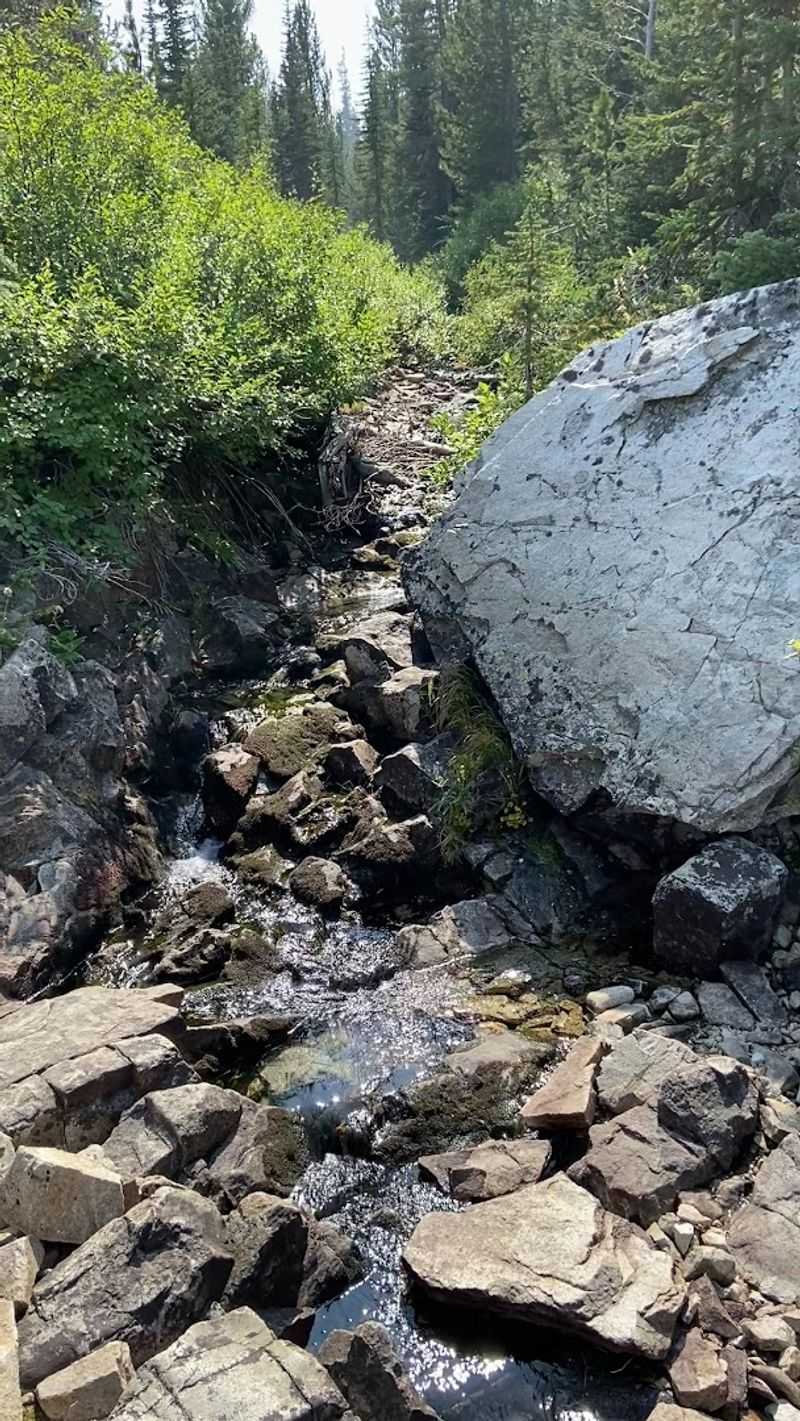
One of the most talked-about features of the Tin Cup trail system is the creek crossings. On the route to Alice Lake, hikers cross the creek multiple times, and some of those crossings go straight through the water.
The water comes from snowmelt, so it runs cold and fast. At its deepest, it reaches about two feet, which is very manageable if you take your time and place your feet carefully.
Some crossings have a downed tree acting as a natural bridge, and one spot even has a proper wooden bridge. The others require wading, which is exactly why water shoes or sandals make the hike so much more comfortable.
A visitor who hiked in mid-June noted that Pettit Lake, visible near the trailhead, has almost turquoise-colored water and is a great swimming spot after the hike. That kind of reward at the end of a long day is hard to beat.
The crossings add an element of adventure that flat, dry trails simply cannot offer. There is something genuinely fun about navigating moving water in the middle of a mountain forest.
Have you ever crossed a creek barefoot and felt the cold rush of pure snowmelt around your ankles?
Best Time To Go
Timing your visit to the Tin Cup Trailhead makes a real difference in what you experience. Late summer, from July through September, is widely considered the best window for hitting these trails.
Snow lingers at higher elevations well into summer. One hiker reported snow still present at the highest points during a mid-July trip.
Early season hikers in June have found snow only on the sides of the trail, not blocking the path itself.
The scenery in June is gorgeous, with snowpack still visible on surrounding peaks like Parks Peak and Snowside Peak. But the high passes are far more accessible once August arrives and the melt is complete.
Holiday weekends bring serious crowds. Visitors say that Labor Day weekend, in particular, pushes the parking lot well beyond its 250-car capacity.
Going the week before or after makes the whole experience more relaxed and enjoyable.
Weekdays are always quieter than weekends, full stop. If your schedule allows a Tuesday or Wednesday start, you will likely find more open campsites and far less competition for parking.
Wildlife, Fish, And Wild Things
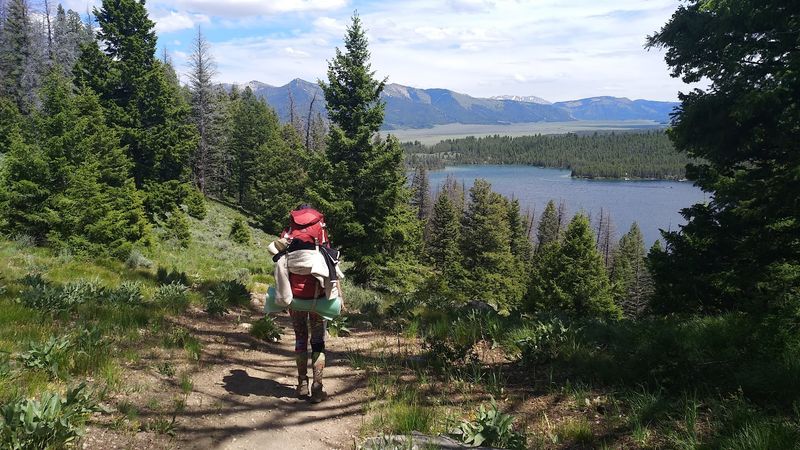
The Sawtooth wilderness around Tin Cup Trailhead is alive in every sense of the word. The forests and meadows along the trail are home to birds, marmots, and the occasional larger resident passing through the trees.
One hiker described spotting what they called “little groundhog things” along the trail, which are almost certainly marmots. These chubby, curious creatures are a staple of Idaho alpine terrain and make surprisingly entertaining trail companions.
The lakes in the area offer real fishing opportunities. Tin Cup Lake holds Cutthroat Trout, Arctic Grayling, and Rainbow x Cutthroat Trout, making it a destination for anglers who do not mind earning their fishing spot with a solid hike.
Photography is another major draw here. The combination of jagged peaks, reflective lakes, and open meadows creates compositions that no filter can improve.
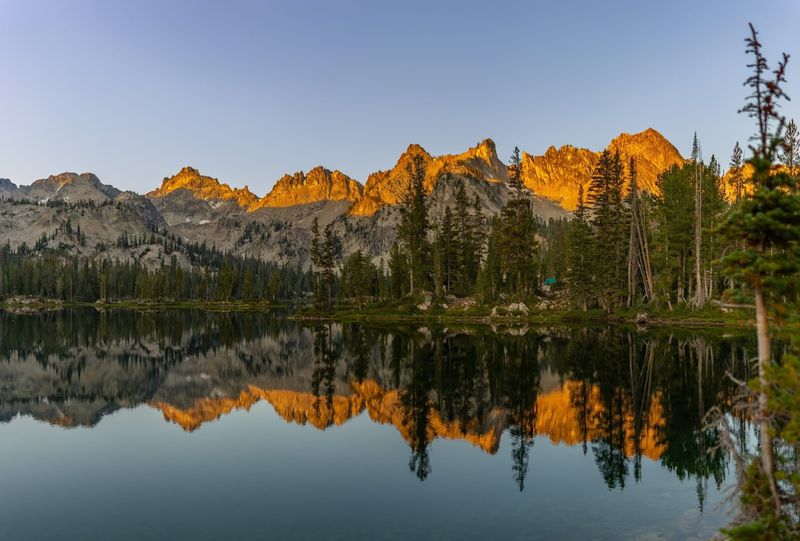
Sunrise and golden hour light hit the Sawtooth peaks in a way that stops even experienced photographers mid-step.
Leashed dogs are welcome on the trail, so four-legged hiking partners can join the adventure too. Just make sure they are ready for the mileage, because this trail does not go easy on anyone.
What would your dog think of a mountain lake at 9,000 feet?