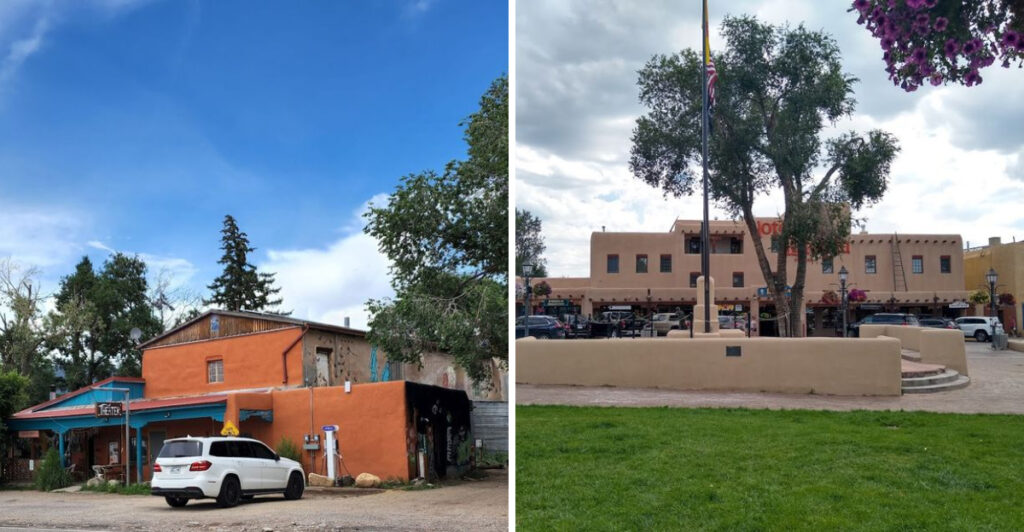
Some drives are just a way to get somewhere. This one is the whole reason to go.
Start in Talpa. Ease onto the mountain roads and watch the scenery change before you finish your first sip of coffee.
Dry high-desert views soften into pine-covered slopes. Adobe villages show up like they have been waiting for the afternoon light.
The Sangre de Cristo Mountains keep showing off, especially when sunset starts warming the ridgelines. This route through New Mexico works best when you do not overplan it.
Pull over when a church catches your eye. Slow down when the road bends toward a view.
Say yes to the little café you were not expecting. Pack something salty and clear space on your phone.
Let this drive become the story you keep bringing up after the trip ends. It feels casual at first, then somehow stays with you later too.
Honestly.
1. Talpa
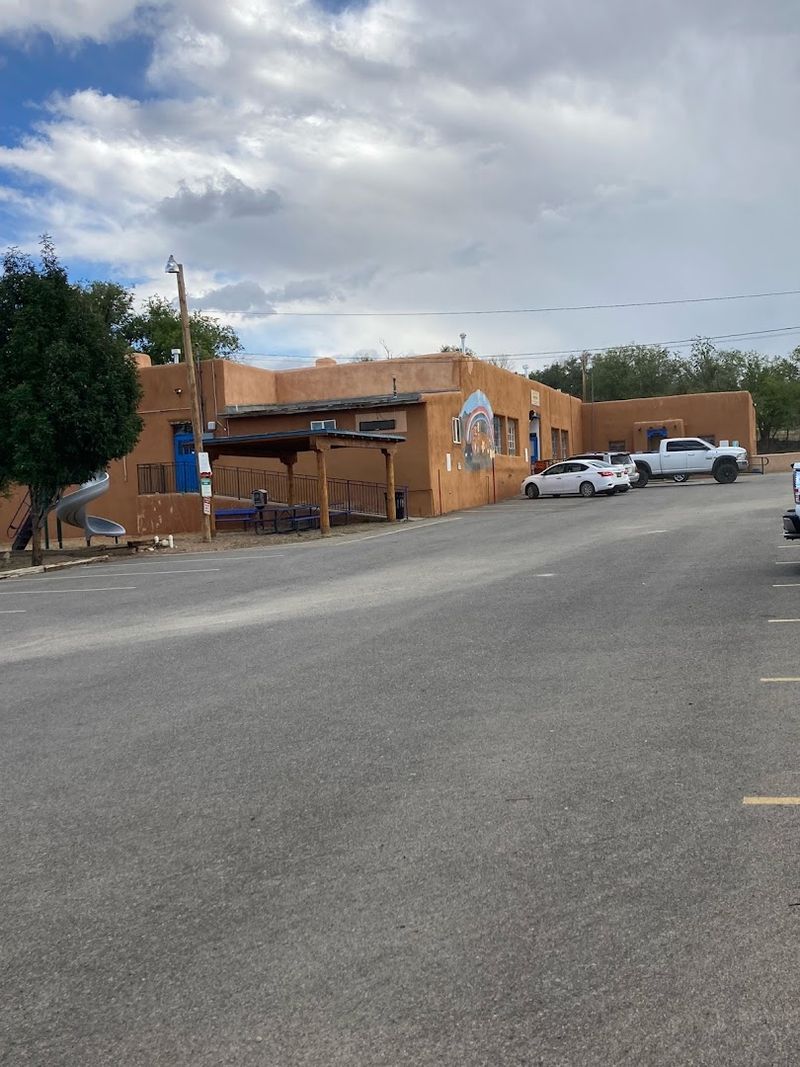
Talpa sits quietly near Rio Chiquito just south of Taos. This tiny village in Taos County, 87571, rewards the kind of traveler who slows down long enough to actually look around.
Cottonwood trees line the dirt roads here, turning brilliant gold in the fall and casting cool, dappled shade in summer, making every season feel like a different painting.
Talpa is one of those places where the local community still gathers around old church traditions, with the historic spirit of the Taos Valley echoing nearby and adobe walls standing for generations without anyone making a fuss about it.
The surrounding landscape opens up into rolling hills and irrigated farmland, a reminder that people have been coaxing life out of this high-desert soil for centuries.
Hiking trails and dirt roads fan out in every direction, connecting Talpa to neighboring communities and to stretches of open land that feel genuinely untouched.
Early mornings here are quietly spectacular, with mist sitting in the low spots near the water and the mountains turning pink above the tree line before the rest of the world wakes up.
Birdwatchers will find plenty to keep their binoculars busy, since the riparian corridor around Rio Chiquito attracts a surprising variety of species throughout the year.
If you are the type of person who finds a certain kind of peace in a place where the loudest sound is a rooster or a passing breeze, Talpa will feel like a personal discovery rather than a stop on a map, and that feeling is exactly what this road trip is built around.
2. Ranchos De Taos
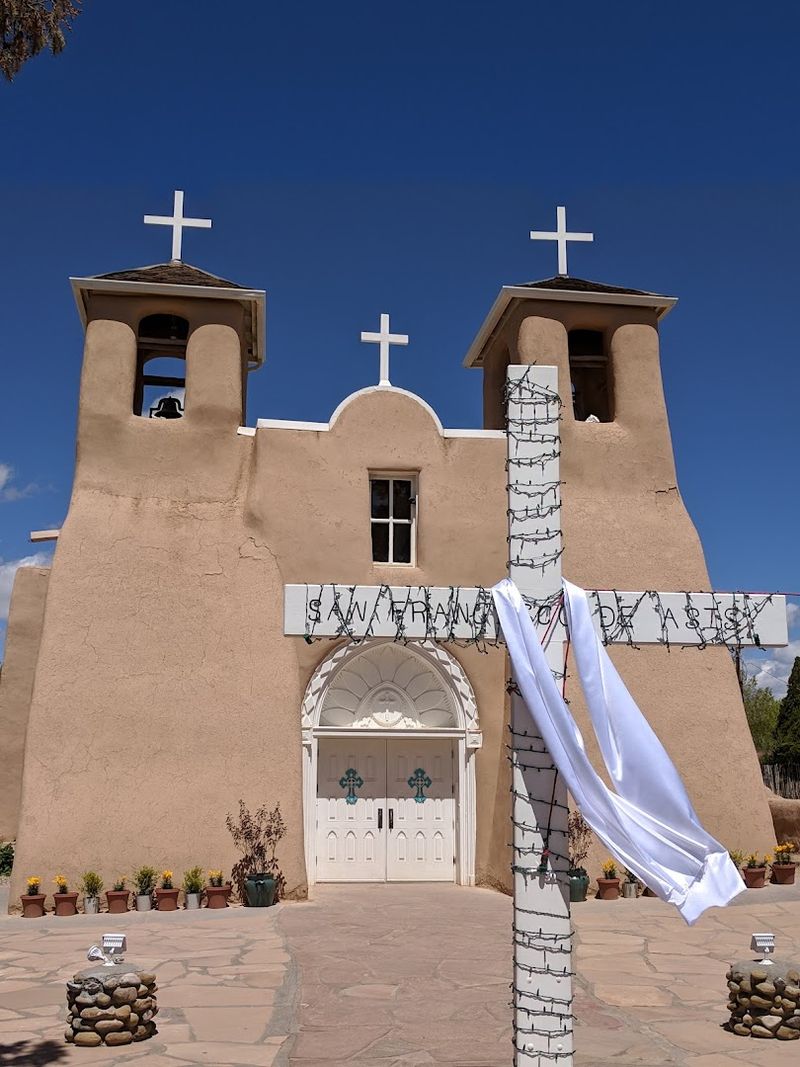
Standing in the dusty plaza of Ranchos de Taos, Taos County, New Mexico, 87557, and staring up at the San Francisco de Asis Church feels like walking into a painting you have seen a hundred times but never quite believed was real.
This adobe mission church, with its massive rounded buttresses and warm earth tones, has been drawing artists, photographers, and curious travelers for well over a century, and it still manages to feel quietly sacred rather than touristy.
Georgia O’Keeffe painted it repeatedly, Ansel Adams photographed it, and yet no reproduction fully prepares you for the way the late afternoon light wraps around those curved walls and makes the whole structure seem to breathe.
Beyond the church, Ranchos de Taos is a living community with a small plaza, local shops, and restaurants serving New Mexican food that is worth every bite of green chile heat.
The village sits just a few miles south of downtown Taos on NM-68, making it an easy first stop before the road climbs higher into the mountains and the scenery shifts dramatically.
Weekend mornings often bring a relaxed farmers market energy to the area, with locals gathering and visitors wandering at a pace that feels refreshingly unhurried.
The surrounding landscape mixes high desert scrub with the distant blue outline of the Sangre de Cristo Mountains, giving every view a layered depth that keeps drawing your eye back to the horizon.
Ranchos de Taos is the kind of place that makes you understand why so many artists decided to stop passing through and simply stay, and after spending even one afternoon here, that choice starts to make complete and total sense.
3. Peñasco
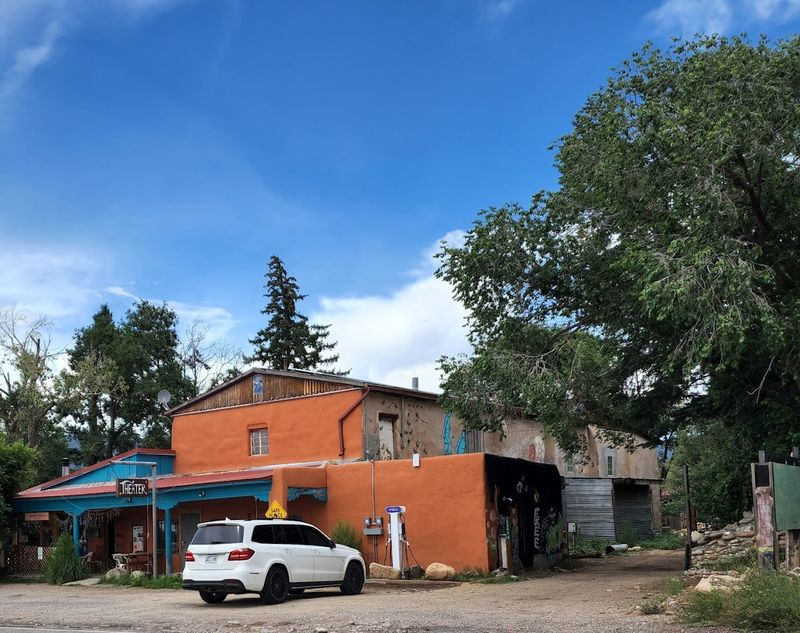
The road from Ranchos de Taos toward Peñasco follows the High Road deeper into the hills. Before long, ponderosa pines close in around you and the village appears like a welcome exhale after the wider highway views.
Peñasco sits in Taos County, 87553, nestled in a high mountain valley where the air is noticeably cooler and the pace of life noticeably slower than the towns you left behind on the main highway.
The village is home to Sugar Nymphs Bistro, a beloved local restaurant known for creative, farm-influenced cooking served in a setting that feels genuinely warm and community-rooted.
Surrounding farms and orchards add a working agricultural character to Peñasco that many mountain villages have lost over the years, and seeing that connection to the land still intact feels meaningful.
The nearby Pecos Wilderness and Carson National Forest put serious hiking, fishing, and wildlife watching within easy reach, with trails that range from gentle valley walks to demanding ridge climbs with sweeping panoramic views.
Local arts are quietly thriving here as well, with a handful of studios and galleries tucked into the village that reflect the creative spirit that runs through so much of northern New Mexico.
Fall is an especially rewarding time to visit Peñasco, when the aspens on the surrounding hillsides flip to gold and amber and the whole valley seems to glow from within.
If your road trip has a moment where you think about pulling over, ordering something delicious, and watching the mountains do their thing for an hour or two, this is it. Peñasco is almost certainly that moment, and you should absolutely trust that instinct.
4. Chimayo
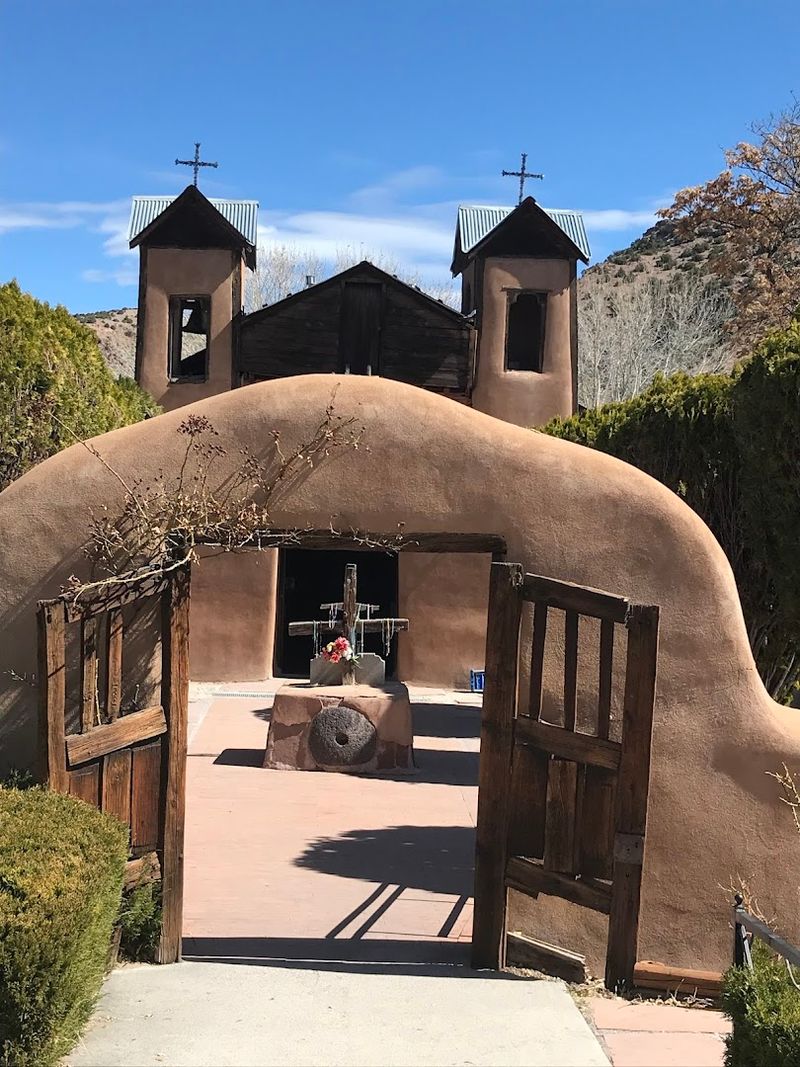
Few places along the High Road to Taos carry the quiet emotional weight that Chimayo does, a small village in Rio Arriba County, New Mexico, 87522, that has been drawing pilgrims and travelers alike for well over two centuries.
The Santuario de Chimayo, a small adobe church completed in the early 1800s, sits at the center of village life and holds a reputation as a place of healing that draws thousands of visitors every year, many of them arriving on foot during Holy Week in a tradition that remains deeply moving to witness.
Inside the church, a small room called the pocito contains sacred soil that the faithful have been collecting for generations, and the walls nearby are covered in crutches, photos, and handwritten notes left by those who believe they found something here that medicine could not provide.
Chimayo is also famous for its weavers, particularly the Ortega and Trujillo families, whose workshops produce hand-woven textiles using techniques passed down through many generations and patterns that are distinctly and proudly New Mexican.
Leona’s Restaurant in the village serves tamales and green chile dishes that locals will tell you, without any exaggeration, are among the best in the state.
The surrounding landscape of red earth, juniper scrub, and distant mountains gives Chimayo a visual character that feels ancient and grounding in a way that is hard to put into words but easy to feel the moment you step out of your car.
Spending time in Chimayo is less about checking off a landmark and more about absorbing a place where culture, faith, craft, and landscape have been layered together so carefully over so many years that every corner of the village tells a story worth hearing.
5. Truchas
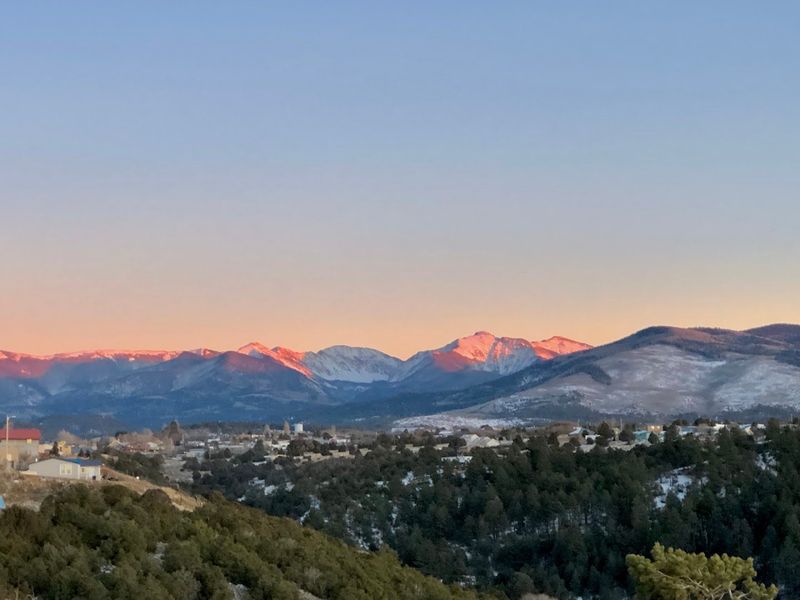
Perched dramatically on a ridge at a dizzying elevation in Rio Arriba County, New Mexico, 87578, Truchas is the kind of village that makes first-time visitors stop the car, get out, and simply stand there for a moment trying to process how beautiful it all is.
The views from the main road through town stretch for what feels like forever, dropping down into wide valley floors and rising back up into the dark peaks of the Sangre de Cristo Mountains in every direction you choose to look.
Robert Redford filmed “The Milagro Beanfield War” here in the late 1980s, a choice that makes complete sense once you see how cinematic the village looks against that backdrop of mountains and open sky.
Truchas has maintained a strong weaving tradition alongside Chimayo, and a few studios in the village still produce handcrafted textiles and artwork that reflect the deeply rooted Hispanic heritage of the entire High Road corridor.
The village itself is small and unhurried, with adobe homes lining narrow roads and community life centered around the local church and the rhythms of the farming season.
Summer brings wildflowers to the surrounding hillsides and cooler temperatures that make hiking the nearby trails genuinely comfortable even in the middle of the afternoon.
Winter transforms Truchas into something almost surreal, with snow covering the rooftops and the mountains behind the village turning a sharp, brilliant white against a sky that seems impossibly blue at this elevation.
Truchas rewards travelers who are willing to linger rather than rush, because the more time you spend watching the light change across those valley views, the more you realize this ridge-top village has been quietly holding one of New Mexico’s most spectacular secrets all along.
6. Las Trampas
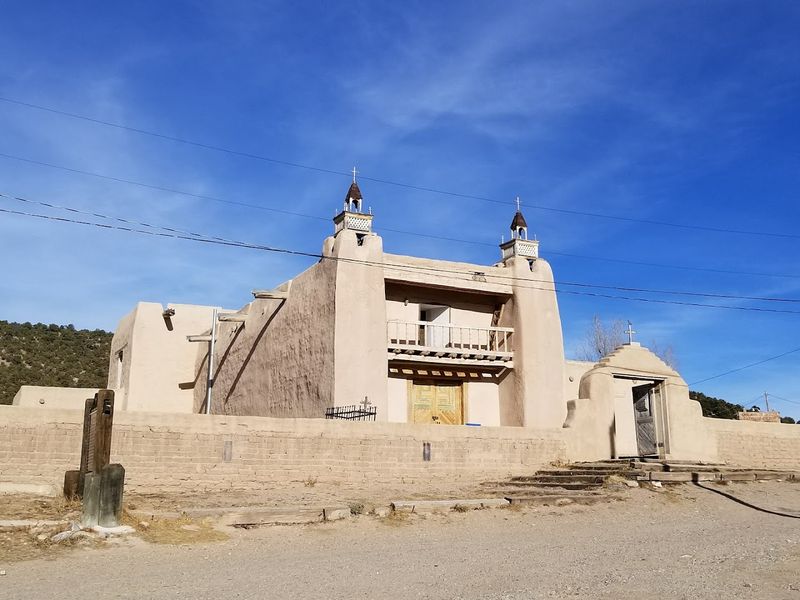
Las Trampas can feel like a quiet step into an older northern landscape. The village has changed slowly over the centuries, and that patience is exactly what makes it so memorable.
Located in Taos County, 87576, along the High Road between Truchas and Penasco, Las Trampas is home to one of the most beautifully preserved Spanish Colonial churches in the entire United States, the San Jose de Gracia Church.
Built in the mid-1700s by the original land grant settlers, the church still holds historic carved wooden altar screens, santos, and hand-painted decorations, all maintained with a care that speaks to how deeply the community values its heritage.
The church is a National Historic Landmark, and standing inside it on a quiet afternoon with the light filtering through small windows feels like a genuine privilege rather than a tourist experience.
Las Trampas sits in a narrow valley carved by the Rio de las Trampas, and the cottonwood trees along the water create a corridor of green and gold that shifts dramatically with the seasons.
The village is small enough that you can walk its main road in just a few minutes, but unhurried enough that those few minutes can stretch into an hour if you let yourself stop and notice the details.
Traditional acequia irrigation channels still run through the village, a centuries-old water management system that continues to support local agriculture and serves as a living reminder of the ingenuity of the original settlers.
Las Trampas may not have a famous restaurant or a buzzing plaza, but what it offers instead is something rarer on any road trip: the feeling of standing somewhere deeply rooted, where the past and the present still share the same quiet, unhurried rhythm.
7. Taos
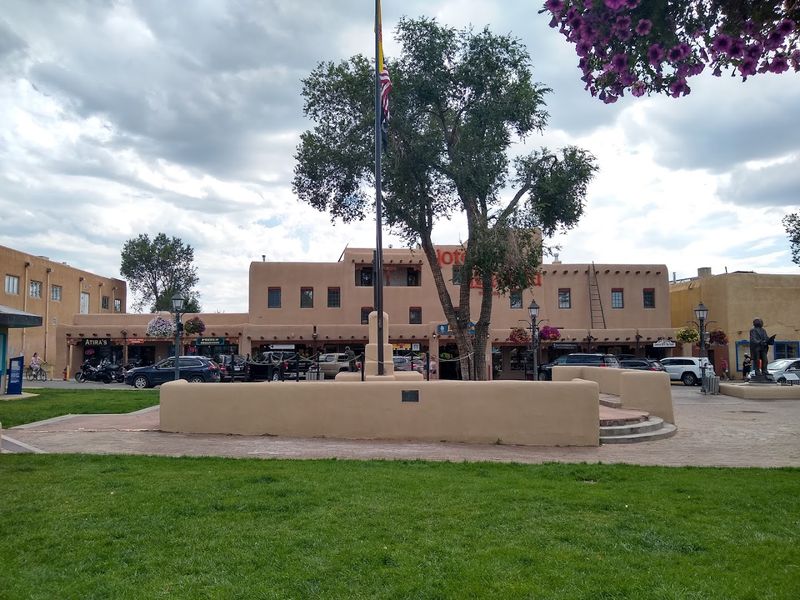
After winding through quiet villages and mountain passes, arriving in Taos feels like the road trip taking a deep, satisfied breath and saying, yes, this is exactly where we were headed all along.
Taos sits in Taos County, New Mexico, 87571, at the base of the Sangre de Cristo Mountains, and it manages to be both a thriving arts town and a deeply historic community without one identity overshadowing the other.
Taos Pueblo, a UNESCO World Heritage Site located just north of the town plaza, has been continuously inhabited for over a thousand years, making it one of the oldest living communities in North America and a place that demands respectful, unhurried attention.
The Taos Plaza at the center of town is ringed with galleries, bookshops, and restaurants, and the energy there on a weekend afternoon is lively without feeling overwhelming, the kind of buzz that makes you want to grab a seat and watch the world go by for a while.
The Taos art scene grew from the famous Taos Society of Artists, formed in the early 1900s by painters who came to visit and simply never left, a pattern that continues today with dozens of working studios and galleries spread throughout the town.
Kit Carson Home and Museum, the Rio Grande Gorge Bridge just outside of town, and the Millicent Rogers Museum all offer different windows into the layered history of the region, so even a two-day stay barely scratches the surface.
Winter brings skiers to Taos Ski Valley nearby, while summer fills the hiking trails and the plaza with visitors from around the world who come looking for something authentic and leave with the distinct impression that Taos delivered exactly that and then some.