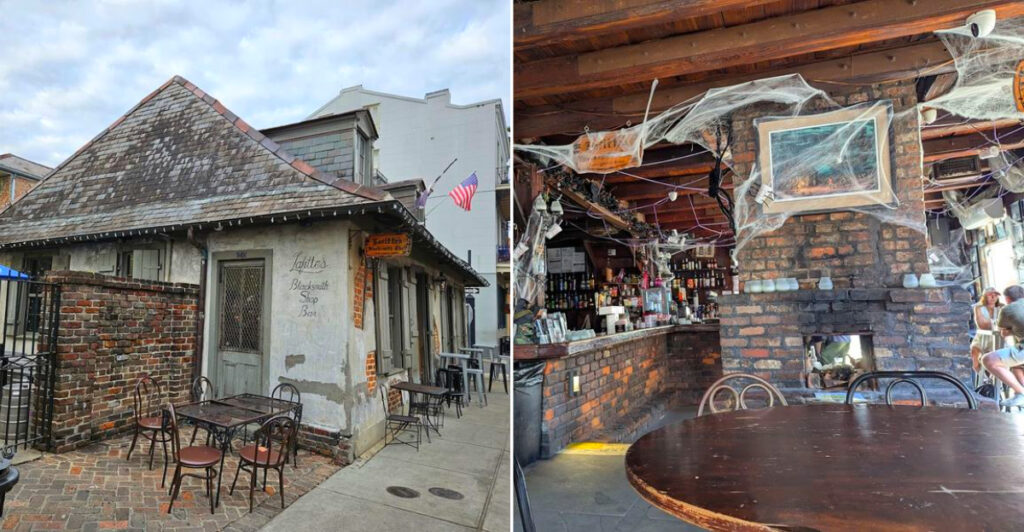
Step through that low Bourbon Street doorway and the whole city seems to lower its voice.
Outside, New Orleans is all motion, neon, footsteps, and noise, inside, the candlelight, brick walls, old fireplace, and shadowy corners make you feel like you have accidentally entered a story that never closed.
There is a theatrical quality to the room, but not in a polished, fake-historic way. It feels worn, stubborn, and deeply alive, the kind of place where you should pause before reaching for your camera.
This historic Bourbon Street landmark gives visitors one of the most atmospheric ways to experience old New Orleans, Louisiana beyond the usual tourist rush.
Notice the music, the uneven textures, the glow on the walls, and the strange intimacy of being somewhere so famous that still feels half-secret. Come for the legend, sure, but stay long enough to let the building speak first.
Arrive Toward The Quieter Hours
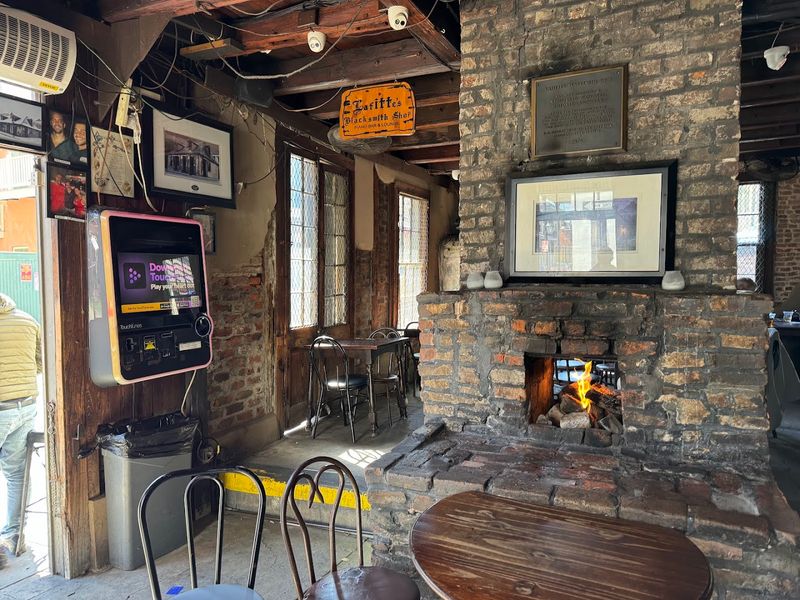
Come when the street thins and the tavern sheds its tourist cloak- late morning or mid-afternoon on a weekday often reveals the place’s personality. The candlelit interior and creaking floorboards are easier to appreciate without elbowing through a crowd; memory and architecture get room to breathe.
During those calmer spells you can listen closely to the piano from the back room and notice the uneven stucco that tells generations of repairs. That quiet lets history register as texture rather than a backdrop for a photo.
If you want a seat by the fireplace or a table near the open courtyard, timing is the single most useful tactic to tilt things in your favor.
Location
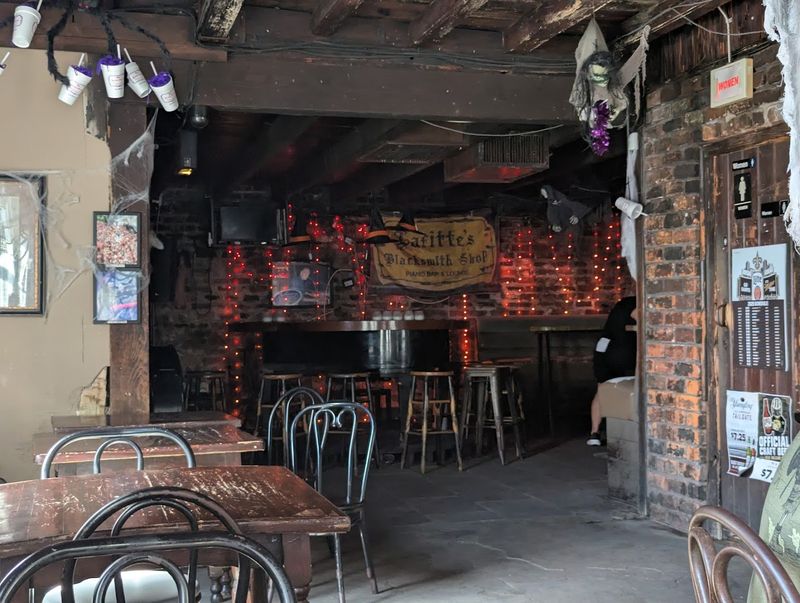
Lafitte’s Blacksmith Shop Bar, 941 Bourbon St, New Orleans, Louisiana 70116, sits in the French Quarter, where every block already feels layered with old brick, music, and legend.
Move through the area on foot if you can. The narrow streets, balconies, and worn corners make the approach feel more like wandering into a story than checking off a stop.
Keep your pace slow and your eyes up. Around here, the building is only part of the experience, the walk itself does half the work.
Listen Closely To The Piano Player
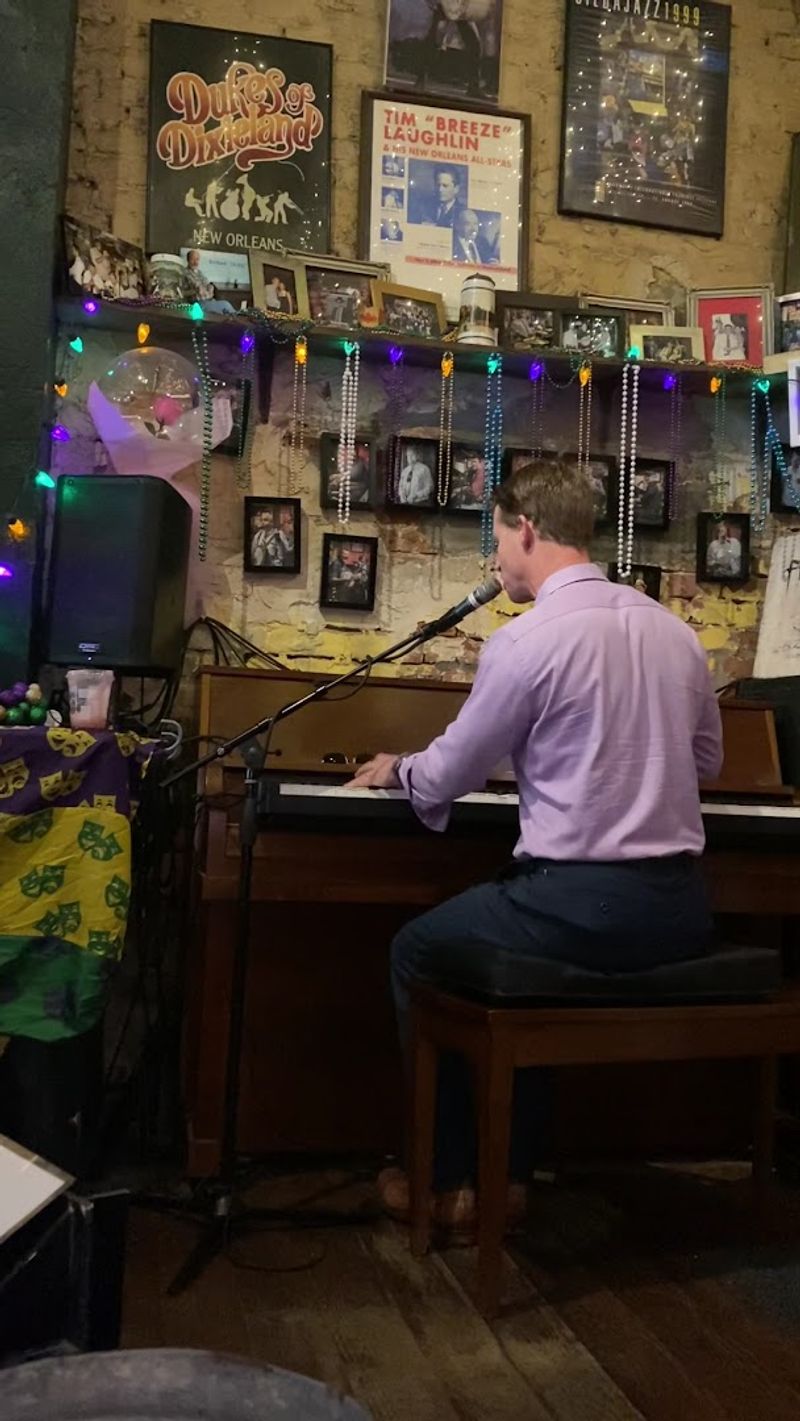
The piano is the heart of the room when someone’s at the keys; it turns the bar into a communal living room where strangers trade songs and stories. The music can be loud and close, and that proximity creates a participatory feel rather than a performance to watch from a distance.
Requests are part of the ritual, and the pianist often works with the crowd’s mood. Standing near the piano offers an immersive way to soak up the place’s energy and history, but remember to leave space for those who want to sing along.
If you prefer quieter listening, try the front room or the courtyard; otherwise, settle in and enjoy how music rewrites the building’s atmosphere.
Notice The Construction And Age Details
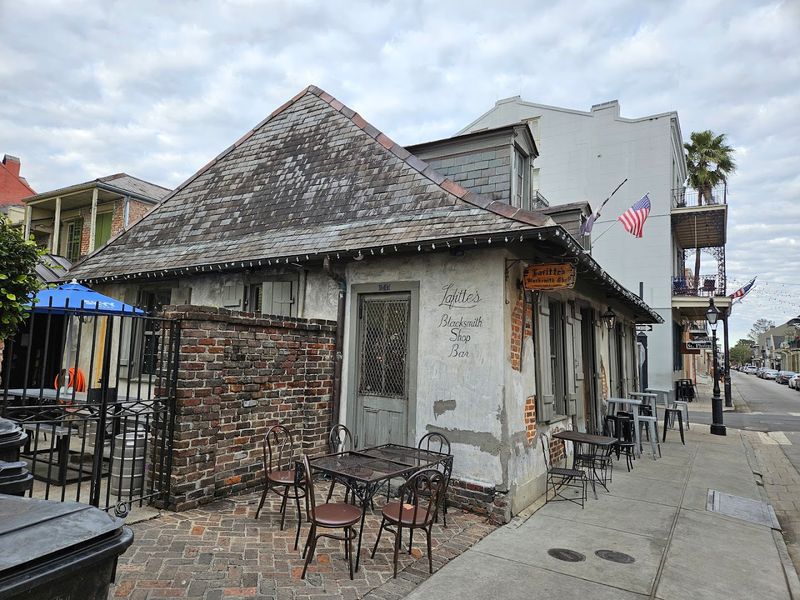
The building’s French Provincial briquette-entre-poteaux technique is visible if you look for crumbling stucco and brick infill patches; these are not mere aesthetic choices but records of centuries of repair. The ancient cypress beams and uneven floorboards feel honest, like a ledger of storms and time.
Historical plaques and the low doorway hint at 18th-century origins, but the lore around Jean Lafitte is more legend than deed. Understanding that mix of fact and folklore makes the visit richer.
Bring a curiosity for materiality: run a hand along a railing, peer at a shutter hinge, and you’ll see the architecture doing the storytelling for you.
Use The Courtyard To Escape The Crush
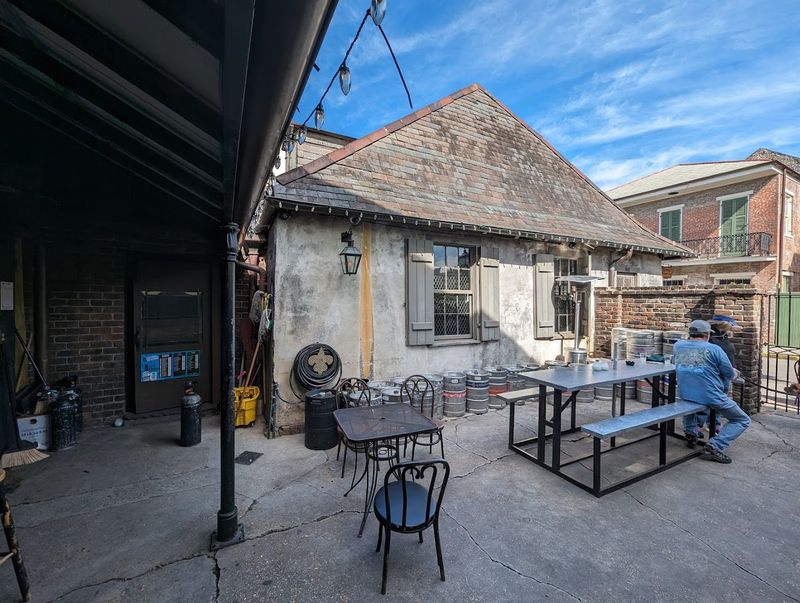
The small courtyard is a rare gift on Bourbon Street: open air, anchored by plant pots and lanterns, it softens the bar’s dense interior. When the main rooms fill, slipping outside gives you fresh air and a quieter vantage point to watch the street life without being swept by it.
I find the courtyard perfect for longer conversations and for letting the building’s sounds—creaks, distant piano—settle into the background. The outdoor light also helps if you want better photos that feel authentic rather than frenetic.
It’s also a practical space for smokers and people who need a pause from the packed rooms; treat it as an extension of the tavern’s character rather than a separate area.
Be Mindful Of The Illumination
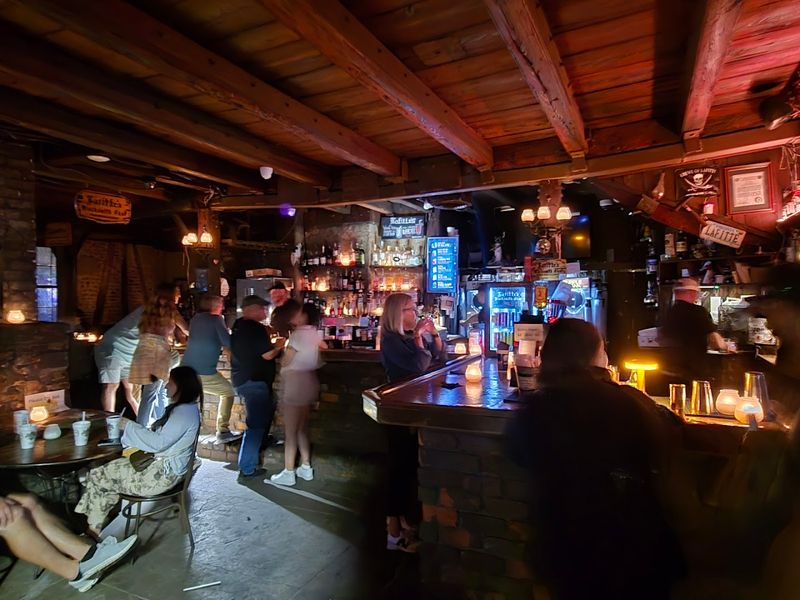
The place purposefully leans on candlelight and lanterns, which is central to its colonial aura but also means uneven lighting for photographs and reading. The dimness makes faces and textures feel sculpted, but small details like menus or phone screens can disappear into shadow.
Carry a compact light or use your phone sparingly if you need to read a menu or locate a seat; sudden bright screens can disrupt the mood. Embrace the soft gloom for the ambiance it offers, but plan ahead if you need to jot notes or check directions.
Accepting the light as part of the experience makes the space feel more coherent and rewards slower, more attentive visits.
Ask About Non-Alcoholic Options Politely
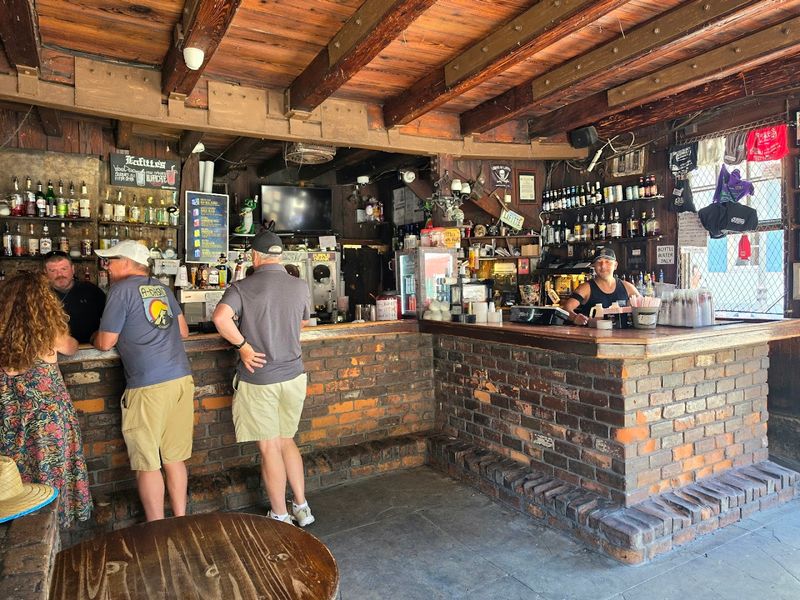
Non-alcoholic visitors sometimes find limited options here, so a friendly, clear question to staff goes a long way. The place can be busy and fast-moving, and courteous, concise requests are easier for bartenders juggling the crowd to handle.
It’s helpful to know that staff may prioritize efficiency during rushes, so asking earlier in a visit improves your chances. If you need something specific, naming the item or base flavor helps them understand instantly.
Keeping expectations realistic and tone pleasant usually yields the best response. Treat it as a pragmatic tip: the building’s charm is abundant, but provisioning for dietary or beverage needs requires a bit of advocacy.
Mind The Crowd And Find A Rhythm

On peak nights the bar fills to a near-breathable density; people arrive in waves and the place takes on a communal pulse where strangers share benches and stories. Rather than fighting the current, adjust your expectations and savor being part of the ebb instead of trying to control it.
Move with small gestures, make eye contact, and you’ll often find someone offering a spot or shifting to include you. If you prefer a steadier experience, aim for off-peak times or try the courtyard as a pressure valve.
Accepting the crowd as part of the venue’s charm lets you enjoy the human texture without turning the visit into a contest for space.
Learn A Bit Of The Legend Before You Go
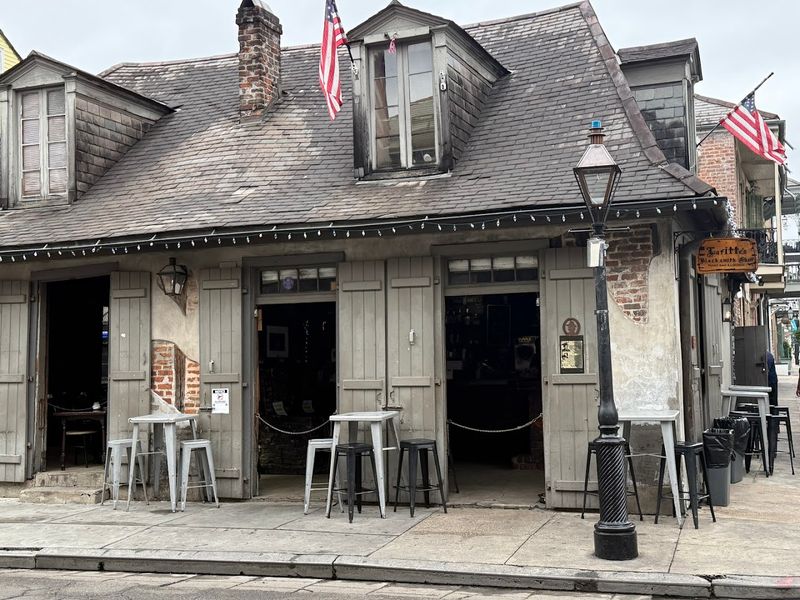
The Jean Lafitte connection is more legend than documented fact, but that mythology is woven into the tavern’s identity and the city’s folklore. Knowing which parts are romanticized and which are supported by records will make the stories you hear inside feel more textured and honest.
Reading a short primer on Lafitte and New Orleans colonial architecture beforehand means you’ll notice specific features and discrepancies, and can appreciate how the building became a stage for tales. Guides and plaques often mix myth and history, so a skeptical curiosity serves you well.
Approaching the lore as part of the entertainment enriches the visit without requiring you to accept every anecdote as literal truth.
Respect The Piano Etiquette
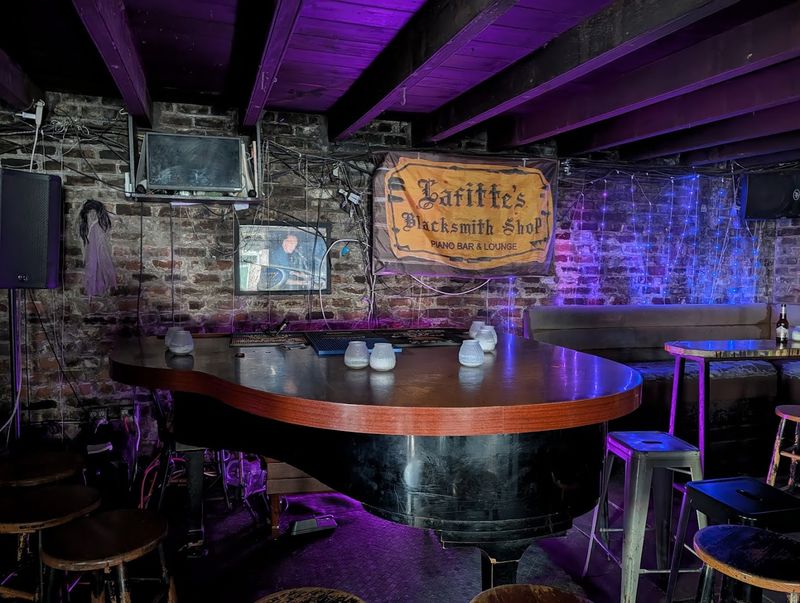
Requests and sing-alongs are part of the tavern’s social code, but there’s an unspoken etiquette: let the pianist lead the tempo and tone. Jumping in loudly can flatten the subtle interplay between player and crowd, so listen first and then participate in ways that support the moment.
Offering a polite request or tip when appropriate is a traditional way to show appreciation, yet timing matters; mid-rendition interruptions feel brusque. If you plan to request a specific song, do so during a lull or when the pianist invites requests.
Following this informal etiquette helps the music feel communal rather than competitive, which is central to the bar’s charm.
Take Small Steps To Photograph Respectfully
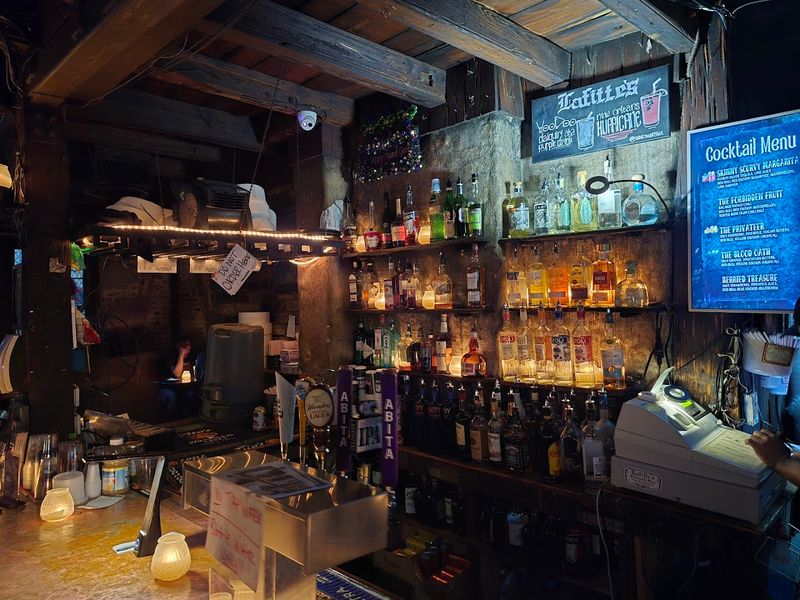
Photography in dim, intimate spaces requires restraint: avoid flash, which ruins the atmosphere, and take candid, unobtrusive shots rather than staging large groups in narrow passages. The building’s historical textures photograph best with slow hands and consideration for other patrons.
If someone appears in your frame, a quick, polite ask goes a long way and often yields smiles rather than complaints. Use the courtyard or doorway for better natural light and fewer background distractions.
Think of your camera as a quiet guest: it should observe more than it demands, capturing moments that reflect the tavern’s lived-in character rather than creating performance for the lens.
Leave Room For The Stories To Land
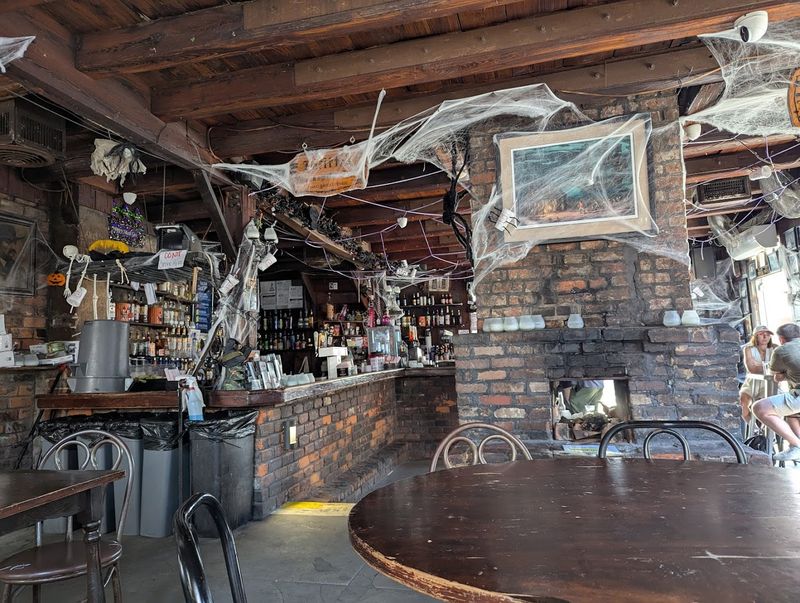
The best visits leave space for serendipity- a conversation with a stranger, an impromptu piano duet, or a whispered ghost story. The tavern rewards patience: when you stop rushing, tiny moments of local color collect around you and feel surprisingly intimate.
I once lingered long enough to hear a tale that linked the fireplace to a forgotten neighborhood event; those small narratives accumulate and deepen the place beyond its architecture. Treat your visit as a listening exercise more than a checklist.
Showing up with curiosity and leaving room for stories means you’ll remember the experience for layered details rather than a single snapshot from the crowd.