Slow down. This day trip is better without a stopwatch.
Just off Interstate 35, this small Texas village makes wandering the whole point. Main Street keeps shops, galleries, historic sites, and public spaces close together, while the creek gives you an easy place to slow the pace even more.
The village traces its modern founding to 1859, with travelers passing through the area even earlier. That history still shows up around town without turning the day into a rigid sightseeing schedule.
You can browse for a while, follow whatever catches your eye next, then leave enough room for an unplanned stop or two.
Call it a trust fall with Main Street and see where you land.
Main Street Makes It Easy To Start Exploring
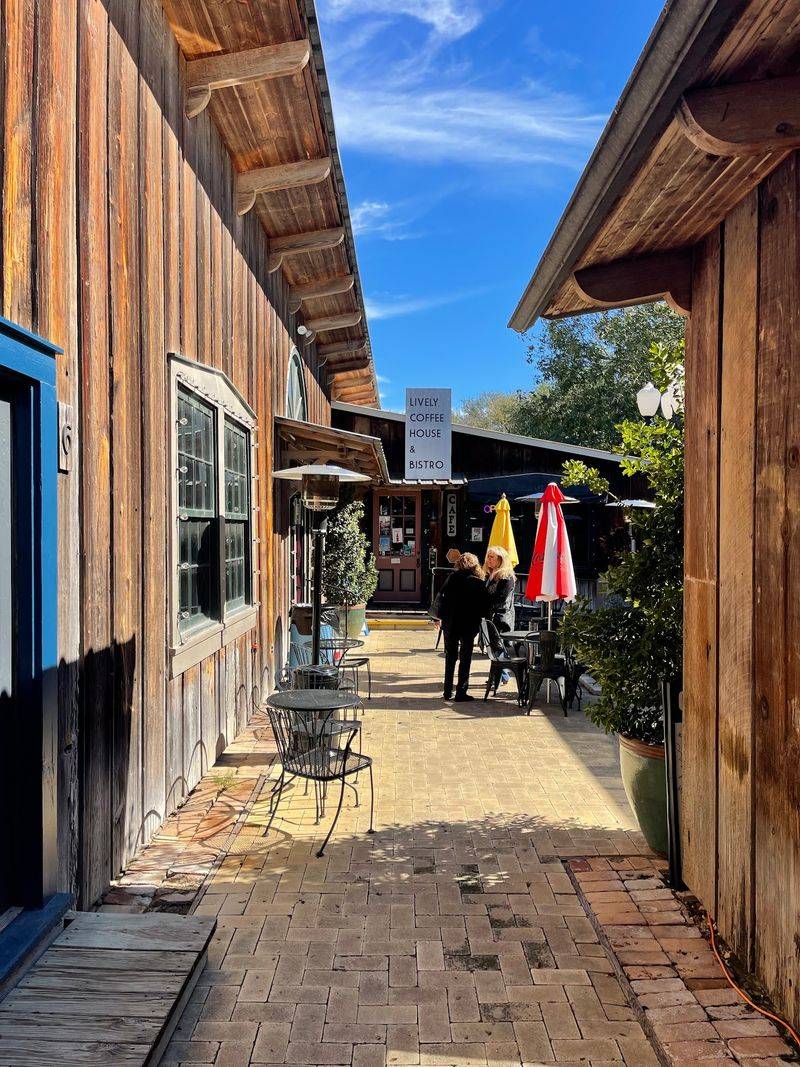
A first visit can begin with something simple: park near the center of town and start walking. Main Street brings dining, shopping, galleries, and attractions into a compact area, which makes it useful for a day trip built around short distances rather than repeated drives.
You do not need a complicated route to get oriented. Main Street follows the historic core, and many of the village’s visitor-facing businesses and landmarks sit along or close to it.
That layout gives you freedom to stop when something catches your attention instead of watching the clock between destinations.
Several of those structures date to Salado’s earliest decades. The Tyler House dates to 1857, the Anderson House to 1860, and the Davis House to about 1874.
Other historic buildings nearby show how homes and businesses developed around the road and creek as the town grew.
The pace is yours. Spend twenty minutes browsing, keep walking toward the creek, or circle back to a storefront you noticed earlier. Main Street is easy to enjoy when you give yourself permission to change plans as you go.
Salado Creek Runs Through More Than The Scenery
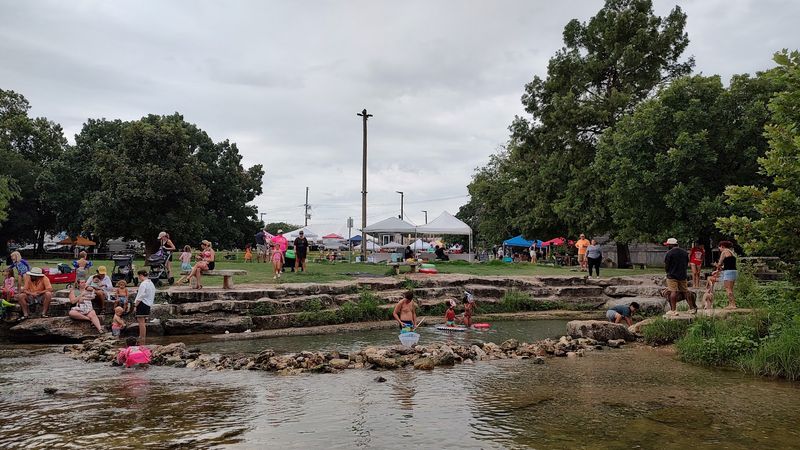
Long before the village had a Main Street, the creek was drawing people to this part of Central Texas. Springs, water, and a dependable crossing made the area useful to Indigenous peoples, later explorers and settlers, stage travelers, and cattle drivers.
Salado Creek carries a historic distinction as well. It became a Recorded Texas Natural Landmark in 1967, adding formal recognition to a waterway that had already shaped travel and settlement in this part of Central Texas for generations.
You can still see physical reminders of earlier travel near the creek. Wagon-wheel ruts remain worn into the limestone bedrock where wagons and cattle traffic crossed through the area. The Chisholm Trail route also passed through Salado and crossed the creek near the springs.
The creek also gives you a quieter part of the day. Pace Park sits along the water and provides public space where you can slow down after walking Main Street.
The park and creek area can fit naturally between the busier parts of your visit without requiring another major drive.
Keep in mind that creek conditions change with weather and rainfall. Stay on appropriate public areas, use established access points, and treat exposed rock near the water carefully because wet limestone can be slick.
Travelers Were Stopping Here Before The Town Was Founded
The road-trip idea fits Salado because travel shaped the area before the village officially took form. A weekly stage line connecting Waco and Austin was already operating through the area by 1852, several years before the town was laid out.
Then came the founding of Salado in 1859, closely tied to the creation of Salado College. The community grew around an established crossing and transportation corridor rather than appearing in isolation.
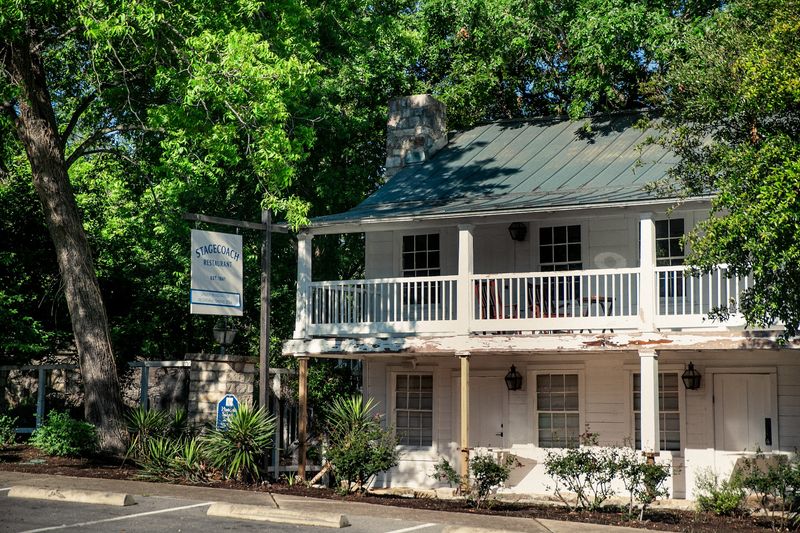
Stage travel remained an important part of the local story. The historic route crossed Salado Creek, and the property now associated with the Stagecoach Inn served travelers during the nineteenth century.
Cattle traffic later added another chapter as herds moved through Central Texas on routes associated with the Chisholm Trail.
The broader north-south corridor through this part of Texas developed over generations. Native paths were followed and expanded by Spanish explorers.
Sections became part of the Republic of Texas Military Road, and U.S. Army survey parties improved portions between 1848 and 1860.
As you move along Main Street, imagine the same corridor when a day’s progress depended on horses, wagons, creek levels, and road conditions.
A quick stop from I-35 looks very different from a nineteenth-century journey, but the reason for stopping remains familiar: this has long been a convenient place to pause along the way.
The Salado College Ruins Reach Back To The Town’s Founding
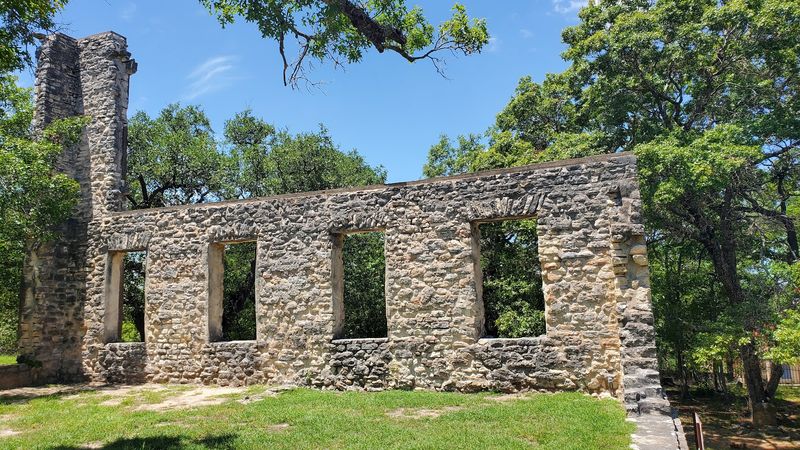
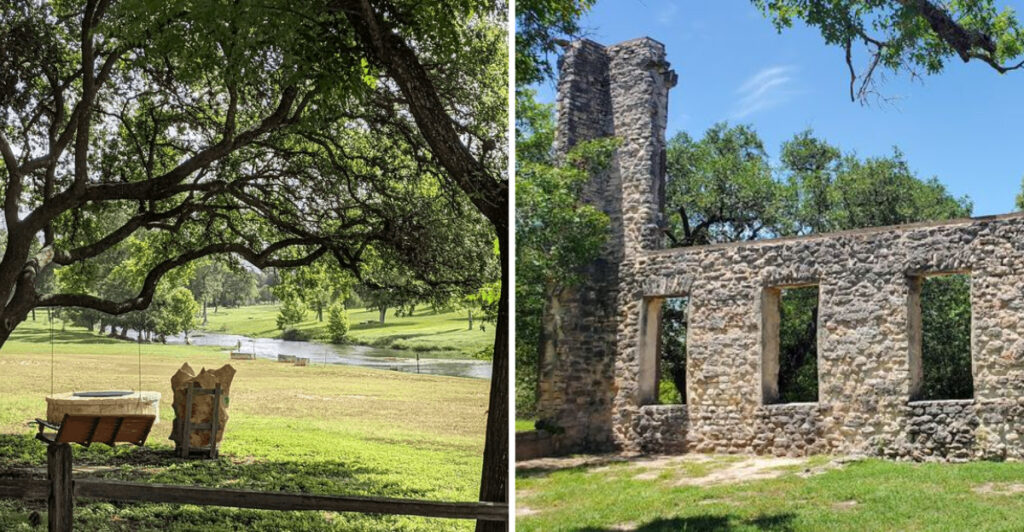
One of the clearest links to Salado’s founding sits at College Park. Salado College was established in 1859, the same year the town was laid out, and education became a central part of the new community’s identity.
Salado College was one of the first secular coeducational colleges in Texas. The school belongs to an early period when opportunities for men and women to study in the same setting were still developing across the state.
The college faced challenges during the Civil War era and later financial difficulties. Today, College Park and the surviving archaeological ruins preserve a physical connection to the institution and its place in the village’s development.
The Salado College Archaeological Site is listed on the National Register of Historic Places for its importance to education and historic archaeology. That status adds another layer to a stop where much of the story is still visible in stone.
When you visit, the stone remains give you a physical reference point for a story that otherwise might seem abstract. The ruins sit just south of the Salado Museum, making it easy to connect the site with exhibits that explain the village’s early development.
Take your time here. Read the interpretation, look at how the surviving stonework outlines the former structure, and think about why local founders placed education at the center of the new town.
Art And Antique Shops Can Take Over An Afternoon
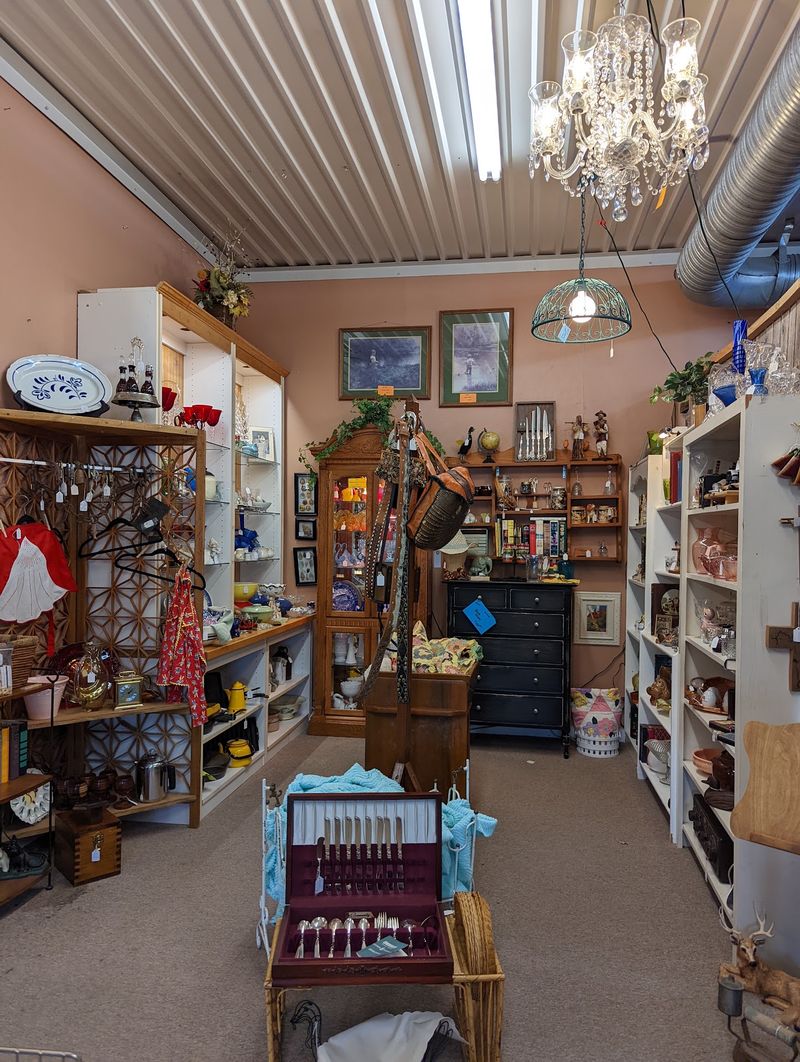
History is only part of the reason to stay on foot. Salado is also a state-designated arts community, and that creative identity gives you an easy way to fill the middle of the day without following a rigid itinerary.
The Salado Cultural Arts District became a state-designated cultural district in 2017. Galleries, public art, pottery, sculpture, and other creative work now give you another reason to explore beyond the village’s historic sites.
If antiques are your main interest, you have several options rather than one large stop. Salado Antique Mall and Salado Creek Antiques are among the places you can browse, while art-focused stops include Prellop Fine Art & Framing and Sirril Art Gallery.
The mix lets you move between different kinds of browsing without changing neighborhoods. Browse an antique shop, walk a short distance to see contemporary art, then step outside and continue toward another historic site.
You do not need to buy anything to make the afternoon work. The fun comes from seeing what changes from one doorway to the next.
Tablerock Gives Salado An Outdoor Theater Stop
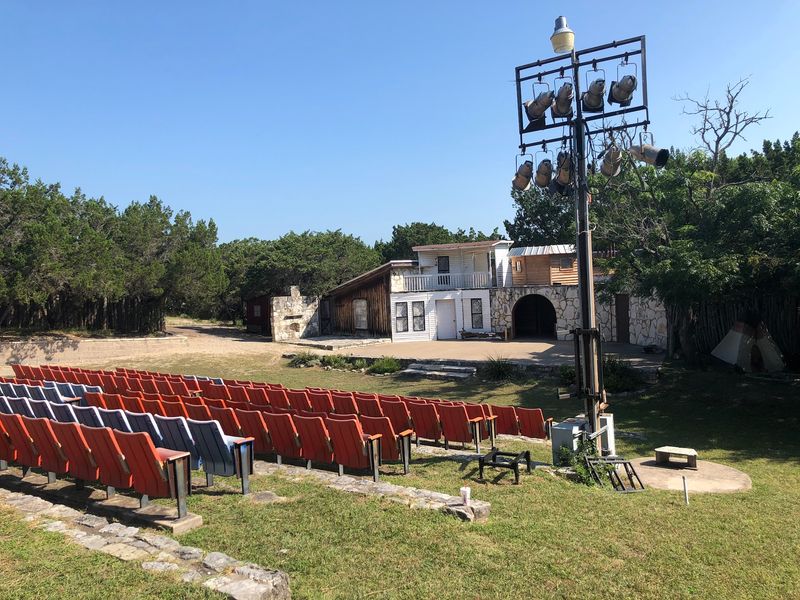
Salado is also home to the Goodnight Amphitheater. The performing arts venue sits on more than thirteen acres and gives visitors a different reason to explore beyond the Main Street corridor.
The nonprofit organization presents concerts, theater, movies, and seasonal events throughout the year. The park also includes about one and a half miles of nature trails, so the setting can add more than a single performance to a day in town.
Productions and special events vary by season, which means this stop works best when you check the schedule before arriving.
Salado Legends has long been associated with the amphitheater, while other programming brings local and visiting performers to the outdoor stage.
Even if your day trip is mostly built around walking, shopping, and history, an evening performance can change the pace without sending you far from central Salado.
Tablerock is at 409 Royal St, close enough to combine with other village stops. If a show lines up with your visit, it can give the day a final stop instead of ending the trip as soon as the shops begin closing.
Its I-35 Location Makes A Day Trip Easy To Build
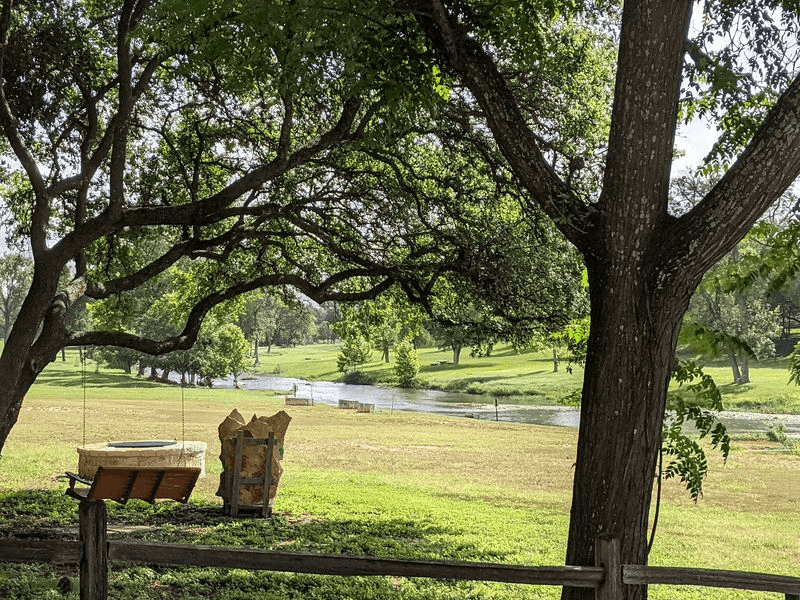
A day trip is easier when getting there does not consume the day. Salado sits just off Interstate 35 between Austin and Waco, roughly an hour from either city under typical driving conditions, though traffic and your starting point can change the timing.
That location makes the town useful for a flexible Central Texas outing. You can arrive in the morning, spend several hours on foot, and still have time for a relaxed drive home.
The simplest plan is to let the village organize the day for you. Start with Main Street, move toward the creek when you want a quieter break, add one or two historic sites, then give yourself room for galleries, antiques, or the college ruins.
Seasonal events can change the rhythm of the village, so check the event calendar before you leave if you want to know what is happening during your visit. Weather matters too, especially if much of your plan involves walking or spending time near Salado Creek.
For maps and local information, the Salado Visitor Center is at 423 S Main St, Salado, TX 76571. Hours are 9 a.m. to 5 p.m. Monday through Friday and 11 a.m. to 4 p.m.
Saturday, with the center closed on Sunday.
Once you are parked, there is no need to force every attraction into the schedule. Salado is easy to explore when you leave space between stops and follow whatever interests you most.
That flexibility is exactly what makes the town practical for a day trip. The route is easy, the distances stay manageable, and the day can be as structured or as loose as you want it to be.