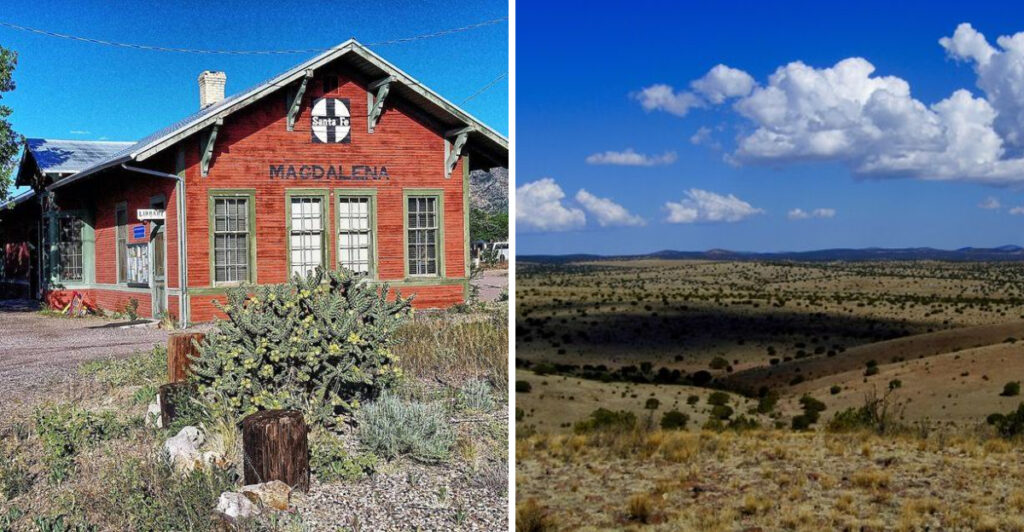
A mountain profile watches over this town, and that alone tells you the visit will not feel ordinary. The place has the kind of personality that shows up quickly.
Historic storefronts line the main road, old railroad buildings recall a busier era, and creative spaces add an unexpected spark to the quiet downtown. The setting does plenty of work too.
Rugged peaks rise beyond the rooftops, while the open land turns especially dramatic near sunset. This is a place where ranching history still feels close, rock shops make perfect sense, and a slow walk can reveal details you might miss from the car.
New Mexico has plenty of memorable small towns, but this one leaves a strong impression. It does not take long to see why this town has a way of winning people over, especially once you slow down, look around, and let its character unfold naturally.
Old West Storefronts Make Main Street Feel Like A Movie Set
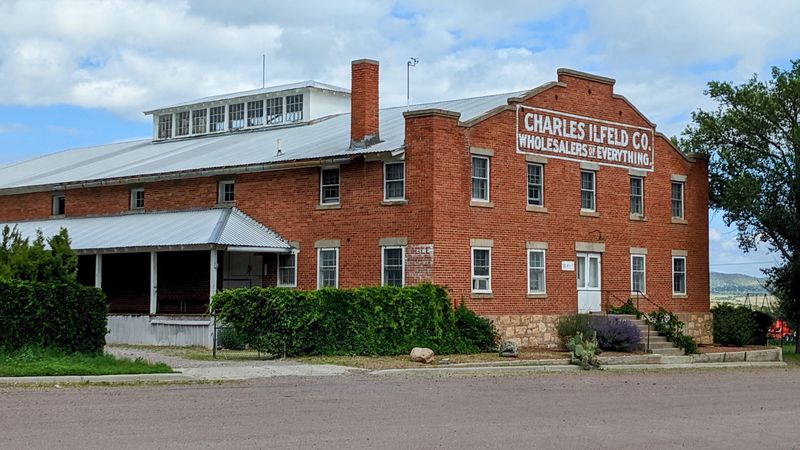
Step onto Main Street and you might instinctively glance around for a film crew. The storefronts here have that unmistakable frontier character, flat-roofed facades, faded painted signs, and wooden overhangs that seem to lean slightly into the street as if listening for the next piece of local gossip.
These buildings were not designed by a Hollywood set decorator; they simply survived long enough to look like one.
Most of the structures date back to the early 1900s, when Magdalena was a booming livestock and mining hub. The town’s commercial district grew fast during that era, and the architecture reflects the practical, no-frills style of a working frontier community.
Brick and adobe sit side by side, each material telling a slightly different chapter of the same long story.
Walking the street today feels genuinely unhurried. A few local businesses still operate from these historic shells, giving the whole block a lived-in quality that a museum could never replicate.
Photographers love the morning light here, when long shadows stretch across the storefronts and the colors of the old paint glow warm. Welcome to Magdalena, New Mexico 87825, where the past is not behind glass.
Railroad-Era Buildings Bring The Town’s Past Into View
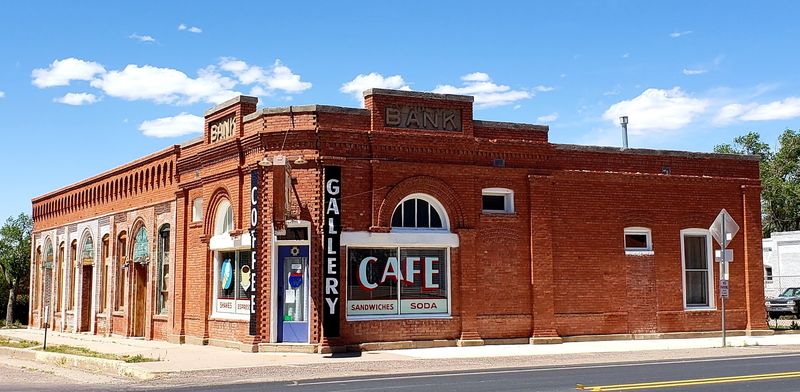
Few things anchor a town’s identity quite like its railroad history, and Magdalena wears that history openly. The Atchison, Topeka and Santa Fe Railway extended a branch line here in 1884, and the buildings that grew up around that line still stand as physical proof of how transformative that connection was.
Brick walls, wide doorways built for heavy freight, and thick window frames all speak to a time when this village moved serious commerce.
The railroad turned Magdalena into the western terminus of a busy cattle and mineral shipping operation. Livestock was driven up the famous Magdalena Stock Driveway from across the region, loaded onto trains, and sent east to markets.
The scale of that operation shaped the physical character of the town in ways you can still read in the surviving buildings.
Today, those structures carry a quiet dignity. Some have been repurposed, others sit empty but structurally sound, and all of them reward a slow walk with curious eyes.
I found myself stopping repeatedly to trace the outlines of old loading doors and faded lettering pressed into brick. The railroad may be long gone, but its bones are still holding up the town.
Unexpected Art Gives The Quiet Downtown A Creative Edge
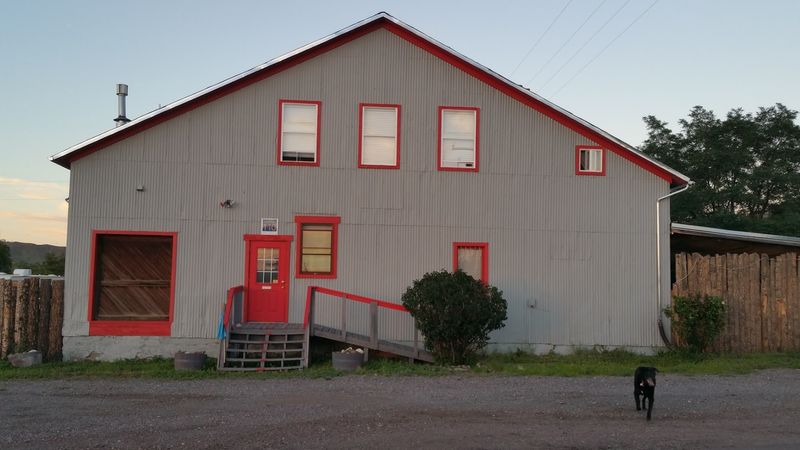
Not every small town in the rural Southwest decides to embrace public art, which makes Magdalena’s creative streak all the more delightful. Scattered through the quiet downtown, murals, sculptures, and hand-painted signage pop up in spots you would not expect them.
One moment you are looking at a century-old adobe wall, and the next you are staring at a vivid painted scene that reframes the whole block.
The art here does not feel imported or imposed. Much of it reflects local identity, drawing on the area’s ranching culture, its geological personality, and the wide-open landscape that surrounds the village.
Artists from within the community and visiting creatives from outside have both left their marks, creating a layered visual conversation across the downtown.
New Mexico has long been a magnet for artists drawn to its light and landscape, and Magdalena quietly participates in that tradition without making a fuss about it. The creative touches here are understated rather than showy, which somehow makes them land harder.
A painted cattle drive scene on a crumbling wall hits differently than the same image in a gallery. Art belongs in the places that inspired it, and here it clearly does.
The Historic Depot Still Anchors The Heart Of Town
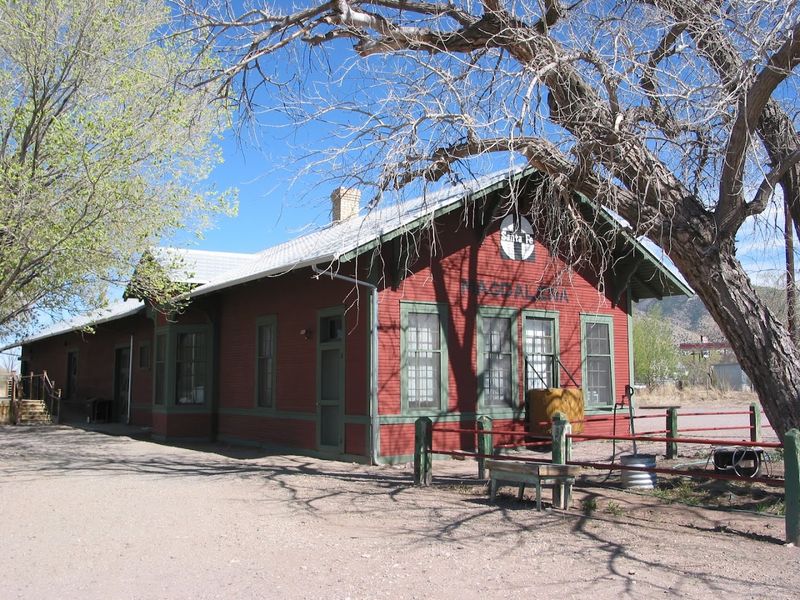
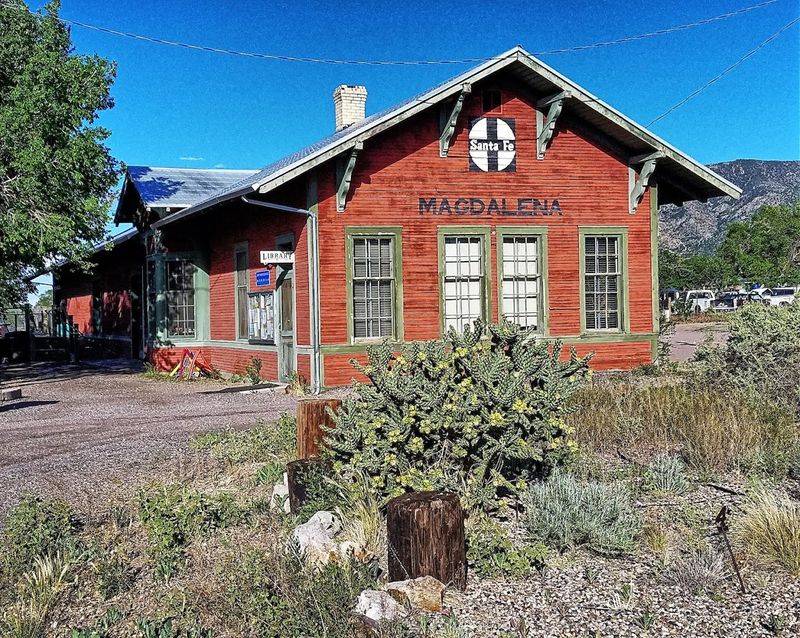
Railroad depots were the beating hearts of Western towns during the late 1800s and early 1900s, and Magdalena’s depot carries that legacy with quiet authority. The structure served as the primary point of connection between this remote village and the wider world, handling cattle shipments, mineral freight, and the steady flow of people arriving and departing with big plans in their pockets.
The depot’s architecture is straightforward and honest, built for function rather than ornament, but that simplicity gives it a kind of dignity that more decorative buildings often lack. Its proportions feel right for the scale of the town, neither too grand nor too humble, just exactly what the moment required.
Standing near it, you get a strong sense of how central this spot once was to daily life here.
Preservation efforts have kept the structure visible and recognizable, which matters enormously in a town this size. When a building like this disappears, a piece of the town’s self-understanding goes with it.
I appreciated that Magdalena has held onto this one. The depot still anchors the downtown geography, giving the whole area a historical center of gravity that you can feel even if you cannot fully explain it.
Rugged Mountain Views Frame Nearly Every Street
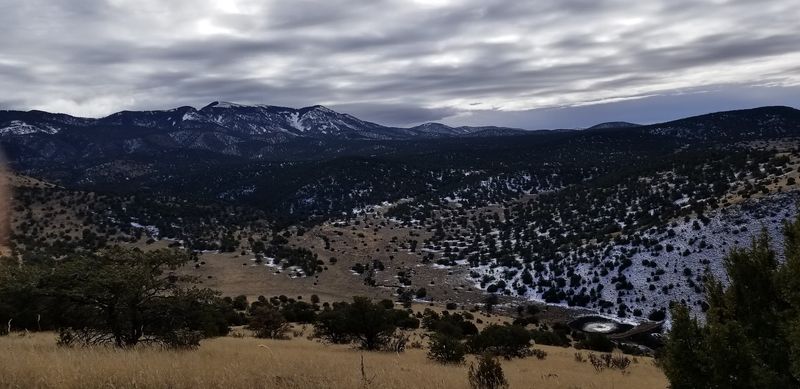
Look up in Magdalena, and the mountains are always there. The Magdalena Mountains rise sharply to the south, and their presence is constant, framing the town in a way that makes even a routine errand feel slightly cinematic.
These are not soft, rolling hills; they are the kind of jagged, sun-scorched peaks that remind you exactly where you are in the world.
Magdalena Peak carries its own local legend, while South Baldy forms the highest point in the range. Spanish soldiers reportedly saw the profile of a woman’s face on the rock formation of the west face, and that image gave both the peak and the town their name.
Once you know the story, you find yourself squinting at the ridge line, trying to spot her yourself, and usually succeeding.
The mountains do more than provide scenery. They shape the local climate, influence the wildlife patterns, and give residents a daily orientation point that cities rarely offer.
For visitors, they provide a constant invitation to explore, with trails and open terrain accessible from the edge of town. Every street in Magdalena frames a slightly different version of the same dramatic backdrop, and none of them get old.
Rock Shops Add A Quirky Touch To The Local Scene
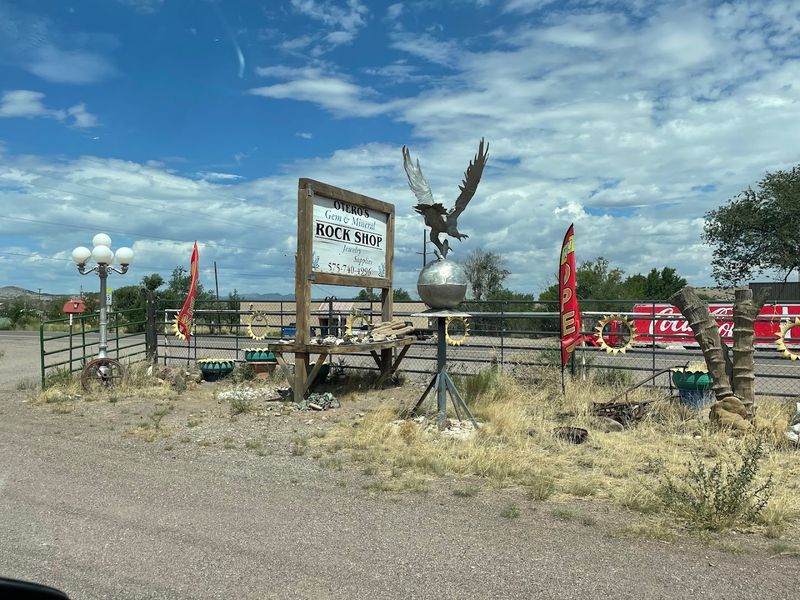
Socorro County sits atop some seriously interesting geology, and Magdalena’s rock shops make sure you know it. These small, often eccentric little stores sell everything from rough-cut minerals pulled out of nearby mountains to polished geodes that look like they belong in a science museum display case.
The variety is genuinely surprising for a town of 800 people.
The area around Magdalena has been a source of silver, lead, zinc, and various minerals since the mining boom of the late 1800s. That geological richness did not disappear when the big mining operations wound down; it just shifted into a more retail-friendly format.
Rock shops became a natural extension of the region’s mineral identity, and they fit the town’s quirky personality perfectly.
Browsing these shops is an experience in itself. The owners tend to know their inventory with an almost encyclopedic familiarity, and a casual question about a particular specimen can easily turn into a twenty-minute conversation about local geology.
I left one shop carrying a piece of fluorite and considerably more knowledge than I arrived with. These places are part curiosity cabinet, part classroom, and entirely worth a stop.
Old Stockyards Reveal A Fascinating Ranching Legacy
At its peak, Magdalena was one of the most important livestock shipping points in the entire Southwest. Cattle and sheep were driven hundreds of miles along the Magdalena Stock Driveway, one of the longest-used livestock routes in the region, and funneled through the town’s stockyards before being loaded onto railroad cars headed east.
The scale of that operation is hard to picture standing here today, but the remnants of the old stockyards help.
The structures that remain are weathered and worn, but they carry an unmistakable presence. Wooden fence posts, rusted hardware, and the general layout of the corrals all communicate the working intensity of what happened here.
This was not a romantic cattle drive in the Hollywood sense; it was hard, organized, commercial livestock movement at serious volume.
Ranching culture still runs deep in the Magdalena area, and the stockyard remnants serve as a tangible link between that living tradition and its historical roots. Local families whose grandparents worked these drives still live in the region.
The old yards are not just a tourist curiosity; they are a community memory made physical, and they deserve more attention than most passing visitors give them.
Desert Sunsets Make The Wide-Open Landscape Glow
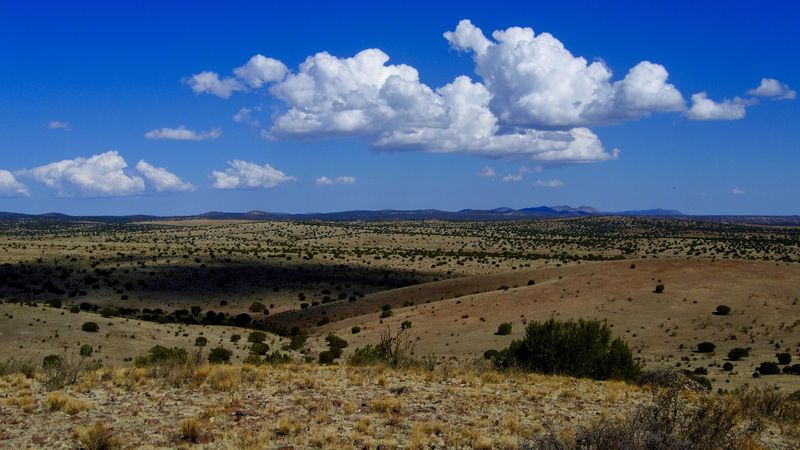
Few things prepare you for a New Mexico sunset if you have never seen one. The sky here operates on a completely different color palette than anywhere else, cycling through shades of orange, pink, deep red, and violet in a display that feels almost competitive in its intensity.
Magdalena, sitting in a wide valley with unobstructed sight lines in nearly every direction, is one of the best places in the state to watch it happen.
The high desert elevation plays a role in the light quality. At roughly 6,500 feet, the air is thinner and clearer than at lower altitudes, which means the colors come through with a sharpness that feels almost theatrical.
The surrounding mountains catch the last light and hold it longer than the valley floor, creating a layered glow that shifts minute by minute.
I sat on the edge of town one evening and watched the whole sequence unfold from start to finish. No one else was around, no crowd, no commentary, just the sky doing its thing over the open land.
The silence made it bigger somehow, more complete. Magdalena does not compete for your attention; it simply offers moments like this and trusts you to recognize them.